Discover the Galápagos After 60
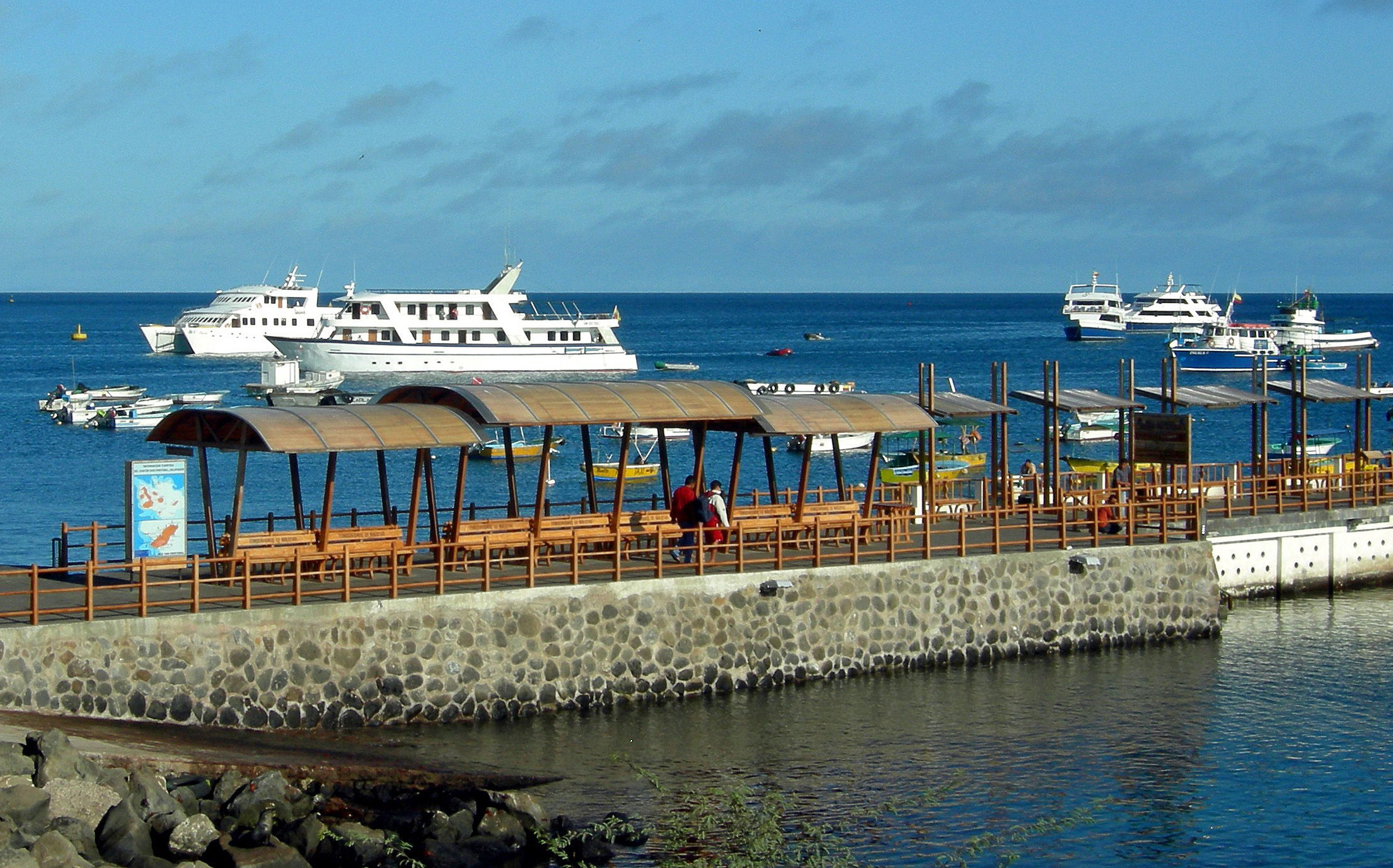
At sunrise in the Galápagos Islands, the shoreline of San Cristóbal stirs with movement. Sea lions stretch across volcanic rock, marine iguanas warm themselves in early light, and a small expedition vessel floats quietly offshore. Within minutes, guests board Zodiacs and step onto protected beaches in small, guided groups. This is the essence of small-ship cruises for seniors — close access, structured exploration, and wildlife encounters shaped by conservation and care.
For travelers over 60, timing matters. While the Galápagos is a year-round destination, the warm season from December to May offers particularly calm seas, warmer water, and ideal snorkeling conditions — making it one of the most comfortable windows to explore this UNESCO-protected archipelago.
Cruises in the Galápagos Are Special
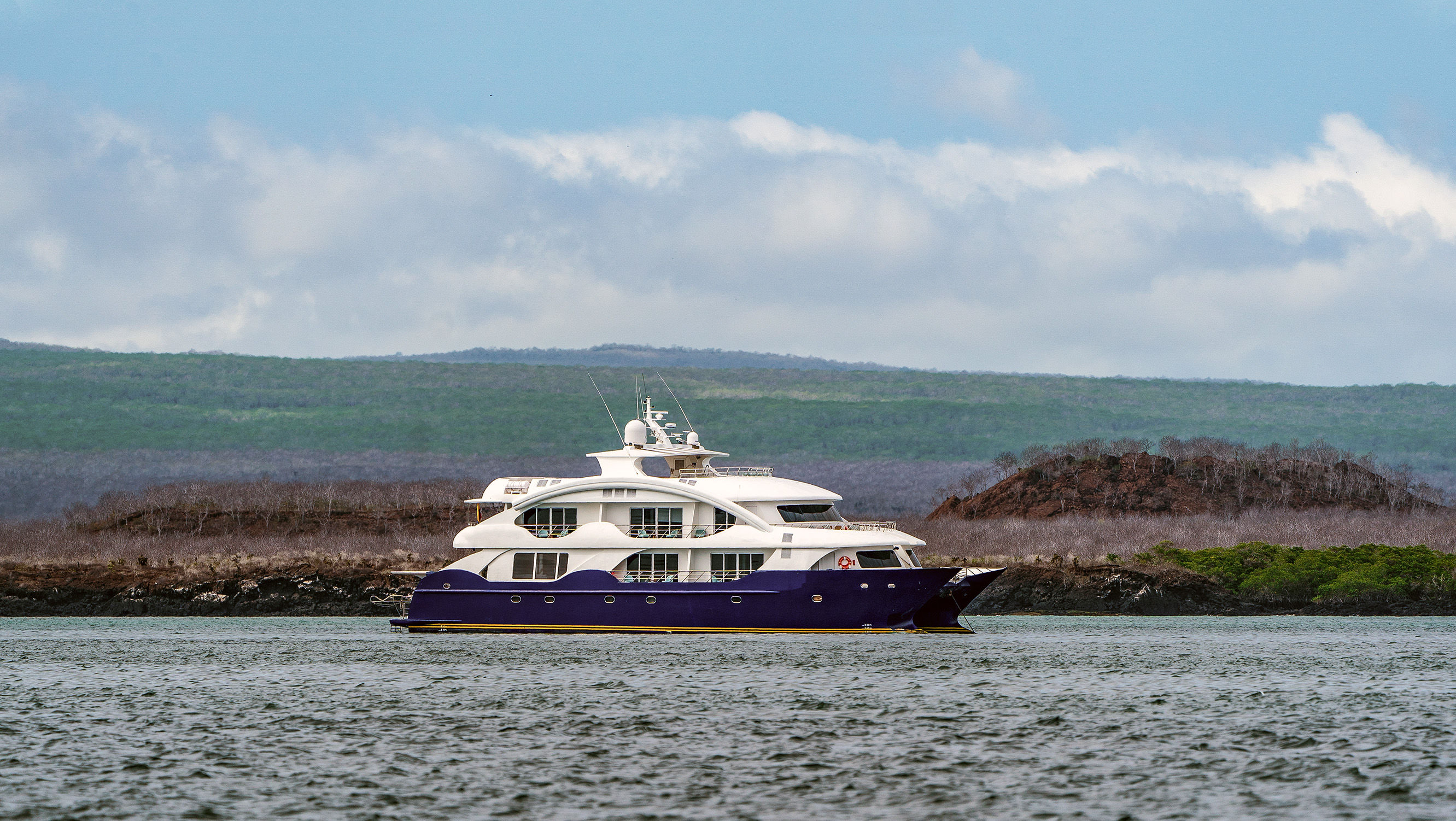
The Galápagos National Park strictly regulates tourism, limiting visitor numbers, rotating landing sites, and intentionally keeping groups ashore. This framework is designed to protect fragile ecosystems, but it also shapes the travel experience itself. Expedition-style vessels carrying fewer passengers are naturally aligned with these regulations, enabling smoother logistics and more meaningful time ashore.
On a Galápagos small-ship cruise, travelers disembark efficiently at remote sites without long waits or crowd congestion. Shore excursions are led by certified naturalist guides who provide scientific and historical context, turning each landing into an educational experience. Walking routes are typically offered at varying intensity levels, allowing guests to choose a pace that suits their comfort and mobility. Wildlife encounters feel unhurried and authentic, free from the pressure of large tour groups.
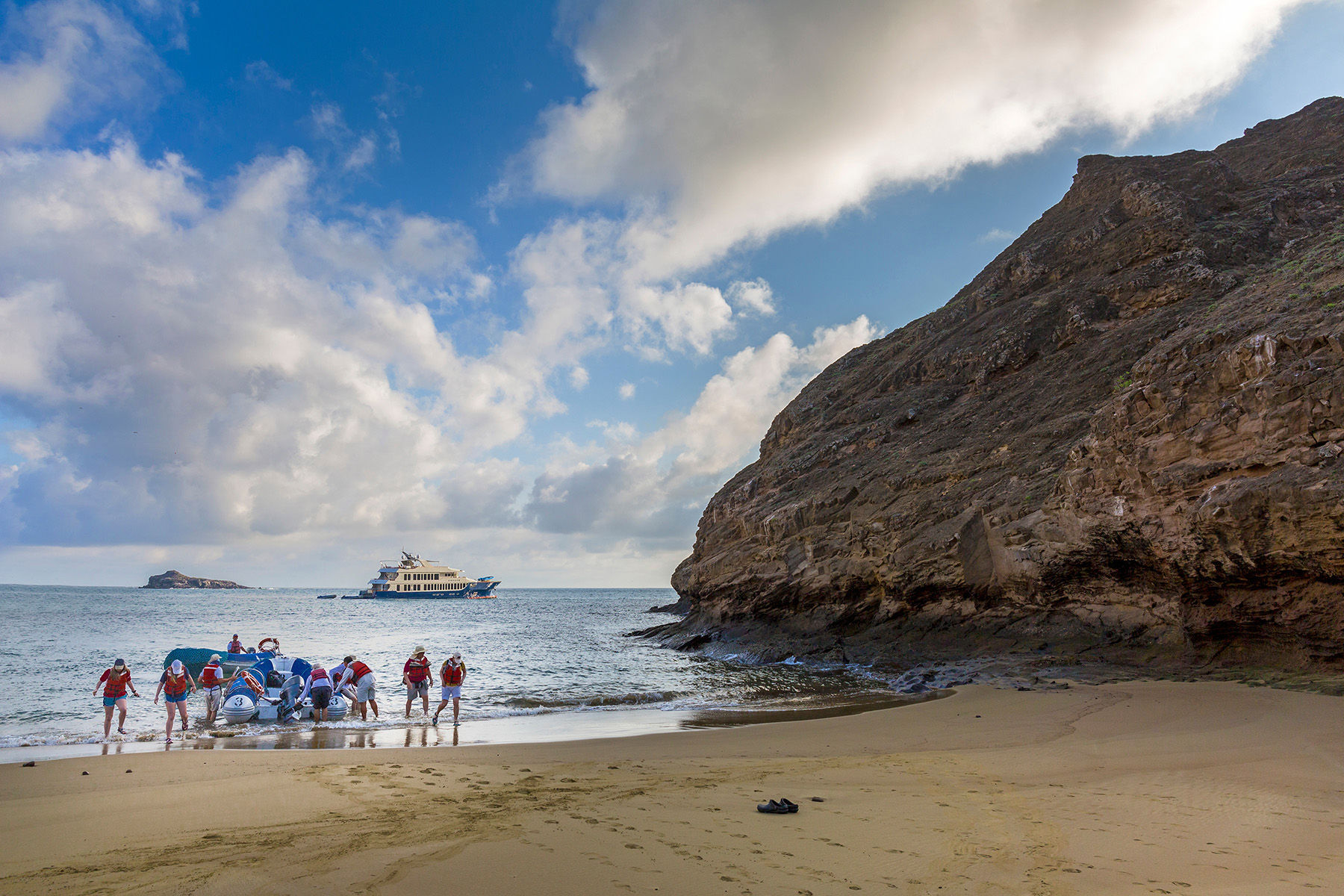
Smaller vessels anchor close to protected coves and volcanic inlets. Guests step directly onto beaches such as Gardner Bay or slip into calm waters near Santiago Island for guided snorkeling sessions. For mature travelers, this combination of structured access, expert interpretation, and environmental stewardship creates a journey defined by engagement rather than observation alone.
The Galápagos in the Warm Season (December–May)
The warm season is defined by calmer seas and warmer ocean temperatures. Air temperatures typically range between 24–30°C (mid-70s to mid-80s °F), and brief tropical showers keep vegetation green without significantly disrupting itineraries. Warmer water enhances snorkeling conditions — a major draw for those considering Galápagos cruises over 60.
Often Visited Galapagos Locations
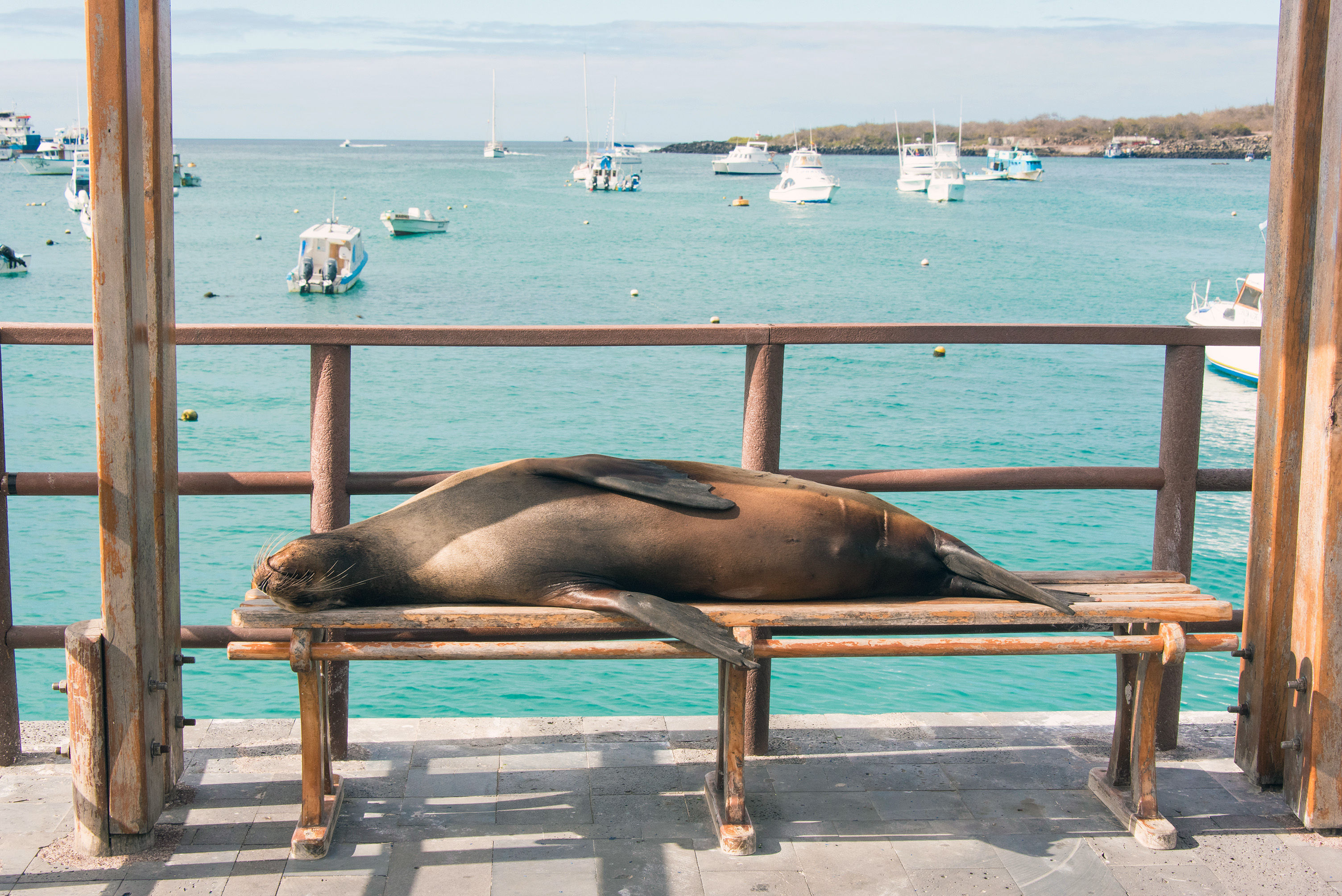
San Cristóbal is frequently used as an embarkation or disembarkation point for Galápagos itineraries, but it is far more than a logistical stop. Its sheltered bays are home to thriving sea lion colonies that often greet arriving Zodiacs at the dock. The island also features interpretive centers that explain the archipelago’s conservation framework, offering insight into how strict environmental policies protect endemic species while supporting local communities.
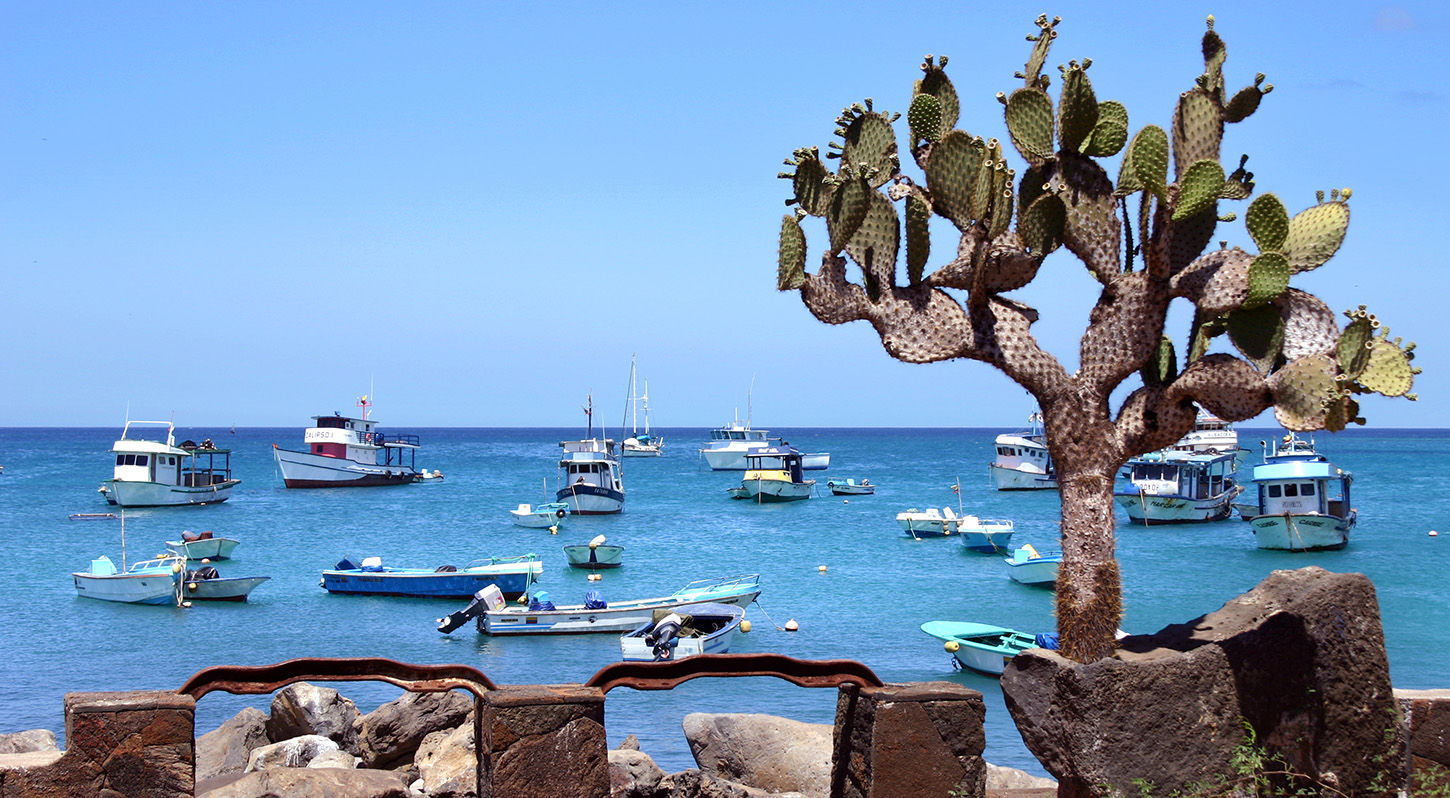
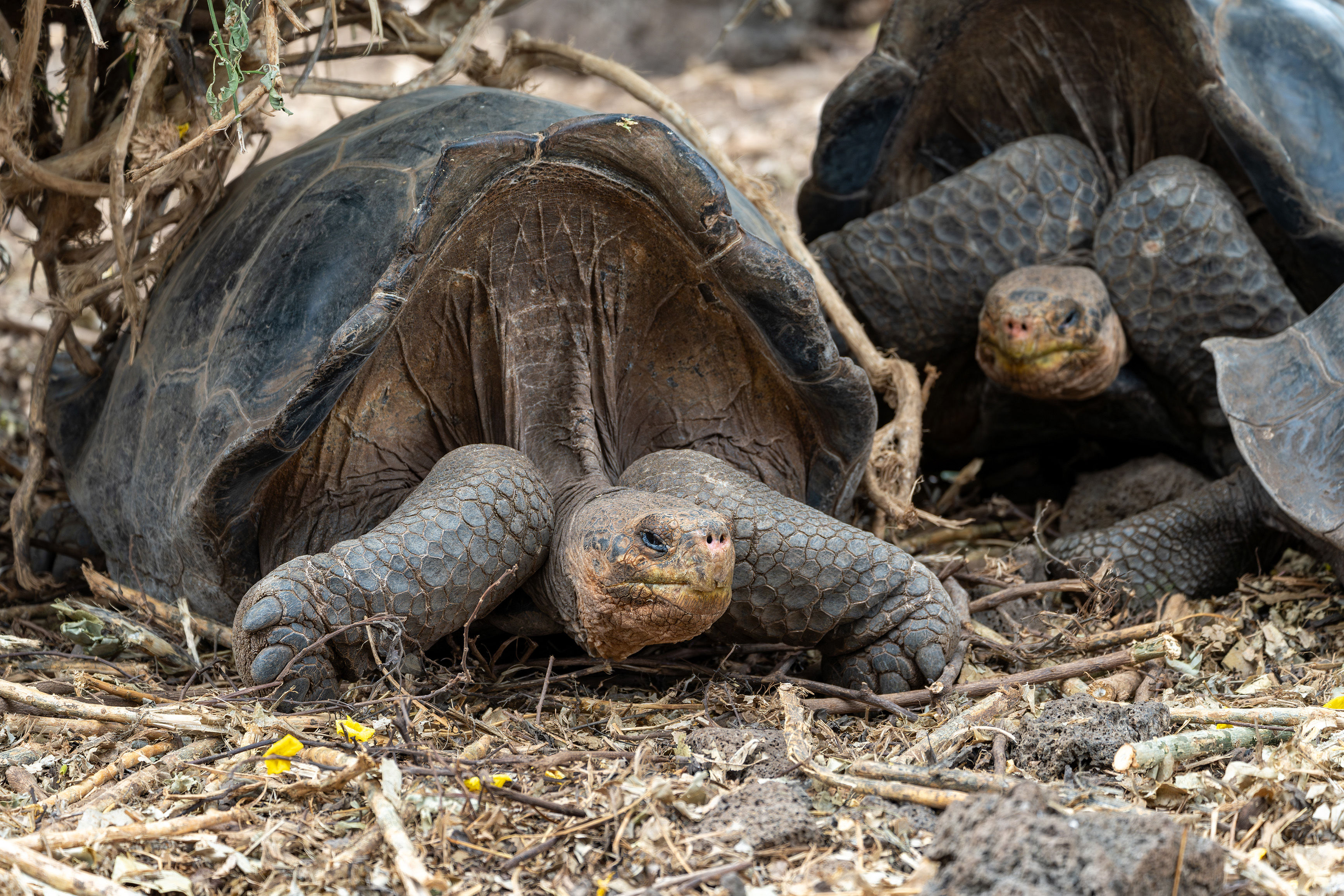
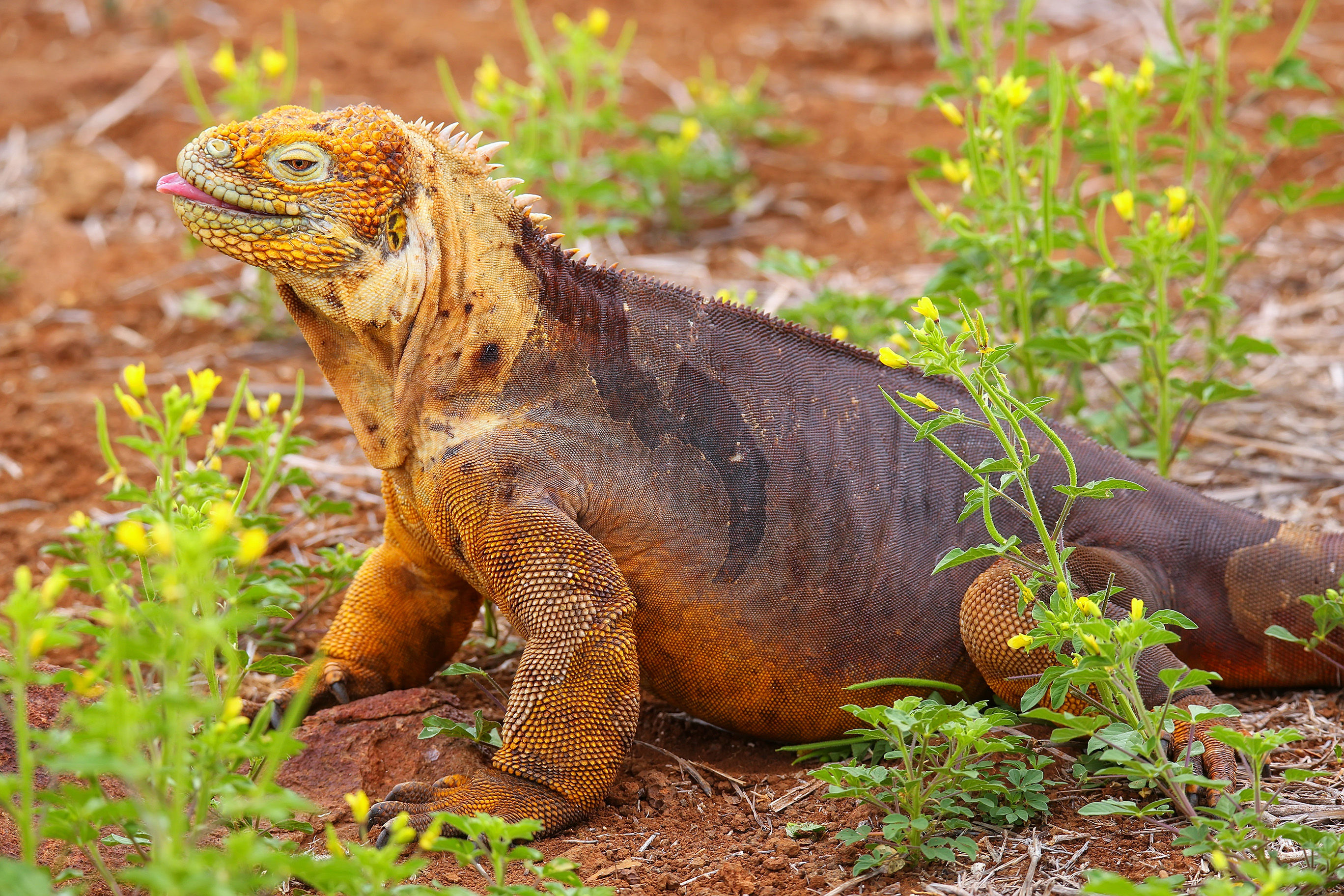
Santa Cruz serves as one of the scientific and population centers of the islands. Here, visitors often tour the Charles Darwin Research Station, where giant tortoise breeding programs and habitat restoration projects illustrate the long-term effort required to preserve fragile ecosystems. In the highlands, wild tortoises roam freely, offering an opportunity to observe these iconic reptiles in their natural environment while learning about the challenges of managing invasive species.
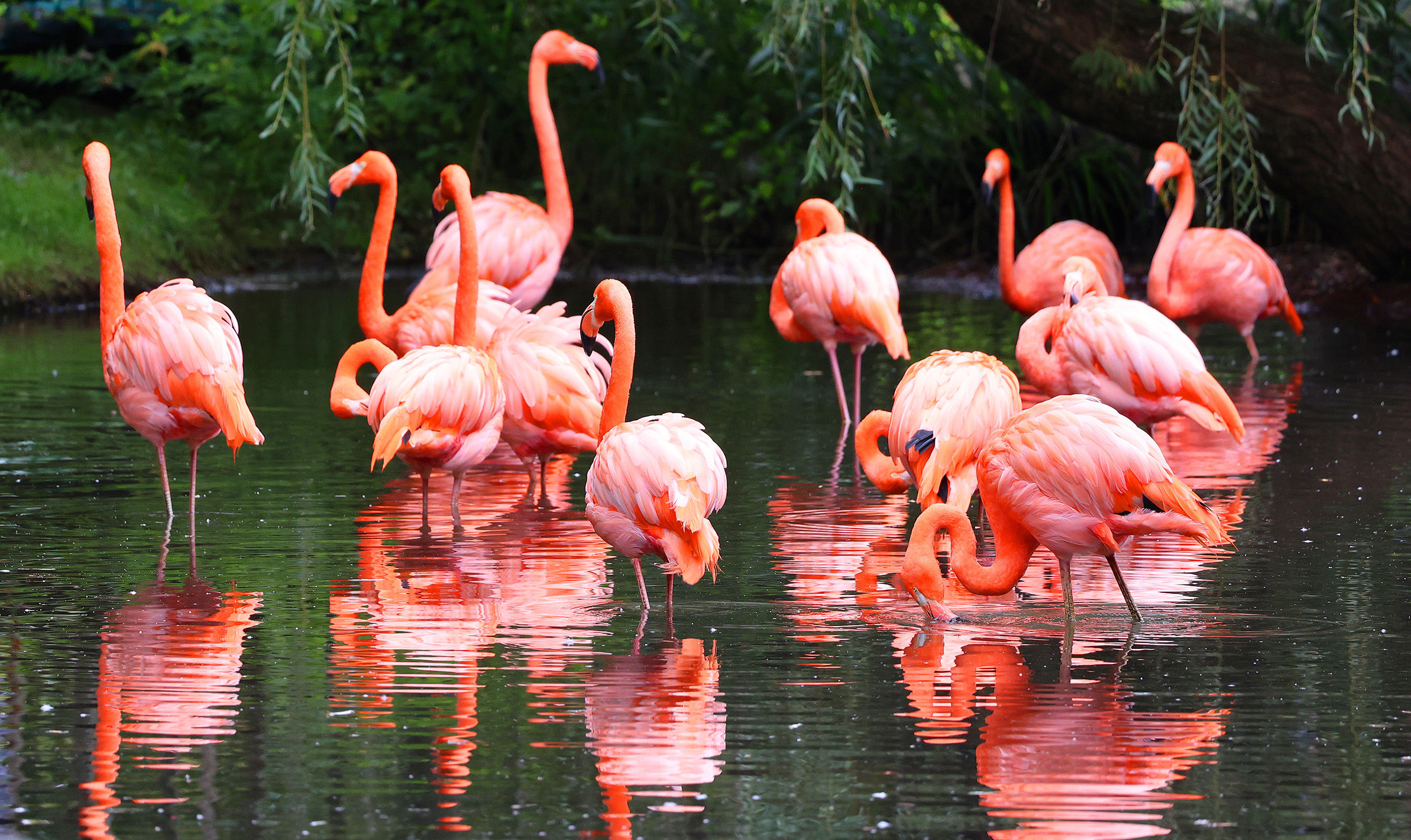
Isabela Island, the largest in the archipelago, showcases the Galápagos’ volcanic origins on a dramatic scale. Its landscape is shaped by six shield volcanoes, some still active, creating stark lava fields that contrast with mangrove lagoons and wetlands inhabited by flamingos. Coastal waters surrounding Isabela are popular snorkeling sites, particularly during the warmer season when calmer seas and higher water temperatures make extended exploration more comfortable.
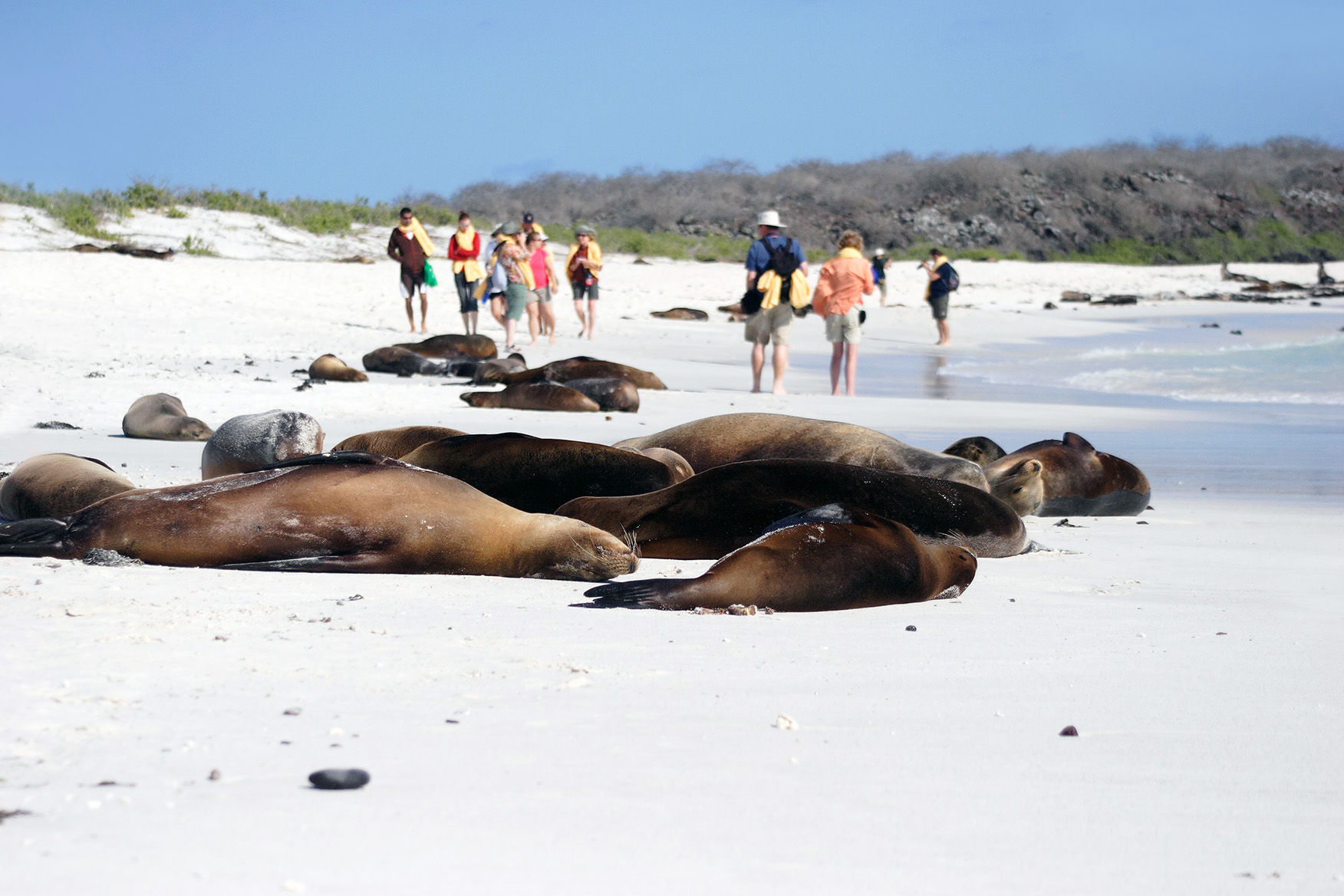
On Española Island, Gardner Bay offers one of the archipelago’s most expansive stretches of white sand. Sea lions rest along the shoreline, often unconcerned by human presence, while offshore waters provide accessible snorkeling opportunities. The combination of approachable wildlife and gentle landings makes this site especially appealing for relaxed yet immersive exploration.
North Seymour is widely regarded as one of the best islands for birdwatching. Flat, open terrain makes walking relatively easy, and established trails wind past nesting colonies of blue-footed boobies and frigatebirds. During breeding season, visitors may witness courtship displays and observe chicks along the path, all within carefully regulated distances designed to minimize disturbance.
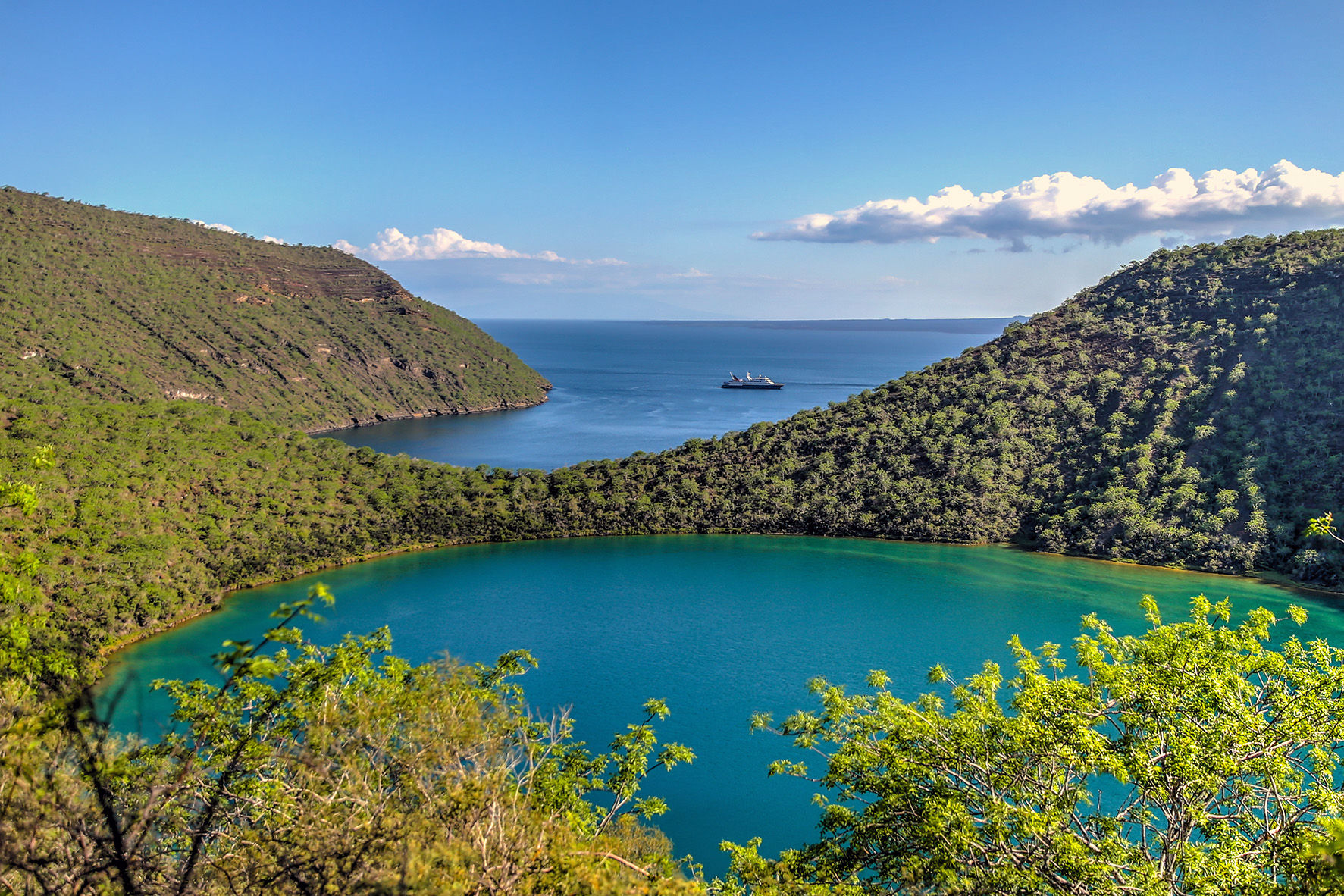
Darwin Bay, situated in the northern reaches of the archipelago, is defined by rugged cliffs and dramatic coastal scenery. The site supports large seabird colonies, including red-footed boobies and swallow-tailed gulls. Landings here often combine shoreline walks with opportunities to observe marine life in the surrounding waters.
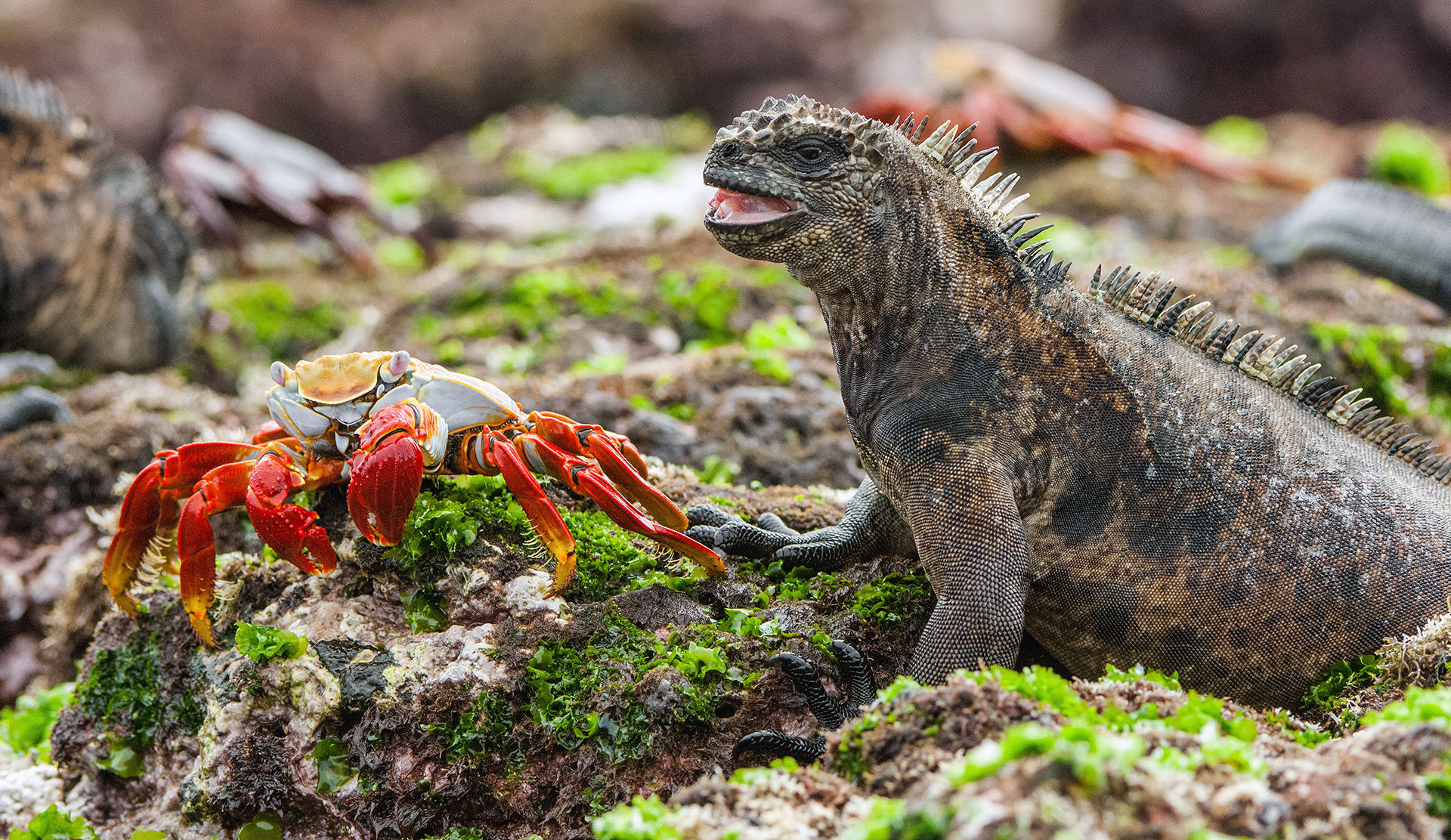
Santiago Island presents a striking example of the archipelago’s geological evolution. Black lava flows extend toward the sea, where tide pools shelter crabs, small fish, and occasionally marine iguanas feeding underwater. Guided walks across volcanic terrain provide context about how the islands were formed and how life gradually colonized these remote outposts.
Isla Bartolomé is perhaps best known for its summit viewpoint overlooking Pinnacle Rock, one of the most photographed landmarks in the Galápagos. A wooden stairway leads to panoramic views of crescent-shaped beaches and contrasting lava formations. Below, snorkeling excursions often reveal penguins, reef fish, and sea turtles in clear, shallow waters.

Wildlife is present year-round across all these islands, but during the warmer December–May season, elevated sea temperatures and calmer conditions make underwater encounters more comfortable and accessible, allowing travelers to spend more time observing the rich marine ecosystems that define the Galápagos experience.
A Typical Day on a Galápagos small-ship cruise
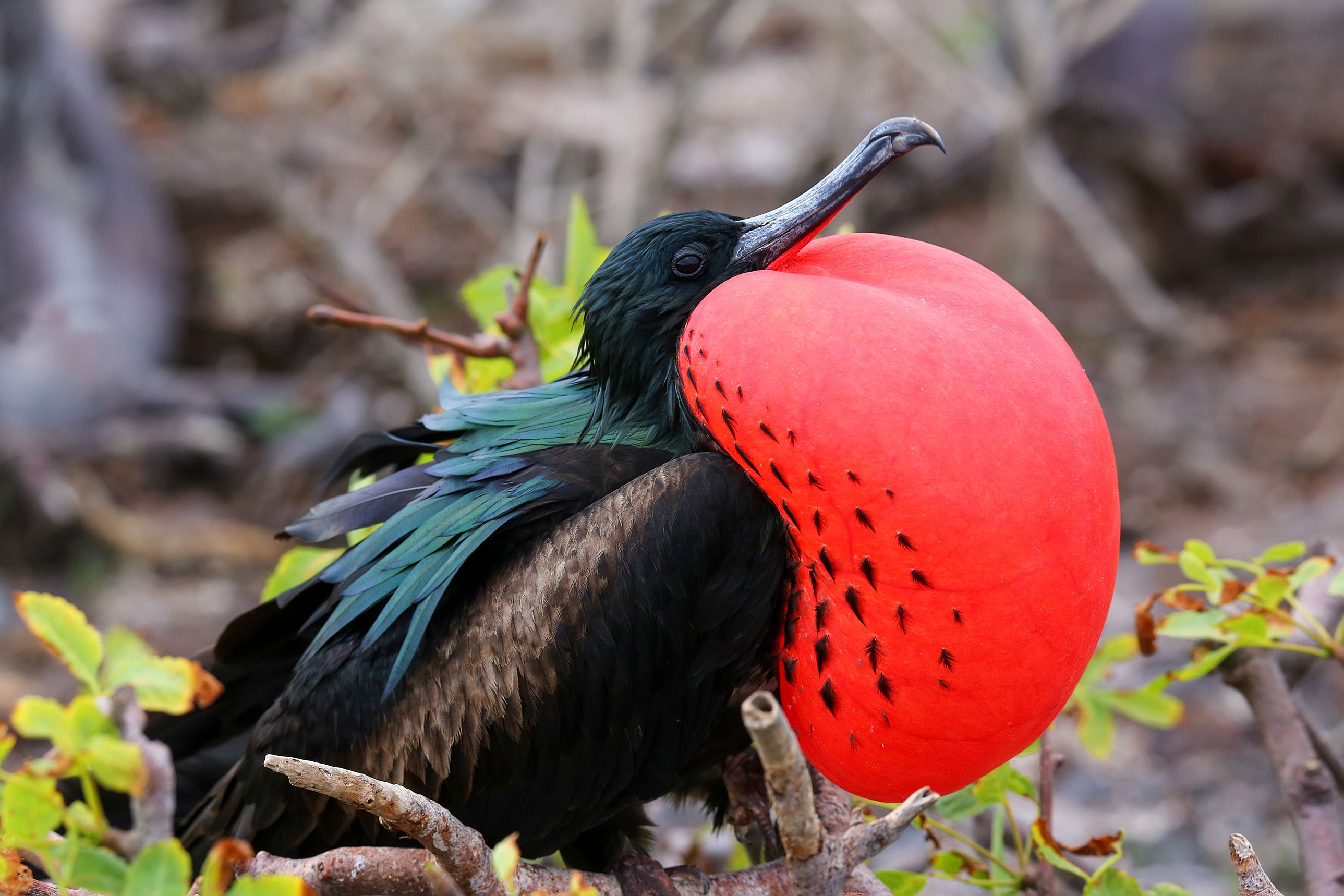
Days are structured around two land excursions and one snorkeling session. Morning landings often occur before temperatures rise, followed by guided hikes along volcanic trails on islands like North Seymour or Isabela. Midday snorkeling near Santiago Island or Gardner Bay allows you to observe sea turtles, reef sharks, rays, and tropical fish.
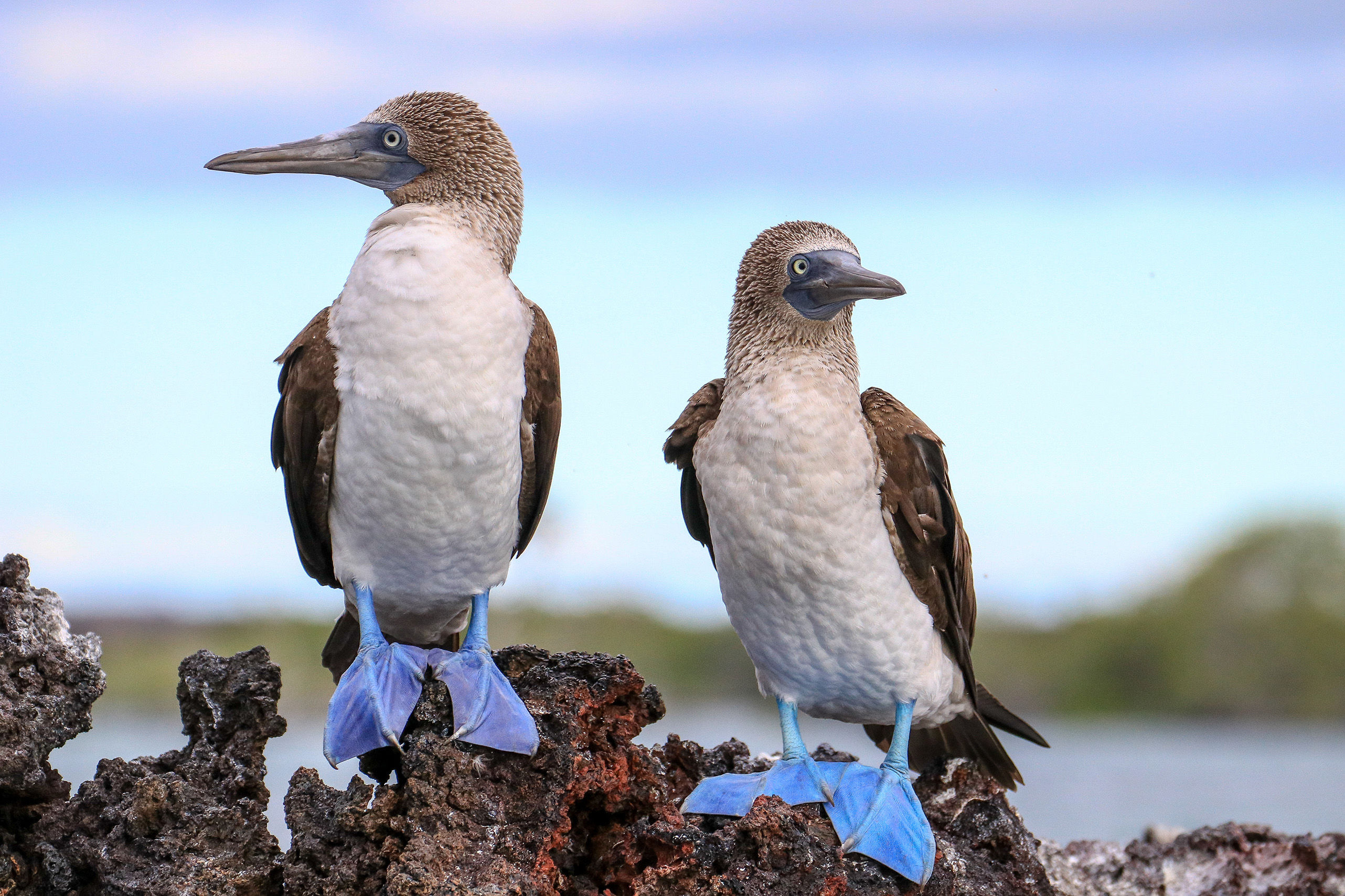
Afternoons may include Zodiac exploration of mangroves or summit hikes on Isla Bartolomé. Evenings bring educational briefings covering marine currents, evolutionary theory, and conservation initiatives. The atmosphere on board is quiet and intellectually engaging — particularly appealing to travelers seeking meaningful exploration rather than entertainment-driven cruising.
Timing Matters
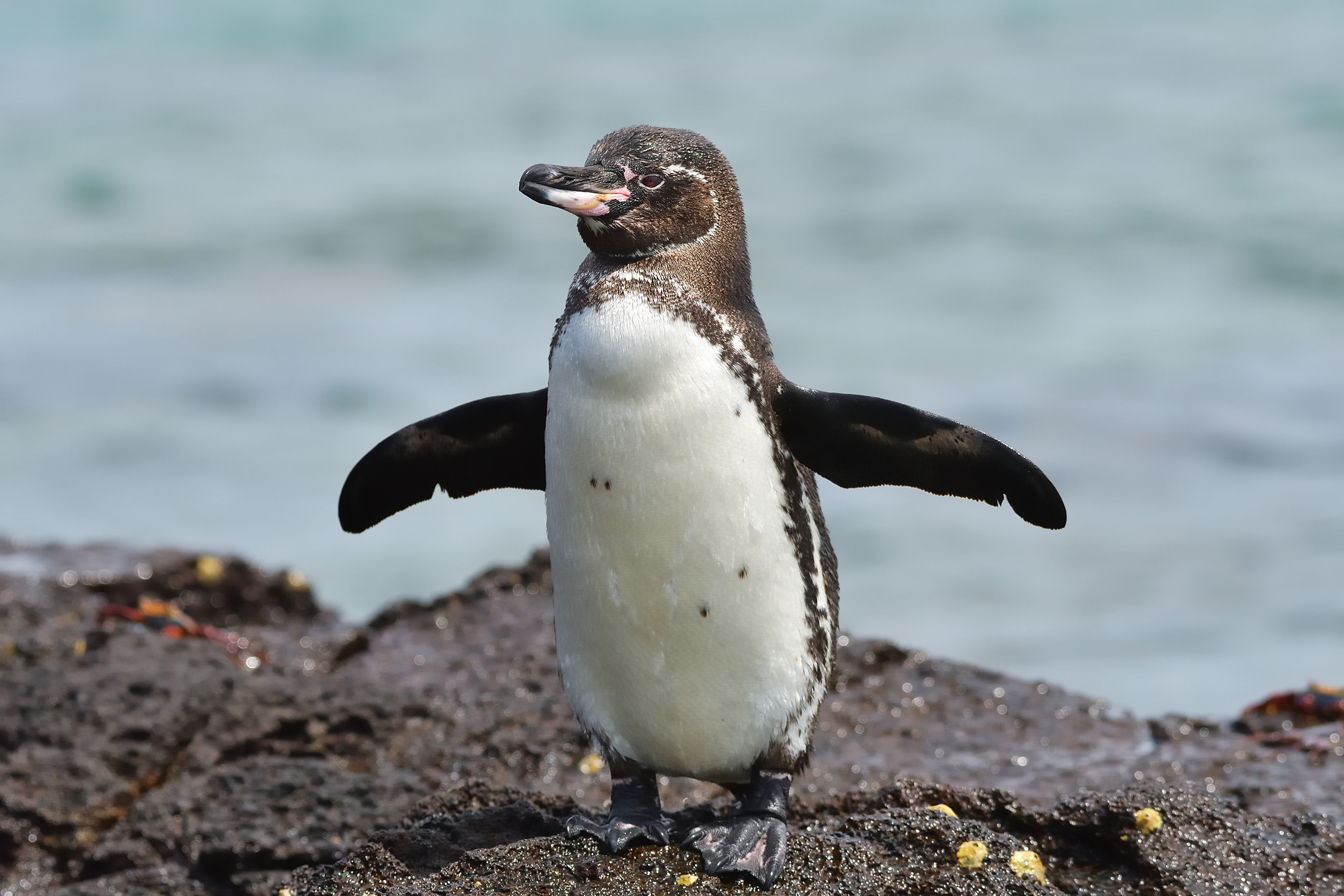
During the warm season, generally from December through May, sea conditions are typically calmer, making navigation smoother and Zodiac transfers more comfortable. The ocean is noticeably warmer, improving snorkeling conditions and allowing guests to remain in the water longer without discomfort. Visibility is often strong, and the gentler surface conditions make entries and exits easier for travelers who prefer stability.
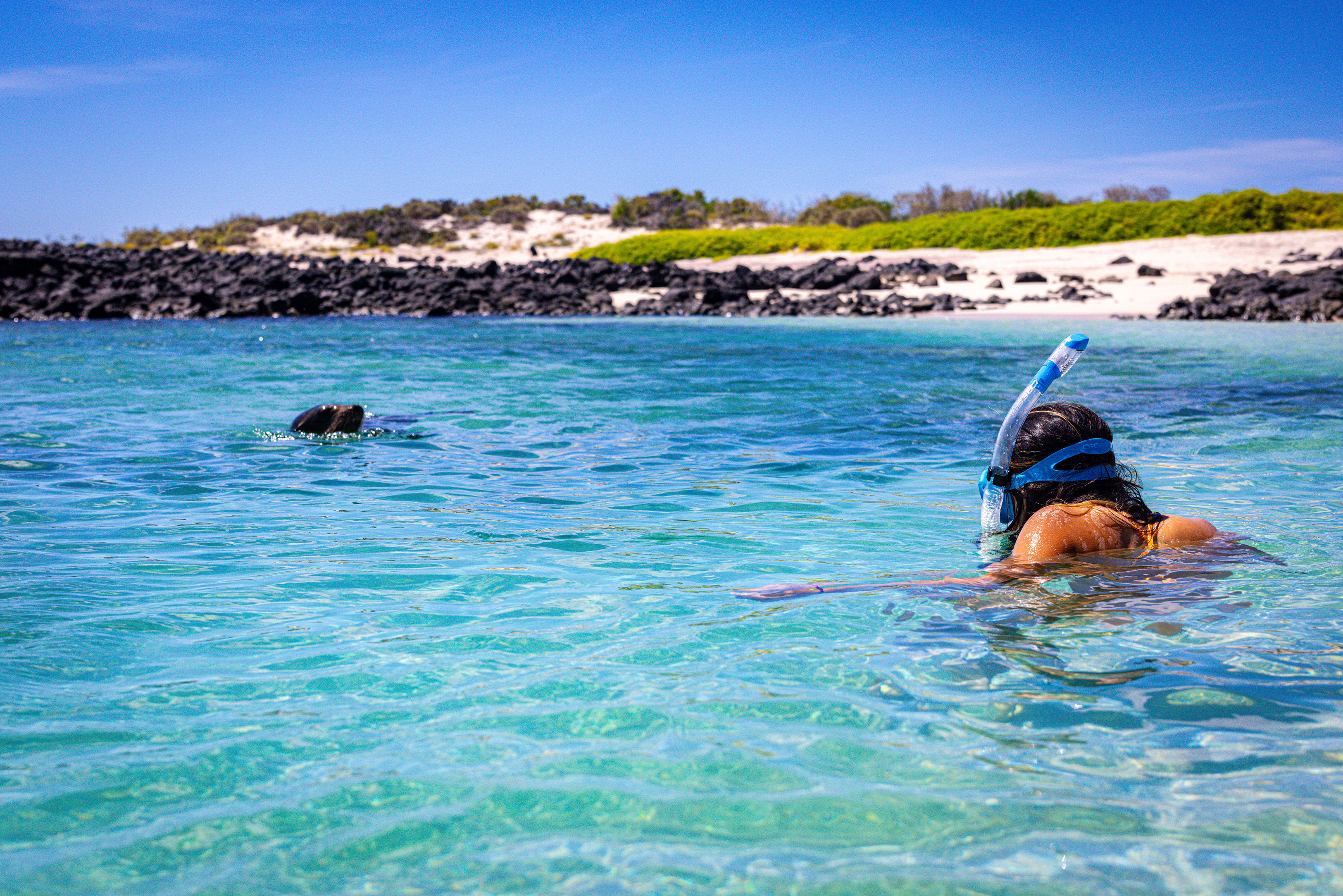
This period also brings brief, passing showers that refresh the islands and transform the landscape. Vegetation becomes greener, particularly in the highlands of islands such as Santa Cruz and Isabela, creating a visual contrast against the archipelago’s dark volcanic terrain.
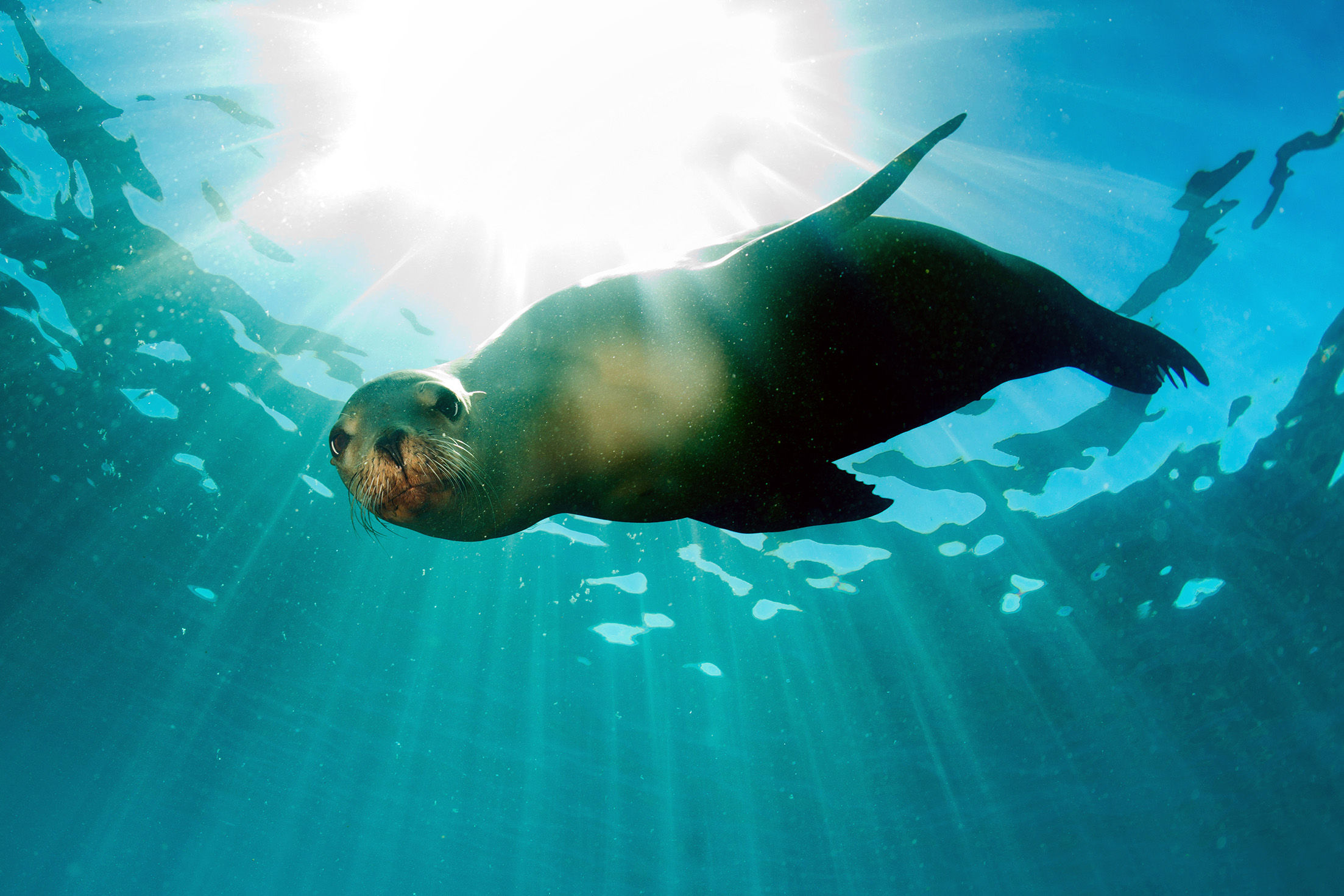
By contrast, the cooler season from June through November is influenced by nutrient-rich currents that stimulate marine productivity. Wildlife activity remains excellent, particularly underwater, but sea conditions can be more variable, with occasional swells that make crossings less predictable. For many travelers considering small-ship cruises for seniors, the December–May window offers a well-balanced combination of stable sailing, comfortable water temperatures, and vibrant scenery.
Responsible Exploration in the Galápagos
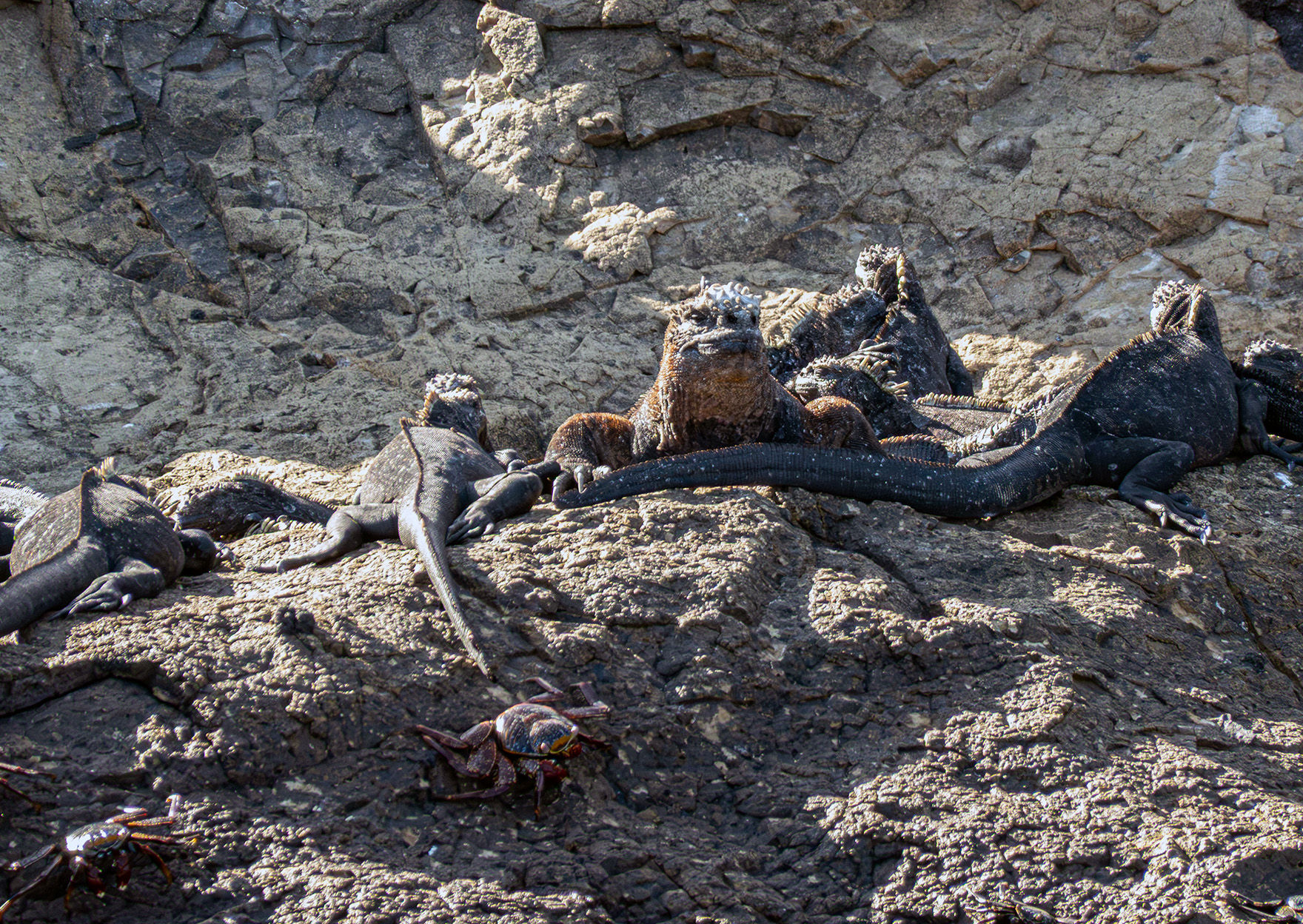
Strict environmental controls define every aspect of travel here. Visitor caps, designated landing zones, and licensed guides ensure minimal ecological disruption. The Charles Darwin Research Station remains central to conservation efforts, and tourism revenue supports ongoing preservation work. The Galápagos experience is immersive not because of excess, but because of regulation — a model of sustainable expedition travel.
Looking North: Alaska at Its Peak
While the Galápagos shines during its warm season, Alaska’s ideal window occurs at a completely different time of year. The prime months for an Alaska expedition cruise are June through August, when daylight lasts long and wildlife activity peaks.
For a complete guide to Alaska after 60, read our companion article on Alaska adventure cruises.
This article was developed with AI assistance and reviewed and edited for accuracy, quality, and relevance.