Liveaboard.com

Batanta Liveaboard Diving

Our customers rated liveaboard diving in Batanta as 9.5.

  • 100% Best Price Guarantee

Liveaboard Diving in Batanta

What To Expect On a Batanta Liveaboard

Liveaboards in Batanta are the best way to experience this diverse area. Batanta is the smallest of the four main islands of Raja Ampat in Indonesia and a divers paradise. These four islands are nicknamed ‘The Four Kings’ after an ancient legend that claims these islands’ four kings hatched from eggs. While Batanta might be slight in size, it is regarded as one of the most beautiful islands in the archipelago and a perfect addition to your Raja Ampat dive cruise.

The island is mountainous with lush rainforests along the sides of the mountains and divers on a Batanta liveaboard dive trip can hope to see some stunningly diverse wildlife in addition to the underwater wonders. Birdwatchers might spot sulphur-breasted cockatoos and birds of paradise. The island’s rainforest is also home to the beautifully coloured blue spotted tree monitor and wild boar. This really is a nature lover’s paradise which makes sailing in Batanta an all round amazing dive itinerary.

The island has a strait on both its northern and southern ends, these were both charted and the northern strait named by the explorer William Wilson in the 18th century. Wilson named the small channel of water Pitt after his own ship the East Indiaman Pitt. This stretch of water between Salawati and Batanta, and the Dampier strait to the West, are both protected zones for cetaceans. On your live aboard in Batanta will not only will you enjoy stunning dive tours, but also amazing scenery on land.

Batanta Underwater

Batanta liveaboards are actually new to diving the area, as most liveaboard cruises previously did not really feel the difficulty of navigating the straits was worthwhile. The area experienced a real boom in diving in 2008 when Burt Jones and Maureen Shimlock explored the area and included it in their book about scuba diving in Raja Ampat.

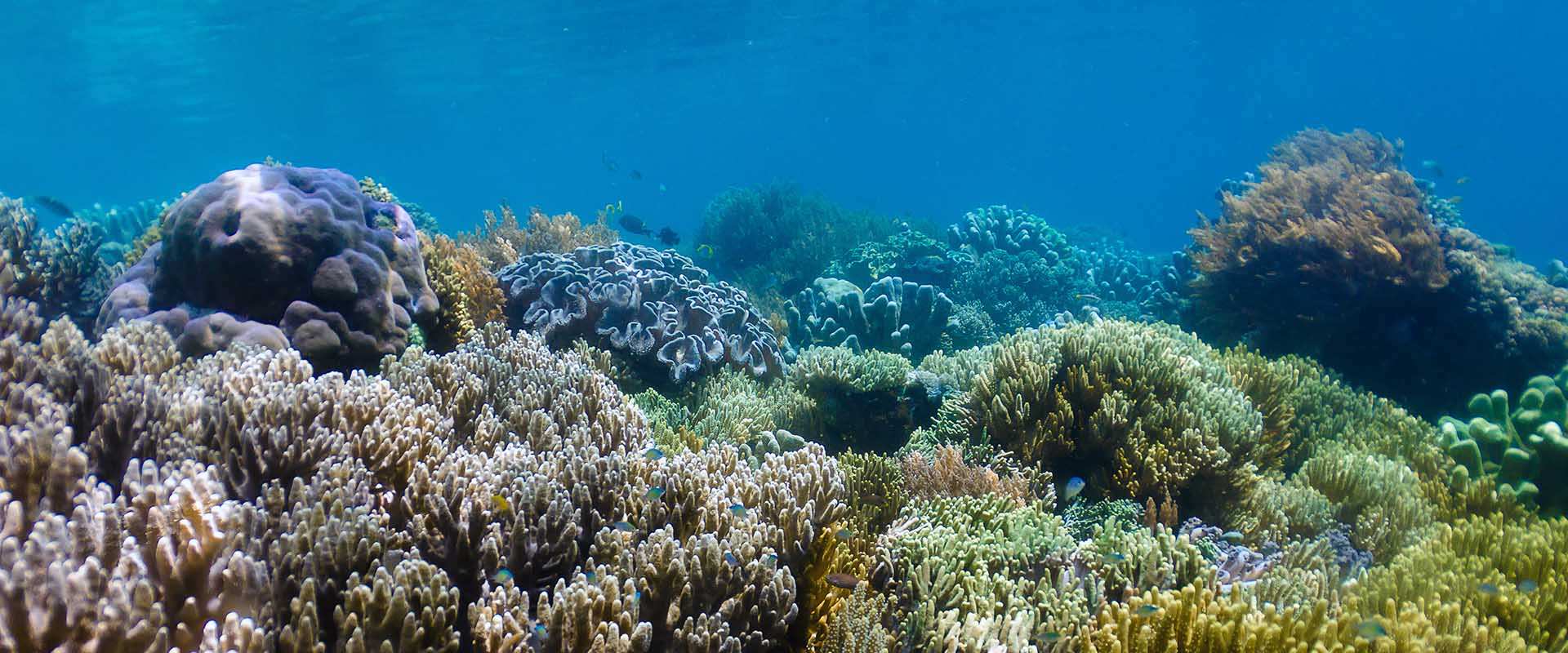
The first thing you will notice about your Batanta dive cruise is that it differs greatly from the majority of the diving in Raja Ampat. The huge coral encrusted outcrops of other areas are instead replaced by dark black volcanic sand. When you first dive in Batanta might be a bit of an adjustment but when you get down there though, the sandy bottom comes alive.

There are critters all over in Batanta so Macro lovers should be on full alert for blue ringed octopus popping up from holes in the sand. Cuttlefish can come for a close-up too and if you keep a keen eye out there are frogfish camouflaging themselves on rocks.

Dive Sites of Batanta

Liveaboard boats in Batanta will hopefully visit Black Beauty dive site, which is inside of a nicely sheltered bay in what is otherwise a fairly choppy strait. The site has a sloping black sand bottom with a fair amount of flora growing on it. There is so much to see critter wise that liveaboards will often do several dives here so you can take it all in. Macro photographers could make a gallery of the varieties of pipefish from a just few dives in this bay and frogfish seem to be all over the place. The algae can make the visibility a little lower than other areas, but it should still be between 10 and 20 meters.

Just along the coast from Black Beauty, Happy Ending dive site has a similar topography with a black sand slope and hosts of critters. The water flowing into the bay from the nearby river means nutrient rich water but slightly lower visibility than other areas.

Top Tips for Divers

  • The currents and river water that flow into the bays here can make the water a little colder than in other parts of Papua so bring extra thermal protection so you can stay down longer. Despite the slightly rougher conditions in the straits the dive sites inside the bays are very mild and suitable for beginners.
  • Despite the slightly rougher conditions in the straits the dive sites inside the bays are very mild and suitable for beginners.

Getting to Batanta

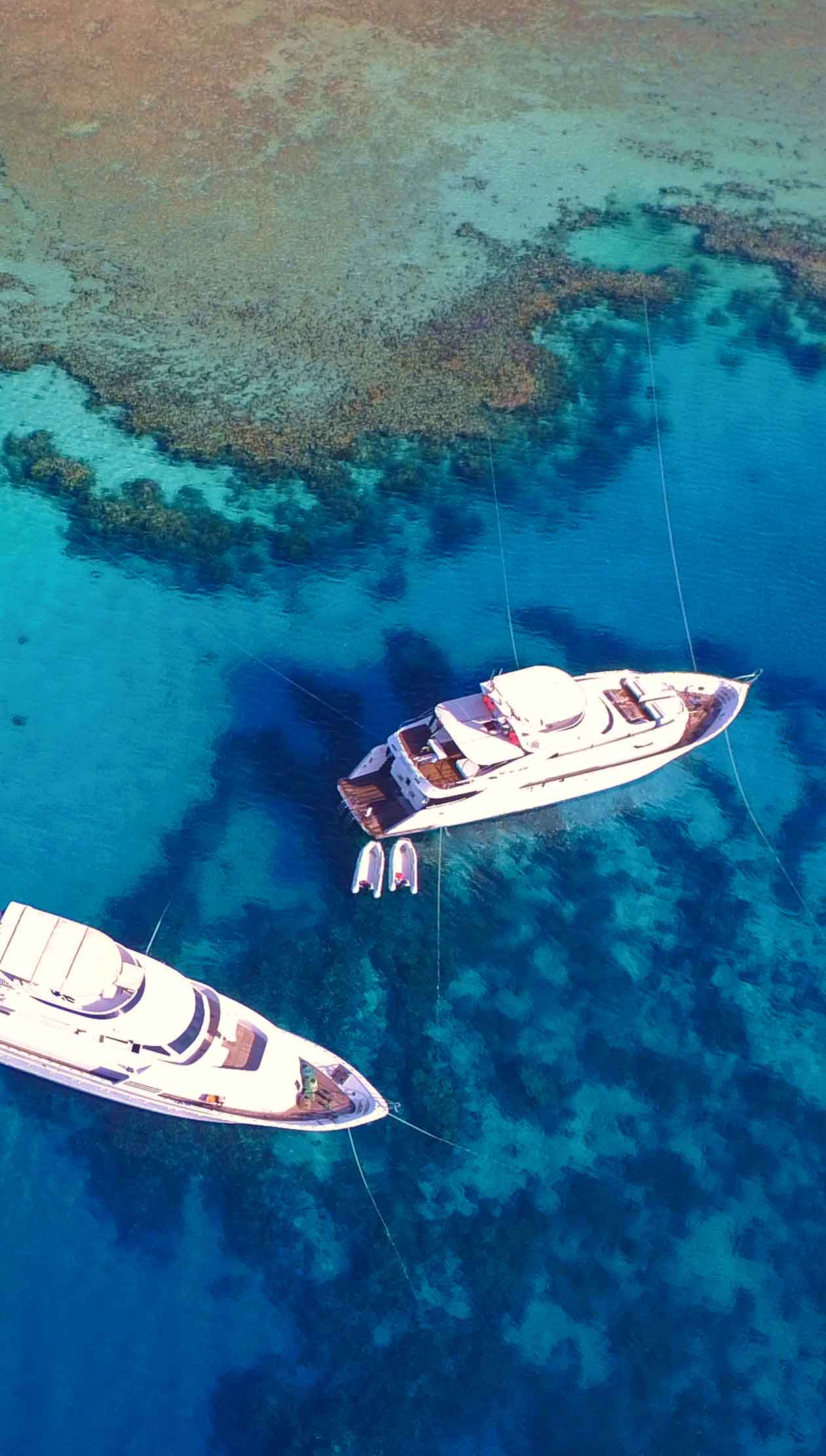
At this time the best and only way to dive Batanta in Raja Ampat is by taking a diving liveaboard from the city of Sorong. Luckily Batanta is relatively close to Sorong which means you can be there within a few hours’ sailing. There are numerous diving liveaboards available from Sorong including customised motor yachts with luxurious accommodation. Also very popular in this area are the huge traditional Indonesian sailing boats. These sail boats offer an incredibly peaceful and authentic diving cruise while you enjoy Batanta.


Batanta Diving Reviews

  • Rating 9.5 out of 10
  • 9.5 Exceptional
  • Rating 9.6 out of 10
  • 9.6 Exceptional
  • Velaire E
  • Flag of United StatesUnited States

Amazing - vibrant colors, diverse wildlife, and we were the only group of divers at the site.

Diving Batanta in April on the Gaya Baru Indah
  • Rating 10.0 out of 10
  • 10.0 Exceptional
  • Lukas K
  • Flag of GermanyGermany

diving in Batanta is one of a kind, in one word "magnificent"

Diving Batanta in June on the Coralia
  • Rating 9.2 out of 10
  • 9.2 Superb
  • Catherine T
  • Flag of SwitzerlandSwitzerland

I have loved melissas garden

Diving Batanta in January on the La Galigo
  • Rating 10.0 out of 10
  • 10.0 Exceptional
  • Tony W
  • Flag of AustraliaAustralia

The sites we visited were full of life and Vis was terrific

Diving Batanta in August on the Coralia


What to know about diving in Batanta

Where is Batanta Island?

Batanta is one of the four main islands of Raja Ampat, in Indonesia's West Papua province, separated from Waigeo by the biodiverse Dampier Strait. It's mountainous and largely covered in rainforest, with muck-diving sites along its coast and, on land, one of the best chances to spot the Wallace's standardwing bird-of-paradise.

Are there homestays on Batanta Island?

Yes — Batanta has a handful of simple, family-run homestays offering budget-friendly lodging for divers and birders, a common way to experience Raja Ampat outside its liveaboards and resorts. Prices and availability shift year to year, so it's worth confirming current rates directly (as of 2026).

Is there a waterfall on Batanta Island?

Batanta has several jungle waterfalls accessible by short boat-and-hike combinations from coastal villages, popular as a half-day add-on to diving or birdwatching trips. They're a good option for a topside break between dives in Raja Ampat's Dampier Strait.

How do you get to Batanta Island?

Batanta is reached via Sorong, the main gateway city to Raja Ampat, followed by a boat transfer to the island. Most visitors arrive as part of a wider Raja Ampat trip that also includes Waigeo or Misool, since Batanta's own transport links are limited.

What are the four main islands of Raja Ampat, and how does Batanta fit in?

Raja Ampat's four main islands are Waigeo, Batanta, Salawati, and Misool, and Batanta is the smallest of the group in terms of tourism development. It's known less for headline dive sites than for its jungle scenery and calmer, muck-diving-style reefs.

What is muck diving, and why is Batanta known for it?

Muck diving is a slow, close-focus style of diving over sandy or silty seabeds, looking for small, often camouflaged creatures rather than dramatic reef structure. Batanta's calmer sites lend themselves well to this style, in contrast to the high-current, big-fish diving found elsewhere in Raja Ampat.

Is Batanta a good destination for underwater photography?

Yes — Batanta's muck-diving sites are well suited to macro photography, since the calmer conditions make it easier to get close to small subjects without fighting the current. It's a good complement to a Raja Ampat trip that also includes more wide-angle-focused sites like the Dampier Strait.

What is the Wallace's standardwing bird-of-paradise, and can you see it on Batanta?

The Wallace's standardwing is a bird-of-paradise species found on Batanta and a few nearby islands, known for the male's elaborate courtship display. Birdwatchers sometimes add an early-morning jungle walk on Batanta specifically to try to spot one, making the island one of the rare Raja Ampat stops with a notable land-based draw.

Are the dive sites around Batanta suitable for beginners?

Batanta's calmer, muck-diving-style sites are generally more forgiving than Raja Ampat's strong-current areas, making the island a reasonable option for less experienced divers. That said, conditions can still vary by site and season, so it's worth checking with a guide about the plan for a specific day.

Is there a marine park entrance fee for diving near Batanta?

Yes — diving anywhere in Raja Ampat, including around Batanta, requires a marine park entrance permit (often called a PIN or SIL), with fees that have changed periodically (as of 2026). It's worth confirming current rates before a trip, since the fee applies park-wide rather than per site.

What is the best time of year to visit Batanta?

Like most of Raja Ampat, Batanta is generally visited during the region's drier months, though conditions across the archipelago are milder year-round than in more seasonal parts of Indonesia. Sea conditions and visibility can still shift with the monsoon pattern, so it's worth checking seasonal timing before booking.
What is the terrain like on Batanta Island?

Batanta is largely jungle-covered and mountainous, giving it a wilder, less developed feel than some of Raja Ampat's more visited islands. The dense forest is also what supports its land-based wildlife, including the Wallace's standard-winged bird-of-paradise.

How does diving at Batanta compare to diving in the Dampier Strait?

Batanta's sites tend to be calmer and better suited to muck diving and macro photography, while the nearby Dampier Strait — the channel between Batanta and Waigeo — is known for stronger currents, mantas, and big-picture reef scenery. Many itineraries combine both, since they sit right next to each other.

Can non-divers find things to do on Batanta?

Yes — Batanta's jungle interior offers birdwatching and trekking opportunities, including the chance to look for the Wallace's standard-winged bird-of-paradise, giving non-divers a reason to go ashore. It's one of the more land-active stops on a typical Raja Ampat itinerary.

What is the water like around Batanta compared to other parts of Raja Ampat?

Waters around Batanta tend to be calmer than the current-swept channels elsewhere in Raja Ampat, which is part of why its muck-diving sites work so well. This makes it a good change of pace on a trip that also includes higher-current areas like the Dampier Strait.

We’re here to help, 24/7.

Connect with our expert travel consultants to plan your next trip.

  • Nina Kapp
  • Josue Zarco
  • Farah Celada-Benito
  • Andrea Martinez
  • Oksana Kovaleva
  • Mylene Issartial
  • Nicole Laughlin