Liveaboard.com

Sangeang Liveaboard Diving

Our customers rated liveaboard diving in Sangeang as 9.5.

  • 100% Best Price Guarantee

Liveaboard Diving in Sangeang

What To Expect On A Sangeang Liveaboard

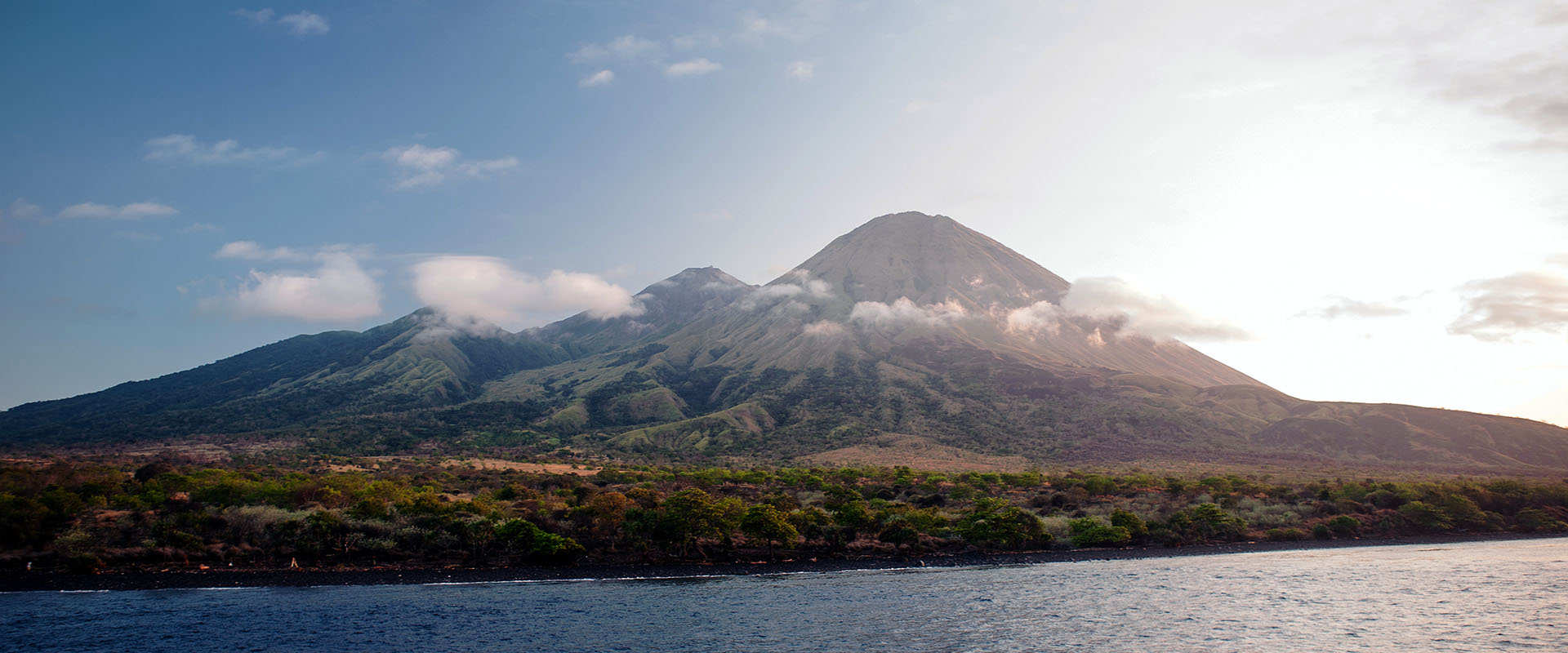
Liveaboards to Sangeang, to the northwest of Komodo Island in the direction of Bima, will transport divers to a special area for diving. Sangeang is a volcano towering over the surrounding Lesser Sunda Islands. Also known as Gunung Api, the volcano is still active, and since 2015, it has been smoldering with plumes of smoke visible from nearby islands. These smoky clouds and sloping green hills make Sangeang one of the region's most beautiful and atmospheric islands.

Although the island has been sparsely inhabited for many years, liveaboards still visit this area. It is home to only one tiny fishing village, likely due to the volcanic activity. Some local groups still farm the fertile ground around the volcanic cones. Most of these groups have been evacuated during several eruptions in recent years to avoid any casualties. The volcano has also been the cause of numerous ash clouds which have grounded flights around the area. A selection of Indonesian liveaboards offers dive itineraries to the Sangeang area.

Sangeang Underwater

The active nature of the volcano can be seen underwater, with beautiful topography and even hot rocks and sand on the bottom. Volcanic lava flow has created fantastic rock formations on the bottom and jet-black sands. Underwater vents from the volcano also mean divers aren’t the only ones causing bubbles. Endless air streams are coming through the sand around the island. Although this is an amazing diving experience, it is worth noting that it can sometimes cause the normally excellent visibility to be severely reduced.

The reefs are home to a huge variety of soft and hard corals and anemones, rich with colorful reef fish. The sight of beautiful fish amongst black corals and dark volcanic rock is quite stunning. There is also ample muck diving in the area, with hordes of critters on the reef and the bubbling sand. Lurid-colored flatworms are often seen down on the bottom, and pygmy seahorses and glowing flame file shells are this area’s ‘something special.’

Dive Sites Of Sangeang

Bubble Reef is probably the most famous of Sangeang’s dive sites. This is in no small part because it offers the opportunity to dive in the streams of bubbles coming from deep underground volcanic vents. The effect is spectacular, as is the number of fascinating critters, such as flatworms, seahorses, and ghost pipe fish. The site boasts sand and bubbles and a reef of hard, soft, and leather corals. Hot Rocks dive site also shares Bubble Reef’s level of volcanic activity. Here, the bubbles and heat from the sand and rocks make the water much warmer than at other dive sites. Hot Rocks also enjoys a beautiful reef full of gorgonians and critters, including nudibranchs and pygmy seahorses.

Lighthouse Reef is also home to a beautiful coral reef and patches of volcanic sand. This is a great place to see frogfish clinging onto the volcanic rocks to disguise themselves, as well as nudibranchs and shrimp. Flame file shells are an interesting sight divers can also experience here; they appear to glow with bright and luminescent colors, which can be spectacular, even when you know it is really just a reflection. Conditions at Lighthouse Reef are great for newer divers, as currents are much less here. The Estuary dive site is also a more sheltered option, offering gorgonians, nudibranchs, and ghostpipe fish in gentler currents.

Top Tips For Divers

  • Sangeang is a top destination for muck diving, so photographers should be prepared to be showered with macro opportunities.
  • The water in some areas can be slightly warmer than surrounding islands due to the heat from the volcano. Divers should adjust their thermal protection accordingly.

Getting To Sangeang

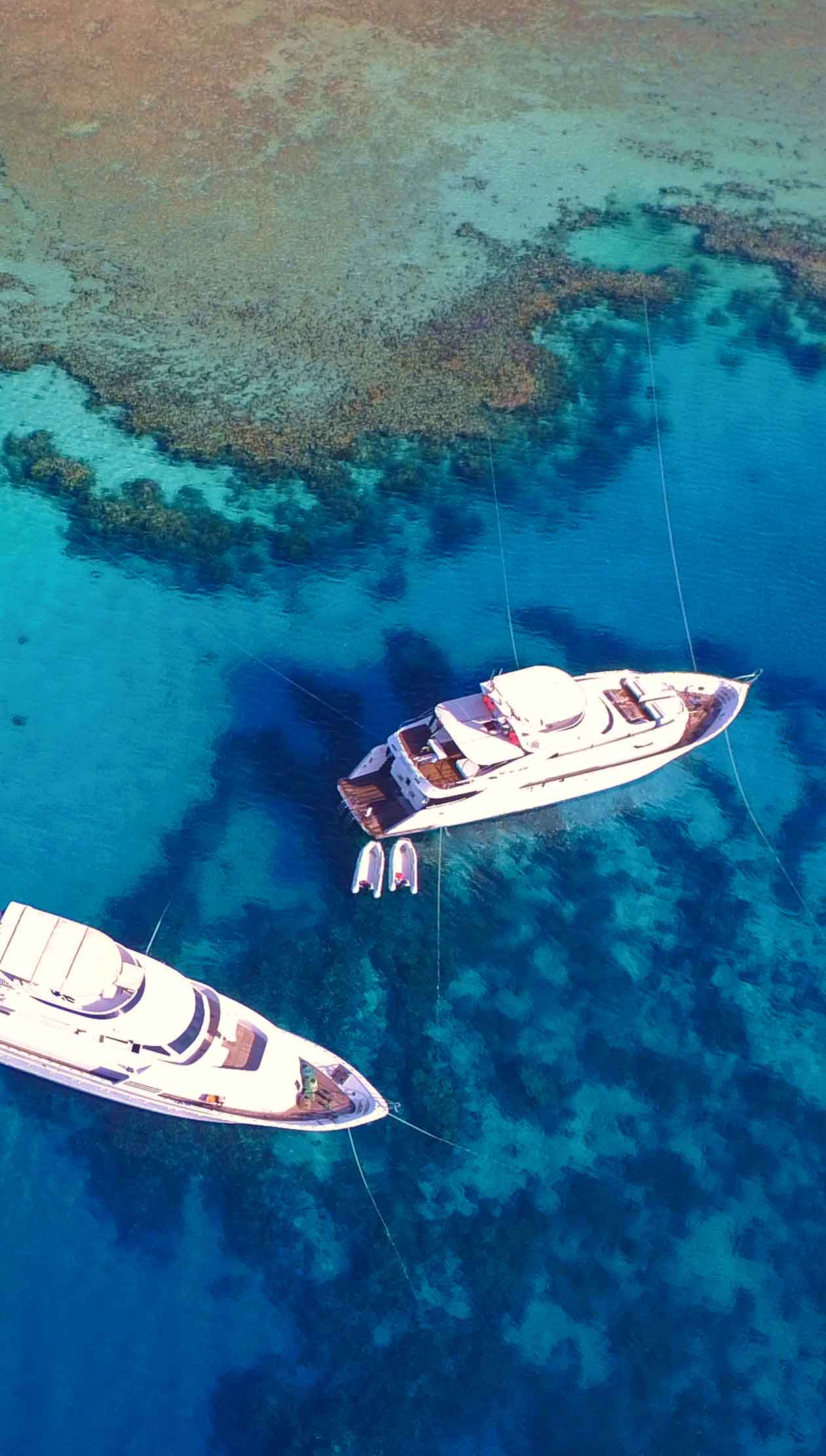
An Indonesian liveaboard dive boat is the best option to make the most of a trip to Sangeang. Not only do you get to be first in the water at this popular sight, but floating off the coast of the volcano, you couldn’t ask for a more magical view. There are a few different kinds of vessels to choose from, including motor vessels of various sizes. The most popular and luxurious way to travel is by a traditional Indonesian phinisi a twin-masted sailing boat. Several of these boats have been converted into luxury diving vessels, making for a peaceful and authentic trip. There are also some day trips to Sangeang, which offer two or three dives and depart from Labuan Bajo in Flores.

Most liveaboards depart from either the ports in Labuan Bajo or Bali. Bali International Airport (Ngurah Rai) offers regular flights to Asia and further connections. This is also where you can connect to fly to Labuan Bajo. There is also a several-day-long ferry to Labuan Bajo for those who want even more of an adventure.


Sangaeng is best known for the entire island being a smouldering, active volcano. A liveaboard here promises jaw-dropping topography above, and below the waves. Bubbling underwater vents are home to a plethora of macro life like flame file shells, nudibranch, ghost pipefish, and pygmy seahorses.


Sangeang Diving Reviews

  • Rating 9.5 out of 10
  • 9.5 Exceptional
  • Rating 10.0 out of 10
  • 10.0 Exceptional
  • Victor B
  • Flag of United StatesUnited States

Good. Nice combination of big and small things. VERY healthy and lush reef.

Diving Sangeang in August on the Solitude Adventurer
  • Rating 9.2 out of 10
  • 9.2 Superb
  • Raimondo R
  • Flag of ItalyItaly

Many beautiful dives at Sangeang, I really liked the Hot Rocks dive and I was impressed with the night dive at Bontoh village, so many little octopuses.

Diving Sangeang in June on the Mermaid I
  • Rating 8.4 out of 10
  • 8.4 Very good
  • Kong S
  • Flag of CanadaCanada

must go! very cool to be diving around active volcanoes, heat bubbles coming out of the water!

Diving Sangeang in July on the Emperor Raja Laut
  • Rating 9.6 out of 10
  • 9.6 Exceptional
  • Jesús G
  • Flag of SpainSpain

Precioso sitio. Alejado de las rutas normales en Komodo. Fondos muy vírgenes y preciosos para el macro. Buceamos solos.

Diving Sangeang in July on the Emperor Raja Laut


What to know about diving in Sangeang

Where is Sangeang Island?

Sangeang is a small volcanic island off the northern coast of Sumbawa, Indonesia, known for its active volcano and dive sites featuring black-sand slopes and thermal vents. It's typically visited as a stop on Komodo-to-Lombok liveaboard routes.

Is the volcano on Sangeang Island active?

Yes — Sangeang's volcano, Gunung Api Sangeang, is an active stratovolcano that has erupted multiple times in recent decades. Its underwater slopes near the shoreline feature unusual volcanic dive sites, including areas with warm, bubbling thermal vents.

How do divers typically reach Sangeang Island?

Sangeang is generally visited by liveaboards as part of a broader Komodo or Sumbawa itinerary, given its position off Sumbawa's north coast. It isn't a stand-alone destination with its own resort infrastructure.

What are the 'hot rocks' dive sites at Sangeang?

Sangeang's dive sites are named for the thermal vents that bubble up through the black volcanic sand, a direct result of the island's active volcano. Divers can often feel pockets of noticeably warmer water near the vents themselves.

What marine life is found at Sangeang's dive sites?

The black sand slopes around Sangeang favor the kind of small, unusual critters associated with muck and volcanic-sand diving elsewhere in Indonesia, rather than big schooling fish. It's a site valued more for its unique geology than for large pelagic encounters.

What's the water temperature like at Sangeang, given the volcanic vents?

General water temperatures around Sangeang fall within Indonesia's typical range of roughly 79–86°F (26–30°C), though divers often notice localized warm patches near the thermal vents. These warm spots are a direct effect of the island's ongoing volcanic activity.

Is Sangeang suitable for beginner divers?

Sangeang's volcanic slope sites are generally considered better suited to divers with some experience, given the black sand terrain and the need for careful buoyancy control near the thermal vents. It's typically dived as part of a broader Komodo-region itinerary rather than as a first dive of a trip.

Is macro or wide-angle photography better suited to Sangeang?

Sangeang's black-sand slopes and thermal vents are ideal for macro photography, similar to other volcanic and muck-diving sites in Indonesia. The unusual geology itself — bubbling vents against dark sand — also makes for distinctive wide-angle shots of the seafloor.

What is the best time of year to dive Sangeang?

Sangeang is generally dived during Indonesia's dry season, roughly April through October, when seas around Sumbawa and Komodo tend to be calmer for the liveaboards that visit. Conditions and itineraries can shift year to year, so it's worth confirming with an operator (as of 2026).

How does Sangeang compare to other volcanic dive sites in Indonesia, like the Banda Sea's Gunung Api?

Both are volcanic islands with distinctive underwater terrain, but Gunung Api in the Banda Sea is known for sea snakes and lava-flow coral growth, while Sangeang's signature feature is its thermal-vent 'hot rocks' on black sand. Sangeang is also more of a Komodo–Sumbawa route stop, while Gunung Api sits deep in the liveaboard-only Banda Sea.

What should divers know about current at Sangeang's black sand slopes?

As with many volcanic slope dives in Indonesia, the current at Sangeang can vary by site and tide, so local dive guides typically brief on conditions before each dive. It's generally treated as a site for divers with reasonable current experience rather than absolute beginners.

Is snorkeling possible at Sangeang?

Sangeang is primarily a scuba destination, since its main draws — the thermal vents and black sand critter life — are best experienced at depth. It isn't typically marketed as a snorkeling stop.

Why is Sangeang included on Komodo–Sumbawa liveaboard itineraries?

Sangeang offers something genuinely different from Komodo's current-swept pinnacles: an active volcano with underwater thermal vents and black sand muck sites. That novelty factor is usually why it earns a stop on itineraries that already include Komodo's better-known dive sites.

What makes Sangeang's black sand diving different from Indonesia's white-sand reef sites?

Sangeang's volcanic origins mean its dive sites are built on dark, sediment-rich sand rather than the coral rubble and white sand found around reef-based destinations like Komodo's pinnacles. That darker substrate tends to host different, smaller-bodied marine life adapted to a muck environment.

We’re here to help, 24/7.

Connect with our expert travel consultants to plan your next trip.

  • Josue Zarco
  • Ester Canali
  • Andrea Martinez
  • Nina Kapp
  • Nicole Laughlin
  • Mylene Issartial
  • Farah Celada-Benito