Liveaboard Diving in Coral Sea
What To Expect On A Coral Sea Liveaboard
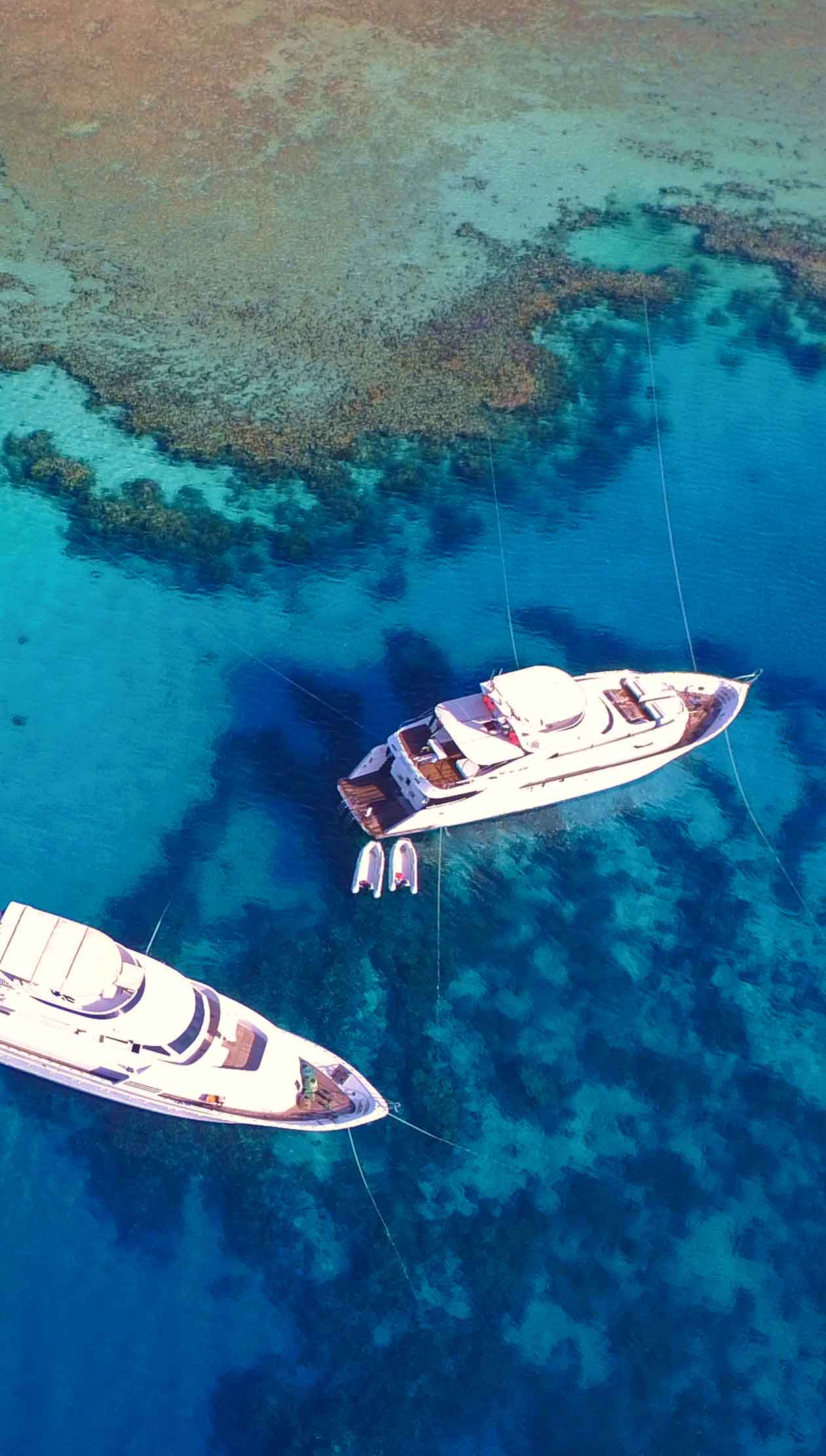
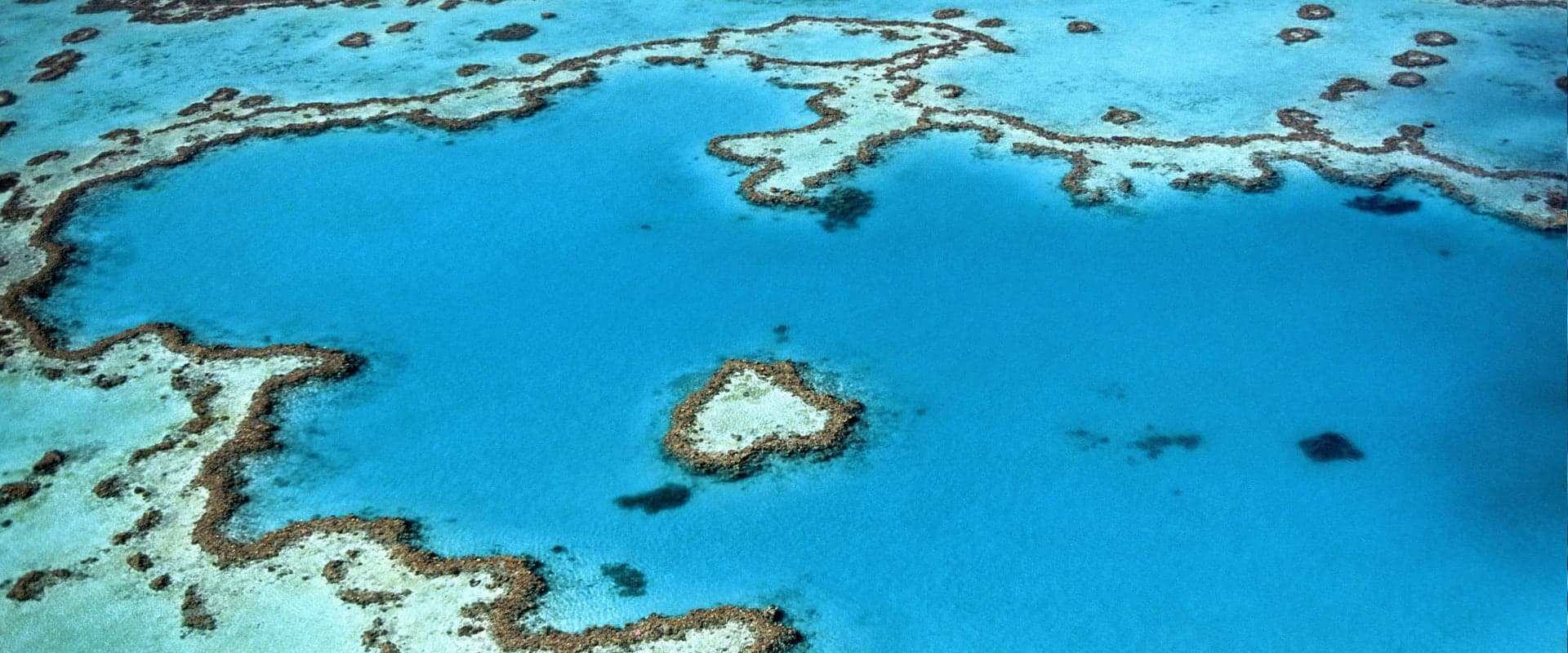
Coral Sea liveaboards will visit dive sites located in the world's largest living structure, the famous Great Barrier Reef (GBR). The sea stretches from the Queensland Coast in Australia to the west coast of Vanuatu.. It therefore includes the nearly 300 individual reefs and 900 islands of the GBR, a significant number of which are located far from shore and thus only accessible by liveaboard boat. Liveaboard diving in the Coral Sea allows the adventurous diver to explore much of the outer sections of the reef, which are less visited, quieter, and feature a diversity of marine life found in very few places across the globe.
The Coral Sea Underwater
With warm, clear waters, in tropical climes, the Coral Sea offers great year round diving conditions, with visibility good all the time, and sea life plentiful. A stunning array of hard and soft corals will greet each diver jumping in from a liveaboard boat, from tiny colourful polyps to gigantic fans. There's the full range of tropical fish, including Anglefish, Butterfly Fish, Clown Fish, Parrotfish, Surgeons, Triggerfish and Trout, all swimming amongst mesmerised divers in huge numbers. You'll be diving with the big stuff too, such as White Tip Sharks, Hammerheads, Manta Rays, and if the season is right - Humpback Whales and dwarf Minke Whales. Liveaboard diving in the coral sea will allow you to cruise through some of the most unpsoilt natural marine reserves known, where you'll be diving in peace and comfort. Liveaboard.com has several boats with a range of exciting itineraries, dive trips lasting from 3 days up to 8, and thus offering something to suit every time frame.
Dive Sites of The Coral Sea
If we were to list and then talk about every site for scuba diving in the Coral Sea, we could be writing for a long time! There's some wonderful places to dive, with the vast majority only accessible on board a liveaboard cruise.
Osprey Reef is renowned for it's 40m+ visibility, where shark sitings are almost a given - especially at North Horn, arguably Australia's premier site for viewing multiple species of shark - notably Hammerheads, Silkys, Grey Reefs and White Tips. If your liveaboard diving holiday is between June and November, Osprey Reef also offers a good chance of spotting Humpback Whales.
The Ribbon Reefs, to the very north of the Great Barrier Reef, have some of the most unspoilt areas for diving in the world. It's a long way from Cairns and so is worth boarding a liveaboard that lasts a few days, as there's so much to see - sea snakes, sharks and healthy coral to name but a few. If you come here during the Australian winter, it's also likely you'll be able to view dwarf Minke Whales, and some liveaboard diving operators even allow divers to participate in the important research and monitoring associated with these animals. Within the chain of ten reefs that form the Ribbon Reefs is world famous Cod Hole, a site not to be missed and sure to be on every diving itinerary in these parts. Diving at Cod Hole will allow you to come up close and personal to the giant Potato Cod that live here - they are docile, friendly and curious creatures that will be sure to make for a unique diving experience.
Diving in the Coral Sea as part of a liveaboard cruise will normally include the beautiful sites of Milln Reef and Flynn Reef, where there are stunning coral gardens sporting the full range of staghorn, table, boulder and plate coral. There's a magical and healthy range of fish here too, and sometimes dolphins and whales are seen here. Both these sites are perfect for night diving, and it's very likely that your liveaboard crew will arrange a night dive here.
Diving from a liveaboard in the Coral Sea will enable you, in the correct conditions, to visit one of the most isolated dive sites in Australia - Bougainville Reef. If the crew are able to cruise here, they'll be just as excited as the guests, as it's not always that conditions allow diving here. As a result of this, there's incredibly pristine examples of coral and underwater life, as well as a partially submerged wreck!
Top Tips For Divers
Diving in the Coral Sea is a great privilege, with a range of dives to suit all levels of experience. Even so, it's important that you bring your certification and log book so that the liveaboard crew can assess the group as a whole. Liveaboard boats in this region generally have equipment available to rent, but this should be checked prior to departure. Most international credit cards are accepted, but it's always a good idea to bring enough cash on board (the local currency is the Australian Dollar) - there are plenty of ATMs available onshore. Liveaboard diving crews can often speak a variety of languages, but the main communication will be in English - the national language.
Getting to The Coral Sea
Scuba diving trips in the Coral Sea, and liveaboard diving boats, almost always depart from Cairns, in the north east of Queensland. By far the easiest way to get here is by air, as the airport here is a big international and domestic hub, with regular flights arriving from overseas and within Australia. It's likely you'll be able to fly directly into Cairns, although if not it's straight forward to catch a flight from pretty much all over Australia.