Discover Alaska After 60
The Best Time to Visit Alaska After 60
In southeastern Alaska, summer begins with light. In June, daylight stretches deep into the evening as small expedition vessels navigate the protected waterways of the Inside Passage. Glaciers glow under sustained sunlight. Humpback whales surface repeatedly in nutrient-rich channels. Forested islands roll into the horizon.
For travelers researching small-ship cruises for seniors, Alaska stands apart as a destination defined by seasonality. Unlike the Galápagos, Alaska’s cruise window is concentrated between May and September, with June through August offering the most reliable conditions and peak wildlife activity.
Small-ship cruises for seniors in Alaska Are Special
Alaska’s coastline is intricate, shaped by glaciers into a maze of fjords, narrow inlets, and more than 1,000 islands stretching along the southeastern edge of the state. This geography favors smaller expedition vessels, which are designed to navigate protected waterways with precision and flexibility.
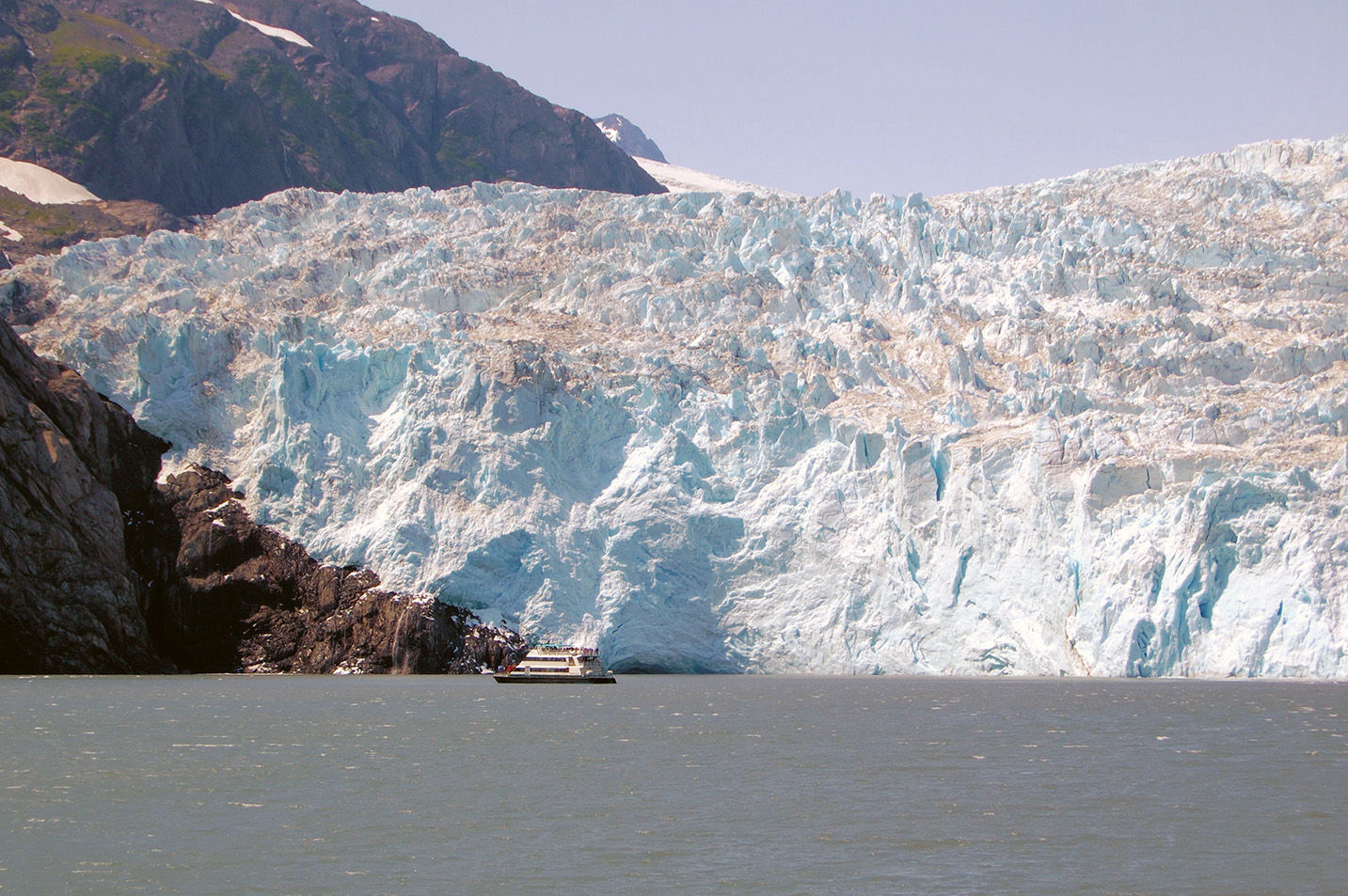
On an Alaska expedition cruise, travelers can enter narrow fjords such as Tracy Arm, where steep granite walls rise directly from the water, and floating ice drifts near tidewater glaciers. Ships can also cruise within Glacier Bay National Park under regulated entry permits, bringing guests closer to active glaciers and wildlife habitats. Remote Alaska Islands, often inaccessible to larger vessels, become part of the itinerary, along with smaller ports like Sitka and Ketchikan that offer both cultural and natural highlights.
Unlike large cruise liners that follow fixed routes, small ships can adapt to wildlife sightings or shifting weather patterns, allowing more time where conditions are optimal. For seniors seeking an immersive adventure that is not physically demanding, this approach delivers depth and access without unnecessary strain.
Alaska in Peak Summer (June–August)
Summer brings moderate temperatures (13–21°C / 55–70°F) and extended daylight — sometimes 16 hours or more.
Locations on Alaska Cruise Itineraries
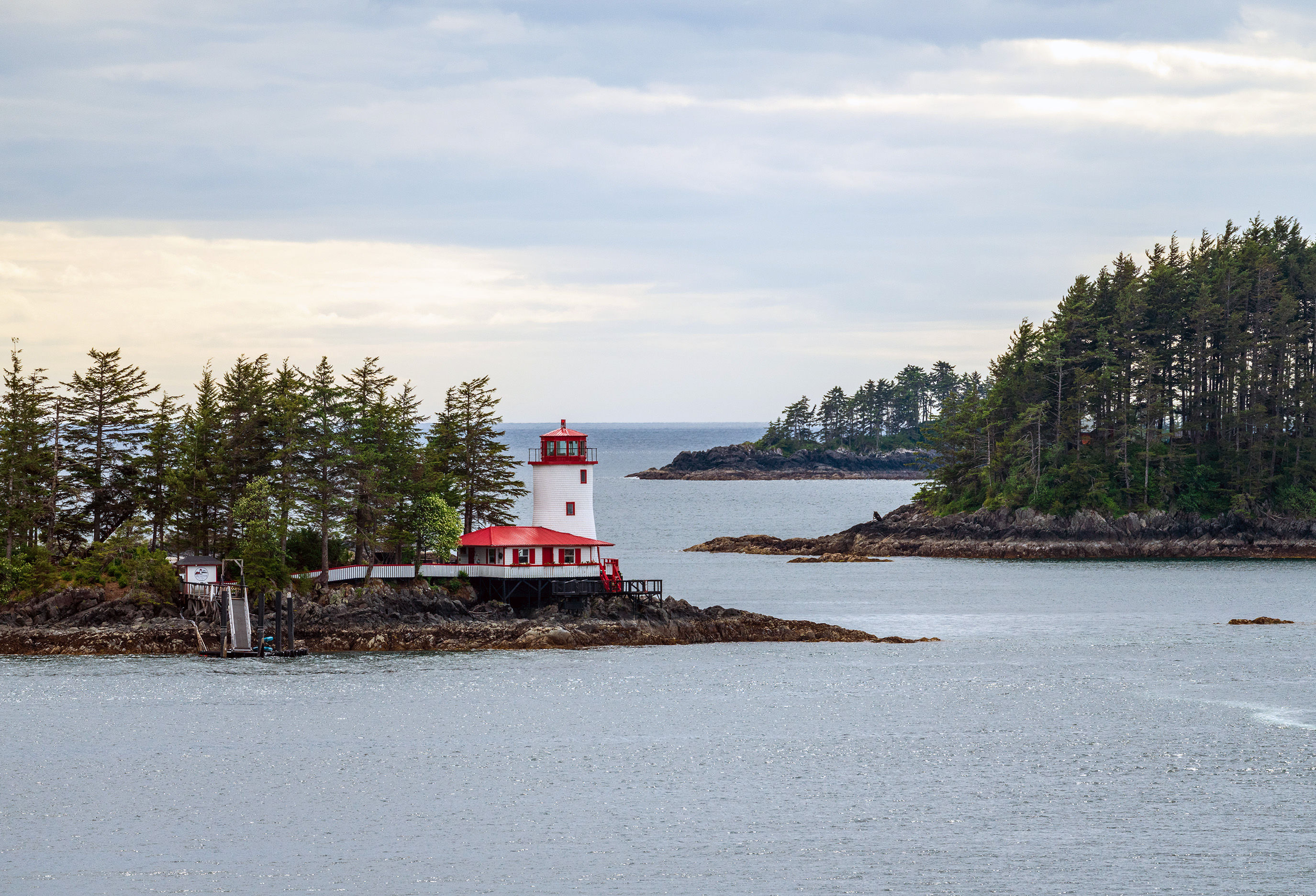
Sitka blends Tlingit heritage with traces of Russian colonial history, visible in its totem parks and Orthodox architecture. Surrounded by productive coastal waters, it also offers frequent sightings of humpback whales, sea otters, and seabirds, making it a strong destination for wildlife viewing.
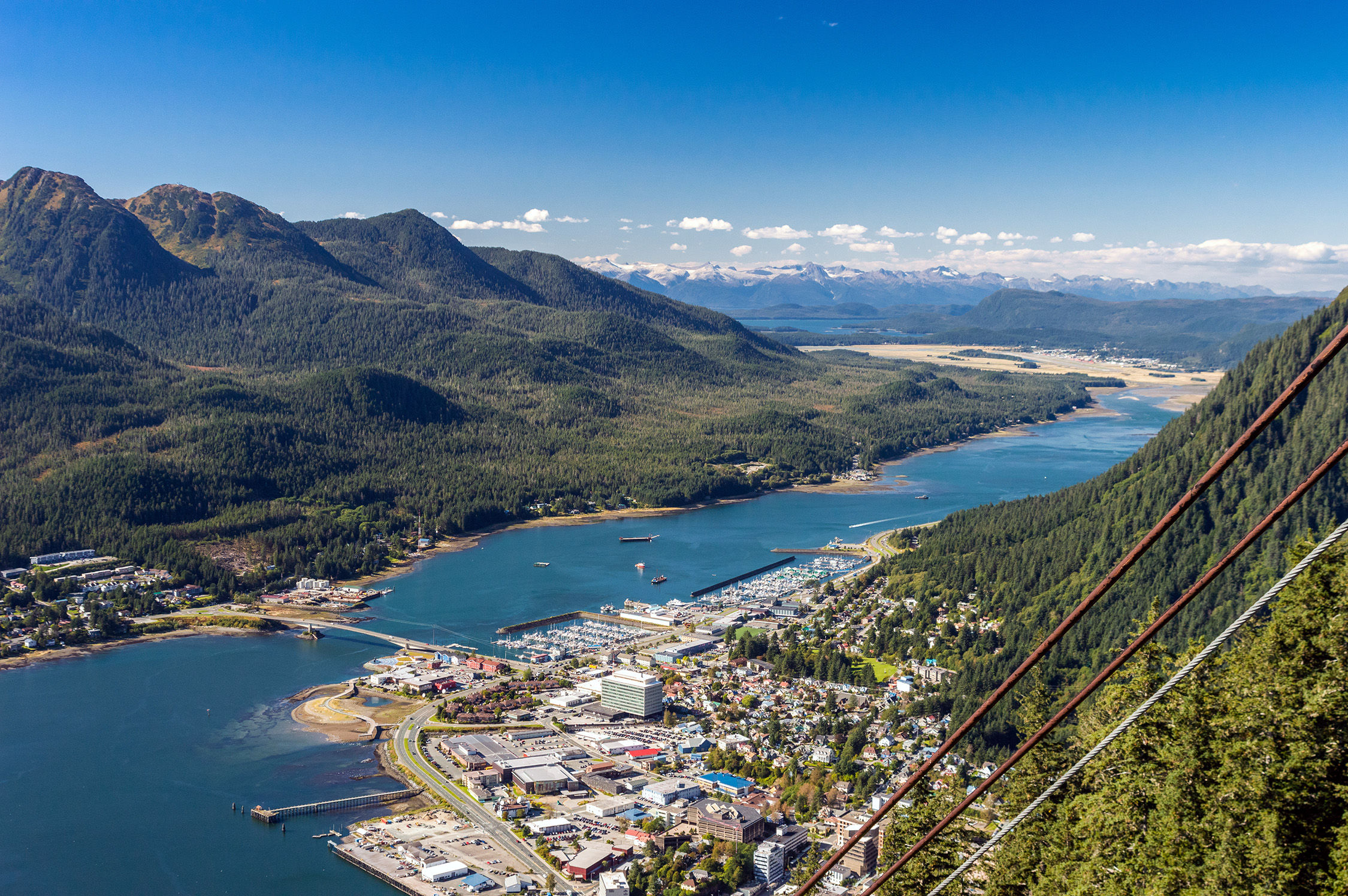
Juneau, Alaska’s capital, sits between mountains and sea and serves as a gateway to nearby glacier systems and whale-feeding grounds. Summer months bring reliable humpback sightings, along with access to glacial landscapes that define much of the region.
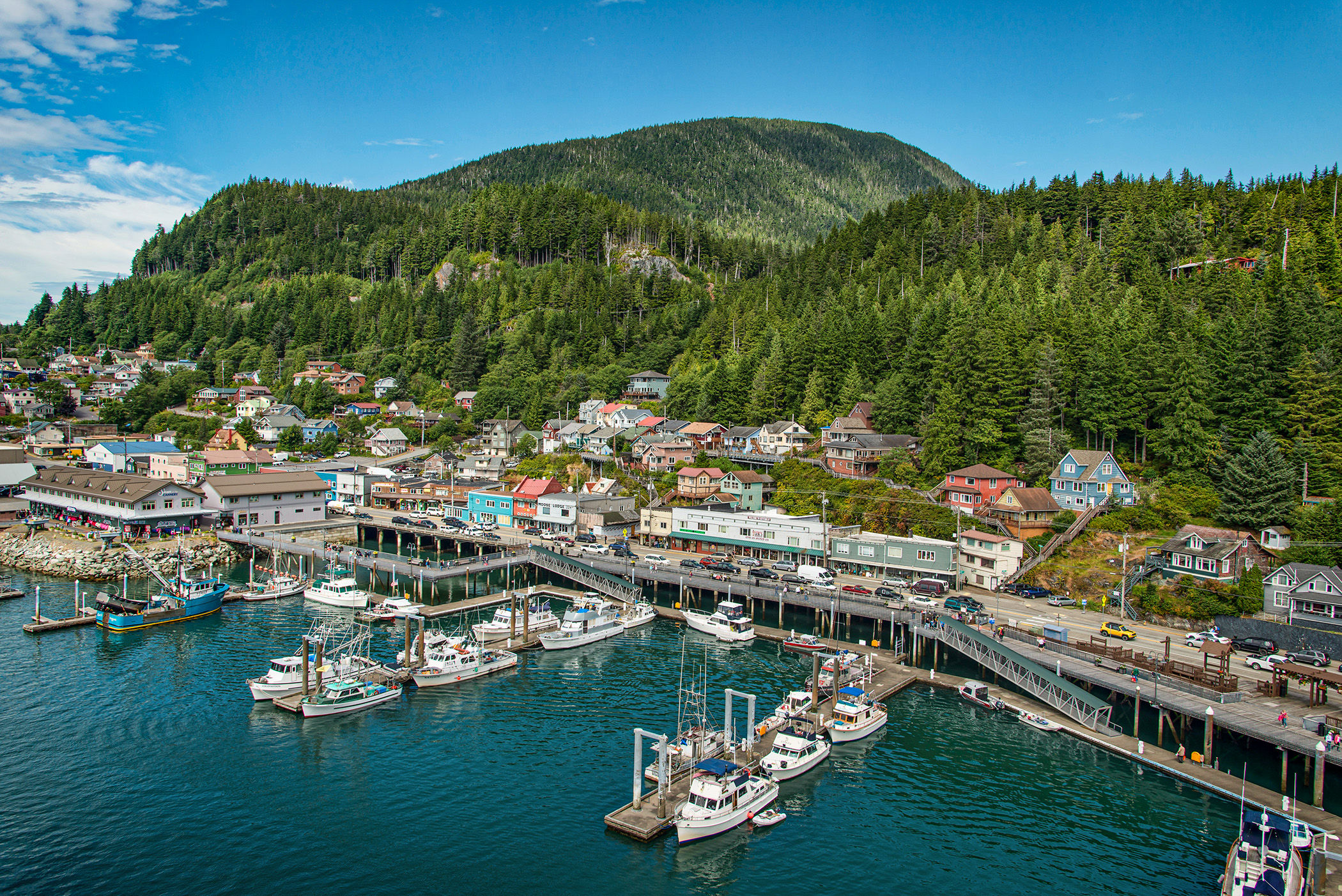
Ketchikan is known for its extensive collection of totem poles and its historic Creek Street district, reflecting both Indigenous traditions and its fishing heritage. It remains one of the most culturally focused stops on many itineraries.
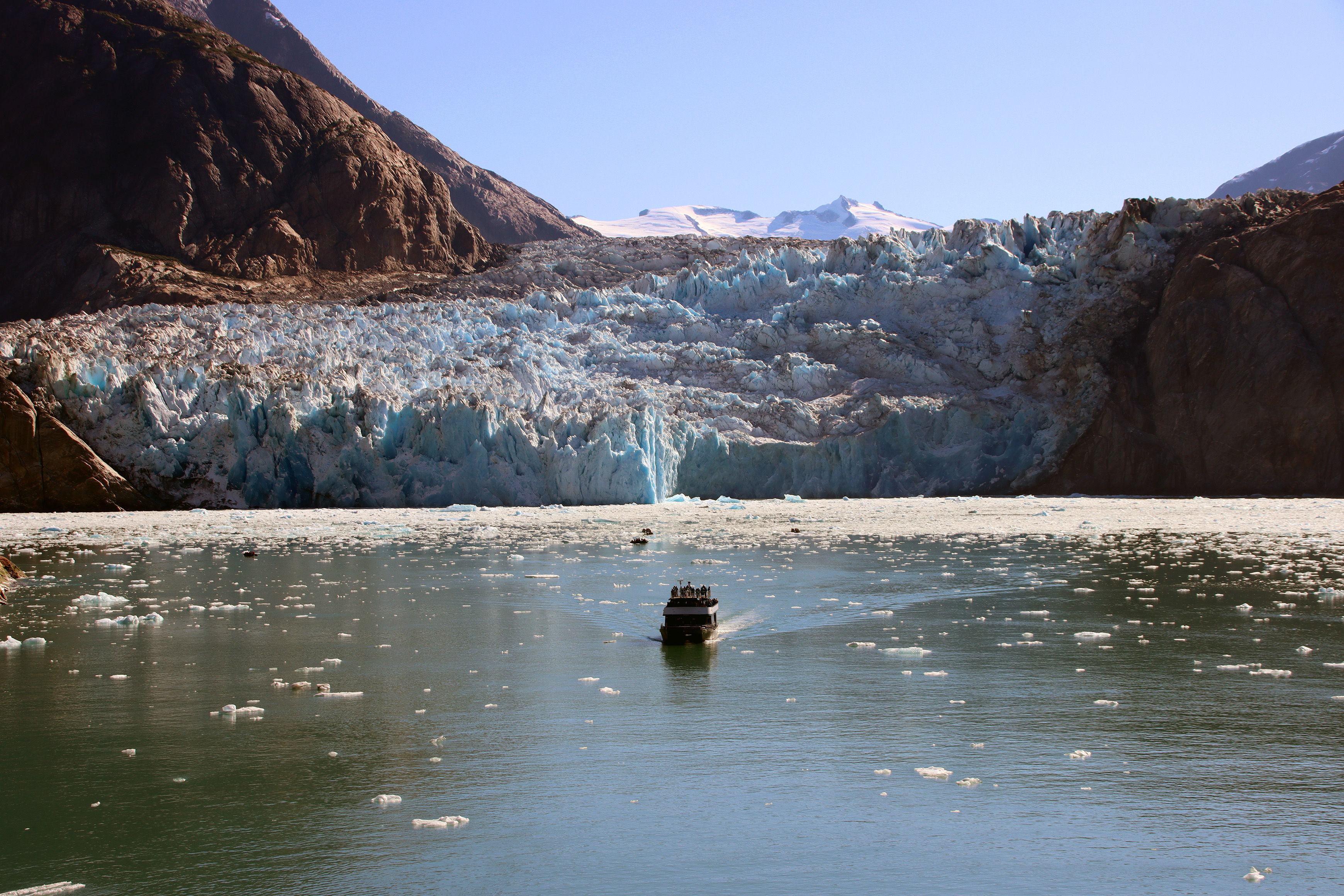
Tracy Arm is a narrow fjord framed by steep cliffs and tidewater glaciers. Floating ice often fills the water near the glacier face, where harbor seals rest during summer months — a setting best accessed by smaller expedition vessels.
Glacier Bay National Park, a UNESCO World Heritage Site, is a highlight of many cruises. Park rangers frequently join ships to interpret glacial movement and wildlife activity as vessels navigate among massive ice formations. The Inside Passage and surrounding Alaska Islands form a protected network of waterways that provide relatively stable sailing conditions and abundant marine life, including whales, orcas, and sea otters.
A Day on an Alaska Adventure Cruise
Mornings often begin with glacier viewing in Glacier Bay National Park or wildlife spotting in the Inside Passage. Skiff excursions in Tracy Arm bring travelers close to ice formations. Kayaking opportunities may occur near forested shorelines outside Sitka.
Cultural visits in Ketchikan or Juneau provide context through Indigenous history and regional heritage. Evenings feature expert talks on glaciology, marine mammals, or Alaska’s cultural evolution. The extended daylight of summer allows flexible scheduling and maximizes scenic viewing.
Summer Is the Optimal Window
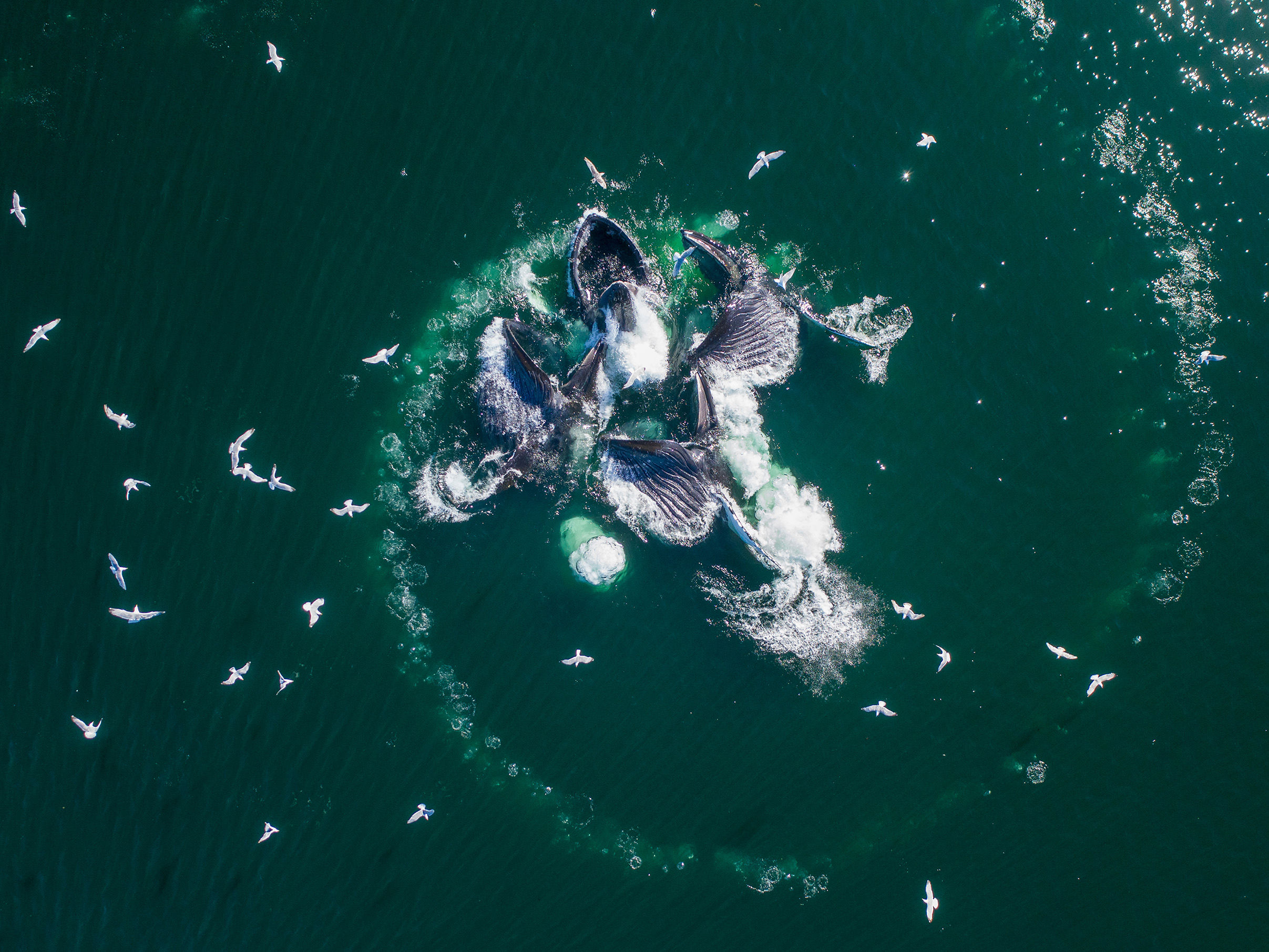
Peak summer in Alaska, typically from June through August, delivers the most consistent overall conditions for expedition cruising. Weather patterns are generally more stable, with milder temperatures and longer stretches of clear visibility. Wildlife activity also peaks during these months. Humpback whales feed intensively in the nutrient-rich waters of the Inside Passage, and sightings near Juneau and throughout the Alaska Islands are frequent and sustained. Orcas are regularly observed traveling in pods, and sea lions gather along rocky outcrops.
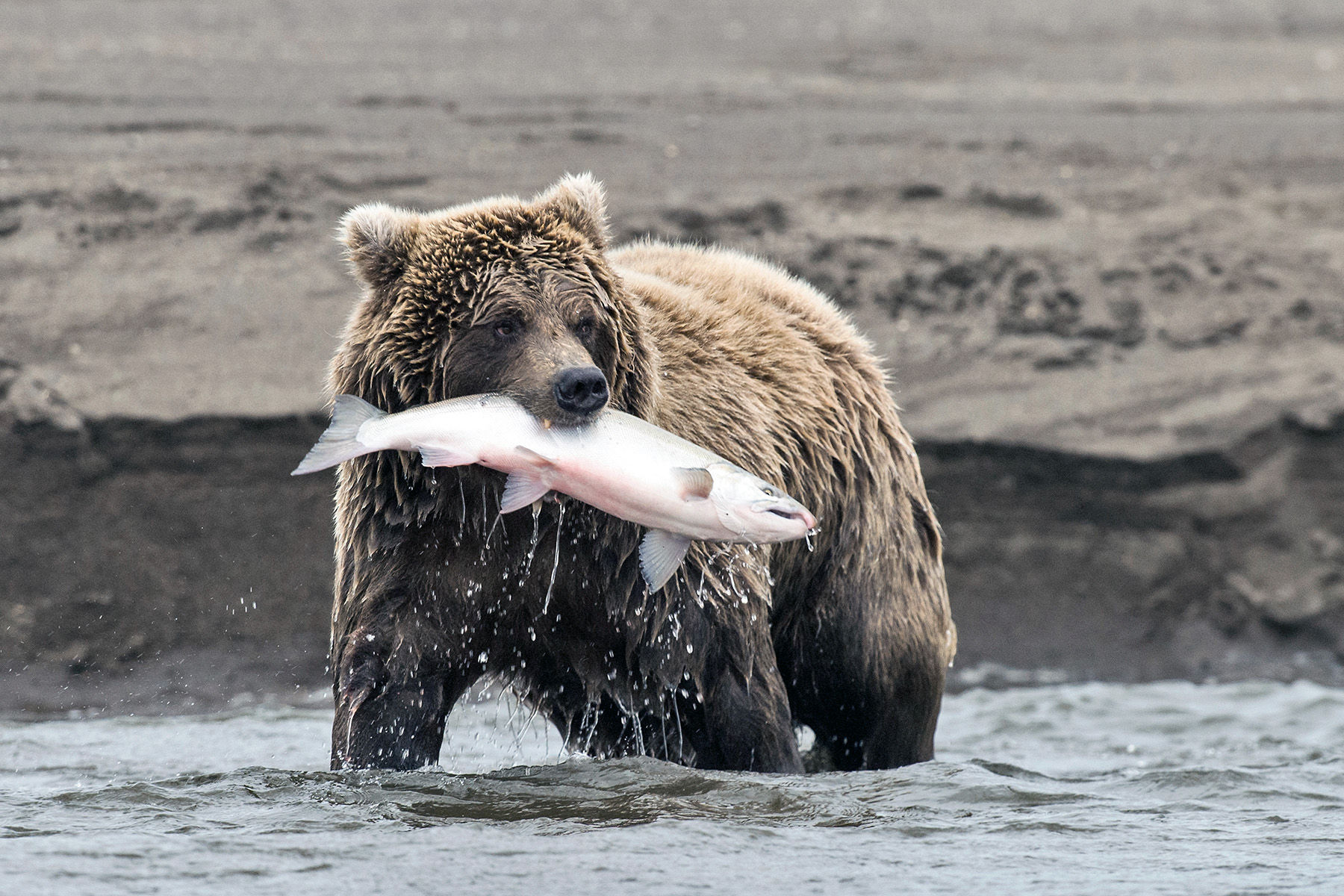
July and August coincide with peak salmon runs, drawing brown bears to river mouths and coastal streams. This seasonal concentration of wildlife offers some of the year's most dynamic viewing opportunities, particularly in areas accessible to small vessels. Ports such as Sitka, Ketchikan, and Juneau are fully operational during summer, with cultural sites, guided excursions, and visitor facilities running at full capacity. Navigation through areas like Tracy Arm and Glacier Bay National Park is also more predictable, as reduced ice and longer daylight hours expand exploration windows.
Outside this prime summer period, colder temperatures and increasing ice can restrict access to certain fjords and waterways. For travelers considering Alaska adventure cruises, June through August consistently offers the strongest combination of wildlife activity, navigational accessibility, and extended daylight for exploration.
Responsible Travel in Alaska
Expedition operators collaborate with the authorities of Glacier Bay National Park and with Indigenous communities. Wildlife viewing regulations maintain safe distances. Sustainable practices help protect fragile marine ecosystems. The region’s beauty is preserved through careful management — a principle shared with the Galápagos.
You might also want to consider the Galapagos
If Alaska’s summer season appeals but you are planning winter travel, the Galápagos offers a year-round alternative — particularly during its calm, warm season from December through May.
Read our companion guide to the best time to visit the Wild at Heart - Galápagos after 60.
This article was developed with AI assistance and reviewed and edited for accuracy, quality, and relevance.