Greek Island Hopping Cruises
Island Hopping in Greece: Myth, Sea, and Sunlight
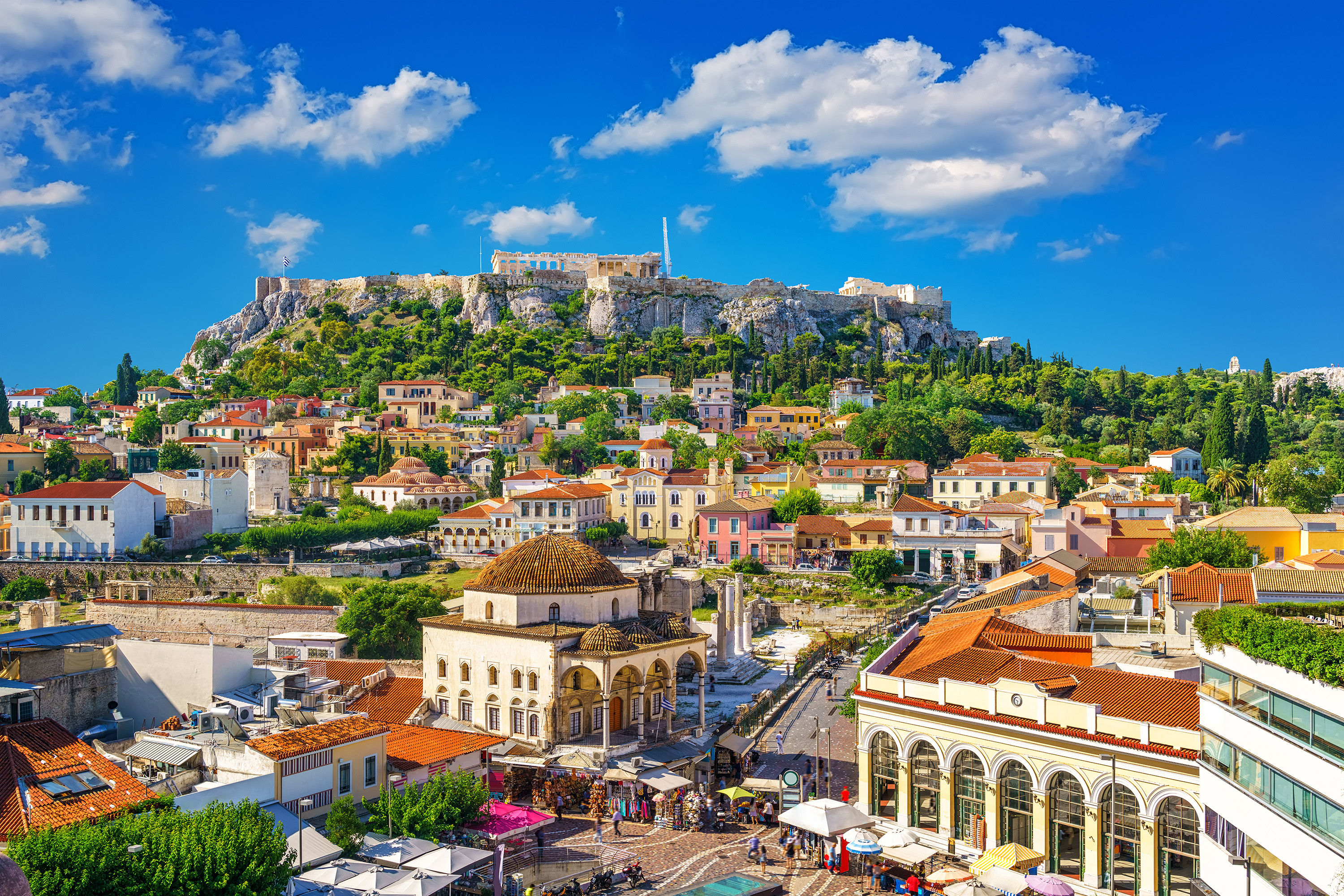
Scattered like sunlit stepping stones between Europe, Asia, and Africa, Greece’s islands form one of the world’s most evocative settings for small-ship island-hopping cruises. From the temple-dotted Saronic Islands and wind-sculpted Cyclades to the story-rich Dodecanese, lush Ionian Islands, and iconic ports like Mykonos, Rhodes, and Corfu, each island group offers a distinct rhythm of history, scenery, cuisine, and cultural immersion best experienced aboard an intimate vessel.
Greece as a Small-Ship Cruise Destination
With more than 6,000 islands and islets—only a fraction of them inhabited—Greece offers a dense maritime geography where short sailing distances open the door to deeply varied experiences. A morning spent navigating a narrow channel can lead to an afternoon anchored beneath whitewashed cliffs or moored in a medieval harbor where fishing boats still outnumber yachts.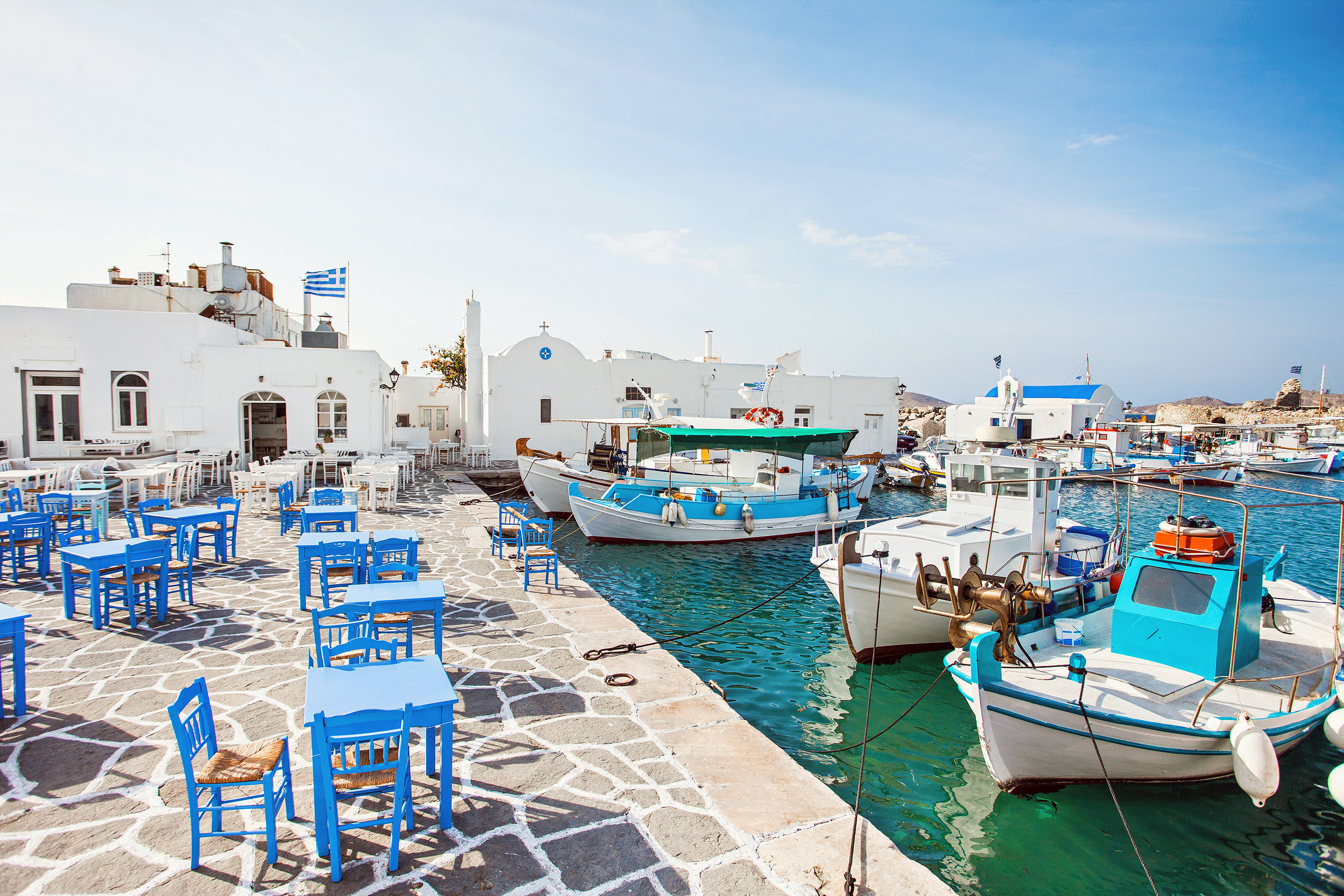
Shore excursions often take the form of guided walks with historians, archaeologists, or local experts who contextualize ruins, churches, and neighborhoods within the broader sweep of Greek civilization. Onboard, regional cuisine reflects the islands being visited—Cycladic fava beans and sun-dried tomatoes, Ionian olive oils and seafood, Dodecanese spices shaped by centuries of trade with Asia Minor.
Athens and its port of Piraeus serve as the primary embarkation point, placing travelers at the crossroads of ancient history and modern maritime culture. From here, classic routes fan out across the Aegean and Ionian seas, looping through the Cyclades, tracing the green western coast of Greece, or crossing the eastern Aegean through the Dodecanese toward the shores of Anatolia.
The Greek Island Groups Explained
Saronic Islands: Historic Harbors and Ancient Sanctuaries
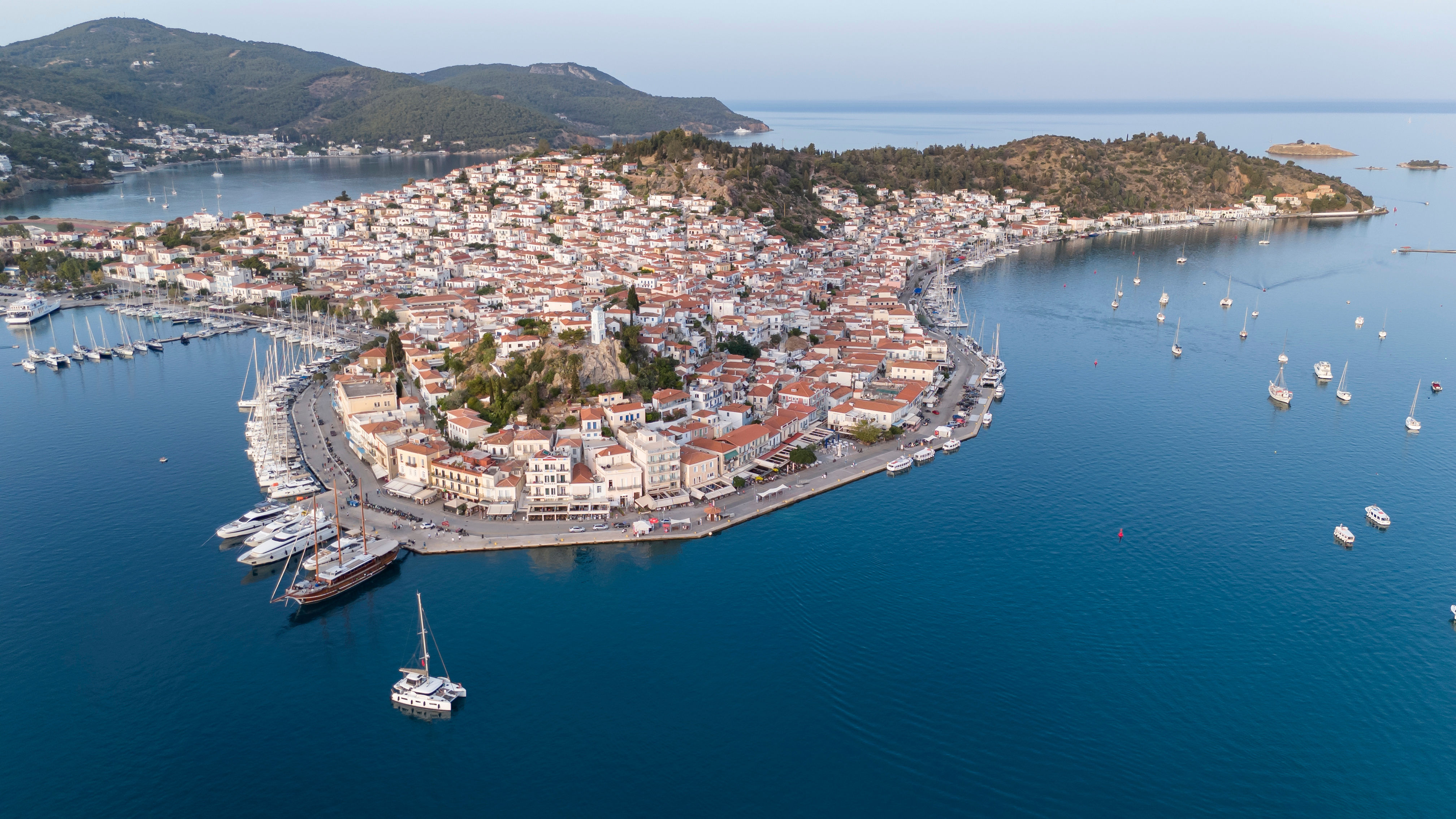
Closest to Athens, the Saronic Islands have served as Greece’s maritime front porch since antiquity. Their proximity to the mainland allows small ships to linger longer ashore, weaving together ancient sanctuaries, neoclassical ports, and quiet island communities that still revolve around fishing and seafaring traditions.
For small-ship travelers, the Saronics offer a gentle introduction to island hopping—calm seas, short crossings, and deeply human-scale destinations where archaeological sites, monasteries, and family-run tavernas are part of everyday life rather than staged attractions.
Cyclades Islands - Whitewashed Villages and Wind-Sculpted Landscapes
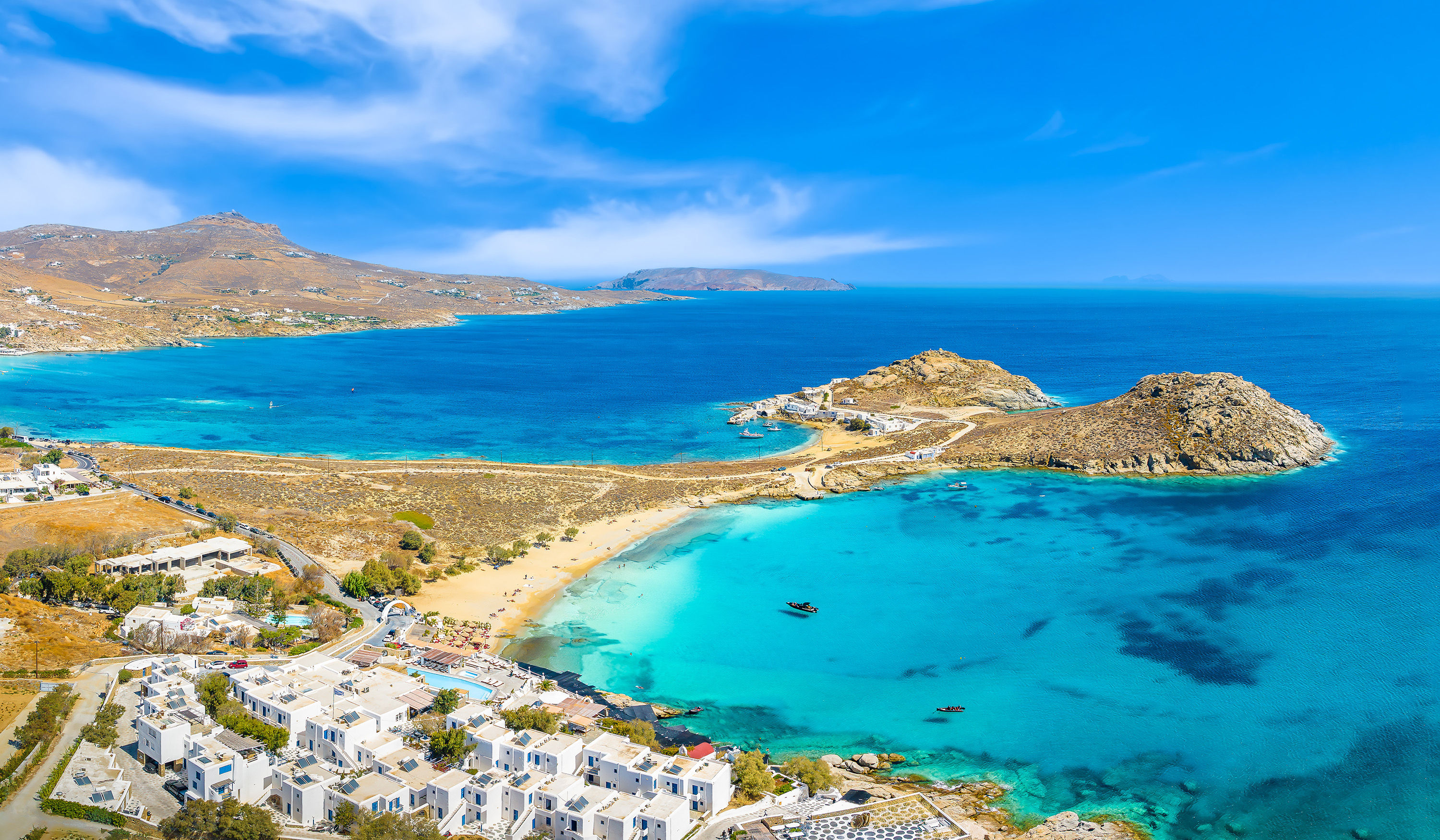
The Cyclades form the visual shorthand for the Greek islands: whitewashed villages, blue-domed churches, and sun-bleached hills rising from an indigo sea. Yet beneath their iconic appearance lies a dense concentration of ancient history, maritime trade routes, and sacred landscapes shaped by wind and water.
Small ships excel here, reaching lesser-visited islands and anchoring beyond crowded ports. Sailing through the Cyclades is as much about rhythm as scenery—balancing archaeological exploration, swimming in sheltered coves, and evenings spent wandering old towns after day visitors depart.
Mykonos: Windmills, Farms, and Coastal Footpaths
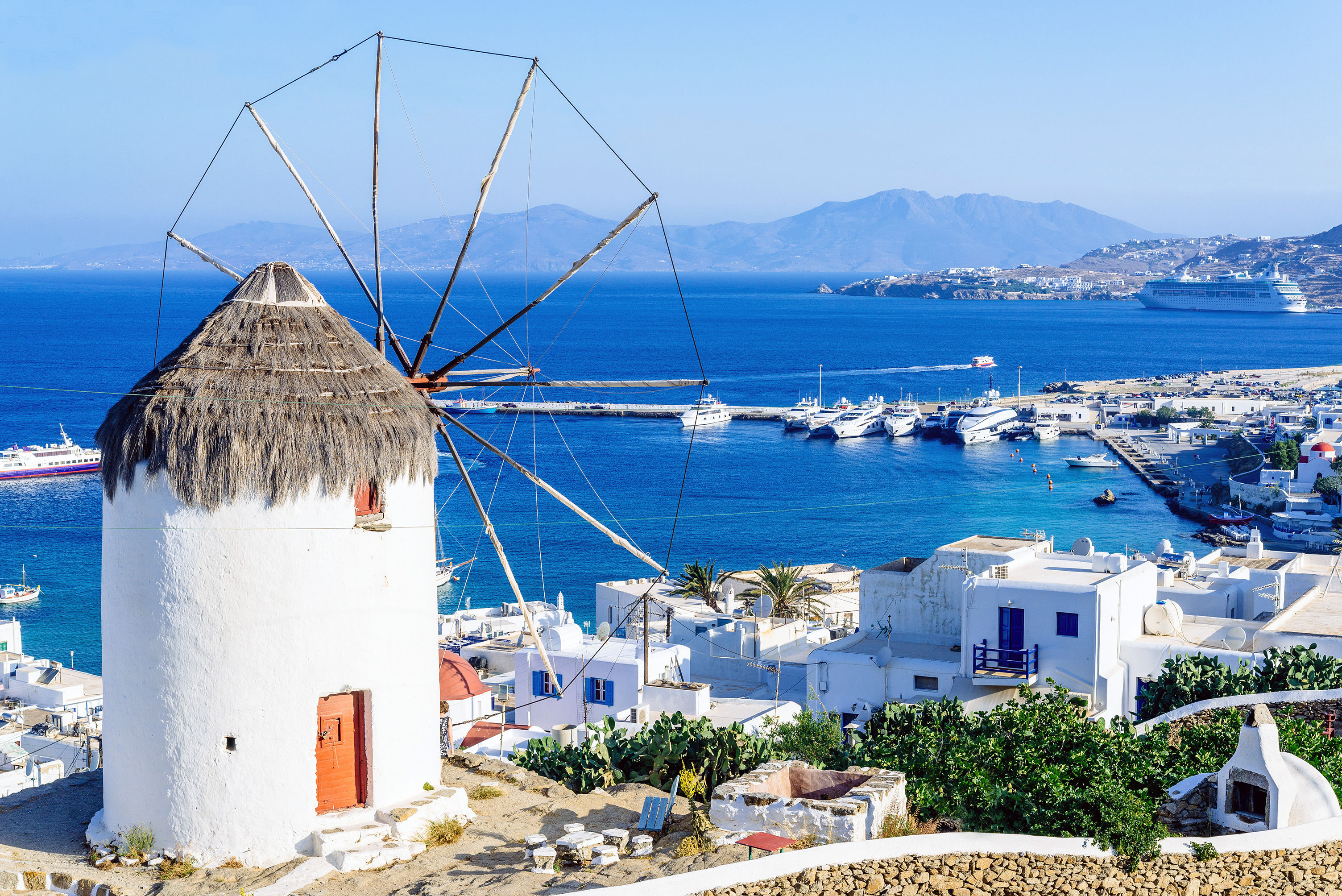
Often associated with modern glamour, Mykonos is also a deeply maritime island with a long history as a trading hub in the Cyclades. Beyond its lively harbor lie quiet chapels, traditional farms, and windswept landscapes that speak to a far older identity. Arriving by small ship allows travelers to experience Mykonos outside peak hours, when the island’s narrow lanes, historic windmills, and coastal paths regain their sense of place and connection to the surrounding sea.
Dodecanese Islands: Medieval Fortresses and Island Traditions
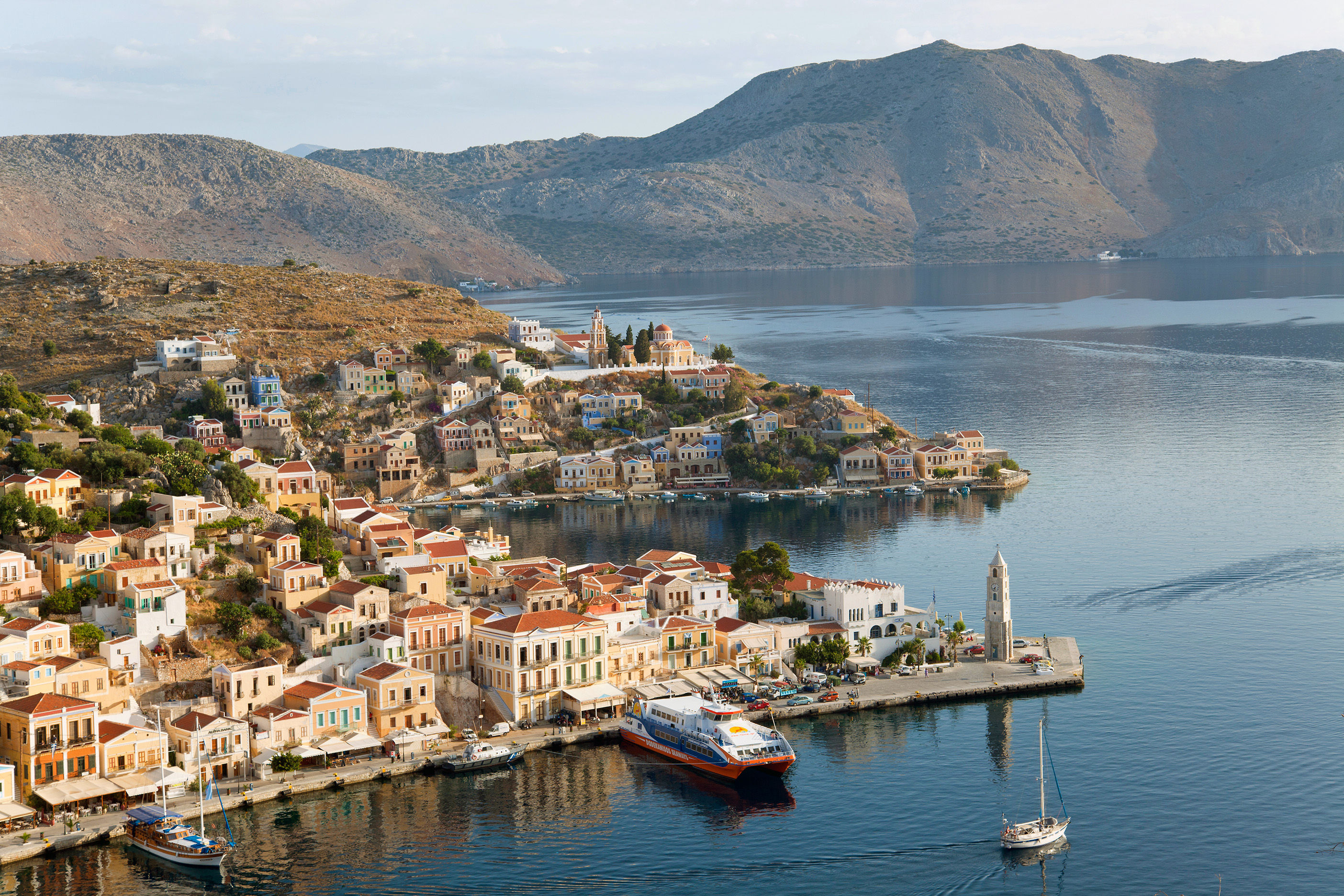
Stretching along the eastern edge of the Aegean, the Dodecanese Islands reveal a Greece shaped by centuries of exchange with Asia Minor, the Crusader states, and the Ottoman world. Their architecture, cuisine, and traditions reflect a layered history that feels distinct from the central Aegean.
For small-ship cruises, the Dodecanese reward slower exploration. Medieval fortresses, ancient sanctuaries, and island towns still defined by local rhythms create an atmosphere where history feels inhabited rather than preserved, especially when approached by sea.
Rhodes: Vibrant Markets and Sunlit Shores
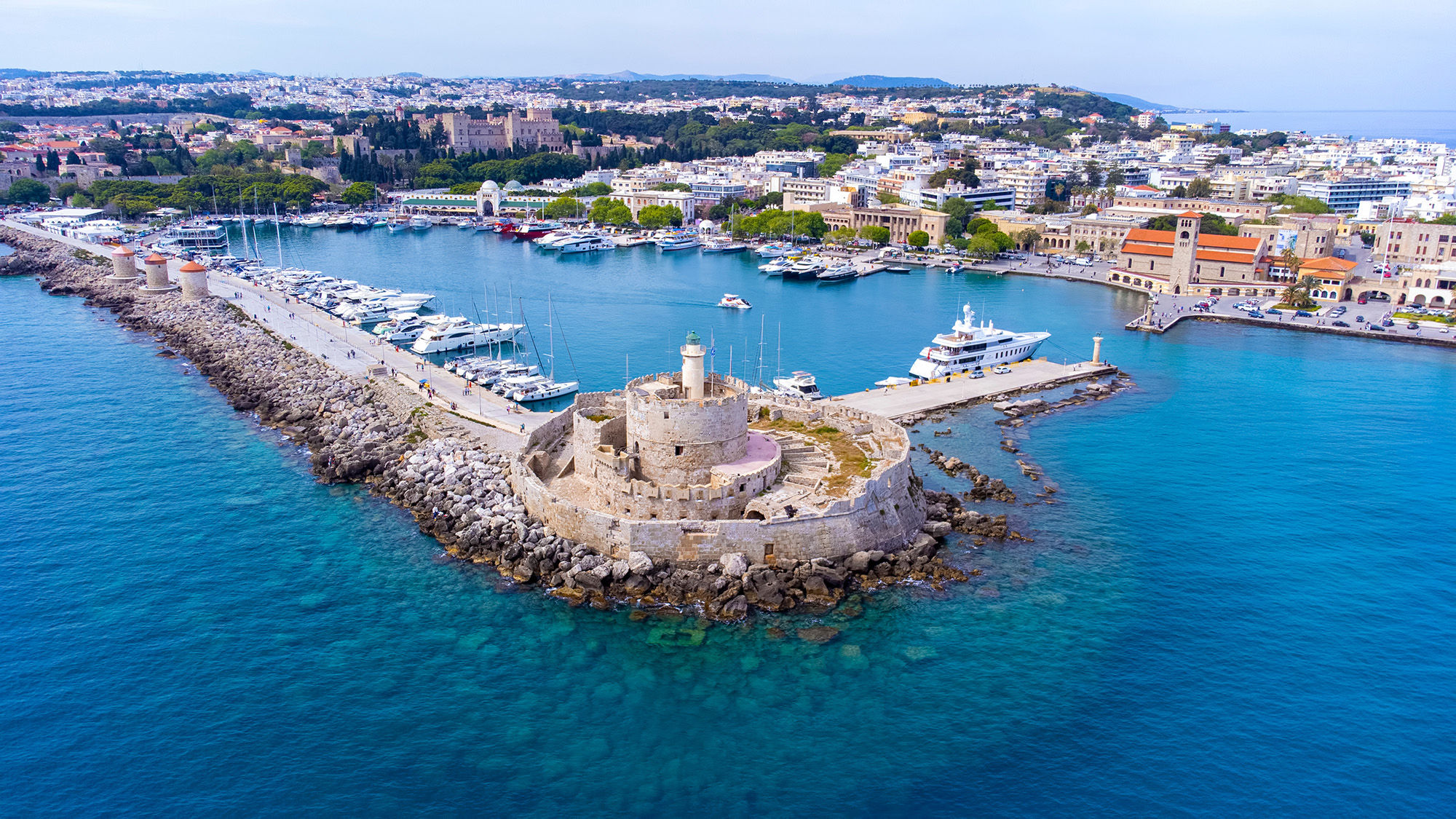
Rhodes stands at the crossroads of the ancient and medieval worlds. Classical temples, Byzantine churches, and Crusader walls coexist within one of the best-preserved historic towns in the Mediterranean. For small-ship cruisers, Rhodes offers a rare opportunity to step directly from ship to centuries of layered history, where walking the old city walls or exploring inland villages reveals how myth, empire, and daily life continue to overlap.
Ionian Islands: Olive Groves, Music, and Coastal Towns
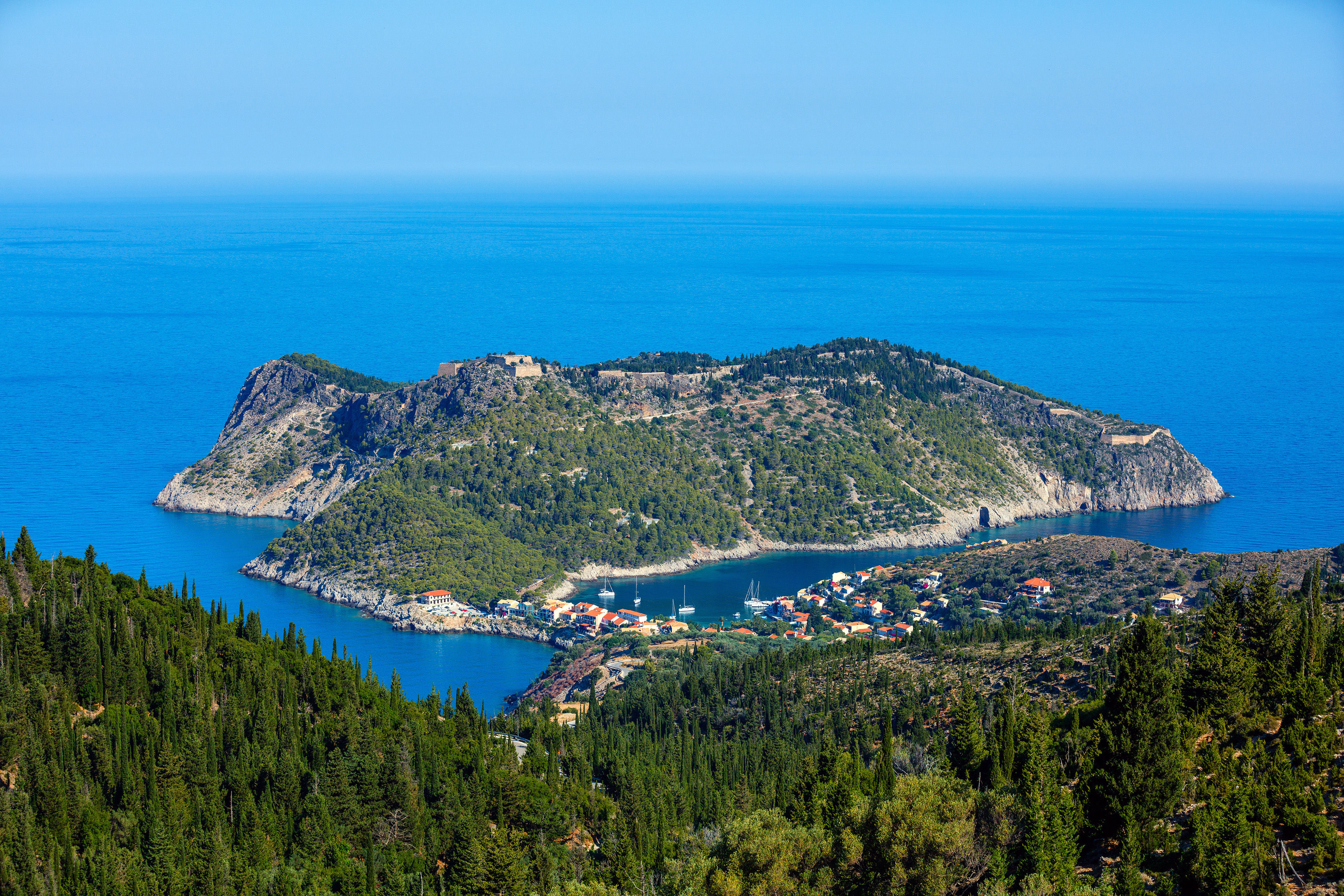
Facing the Adriatic rather than the Aegean, the Ionian Islands are greener, softer, and shaped by Venetian rather than classical influence. Olive groves, forested hills, and elegant old towns give the region a distinctly different character from eastern Greece.
Small ships trace the Ionian coastline and islands at an unhurried pace, slipping into sheltered bays and historic ports where music, cuisine, and architecture reflect centuries of Western Mediterranean connections. The result is a gentler, pastoral vision of Greek island life.
Corfu: Olive-Laced Countryside and Hilltop Fortresses
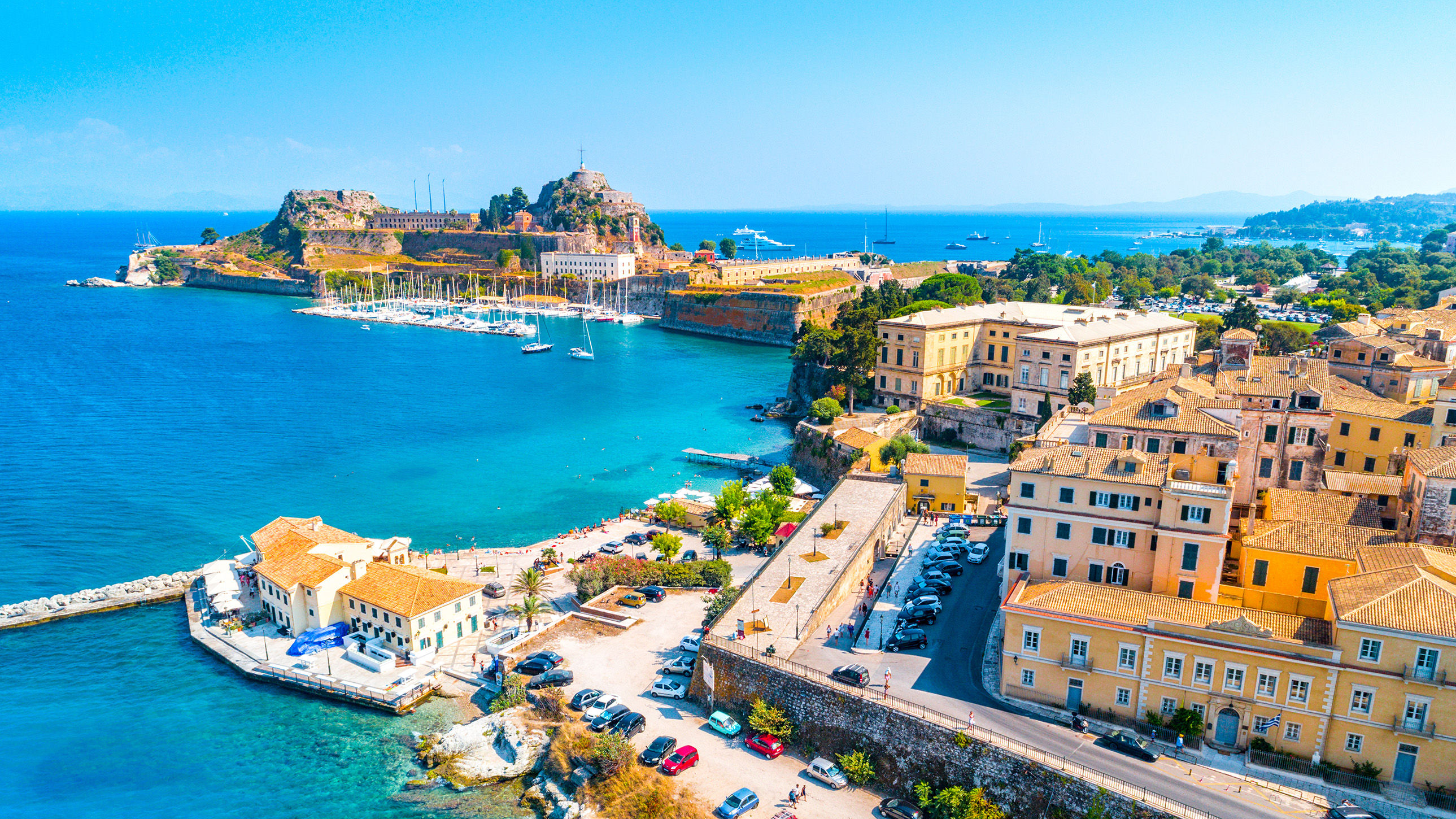
Green, graceful, and culturally layered, Corfu reflects centuries of Venetian rule and Adriatic influence. Its old town, fortresses, and arcaded streets feel more Italianate than Aegean, while the countryside remains deeply rural. Small ships approaching Corfu from the sea mirror the experience of traders and travelers who arrived here for generations, revealing an island where music, food, and architecture tell a story of Greece looking westward.
The Best Time to Cruise the Greek Islands
The Greek islands enjoy a long cruising season, but timing makes a meaningful difference to the experience—particularly for small ships that emphasize outdoor living, swimming, and cultural encounters.
Spring (April–May)
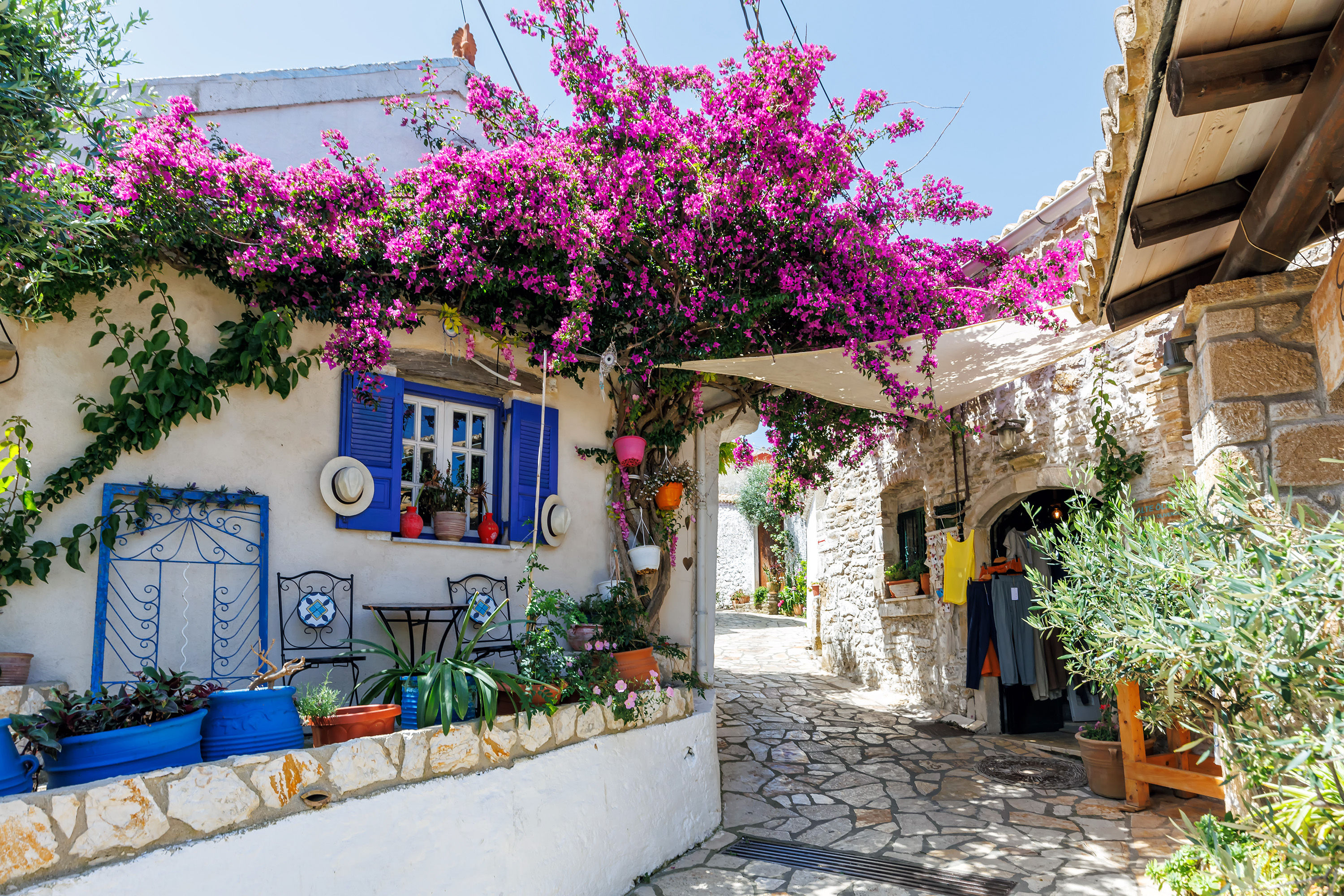
Spring brings mild temperatures, green hillsides, and wildflowers carpeting the islands. Seas are generally calm, ports are uncrowded, and archaeological sites can be explored without the intensity of summer heat. Easter celebrations—especially on islands like Corfu—offer rare insights into local religious traditions, music, and cuisine.
Summer (June–August)
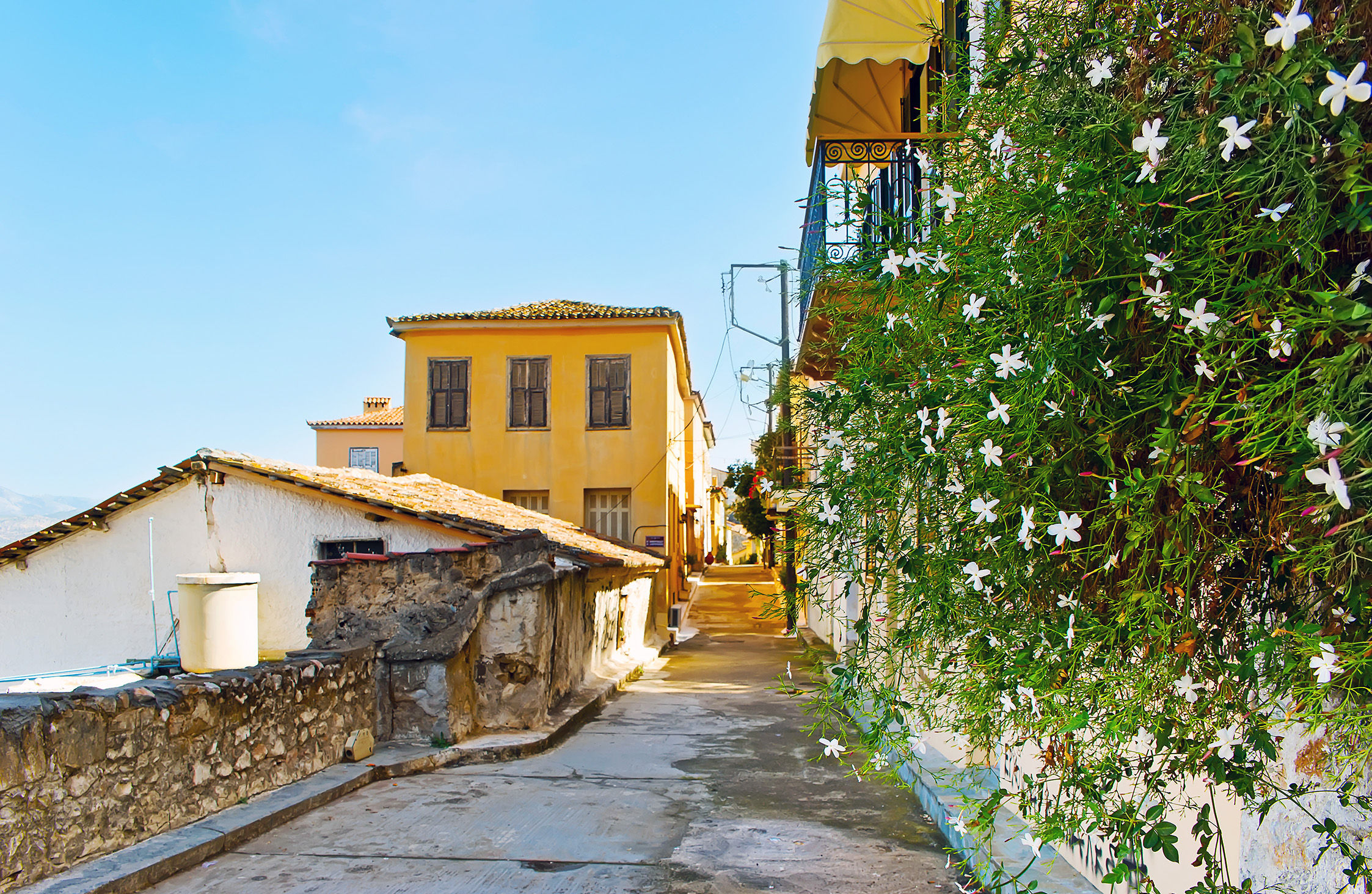
Summer delivers classic Greek island imagery: deep-blue seas, long daylight hours, and warm nights scented with jasmine. Conditions are ideal for swimming and snorkeling, though July and August bring higher temperatures and larger crowds, particularly in headline destinations. Small ships mitigate this by anchoring outside busy ports or by visiting lesser-known islands.
Autumn (September–October)
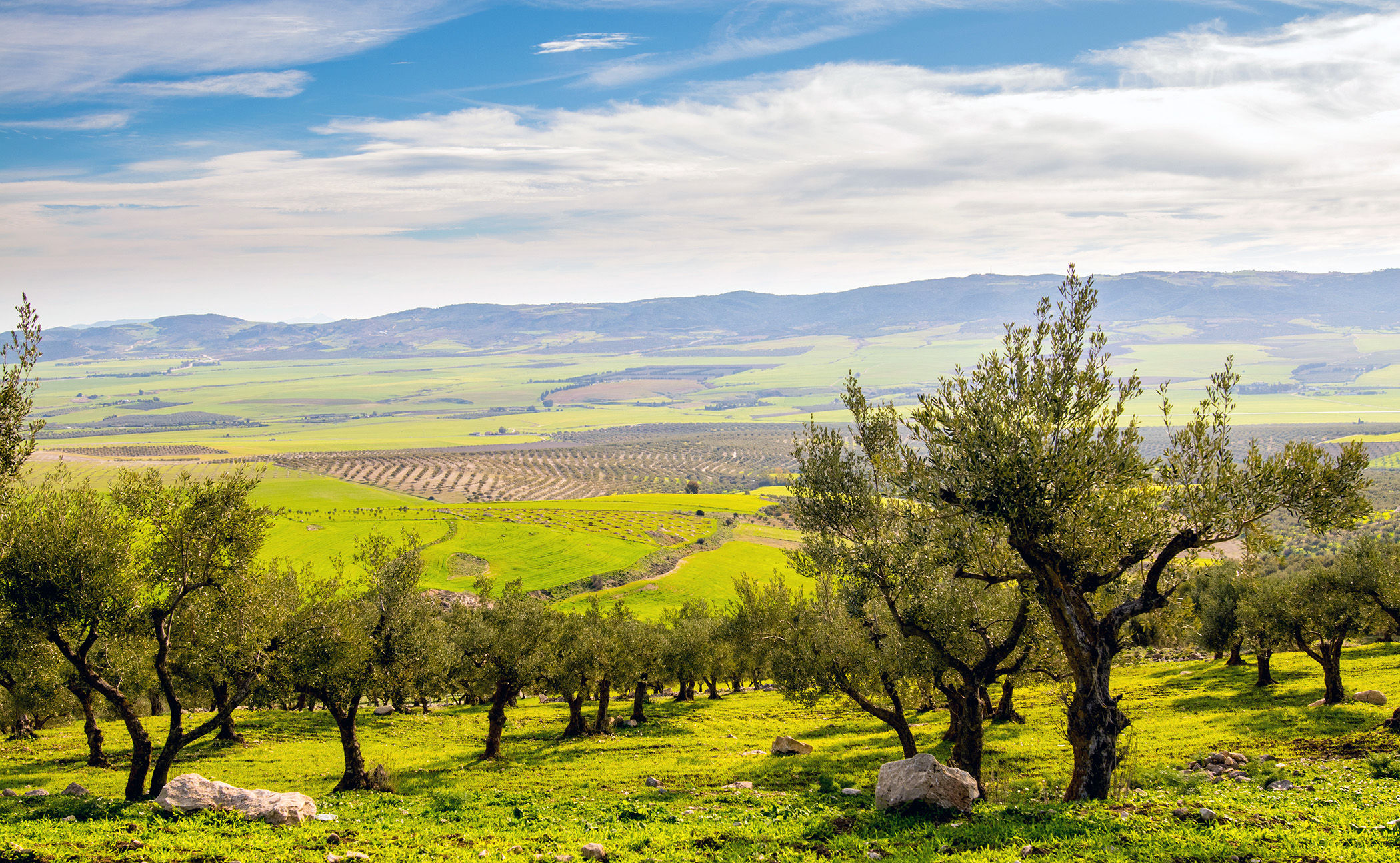
Autumn is widely considered the sweet spot for small-ship cruising in Greece. The sea remains warm, crowds thin dramatically, and harvest season brings wine festivals, fresh figs, and olive oil tastings. Sailing conditions are stable, and the softer light lends a golden hue to villages and ruins alike.
For many travelers, the shoulder seasons of spring and autumn offer the most rewarding balance of comfort, access, and atmosphere—especially for those seeking a quieter, more immersive island-hopping experience.
Activities and Landmarks Along the Greek Islands
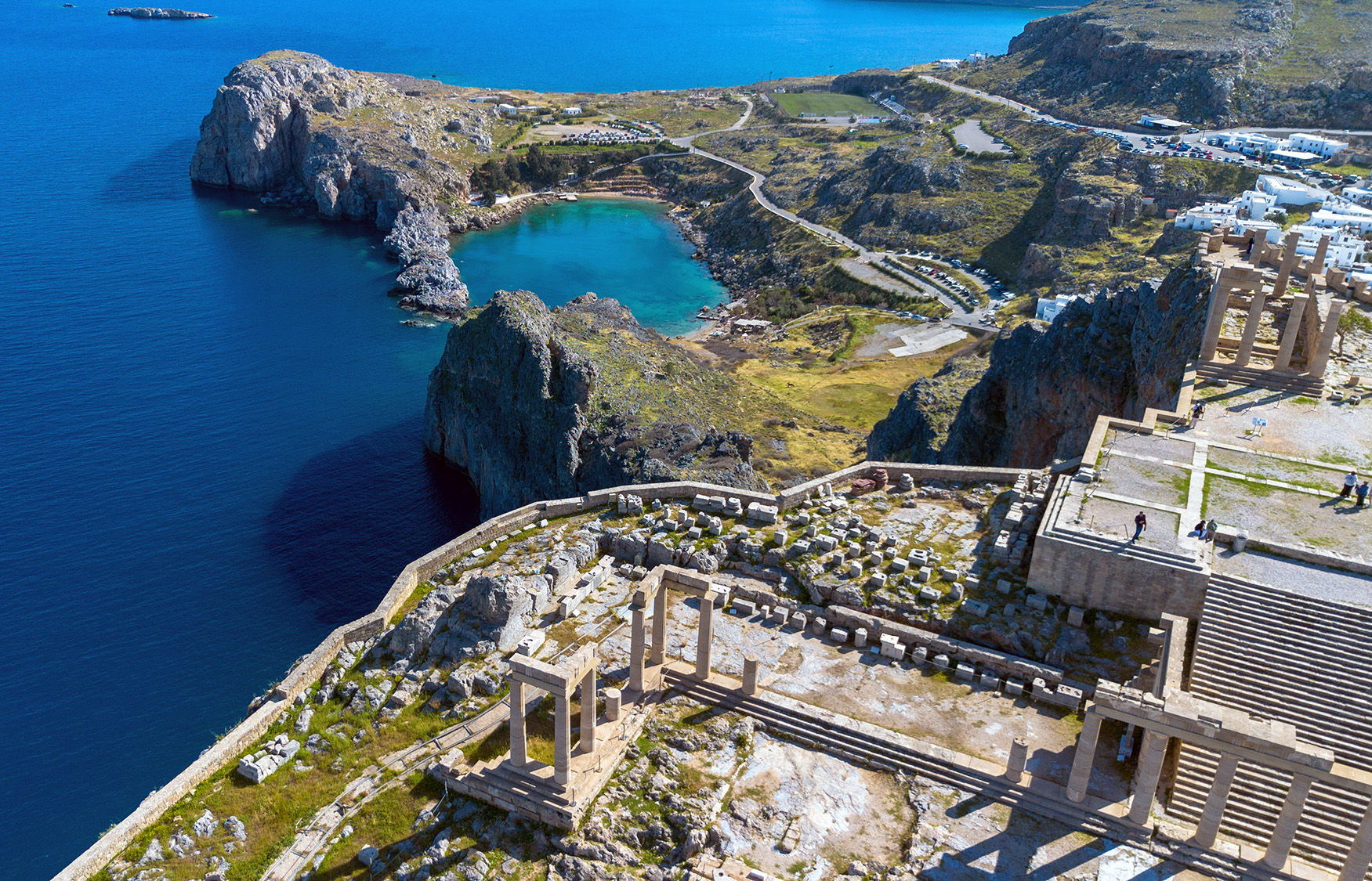
Ancient archaeological sites appear almost casually across the archipelago: Doric temples overlooking the sea, theaters carved into hillsides, sanctuaries once dedicated to gods whose myths still echo through local folklore. UNESCO World Heritage landmarks coexist with everyday life, where cafes sit beside ruins, and fishermen mend nets beneath Byzantine walls.
Historic ports and old towns reveal centuries of layered history—Venetian fortresses in the Ionian Islands, Crusader castles in the Dodecanese, neoclassical mansions in island capitals shaped by maritime wealth. Hilltop villages offer sweeping views and a slower pace, their stone houses cooled by meltemi breezes.
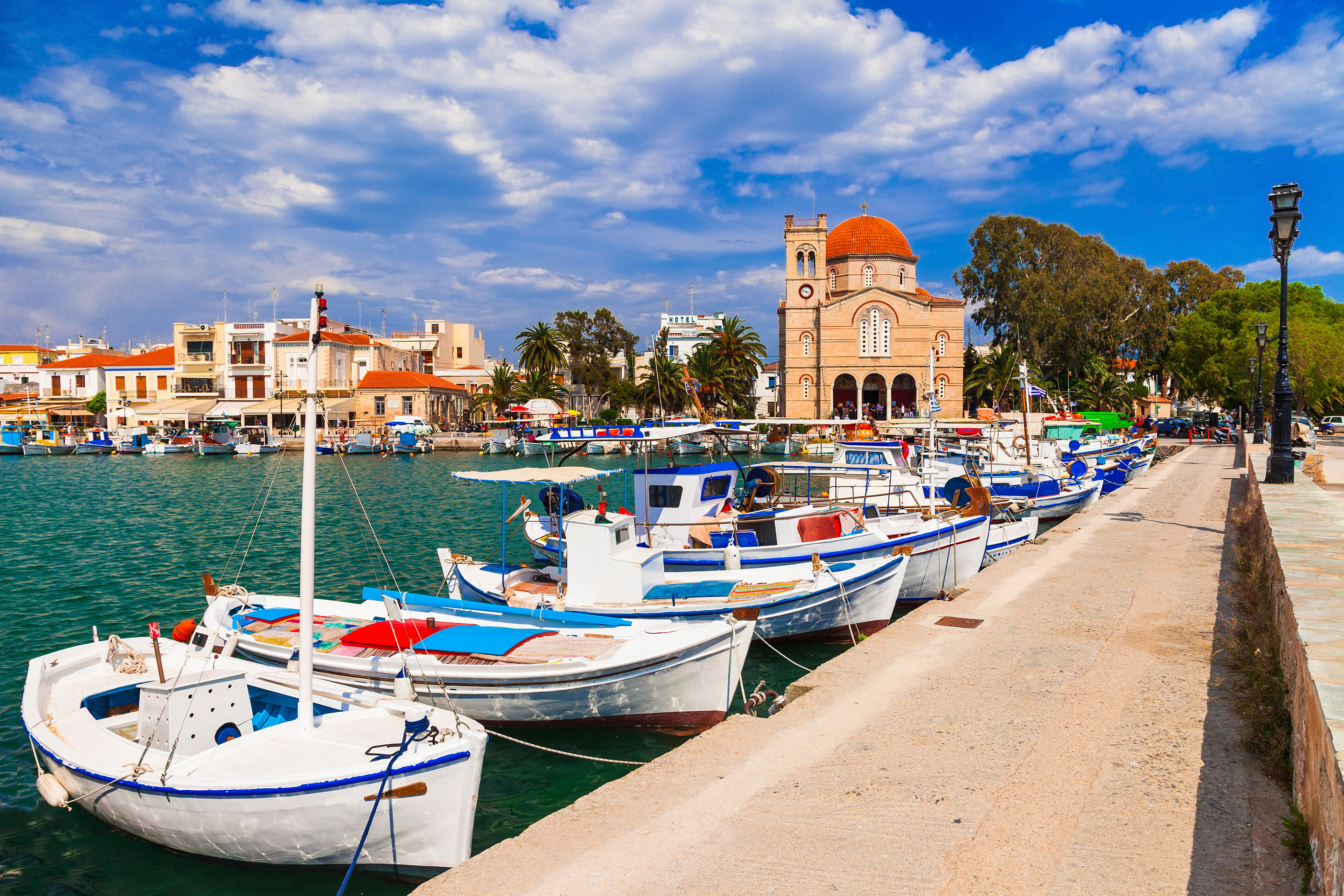
Between land excursions, the sea itself becomes a destination—small ships anchor in sheltered bays for swimming and snorkeling in clear, mineral-rich waters. Kayaks and paddleboards provide quiet access to sea caves and rocky inlets, while decks become front-row seats for sunset rituals that feel both communal and deeply personal.
Culinary experiences are woven throughout the voyage. Market visits introduce travelers to regional cheeses, herbs, and produce, while onboard meals showcase local recipes shaped by geography and history. Wine tastings, olive oil mill visits, and informal dinners ashore connect flavors to place in ways that linger long after the journey ends.
What Can Be Seen on Greek Island-Hopping Cruises
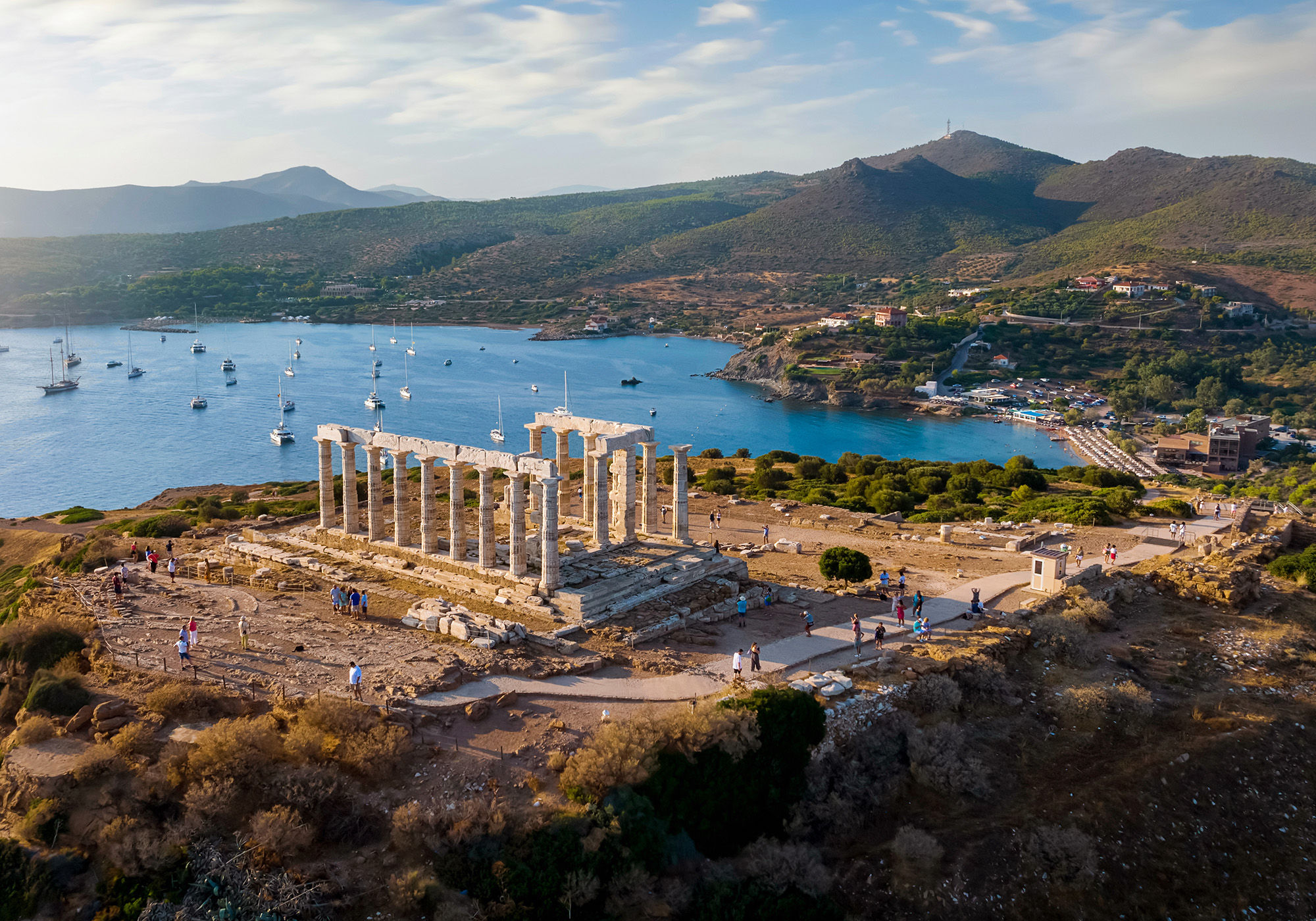
Classical antiquity is ever-present: marble columns rising against cobalt skies, sanctuaries aligned with celestial events, and myths that explain the land’s dramatic forms. Byzantine chapels and monasteries introduce a quieter, spiritual dimension, their frescoes glowing in candlelight. Venetian and Ottoman influences speak to centuries of maritime power struggles, trade routes, and cultural exchange.
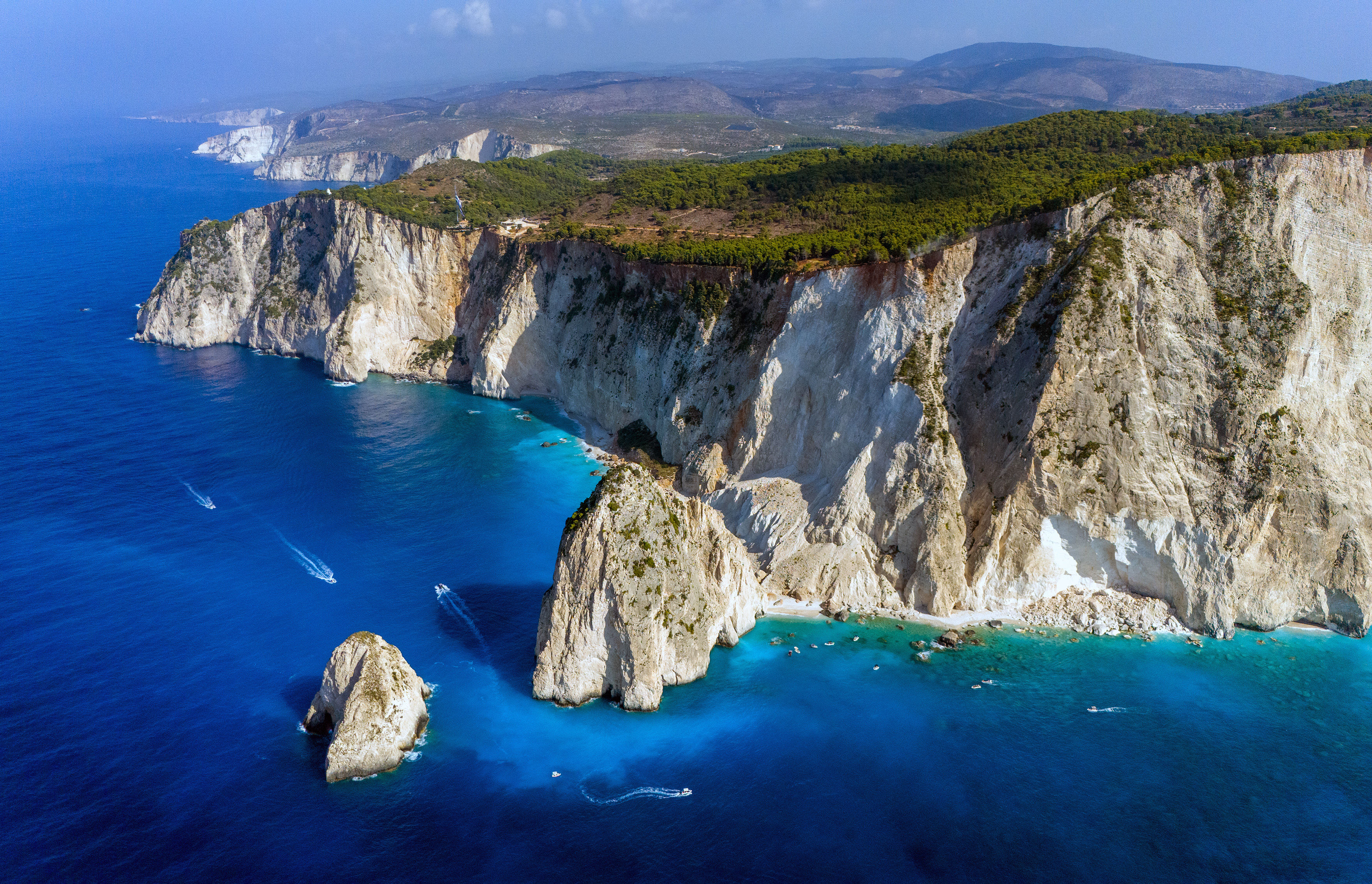
Nature is inseparable from this human story. Limestone cliffs plunge into the sea, pine forests reach down to pebble beaches, and volcanic islands reveal stark, otherworldly beauty. Dolphins often accompany ships as they cross open water, while seabirds trace ancient migration routes overhead.
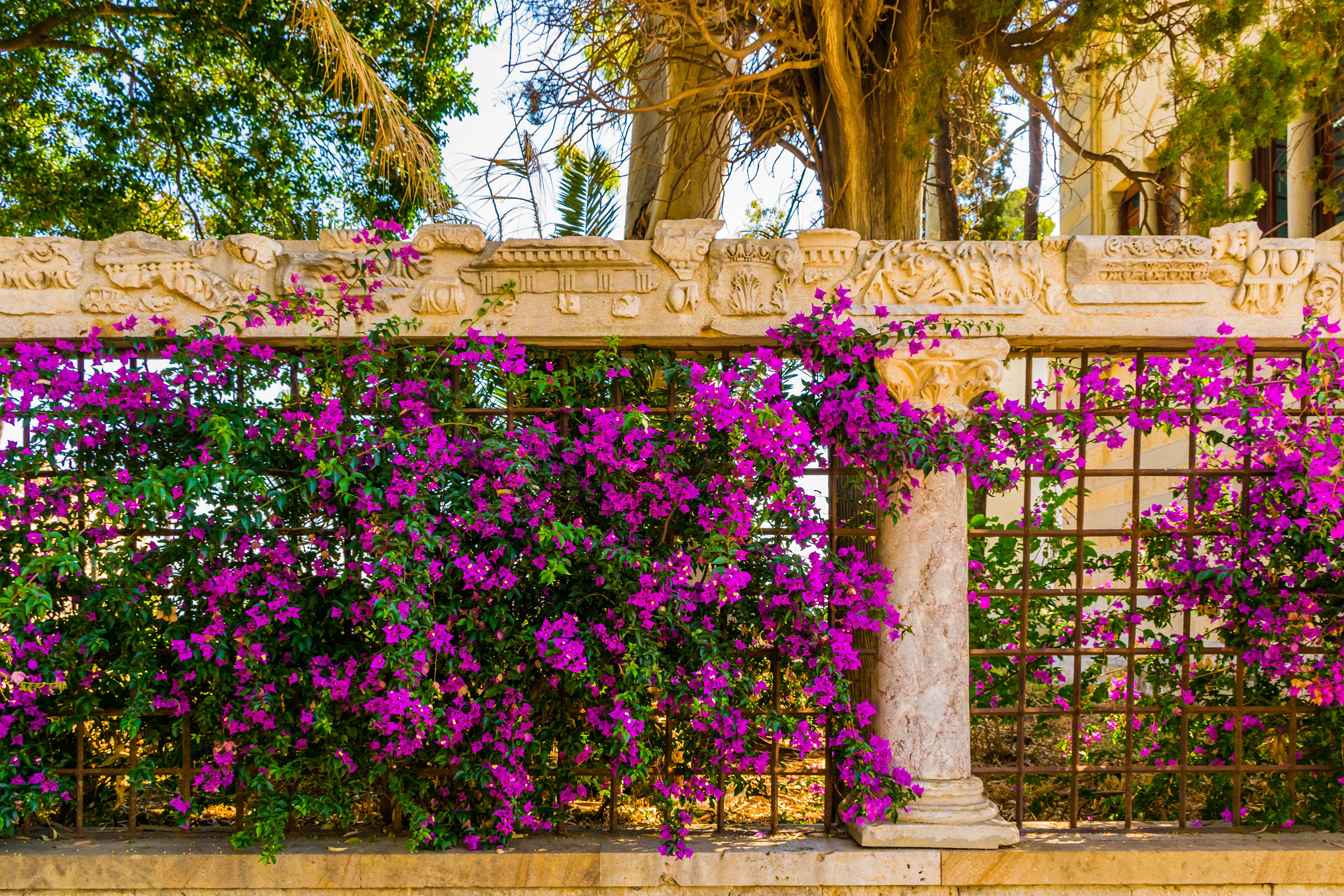
The flora of the islands—thyme, oregano, sage, and wild fennel—infuses the air with scent and flavor, shaping both cuisine and character. Geography and mythology intertwine here; islands are not just places, but protagonists in stories that have traveled the world for millennia.
Discovering Greece One Island at a Time
Island hopping in Greece is more than a journey between destinations—it is a passage through time, culture, and elemental beauty. Small-ship cruising restores the ancient logic of the Aegean and Ionian seas, where islands were meant to be approached slowly, understood intimately, and experienced in relationship to one another.
From quiet anchorages and village harbors to myth-laden ruins and living traditions, Greece reveals itself most fully at this human scale. For travelers drawn to depth and connection, small-ship cruises offer a way to engage with the Greek islands as they have been known for centuries.
Explore the available Greek island-hopping cruises and discover itineraries that align with your sense of adventure, curiosity, and style—each voyage an invitation to see the Mediterranean anew.