Alaska Glacier Cruises
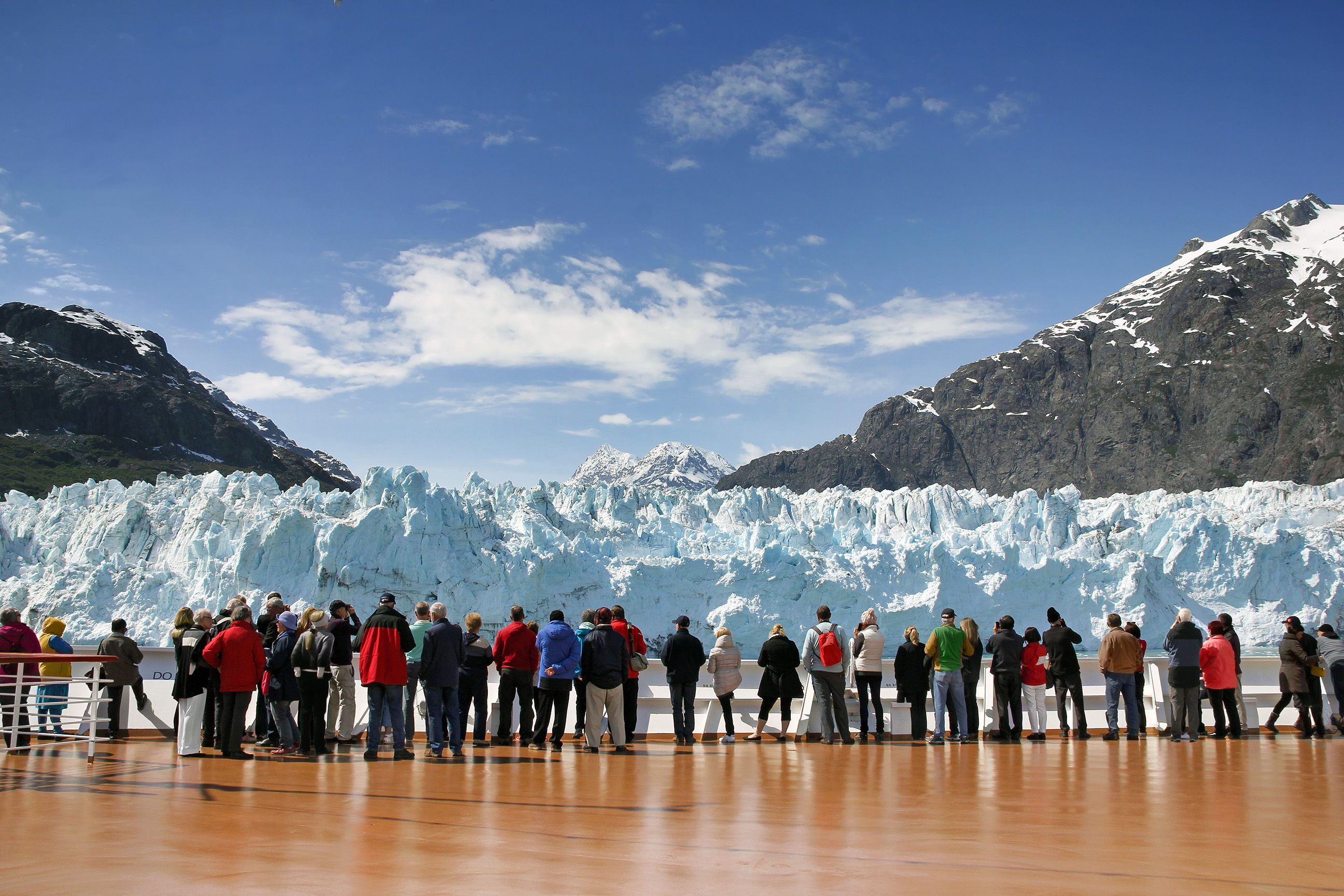
The first sound is what stays with you. Not the wind or the engine, but a crack that starts deep inside the ice—sharp, like a rifle shot—followed by a long, collapsing roar. A slab the size of an apartment building shears off and hits the water, sending a pulse through the fjord. On a small ship, you don’t watch this from a distant deck above a crowd. You feel it. The hull shifts. The air smells faintly metallic and cold. You’re close enough to hear the ice breathe. That’s the difference a small ship Alaska glacier cruise makes: access, proximity, and time in places where the big ships simply can’t go.
Small ship cruises win for glacier viewing
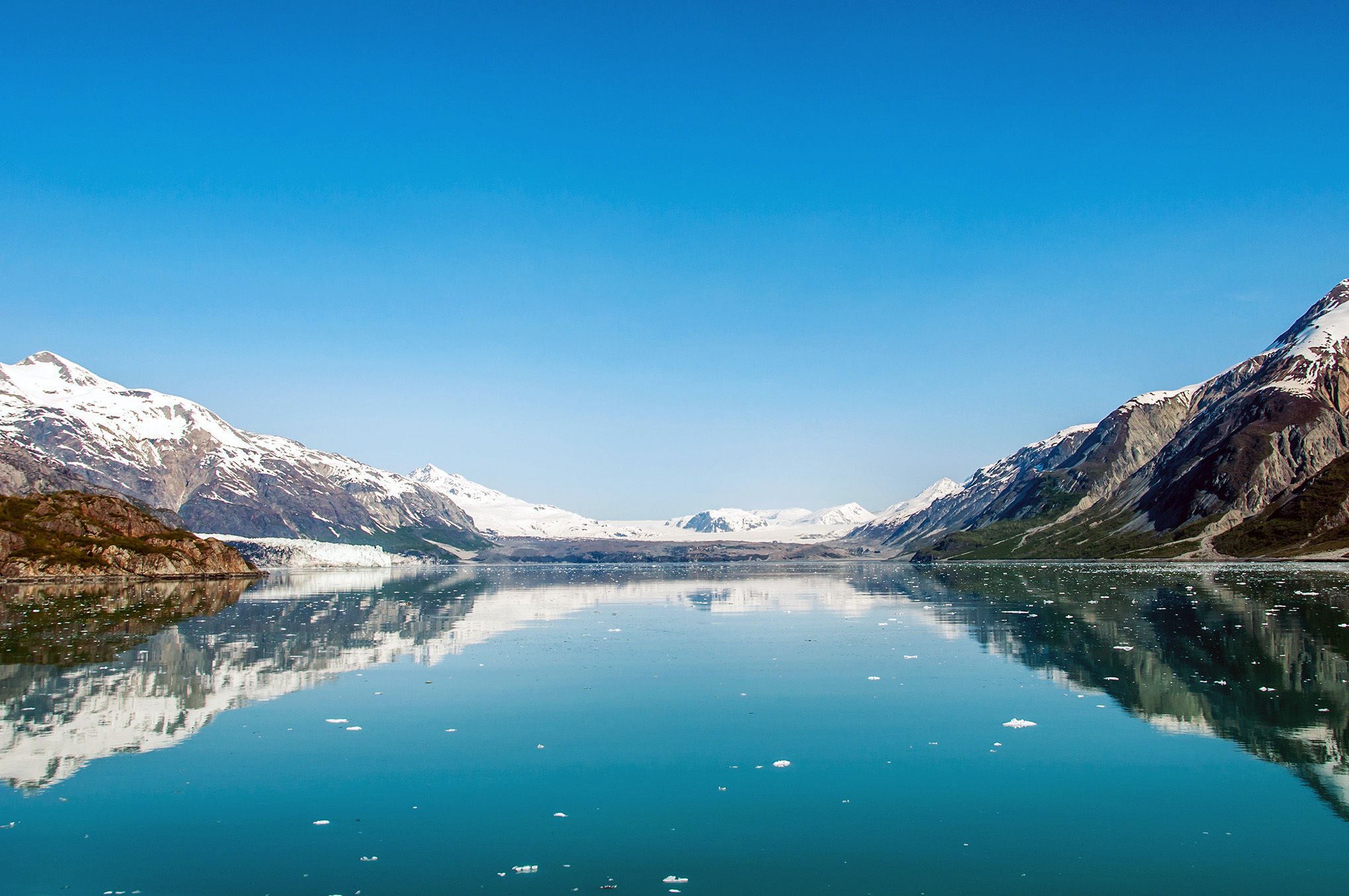
A small ship changes the geometry of Alaska. Instead of anchoring in wide channels, you slip into narrow arms where the cliffs close in and the water turns a dense, silty green. Draft matters here. Ships carrying 20–100 passengers can push farther up fjords like Endicott Arm or Tracy Arm, where larger vessels often stop short.
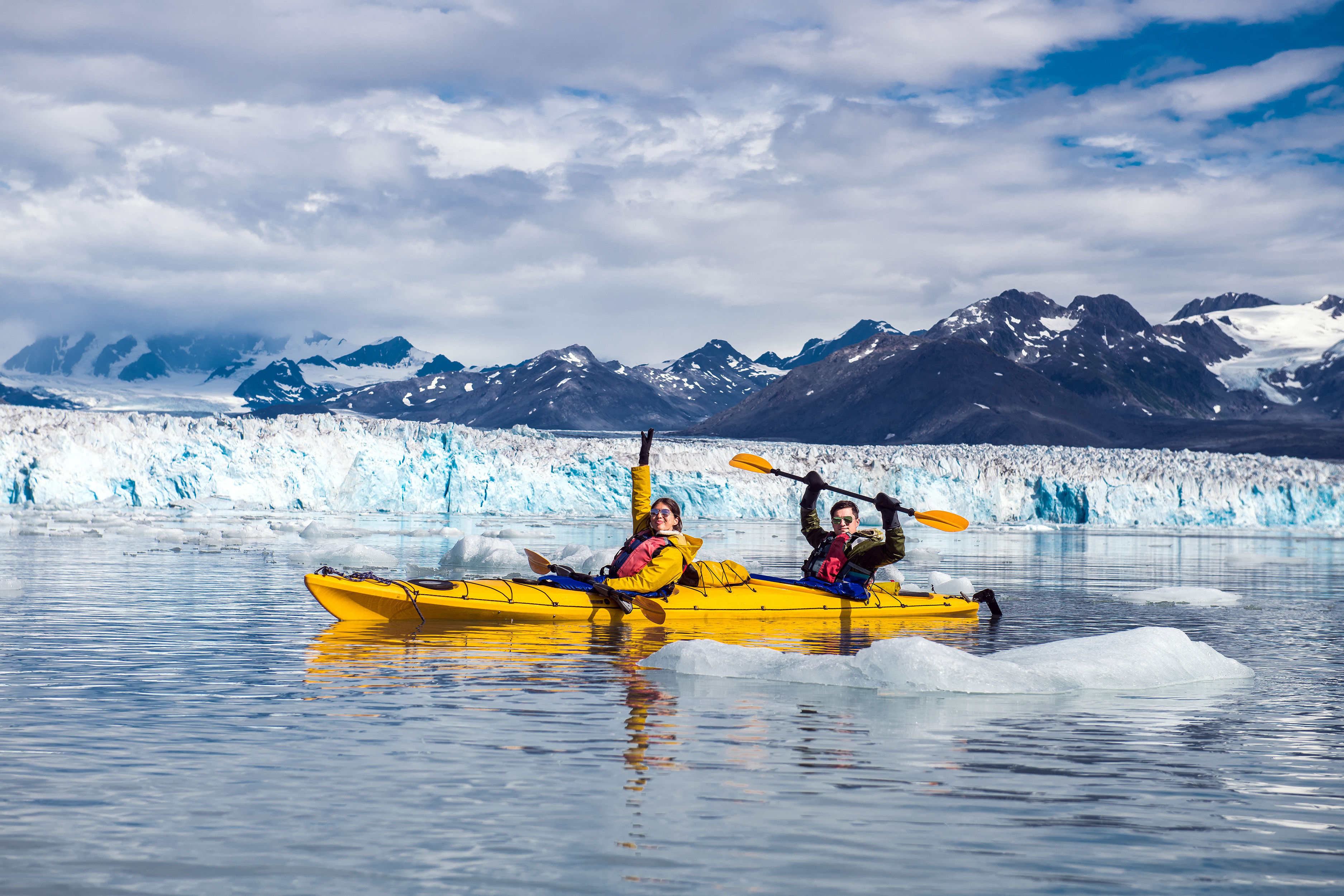
Closer approaches are the obvious advantage, but not the only one. Many small ships carry Zodiacs—rigid inflatable boats—and sea kayaks. When conditions allow, guides put you on the water itself, threading between floating chunks of ice, keeping a respectful distance from the glacier face. It’s quiet at that scale. You hear birds, the slap of water, the occasional crack from the ice wall ahead.
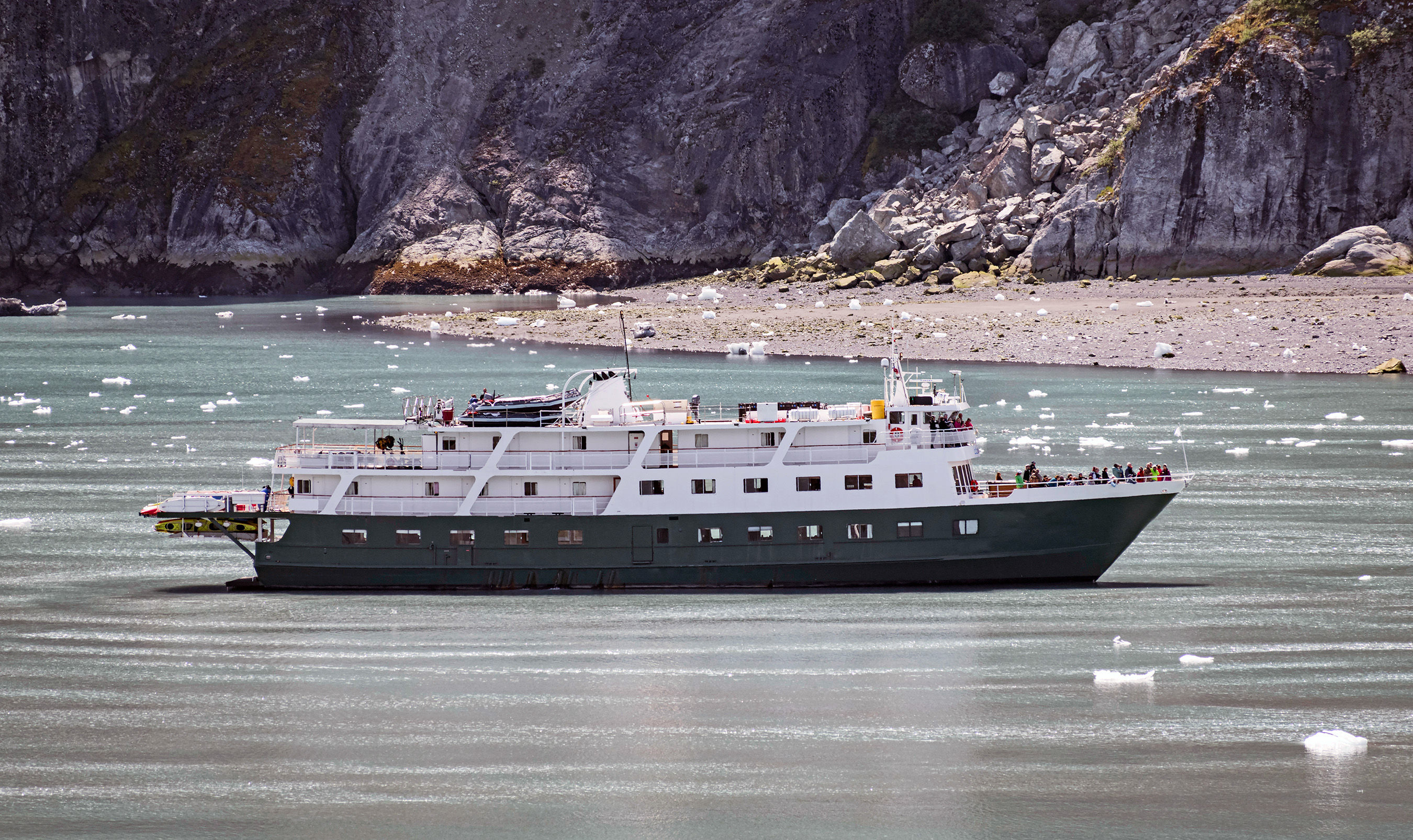
Deck space feels different, too. There’s less of it, but also fewer people competing for a view. No need to stake out a rail hours in advance. When the captain spots wildlife or favorable light, they can slow, pivot, or linger. Schedules are flexible by design.
There are tradeoffs. A small ship Alaska cruise can cost more per day than a megaship sailing the same region. Cabins are compact. You won’t find multiple theaters, water slides, or sprawling buffets. The payoff is that your time is spent where Alaska actually happens—up fjords, near glaciers, on the water—not transiting between ports.
What is glacier calving — and why it’s the main event
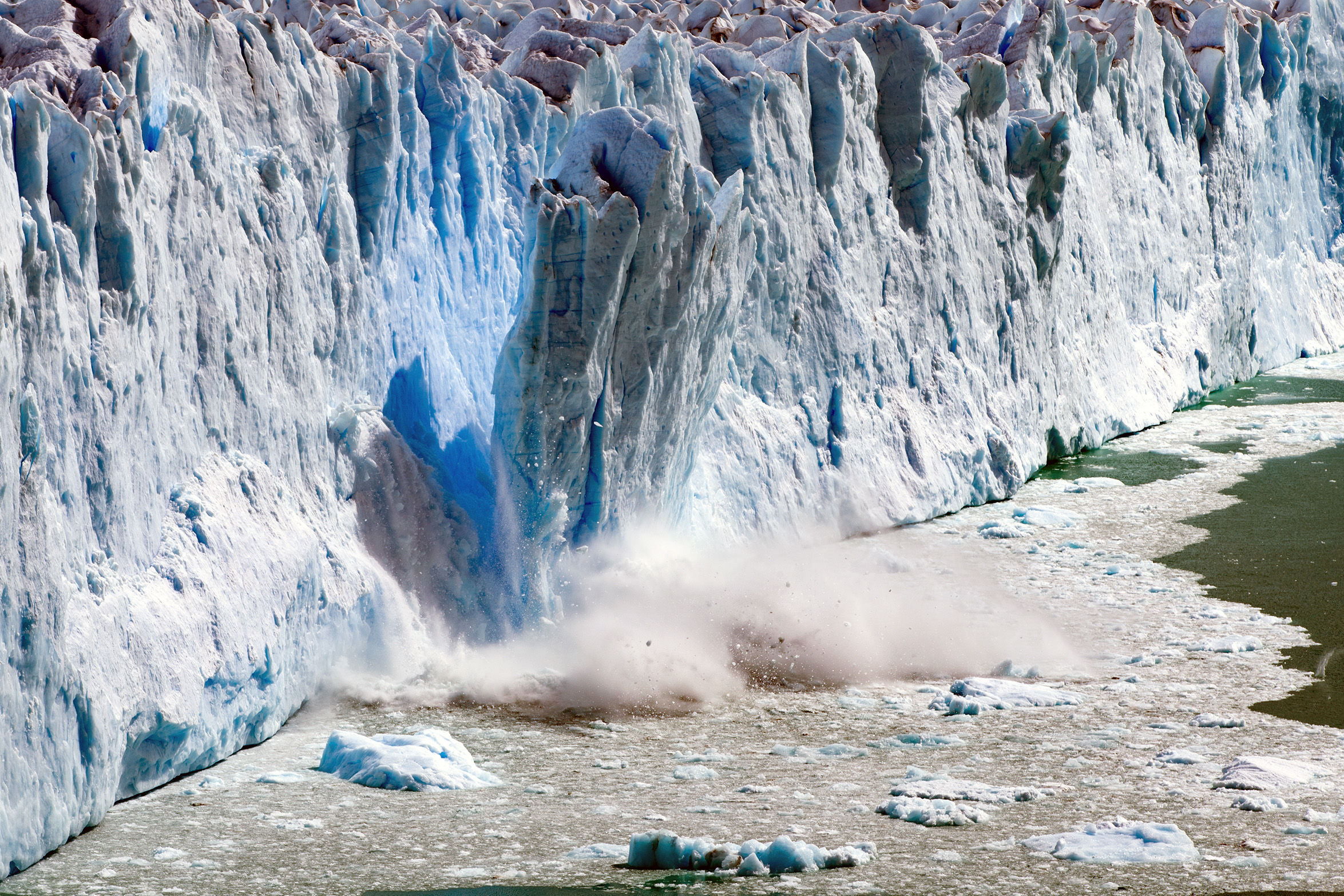
Glacier calving is the process by which chunks of ice break off the front of a tidewater glacier and fall into the sea. It’s driven by a mix of forces: gravity pulling the glacier downhill, meltwater lubricating its base, and tides undercutting the ice from below. The result is instability at the glacier’s face, where fractures propagate until the ice gives way.
Up close, it’s kinetic. Ice that looks static is in constant motion, advancing inches or feet per day. When a section fails, it can release thousands of tons at once. The impact sends waves outward—one reason ships maintain a safety distance—and produces that distinctive sound guides call “white thunder.”
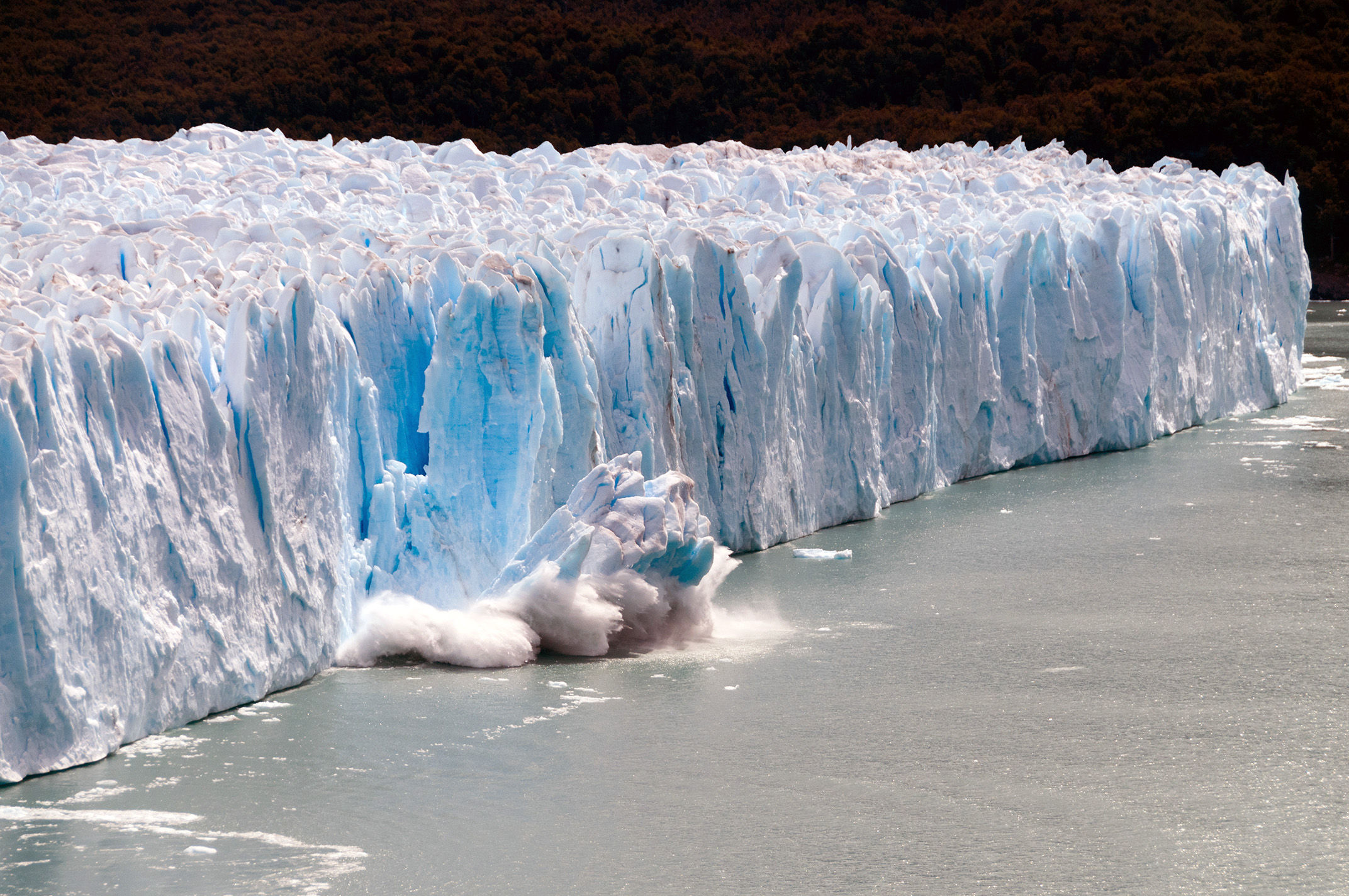
Timing matters. Calving occurs throughout the season, but July–August typically sees the most frequent and dramatic events, as warmer temperatures and increased meltwater accelerate the process. Morning light can be best for visibility, but there’s no schedule. You wait. You watch. And when it happens, it’s immediate and unrepeatable.
The best tidewater glaciers to see by small ship
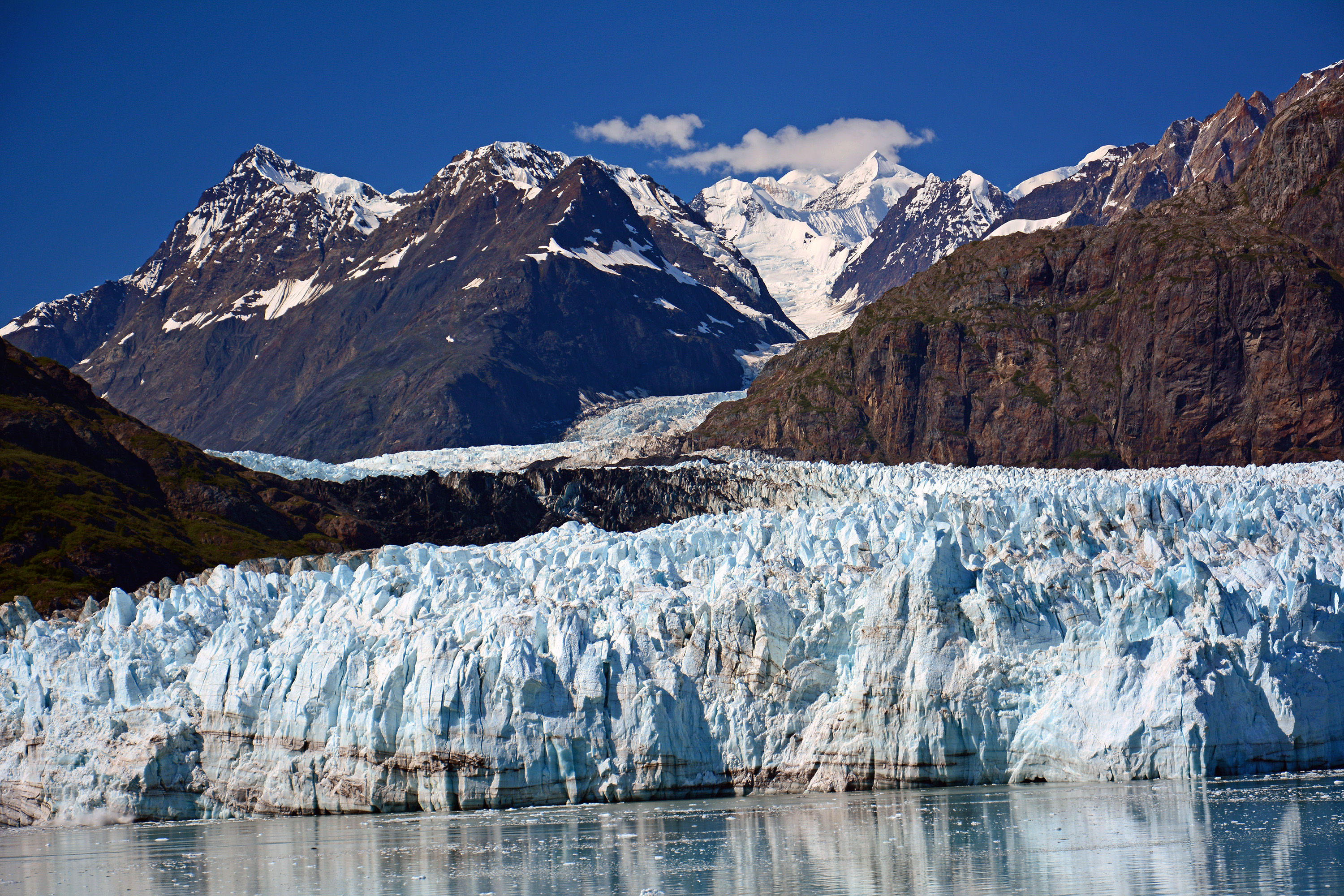
Glacier Bay (Margerie & Johns Hopkins) Within Glacier Bay, Margerie Glacier is the reliable performer. Its face stretches roughly a mile across and rises 250 feet above the water, with even more below. It’s known for frequent, smaller calving events that keep the fjord active. Nearby, Johns Hopkins Glacier sits deeper in the bay, often surrounded by dense ice. Access can be limited early in the season, but when conditions allow, the approach feels remote—steeper walls, colder air, fewer ships. Small vessels can spend hours here, adjusting position as light shifts and the ice responds.
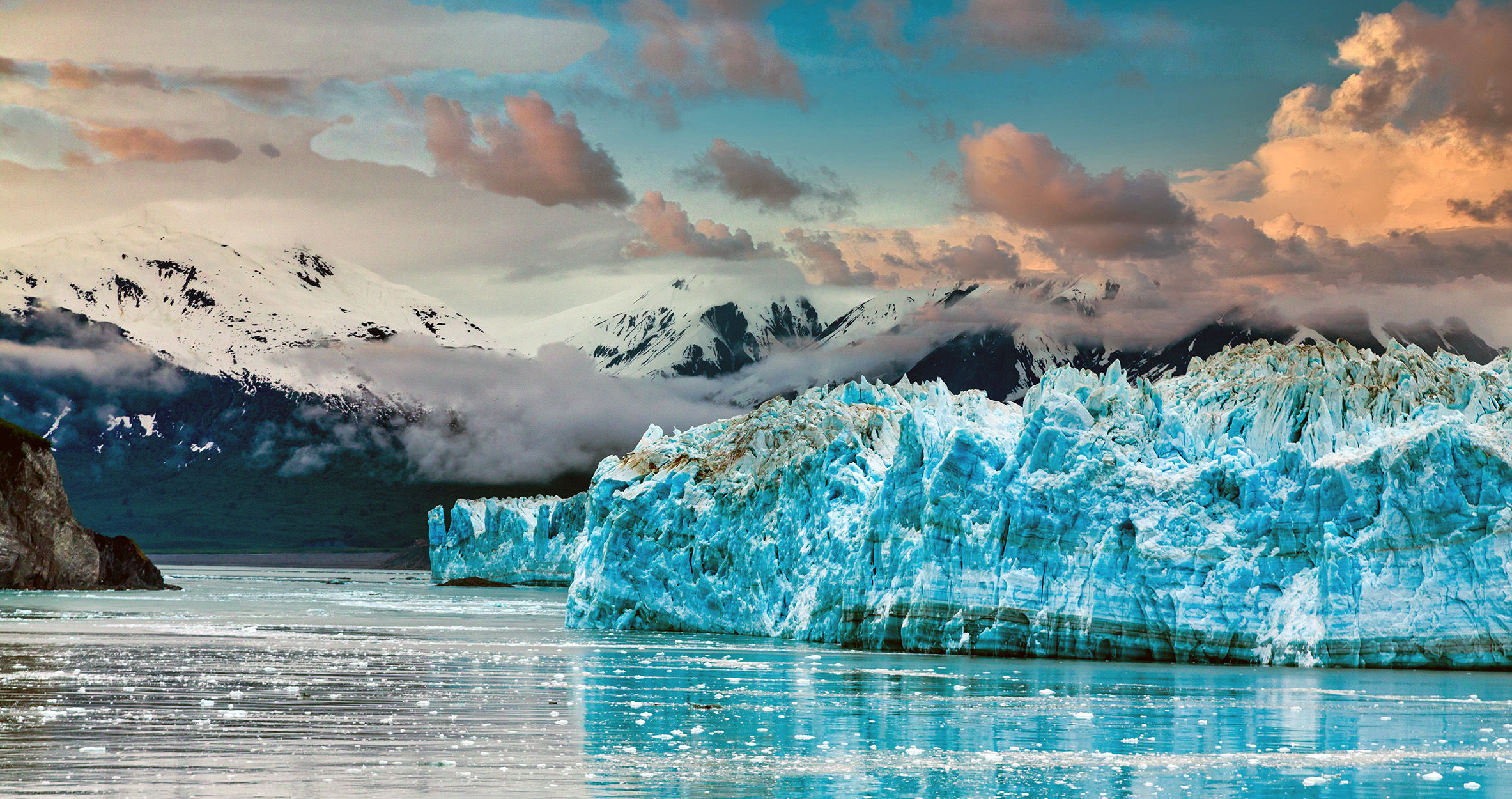
Hubbard Glacier. If scale is what you’re after, Hubbard is the outlier. At over 6 miles wide where it meets the sea, it’s the largest tidewater glacier in North America. It advances rather than retreats, periodically blocking the entrance to Russell Fjord. The face is chaotic—seracs, pinnacles, and deep blue crevasses. Calving events here can be massive. The approach is exposed, often with swell, which is why itineraries that include a Hubbard Glacier cruise tend to run the Gulf of Alaska rather than the more sheltered Inside Passage.
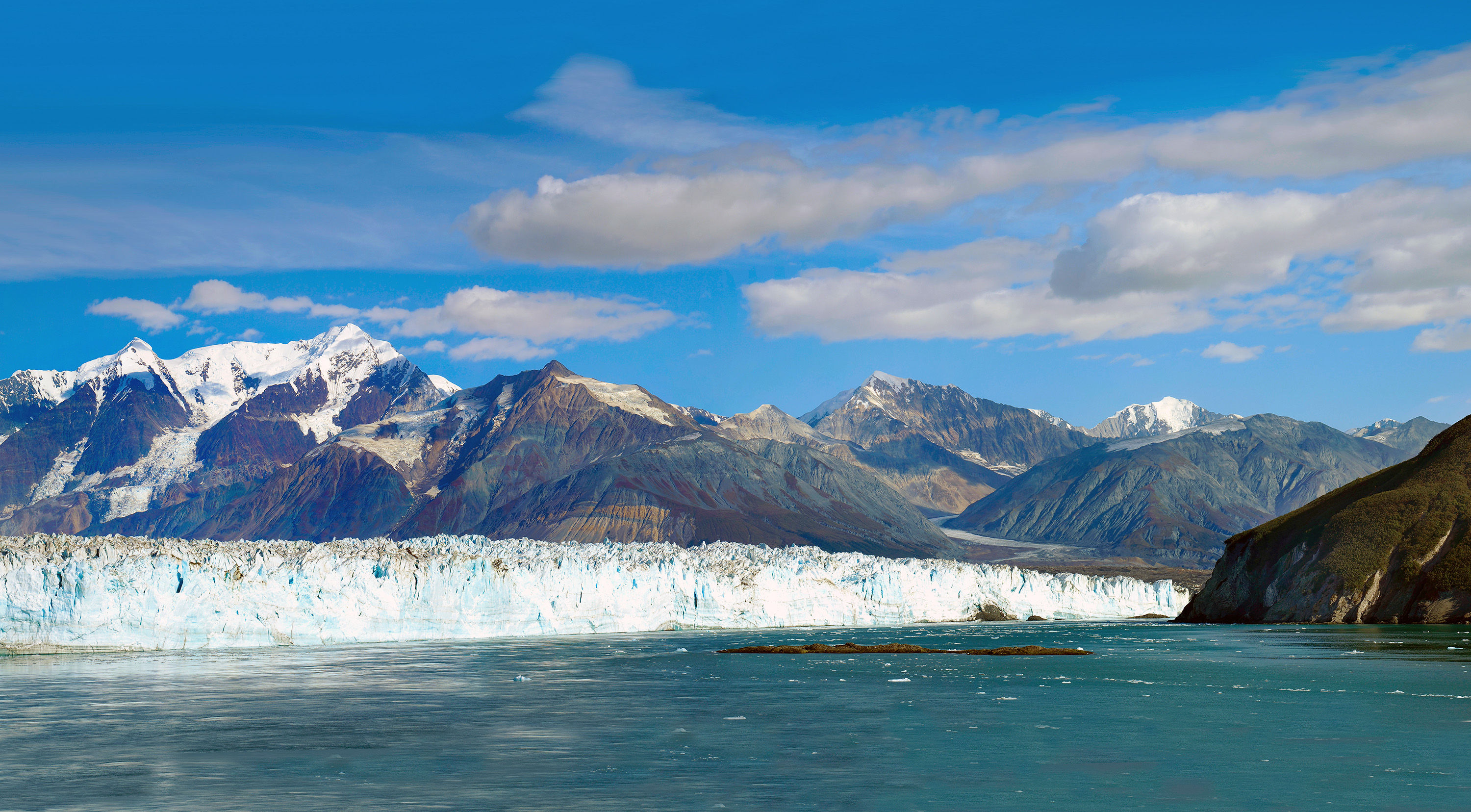
Dawes Glacier (Endicott Arm) Endicott Arm narrows gradually, a 30-mile corridor of granite walls streaked with waterfalls. By the time you reach Dawes Glacier, the fjord feels enclosed. The ice face isn't as wide as Hubbard's, but the setting is tighter, more intimate. Harbor seals haul out on floating ice, using it as refuge from predators. Small ships can edge through the ice field in front of the glacier, sometimes launching Zodiacs for a closer look when conditions permit.
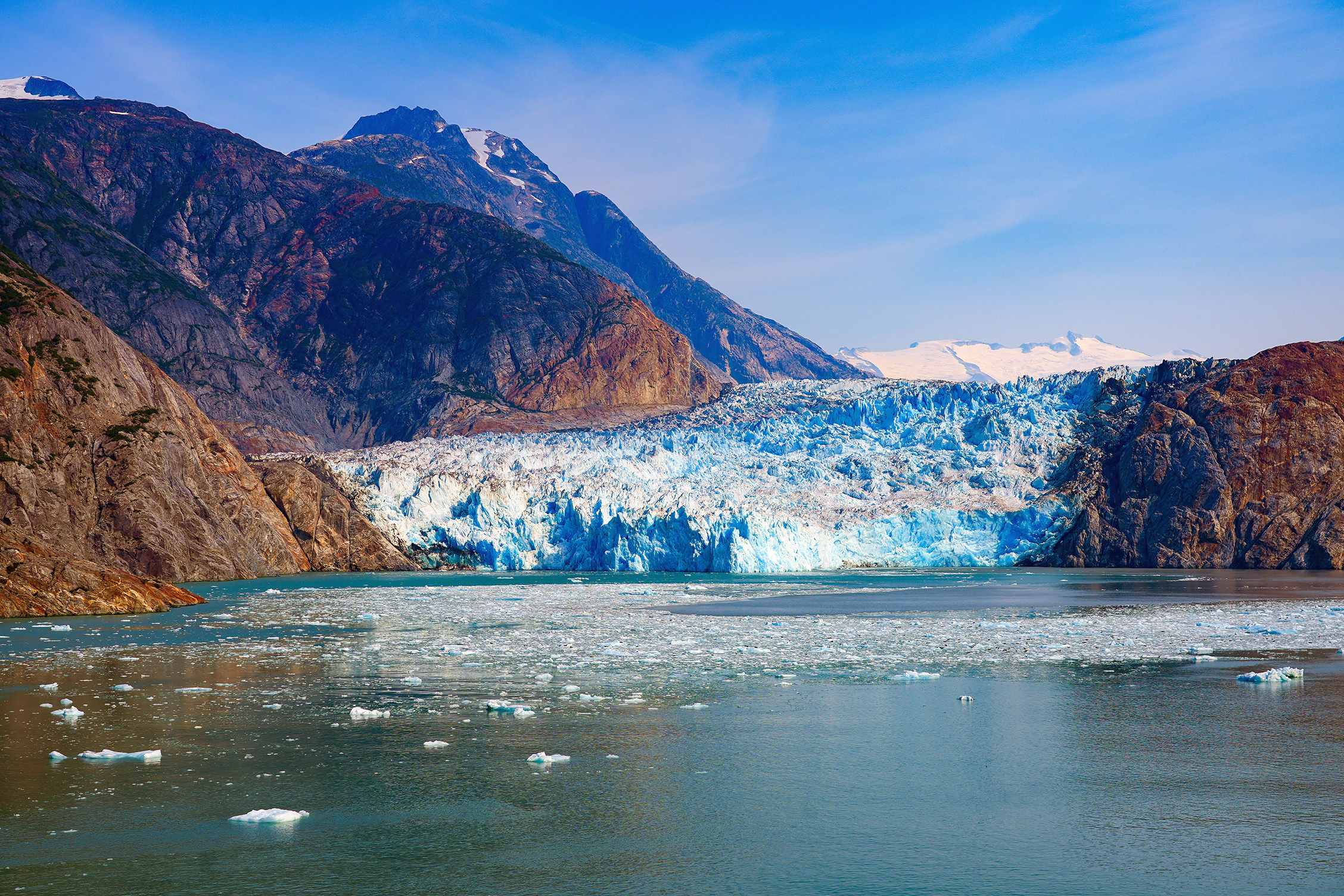
Sawyer Glaciers (Tracy Arm) Tracy Arm splits into two branches, each ending at a Sawyer Glacier—North and South. Both are active, with vertical faces and frequent calving. The approach involves weaving through ice ranging from small fragments to car-sized chunks. The water here often carries a milky turquoise hue from glacial silt. Big ships occasionally turn back when ice density is high; small ships press on, adjusting course in real time.
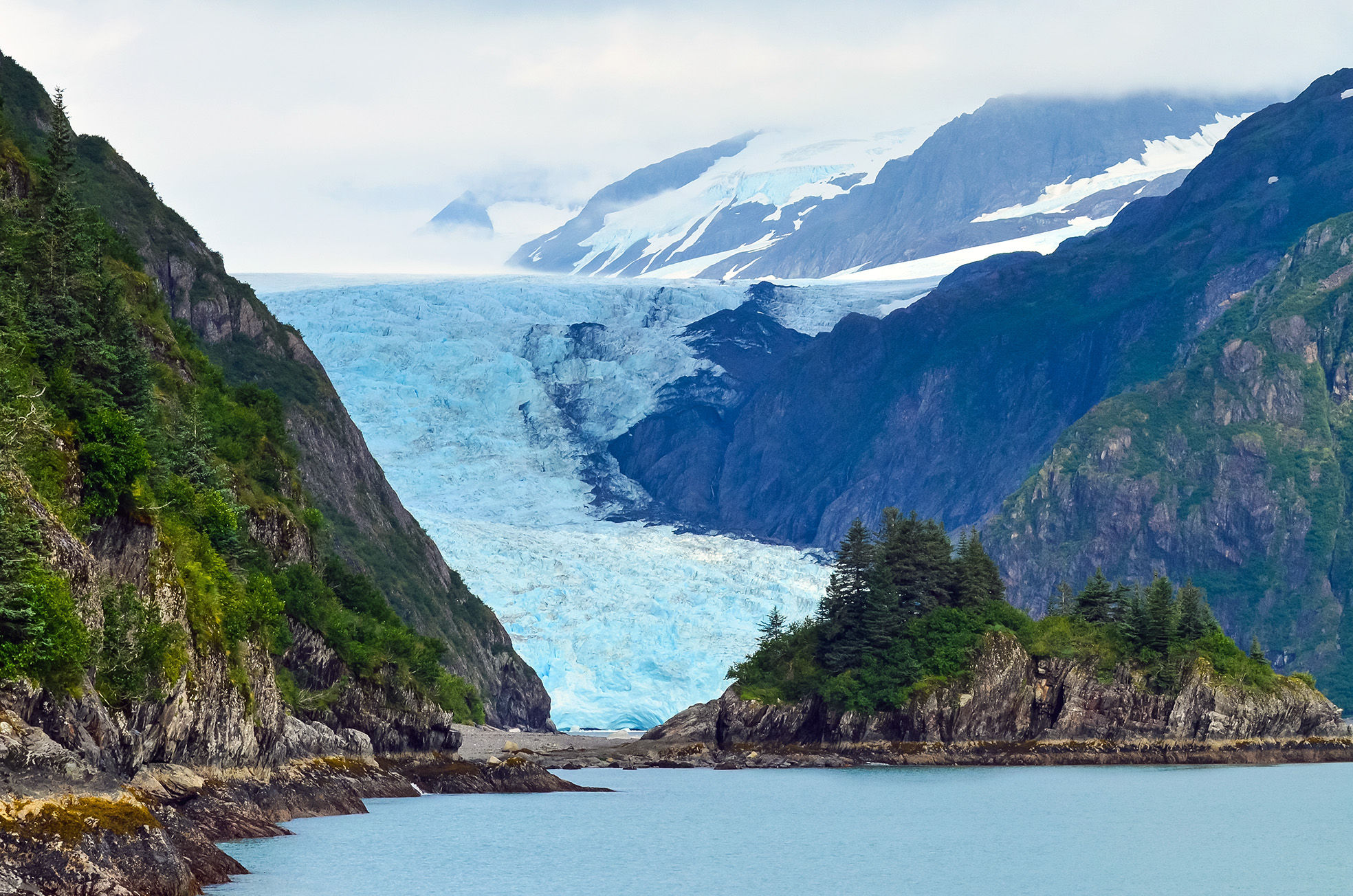
Kenai Fjords (Holgate & Aialik) In Kenai Fjords National Park, Holgate and Aialik Glaciers offer a different rhythm. The fjords are broader, the weather more exposed, but the wildlife density is high—puffins, sea lions, whales. Holgate’s face is dynamic, with regular calving and a foreground often crowded with ice. Aialik sits in a long, straight fjord, where katabatic winds can rush down from the icefield. Small expedition ships here combine glacier viewing with shore landings and longer Zodiac runs.
Inside Passage or Gulf of Alaska
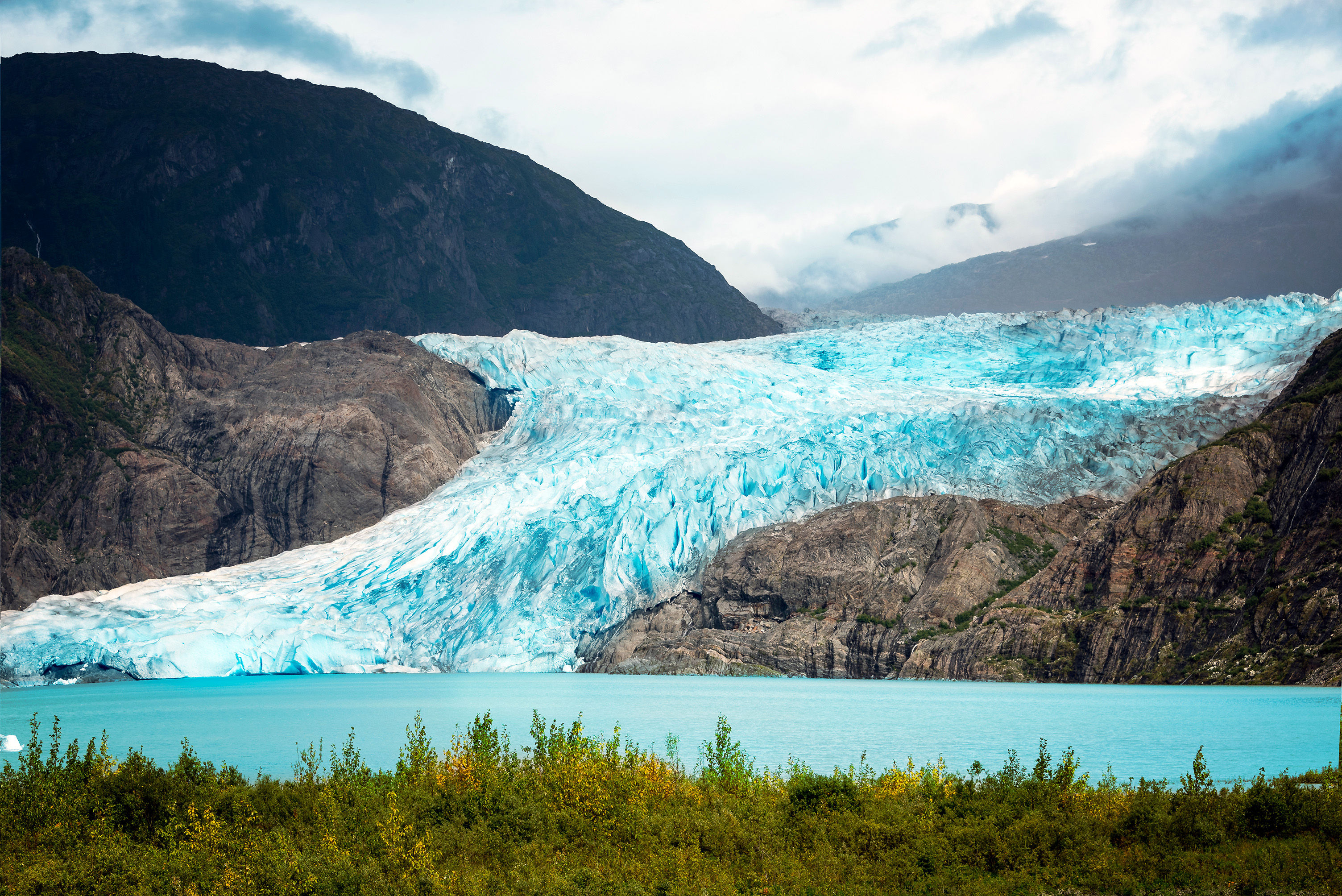
For a first trip, the Inside Passage is the more forgiving choice. It’s a protected network of channels stretching from southeast Alaska up toward Glacier Bay. Seas are generally calmer. You spend less time in open water and more time threading through islands, inlets, and fjords. Routes often include Glacier Bay, Tracy Arm, or Endicott Arm—solid glacier viewing with varied scenery.
The Gulf of Alaska itineraries are more exposed and typically run one-way between ports like Seward and Juneau. They’re the route for seeing Hubbard Glacier and for covering a broader swath of coastline. Expect more open-water days and a higher chance of swell. If your priority is that single, enormous glacier face, the Gulf makes sense. For most travelers, an Alaska Inside Passage cruise on a small-ship itinerary offers more consistent conditions and greater variety.
When to go
- May–early June: Fewer ships, sharper light, and snow still clinging to the mountains. Wildlife is active, but calving can be less frequent. Cooler temperatures.
- Late June–July: Long daylight hours—up to 18 hours of usable light. Warmer, with increasing calving activity. Peak season crowds are less noticeable on small ships.
- August: Often the sweet spot. Strong calving, stable weather windows, and rich wildlife sightings. Occasional rain.
- September: Fewer visitors, autumn colors creeping in. Whale activity remains strong. Weather becomes more variable; daylight shortens.
If glacier activity is your priority, aim for mid-July through late August.
What you’ll see beyond the ice
Glaciers anchor the itinerary, but wildlife fills the gaps. Humpback whales bubble-net feed in sheltered bays. Orcas travel in tight pods. Brown bears turn over rocks along tidal flats. Bald eagles perched high in spruce trees. Sea otters rafting together, wrapped in kelp. Steller sea lions are crowding rocky haul-outs. On a small ship, the captain can divert—sometimes for an hour—when something worth watching appears.
This article was developed with AI assistance and reviewed and edited for accuracy, quality, and relevance.