Alaska Cruises for Families With Kids
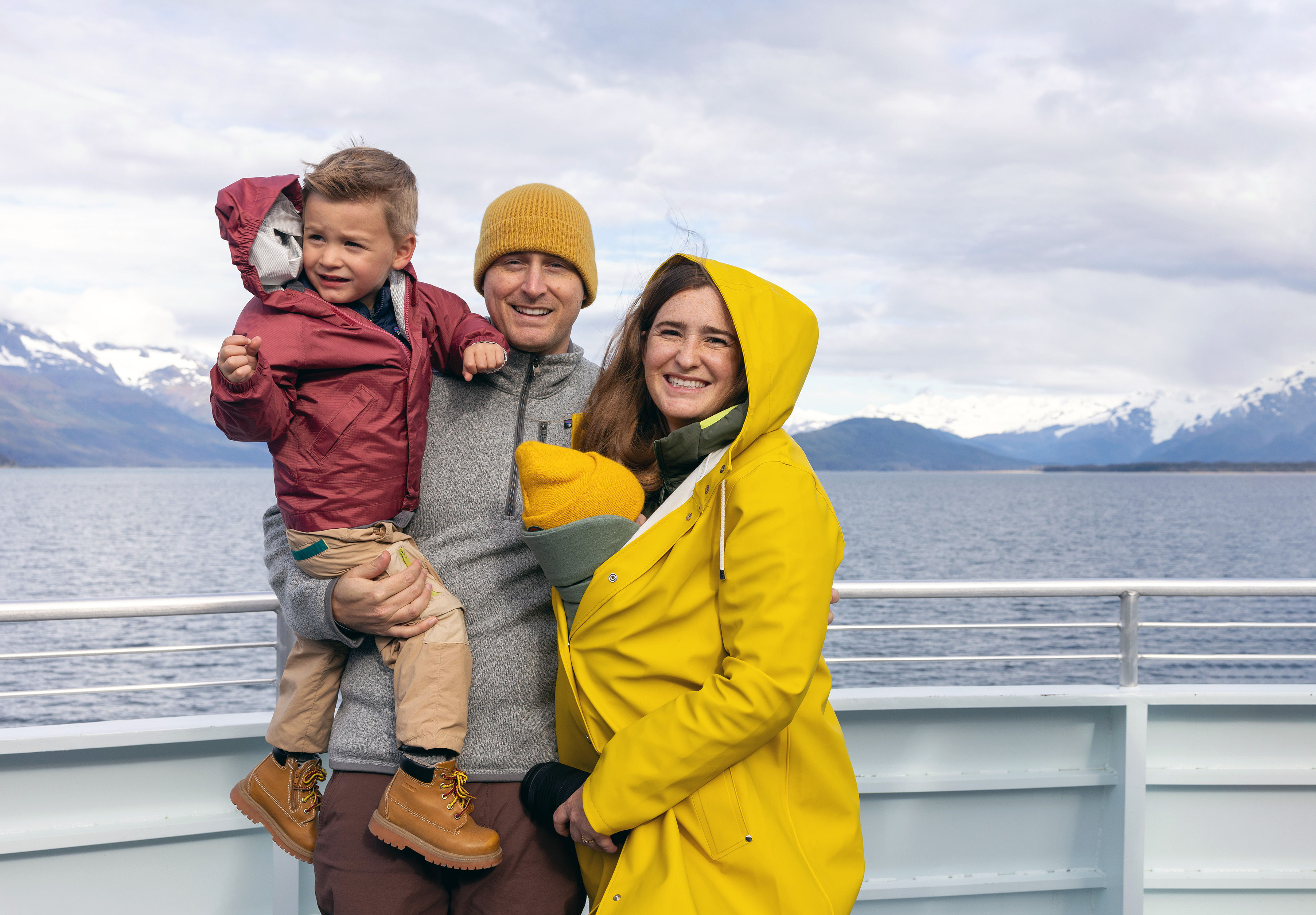
The wake flattened to glass just before dawn, the kind of still water that makes sound travel. Somewhere off the port bow, a humpback exhaled—a hollow, wet burst—and then another. On deck, a handful of passengers stood in wool hats and loaner parkas, mugs cooling in their hands. A naturalist’s voice came quietly over the PA, not a call to attention so much as a suggestion: there were whales working in the channel, bubble-net feeding, and the light was just beginning to find them.
A small ship in Southeast Alaska tends to run on that rhythm. Early mornings, because that’s when the animals are most active. Skiffs lowered before breakfast. Kids kneeling at the rail, not to wave at passing ships but to watch porpoises stitch the surface into quicksilver lines. It is an Alaska cruise with kids that looks less like entertainment and more like participation.
Most roundups of the best Alaska cruise for families start elsewhere—waterslides, kids’ clubs, Broadway revues. Those ships have their place, and there’s a section here for when they make sense. But for families who want their children to experience Alaska as a place rather than a backdrop, the small-ship Alaska cruise is often the better fit. The trade-offs are real: higher cost, fewer distractions, more weather. The payoff is access and attention—both to the landscape, and to the kids moving through it.
Small ship beats mega-ship for families with kids
The difference starts with scale. A typical expedition-style vessel in Southeast Alaska carries 22 to 100 passengers. Compare that with 3,000 to 6,000 on a mainstream ship. It changes everything. Meals are quieter. The crew learns names. When a pod of Dall’s porpoises begins riding the bow wave in Frederick Sound, there’s room at the rail for everyone.
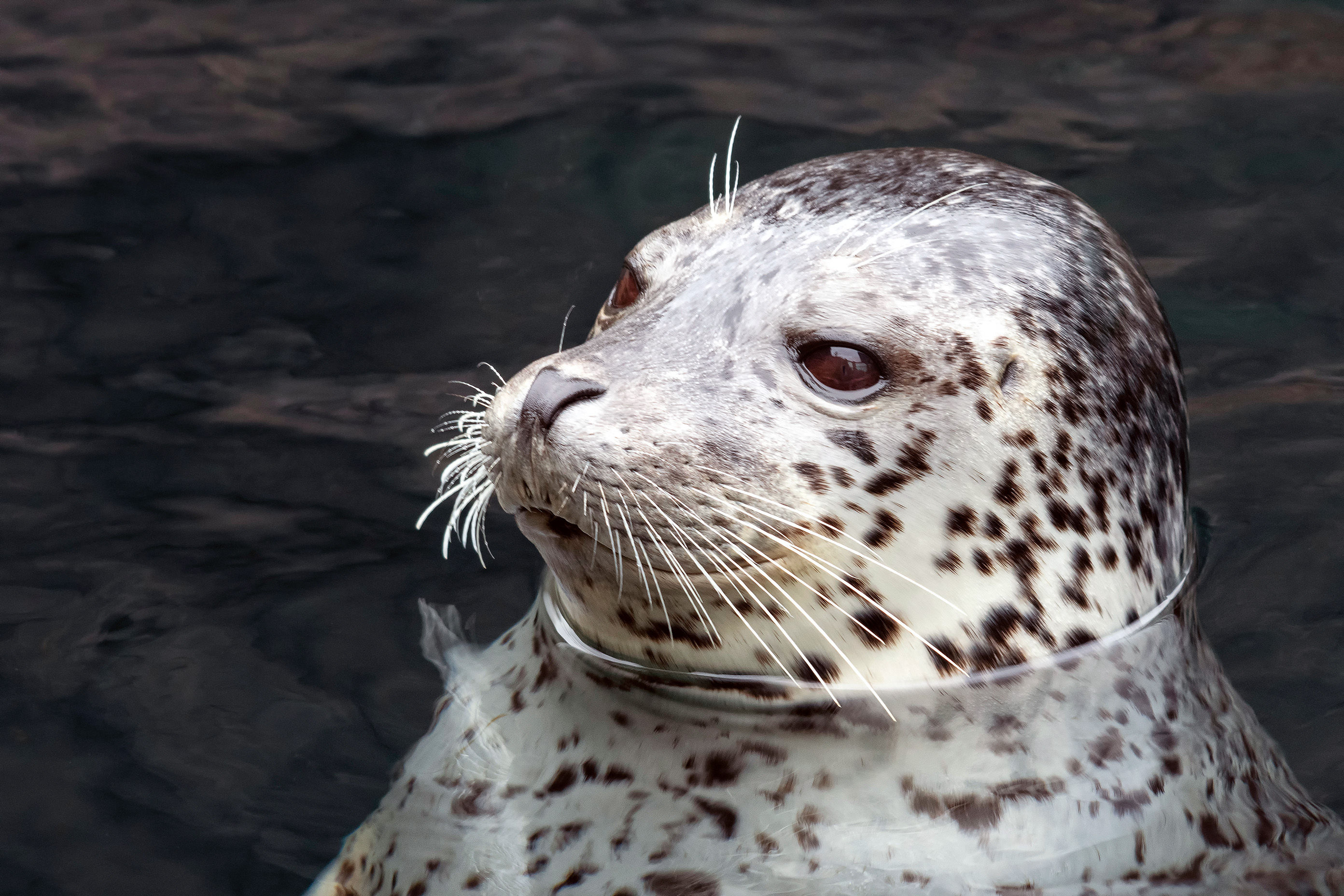
Access is the second, less visible advantage. Small ships have shallow drafts and can work their way into places the larger hulls simply can’t go: the upper reaches of Tracy Arm and Endicott Arm, where the water clogs with brash ice; tighter coves along Baranof and Chichagof islands; anchorages that exist as a notch in the trees rather than a developed port. On a fogged-in morning, a captain can change the plan and slip into a protected inlet where harbor seals haul out on kelp, the air carrying that faint iodine smell of the tide.
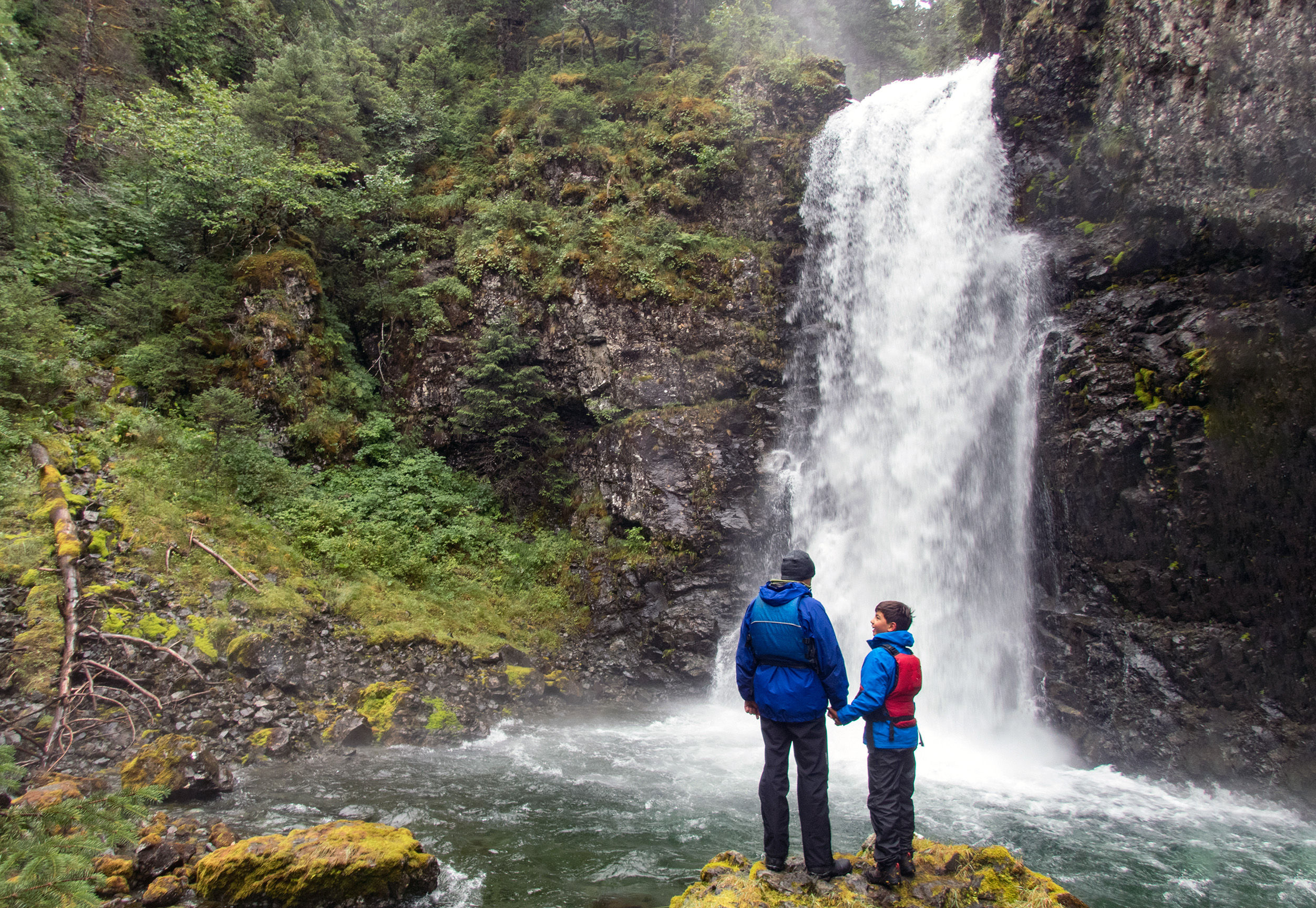
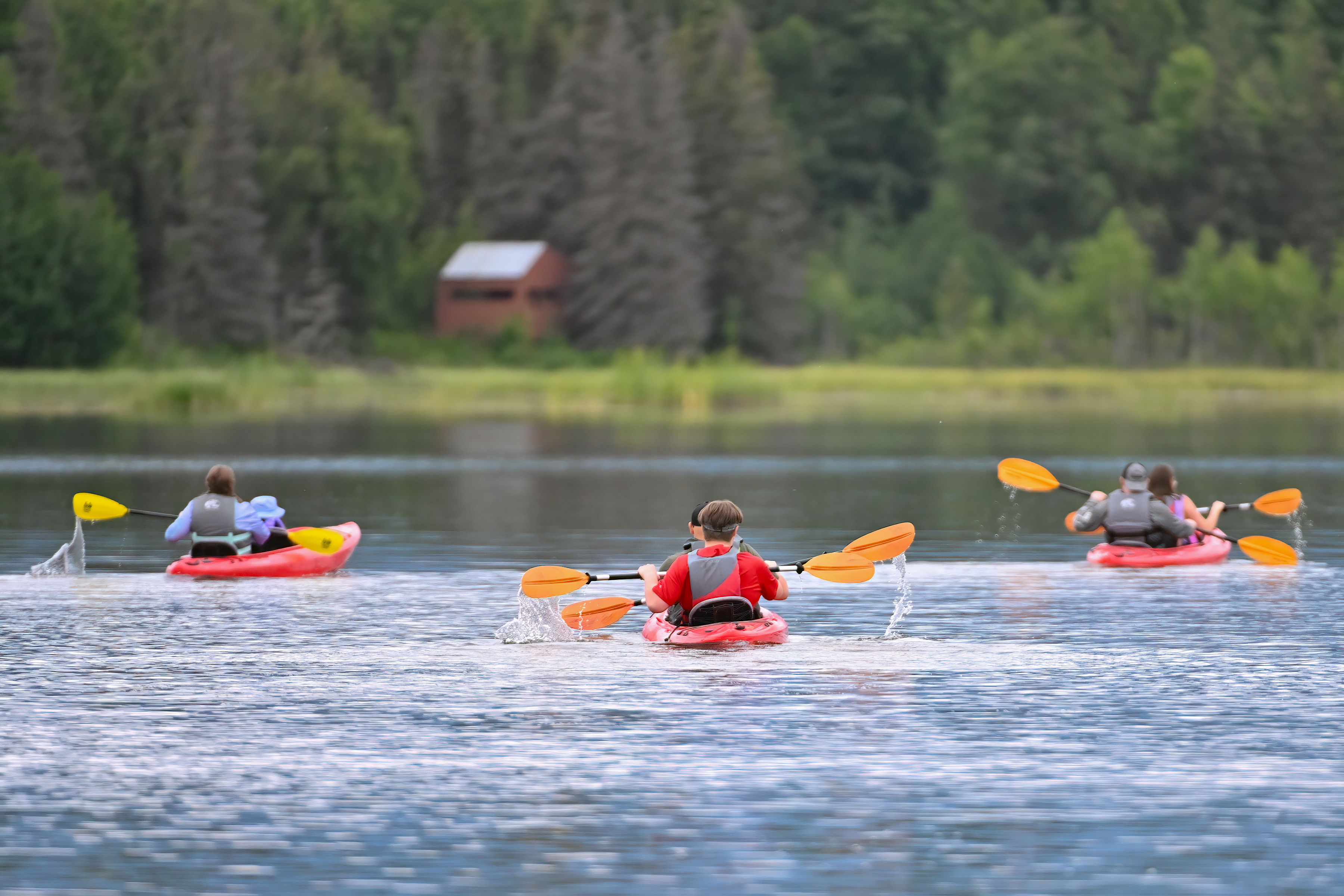
The third difference is how days are structured. On a small ship Alaska cruise, activities leave from the stern: double kayaks slid into the water by deckhands; aluminum skiffs idling at the ladder, engines ticking as they warm; paddleboards lashed to the rail. Kids don’t watch Alaska pass by from a balcony. They step into it. A ten-year-old can sit in the bow of a skiff as it noses through pancake ice, the hull knocking softly, and see the glacier face close enough to register the blue—the kind of compressed, ancient ice that photographs rarely get right.
The crew is built for that kind of day. Expedition leaders and naturalists, often with backgrounds in marine biology or geology, replace cruise directors. On Glacier Bay days, a National Park Service ranger typically boards at the entrance and stays through the transit, narrating not as a show but as a field lecture—why the shoreline here is freshly scoured, how long it takes a forest to return, what that means for bears moving through the understory. A Lindblad naturalist will point out the difference between a harbor porpoise and a Dall’s by the shape of the dorsal fin and the cadence of the surfacing.
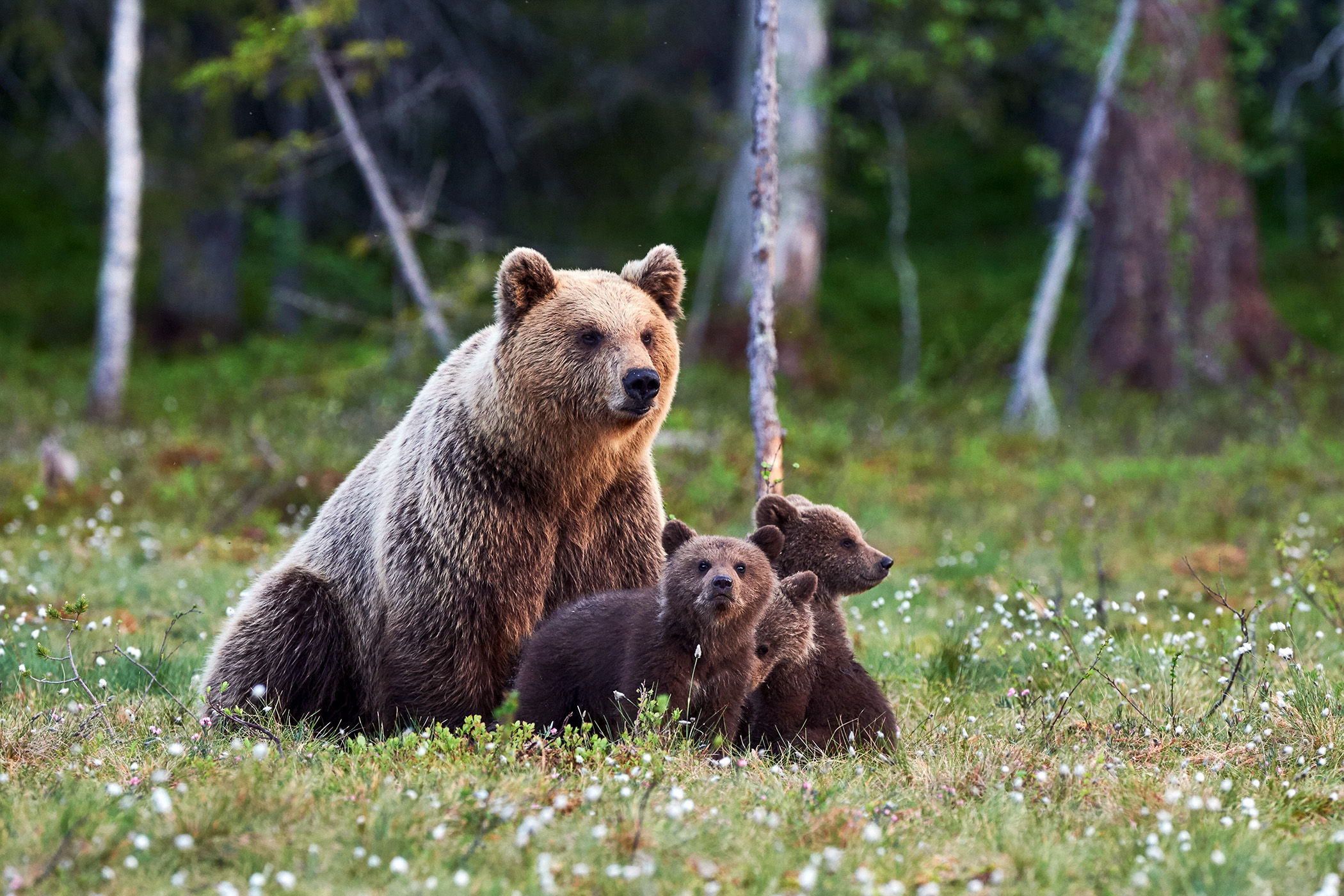
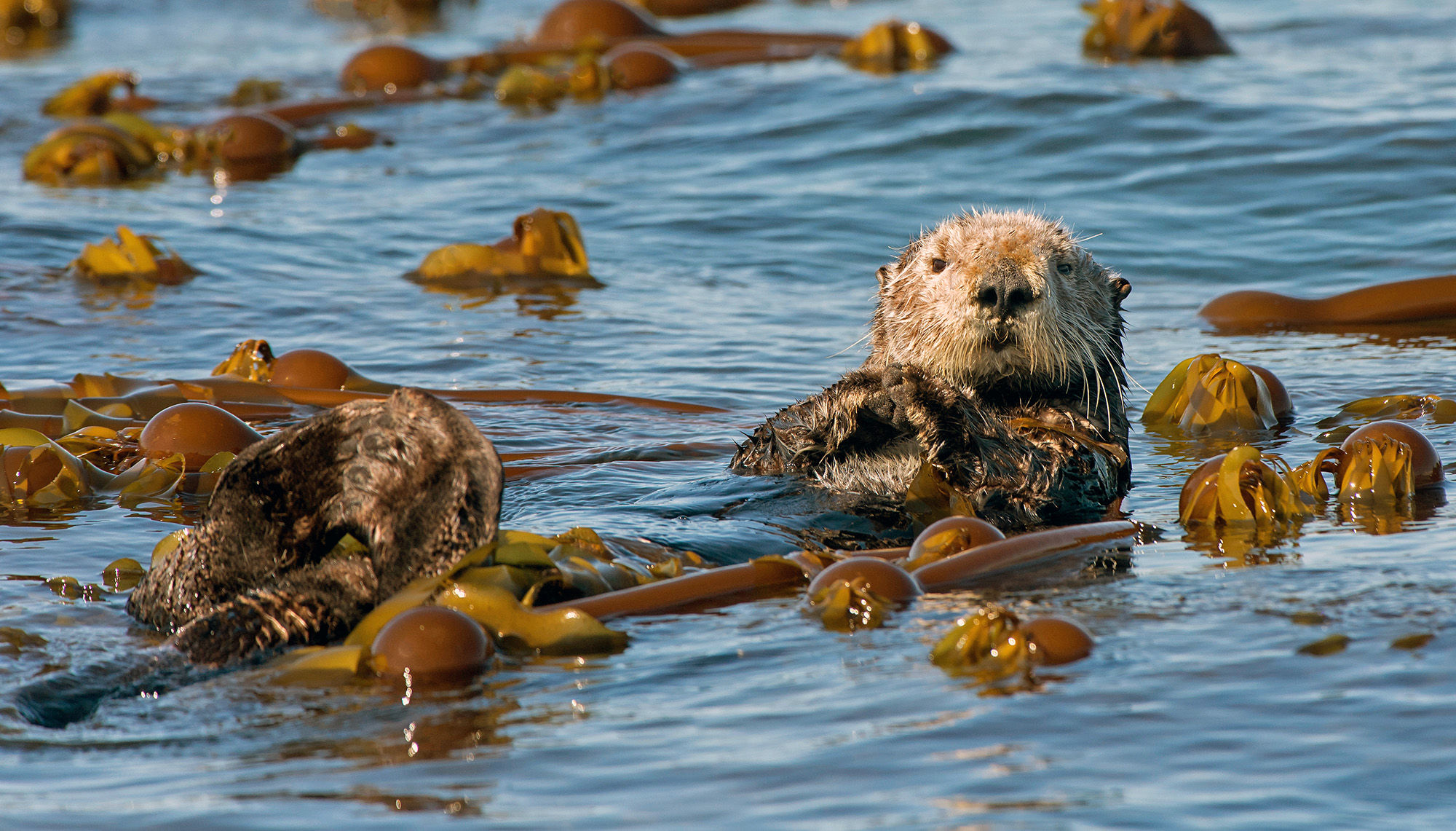
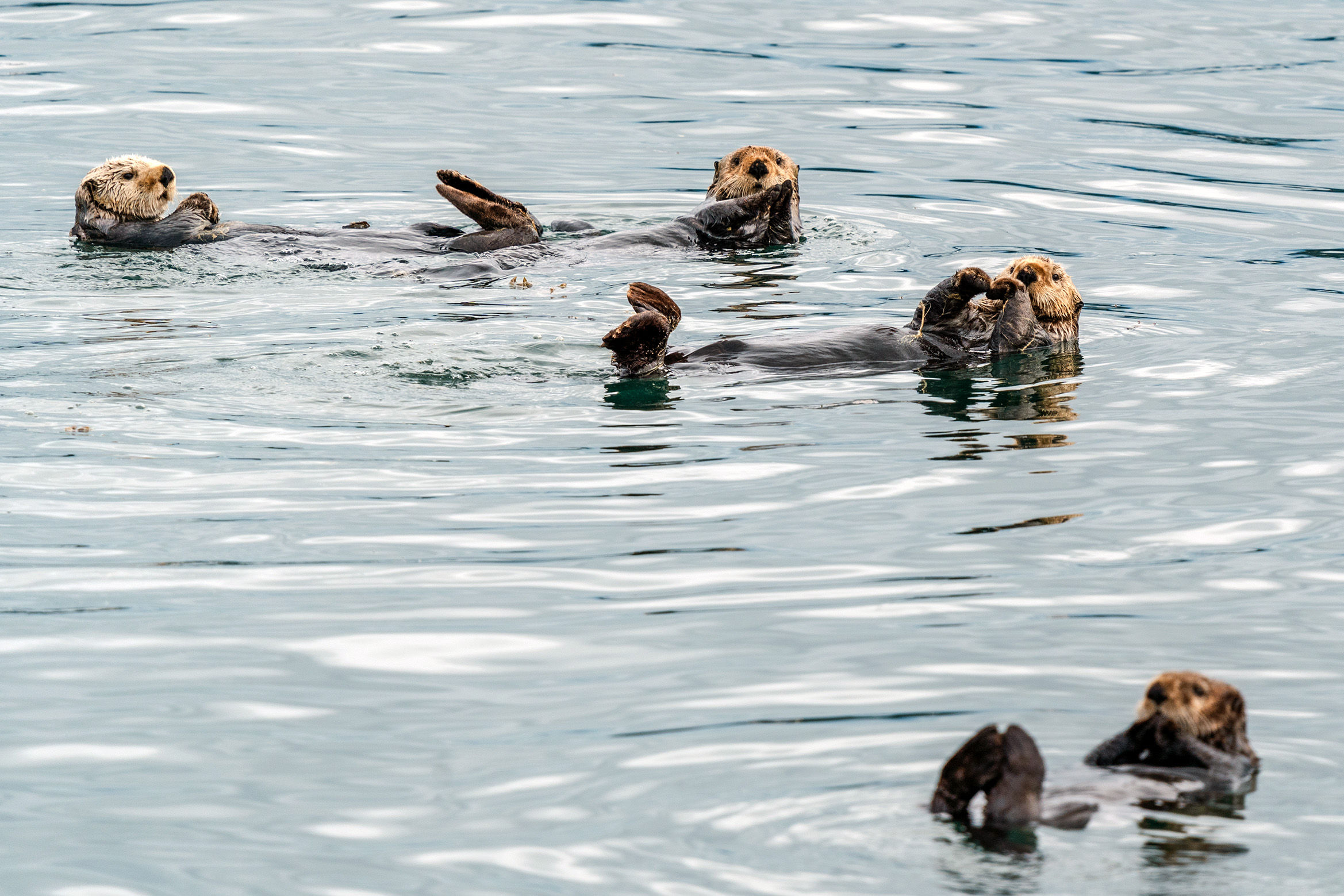
What’s missing is just as important. There are no casinos, no Broadway shows, no supervised kids’ clubs cycling through crafts and games. For some families, that absence is a problem. For others, it’s the point. Children fall into the ship’s schedule—early to bed, early to wake—and into the landscape. They learn to read the water, to look for the V-wake of a sea otter, to listen for that hollow blow in the fog.
It’s not a universal solution. Very young toddlers can struggle with the lack of structured play spaces and the inherent constraints of a small vessel. Kids who need constant stimulation may find the pace slow. And the cost is high. Small-ship Alaska runs roughly two to three times the per-person price of a mainstream sailing, depending on the line and cabin. Motion can be more noticeable, too, particularly on crossings outside the Inside Passage. Those are real considerations, not footnotes.
Kid-friendly Alaska ports
Glacier Bay National Park
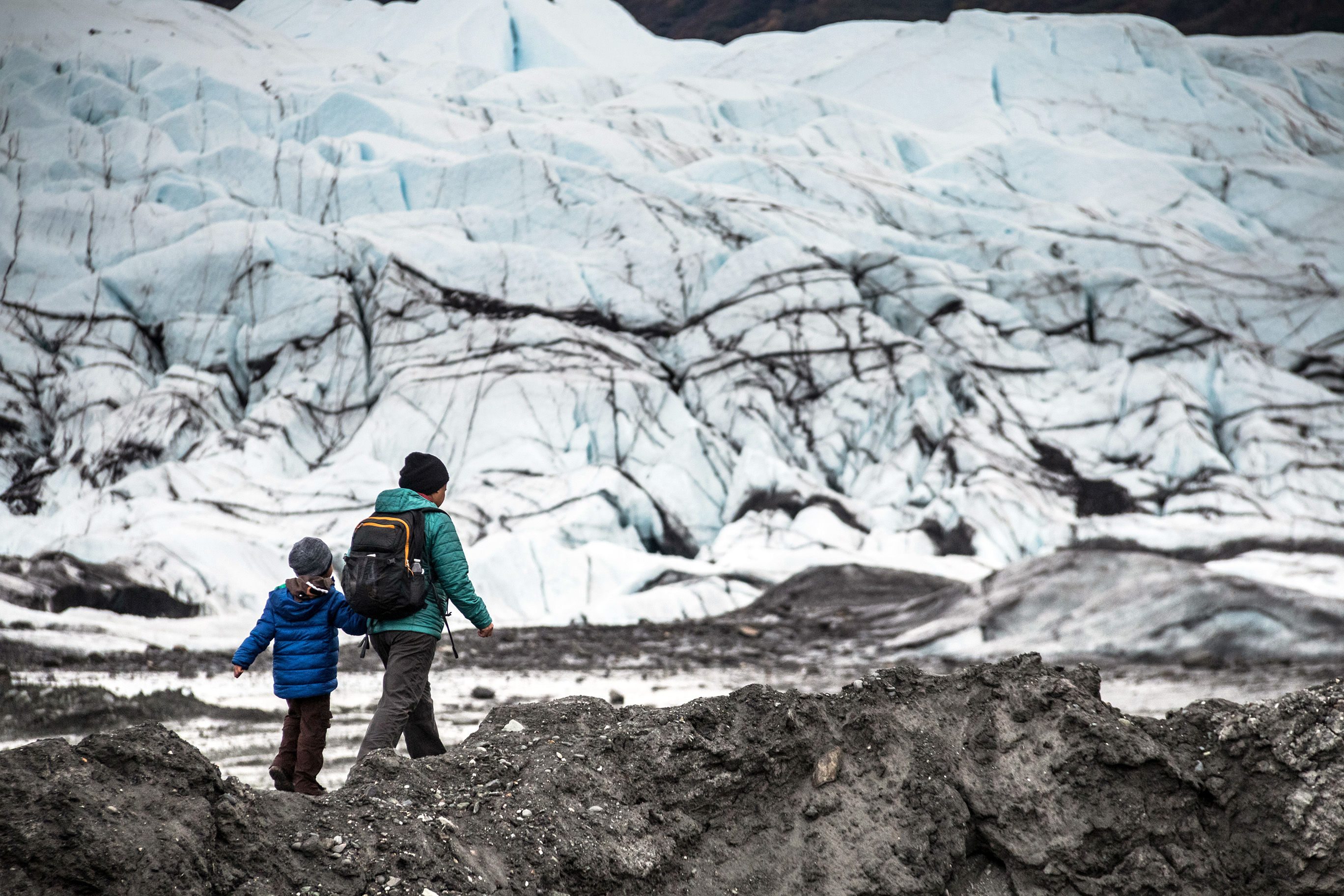
Glacier Bay is the rare place that justifies the attention it gets. On a small ship, the day begins early. The Park Service ranger boards at the entrance, boots thumping on the gangway, and spends hours on deck moving between small groups, answering questions that drift from the immediate—why that glacier is retreating faster than the one across the inlet—to the abstract. The air near the ice carries a cold, mineral smell. When a face calves, the sound arrives first as a crack, then a deeper report, and finally the slap of water rolling outward. Kids tend to go quiet at that moment. It’s not spectacle so much as scale made audible.
Tracy Arm and Endicott Arm
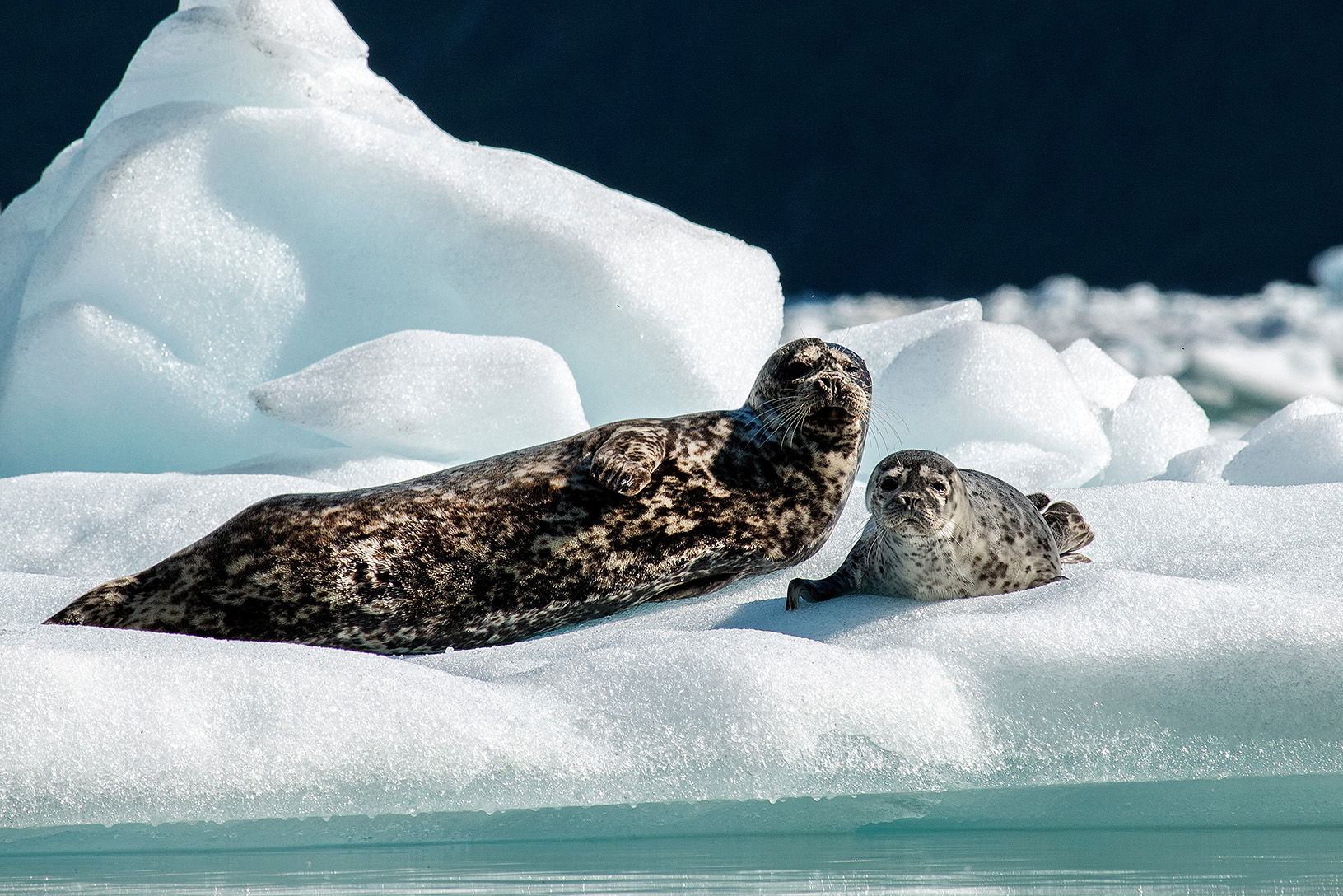
These twin fjords south of Juneau are where the physical advantage of a small ship becomes obvious. The water is often choked with ice—chunks the size of dinner plates, others like small cars—knocking against the hull with a hollow, rhythmic sound. Large ships stop short. Small vessels push farther in, or transfer guests to skiffs that weave between floes, engines idling low. The Sawyer and Dawes glaciers at the heads of these arms are not always cooperative—fog can close in, ice can block the approach—but the approach itself is the experience.
Juneau
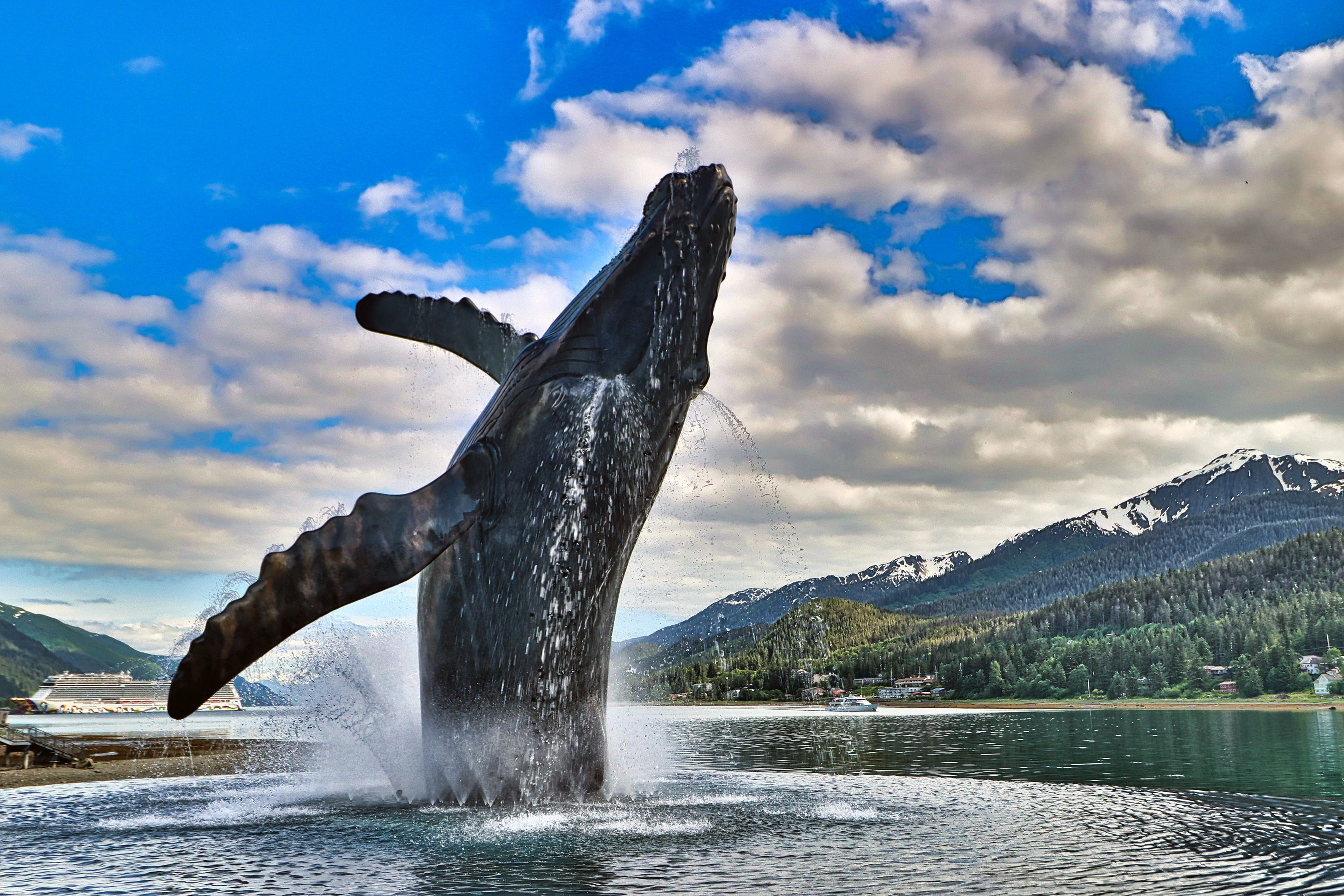
Juneau is Alaska’s capital and its most-visited port, but it still offers moments perfect for kids. The trail to Mendenhall Glacier carries the smell of wet spruce and the constant rush of glacial meltwater. Out at Auke Bay, whale-watching boats idle in loose formation, captains scanning for blows. When a humpback surfaces close enough to hear the exhale, it’s a low, percussive sound that seems to compress the air.
Skagway
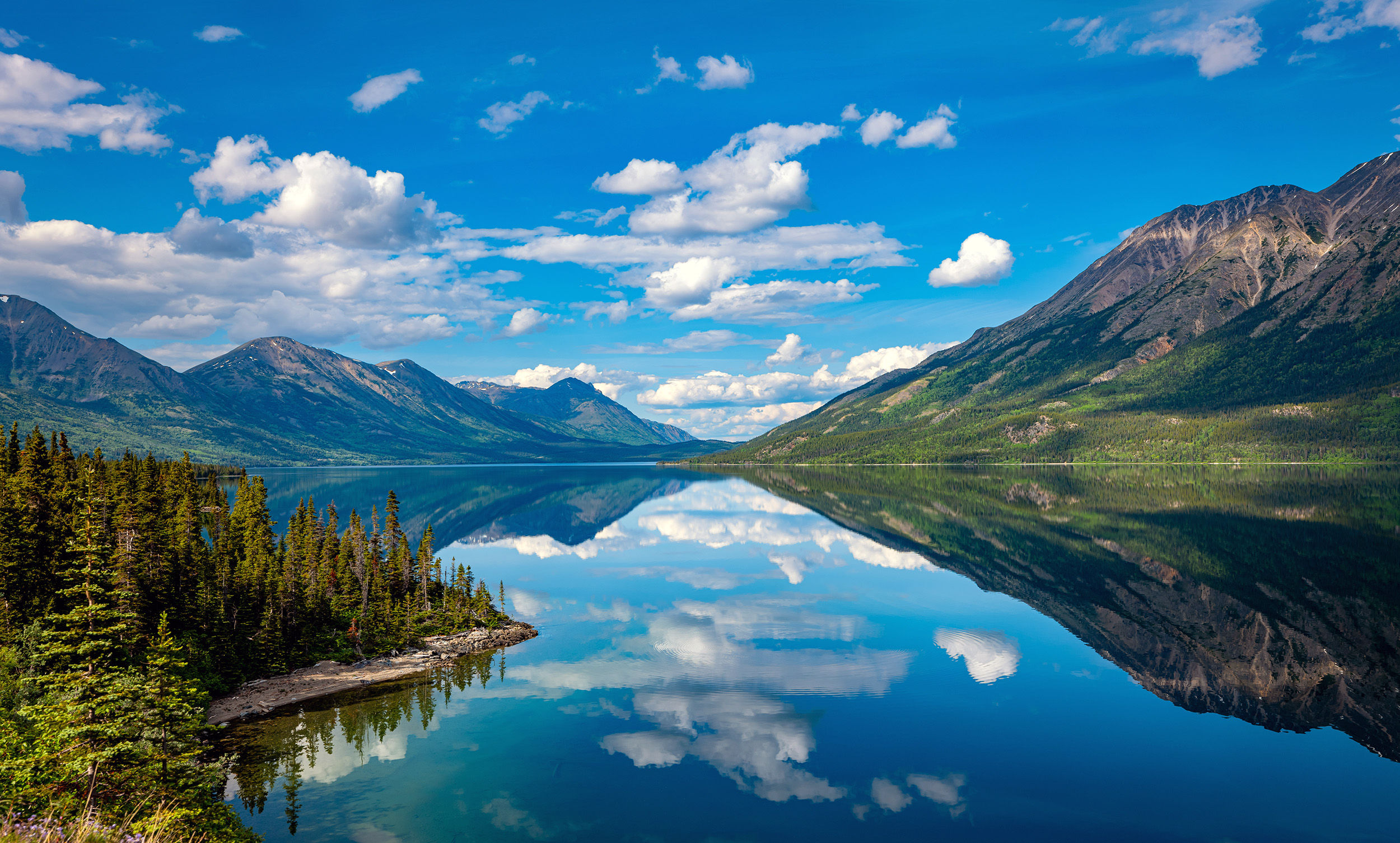
Skagway is built on the bones of the Klondike Gold Rush, and its main draw remains the White Pass and Yukon Route Railway. The train climbs quickly out of town, the track cutting along cliffs above a narrow valley. Kids tend to press against the windows on the high trestles, the drop visible through the gaps in the ties. It’s engineered drama, but the landscape does most of the work.
Ketchikan
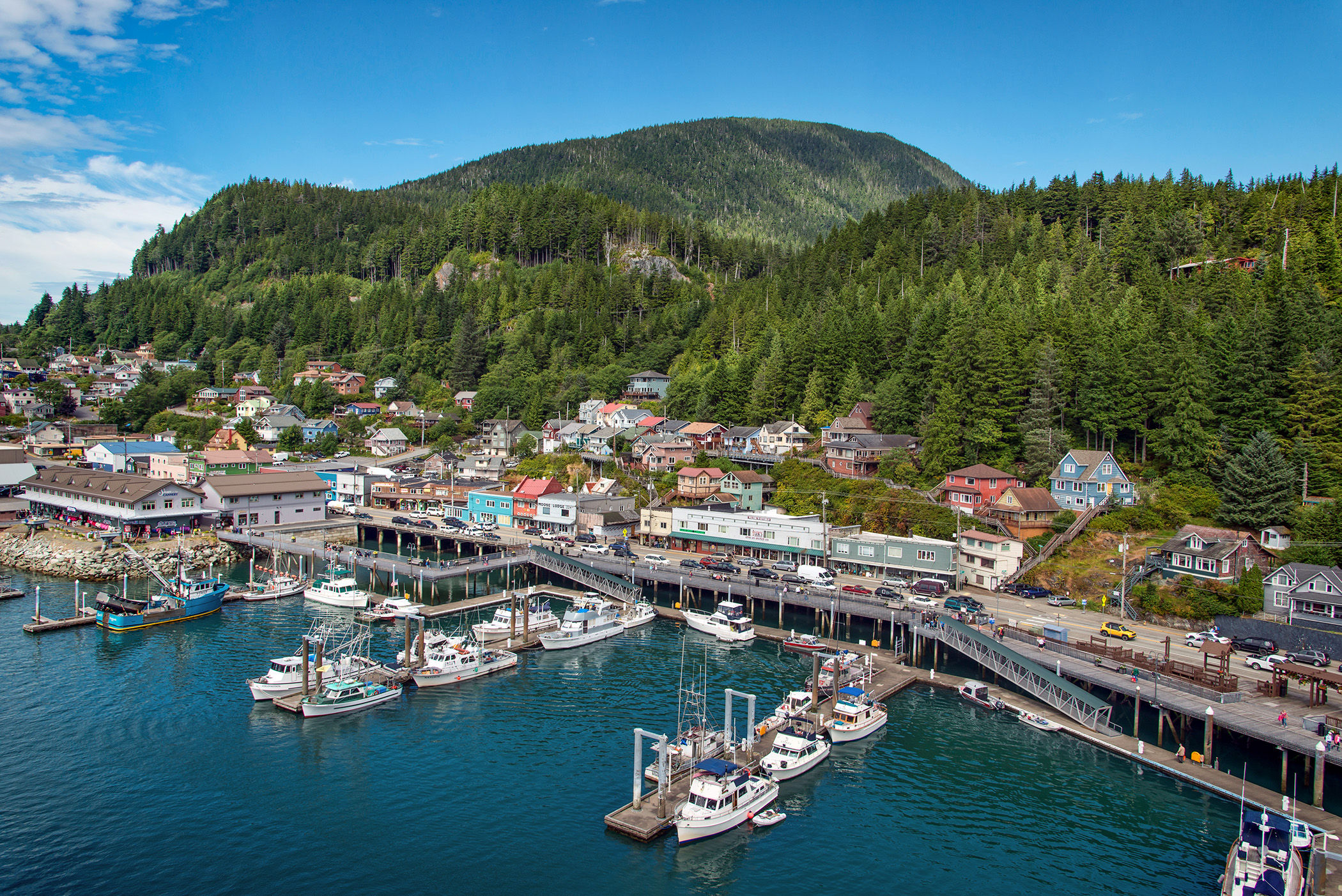
Ketchikan leans into its identity as a gateway to the Misty Fjords National Monument. Floatplanes lift off from the harbor in a steady rhythm, engines rising and falling. On the ground, places like Totem Bight State Historical Park and Saxman offer context for the carved poles that line the shore—stories rendered in cedar, weathered to a soft gray. The rain is frequent, the light diffuse, the colors saturated.
Sitka
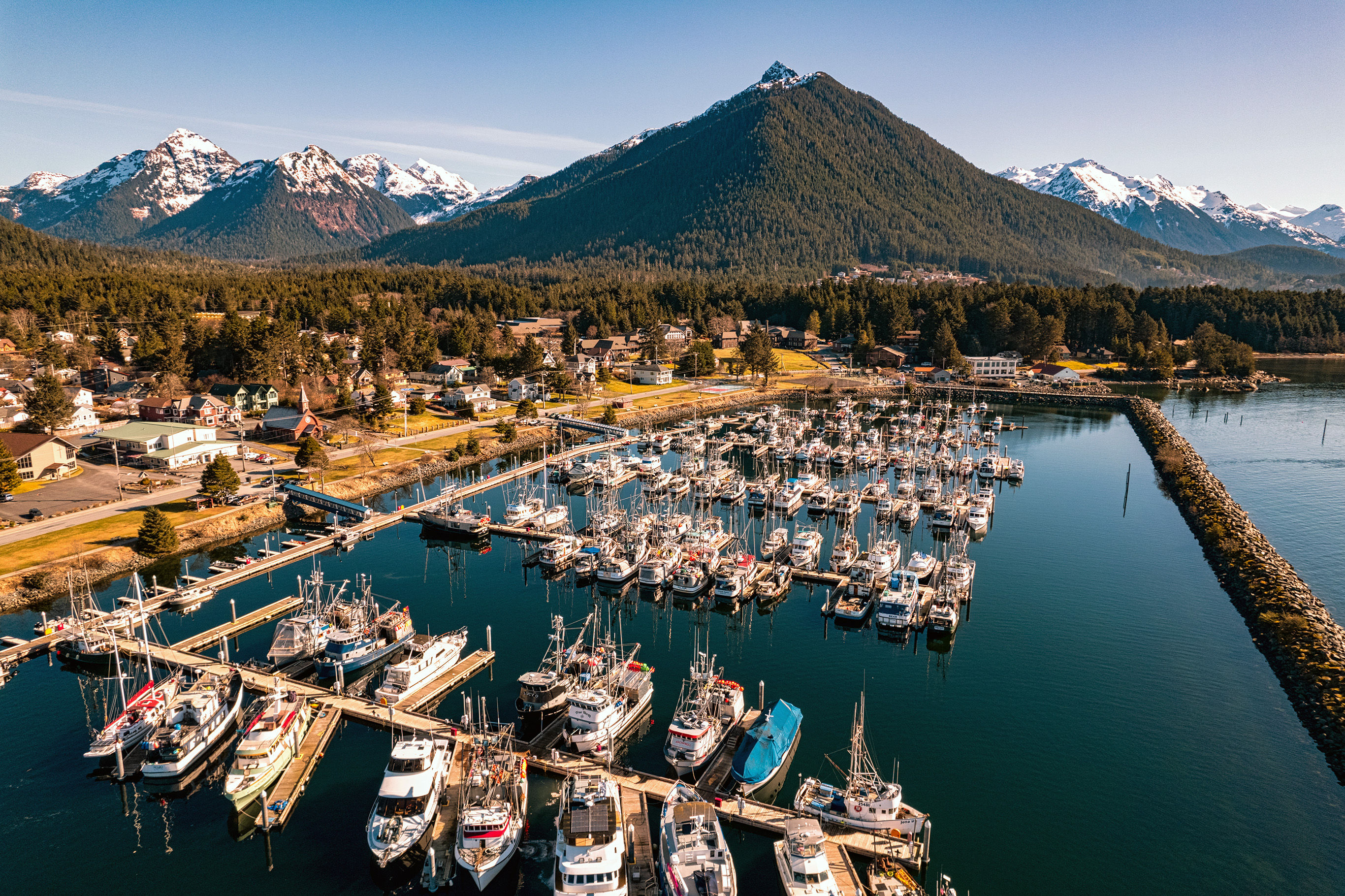
Sitka sits apart from the Inside Passage rhythm, facing the open Gulf of Alaska. The Alaska Raptor Center offers a close look at rehabilitated birds—bald eagles with missing flight feathers, hawks with healed wings. Nearby, Sitka National Historical Park threads totem poles through a forest of spruce and hemlock, the ground soft underfoot, the air smelling of rain and moss.
What to know before you book
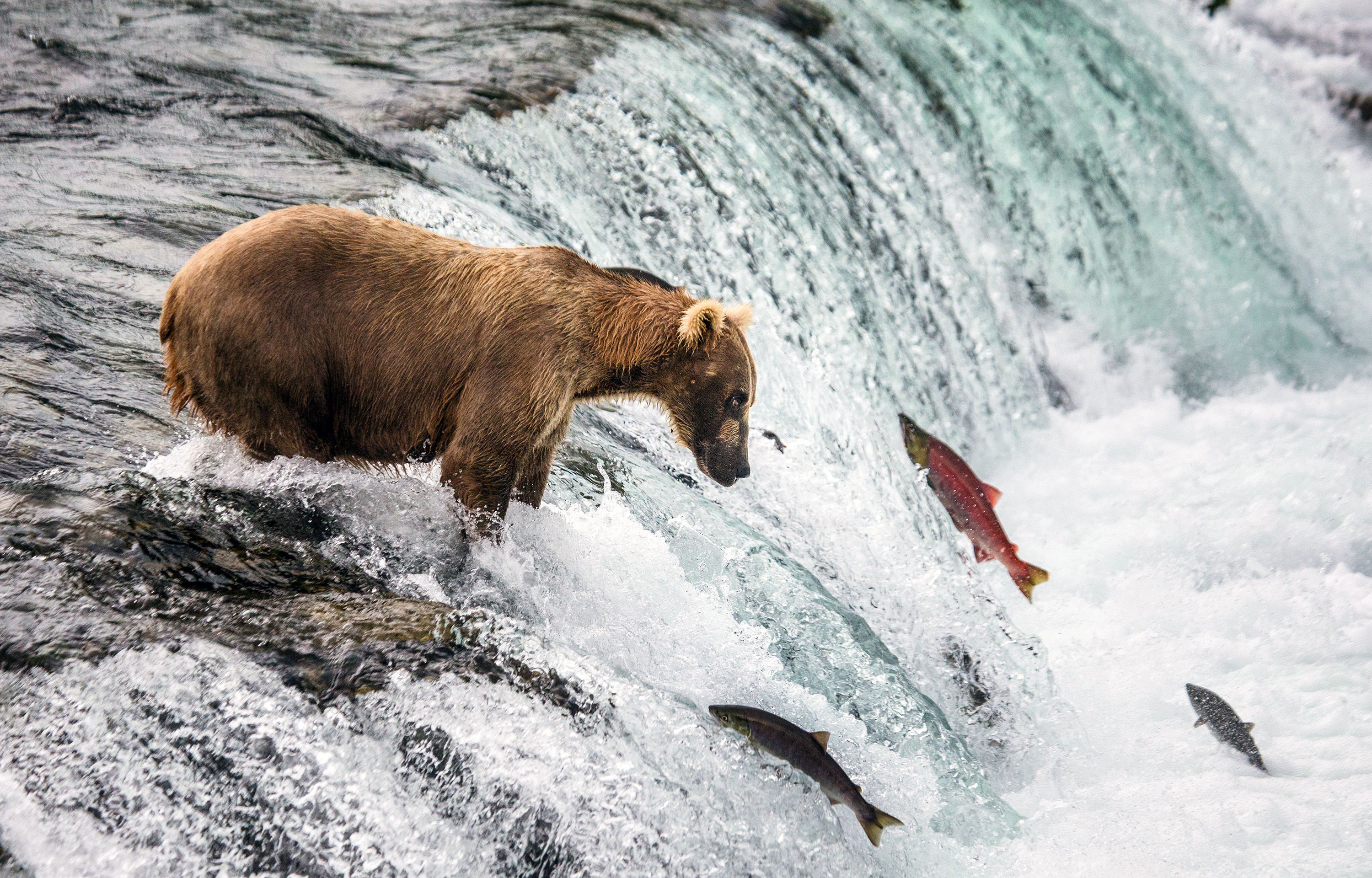
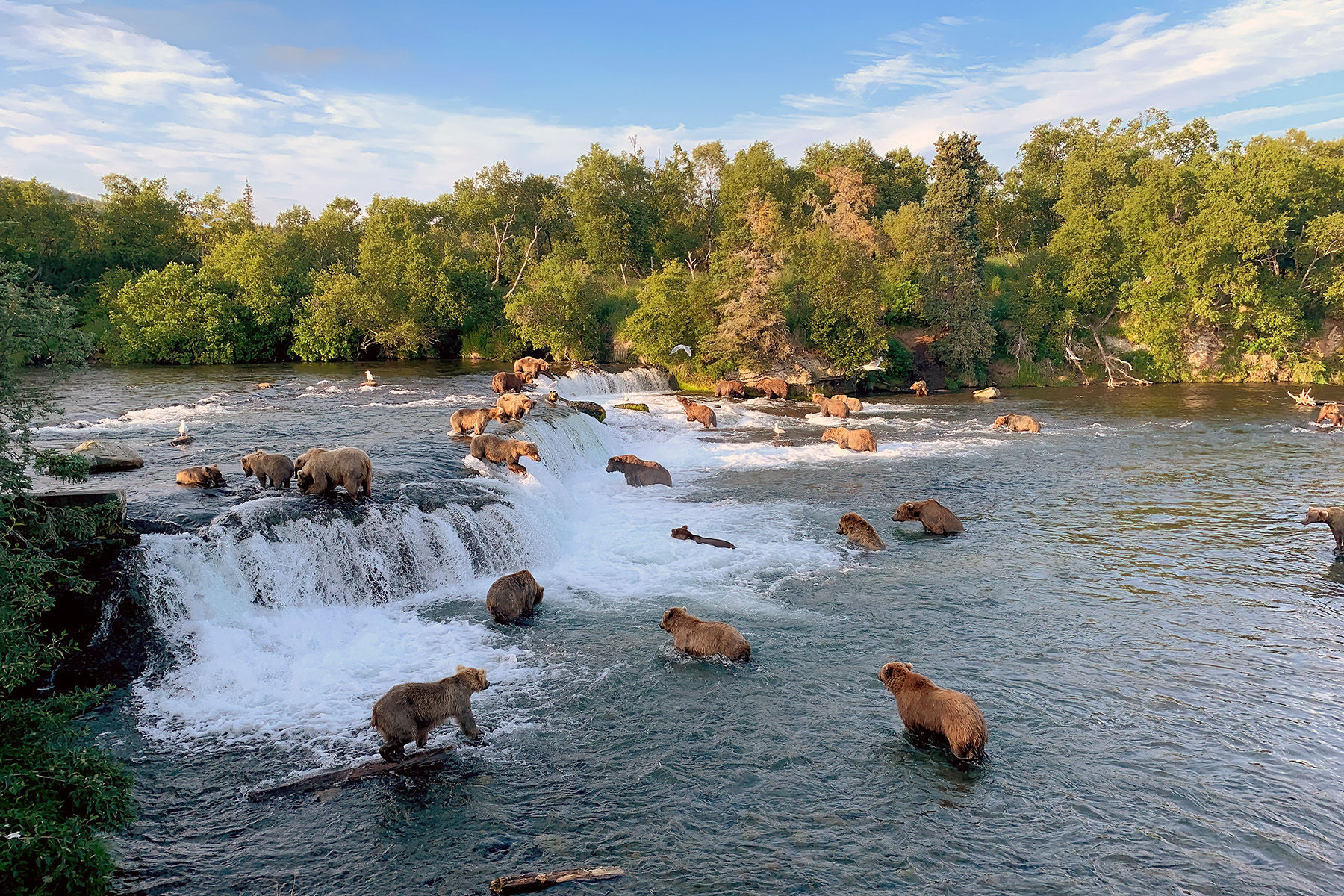
Season. The Alaska small-ship season runs roughly from May through September. May brings longer daylight and fewer boats, with bears beginning to emerge along shorelines. July is warmer and busier, with salmon runs drawing wildlife into predictable patterns. September can offer fall colors and the chance of northern lights on clear nights, but also more weather—low ceilings, steady rain, and the kind of wind that keeps kayaks on deck.
Best ages. Eight and up is the common threshold on small ships, both for safety and for engagement. At that age, kids can paddle a kayak with an adult, sit through a naturalist briefing, and find their own interest in what they’re seeing. Younger children can do well on the right sailing, but it requires a family comfortable with improvisation.
Cabins for families. This is one of the trickier parts. Small ships are not built around family suites. Doubles dominate, with a scattering of triples or adjoining cabins on some vessels. Families of four often book two cabins. It’s a constraint worth understanding early, before deposits are due.
Packing. Layers matter. A base layer that wicks, a mid-layer for warmth, and a waterproof shell that can handle sustained rain. Gloves and a hat, even in summer. Binoculars per kid, if possible; sharing changes how much they see. Footwear that can handle wet docks and muddy trails. The texture of Alaska is damp—spray off the bow, mist in the forest, condensation on metal railings—and gear should match it.
Budget. A week on a small ship in Alaska can be costly, depending on the line, cabin, and inclusions. The price often covers excursions, guiding, and gear. Mainstream cruises can be significantly less, especially once promotions are factored in. The difference is not trivial, and it’s part of the decision.
Late in the week, the ship idled in a narrow inlet, the anchor chain humming faintly through the hull. A bear moved along the shoreline, turning over rocks with a deliberate, almost methodical motion. On deck, a group of kids had gone quiet without being asked. No one was pointing out where to look; they had already learned that part. The light shifted, a thin band of sun breaking through the cloud layer and catching the water just offshore. It held for a minute, then was gone, leaving the inlet to its gray. The bear kept working the tide line.
This article was developed with AI assistance and reviewed and edited for accuracy, quality, and relevance.