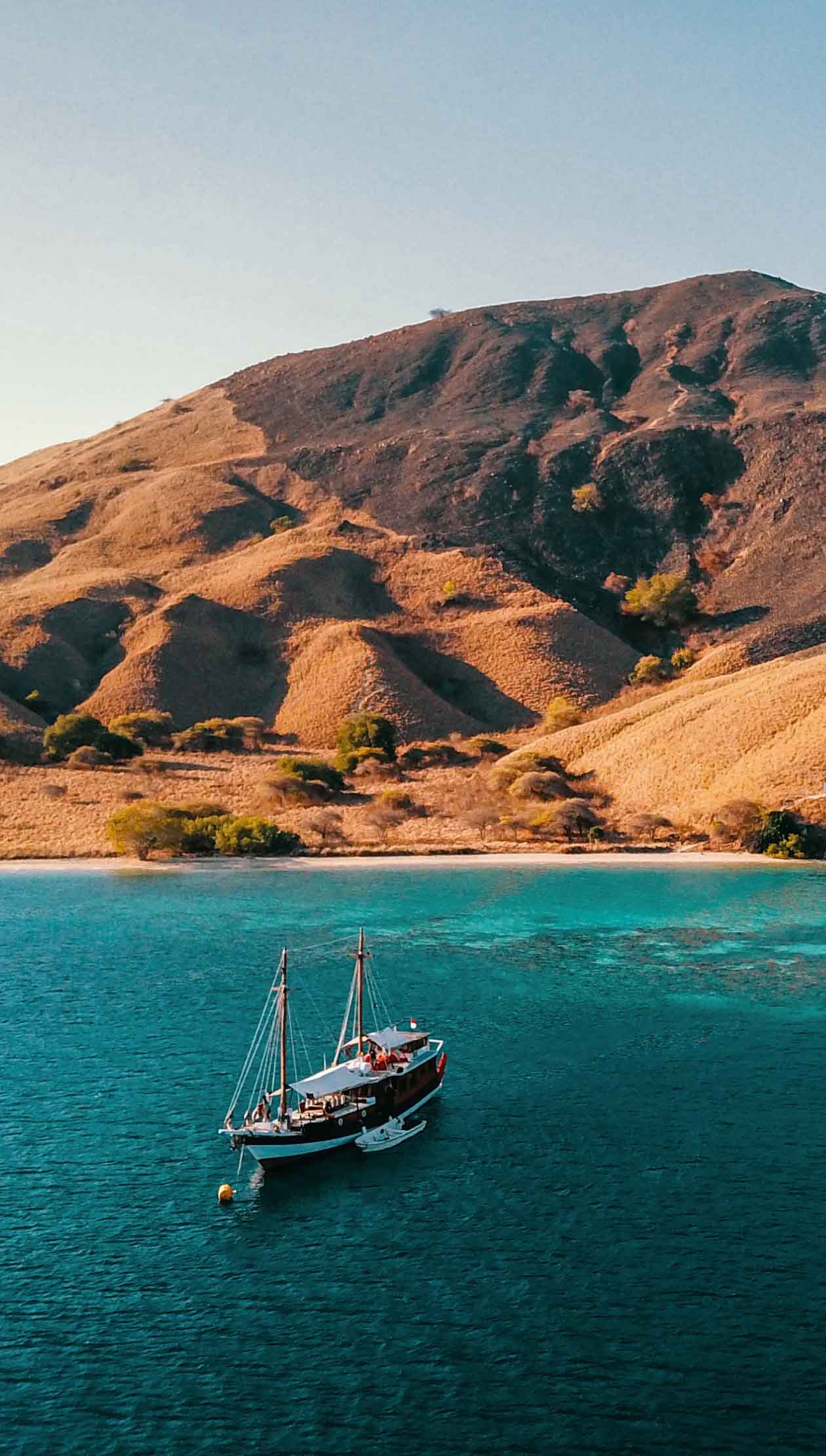
Small Group Adventure Cruise Tours
Adventure Travel at a More Intimate Scale
Small group adventure cruise tours offer a different way to experience the world by water. Instead of large resort-style ships, fixed sightseeing schedules, and crowded ports, these journeys are built around smaller vessels, remote landscapes, expert-led excursions, and a closer connection to the places being explored. They are designed for travelers who want to feel the sea, watch wildlife from open decks, step ashore in wild places, and return each evening to a ship that feels personal rather than anonymous.

From polar expedition voyages through ice-streaked channels to tropical island-hopping routes, small group adventure cruises are often less about the ship as a destination and more about where the ship can take you. These cruises reach rugged coastlines, isolated bays, wildlife-rich islands, historic harbors, and remote communities that larger vessels may not be able to access. The experience is immersive, flexible, and often shaped by the rhythms of nature.
For travelers drawn to Antarctica, the Arctic, Greenland, Alaska, the Galápagos, Indonesia, the Kimberleys, Baja California, or other remote regions, small-group adventure cruising can be one of the most rewarding ways to travel. It combines the comfort of unpacking once with the spirit of expedition travel: each day brings a new landing, wildlife encounter, guided walk, Zodiac ride, cultural visit, or horizon full of possibility.
The Meaning of Small Group Adventure Cruising
Small group adventure cruising refers to ship-based journeys that prioritize exploration, active experiences, and smaller passenger numbers. These trips usually take place aboard small ships, expedition vessels, boutique yachts, or purpose-built adventure cruise boats. The atmosphere is often informal and sociable, with travelers gathering for briefings, lectures, meals, and shared excursions rather than disappearing into the scale of a large cruise ship.
The term can cover several styles of travel. A small ship cruise may focus on comfort, scenery, and access to smaller ports. An expedition cruise usually emphasizes remote destinations, wildlife, expert interpretation, and flexible routing. A boutique adventure cruise may add a more stylish or intimate onboard experience, while still focusing on the destination. Across all of these styles, the shared thread is scale: fewer people, smaller vessels, and a stronger sense of place.
These cruises are especially well-suited to destinations where nature leads the itinerary. In polar regions, routes may shift according to sea ice, weather, and wildlife activity. In tropical archipelagos, the day may revolve around snorkeling reefs, kayaking mangroves, or landing on quiet beaches. In remote coastal regions, the ship becomes both a base and a gateway, carrying travelers between places that may be difficult or impossible to reach by road.
Benefits of a Small Group Adventure Cruise
More Personal, Less Crowded Travel
One of the clearest advantages of small group adventure cruise tours is the sense of space and connection. With fewer guests on board, daily life feels more relaxed and personal. Embarkation is simpler, excursions are easier to organize, and travelers often get to know the crew, guides, and fellow passengers quickly. Meals feel social, briefings feel conversational, and shared sightings on deck can become some of the most memorable moments of the trip.
Smaller group sizes also make shore experiences feel more meaningful. Instead of following a large crowd through a busy port, guests may step ashore in staggered groups, explore with specialist guides, and spend more time observing the details of a place. The result is travel that feels less rushed and more attentive.
Access to Remote Places

Small ships can often go where larger cruise ships cannot. They may navigate narrow fjords, shallow bays, secluded anchorages, wildlife-rich channels, and small harbors with limited infrastructure. In expedition regions, this access is central to the experience. A smaller vessel can bring travelers close to glacier fronts, volcanic islands, coral lagoons, remote villages, or quiet stretches of coastline that would be impractical for larger ships.
This access changes the rhythm of the journey. Days are not only defined by famous ports, but by landings, viewpoints, wildlife opportunities, and moments of discovery. The ship might pause for whales, alter course for better ice conditions, or spend extra time in a sheltered bay because conditions are ideal for kayaking or photography.
Expert-Led Exploration

Many small group adventure cruises include an expedition team or specialist guides. Depending on the destination, this may include naturalists, marine biologists, historians, geologists, ornithologists, dive guides, photographers, or local cultural experts. Their role is not only to lead excursions safely, but also to help travelers understand what they are seeing.
This guidance can transform the experience. A glacier becomes a living record of climate and time. A seabird colony becomes a story of migration, breeding behavior, and ocean health. A small coastal settlement becomes part of a wider history of trade, resilience, and adaptation. The best small group adventure cruises turn scenery into interpretation and travel into learning.
Flexible, Adventure-Focused Itineraries

Adventure cruising often works differently from traditional cruising. While a planned route remains, the exact shape of the journey can depend on weather, sea conditions, wildlife, and local regulations. This flexibility is especially important in polar and remote regions, where conditions can change quickly and where the most memorable experiences may be the least predictable.
Rather than seeing flexibility as a drawback, many travelers consider it a highlight. A route adjustment may lead to a better wildlife encounter, a calmer anchorage, or a landing site that suits the day’s conditions. The experience feels alive, shaped by the environment rather than forced onto a rigid schedule.
A Deeper Connection to Nature and Culture
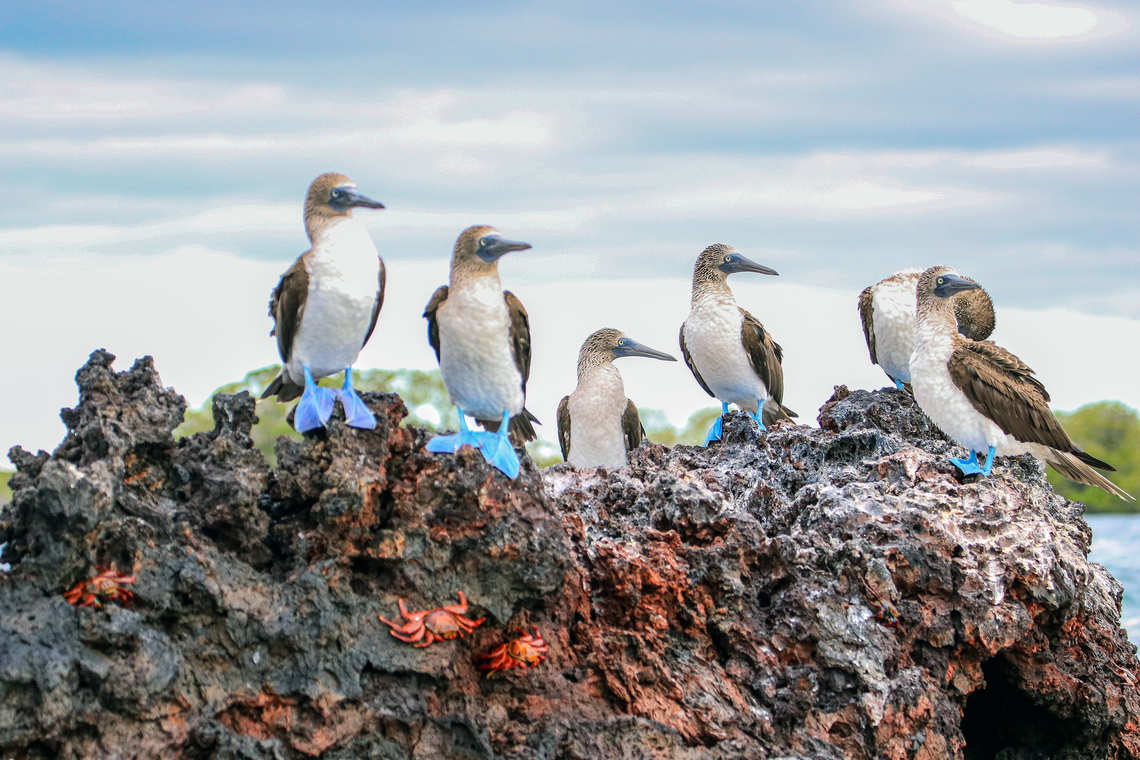
Small group adventure cruise tours are often built around presence: watching, listening, learning, and moving through a destination with care. Guests may spend long periods on deck scanning for wildlife, join quiet walks through tundra or forest, paddle close to rock formations, or visit communities where small-group travel feels more appropriate than mass tourism.
The scale of the journey helps preserve that sense of connection. Fewer people means quieter landings, more time with guides, and a softer footprint in sensitive places. For travelers who want to return home with more than photographs, this style of cruising offers a richer understanding of the landscapes, wildlife, and cultures encountered along the way.
Small Group Cruises Compared With Mainstream Cruises
Traditional cruises and small group adventure cruises can both offer comfort, scenery, and memorable travel experiences, but they are designed around different priorities. Large cruise ships often emphasize onboard entertainment, variety in dining, resort-style facilities, and visits to popular ports. Small group adventure cruises usually emphasize exploration, flexibility, expert guiding, and access to places beyond the reach of mainstream routes.
| Feature | Small-Group Adventure Cruises | Mainstream Cruises |
|---|---|---|
| Ship style | Small ships, expedition vessels, boutique yachts, and adventure cruise boats | Large ocean liners and resort-style cruise ships |
| Main focus | Exploration, wildlife, landscapes, culture, and active excursions | Entertainment, amenities, dining, and major port visits |
| Destinations | Remote coastlines, polar regions, islands, fjords, rivers, and small harbors | Well-known cruise ports and established tourism hubs |
| Excursions | Small-group landings, Zodiac rides, guided walks, kayaking, snorkeling, and wildlife watching | Larger shore excursions, city tours, beach visits, and sightseeing trips |
| Atmosphere | Informal, immersive, educational, and expedition-focused | Resort-like, entertainment-led, and service-focused |
Top Destinations for Small Group Adventure Cruise Tours
Polar Expedition Cruises

Polar regions are among the most iconic settings for small group adventure cruising. In Antarctica, expedition ships sail through iceberg-filled channels, visit penguin colonies, and explore a landscape shaped by ice, wind, and ocean. In the Arctic, routes may include Svalbard, Greenland, Iceland, the Canadian Arctic, or the Northwest Passage, with opportunities to search for whales, seabirds, walruses, Arctic foxes, and polar bears from a respectful distance.
These regions reward travelers who are open to the unexpected. Weather, ice, and wildlife all influence the rhythm of the voyage. Days may include Zodiac cruising among icebergs, guided shore landings, photography sessions, lectures, or quiet hours on deck watching the light change across snow and sea.
Remote Island and Coastal Cruises

Small group adventure cruise tours are also ideal for remote islands and rugged coastlines. The Galápagos, Indonesia, Papua New Guinea, the Seychelles, Scotland’s islands, Alaska’s Inside Passage, Baja California, and Australia’s Kimberley region all offer landscapes where smaller vessels can make the experience feel more immediate.
These journeys often combine wildlife, scenery, and culture. Travelers may snorkel with marine life, visit traditional villages, hike to viewpoints, explore mangroves, cruise beneath cliffs, or watch seabirds wheel above empty beaches. The ship links each place together while keeping the journey intimate and flexible.
Wildlife-Focused Adventure Cruises
Wildlife is a major reason travelers choose small group adventure cruise tours. Depending on the destination and season, sightings may include penguins, whales, dolphins, seals, polar bears, seabirds, reef fish, manta rays, sea turtles, bears, or endemic island species. Smaller ships can often position guests closer to wildlife-rich areas while still following responsible viewing practices.
The best wildlife cruises are not rushed. They allow time for observation, patience, and interpretation. Guides help guests understand behavior, migration, breeding cycles, feeding patterns, and conservation challenges, making each encounter more meaningful.
Cultural and Heritage-Focused Small Ship Cruises
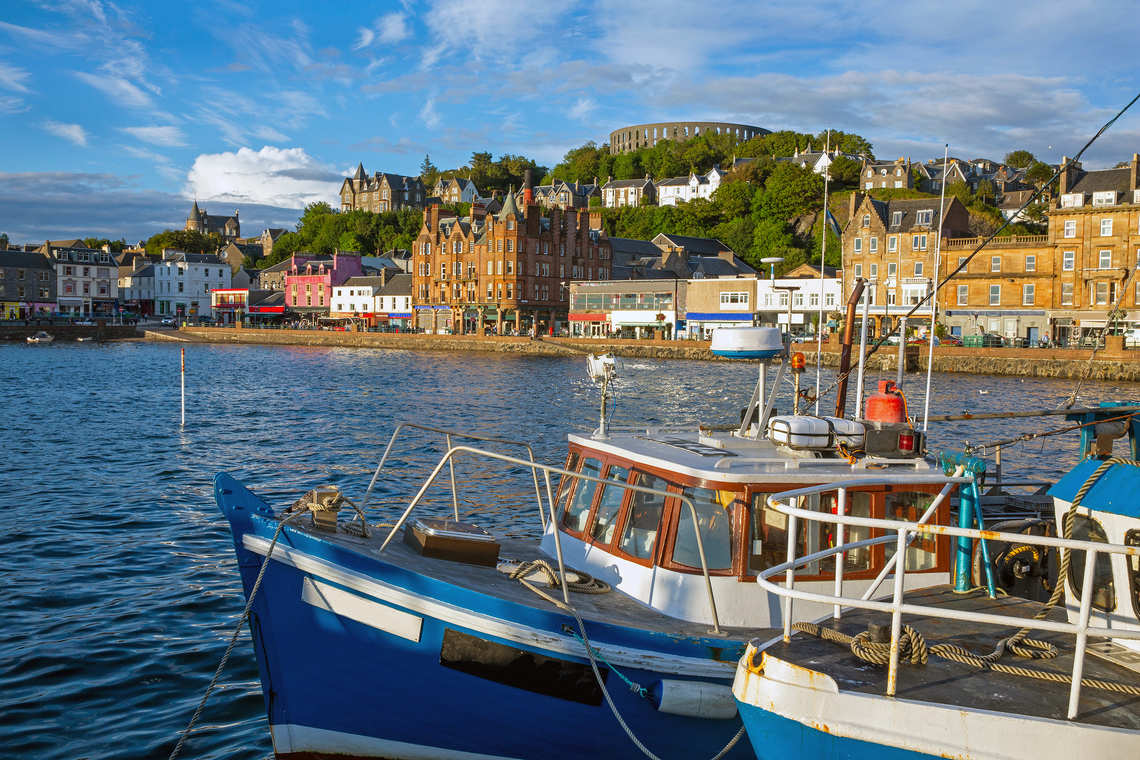
Not every adventure cruise is defined only by wilderness. Many small group cruises also explore cultural coastlines, historic ports, archaeological sites, and traditional communities. Smaller ships can call at less-crowded harbors, foster more personal encounters, and offer a slower, more thoughtful way to understand regional identity.
These itineraries may include visits to fishing villages, historic trading towns, Indigenous communities, ancient ruins, local markets, or craft traditions. When handled respectfully, cultural small ship cruising can connect travelers to the human stories that have shaped a coastline for centuries.
Warm-Water Adventure Cruises
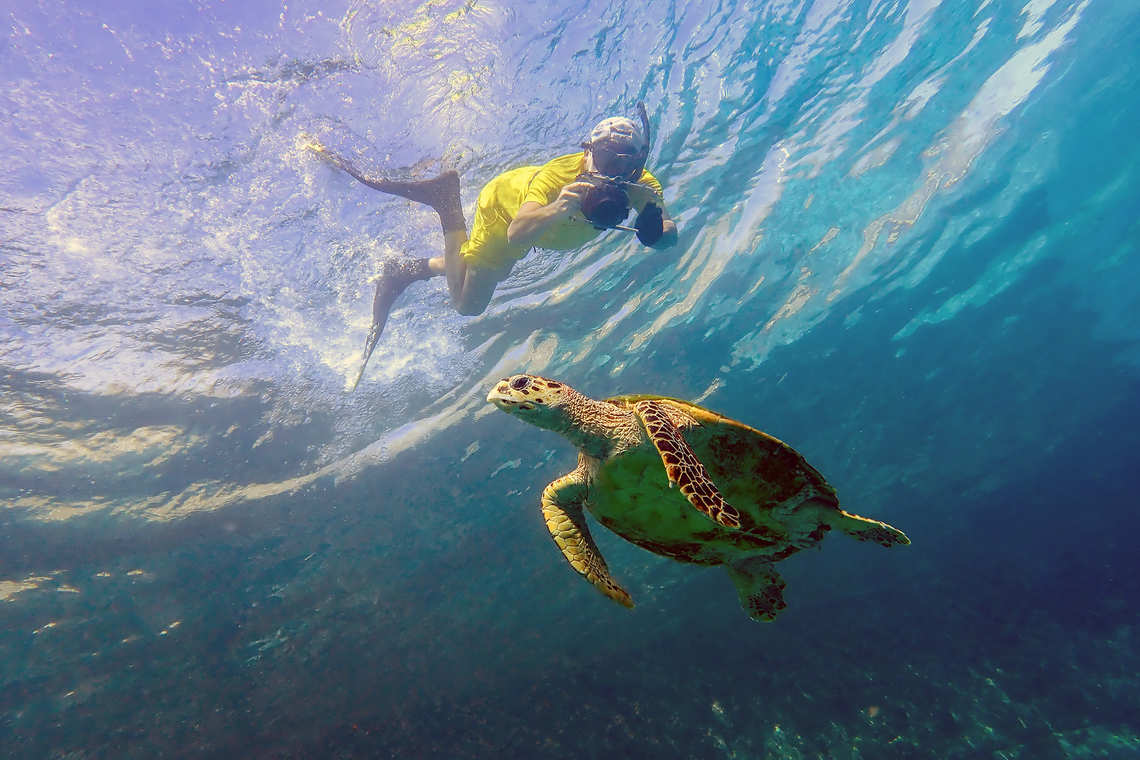
Warm-water small group cruises often focus on snorkeling, diving, kayaking, paddleboarding, island-hopping, and beach landings. Destinations such as Indonesia, the Maldives, the Seychelles, the Galápagos, Belize, French Polynesia, Baja California, and parts of the Mediterranean offer adventure without polar conditions.
These trips can be active without feeling extreme. A typical day might include a morning snorkel, a beach walk, lunch on board, an afternoon kayak, and sunset from the deck. For travelers who want nature, comfort, and a relaxed pace, warm-water adventure cruises offer an appealing balance.
The Onboard Experience on an Adventure Cruise
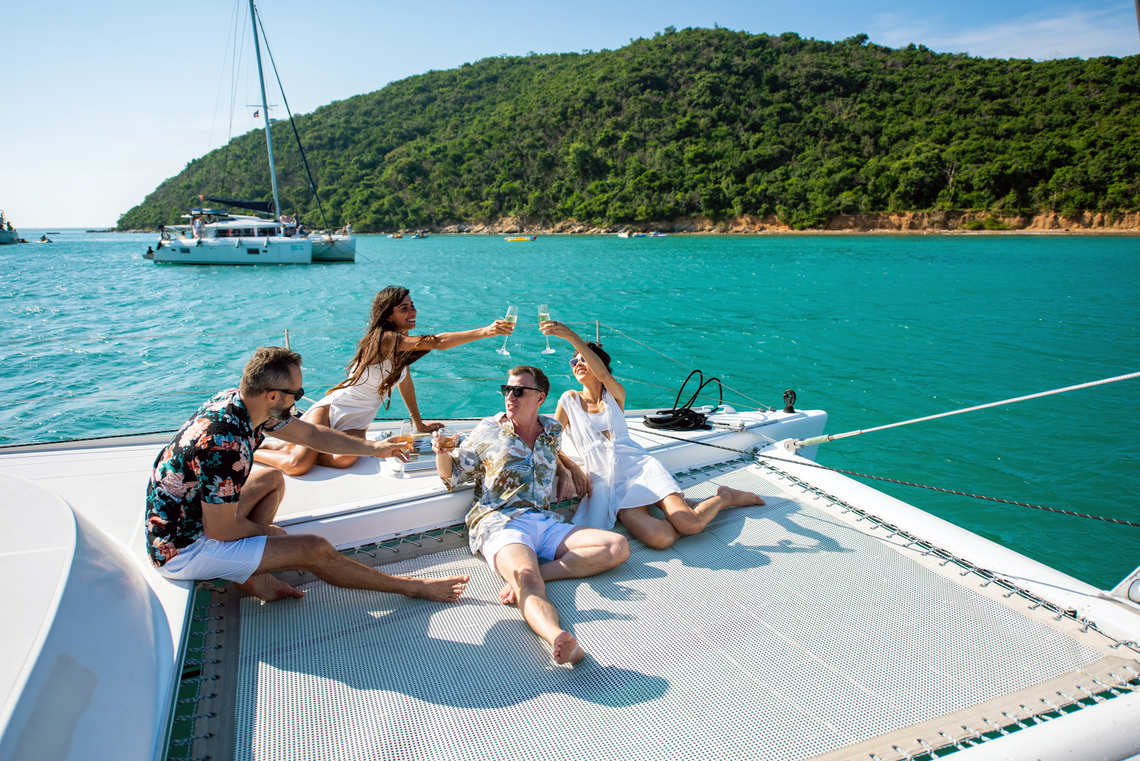
Life on board a small adventure cruise ship is usually comfortable, informal, and destination-focused. Cabins may be cozy rather than extravagant, but the shared spaces are designed around the journey: observation decks, lounges, dining rooms, briefing areas, libraries, and sometimes mudrooms or gear areas for expedition equipment.
Meals are often communal and sociable, giving travelers the chance to compare sightings, talk with guides, and get to know one another. Evenings may include lectures, recap sessions, route briefings, photography talks, or informal time on deck. The entertainment is usually the destination itself: the sound of ice against the hull, stars over a remote anchorage, seabirds following the ship, or the first sight of land at dawn.
The dress code is generally practical and relaxed. Expedition cruises prioritize comfort, safety, and weather-appropriate clothing over formality. On many small ships, guests move easily between excursions, meals, briefings, and deck viewing without needing to change into formalwear.
Activities on Small Group Adventure Cruises
Zodiac Excursions and Shore Landings
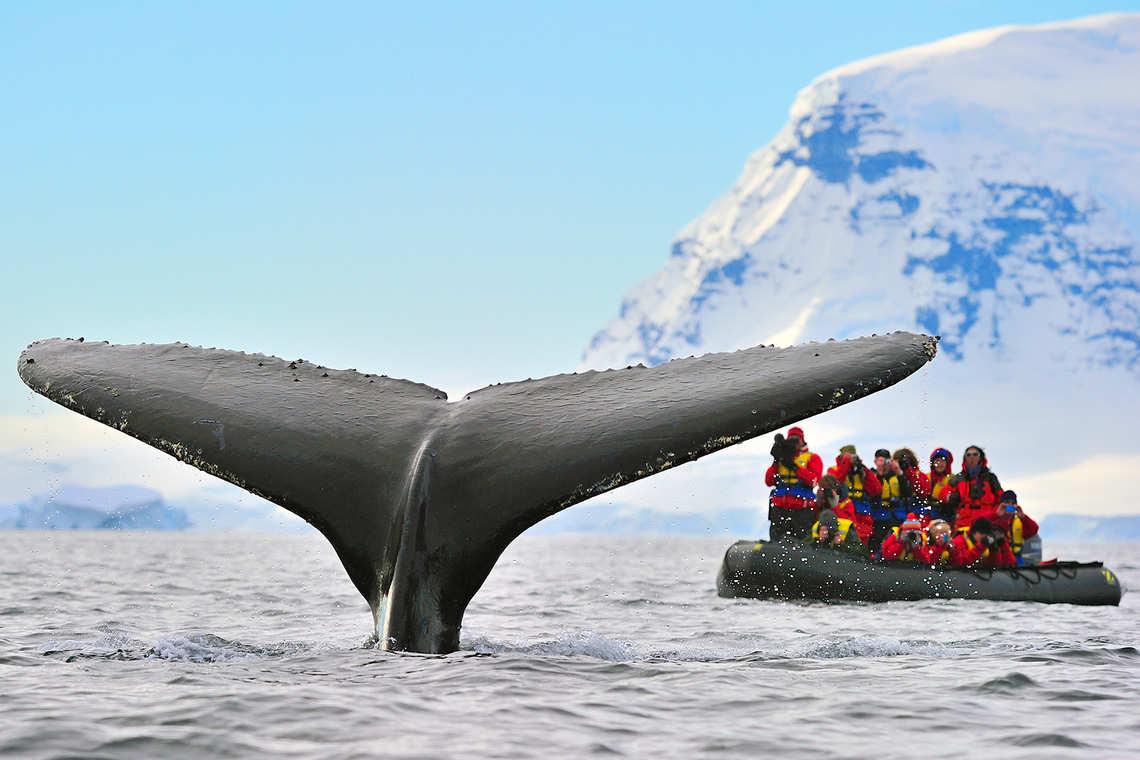
Zodiac boats are central to many expedition-style cruises. These small, inflatable craft allow guests to cruise close to shorelines, navigate among icebergs, reach remote beaches, and land in places without docks. In polar and remote regions, Zodiac excursions often provide some of the most exciting moments of the trip.
Wildlife Watching and Photography

Small group adventure cruises are ideal for travelers who enjoy photography and wildlife observation. Open decks, expert guides, and flexible routing can create excellent opportunities to watch animals in their natural environment. Photographers benefit from early starts, changing light, and the ability to spend time in landscapes that reward patience.
Kayaking, Paddleboarding, and Snorkeling

Many adventure cruises offer optional or included water-based activities. Kayaking can bring travelers close to ice, cliffs, mangroves, or calm bays. Paddleboarding adds a quiet, active way to experience sheltered waters. Snorkeling and diving are often highlights in tropical destinations, especially where reefs, marine life, and clear water define the journey.
Hiking and Guided Nature Walks

Guided walks are a common feature of small group adventure cruises. These may range from gentle beach walks to more active hikes across tundra, forest trails, volcanic terrain, or coastal paths. The pace is usually adapted to the destination and group, with guides adding context on geology, plants, wildlife, history, and local culture.
Lectures, Briefings, and Expert Talks

Onboard learning is part of the appeal. Expedition teams often give talks on wildlife, history, climate, geology, navigation, photography, or regional culture. These sessions help travelers understand the next day’s activities and appreciate the wider significance of the places they are visiting.
Cultural Visits and Local Encounters

Some small group adventure cruises include visits to villages, research stations, historic sites, or community projects. These experiences are strongest when they are respectful, small-scale, and guided by local context. They add depth to the journey by showing how people live, work, adapt, and preserve traditions in coastal and remote environments.
The Best Travelers for Small Group Adventure Cruises
Small group adventure cruise tours suit curious travelers who want their journey to feel active, thoughtful, and connected to the destination. They are a strong fit for wildlife lovers, photographers, nature enthusiasts, solo travelers, couples, retirees, and anyone who prefers meaningful experiences over large-scale entertainment.
They are also suitable for many first-time cruisers, especially those who do not identify with mainstream cruising. The smaller scale, informal onboard life, and focus on exploration can feel closer to an adventure tour than a conventional cruise holiday.
Travelers do not always need to be extremely fit, but they should be comfortable with changing conditions, getting in and out of small boats, walking on uneven ground, and spending time outdoors. Some itineraries are gentle and accessible, while others are more active. Choosing the right ship, destination, and activity level is key.
Sustainability and Responsible Expedition Cruising
Responsible travel is especially important in the remote and fragile regions where many small group adventure cruises operate. In Antarctica, visitor guidance emphasizes protecting wildlife, respecting protected areas, avoiding damage to fragile vegetation, and following the instructions of expedition staff during landings. IAATO visitor guidance also advises travelers not to feed, touch, handle, or disturb birds and seals, and not to use boats or other transport in ways that disturb wildlife.
In the Arctic, AECO guidelines emphasize careful behavior around wildlife, quiet conduct near animals and birds, group-size management during landings and excursions, and respect for local communities, cultural remains, and sensitive environments.
Small-group cruising does not eliminate the environmental impact of travel, but it can support a more controlled, carefully managed visitor experience when operated responsibly. Lower passenger numbers, expert supervision, strict landing protocols, biosecurity procedures, and responsible wildlife viewing practices all matter. Travelers can support better outcomes by choosing operators with clear environmental standards, following guide instructions, packing carefully, and treating every landing site as a place to protect rather than consume.
Choosing the Right Small Group Adventure Cruise
Destination and Travel Style
The first step is choosing the type of journey that excites you most. Polar travelers may be drawn to ice, penguins, whales, and expedition landings. Tropical travelers may prefer snorkeling, diving, kayaking, and island life. Others may want cultural coastlines, remote rivers, fjords, wildlife photography, or historic harbors.
Ship Size and Comfort Level
Small ships vary widely. Some are rugged expedition vessels built for remote conditions, while others are boutique yachts, luxury small ships, sailing vessels, or comfortable coastal cruisers. Consider how much comfort you want, how active you want the journey to be, and how important onboard amenities are compared with access and exploration.
Included Activities and Excursions
Check which activities are included and which cost extra. Landings, guided walks, Zodiac cruising, snorkeling, kayaking, diving, paddleboarding, photography support, park fees, and gear rental can vary by operator and destination. Understanding inclusions helps compare value more accurately.
The Expedition Team and Guides
The quality of the guides can define the experience. Look for trips with experienced expedition leaders, naturalists, marine specialists, historians, local guides, or activity experts relevant to the destination. A knowledgeable team adds safety, structure, and meaning to each day.
Seasonality, Wildlife, and Weather
Timing matters. Antarctica operates during the austral summer, while Arctic routes generally run during the northern summer. Alaska’s small ship season usually falls between late spring and early autumn. Baja California is especially known for whale-focused trips in winter and spring, while tropical destinations often depend on regional dry seasons, sea conditions, and marine life patterns.
Inclusions, Extras, and Value
Small group adventure cruises can appear more expensive than mainstream cruises, but the pricing often reflects smaller ships, specialist staff, remote logistics, permits, excursions, and included activities. Compare what is actually covered, including transfers, meals, equipment, park fees, gratuities, drinks, Wi-Fi, and optional activities.
The Best Time for a Small Group Adventure Cruise

The best time to travel depends on the destination. Antarctica is generally visited during the austral summer, when daylight is long, and expedition ships can access landing sites more safely. The Arctic, including Svalbard and Greenland, is usually explored during the northern summer, when sea ice conditions allow ships to navigate key routes.
Warm-water and tropical adventure cruises vary by region. Indonesia, the Galápagos, Baja California, the Seychelles, the Maldives, Belize, and the Mediterranean each have their own seasonal patterns. Some destinations are excellent year-round, while others are best timed for wildlife migrations, calmer seas, clearer water, or cultural events.
For wildlife-focused travelers, the best month is not always the warmest or driest month. It may be the period when whales migrate, seabirds nest, penguins hatch, bears feed, coral conditions improve, or marine life becomes more active. Matching the season to your main interest is one of the best ways to choose the right itinerary.
Packing for a Small Group Adventure Cruise

Packing for a small-group adventure cruise depends on the climate and activity level, but practicality always matters. Polar travelers need warm layers, waterproof outerwear, gloves, hats, thermal base layers, and sturdy footwear. Warm-water travelers may need reef-safe sunscreen, swimwear, rash guards, sandals, lightweight layers, and dry bags.
Across most destinations, useful items include binoculars, a camera, a reusable water bottle, a daypack, motion sickness medication, sun protection, and comfortable walking shoes. For expedition cruises, luggage should be easy to manage, and clothing should be suitable for changing conditions. The goal is to be ready for early starts, wet landings, wind, spray, sun, and sudden opportunities on deck.
Small Group Adventure Cruises for Polar and Remote Travel

Small group adventure cruise tours are especially powerful in polar and remote regions. These are places where roads may not exist, ports may be limited, wildlife may define the day, and landscapes can feel larger than language. A small ship allows travelers to move through these environments with flexibility, comfort, and expert guidance.
For travelers dreaming of Antarctica, the Arctic, Greenland, Svalbard, Alaska, the Galápagos, or other remote coastlines, small group adventure cruises offer a practical and immersive way to reach places that remain beyond the scope of conventional travel. They blend the thrill of exploration with the ease of ship travel, creating journeys that feel both adventurous and deeply considered.
The Best Destinations for Small Group Adventure Cruises
Popular destinations include Antarctica, the Arctic, Svalbard, Greenland, Alaska, the Galápagos, Baja California, Indonesia, Papua New Guinea, the Kimberleys, the Seychelles, Scotland’s islands, and other remote coastlines or island regions.
Polar Cruises as Small Group Adventure Cruises
Many polar cruises are classic examples of small-group adventure cruising. They usually involve smaller expedition vessels, expert teams, Zodiac excursions, shore landings, wildlife watching, and flexible itineraries shaped by ice, weather, and local conditions.
Essential Packing for Small Group Adventure Cruises
Essential items often include layered clothing, weatherproof outerwear, comfortable walking shoes, binoculars, camera gear, sun protection, a reusable water bottle, and a dry bag. Polar, tropical, and diving-focused cruises may require more specialized equipment.
Finding the Right Small Group Adventure Cruise Tour
Small group adventure cruise tours are designed for travelers who want to go beyond familiar ports and experience the world by water at a more intimate pace. They offer access to wild coastlines, polar landscapes, remote islands, wildlife-rich waters, and culturally layered places where smaller ships can make all the difference.
Whether the dream is watching penguins in Antarctica, kayaking beneath Arctic cliffs, snorkeling over tropical reefs, exploring quiet islands, or sailing deep into remote channels, small group adventure cruising brings travelers closer to the heart of a destination. It is travel for those who value discovery over spectacle, expertise over excess, and the rare feeling of arriving somewhere the world still feels vast.