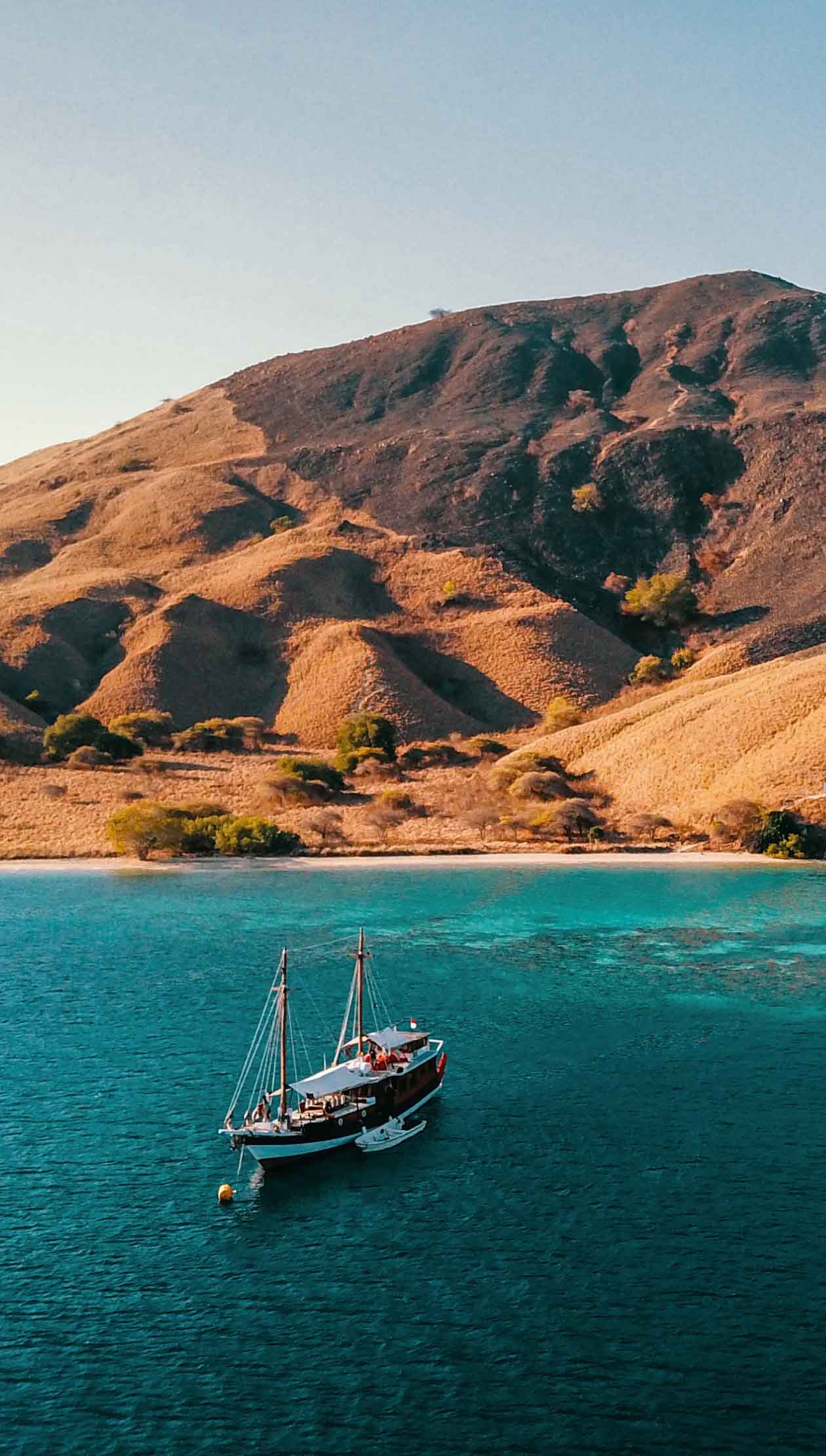
Komodo - Visit Indonesia’s Living Dragons
The first sign is often not movement, but stillness. A shape in the dust. A heavy body stretched beneath the sparse shade of a tamarind tree. A forked tongue tasting the heat. Around it, the island rises in tawny folds of grassland and thorn forest, its slopes baked gold by the Indonesian sun. Then the Komodo dragon shifts — slow, deliberate, prehistoric in the way only a living animal can be.
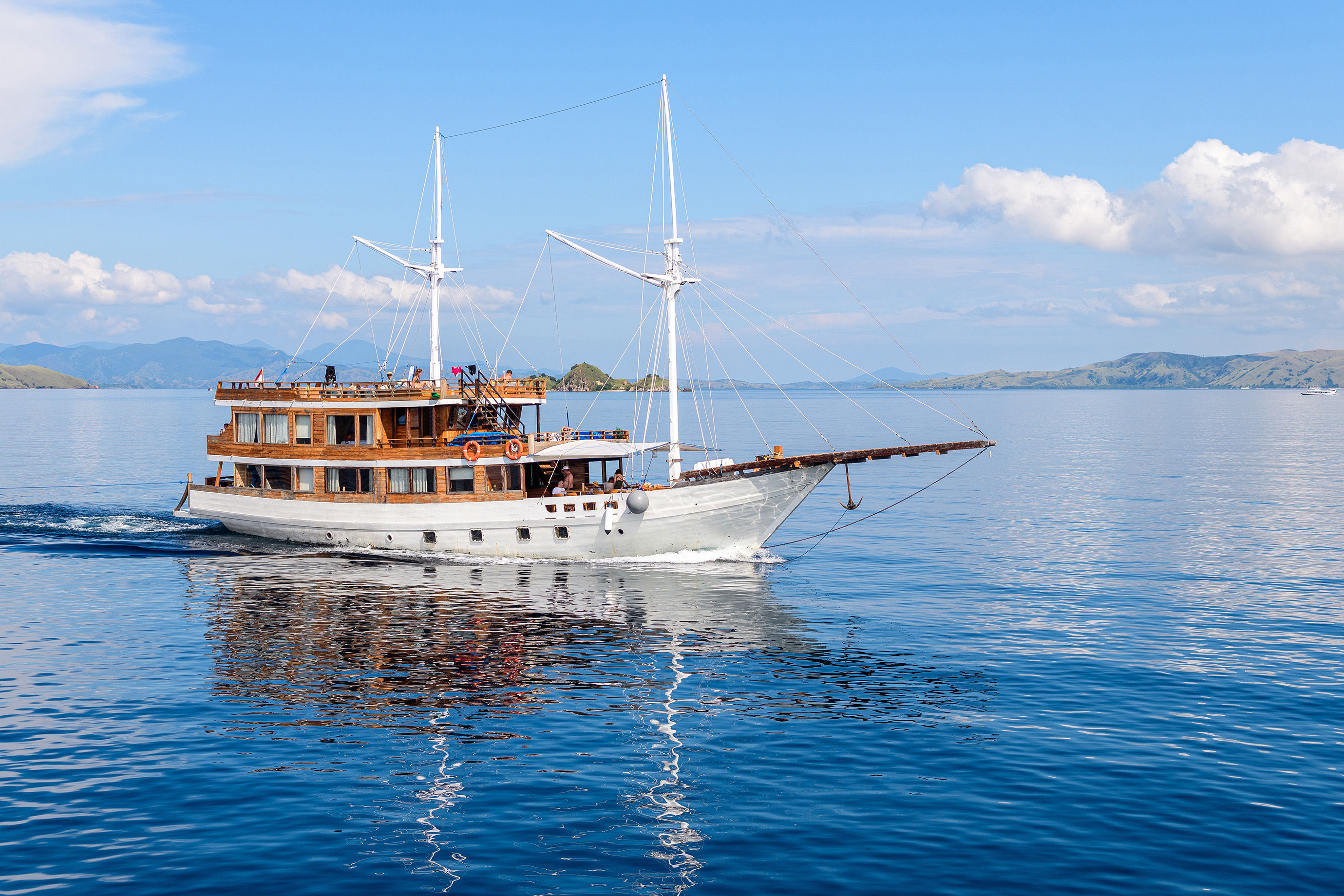
For many travelers, a Komodo Island tour begins with a single ambition: to see the dragon. But arriving by sea changes the experience. A Komodo cruise is not just a transfer to a wildlife sighting; it is a gradual approach into the dragon’s world. Small ships move among volcanic islands, bright beaches, manta-rich channels, coral reefs, and ranger-led trails, where the line between a marine expedition and a land safari blurs.
Whether you are considering a short Komodo boat trip from Labuan Bajo or a longer small-ship cruise in Indonesia with Komodo dragons as the defining wildlife encounter, the journey is shaped by timing, tides, safety, and patience. The best trips treat the dragon not as a spectacle, but as the apex predator of a rare island ecosystem — one that rewards slow travel, informed guides, and respect.
A Komodo Cruise Is A Great Wildlife Journey
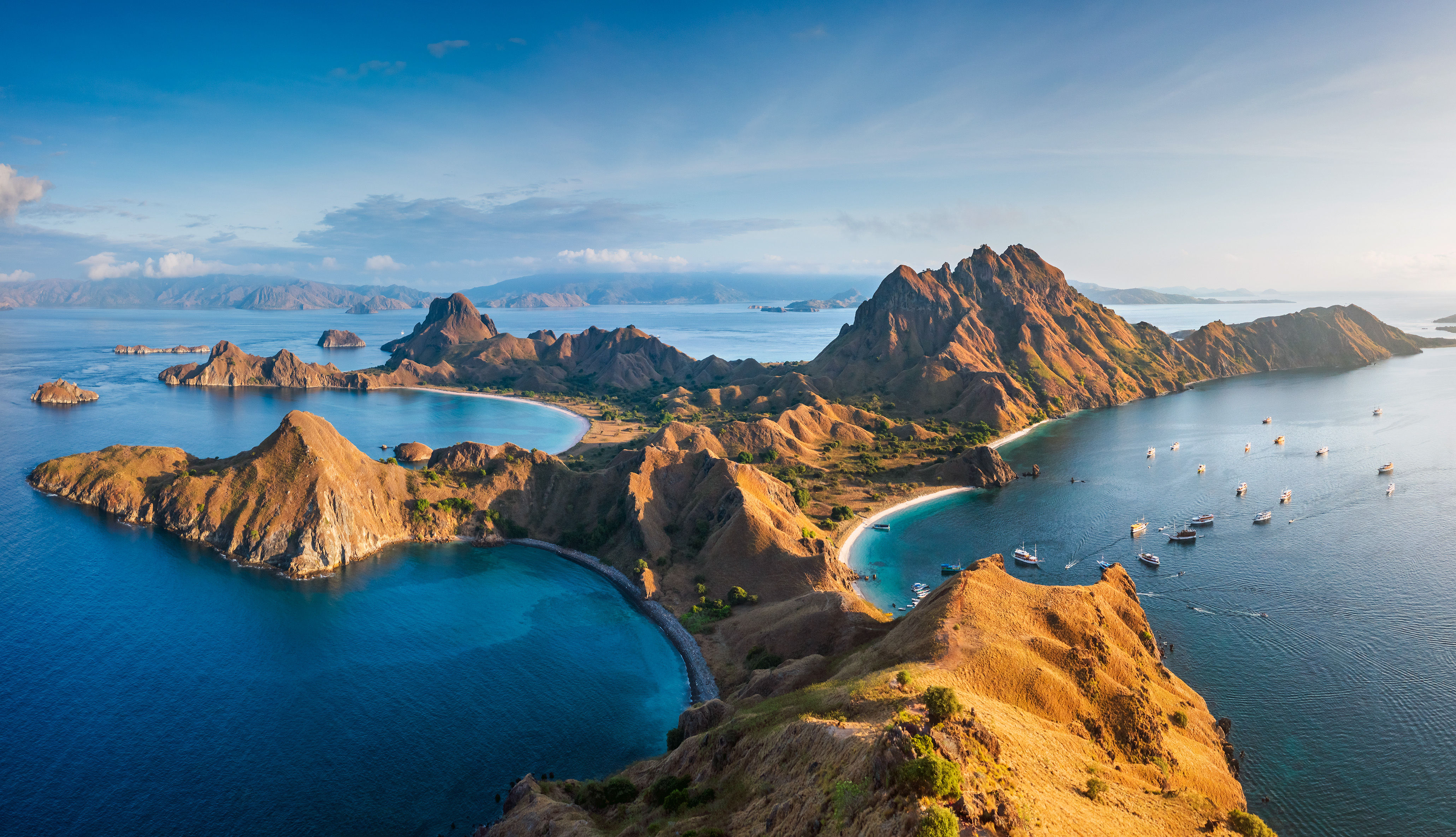
Komodo National Park is one of Indonesia’s most dramatic landscapes, a place of dry savanna hills, rugged coastlines, white and pink sand beaches, and blue water running over coral reefs. UNESCO describes the park as a landscape of striking contrasts, where arid islands meet some of the region's richest marine environments. For cruise travelers, that contrast is the essential appeal: one morning may begin on a dusty trail in dragon country and end with a snorkel over reef slopes alive with fish.
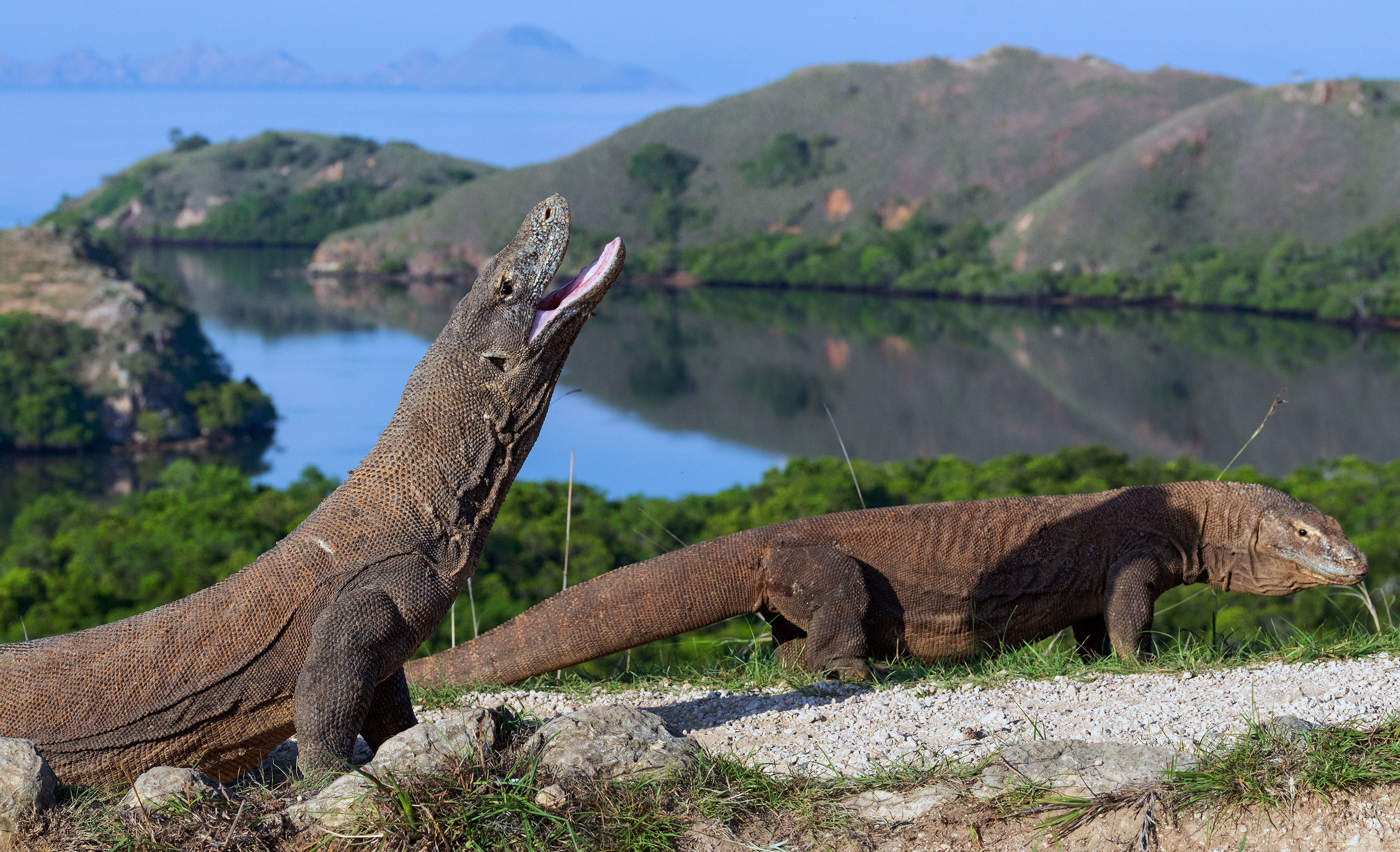
The Komodo dragon is the animal that gives the park its mythic pull. It is the world’s largest living lizard, a powerful monitor found naturally only in this part of Indonesia. Adults can grow to imposing lengths and move with an unsettling mixture of patience and speed. Their presence changes the mood of a walk. Even when a dragon is resting, the island feels charged.
A Komodo island cruise allows travelers to experience the park as a connected seascape rather than as a single stop. The islands are spread across waters shaped by strong currents, tides, and deep channels. Small ships and traditional-style vessels can thread between anchorages, offering access to ranger stations, beaches, viewpoints, snorkeling sites, and quieter corners of the national park that are difficult to appreciate on a rushed visit.
Where to See Komodo Dragons on a Komodo Island Tour
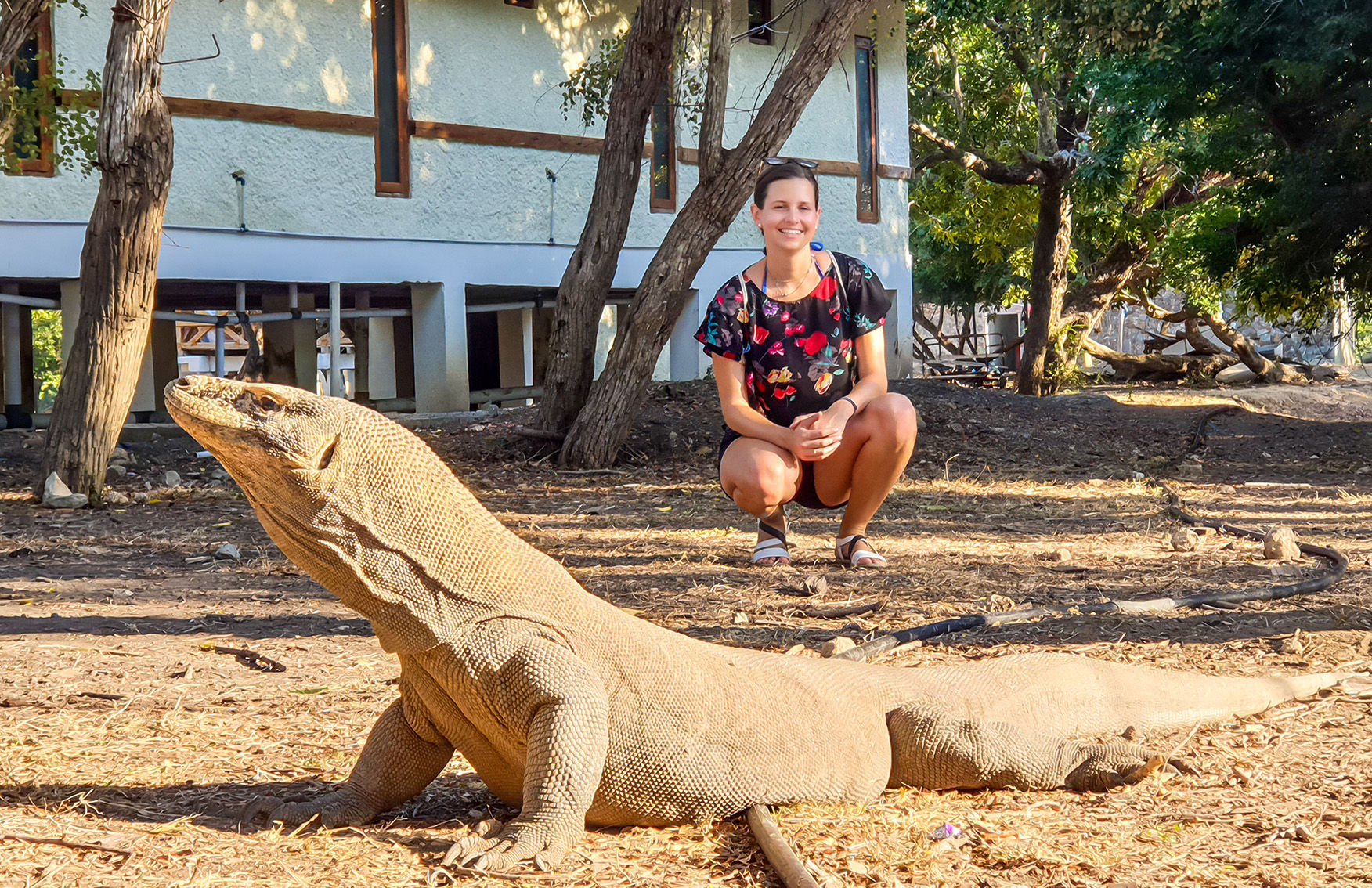
Most Komodo tour experiences focus on ranger-led walks on islands where dragons are known to live. Visitors should not expect to wander freely. Komodo dragons are wild predators, and sightings take place under the supervision of trained local rangers who understand the animals’ behavior and the safest routes through their habitat.
Komodo Island
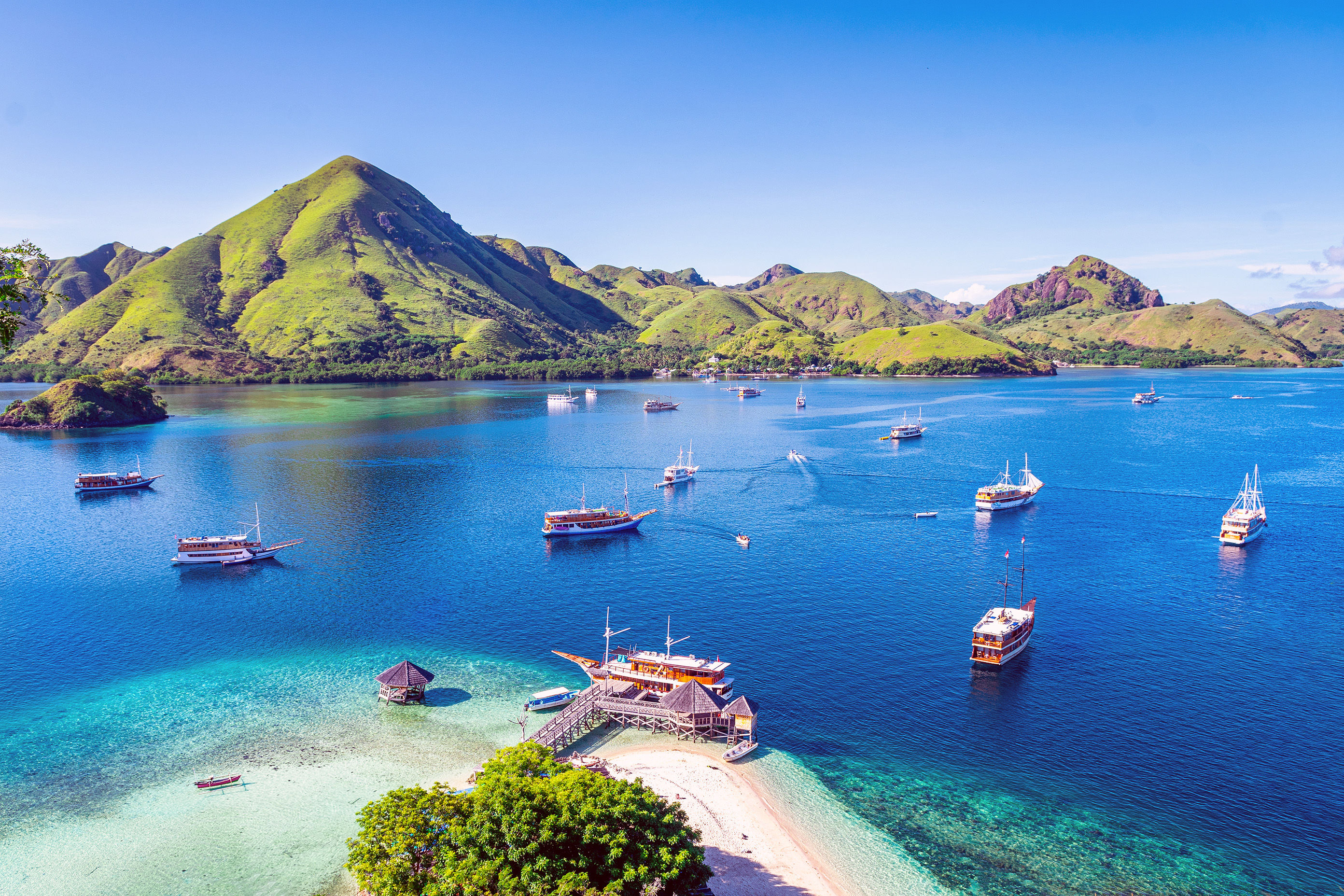
Komodo Island is the name that draws most travelers. It has the symbolic power of being the island most closely associated with the dragon, and it remains one of the key places to include on a Komodo island tour. Trails move through dry forest and open country, where dragons may be seen resting in the shade, moving between feeding areas, or lingering around ranger zones.
The island is more than a backdrop. Its dry ridges, dusty paths, and scattered trees help explain the animal itself. Komodo dragons are built for this environment: heat-tolerant, opportunistic, and alert to scent. A guided walk here is not a visit to a zoo. It is a controlled encounter in a habitat that still feels raw.
Choose a Komodo Boat Trip Instead of a Day Tour
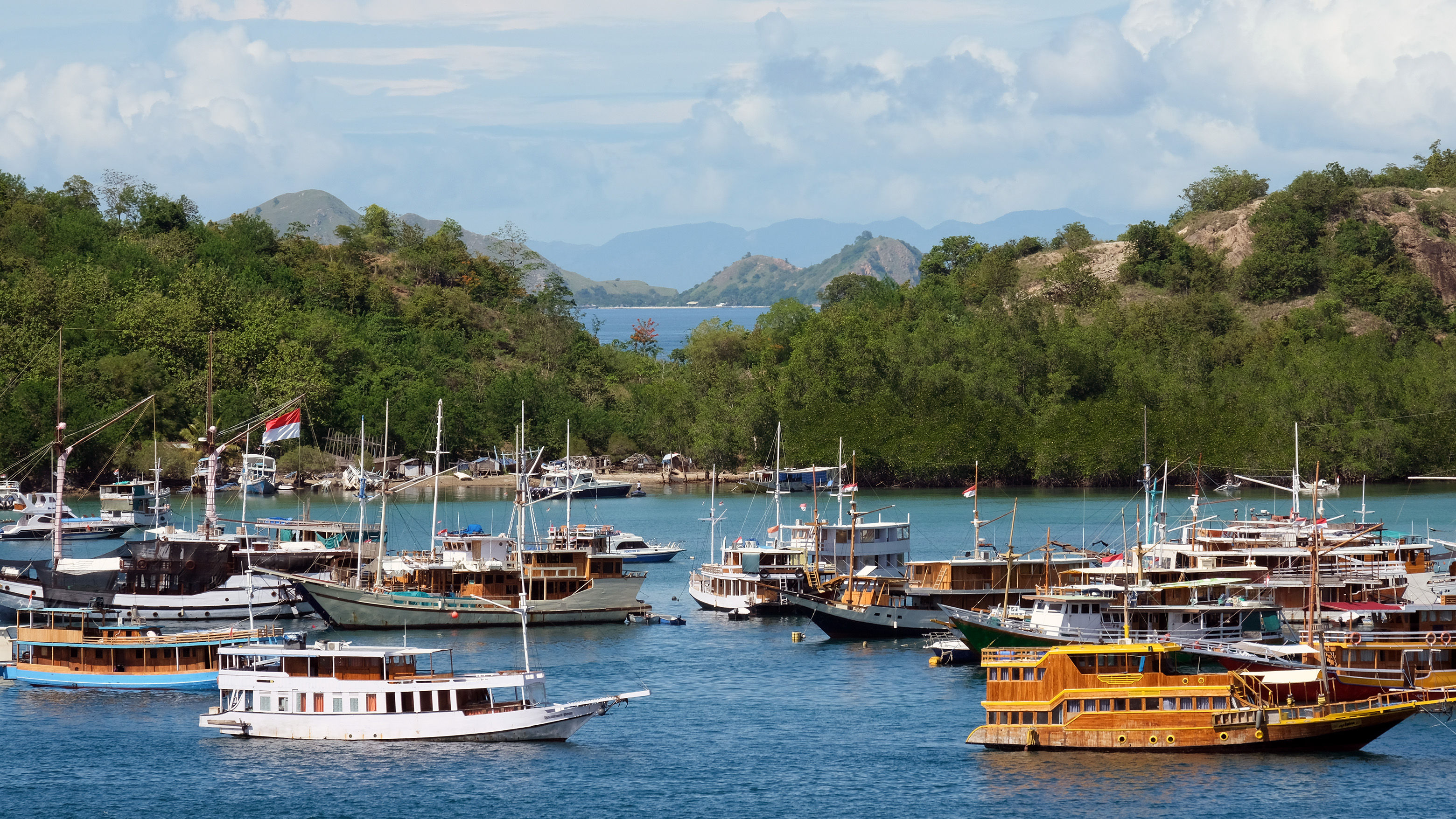
A day-based Komodo Island tour can work well for travelers short on time, especially those staying in Labuan Bajo. It may include a dragon walk, a viewpoint, and a snorkeling stop. But the experience can feel compressed. The national park is a place of weather, tides, heat, and distance; trying to fit it into a single day often means moving quickly through landscapes that deserve more attention.
A Komodo cruise offers a slower, more comprehensive way to experience the region. Instead of returning to shore each evening, travelers remain within the island world of the park. Dawn can be spent approaching a ranger station before the heat builds. Midday may bring snorkeling or time on deck as the ship moves between islands. Late afternoon can be reserved for beaches, viewpoints, or a quiet anchorage.
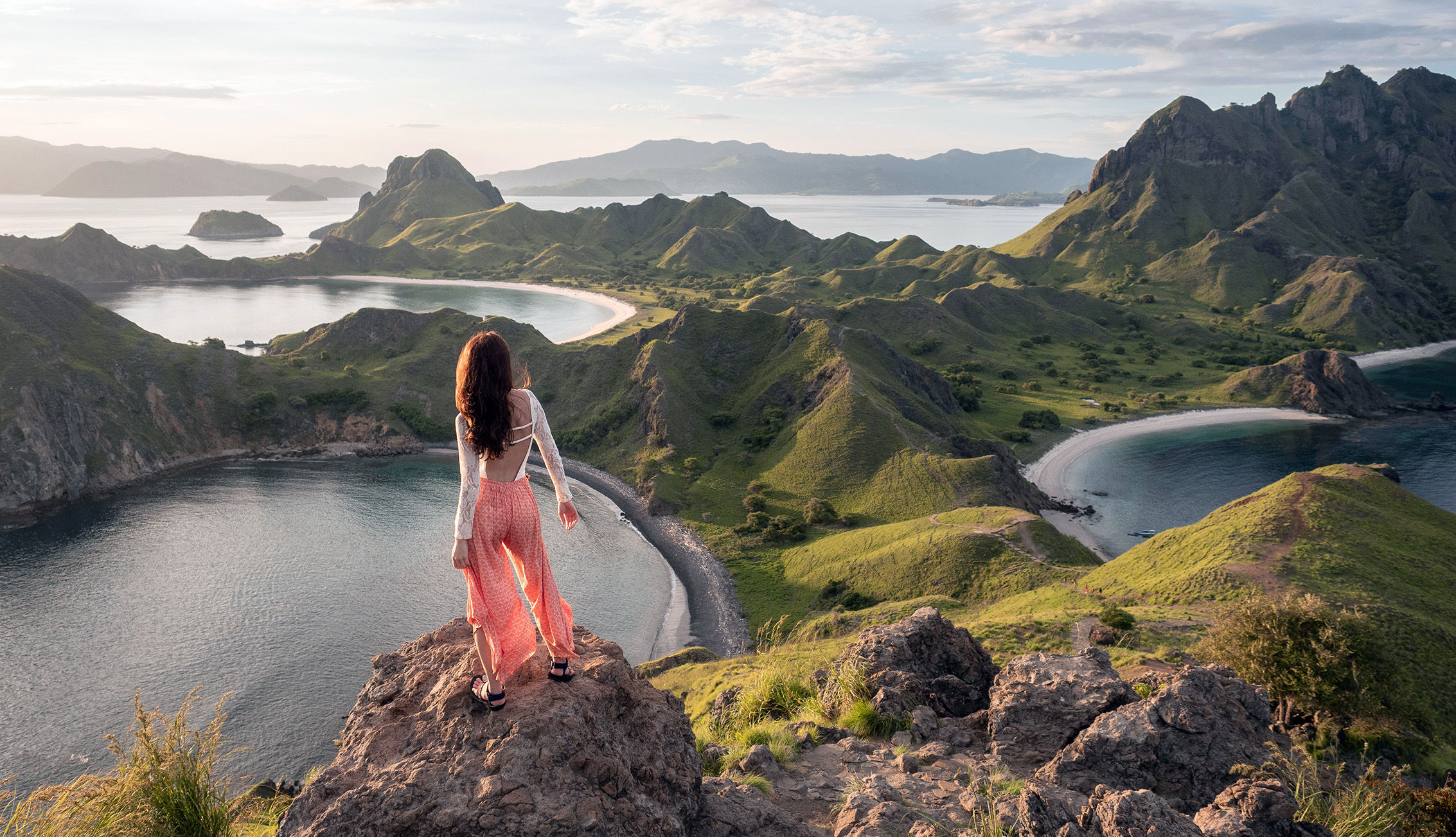
This is where a small ship has a real advantage. It turns the journey into part of the experience. The boat is not simply a means of transportation; it is the platform from which travelers read the landscape. From the deck, the dry ridges of Komodo and Rinca look less like isolated attractions and more like fragments of a larger, wilder archipelago.
For travelers searching for a Komodo island cruise, the most rewarding trips are often those that balance the dragon encounter with the park’s marine life. A good itinerary should leave space for ranger-led walks, snorkeling, swimming, viewpoints, and time to simply watch the islands pass.
Best Time to See Komodo Dragons on a Cruise
The best time to visit Komodo Island is generally during the dry season, which runs roughly from April to October. During these months, the weather is usually sunnier, trails are drier, and sea conditions are often better for cruising between islands. Several Komodo operators and travel sources identify April to October as the strongest overall window for dragon viewing, hiking, snorkeling, and small-ship travel in the park.
For travelers specifically researching the best time to see Komodo dragons on a cruise, early morning is usually the most rewarding time of day. Komodo dragons are ectothermic, meaning their body temperature is influenced by the surrounding environment. In the morning, they may be more visible as they warm themselves or move before the heat becomes too intense. Morning walks are also more comfortable for travelers, with softer light and less oppressive temperatures.
May to September is often considered the classic high season for a Komodo cruise, with dry weather and generally favorable sea conditions. July and August can be busier, while shoulder months such as April, May, September, and October may offer a strong balance of conditions and slightly lighter crowds.
The wet season, typically from around December to March, brings a different mood. The islands can appear greener, skies more dramatic, and visitor numbers lower. However, rain, humidity, rougher conditions, and reduced visibility can affect hikes, sailing comfort, and underwater experiences. For a first-time Komodo Island boat tour, the dry season remains the safer recommendation.
The Komodo Dragon: Lifecycle, Diet, and Survival
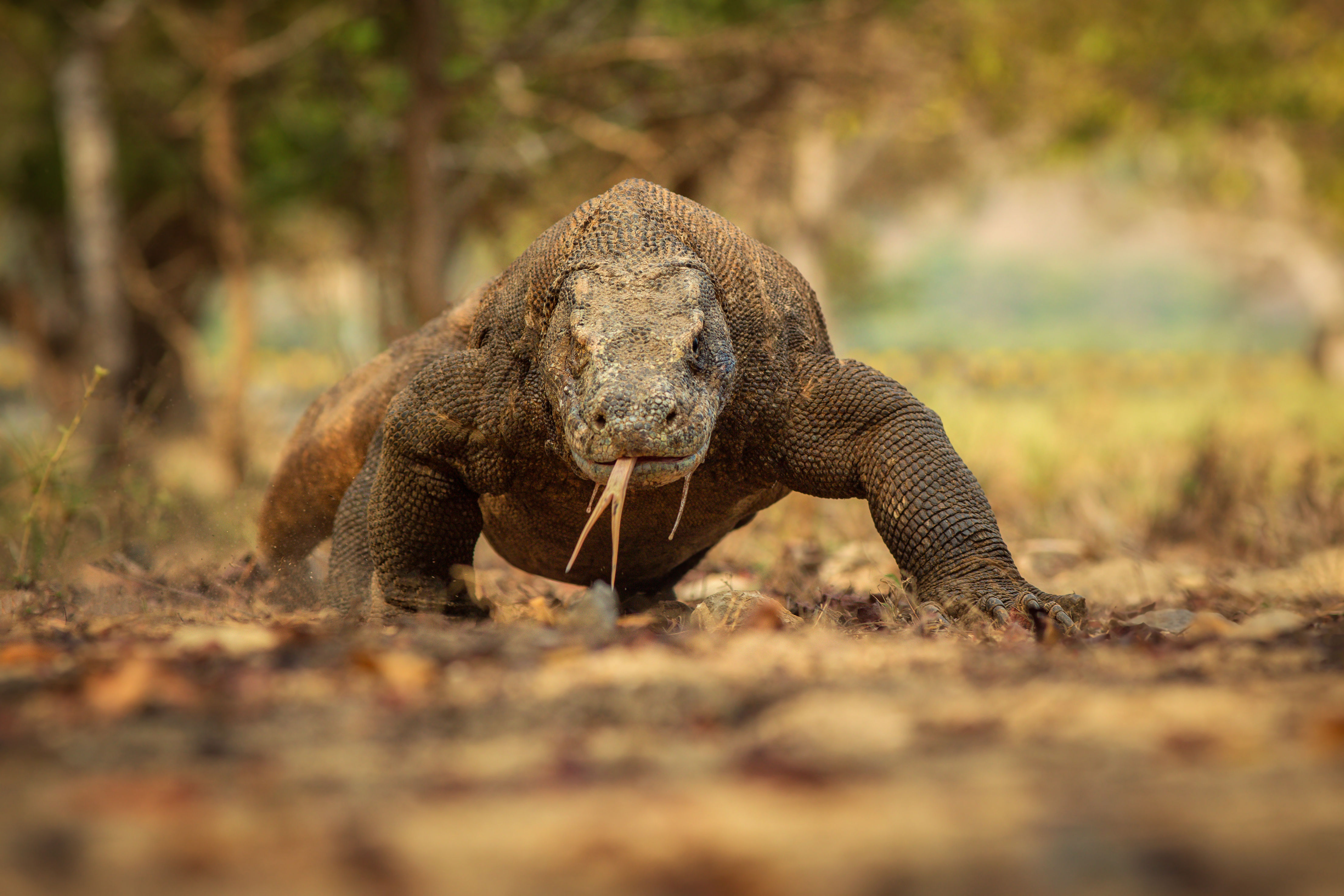
Part of the power of seeing a Komodo dragon in the wild comes from understanding what it has survived to become. These are not relics, even if they look ancient. They are highly adapted predators shaped by island scarcity, seasonal heat, and a food chain in which opportunity matters as much as strength.
Lifecycle
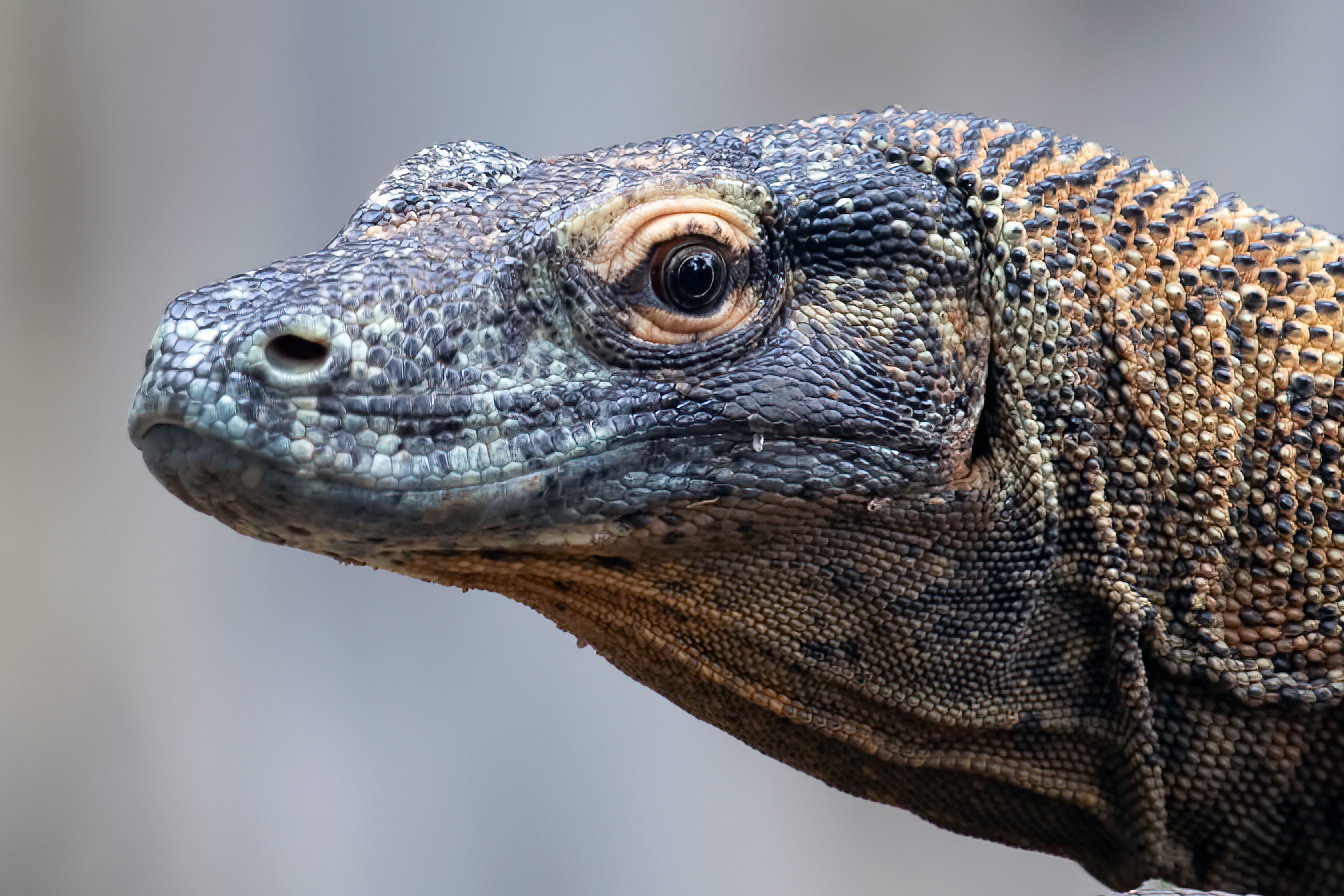
Komodo dragons begin life in eggs laid by females in burrows or nesting mounds. Once hatched, the young face danger almost immediately. Juvenile dragons spend much of their early life in trees, where they are safer from larger dragons and other predators. This arboreal phase is one of the most fascinating parts of the species’ lifecycle: the animal that later becomes a heavy ground-dwelling hunter begins as a small, vulnerable climber.
As they grow, young dragons gradually descend into the terrestrial world of adults. They become more powerful, more solitary, and more capable of hunting larger prey. Adult Komodo dragons are generally solitary animals, though several may gather around a carcass. Their growth is slow, and their survival depends on strength, timing, and an exceptional ability to detect food over long distances.
Diet
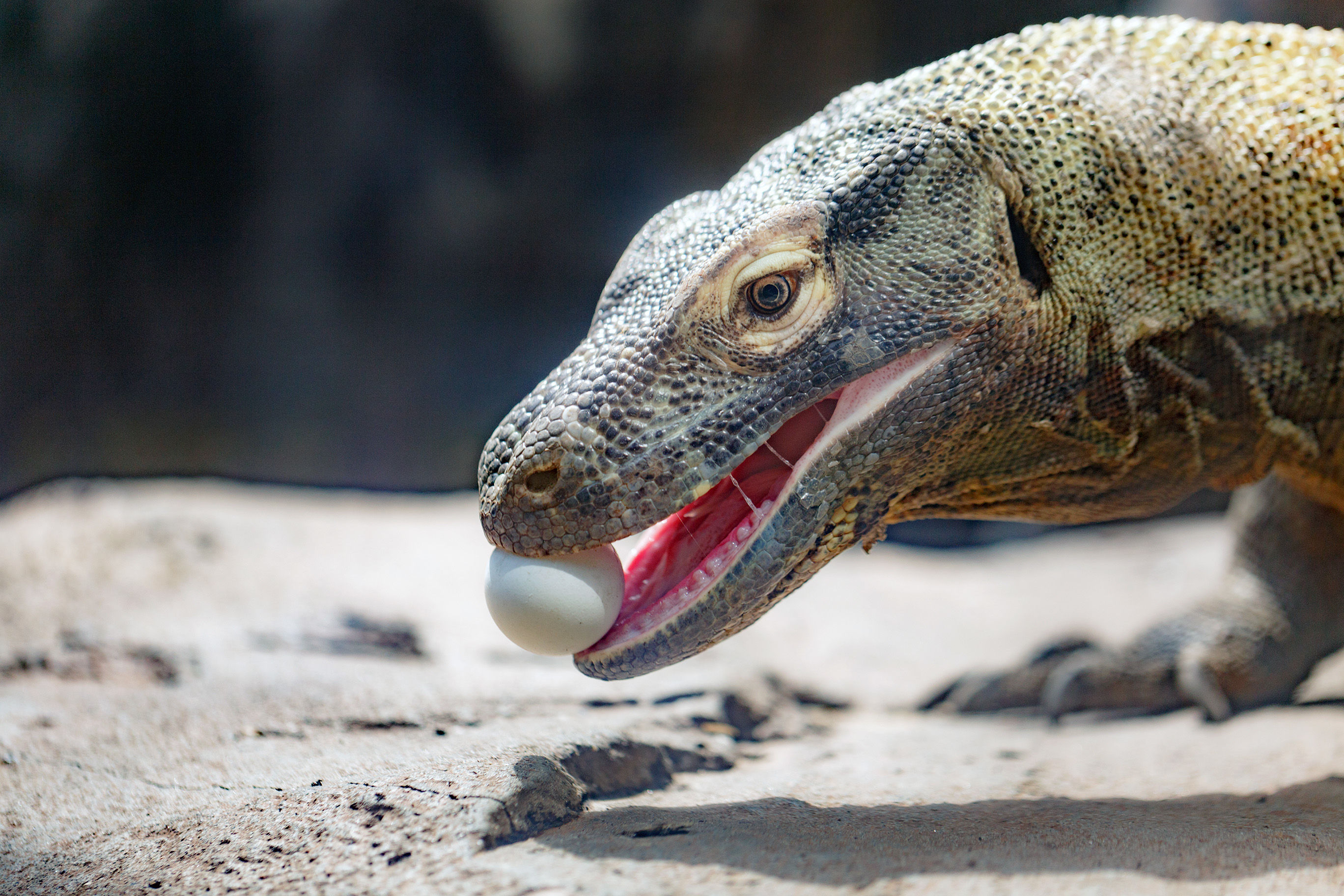
Komodo dragons are carnivores and scavengers. Their diet can include deer, wild pigs, water buffalo, smaller reptiles, birds, eggs, carrion, and sometimes other Komodo dragons. The Smithsonian’s National Zoo notes that Komodo dragons are highly efficient feeders and may consume bones, hooves, hide, and intestines, leaving relatively little of a carcass behind.
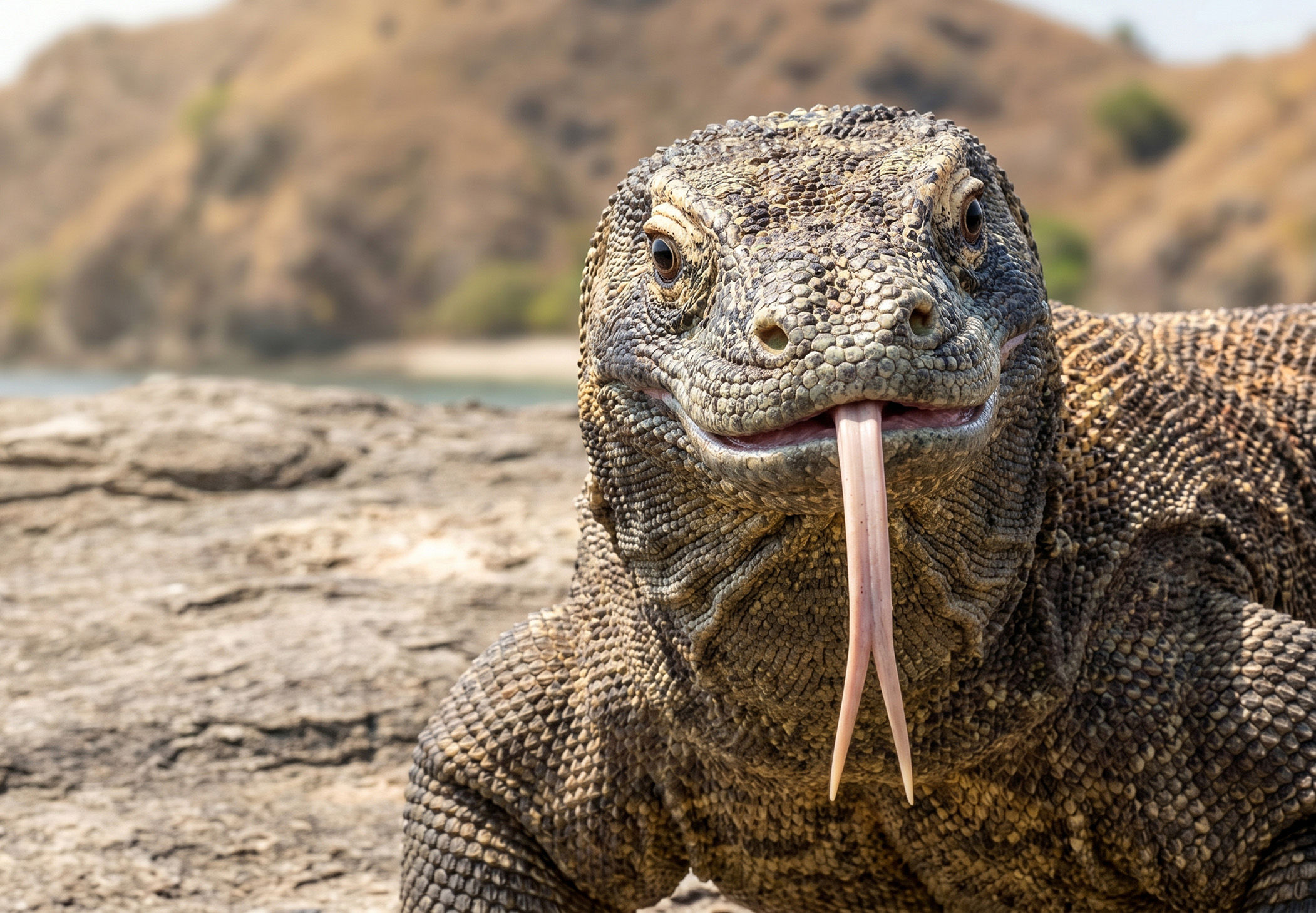
The dragon’s forked tongue is central to the way it hunts and scavenges. By flicking the tongue in and out, it gathers scent particles from the air and ground, then transfers them to a sensory organ in the roof of the mouth. This allows a Komodo dragon to track carrion or injured prey across the landscape.
Hunting Strategy
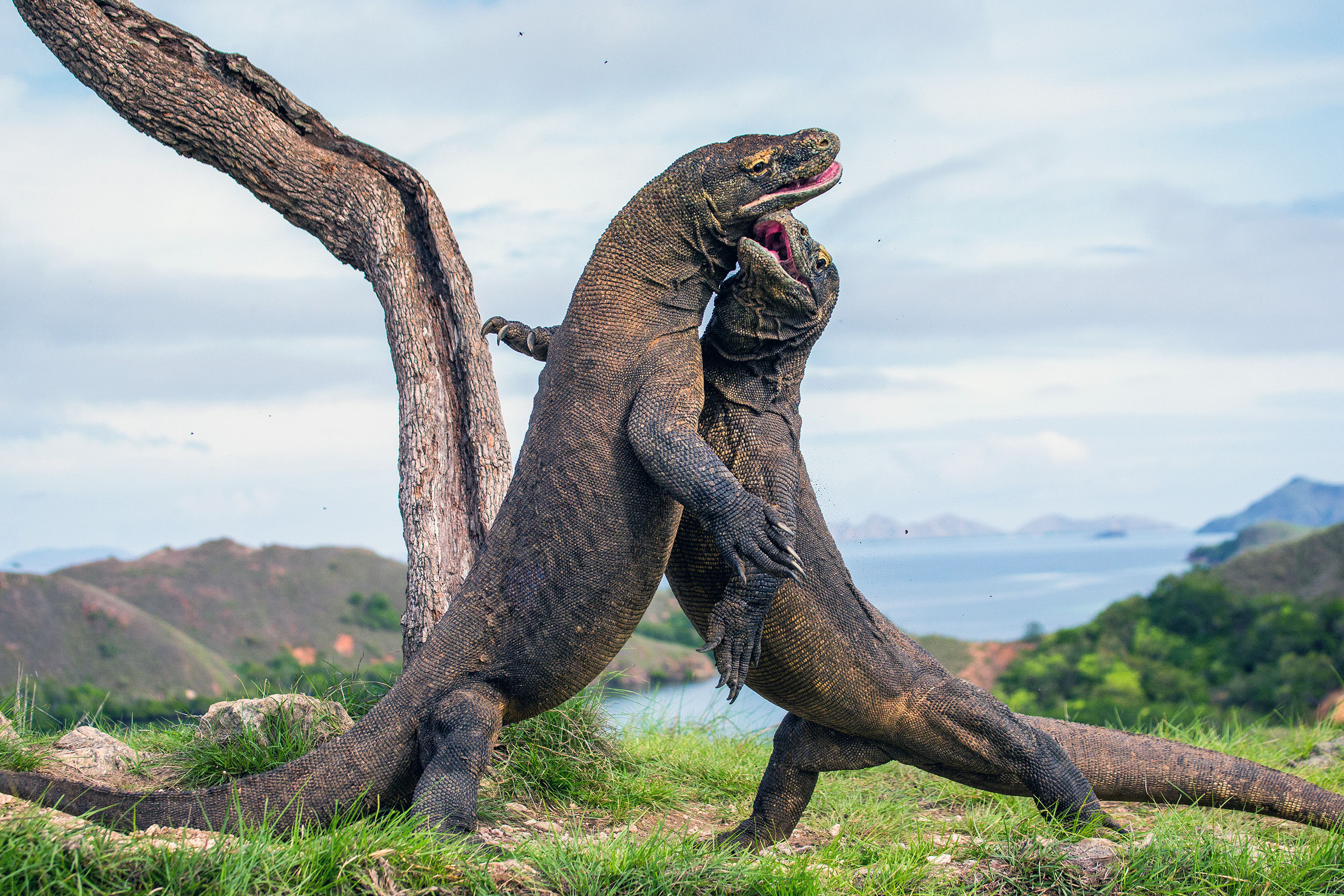
Komodo dragons are ambush predators. They may wait near trails, water sources, or places where prey animals pass. When the moment comes, they can lunge with surprising speed, using their powerful jaws and serrated teeth to inflict deep wounds. They do not need to behave dramatically to be dangerous. Their patience is part of their effectiveness.
Scientists have long debated the exact role of bacteria, venom-like compounds, blood loss, and shock in the effects of a Komodo dragon bite. San Diego Zoo notes that Komodo dragon saliva contains potentially harmful bacteria and that some research suggests venom-like properties, though the interpretation remains complex. What matters for travelers is simple: a bite is a medical emergency and should be treated with absolute seriousness.
Are Komodo Dragons Dangerous to Visitors?
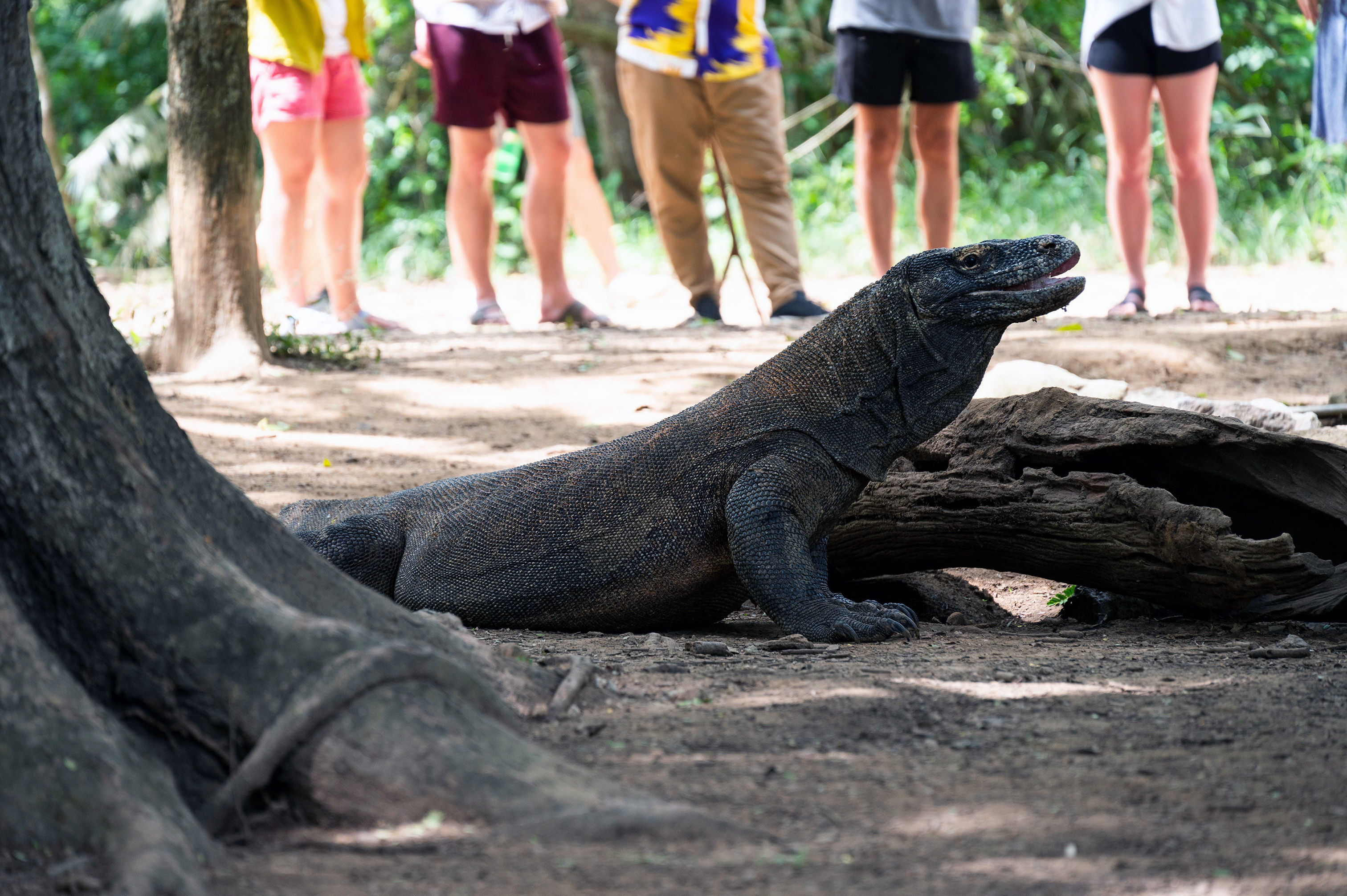
Yes — Komodo dragons are dangerous wild animals. That does not mean visitors should be afraid of a well-managed Komodo Island tour; they should be alert, respectful, and disciplined. The safest encounters happen with authorized rangers, established trails, and clear distance between people and animals.
A Komodo dragon bite can cause severe injury. The danger comes from the force of the bite, the teeth's tearing effect, blood loss, possible infection, and the physiological effects that researchers are still studying. Visitors should never treat dragons as slow, lazy, or predictable simply because they are lying still. A resting dragon can move quickly over short distances.
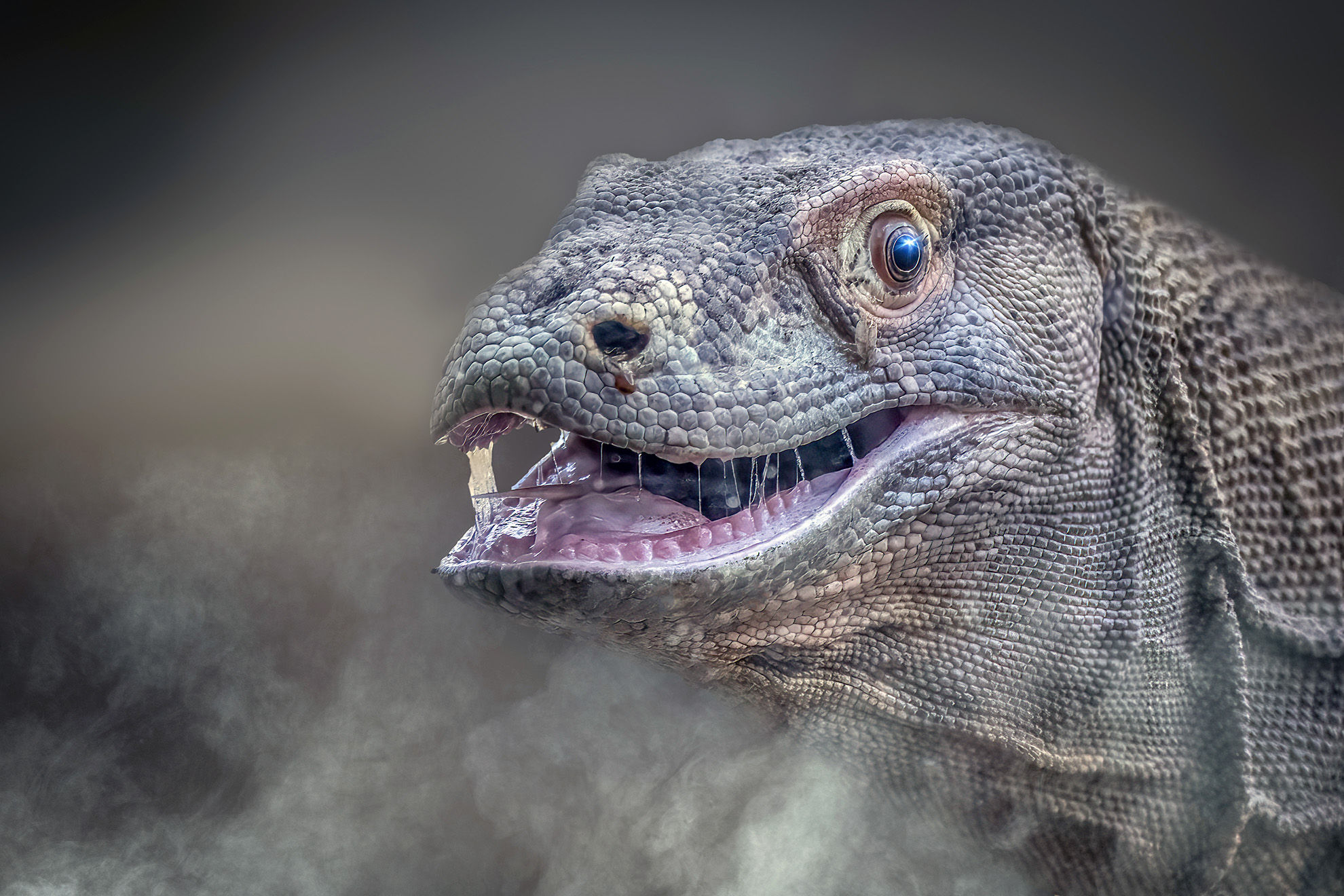
Basic safety rules are straightforward. Stay with the ranger. Do not walk ahead of the group. Do not attempt a close selfie. Do not crouch near a dragon for a lower photo angle. Do not run, shout, feed wildlife, or carry exposed food. If a ranger gives an instruction, follow it immediately.
Women who are menstruating are sometimes advised locally to tell rangers before a walk, because Komodo dragons have an acute sense of smell. Advice and procedures can vary, so travelers should follow the current guidance given by park staff and their cruise operator. The broader rule applies to everyone: disclose relevant concerns, stay with the guide, and do not improvise around wildlife.
Photographing Komodo Dragons Safely
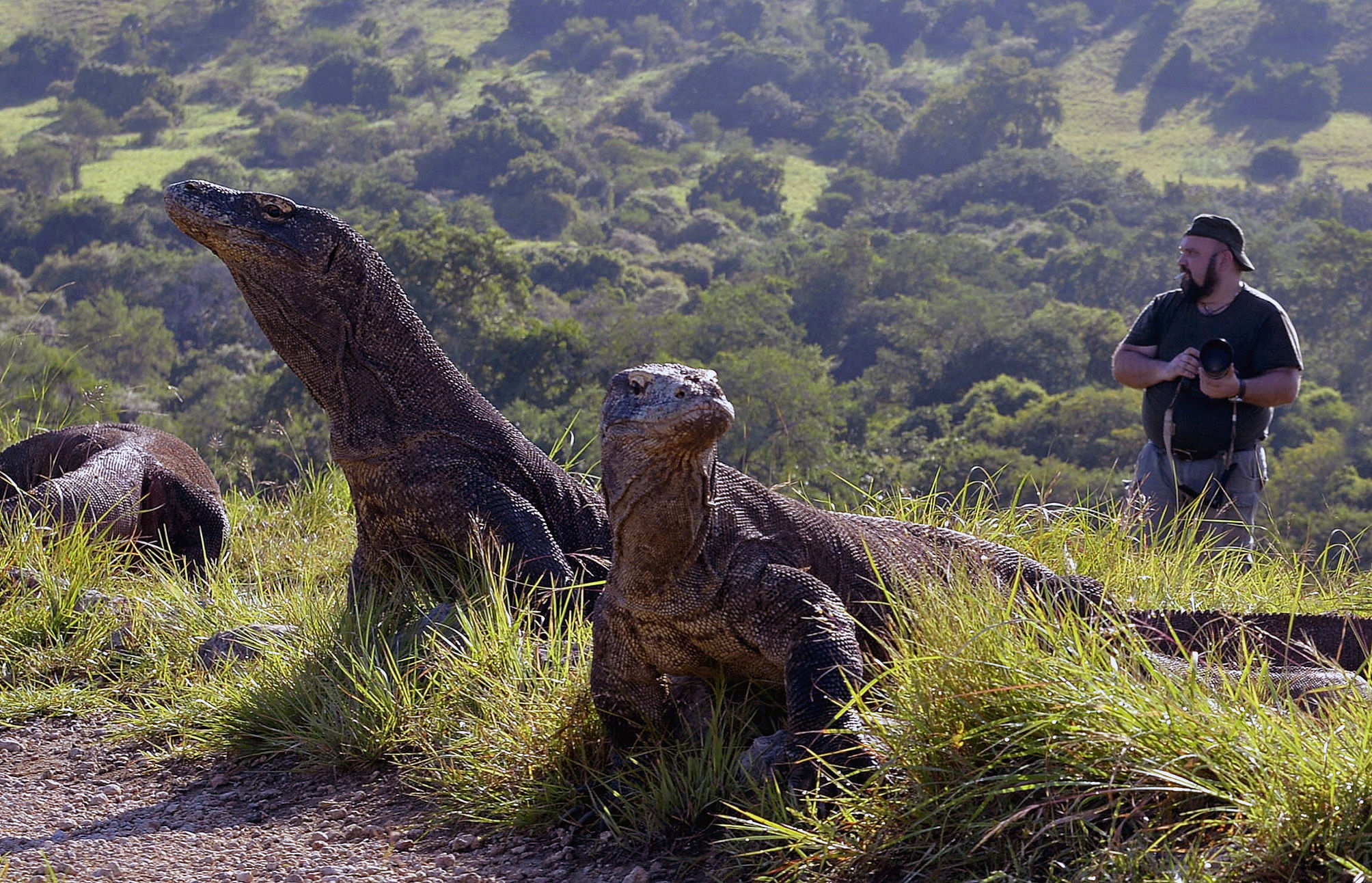
Komodo dragons are compelling photographic subjects because they seem to belong to another age: heavy claws, armored scales, muscular tails, and a head that looks almost sculpted from stone. But the best photographs are made without closing the distance.
A zoom lens is the safest and most respectful tool. It allows travelers to capture detail — the tongue, the eye, the texture of the skin — while remaining behind the ranger’s safe line. A longer lens also compresses the dry forest or savanna behind the animal, giving the image a sense of place without forcing the photographer closer.
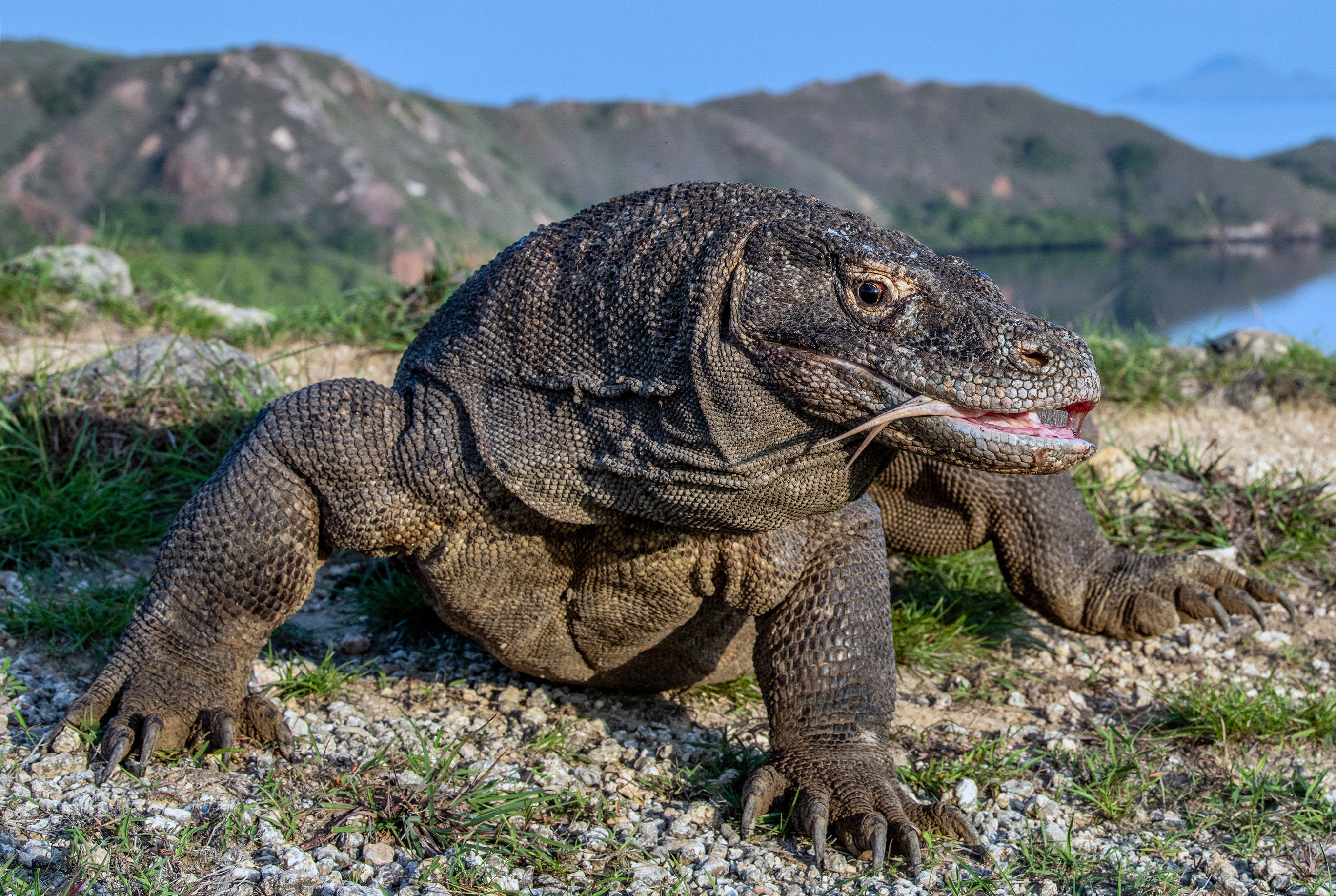
Early morning offers the best light and often the most comfortable walking conditions. Low-angle sun can bring out the warm tones of the island and the texture of the dragon’s scales. Rather than aiming only for tight portraits, include the landscape: a ranger in the background, a dusty trail, the slope of Rinca or Komodo rising behind the animal. These images tell the larger story of the encounter.
Never use food, noise, sudden movement, or group pressure to influence a dragon’s behavior. The goal is not to provoke action. It is to witness an apex predator with as little disturbance as possible.
Beyond the Dragons: What Else to See on a Komodo Island Cruise
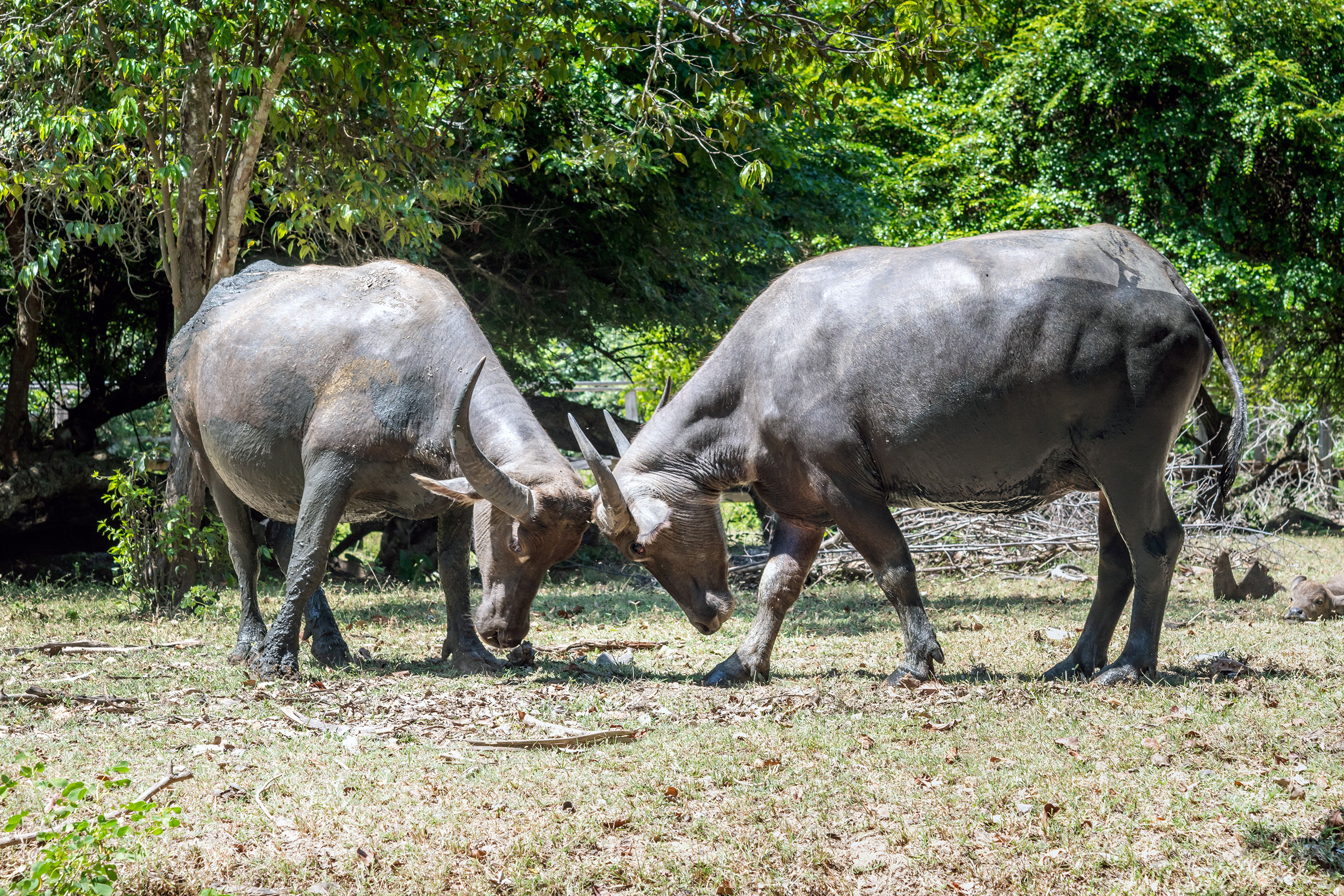
A strong Komodo Island cruise does not end with the dragon walk. The surrounding national park is one of the reasons small-ship travel works so well here. The same journey that brings travelers to Komodo and Rinca can also include reef snorkeling, manta ray sites, beaches, island hikes, and anchorages where the sky turns rose-colored over dry volcanic ridges.
Padar Island is often the great scenic pause of a Komodo boat trip. From its viewpoint, travelers look down on a coastline arranged almost theatrically: bays of different colors, steep slopes, narrow beaches, and water shifting from turquoise to deep blue. It is one of the places where the park's geography becomes legible.
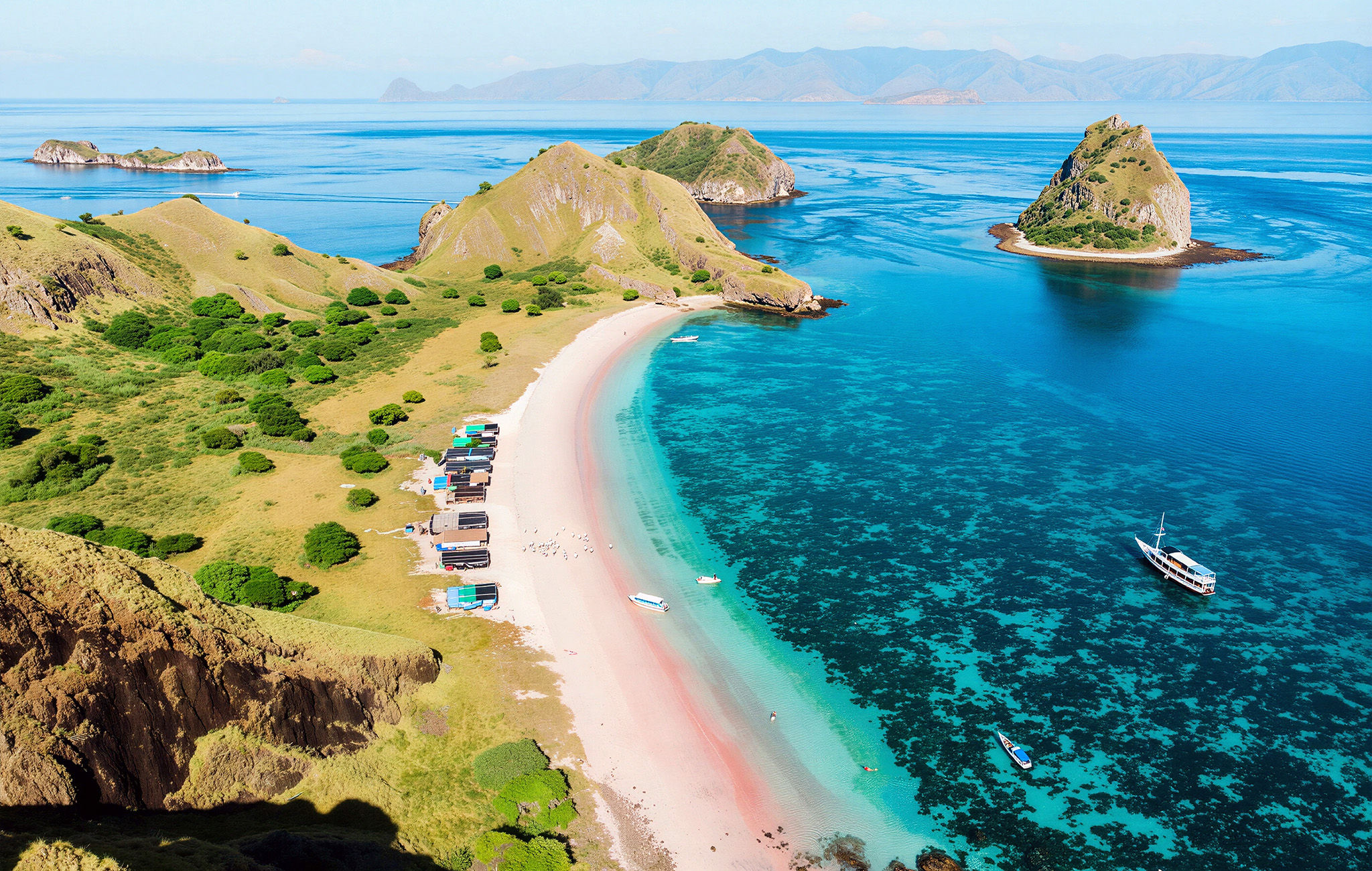
Pink Beach adds another layer of color. Its blush tone comes from fragments of red coral mixed with white sand, and many itineraries combine a beach landing with snorkeling nearby. Beneath the surface, reefs support a bright cast of tropical fish, corals, turtles, and other marine life.
Manta rays are another major reason travelers choose a Komodo cruise. Depending on the season, currents, and conditions, snorkelers and divers may encounter mantas at cleaning stations or feeding areas. These moments are never guaranteed, but they are part of the wider promise of Komodo: a journey where land-based wildlife and marine life belong to the same expedition.
How to Visit Komodo Responsibly
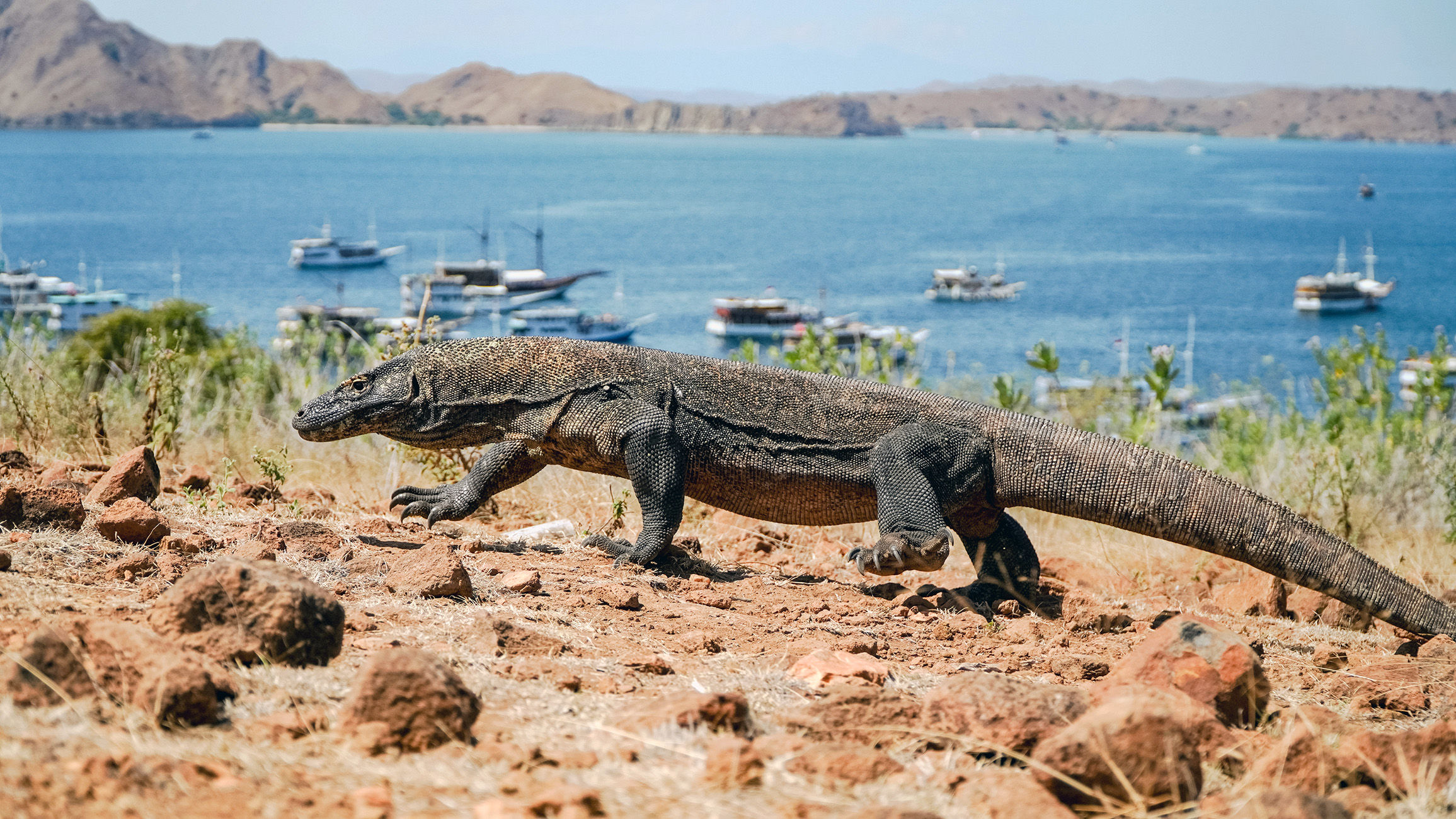
Komodo National Park is not a theme park with dragons. It is a protected landscape where tourism, conservation, local livelihoods, and fragile ecosystems meet. Responsible travel begins with choosing licensed operators who follow park regulations and work with authorized rangers.
On land, stay on marked trails, keep the required distance from wildlife, and never feed animals. Feeding changes behavior, increases risk, and undermines the wildness that travelers have come to see. At sea, avoid touching coral, chasing marine life, or leaving waste behind. The health of the reef is part of the same conservation story as the protection of the dragons.
Travelers should also be realistic about their own impact. Komodo’s popularity has grown, and the most famous sites can feel busy in peak months. A well-planned small-ship cruise can help spread the experience across different times of day and different locations, but it should not turn remoteness into entitlement. The privilege is access, not ownership.
Entering the Dragon’s World by Sea
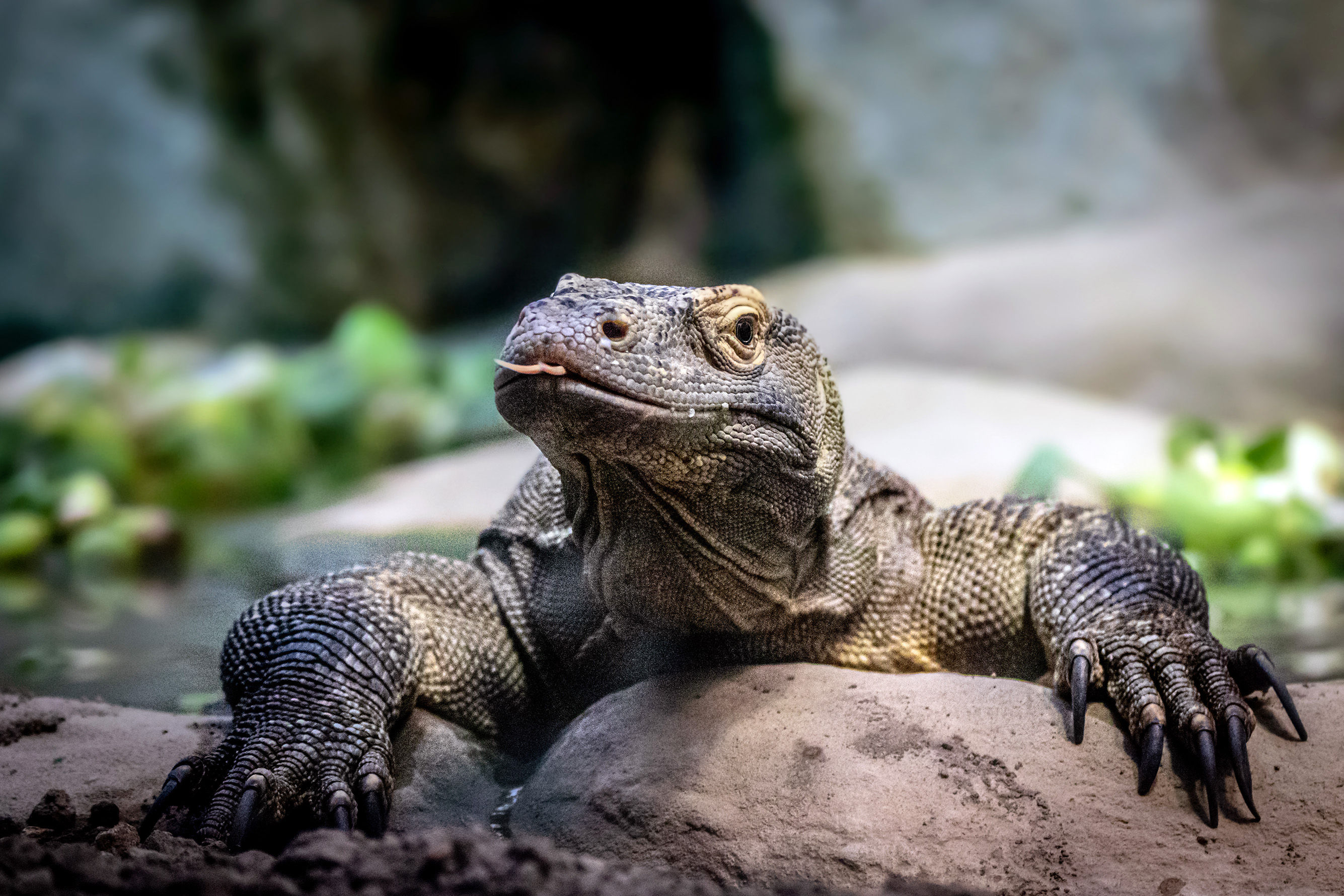
There are wildlife encounters that feel like sightings, and others that feel like thresholds. Seeing a Komodo dragon belongs to the second kind. The animal is impressive, but the setting is what makes the moment endure: the heat, the dry grass, the ranger’s quiet instructions, the ship waiting offshore, the knowledge that this creature survives only in a small corner of the world.
A Komodo island tour may bring you face-to-face with the dragon, but a Komodo cruise gives the encounter context. It lets the islands unfold slowly — Komodo, Rinca, Padar, the reefs, the beaches, the blue channels between them. By the time a dragon appears on the trail, it no longer feels like an isolated attraction. It feels like the rightful ruler of a wild and astonishing archipelago.
This article was developed with AI assistance and reviewed and edited for accuracy, quality, and relevance.