Antarctica: Exploring the Last Great Wilderness by Small Ship
Remote, elemental, and profoundly humbling, Antarctica stands apart as one of the planet’s most compelling small-ship cruise destinations. In this place, ice, ocean, and wildlife shape an experience found nowhere else on Earth. From the penguin-rich shores of the Antarctic Peninsula to the wind-lashed outposts of the South Shetland Islands, expedition cruises reveal a continent defined not by borders, but by scale, silence, and survival.
Antarctica as a Small-Ship Cruise Destination

Antarctica is not a place that yields easily to mass tourism. Its vast distances, volatile seas, and fragile ecosystems demand a form of travel that is measured, respectful, and adaptable—qualities that lie at the heart of small-ship cruising. Purpose-built expedition vessels, typically carrying fewer than 200 guests, are uniquely suited to navigate this polar frontier, threading through ice-choked channels and anchoring in remote bays inaccessible to larger ships.
Geography alone explains much of the appeal. The Antarctic Peninsula, stretching north toward South America, offers the most approachable gateway, yet even here the scale is immense. Glaciers calve into cobalt waters, mountain ranges rise abruptly from the sea, and drifting ice reshapes the landscape daily. Small ships can linger in sheltered coves, adjust routes in response to weather and wildlife, and seize fleeting opportunities—an orca pod passing the bow, a break in the ice revealing a hidden landing site.
Unlike conventional cruising, Antarctica offers no ports in the traditional sense. There are no towns to browse or cafés to linger in. Instead, cultural immersion comes through human history and scientific presence: abandoned whaling stations, research bases flying international flags, and the stories of explorers who first charted these waters. Visiting these places in small groups preserves their solemnity and minimizes environmental impact, aligning with strict Antarctic Treaty regulations.
The onboard experience mirrors the destination itself—focused, educational, and deeply immersive. Expedition teams often include glaciologists, marine biologists, ornithologists, and polar historians who transform each landing and zodiac cruise into a living classroom. Meals may feature sustainably sourced seafood and warming regional dishes inspired by the voyage’s southern latitudes, while daily briefings foster a sense of shared purpose rather than passive sightseeing.
Most Antarctica cruises last 10 to 12 days, though extended itineraries of 20 to 30 days may incorporate sub-Antarctic islands or more profound exploration of the Weddell Sea. The majority of voyages depart from Ushuaia, the world’s southernmost city, crossing the storied Drake Passage. Some longer routes include the wildlife-rich Falkland Islands, weaving together multiple ecosystems in a single journey.
The Best Time to Cruise Antarctica
Antarctica’s cruise season is short and intense, confined to the austral summer from late October to March. During these months, retreating sea ice and extended daylight make exploration possible, while each phase of the season reveals a different face of the continent.
Early season (late October to November) brings pristine landscapes, with snow-covered mountains and freshly formed ice sculpting a dramatic, untouched world. Wildlife activity is just beginning: penguins return to nesting sites, seals haul out onto ice floes, and the continent feels newly awakened after months of darkness. This period offers fewer ships and a heightened sense of discovery, though temperatures remain cold and landings may involve deeper snow.
Peak season (December to January) coincides with Antarctica’s warmest weather and longest days, often exceeding 20 hours of daylight. These conditions allow for more frequent landings and longer excursions ashore. Penguin colonies are at their busiest, with chicks hatching and adults commuting tirelessly between nest and sea. Sea ice reaches its minimum extent, opening access to more remote channels and bays. Unsurprisingly, this is also the most popular and most crowded period, with higher demand for berths.
Late season (February to March) is favored by wildlife enthusiasts, particularly those hoping to see whales. As penguin chicks fledge and seals become more visible, humpbacks, minkes, and orcas congregate in nutrient-rich waters. The ice begins its slow return, and the light softens into dramatic autumn hues. While temperatures are cooler and the weather more unpredictable, the sense of wilderness deepens as the season draws to a close.
For small-ship cruising, the optimal window often lies at the margins of peak season—November and February—when conditions remain favorable but crowds thin, and the experience feels more intimate.
Activities and Landmarks in Antarctica
An Antarctic expedition is defined less by fixed landmarks than by experiences shaped by ice, weather, and wildlife. Each day unfolds differently, guided by conditions rather than schedules, fostering a spirit of exploration reminiscent of the continent’s earliest visitors.

Zodiac landings are central to most itineraries, ferrying passengers ashore to walk among penguin colonies, traverse pebbled beaches, or stand quietly before towering ice cliffs. These landings may reveal historic sites such as weathered huts from the Heroic Age of exploration, preserved by the cold and imbued with stories of endurance and ambition.
While Antarctica has no UNESCO World Heritage Sites, its entire landmass is protected under international agreement, making every visit a lesson in conservation. The continent’s natural features—icebergs sculpted into arches and spires, volcanic beaches dusted with ash, and mirror-still bays reflecting snow-capped peaks—are landmarks in their own right.
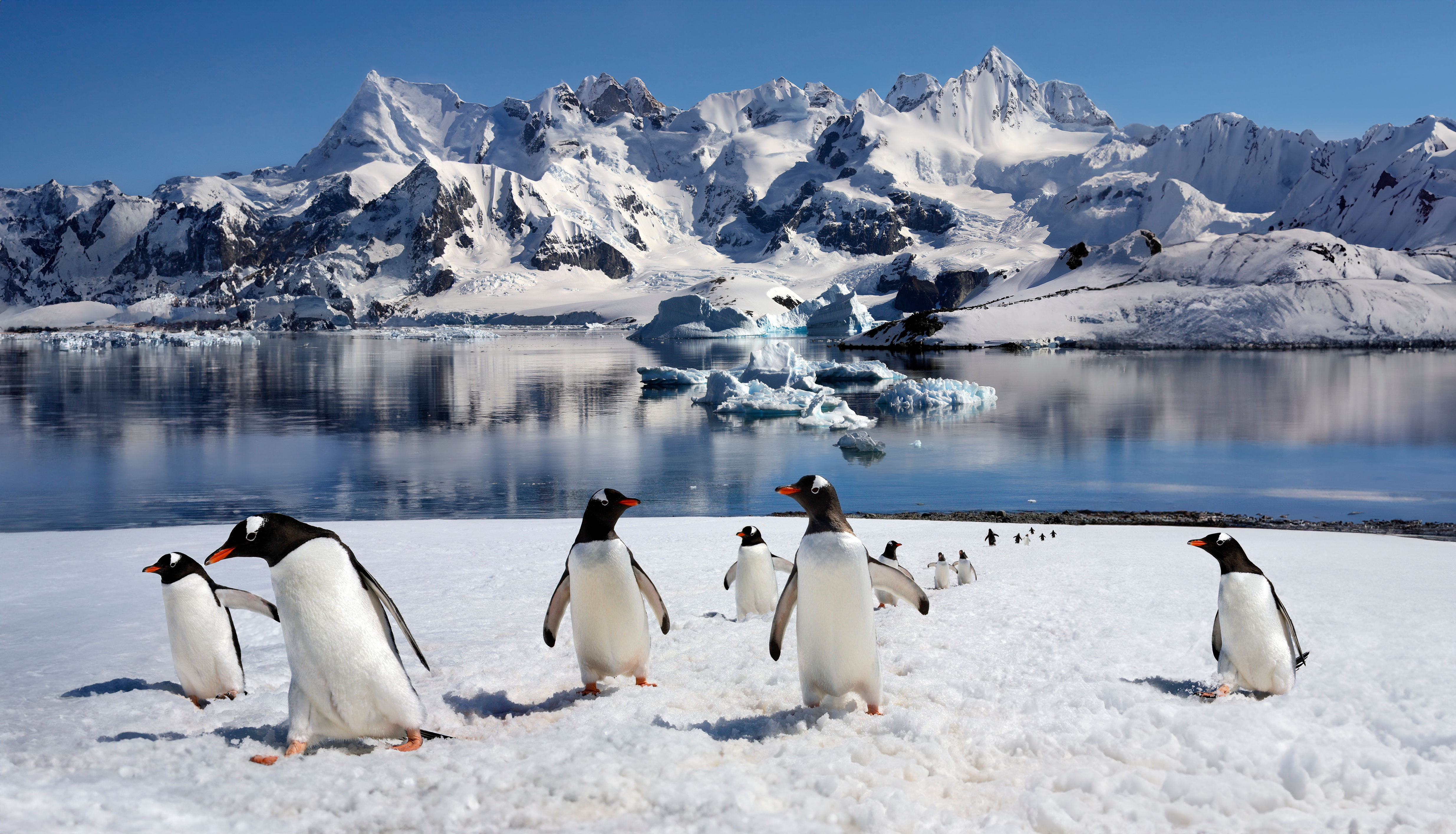
Onboard activities often include lectures, photography workshops, and informal discussions with the expedition team, enriching each landing with scientific and historical context. Kayaking excursions, offered on select voyages, provide a silent, water-level perspective among brash ice and curious seals, while snowshoeing and short hikes allow for deeper engagement with the terrain.
What Can Be Seen On an Expedition Cruise in Antarctica
Antarctica’s story is written in ice and sea, yet traces of human endeavor endure along its fringes. Early 19th-century sealers and whalers left behind rusting relics and abandoned stations, stark reminders of an era when the continent was viewed primarily as a resource to be exploited. The Heroic Age of Antarctic Exploration followed, defined by figures such as Ernest Shackleton, whose expeditions embodied human resilience in the face of overwhelming odds.

Today, research stations from around the world dot the coastline, symbols of international cooperation and scientific curiosity. Visiting these outposts offers insight into contemporary Antarctic life—how scientists study climate, wildlife, and geology in one of Earth’s most extreme environments.
Wildlife, however, remains the continent’s most compelling presence. Several species of penguins—gentoo, chinstrap, and Adélie—dominate the coastal zones, their colonies alive with sound and motion. Seals lounge on ice floes or patrol the shallows, while whales breach and feed offshore, drawn by krill-rich waters.
Though vegetation is sparse, limited to mosses and lichens clinging to exposed rock, these hardy plants underscore Antarctica’s resilience. The surrounding Southern Ocean, by contrast, teems with life, forming one of the planet’s most productive marine ecosystems and playing a crucial role in regulating global climate.
Top Places to Visit on an Adventure Cruise in Antarctica
While conditions shape every expedition, specific destinations consistently rank among Antarctica’s most rewarding stops, each offering a distinct perspective on the continent’s character.
- Antarctic Peninsula – The heart of most itineraries, featuring dramatic mountain scenery, expansive glaciers, and dense wildlife concentrations.
- South Shetland Islands – Volcanic landscapes, historic whaling sites, and accessible penguin colonies provide a powerful introduction to Antarctica.
- Deception Island – A flooded volcanic caldera where ships sail into a natural harbor, revealing steaming beaches and abandoned research stations.
- Paradise Bay – Known for its calm waters and soaring ice cliffs, it is ideal for zodiac cruising and photography.
- Lemaire Channel – A narrow, iceberg-filled passage often cited as one of the most scenic waterways on Earth.
For those considering their first journey south, exploring available Antarctic cruises gives a sense of the diverse routes and expedition styles available.
Journey Beyond the Edge of the Map
To cruise Antarctica by small ship is to enter a realm where time slows and perspective shifts. The absence of human noise, the vastness of ice and sea, and the intimacy of expedition travel combine to create an experience that is as introspective as it is awe-inspiring.
More than a destination, Antarctica is a reminder of Earth’s raw power and fragile balance. Small-ship cruising offers a way to engage with this wilderness thoughtfully—up close, unhurried, and deeply informed. For travelers drawn to the edges of the map and the stories written there, the White Continent remains an enduring call to explore, reflect, and protect.