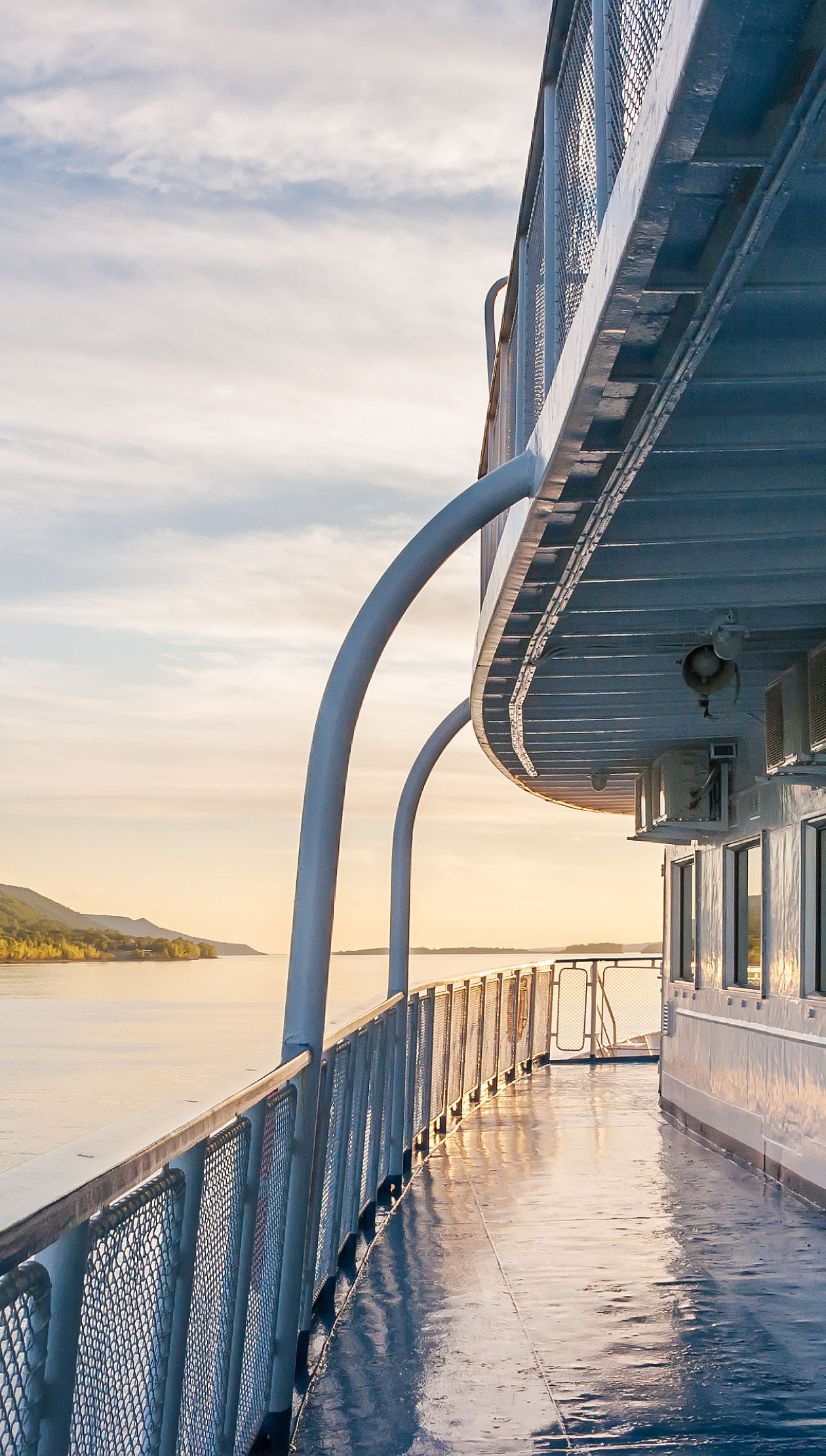
Cruising the Padma River from Mawa
The Padma River is one of the defining waterways of Bangladesh. Near Mawa, it spreads into a powerful expanse of shifting currents, temporary islands, open channels, and cultivated banks. The river changes with the seasons, making every journey slightly different. Water levels rise during the wetter months, while the drier season may reveal wide sandbanks and quieter side channels.
Short cruises commonly remain close to Mawa, Shimulia, Louhajang, and the Padma Bridge. Longer itineraries can continue through connected rivers toward historic towns, commercial ports, rural communities, and the great delta landscapes of southern Bangladesh. These extended routes demonstrate that the Padma is part of a much larger network of waterways linking central Bangladesh to Khulna, Mongla, and the Sundarbans.
Shimulia River Terminal
Shimulia is a common starting point for local sightseeing cruises. Boats leave the riverbank and quickly enter the open waters of the Padma, creating a dramatic transition from the terminal's activity to the river's scale. Cruises may include lunch, refreshments, sunset views, or a passage beneath the Padma Bridge. The terminal is also a useful place to observe passenger boats, fishing craft, and the practical rhythms of river transportation.
Louhajang
Louhajang offers a more local perspective on the Mawa region. Its river landscape includes fishing areas, cultivated banks, small settlements, and channels shaped by seasonal water movement. Excursions may introduce guests to riverside markets, agricultural communities, and traditional livelihoods. The pace is quieter than at the main terminal, making this part of the cruise especially rewarding for photographers and travelers interested in daily life.
Padma Bridge
The Padma Bridge is the visual centerpiece of most Mawa cruises. Seen from the river, its long structure appears to stretch almost endlessly across the water. Passing near or beneath the bridge reveals its immense scale, from the supporting pillars to the traffic moving high above the river. The experience combines engineering, landscape, and modern history, particularly when a guide explains how the bridge changed connections between central and southwestern Bangladesh.
Zajira
On the Mawa side of the river, Zajira introduces travelers to the Padma's southern bank. The surrounding scenery includes open fields, developing transport links, rural communities, and broad views back toward the bridge. Depending on the itinerary and local conditions, a cruise may pause near the bank or combine the river journey with an overland visit. Zajira helps illustrate how communities on both sides of the Padma have been transformed by new connections.
Goalundo
Goalundo has long been associated with river travel and the meeting of major waterways. Historically important as a transport junction, it evokes an era when steamers, ferries, and rail connections carried passengers across Bengal. Longer Padma itineraries may include the surrounding river country as part of a journey focused on transport history, trade, and the development of settlements along the water.
Rajbari
Rajbari provides access to agricultural landscapes and communities influenced by nearby rivers. A cruise extension through this region may include village walks, markets, historic buildings, and conversations about farming in a floodplain environment. The scenery is typically green and open, with rice fields, fishing areas, and small boats moving through secondary channels. It offers a valuable contrast to the Padma Bridge's scale and modernity.
Faridpur River Country
The waterways around Faridpur reveal a landscape shaped by agriculture, seasonal flooding, and trade. Although the city itself may be reached through connected channels and overland excursions, it is a natural addition to longer journeys through central Bangladesh. Guests may visit markets, artisan communities, and rural areas where jute, rice, fish, and vegetables support the local economy.
Chandpur Confluence
Chandpur lies near the meeting of major river systems and is known for its busy waterfront and strong fishing traditions. Extended itineraries may reach the area through connected waterways, offering dramatic views of converging currents and intense river traffic. Chandpur is especially associated with hilsa fish, making it a rewarding destination for culinary travelers interested in regional seafood and market culture.
Mongla and the Southwest Waterways
Mongla is not directly on the Padma, but it can be included in longer cruise programs that continue through the connected waterways of southwestern Bangladesh. As an important river port near the Sundarbans, Mongla serves as a transition from inhabited river country to tidal creeks, mangrove channels, and wildlife-rich forests. These extended voyages may also include Khulna, Bagerhat, and protected areas within the Sundarbans.
Culture, Cuisine, and Scenery Along the Padma
The scenery around Mawa is never static. Channels shift, sandbanks appear and disappear, and the color of the water changes with the light and season. Fishing boats move close to the shore, while larger vessels follow deeper routes through the river. Birdlife may include herons, egrets, kingfishers, cormorants, and birds of prey circling above open water.
Food is an essential part of the Mawa experience. Fresh hilsa fish is the best-known regional specialty and may be fried or prepared with mustard and spices. Cruise meals can also feature rice, lentil soup, chicken, seasonal vegetables, salads, and freshwater fish. Simple dishes served while watching the river often become one of the most memorable parts of the journey.
The cultural experience is equally compelling. River travel offers glimpses of working boats, waterfront markets, farming communities, religious buildings, and family life along the banks. Guided commentary may explore river erosion, seasonal flooding, fishing traditions, transport history, and the importance of waterways within Bangladesh's wider story.