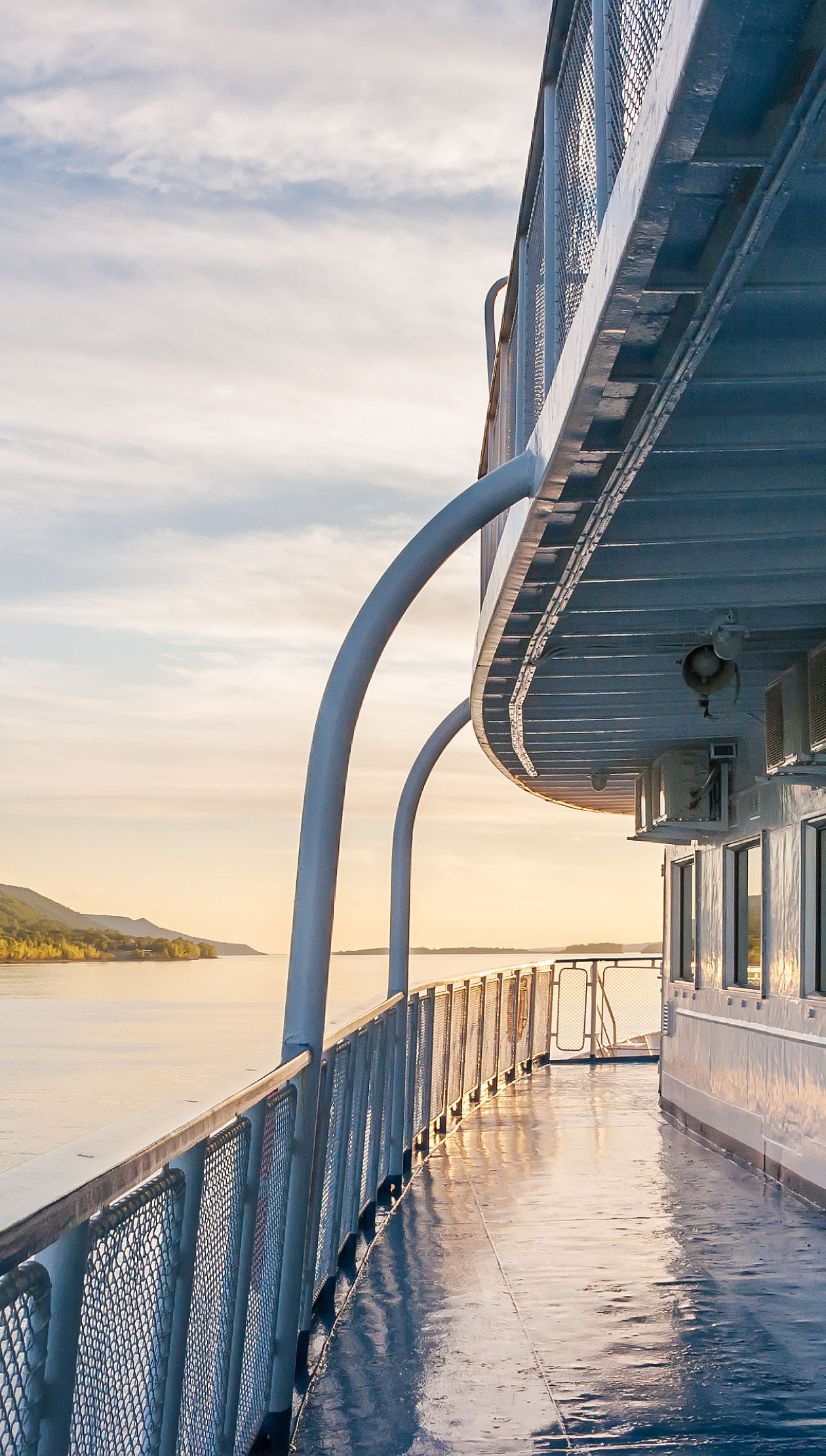
In Coimbra, the river passes beneath graceful bridges and reflects the rooftops of one of Europe’s great university cities. Farther downstream, the scenery becomes broader and more pastoral. Rice fields, farmland, and reed-fringed channels surround Montemor-o-Velho, where a medieval castle rises dramatically above the plain. At Figueira da Foz, the Mondego meets the Atlantic beside expansive beaches, a busy marina, and a horizon shaped by sea and sky.
Cruising the Mondego is an intimate experience rather than a conventional journey aboard a large river ship. Excursions may combine short sightseeing cruises, traditional vessels, nature trips, private boats, and comfortable transfers between riverside destinations. This flexible style allows travelers to experience the river as a complete cultural corridor, with time to explore architecture, regional cuisine, local wine, wildlife, and encounters with communities whose stories have long been tied to the water.
The Mondego River: Portugal From the Mountains to the Sea
At approximately 234 kilometers long, the Mondego is the longest river located entirely within Portugal. It rises in the Serra da Estrela and crosses the districts of Guarda, Viseu, and Coimbra before reaching the Atlantic at Figueira da Foz. Portugal does not have states, so the river is best understood in the context of its districts and the diverse landscapes of the country’s central region.
The upper Mondego is defined by mountains, valleys, and reservoir scenery. Its middle reaches pass through forested countryside and historic communities, while the lower river opens into the fertile plains surrounding Coimbra, Montemor-o-Velho, and Figueira da Foz. Dams and changes in navigability mean that the entire river is not normally traveled as one continuous cruise. Instead, Mondego itineraries connect navigable sections with carefully planned excursions, creating a rewarding journey from the river’s source region to the ocean.
Serra da Estrela and the Mondego Headwaters
The Mondego begins in the Serra da Estrela, the highest mountain range in mainland Portugal. Here, the river is a clear mountain waterway flowing through granite landscapes, pastureland, and secluded valleys. The region provides a dramatic opening or conclusion to a longer Mondego itinerary. Guests can follow walking trails, visit traditional villages, admire glacial landforms, and sample mountain cheeses, honey, and slow-cooked regional dishes. Although this section is unsuitable for conventional cruising, it reveals the river's natural origin and adds geographical depth to the journey.
Gouveia and the Mountain Foothills
Gouveia lies close to the Mondego’s source and makes an appealing gateway to the upper river. Built on the slopes of the Serra da Estrela, the town offers wide views across central Portugal and a historic center shaped by stone buildings, gardens, and religious architecture. Excursions may focus on wool-making heritage, regional crafts, and the agricultural traditions of the surrounding mountain communities. The atmosphere is calm and authentic, making Gouveia particularly attractive to travelers interested in nature, local culture, and rural life.
Celorico da Beira and the Upper Mondego Valley
Near the upper Mondego, Celorico da Beira combines river scenery with the commanding presence of a hilltop castle. Its strategic position once helped protect routes through the surrounding valleys, and the remains of its fortifications provide striking views across the landscape. Food-focused excursions can introduce guests to the area’s celebrated mountain cheese, rustic bread, cured meats, and hearty country cooking. This is a rewarding stop on an itinerary linking the Mondego’s headwaters with the vineyards and historic towns farther downstream.
Santa Comba Dão and Reservoir Country
Around Santa Comba Dão, the Mondego enters a landscape of wooded slopes, tributary valleys, and the broad waters of the reservoir. This section feels removed from Portugal’s busier tourism centers, offering peaceful scenery suited to nature observation, photography, and gentle outdoor activities. Small-boat experiences may be available on suitable waters, while land excursions offer access to villages, viewpoints, and local estates. Nearby vineyards also introduce guests to the elegant red and white wines associated with the wider Dão wine region.
Penacova and the Forested Mondego
Penacova occupies one of the Mondego’s most scenic settings. Wooded hills rise above the river's bends, creating elevated viewpoints over beaches, old watermills, and deep green valleys. The surrounding area is associated with kayaking, walking, and relaxed riverside recreation. For cruise guests, Penacova provides a pleasing contrast to urban Coimbra: the pace is slower, the landscape feels more enclosed, and the river becomes the central visual feature. Regional meals emphasize grilled fish, roasted meats, country soups, and produce from nearby farms.
Coimbra: History Reflected on the Water
River Cruises in Coimbra place travelers at the cultural heart of the Mondego. The city rises above the eastern bank, crowned by its historic university and a skyline of towers, tiled roofs, and monumental buildings. Short cruises provide views of the waterfront, bridges, parks, and hillside neighborhoods, while guided walks explore medieval lanes, university courtyards, libraries, churches, and Roman foundations.
Coimbra also gives the Mondego a distinctive soundtrack through its university singing traditions. Evenings may include live performances, regional wine, or dinner in the old quarter. The combination of water-level views and scholarly heritage makes Coimbra the natural centerpiece of most Mondego itineraries.
Conimbriga and the Roman Landscape
Located within easy reach of the lower Mondego, Conimbriga contains some of Portugal’s most important Roman remains. Its villas, defensive walls, baths, and detailed floor mosaics reveal the sophistication of a settlement that flourished nearly two thousand years ago. An excursion to the site adds an important historical layer to a river journey, showing that the Mondego valley was a center of trade and settlement long before Portugal emerged as a nation. Conimbriga pairs especially well with Coimbra on archaeology, architecture, and history-themed itineraries.
Montemor-o-Velho and the Lower Mondego Plains
River Cruises in Montemor-o-Velho explore a broad landscape of waterways, farmland, and rice fields. Above the plain stands one of the most imposing castles in central Portugal. Its walls and towers recall a period when the Mondego marked a contested frontier and control of the valley carried great strategic importance.
From the castle, guests can appreciate the scale of the lower river landscape before exploring the town’s narrow streets and historic buildings. Culinary experiences may feature locally grown rice and delicate regional pastries, while nearby wetlands and agricultural areas attract birdwatchers and photographers. The result is an absorbing combination of medieval history, rural scenery, and traditional food.
Figueira da Foz and the Atlantic Estuary
River Cruises in Figueira da Foz reach the point where the Mondego completes its journey to the Atlantic Ocean. River channels, salt air, beaches, and marina scenery give the destination a distinctly coastal character. Boat trips can reveal the estuary from the water, while shore excursions may include waterfront walks, local markets, viewpoints, and the long sandy shoreline.
Fresh fish and shellfish are central to the dining experience. Guests can enjoy grilled catches, rice-based seafood dishes, and crisp regional wines after a day spent between river and sea. Figueira da Foz provides a natural finale to a Mondego journey, replacing the enclosed valleys of the interior with open horizons and Atlantic light.
Mondego River Cruise Itineraries
Short Mondego Cruises: 3 to 5 Days
A short itinerary typically concentrates on Coimbra and the lower Mondego. Guests might spend two days exploring Coimbra’s riverfront, university quarter, and historic center before continuing to Montemor-o-Velho for its castle and agricultural landscapes. A final day in Figueira da Foz adds an estuary cruise, beach walk, and seafood dinner. These compact journeys are ideal for travelers combining the Mondego with Lisbon, Porto, or a wider holiday in central Portugal.
Medium Mondego Journeys: 6 to 9 Days
Medium-length itineraries create a fuller mountain-to-ocean narrative. They may begin in the Serra da Estrela, continue through Gouveia, Celorico da Beira, and Penacova, and then devote several days to Coimbra and the lower valley. Highlights can include reservoir boat trips, vineyard visits, Conimbriga, Montemor-o-Velho Castle, and the Atlantic coast. The slower pace allows time for guided walks, cooking experiences, local markets, and evenings in historic hotels.
Long Mondego Explorations: 10 Days or More
Long itineraries connect the Mondego with a broader exploration of central Portugal. In addition to the river corridor, travelers may visit mountain villages, protected landscapes, Dão wine estates, Atlantic wetlands, and nearby heritage towns. Several boat experiences can be included on different sections of the river rather than a single continuous sailing. These journeys reward travelers who value cultural depth, varied scenery, and unhurried discovery.
Special-Interest Mondego Itineraries
- Wine and cuisine journeys: Visit Dao vineyards, taste mountain cheeses, explore food markets, and enjoy seafood beside the Atlantic.
- Art and history cruises: Combine Coimbra University, Roman Conimbriga, medieval Montemor-o-Velho, and regional museums.
- Nature and photography tours: Photograph mountain valleys, forested riverbanks, rice fields, wetlands, and Atlantic sunsets.
- Active adventures: Add kayaking, walking trails, cycling, birdwatching, or river-beach visits to the itinerary.
- Seasonal winter journeys: Experience illuminated historic centers, festive markets, warming regional dishes, and quiet riverside scenery.
Life Onboard a Mondego River Cruise
Small Ships and Relaxed Ambiance
Mondego cruising generally favors small boats and intimate sightseeing vessels rather than large overnight river ships. The atmosphere is relaxed and personal, with open-air viewing areas and close access to the landscape. Longer itineraries often combine daytime cruising with nights in carefully selected hotels or guesthouses.
Regional Cuisine and Wine
Food reflects the changing landscape. Mountain areas offer cheese, bread, honey, and rich country dishes; the lower valley contributes rice, vegetables, and farm produce; and Figueira da Foz brings fresh Atlantic seafood. Dao wines and other central Portuguese selections provide natural pairings throughout the journey.
Excursions and Cultural Enrichment
Guided walks, castle visits, university tours, vineyard tastings, archaeological excursions, and nature activities transform the river into a living cultural route. Local guides explain how agriculture, scholarship, trade, and defense developed around the Mondego, giving meaning to the scenery beyond the riverbanks.
Something for Everyone
- Couples can enjoy scenic cruises, wine tastings, and atmospheric historic towns.
- Families benefit from castles, beaches, and active excursions.
- Solo travelers may appreciate the friendly scale of guided groups.
- Luxury guests can choose private boats, premium accommodations, expert-led tours, and carefully curated dining experiences.
A Mondego river cruise is a journey through the landscapes and memory of central Portugal. From clear mountain waters to Coimbra’s historic skyline, the medieval walls of Montemor-o-Velho, and the Atlantic brightness of Figueira da Foz, the river brings nature, culture, and cuisine together in one deeply rewarding passage.