Siem Reap: Gateway to the Soul of Cambodia
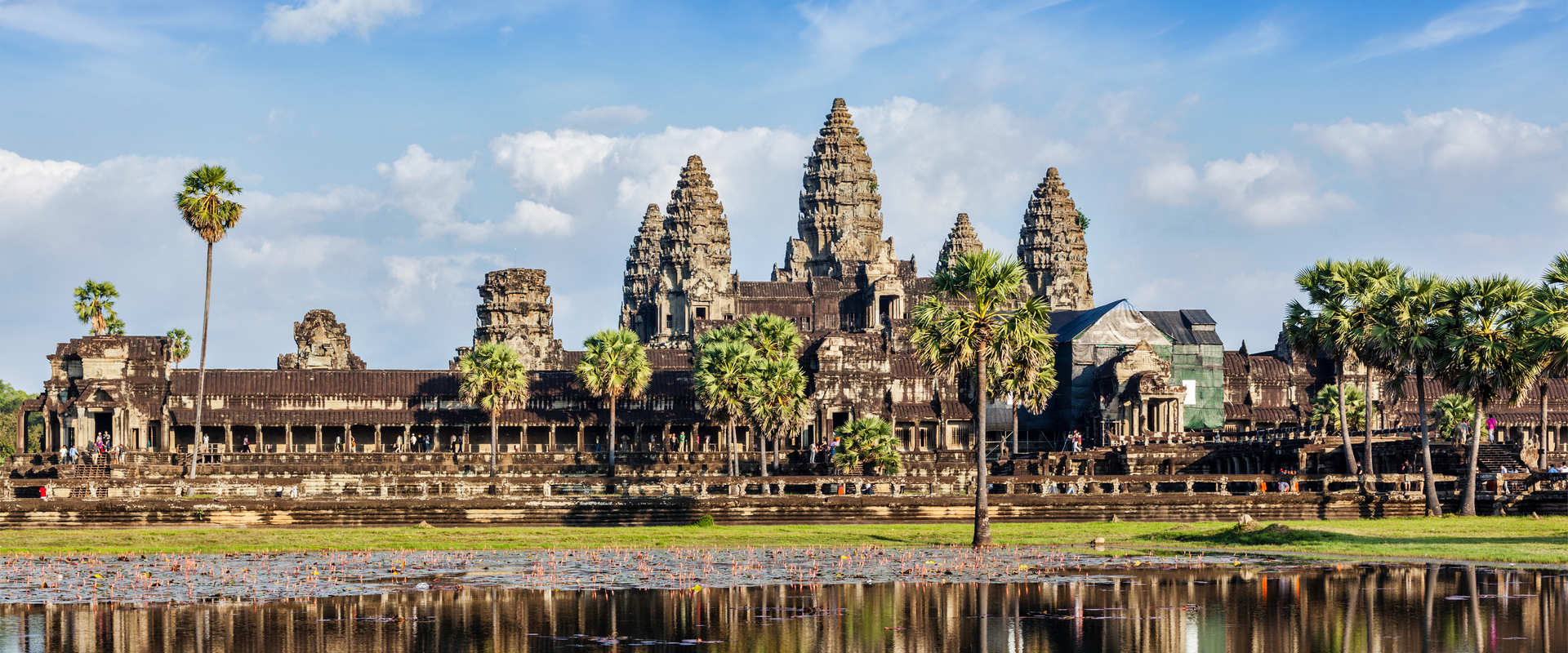
Tucked in northwest Cambodia, Siem Reap is a treasure trove of Khmer heritage and the starting point for many Mekong and Tonle Sap river cruises. From here, travelers can explore the mighty Mekong River, discover hidden temples, float through the biodiverse Tonle Sap Lake, and journey toward Phnom Penh and beyond. The city blends colonial charm, local craftsmanship, and a buzzing culinary scene, offering a perfect mix of relaxation and discovery.
Exploring the Mekong River
A River Steeped in Myth and Majesty
Originating in the Tibetan Plateau and flowing over 4,000 kilometers through six countries, the Mekong River is one of Asia’s great lifelines. Within Cambodia, it takes on a spiritual and cultural significance that is deeply felt as you cruise past golden temples, monk-tended monasteries, and riverside markets bustling with life.
Key Highlights Along the Mekong
Key highlights along the Mekong River reveal Cambodia’s rich cultural tapestry and enduring spirit. In Kampong Cham, a charming provincial town, travelers are welcomed by elegant colonial architecture and the atmospheric Wat Nokor temple complex. Angkor Ban offers a rare glimpse into Cambodia’s untouched past, where traditional wooden homes—survivors of the Khmer Rouge era—stand as quiet witnesses to resilience and history.
As we cruise to Kampong Tralach, the scenery transitions into verdant rice paddies, best explored on an ox-cart ride leading to a tranquil riverside monastery. Finally, the nation’s vibrant capital, Phnom Penh, greets visitors with a compelling blend of urban dynamism, emotional depth at the Killing Fields, and refined French-influenced boulevards that speak to its colonial legacy.
Culture, Cuisine, and Life Along the Mekong
River cruising here is as much about the people as the places. You’ll witness daily rituals—children bathing in the river, fishermen casting nets at sunrise, saffron-robed monks in meditation. Cuisine is a sensory journey: savor fish amok steamed in a banana leaf, peppery crab from Kampot, and sticky rice treats made on board.
The Wonders of Tonle Sap Lake
Nature, Communities, and Changing Currents
Just south of Siem Reap lies Tonle Sap Lake, Southeast Asia’s largest freshwater lake and a UNESCO Biosphere Reserve. In the wet season, the lake expands dramatically, reversing the flow of the Tonle Sap River and flooding thousands of square kilometers—supporting an extraordinary range of wildlife and human adaptation.
Unmissable Stops on Tonle Sap
Tonle Sap Lake reveals Cambodian life's deep cultural roots and natural rhythms. In Kampong Chhnang, often called the “Port of Pottery,” visitors encounter skilled artisans crafting terracotta wares while floating houses gently drift with the changing seasons.
Further along, Kampong Laeang offers a serene window into rural Cambodia, framed by sugar palm trees and expansive rice fields. Prek Bangkong, though lesser known, is rich in Khmer traditions and offers travelers a more intimate experience through immersive excursions and community-based tourism.
Nature lovers will be captivated by the birdlife—storks, pelicans, and ibises soar above the floodplains—while cultural travelers will treasure encounters in floating villages and visits to artisan workshops.
Beyond Siem Reap: Cruising Toward the Laos Border
Stung Treng and the Northern Mekong
For those venturing farther upstream, the journey continues to Stung Treng, near the Laotian border. This less-visited region is lush and untouched, dotted with flooded forests and remote villages. Cruise itineraries that explore this far north offer unmatched tranquility and a chance to witness rare Irrawaddy dolphins in their natural habitat.
Themed and Length-Based River Cruise Itineraries
Short Cruises (3–5 Days)
Perfect for travelers short on time or adding a cruise to a larger Cambodian itinerary. Short cruises often explore Tonle Sap and nearby Mekong villages, with highlights including:
- Sunset cruises on Tonle Sap with floating village visits
- Daily excursions to temples, silk farms, and pottery workshops
- Traditional dance performances and local cooking classes on board
Medium Cruises (6–9 Days)
A deeper immersion, often cruising between Siem Reap and Phnom Penh (or vice versa). Guests can expect:
- Ox-cart rides and guided temple walks in Kampong Tralach
- Market visits and chef-led culinary sessions
- Private blessings from Buddhist monks and storytelling evenings under the stars
Long Cruises (10+ Days)
For the curious and the slow travelers, long itineraries cover Cambodia and Vietnam, sometimes extending into Laos or Thailand. These include:
- Multi-country explorations, such as from Siem Reap to Ho Chi Minh City
- Extensive cultural immersion with in-depth historical tours
- Visit to the Killing Fields, the Royal Palace, and Angkor Archaeological Park
Special Interest Cruises
- Culinary Cruises: Led by renowned chefs, featuring market tours, cooking demos, and wine pairings with Khmer and Vietnamese dishes.
- History & Culture Cruises: Explore ancient temples and colonial legacies with guidance from archaeologists or historians.
- Photography Cruises: Timed with golden hour views, rare wildlife sightings, and expert tips onboard.
The Onboard Experience
Ship Sizes and Ambiance
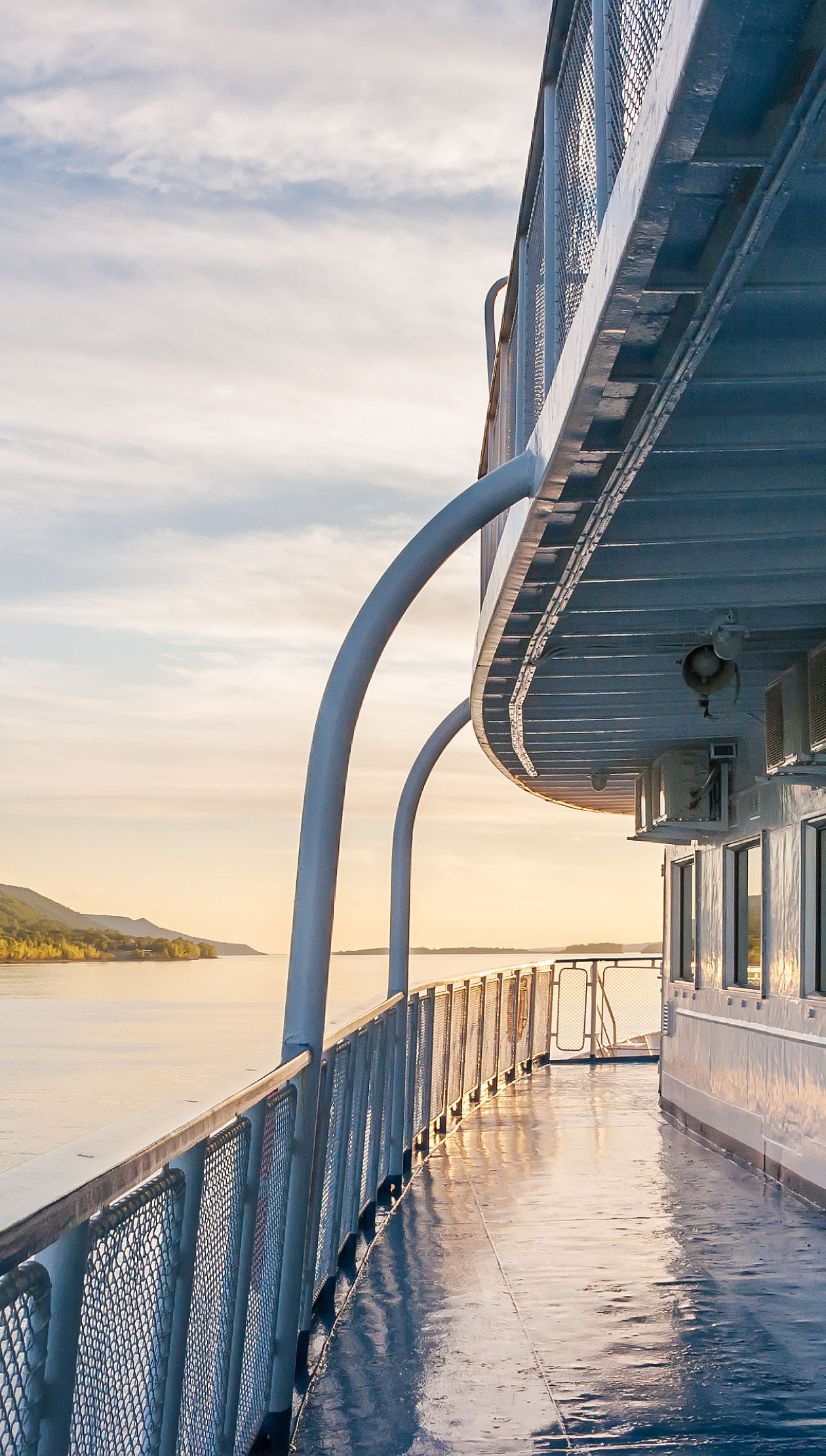
Most vessels on the Mekong and Tonle Sap are boutique riverboats—elegant and intimate, often carrying 20 to 60 passengers. Designed with colonial-meets-Khmer aesthetics, these ships offer shaded sun decks, plunge pools, and panoramic lounges perfect for riverside daydreaming.
Cuisine and Wine
Onboard dining is a cultural celebration. Fresh river fish, organic produce, and tropical fruits fill the menus, complemented by fine Cambodian wines and international selections. Expect multi-course meals, themed dinners, and open-air BBQ nights.
Excursions and Enrichment
Each day on a river cruise through Cambodia brings a new adventure, whether cycling through remote villages, visiting local silk-weaving centers, or joining monks for their morning alms in a deeply spiritual exchange. Onboard enrichment programs deepen the experience with insightful lectures on Khmer history and Angkorian art, captivating performances of traditional music and Apsara dance, and hands-on workshops where guests can try their hand at Khmer calligraphy or basket-weaving—immersing themselves fully in the region’s rich cultural heritage.
Who It's For
- Couples: Romantic settings, sunset decks, and private excursions
- Families: Educational, safe, and inspiring for all ages
- Solo travelers: Communal dining, small group tours, and warm, inclusive atmospheres
- Luxury seekers: Five-star service, spa treatments, and curated excursions
Begin Your Journey Through the Heart of Cambodia
“From the haunting ruins of Angkor to the floating worlds of Tonle Sap and the sacred rhythms of the Mekong, a river cruise through Siem Reap is not just a journey—it’s a revelation.”
Whether you're drawn by the legacy of Angkor, the vibrancy of Cambodian village life, or the peaceful embrace of life on the water, river cruising in Siem Reap offers a transformative experience. Step aboard, and discover Cambodia from its most timeless perspective: the river.