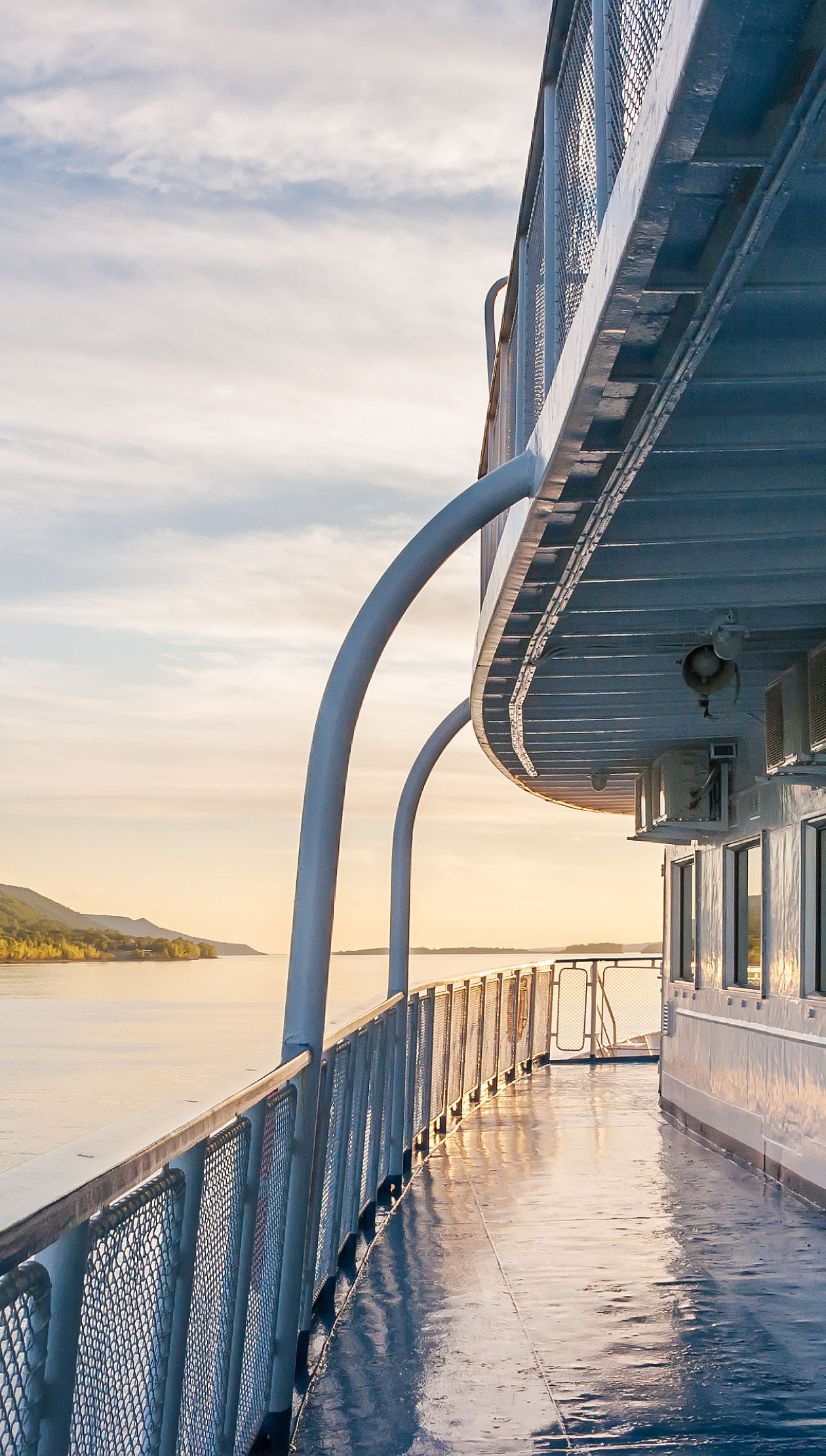
Samtaghat is best experienced as part of a longer Ganges River cruise through eastern India. It is a peaceful river stop in Jharkhand, positioned between the archaeological landscapes around Bateshwarsthan and the important waterway passage at Farakka. Rather than presenting travelers with a conventional collection of city monuments, Samtaghat offers something more contemplative: an extended view of river life, changing scenery, and communities whose work, customs, and daily routines remain closely connected to the Ganges.
Samtaghat provides a tranquil anchorage on longer Ganges itineraries. The surrounding river landscape is more prominent than any single monument, making this an ideal destination for panoramic photography, birdwatching, and quiet time on deck. Arrivals often take place after a full day of sailing from Bateshwarsthan, while eastbound departures continue toward Farakka and Jangipur. The stop captures the appeal of Indian river cruising at its most reflective: spacious, scenic, and closely connected to the routines of riverside life.
From Samtaghat, a cruise may continue west toward Bihar and cities such as Patna, Simaria, Sultanganj, and Buxar, or east through Farakka toward Bengal and the lower reaches of the river. Longer voyages can eventually reach the wetlands and mangrove environments around Bali Island and Hemnagar. This geographical variety makes Samtaghat cruises especially rewarding for travelers who value slow exploration, cultural depth, wildlife observation, and the constantly changing perspective offered by a small river ship.
Cruising the Ganges at Samtaghat
The Ganges is the defining waterway of a Samtaghat cruise. Long-distance itineraries use Samtaghat as a natural resting point between Bateshwarsthan and the Farakka river system, allowing guests to spend an unhurried day watching the landscape unfold from the ship. The experience is shaped by wide horizons, river traffic, agricultural banks, scattered settlements, and the gradual transition from the plains of Bihar to the riverfront of Jharkhand and the waterways of Bengal.
The pleasure of this section lies in its pace. Guests can sit on deck as wooden boats cross the channel, farmers work near the water, and birds gather around exposed sandbanks. Meals, lectures, photography, and conversations with guides become part of the journey, but the river remains the central attraction. It is an environment that rewards observation rather than hurried sightseeing.
Bateshwarsthan and Vikramshila
Bateshwarsthan is one of the most culturally important stops connected with Samtaghat. Excursions commonly travel to the archaeological remains of Vikramshila, a major historic center of Buddhist scholarship. Walking among the foundations and reconstructed structures introduces guests to an era when this part of eastern India was associated with philosophy, education, and international intellectual exchange. The contrast between the quiet ruins and the broad Ganges creates one of the most memorable historical experiences on the route.
Bhagatpur and the Silk Region
Bhagatpur introduces travelers to the commercial and craft traditions of the wider river region. Markets, textile production, riverside settlements, and agricultural activity reveal how the Ganges supports both household life and regional trade. Depending on the itinerary, excursions may emphasize local craftsmanship, traditional weaving, food markets, or village walks. These experiences create opportunities to meet residents and understand the human stories behind the landscapes seen from the ship.
Sultanganj
Sultanganj presents a livelier riverfront where religious traditions, local commerce, and everyday movement converge. Boats cross the water throughout the day, while steps, small shrines, and gathering places line parts of the bank. From the ship, the town appears as a colorful interruption in the open countryside. A guided walk can reveal the close relationship between the community and the river, while early morning sailing offers softer light and a more peaceful view of the waterfront.
Simaria
Simaria is often explored through a guided village walk. Guests may observe fishing, farming, small-scale trading, and domestic routines near the riverbank. The experience is informal and human in scale, providing a counterpoint to the grand monuments visited elsewhere. Simaria also offers attractive river views, especially during the late afternoon when the changing light softens the fields and sandy banks. It is an excellent destination for travelers interested in documentary photography and rural culture.
Patna
Patna brings greater urban energy to a Ganges cruise. The riverfront offers access to historic buildings, religious sites, markets, museums, and monuments that reflect the city's long history. Gandhi Ghat is one of the best-known waterfront locations, while the broader city introduces travelers to the many layers of Bihar's political, spiritual, and commercial heritage. Patna is also a useful embarkation or disembarkation point for cruises combining Samtaghat with the central Ganges.
Ghazipur
Ghazipur lies farther upstream and adds colonial history, riverside architecture, and busy local life to extended itineraries. The city is frequently associated with the memorial of Lord Cornwallis, but its appeal also comes from the atmosphere of the waterfront and the surrounding countryside. Sailing between Ghazipur and Bihar allows passengers to witness a gradual shift from more densely settled areas to broad agricultural landscapes.
Buxar
Buxar combines historical associations with active riverfront culture. Its steps and gathering areas provide opportunities to see the Ganges functioning as a place of ceremony, transport, conversation, and daily work. Excursions may explore local history before guests return to the ship for an afternoon of scenic sailing. Buxar is particularly rewarding when included in a longer voyage linking Samtaghat with Patna, Ghazipur, and Varanasi.
Ghaghra Mod
Ghaghra Mod marks the meeting of the Ghaghra and Ganges rivers. Confluences are visually distinctive cruise locations because currents, colors, channels, and sandbanks can shift across the landscape. The surrounding scenery is generally open and expansive, giving guests uninterrupted views from the sun deck. Birdlife is often visible around quieter channels, while the movement of local boats demonstrates the continuing importance of these rivers as working waterways.
Bali Island
Bali Island belongs to the lower, delta-linked section of an extended Ganges journey. Village visits can introduce travelers to handicrafts, traditional homes, agriculture, and the ecological transition toward the wetlands of Bengal. The vegetation becomes denser, channels divide more frequently, and the atmosphere feels increasingly tropical. Bali Island creates a striking contrast with the open plains surrounding Samtaghat.
Hemnagar
Hemnagar is a remote river stop near the mangrove waterways of the Sundarbans. It may appear on long international or cross-country itineraries continuing toward Bangladesh. Wildlife observation, narrow channels, forested banks, and expansive wetlands become the main attractions. By combining Hemnagar with Samtaghat, travelers experience two dramatically different expressions of the same great river system: the broad inland Ganges and the intricate waterways of its lower delta.
Culture, Cuisine, and Scenery Along the Waterway
A cruise through Samtaghat is defined by continuous visual change. Sandbanks appear and disappear, fishing boats move between channels, and fields extend toward distant tree lines. Some days are dominated by rural landscapes; others introduce busy towns, archaeological sites, religious waterfronts, or major engineering works such as the Farakka passage.
Regional cuisine adds another dimension to the journey. Menus may feature rice, freshly baked breads, lentils, seasonal vegetables, river fish, slow-cooked meats, fruit, and delicately prepared desserts. Luxury ships commonly combine regional dishes with international options, allowing guests to explore local flavors while retaining a familiar level of comfort. Selected wines and other beverages may be paired with evening meals.
The cultural experience develops gradually rather than through a single performance or excursion. Village walks, market visits, craft demonstrations, archaeological tours, and onboard talks help explain the landscapes visible from the ship. Guests leave with a clearer understanding of how trade, religion, agriculture, education, and family life have developed beside the Ganges.
Samtaghat Cruise Itineraries
Short Cruises of 3 to 5 Days
A short Samtaghat cruise can focus on the stretch between Farakka, Samtaghat, and Bateshwarsthan. Guests might cross the Farakka lock system, spend a full day observing river scenery, and continue to the archaeological landscapes around Vikramshila. These compact itineraries work well for travelers adding a river experience to a wider tour of eastern India. Highlights include sunrise deck views, guided heritage excursions, birdwatching, and relaxed evenings aboard the ship.
Medium Cruises of 6 to 9 Days
Medium-length cruises can connect Samtaghat with Sultanganj, Simaria, Patna, and Farakka. This format provides enough time to combine cultural excursions with genuine river days. Guests may visit archaeological remains, walk through riverside villages, explore Patna's historic sites, and watch the countryside change as the vessel moves between Bihar, Jharkhand, and Bengal. The pace remains relaxed, with several meals and afternoons enjoyed while sailing.
Long Cruises of 10 Days or More
Longer Ganges river cruise itineraries may link Kolkata, Samtaghat, Patna, Buxar, Ghazipur, and Varanasi. Extended expeditions can also continue east toward Bali Island, Hemnagar, the Sundarbans, and the waterways of Bangladesh. These voyages offer the greatest landscape diversity, moving from major cities and archaeological sites to village settlements, wetlands, and mangrove forests. Guests gain a broader understanding of the river as a cultural corridor connecting multiple regions.
Special-Interest Cruises
Heritage-focused departures can emphasize Vikramshila, historic Patna, colonial-era buildings, and Bengal's architectural traditions. Culinary voyages may include regional tasting menus, market visits, cooking demonstrations, and dinners paired with selected wines. Wildlife and photography cruises devote more time to river birds, changing light, sandbank habitats, and the lower delta. Festive-season sailings may feature special menus, onboard entertainment, and seasonal celebrations while retaining the route's strong cultural focus.
The Onboard Experience
Ship Sizes and Ambiance
Samtaghat is generally visited by small luxury river ships designed for shallow inland waterways. Current Indian river fleets range from highly private one-suite vessels to boutique ships with approximately 18 or 28 suites. Their smaller scale creates a calm atmosphere, allows for attentive service, and keeps guests close to the passing landscape. Public spaces commonly include a panoramic lounge, restaurant, sun deck, and comfortable outdoor seating.
Cuisine and Wine
Dining is an important part of the voyage, particularly during full river days. Breakfast and lunch may be served as the ship sails, while dinner becomes a more leisurely evening event. Menus balance regional ingredients and recipes with international dishes. Vegetarian choices are normally well represented, and premium vessels may offer complimentary beverages, carefully selected wines, and menus inspired by the regions visited.
Excursions and Enrichment
Excursions typically combine major heritage sites with smaller community experiences. Archaeological tours, village walks, markets, craft workshops, monuments, and riverside observation reveal different aspects of the Ganges. Onboard guides may provide lectures on history, religion, wildlife, architecture, and regional culture. These presentations provide context for the journey and help guests recognize the significance of places that might otherwise appear to be distant riverbank settlements.
Something for Everyone
- Couples: Quiet deck spaces, changing sunsets, and intimate ships create a naturally romantic atmosphere.
- Solo travelers: Small groups, shared excursions, and communal dining make conversation and social connection easy.
- Families: Older children and teenagers can enjoy wildlife observation, local encounters, and history-focused activities.
- Luxury travelers: All-suite accommodation, fine dining, private guides, and personalized service provide comfort without separating guests from the destination.
- Culture and history enthusiasts: Archaeological sites, historic cities, villages, and expert interpretation offer substantial educational value.
A Deeper Journey Through the Ganges
Samtaghat may be quieter than the great cities of the Ganges, but that quietness is precisely what makes it valuable. It gives travelers time to notice the river's scale, watch rural life unfold, and understand how landscapes and communities are connected by water. Within a longer voyage, Samtaghat becomes a moment of transition between regions, histories, and environments.
A river cruise through Samtaghat is not simply a journey between ports. It is an invitation to slow down, watch the light move across the Ganges, and encounter eastern India through the river that has shaped its landscapes, memories, and daily life for generations.