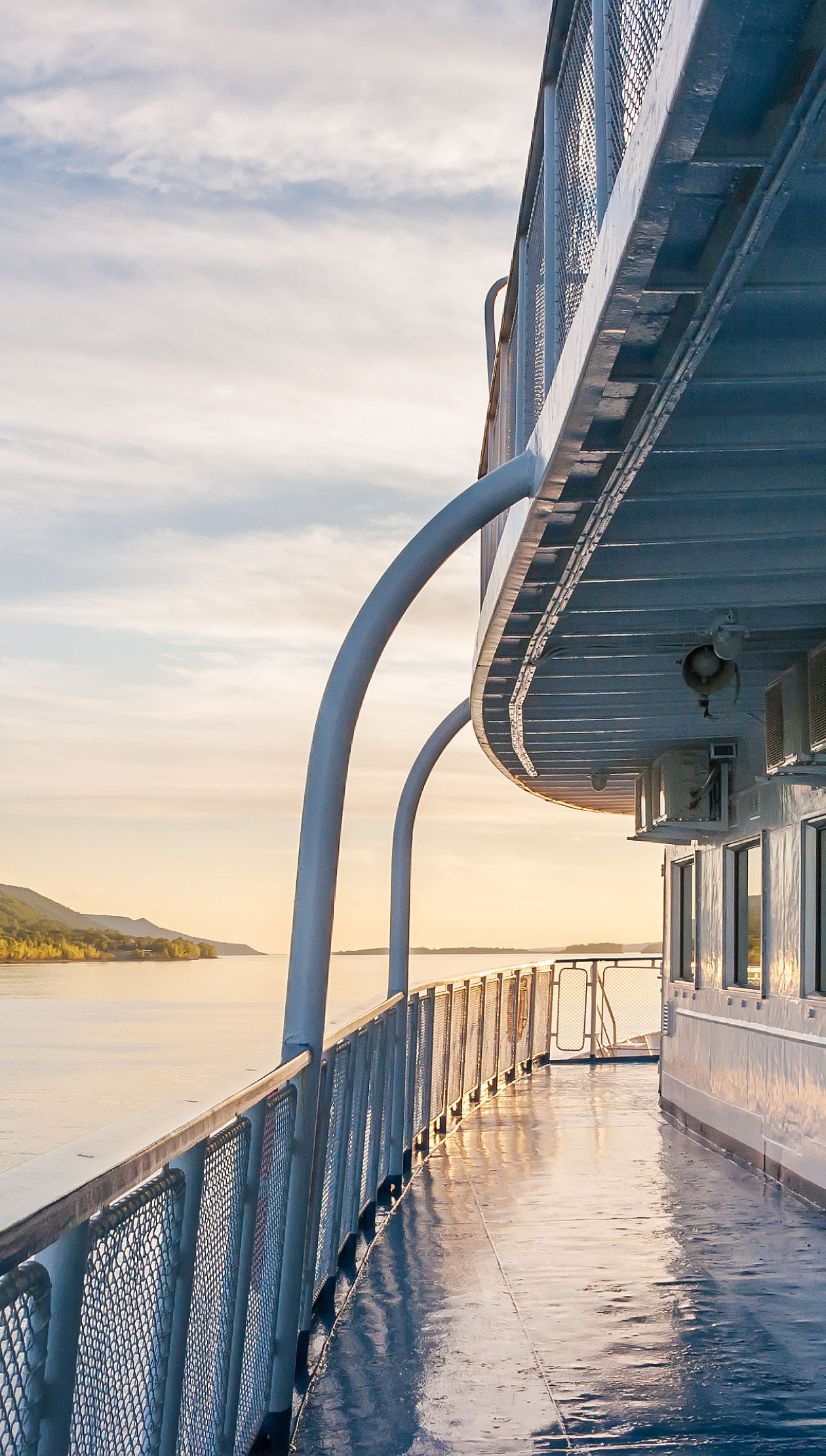
A Rothensee river cruise brings together the contrasting character of central Germany. Guests may spend one morning watching ships travel across the Magdeburg Water Bridge and the next exploring cathedral squares, medieval churches, lakeside paths, or landscapes associated with the Reformation. The journey moves naturally between industrial heritage and open countryside, creating a route with both visual drama and intellectual depth.
The historic Rothensee boat lift is the defining landmark of the district. Built to move vessels between waterways at different heights, it represents an earlier age of major industrial engineering and remains a powerful sight from the water. Nearby locks now handle much of the navigation, but the lift still illustrates the scale and precision required to connect inland routes. For cruise travelers, the area is more than infrastructure: it is an open-air lesson in how rivers, canals, commerce, and technology shaped modern Europe.
Rothensee is best understood as a waterway district and engineering landmark rather than a traditional old-town cruise port. Its position near Magdeburg connects the Elbe with the Elbe-Havel Canal and the wider east-west canal system. This makes it a compelling feature on select Elbe River cruises, especially on itineraries focused on history, architecture, transportation, and lesser-visited destinations.
River Cruising Through Rothensee and the Elbe
The Elbe is one of Europe's most culturally rewarding rivers, passing through broad natural corridors, historic cities, vineyard landscapes, and towns shaped by religion, craftsmanship, and trade. Around Rothensee, its identity becomes even richer. The river is joined to a carefully engineered canal network, giving cruise guests a close view of how natural waterways and human ambition can work together.
Unlike routes dominated by steep castle hills or densely built waterfronts, this section of the Elbe often feels spacious. Reed beds, low meadows, tree-lined banks, and wide skies surround the ship. The slower scenery creates room to appreciate the changing light, passing birdlife, and quiet settlements, while excursions introduce major cultural landmarks within easy reach of the river.
Magdeburg Water Bridge
Near Rothensee, the Magdeburg Water Bridge carries canal traffic across the Elbe on a navigable aqueduct almost one kilometer long. The experience can feel wonderfully improbable, with one body of water passing above another while vessels continue along both levels. Some local sightseeing sailings cross the bridge, while broader itineraries may include it as an excursion. It is among the most memorable engineering highlights on a Magdeburg river cruise.
Magdeburg
Magdeburg adds a strong cultural counterpoint to Rothensee's industrial landscape. The city's cathedral rises above the Elbe and reflects centuries of political and religious importance. Guests can also explore the colorful Green Citadel, riverside parks, museums, and regenerated urban quarters. The combination of Gothic architecture, modern design, and green floodplain scenery makes Magdeburg one of the most varied stops on the central Elbe.
Burg
East of Magdeburg, Burg lies beside the Elbe-Havel Canal and offers a quieter urban experience. Its churches, towers, parks, and historic streets provide an appealing setting for walking tours away from heavily visited cruise centers. Burg also helps travelers understand the region's layered geography: it belongs to a chain of canal communities that grew through trade, transport, and links between the Elbe and the Havel waterways.
Genthin
Genthin is closely associated with the Elbe-Havel Canal and the industrial development of the surrounding region. Its prominent water tower, calm canal banks, and compact center create a distinctive sense of place. Excursions may focus on local history, cycling, or the transformation of working waterways into scenic travel corridors. The town is especially rewarding for guests who enjoy everyday heritage rather than monumental attractions alone.
Wusterwitz
Wusterwitz introduces a softer landscape of lakes, small harbors, and waterside paths. Located near the eastern end of the canal route, it offers a peaceful contrast to the large-scale structures around Rothensee. Guests may enjoy a gentle lakeside walk, birdwatching, kayaking, or simply watching reflections shift across the water. The setting demonstrates how an itinerary can move from active navigation corridors into places shaped by recreation and nature.
Wittenberg
Further along the Elbe, Wittenberg offers one of the river's most important historical experiences. Its churches, historic houses, and university heritage are closely linked to the Protestant Reformation. Guided walks bring major events into focus while allowing time to appreciate the ordered streets and riverside atmosphere. Wittenberg is a natural highlight of art, religion, and history itineraries beginning or ending near Rothensee.
Meissen
Meissen brings elegance, craftsmanship, and wine-country scenery to longer Elbe journeys. The old town rises above the river beneath a castle and cathedral, while its internationally renowned porcelain tradition adds a refined artistic theme. Nearby slopes support vineyards that give this section of the Elbe a more intimate, cultivated appearance. Tastings, workshops, and museum visits make Meissen river cruises especially attractive to travelers interested in design and regional flavor.
Calvörde and the Inland Countryside
Calvörde is best included as an inland excursion rather than an Elbe port. Its rural setting, historic buildings, wetlands, and nearby canal landscapes broaden the story of the region beyond the main river. A visit may be combined with nature walks or drives through northern Saxony-Anhalt, offering a glimpse of villages and agricultural scenery that travelers would rarely encounter on a more conventional European river itinerary.
Culture, Cuisine, and Scenery Along the Waterways
The appeal of cruising near Rothensee lies in contrast. One moment is defined by the clean lines of a lock or aqueduct; the next opens onto floodplain meadows, wooded banks, and quiet settlements. The Elbe feels less theatrical than some European rivers, but its restraint is part of its beauty. The landscape invites observation rather than demanding attention, making it well suited to travelers who value space, calm, and subtle seasonal change.
Regional menus often favor comforting ingredients, fresh vegetables, river fish where available, roasted meats, breads, orchard fruit, and cakes. On longer journeys toward Saxony, wine becomes more prominent, particularly near the vineyard slopes of the upper Elbe. Many ships adapt these influences into polished multicourse dinners, while shore excursions may include market visits, local bakeries, wine tastings, or meals in historic inns.
Rothensee River Cruise Itineraries
Short River Cruises of 3 to 5 Days
A short itinerary can focus on Rothensee, Magdeburg, and the nearby canal corridor. Highlights may include the historic boat lift, a passage or excursion to the Magdeburg Water Bridge, a guided cathedral visit, and a day trip toward Burg or Genthin. These cruises suit travelers adding a river journey to a wider city break, as well as engineering enthusiasts seeking an unusual European route.
Medium River Cruises of 6 to 9 Days
Medium-length cruises allow the landscape to unfold at a more satisfying pace. A route may combine Rothensee and Magdeburg with Burg, Genthin, Wusterwitz, and Wittenberg, blending canal navigation with Elbe history. Guests can expect guided walks, cycling opportunities, museum visits, and quiet afternoons on deck. This length provides a balanced introduction to both the working waterways and the cultural landmarks of central Germany.
Long River Cruises of 10 Days or More
Longer itineraries may extend south toward Meissen and Dresden or continue east through connected waterways toward Brandenburg and Berlin. These voyages reveal major changes in scenery, from broad northern plains and canal settlements to vineyard slopes, palace cities, and art collections. More time also allows for slower excursions, optional cycling, evening performances, and a deeper understanding of the Elbe's role in European history.
Special-Interest River Cruises
History and architecture cruises can connect the engineering achievements of Rothensee with Magdeburg Cathedral, the Reformation landmarks of Wittenberg, and the historic streets of Meissen. Culinary and wine cruises may add regional dinners, market visits, porcelain-inspired dining experiences, and tastings from the upper Elbe vineyards.
During the festive season, selected Christmas market cruises can include decorated squares, seasonal concerts, craft stalls, and illuminated historic centers in Magdeburg, Wittenberg, Meissen, or Dresden. Art-focused departures may explore sacred architecture, modern design, museums, and decorative craftsmanship. Nature themes can emphasize floodplain ecology, birdlife, walking trails, and the changing relationship between the Elbe and its managed waterways.
The Onboard Experience
- Ship sizes and ambiance: Elbe and canal itineraries are often operated by smaller river vessels suited to narrower waterways, lower bridges, and changing conditions. The mood is typically relaxed and intimate, with panoramic lounges, open decks, and fewer guests than on the largest European river ships.
- Cuisine and wine: Menus may combine international presentation with regional ingredients and dishes inspired by Saxony-Anhalt and Saxony. Wine programs often become more locally focused as the route approaches the vineyard areas around Meißen and Dresden.
- Excursions and enrichment: Guided city walks, lectures on river engineering, cycling tours, museum visits, concerts, and expert-led history sessions add context to the passing landscape. Rothensee is particularly suited to enrichment programs about navigation and industrial heritage.
Something for Everyone
- Couples and solo travelers: The quiet pace, cultural depth, and sociable scale of smaller ships appeal to couples and independent guests who enjoy shared excursions without a crowded atmosphere.
- Families: Older children and teenagers may be fascinated by the locks, boat lift, water bridge, and interactive history. Families should select departures with suitable cabin arrangements and activity levels.
- Luxury travelers: Premium cruises may offer spacious suites, fine dining, private transfers, smaller excursion groups, and tailored visits to museums, cultural sites, or vineyards.
A Journey Shaped by Water and Human Ingenuity
A river cruise through Rothensee reveals a quieter side of Europe, where the Elbe's open landscapes meet extraordinary feats of engineering and towns shaped by faith, trade, art, and industry. It is a journey of subtle beauty and unexpected scale, inviting travelers to see not only where the water flows, but how it has connected people, ideas, and places across centuries.