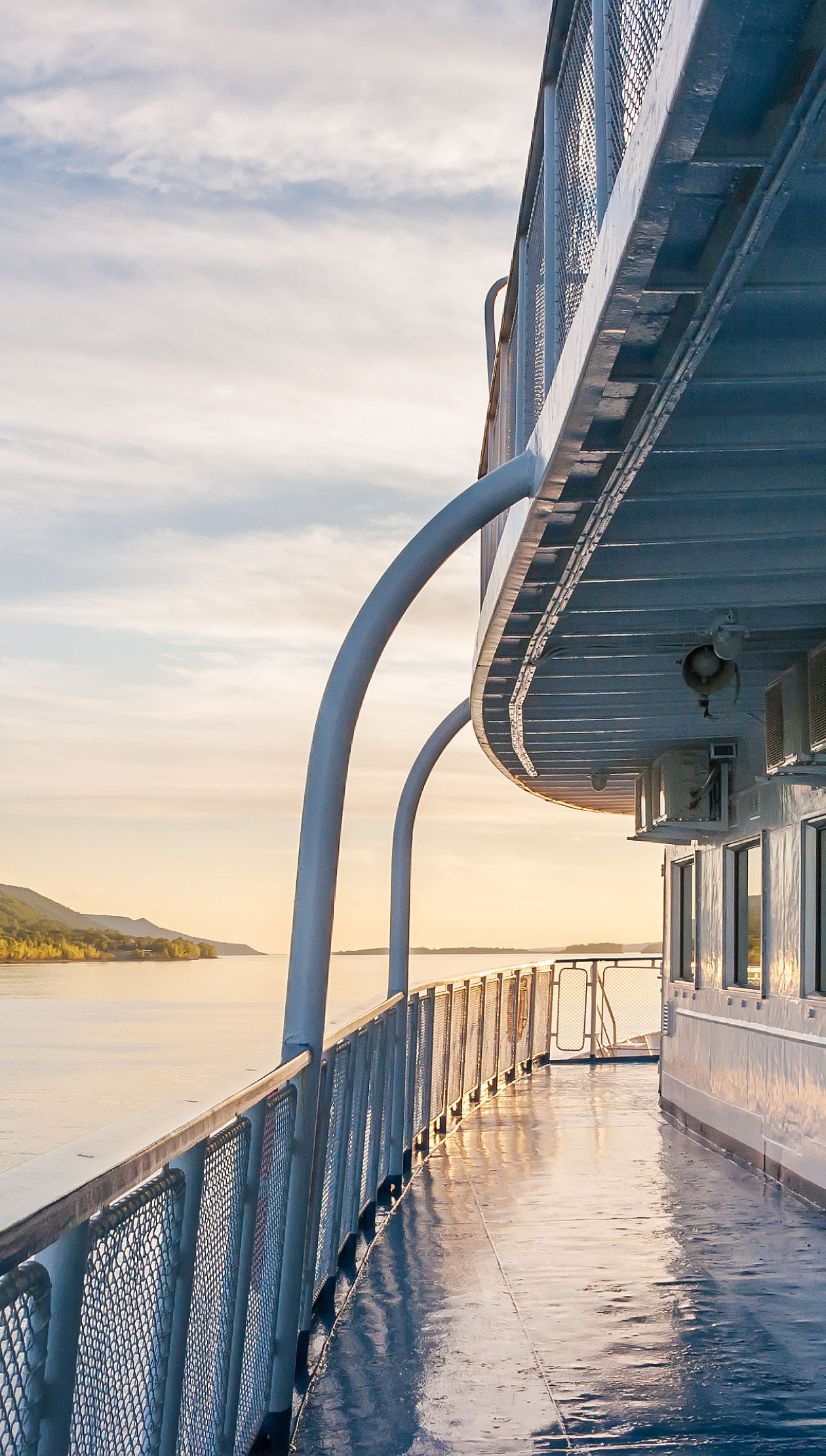
The Drava is at its most memorable in the details: the quiet dip of an oar beside Maribor, the reflection of Ptuj Castle above the water, the ordered parks and elegant facades of Varazdin, and the soft light spreading across the floodplains near Osijek. Each region has its own rhythm, cuisine, architecture, and relationship with the river. On one day, guests may taste cool-climate wines in green foothills; on another, they may watch waterbirds lift from a side channel or explore a fortress that once guarded a strategic frontier.
Cruising the Drava is not usually a single uninterrupted voyage aboard a large hotel ship. The river is experienced through a creative blend of local sightseeing boats, traditional rafting trips, small passenger vessels, cycling routes, nature excursions, and lower-river journeys connected with the Danube near Osijek. This varied format is part of its appeal. It allows travelers to move closer to the landscape, meet local guides, and explore places that remain beyond the busiest European river cruise circuits.
The Drava River from Source to Danube
The Drava is one of the major tributaries of the Danube and crosses five countries on its journey through southern Central Europe. Its upper reaches are defined by mountain scenery, engineered channels, lakes, and hydroelectric landscapes, while the lower river becomes broader, wilder, and more closely connected to forests, sandbanks, wetlands, and seasonal floodplains. Near Osijek, the Drava joins the Danube, creating a natural gateway between intimate regional cruising and the great river routes of eastern Europe.
Drava River Cruises by Country and Region
South Tyrol: The Alpine Beginning
The Drava begins in the high country of South Tyrol, where cool streams, pine-covered slopes, and broad mountain valleys establish the character of the upper river. This is not a conventional cruising zone, but it offers an evocative beginning for a land-and-river itinerary. Travelers can explore alpine villages, walk beside clear tributaries, and learn how snowmelt and mountain weather shape the river far downstream. Scenic rail journeys and guided valley walks can connect the source region with embarkation points farther east.
East Tyrol and Carinthia: Mountains, Lakes, and Riverside Towns
In Austria, the Drava passes through East Tyrol and Carinthia, linking mountain scenery with attractive regional towns. Lienz provides a natural base for alpine excursions, cycling, and short water-based activities, while the river continues toward Spittal and Villach through a landscape of wooded slopes, broad valleys, and nearby lakes. Some sections are shaped by dams and power stations, so cruising is generally local rather than continuous, but this makes the region well suited to flexible itineraries that combine boat trips with rail, road, and bicycle travel.
Dravograd and Northern Slovenia: Forested Valleys and River Heritage
After entering Slovenia, the Drava moves through a green corridor of forests, hills, and small communities. Dravograd marks an important meeting point of valleys and waterways, making it a rewarding stop for travelers interested in industrial heritage, local history, and outdoor recreation. The river here feels closely woven into daily life, with bridges, cycling trails, fishing areas, and wooded banks creating a strong sense of place.
Maribor: Wine Culture on the Drava
Maribor is one of the most compelling destinations on the Drava. The river runs directly through the city, below historic neighborhoods and vineyard-covered hills. Along the Lent waterfront, old buildings, bridges, cafes, and cultural venues form a lively riverfront scene. Traditional rafting experiences evoke the era when timber and goods were transported by water, while modern sightseeing vessels offer a relaxed perspective on the city.
River Cruises in Maribor can combine a morning voyage with a guided walk through the old center, wine tasting, and an excursion into the surrounding hills. The city is closely associated with wine culture, making it ideal for themed departures focused on vineyard landscapes and regional food. Guests can expect elegant white wines, hearty seasonal cooking, riverside dining, and stories that connect trade, agriculture, and the Drava's historic role in urban development.
Ptuj: Castle Views and Ancient History
Downstream from Maribor, Ptuj rises above the Drava with one of the river's most memorable historic skylines. The castle dominates the town from its hilltop position, while red roofs, church towers, and old streets gather beneath it. Ptuj's long history gives guided excursions unusual depth, with archaeological heritage, medieval architecture, traditional festivals, and regional wine culture all contributing to the experience.
River Cruises in Ptuj may include a river or nearby lake cruise, followed by a castle visit and a walk through the compact old town. Wine-focused itineraries can continue into surrounding vineyards, while wellness extensions may include nearby thermal facilities. The combination of water, history, and gently rolling countryside makes Ptuj especially attractive to couples and culturally curious travelers.
Ormoz and the Slovenian Wine Hills
Near Ormoz, the Drava enters a landscape of vineyard slopes, farmland, and quiet wetlands. River Cruises in Ormoz can combine birdwatching, cycling, cellar visits, markets, and guided tastings. Autumn is especially atmospheric, when harvest colors cover the hills and seasonal food takes center stage.
Varazdin: Baroque Elegance Near the River
Varazdin stands on the southern side of the Drava and offers one of the most polished cultural stops in northern Croatia. Its historic center is known for elegant facades, church towers, courtyards, palaces, parks, and a calm pedestrian atmosphere. Although cruise activity on this section is often combined with land transfers and local river experiences, the city fits naturally into a Drava itinerary because of its close geographic and historic relationship with the waterway.
River Cruises in Varazdin may feature a guided architectural walk, museum visits, regional dining, and an excursion to riverside nature areas. Music and cultural festivals add seasonal interest, while nearby vineyards and farms provide opportunities to taste local wines, pumpkin seed products, freshwater fish, pastries, and slow-cooked specialties.
Legrad and the Mura-Drava Confluence
Near Legrad, the Mura meets the Drava in a landscape of shifting channels, gravel bars, forests, and wet meadows. This confluence region is one of the ecological highlights of the river corridor. Nature excursions may be conducted by small boat, kayak, bicycle, or on foot, depending on water levels, local regulations, and seasonal conditions.
River Cruises in Legrad appeal to birdwatchers, conservation-minded travelers, and photographers. Guides can explain how natural flooding, riverbank erosion, side channels, and riparian forests support wildlife. The experience is less about formal sightseeing and more about entering a living river system where every bend reveals a different combination of water, sand, woodland, and sky.
Barcs and the Croatian-Hungarian Borderlands
Farther downstream, the Drava forms much of the border between Croatia and Hungary. Around Barcs, the river becomes increasingly suited to small-vessel navigation and nature-based exploration. The landscape is broad and low, with floodplain forests, sandbanks, backwaters, and protected habitats creating a sense of remoteness. This is a valuable region for understanding how rivers connect countries, even when those rivers define political boundaries.
Osijek: The Drava's Gateway to the Danube
Osijek is the leading urban destination on the lower Drava and the most natural connection point for wider Danube cruising. The city's riverfront promenades, parks, bridges, and historic districts create an attractive arrival, while the fortified old quarter introduces layers of military, commercial, and cultural history. Cafes and restaurants bring contemporary energy to a city that still feels closely tied to the river.
River Cruises in Osijek can be combined with Danube itineraries, excursions to nearby wine regions, and wildlife visits around the Drava-Danube confluence. A cruise day might begin with early birdwatching, continue with an architectural tour, and end with a dinner built around river fish, roasted meats, local vegetables, and regional wines.
Osijek also provides access to Kopacki Rit, a major wetland landscape near the meeting of the Drava and Danube. Small boats move through channels and reed beds where conditions allow, creating opportunities to observe waterbirds and floodplain ecology. For many travelers, this is the emotional climax of a Drava journey: the intimate river of towns and vineyards opening into a vast world of marsh, forest, and sky.
The Distinctive Character of Drava River Cruising
- Scenery: Alpine valleys, vineyard hills, historic waterfronts, agricultural plains, sandbanks, floodplain forests, and wetlands appear along one connected river corridor.
- Culture: The route brings together Austrian, Slovenian, Croatian, and Hungarian regional traditions without depending on large capital cities.
- Cuisine: Menus can shift from mountain produce and orchard fruit to vineyard wines, freshwater fish, paprika-seasoned dishes, slow-cooked meats, and handmade pastries.
- Active exploration: Cycling, walking, rafting, kayaking, and birdwatching often complement short boat journeys.
- Small-scale atmosphere: Local vessels and flexible land-and-water programs create a more personal style of travel than many high-capacity river routes.
- Danube connections: The lower Drava meets the Danube near Osijek, allowing selected itineraries to combine both river systems.
Drava River Cruise Itineraries by Length and Theme
Short Drava Cruises of 3 to 5 Days
A short Drava itinerary works best when it concentrates on one region. In Slovenia, a four-day journey might connect Maribor, Ptuj, and Ormož through sightseeing cruises, traditional rafting, wine tastings, castle visits, and cycling. Guests could begin beside Maribor's historic waterfront, travel through vineyard country, and finish beneath Ptuj Castle with a sunset view over the river.
In Croatia, a short program might focus on Varaždin and the Mura-Drava confluence, combining baroque architecture with nature excursions. Another option is an Osijek-based journey featuring the riverfront, historic quarter, regional cuisine, and a small-boat wetland experience near the Danube. These compact itineraries are ideal for travelers adding the Drava to a longer Central European holiday.
Medium Drava Cruises of 6 to 9 Days
A medium-length itinerary allows guests to experience the river's changing character. A seven-day route could begin in Maribor, continue through Ptuj and Ormož, cross into northern Croatia to visit Varaždin and Legrad, and conclude with countryside excursions. Although transfers may be required between navigable sections, the journey remains unified by the river, its landscapes, and its cultural history.
An eight- or nine-day lower-river program could connect Varazdin, Barcs, Valpovo, and Osijek. Highlights might include protected floodplains, guided cycling, village meals, local wine, architectural tours, and a final Danube connection. This length provides enough time for both active mornings and slow afternoons, preserving the relaxed pace that makes the Drava distinctive.
Long Drava and Danube Journeys of 10 Days or More
Long itineraries can follow the Drava from its alpine setting toward the Danube through a carefully planned combination of rail, road, bicycle, and boat travel. A two-week journey might begin in South Tyrol, continue through Lienz and Villach, explore Dravograd, Maribor, Ptuj, and Varazdin, and finish in Osijek. This format emphasizes the river as a geographic and cultural thread rather than promising uninterrupted navigation.
Wine and Culinary Cruises
Wine-themed Drava journeys are especially rewarding in Slovenia and northern Croatia. Maribor, Ptuj, Ormoz, and Varazdin can anchor an itinerary built around vineyard walks, cellar visits, guided tastings, seasonal menus, and meetings with producers. Guests may compare cool-climate white wines, aromatic varieties, sparkling wines, and fuller regional styles while learning how river valleys, hills, soils, and weather influence cultivation.
Art, Architecture, and History Cruises
History-focused itineraries can connect castles, fortified quarters, archaeological sites, churches, civic palaces, industrial heritage, and traditional river transport. Ptuj offers ancient and medieval layers; Varazdin provides baroque elegance; Osijek contributes frontier architecture and a fortified old district; and Maribor reveals the relationship between trade, timber, wine, and the river.
Expert lectures, museum visits, guided walks, and evening discussions can transform the route into a moving seminar on Central European history. These journeys suit travelers who prefer interpretation and context to hurried sightseeing.
Christmas Market and Winter Culture Cruises
Winter programs can link festive city stays in Villach, Maribor, Varazdin, and Osijek with seasonal dining, concerts, illuminated streets, craft markets, and regional traditions. Because winter navigation and local boat schedules may be limited, these departures often rely more heavily on hotels and land transfers. Even so, the Drava remains the unifying theme, especially when riverside promenades and historic centers are decorated for the season.
Nature, Cycling, and Photography Cruises
The Drava is exceptionally well-suited to active, nature-focused travel. Cycling routes follow long sections of the river, while protected wetlands support birdwatching and landscape photography. Small boats can enter quieter channels where permitted, and guided walks reveal riverbank forests, gravel bars, floodplain meadows, and conservation projects.
The Onboard Experience
Ship Sizes and Ambiance
Drava cruising often uses small passenger boats, sightseeing vessels, traditional rafts, and charter craft rather than the large hotel ships associated with the Rhine or Danube. On the lower river and on combined Danube departures, guests may also travel aboard larger river ships. The atmosphere is generally informal, intimate, and closely connected to the surroundings.
Cuisine and Wine
Food is one of the strongest themes of a Drava journey. Breakfasts may feature breads, fruit, cheese, preserves, and pastries, while lunches and dinners introduce regional soups, freshwater fish, roasted or braised meats, seasonal vegetables, and desserts based on apples, nuts, poppy seeds, or cream. Wine lists naturally reflect nearby growing regions.
Excursions and Enrichment
Excursions are central to the Drava experience. Guided walking tours, castle visits, vineyard tastings, cycling rides, birdwatching outings, rafting demonstrations, museums, and wetland boat trips provide the cultural and ecological context that makes the river meaningful. Local historians, naturalists, winemakers, chefs, and craftspeople may contribute talks or demonstrations.
Something for Everyone
- Couples are drawn to vineyard stays, castle towns, riverside dinners, and the intimate scale of local vessels.
- Families may prefer active itineraries with cycling, rafting, wildlife watching, and short travel stages, although age restrictions and vessel facilities should be checked in advance.
- Solo travelers often appreciate small groups, shared excursions, and the social atmosphere created by guided tastings and communal meals.
- Luxury travelers can experience the Drava through private transfers, boutique hotels, chartered boats, expert guides, premium wine visits, and customized Danube connections.
- Nature enthusiasts, photographers, repeat visitors to Europe, and travelers seeking less crowded destinations are among the strongest matches for the river.
Planning a Drava River Cruise
Spring and early autumn are excellent periods for comfortable temperatures, active excursions, and colorful landscapes. Summer offers long daylight hours, festivals, outdoor dining, and lively riverfronts, though temperatures can be hotter on the plains. Autumn is particularly attractive for wine and culinary travel, while winter supports festive city-based itineraries with reduced emphasis on navigation.
Water levels, local operating schedules, locks, dams, protected-area rules, and weather can affect boat journeys. Travelers should expect flexibility and choose operators that describe clearly which sections are traveled by vessel and which use road, rail, or bicycle transfers. This transparency is important because the Drava's appeal lies in its varied format rather than in continuous navigation.
The Lasting Appeal of the Drava
A journey along the Drava is a passage through the quieter heart of Central Europe. It begins beneath mountain skies, gathers stories in vineyard towns and castle shadows, and ends among the reeds, forests, and open waters of the Danube wetlands. More than a cruise, it is an invitation to follow a living river through changing cultures and landscapes, discovering that the most memorable journeys are often found beyond the busiest routes.