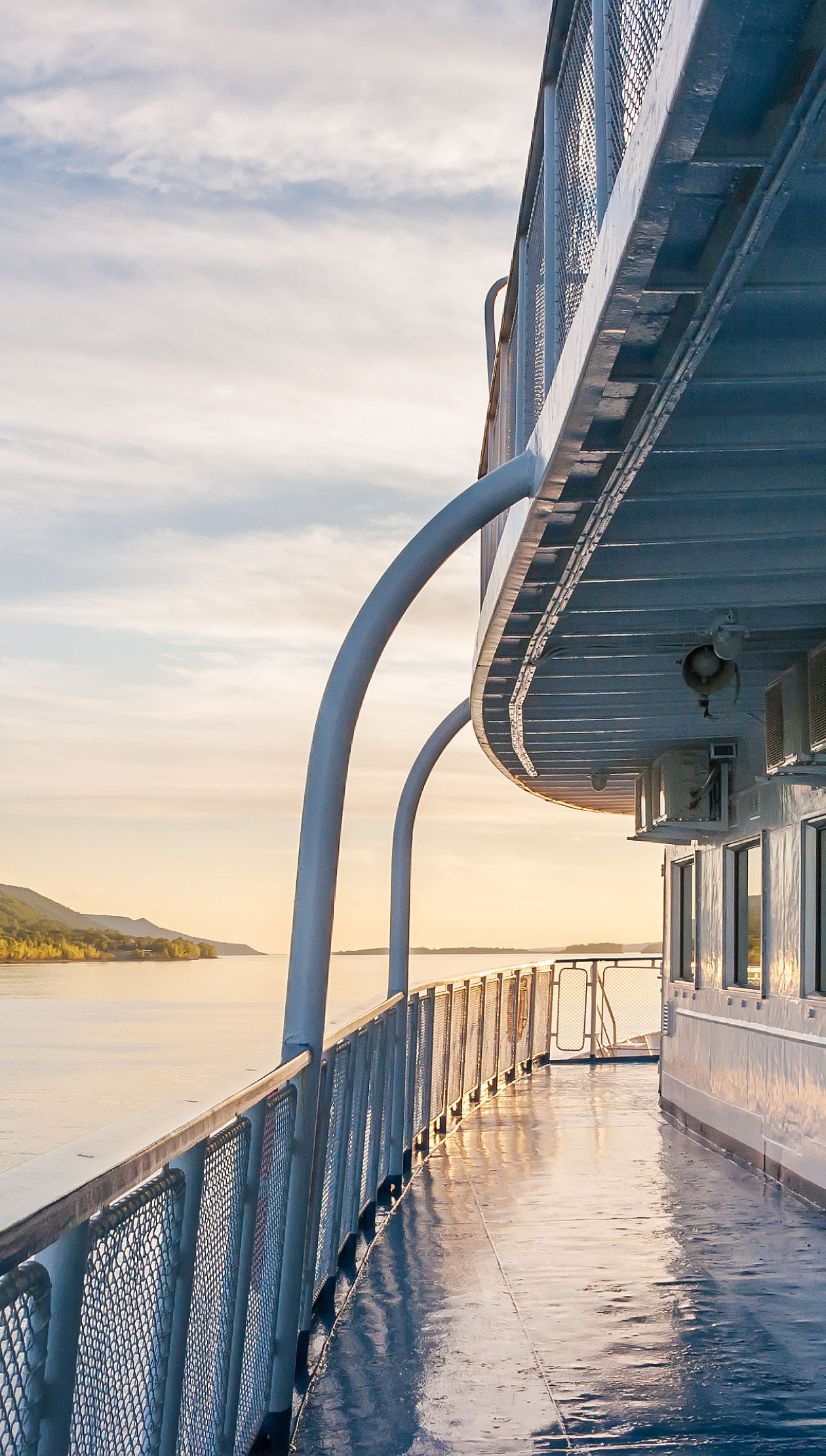
The appeal of Leverinho lies partly in its position. Located upstream from Porto and Vila Nova de Gaia, it stands near the transition between the metropolitan riverfront and the more secluded scenery of the interior. Cruise vessels may use Leverinho as a docking point during journeys through the valley, giving passengers an opportunity to experience a quieter side of the river before continuing towards the terraced vineyards around Peso da Regua and Pinhao.
Leverinho presents a calm, green contrast to Porto's densely built waterfront. Wooded hills, quiet riverbanks, and small communities create an unhurried atmosphere around the docking area. Although it is not a large sightseeing center, that simplicity is part of its character. Leverinho allows passengers to appreciate the river itself while ships prepare to continue upstream or return towards the coast.
History, culture, and agriculture remain closely connected along this waterway. Vineyards follow the contours of steep hills, historic estates preserve generations of winemaking knowledge, and towns contain churches, railway buildings, markets, and monuments shaped by the river. A Douro cruise through Leverinho reveals this cultural landscape gradually, with every bend introducing a new combination of forest, farmland, village life, and human craftsmanship.
Exploring the Douro River from Leverinho
The Douro rises in Spain and travels west across the Iberian Peninsula before reaching the Atlantic Ocean at Porto. In northern Portugal, the river flows through one of Europe's most distinctive wine regions. Its steep valley sides have been terraced, creating a remarkable cultural landscape in which vineyards, stone walls, rural communities, and wine estates appear inseparable from the natural terrain.
Cruising is one of the most rewarding ways to experience this region. Roads and railway lines provide impressive views, but the river offers an uninterrupted perspective from the heart of the valley. Passengers see the landscape change from the historic urban waterfront of Porto to increasingly dramatic hills, narrow channels, and sunlit vineyards. Navigation through the river's locks adds another dimension, revealing the engineering that made longer journeys into the upper valley possible.
Porto and Its Historic Waterfront
Porto brings color, architecture, and urban energy to a Douro itinerary. From the river, passengers can admire stacked houses, church towers, old trading buildings, and bridges connecting the two banks. Excursions often explore the historic center, traditional shopping streets, tiled railway interiors, and viewpoints overlooking the water. Local restaurants add fresh seafood, regional meat dishes, pastries, and northern Portuguese wines to the experience.
Vila Nova de Gaia and the Wine Cellars
Across the river from Porto, Vila Nova de Gaia is closely associated with the aging and storage of Port wine. Its riverfront warehouses and tasting rooms tell the story of barrels once transported downstream from the Douro Valley. Guided cellar visits explain blending and aging techniques, while tastings introduce the principal styles produced in the region. The hillside also provides broad views across the river towards Porto.
Douro Marina and the Atlantic Approach
Douro Marina lies near the lower reaches of the river, close to the meeting point between the Douro and the Atlantic. This area shows another side of local river life, with sailing boats, waterfront paths, fishing traditions, and coastal influences. It can complement the inland scenery of Leverinho by demonstrating how the river connects the agricultural interior with the ocean and international trade routes.
Peso da Régua and the Wine Trade
Peso da Régua has long been an important center for the Douro wine industry. Vineyards rise above the town, while its riverside setting reflects the historic movement of wine through the valley. Excursions may include local museums, scenic viewpoints, or nearby estates. The surrounding landscape becomes especially memorable during the harvest season, when the vineyards take on warm shades of gold and red.
Lamego and Sacred Architecture
Located inland from the river, Lamego is a popular excursion from Douro cruise ports. The city is known for its historic center, religious buildings, and monumental staircase rising towards a hilltop sanctuary. Visitors can explore layers of regional history while sampling local produce and sparkling wine. Its formal architecture provides a compelling contrast to the agricultural landscapes seen from the ship.
Pinhão and the Terraced Vineyards
Pinhão stands amid some of the Douro Valley's most celebrated vineyard scenery. Wine estates cover the slopes around the town, and the historic railway station is admired for decorative panels illustrating rural traditions and the grape harvest. Estate visits frequently combine vineyard walks, cellar tours, and guided tastings. From the river, the hills seem to fold around Pinhao, creating one of the most photographed settings on the Douro.
Senhora da Ribeira and the Upper Valley
Farther upstream, Senhora da Ribeira offers a quieter encounter with the upper Douro. The surrounding hills are drier and more rugged than those near Leverinho, showing how dramatically the landscape changes along the river. Vineyards remain prominent, but the broader impression is one of space, sunlight, and seclusion. This stretch is particularly rewarding for passengers interested in photography and landscape observation.
Foz Côa and Ancient Heritage
Foz Côa connects a Douro itinerary with one of the region's most important archaeological landscapes. The surrounding valley is known for prehistoric rock art created over thousands of years. Guided visits help travelers understand the age and significance of these open-air sites. Combined with the region's vineyards and contemporary architecture, Foz Coa creates a fascinating dialogue between ancient creativity and modern cultural preservation.
Distinctive Culture, Cuisine, and Scenery
The Douro offers a particularly strong sense of place. Its scenery is not merely decorative; it records centuries of work carried out on steep, demanding terrain. Terraces, vineyard paths, stone retaining walls, and isolated farm buildings demonstrate how communities adapted the hills for cultivation. Traveling from Leverinho into the upper valley gradually reveals this transformation, making the journey itself an essential part of the experience.
Food and wine provide another connection to the landscape. Menus may feature river fish, roasted meats, vegetable soups, local cheeses, olive oil, almonds, and seasonal fruit. Wine tastings extend beyond Port to include the region's increasingly respected red, white, and sparkling wines. Meals served as the vineyards pass outside the windows turn regional cuisine into a sensory account of the places visited.
Leverinho and Douro River Cruise Itineraries
Short River Cruises of Three to Five Days
Short itineraries usually concentrate on the lower Douro and selected wine-country highlights. A journey might combine Porto, Gaia, Leverinho, and Peso da Régua, with time for a cellar tasting, a panoramic sailing section, and an excursion to a vineyard estate. These cruises suit travelers adding the Douro to a longer Portuguese holiday or seeking an accessible introduction to river cruising.
Medium River Cruises of Six to Nine Days
Medium-length cruises allow the character of the valley to unfold at a more relaxed pace. Guests may travel from Porto through Leverinho to Peso da Regua, Pinhao, and the upper Douro, with excursions to Lamego and regional wine estates. Additional time supports guided walks, more detailed tastings, onboard lectures, and evenings in smaller ports. This is the most balanced format for first-time visitors.
Long River Cruises of Ten Days or More
Longer programs may combine extensive Douro navigation with hotel stays, overland extensions, or additional destinations in Portugal and Spain. Passengers can spend more time exploring Porto before sailing, visit archaeological attractions near Foz Coa, and experience several contrasting wine-producing areas. The slower schedule also leaves room for independent exploration and quieter hours on deck between organized activities.
Wine and Culinary Cruises
Wine-focused cruises explore the relationship between the Douro's vineyards, climate, soil, and cultural traditions. Tastings may be led by producers or specialist hosts, while shore excursions visit historic estates and modern wineries. Culinary departures add market visits, food pairings, regional cooking demonstrations, and menus designed around local ingredients.
History, Art, and Seasonal Cruises
Special-interest itineraries may focus on archaeology, religious art, architecture, photography, or regional history. Seasonal departures can highlight spring color, the late-summer grape harvest, autumn foliage, or the festive atmosphere of Porto during the winter holiday period. Although the Douro is not primarily a Christmas-market destination, selected programs may include seasonal markets, illuminated streets, concerts, and traditional celebrations before or after the cruise.
Life Onboard a Douro River Ship
Ship Sizes and Ambiance
Douro vessels are generally smaller than many ships operating on Europe's widest rivers because they must navigate the waterway's locks and narrower sections. Interiors often include a panoramic lounge, restaurant, open deck, and comfortable cabins. The atmosphere tends to be relaxed and sociable, with scenery remaining the main attraction throughout the day.
Cuisine and Wine
Onboard dining commonly reflects the destinations visited during the cruise. Guests can expect regional flavors, internationally familiar options, and wines selected from the Douro and other Portuguese regions. Port tastings, food pairings, and themed dinners may provide further context, turning each meal into an extension of the day's exploration.
Excursions and Enrichment
Guided excursions range from city walks and museum visits to vineyard tours, scenic drives, and archaeological experiences. Onboard enrichment may include talks about wine production, river engineering, local history, and regional customs. Some departures also feature live music, cooking demonstrations, or informal presentations by local specialists.
Something for Everyone
- Couples can enjoy vineyard visits, scenic dining, and quiet evenings on deck.
- Solo travellers benefit from organized excursions and the sociable scale of river ships.
- Families with older children can combine cultural discovery with castles, locks, railways, and outdoor scenery.
- Luxury travellers can choose ships offering larger suites, refined dining, attentive service, and private touring options.
- Culture and wine enthusiasts gain direct access to historic towns, estates, museums, and regional specialists.
The Lasting Appeal of Leverinho River Cruises
A river cruise through Leverinho is more than a passage into the Douro Valley. It is a gradual journey from the lively waterfront of Porto to a landscape shaped by vineyards, river communities, ancient heritage, and generations of skilled work. With every lock, tasting, and bend in the river, the Douro reveals another part of its story.