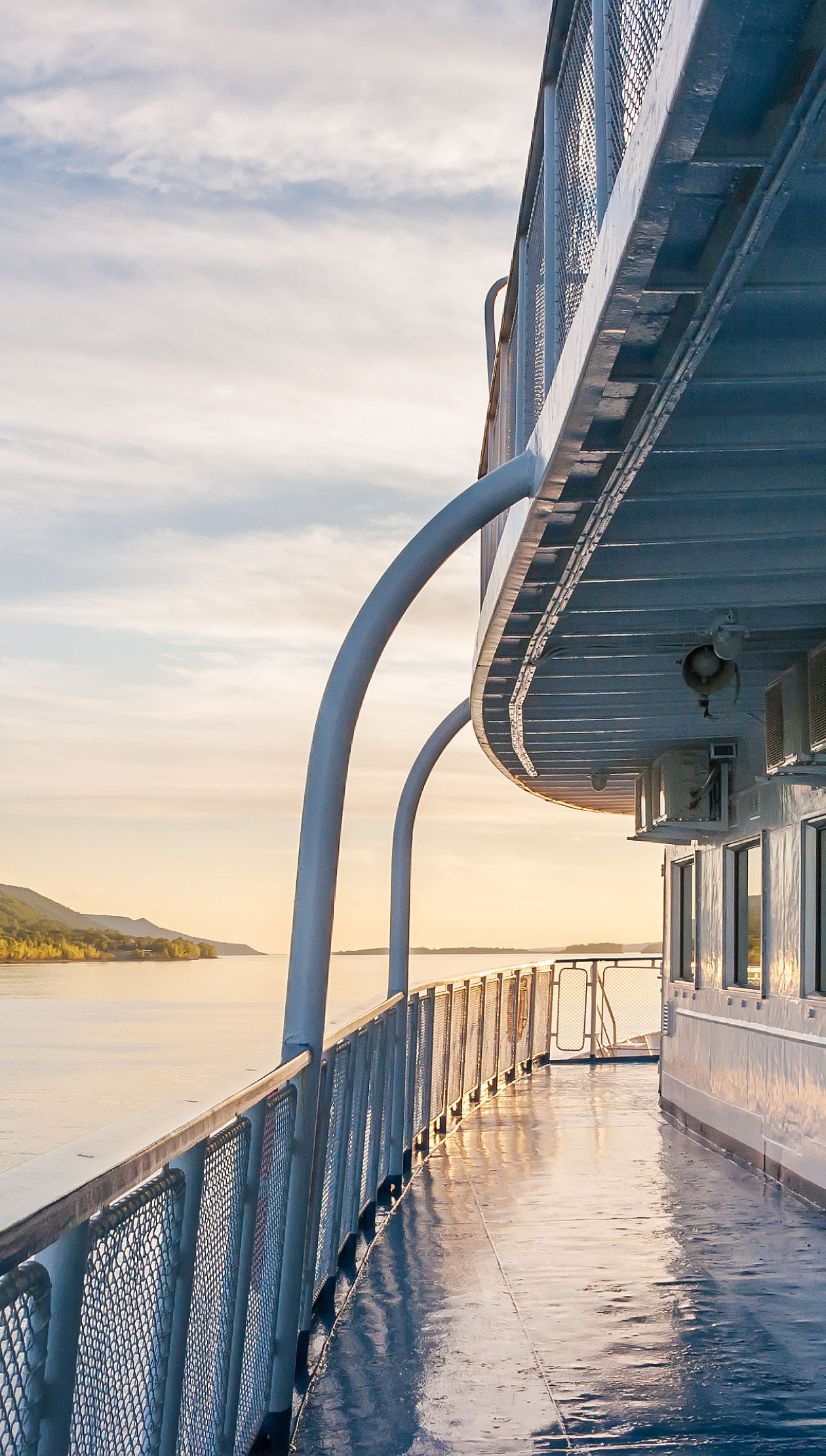
Bitetos once served as an important stopping point for the traditional wooden vessels that carried barrels from the vineyards of the upper Douro to the wine cellars of Gaia. Today, its riverside setting provides a peaceful connection to that commercial past. The local river beach and former landing area recall an age when the Douro was a demanding working river, long before modern dams and locks transformed it into the calm cruising route visitors experience today.
Bitetos is closely associated with the history of river transport on the Douro. Its waterfront was once used by traditional cargo boats carrying wine barrels downstream toward Gaia. The river beach now provides a relaxed setting where visitors can appreciate the water up close, while the surrounding hills reveal the greener character of the lower Douro. For cruise guests, Bitetos offers an authentic contrast to the busy waterfronts and landmark-filled city ports elsewhere on the route.
A river cruise through Bitetos combines natural beauty with access to the Douro’s great cultural destinations. Guests can begin among the historic streets and bridges of Porto, continue through the green western valley, and then enter the dramatic terraced landscapes surrounding Regua and Pinhao. Farther east, the scenery becomes increasingly rugged as the river approaches Pocinho, Foz Coa, Senhora da Ribeira, and Barca d’Alva near the Spanish border.
River Cruising Through Bitetos on the Douro
The Douro is the defining river of Bitetos and the central thread connecting the community with Porto, Gaia, the vineyard estates of the central valley, and the remote landscapes of the east. Although Bitetos is less famous than the major wine ports farther upstream, its intimate character is part of its appeal. It allows guests to see a gentler, more residential side of the river before the steep vineyard terraces begin to dominate the horizon.
Purpose-built river ships navigate the Douro through a system of locks and dams. The journey includes long periods of scenic daytime sailing, giving passengers time to watch the landscape evolve from wooded riverbanks and small villages into sharply carved hills covered with vines. The result is a cruise defined as much by the scenery between stops as by the destinations themselves.
Leverinho and the Lower Douro
Leverinho lies west of Bitetos in a peaceful area where wooded slopes, river islands, and small settlements frame the Douro. It is often encountered near the beginning or end of a longer voyage and provides an inviting transition between metropolitan Porto and the rural interior. Travelers may enjoy relaxed sailing, views of traditional riverside architecture, and excursions into the surrounding countryside.
Porto and the Atlantic Gateway
Porto serves as the cultural and architectural gateway for most Douro River cruises. Its historic center rises above the river in layers of colorful houses, church towers, stone lanes, and grand civic buildings. Before or after sailing through Bitetos, guests can explore the waterfront, cross the city’s famous bridges, visit markets and museums, or simply watch boats moving between the steep riverbanks. Porto adds urban energy and centuries of maritime history to the wider Douro experience.
Gaia and the Story of Fortified Wine
Across the river from Porto, Gaia is renowned for its historic wine cellars. For generations, wine produced in the Douro Valley was transported downstream and matured here before being exported around the world. Guided cellar visits explain the aging and blending process, while tastings reveal the differences between young, fruit-forward styles and complex aged wines. The connection between Gaia and former river landings such as Bitetos brings the Douro’s trading history vividly to life.
Régua and the Heart of Wine Country
Régua is one of the principal ports of the Douro Valley and an important center of regional wine culture. Surrounded by steep hills, it offers access to museums, scenic viewpoints, and estates where visitors can learn how grapes are cultivated on demanding slopes. The approach by river is particularly memorable, with roads, railway tracks, terraces, and villages following the valley's contours. Excursions frequently combine wine tasting with panoramic drives through the surrounding countryside.
Lamego and Its Monumental Heritage
Often visited on excursions from Régua, Lamego adds a rich historical dimension to a Douro cruise. Its most recognizable landmark is a hilltop sanctuary reached by an elaborate staircase decorated with fountains, sculptures, and patterned tiles. The old center also contains a cathedral, museum collections, and traces of the city’s medieval past. Lamego is an especially rewarding stop for travelers interested in sacred architecture, decorative art, and regional history.
Pinhão Among the Vineyard Terraces
Pinhão stands where vineyard-covered hills close tightly around the Douro. It is one of the valley’s most picturesque ports and a natural base for visits to historic wine estates. The railway station is celebrated for decorative panels illustrating vineyard work and traditional river transport. From the waterfront, guests can join tastings, take a short scenic boat ride, or travel into the hills for sweeping views across one of the world’s most distinctive wine landscapes.
Senhora da Ribeira and the Quiet Eastern Valley
Senhora da Ribeira introduces travelers to a quieter and more rugged section of the Douro. Vineyards remain visible, but the landscape feels increasingly remote, with fewer large towns and more open expanses of rock, olive trees, and cultivated slopes. The calm waterfront is ideal for appreciating the valley's scale. Ships may pause nearby while guests explore wine estates or enjoy the serenity of the eastern river.
Foz Côa and Ancient Rock Art
Foz Côa adds extraordinary archaeological depth to a Douro itinerary. The surrounding valley is known for its open-air prehistoric rock carvings, which provide evidence of human creativity reaching back thousands of years. Guided visits and museum displays help travelers understand the animals, symbols, and techniques represented in the landscape. Combined with nearby vineyards and dramatic scenery, Foz Coa demonstrates that the Douro Valley’s heritage extends far beyond its winemaking traditions.
Pocinho and the Edge of the Upper Douro
Pocinho is a small riverside settlement surrounded by dry hills and wide horizons. Its railway heritage and strategic position have long connected the upper valley with communities farther west. River cruises reaching Pocinho reveal a markedly different landscape from the green banks around Bitetos. The warmer, more exposed terrain creates striking contrasts of stone, water, olive groves, and vineyard plots, making this section especially rewarding for photographers.
Barca d'Alva Near the Spanish Border
Barca d'Alva is one of the final Portuguese stops before the Douro reaches Spain. The surrounding countryside is peaceful and sparsely populated, with steep hills sheltering birds, orchards, vineyards, and small farming communities. Excursions may lead to fortified villages, panoramic viewpoints, or destinations across the border. Reaching Barca d'Alva provides a satisfying sense of distance from Porto and completes the river’s transformation from urban waterway to remote natural corridor.
Scenery, Culture, and Cuisine Along the Douro
The journey from Bitetos toward the upper valley is a gradual unveiling of the Douro’s different personalities. Around Bitetos and Leverinho, wooded slopes and waterside communities create a soft, green landscape. Near Regua and Pinhao, the hills become steeper and more intensively cultivated. Beyond Pocinho, exposed rock and open skies give the river an almost monumental quality.
Regional cuisine reflects this changing terrain. Onboard and ashore, guests may encounter river fish, roasted meats, vegetable soups, cured products, local cheeses, almonds, olive oil, and fruit-based desserts. Wine remains central to the experience, from refreshing regional whites to structured reds and the fortified wines historically carried through Bitetos. Meals become a way to understand the landscape, its seasons, and the communities that have cultivated it for generations.
Bitetos River Cruise Itineraries
Short River Cruises of Three to Five Days
A short Douro itinerary is ideal for travelers combining a cruise with time in Porto or northern Portugal. A journey might connect Porto, Gaia, Leverinho, Bitetos, and Régua, with scenic sailing through the lower valley and a wine-focused excursion inland. Guests can expect bridge views, a cellar tasting, relaxed onboard meals, and an introduction to the Douro’s river-trading heritage without committing to a full week away.
Medium River Cruises of Six to Nine Days
Medium-length cruises offer the most balanced exploration of the river. A typical route may travel from Porto through Bitetos to Régua, Lamego, Pinhão, Pocinho, and Barca d'Alva before returning downstream. These voyages allow time for vineyard visits, historical walking tours, regional dining, and extended daytime sailing. Several nights in the valley also let travelers experience its softer evening light, when the terraces turn gold and the river becomes almost perfectly still.
Long River Journeys of Ten Days or More
Longer itineraries may combine a complete Douro cruise with hotel stays or overland touring in Porto, Lisbon, central Portugal, or western Spain. Guests can explore urban architecture, medieval towns, archaeological sites, and wine regions at a more relaxed pace. Additional nights often make room for smaller destinations, specialist excursions, and unhurried meals. These journeys suit travelers who want the river to form part of a broader cultural exploration rather than a self-contained cruise.
Wine, Culinary, Art, and Seasonal Cruises
- Wine-themed cruises may include guided tastings, estate visits, blending demonstrations, and discussions about the valley’s climate and grape varieties.
- Culinary departures place greater emphasis on regional menus, food markets, olive oil, cheeses, and carefully paired dinners.
- Art and history programs explore Porto’s architecture, Lamego’s religious monuments, the ancient carvings around Foz Côa, and the river’s cargo-boat heritage.
- Seasonal cruises can highlight spring greenery, the warm colors of late summer, or the grape harvest.
- Festive winter sailings may feature decorated ships, celebratory menus, and visits to seasonal markets in larger cities.
- While Christmas market traditions are less extensive along the Douro than on central European rivers, Porto and selected inland communities provide a warm and atmospheric seasonal setting.
The Onboard Experience
Ship Size and Ambiance
Douro cruise ships are generally smaller than vessels sailing Europe’s broadest rivers because they must fit the waterway’s locks and navigate its bends. Their scale creates an intimate atmosphere, with comfortable lounges, panoramic windows, outdoor viewing areas, and cabins designed to keep the river in sight. The mood is typically relaxed and sociable, allowing guests to enjoy both quiet moments and conversation with fellow travelers.
Cuisine and Wine
Menus commonly draw inspiration from northern Portuguese cooking while incorporating familiar international options. Regional wines are frequently served with lunch and dinner, and some departures include expert-led tastings. Dining while vineyard terraces pass outside the windows is one of the defining pleasures of a Bitetos river cruise, connecting each plate and glass with the landscape beyond the ship.
Excursions and Enrichment
Daily programs may include guided walks, panoramic coach tours, museum visits, wine-estate experiences, and cultural performances. Onboard talks often introduce the history of the Douro, wine production, navigation, and local traditions. Travelers should expect some uneven streets and steps during excursions, although many operators provide gentler alternatives for guests who prefer a slower pace.
Something for Everyone
- Couples can enjoy romantic scenery, wine tastings, and quiet evenings on deck.
- Families benefit from educational excursions, castle visits, and active experiences, although age policies vary by ship.
- Solo travelers often appreciate the friendly scale of river ships and the ease of joining guided activities.
- Luxury travelers can choose ships with spacious suites, refined dining, private transfers, and exclusive estate visits.
- Culture and history enthusiasts gain access to archaeological sites, religious monuments, historic towns, and centuries of river heritage.
The Lasting Appeal of Bitetos River Cruises
A river cruise through Bitetos is more than a journey across the Douro Valley. It is a passage through living wine country, ancient landscapes, and communities whose stories have always followed the river. Between the peaceful waterfront of Bitetos and the distant hills of Barca d'Alva, every bend offers a new view and a deeper connection to the cultural heart of northern Portugal.