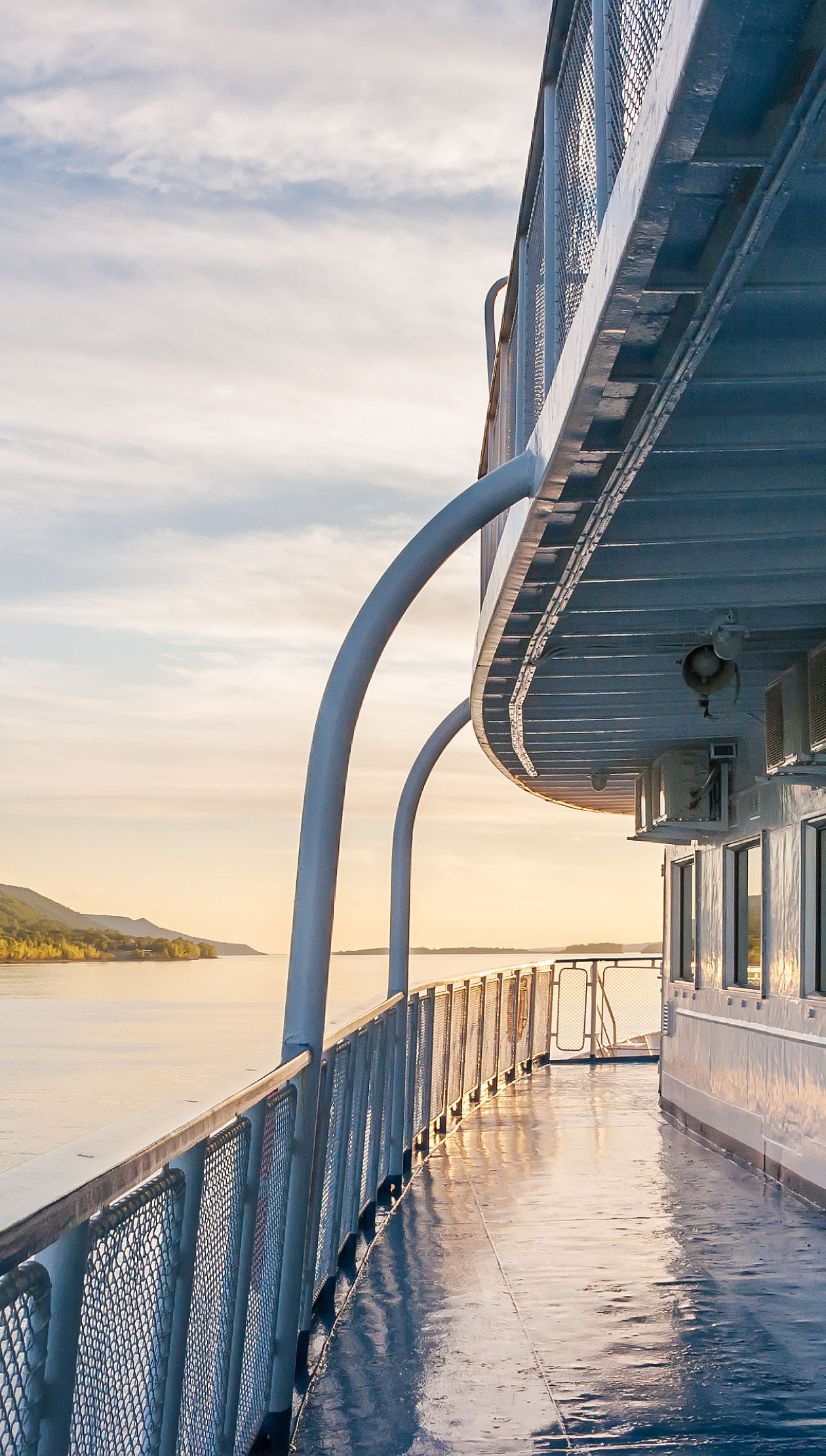
Set between the Grevelingenmeer and the Oosterschelde estuary, Bruinisse is closely associated with mussel fishing, maritime traditions, and relaxed waterside living. Its appeal lies in this rare mix of working-village authenticity and scenic cruising access: guests can step ashore for seafood, museums, harbor walks, and excursions into Zeeland’s dike-lined landscapes before returning to the calm atmosphere of a small vessel.
Bruinisse is the emotional center of this cruising region. Known for its mussel heritage, the village invites travelers to linger along the harbor, watch fishing boats at work, and taste seafood close to its source. A visit to Brusea adds cultural depth, telling the story of a village shaped by the sea, harbor life, and generations of fishermen.
A river cruise through Bruinisse is best understood as a Dutch delta cruise rather than a classic inland river journey. Here, rivers, estuaries, lakes, canals, and sea arms blend into one atmospheric network of waterways. The scenery shifts from marina lights to open horizons, from fishing villages to historic towns, and from quiet reed beds to broad expanses where seabirds wheel above the water.
Cruising the Dutch Delta Waterways Around Bruinisse
Although Bruinisse is sometimes grouped into wider European river cruise programs, its true character comes from the waterways of Zeeland and the surrounding Dutch delta. These routes offer a different kind of river cruise experience: less about castles on cliffs and more about maritime culture, seafood, birdlife, engineering, island landscapes, and small harbor life.
Grevelingenmeer
The Grevelingenmeer gives Bruinisse much of its waterside atmosphere. Calm, spacious, and popular with boaters, it creates the sense of cruising through a broad inland sea. Small ships and private river cruise vessels can use this landscape to deliver slow, scenic days filled with fresh air, marina views, and a feeling of escape from the busier ports of the Netherlands.
Oosterschelde Estuary
The Oosterschelde estuary brings a wilder note to a Bruinisse cruise. Its tidal character, birdlife, and open-water views reveal the Netherlands as a country constantly negotiating with the sea. Excursions here often focus on nature, coastal engineering, seafood culture, and the delicate balance between land and water that defines Zeeland.
Zierikzee
Zierikzee is one of the most rewarding nearby towns for river cruise guests. Its historic harbor, old facades, towers, and compact streets create a polished contrast to Bruinisse’s fishing-village intimacy. Travelers can stroll between maritime architecture and cafe terraces, enjoying a shore excursion that feels both cultured and unhurried.
Willemstad
Willemstad adds a fortified-town dimension to a Zeeland itinerary. Often included on short cruises along the Dutch waterways of Bruinisse and Zierikzee, it offers star-shaped defenses, handsome waterfront views, and a sense of the Netherlands’ strategic relationship with its rivers and estuaries.
Oudeschild
Oudeschild, on Texel, expands the journey northward into the Wadden Sea world. This harbor village is known for maritime character, island scenery, birdlife, and access to seal-watching cruises. For travelers combining Zeeland with northern Dutch coastal cruising, Oudeschild adds a dramatic island chapter to the itinerary.
Texel
Texel brings open skies, sheep-dotted fields, dunes, beaches, and North Sea breezes into the cruise narrative. A stop here is ideal for travelers who want nature and culture in equal measure, with excursions that may include bird reserves, cycling routes, lighthouses, seafood tastings, and harbor walks.
Delta Works
No cruise through Zeeland feels complete without understanding the Delta Works, the vast water-management system that protects the region from the sea. For culturally curious travelers, this is one of the Netherlands’ most powerful stories: a landscape where engineering, memory, and survival are written into every dike, barrier, and waterway.
Cruising Through Bruinisse
Bruinisse offers a slower, more atmospheric style of European river cruising. Instead of moving between major capitals, guests experience the poetry of smaller places: fishing harbors, quiet marinas, seafood restaurants, nature reserves, and villages where the water is not a backdrop but a way of life.
The cuisine is another defining pleasure. Zeeland mussels, fresh fish, oysters, and seasonal produce give the journey a strong sense of place. Meals onboard or ashore can become part of the destination itself, especially when paired with Dutch cheeses, crisp white wines, local beers, or menus inspired by the day’s port.
Themed and Length-Based Bruinisse Itineraries
Short Cruises: 3 to 5 Days
A short Bruinisse cruise is ideal for travelers seeking a compact but evocative escape. A typical route might connect Bruinisse, Willemstad, Zierikzee, and the Zeeland lakes, with time for harbor walks, seafood lunches, cycling excursions, and sunset views from the deck. These itineraries work especially well for couples, small groups, and first-time river cruisers seeking a relaxed introduction to the Dutch waterways.
Medium Cruises: 6 to 9 Days
Medium-length itineraries allow the journey to breathe. Guests might begin in the Dutch river network, continue through Zeeland, and then add coastal or island calls such as Oudeschild or other northern ports. The result is a layered portrait of the Netherlands: historic towns, working harbors, nature reserves, dike landscapes, and island culture woven into one unhurried voyage.
Long Cruises: 10 or More Days
Longer cruises can place Bruinisse within a broader Netherlands or Northern Europe itinerary. These sailings may combine Zeeland with the Rhine-Meuse-Scheldt delta, Dutch canal cities, the Wadden Sea, and even routes toward Belgium or Germany. Guests can expect deeper cultural variety, more time for enrichment, and a stronger sense of how inland waterways, estuaries, and coastal routes connect across the Low Countries.
Special Interest Cruises
Bruinisse is especially well suited to culinary cruises, nature-focused sailings, photography departures, art and history itineraries, and active small-group journeys. Culinary cruises can highlight mussels, oysters, seafood markets, and local restaurants. History-focused departures can explore fishing heritage, fortified towns, and water-management engineering. Nature cruises may include birdwatching and seal-watching excursions near Texel, as well as guided walks through coastal landscapes.
Onboard Experience on Bruinisse River Cruises
Ship Sizes and Ambiance
River cruises around Bruinisse tend to favor smaller vessels, boutique ships, private charters, and relaxed expedition-style boats rather than large ocean liners. The mood onboard is informal, scenic, and personal. Guests are close to the water, the crew, and the landscapes they came to see.
Cuisine and Wine
Food is central to the experience. Expect menus inspired by Dutch coastal traditions: mussels, fish, shellfish, seasonal vegetables, breads, cheeses, and comforting regional dishes. On some cruises, onboard dining is complemented by shore meals in harbor restaurants, where the day’s catch and marina views become part of the memory.
Excursions and Enrichment
Excursions may include guided harbor walks, museum visits, cycling along dikes, seafood tastings, nature reserve outings, and talks on Dutch water management. Enrichment works best when it connects directly to the landscape: how mussels are cultivated, why the Delta Works matter, how fishing villages evolved, and how communities continue to live with the sea.
Something for Everyone
Bruinisse cruises appeal to couples seeking quiet romance, solo travelers who enjoy small-group discovery, families interested in nature and maritime history, and luxury travelers who prefer intimate ships over crowded ports. They are also a strong choice for repeat river cruisers looking beyond the Rhine and Danube toward a more coastal, local, and textured Dutch journey.
The Value of a Bruinisse River Cruise
A river cruise through Bruinisse is not about rushing from landmark to landmark. It is about learning the language of water: the creak of boats in a marina, the silver gleam of an estuary at dusk, the taste of mussels served within sight of the harbor, and the quiet realization that Zeeland’s beauty lies in its patience. Here, the Netherlands feels elemental, intimate, and deeply alive.