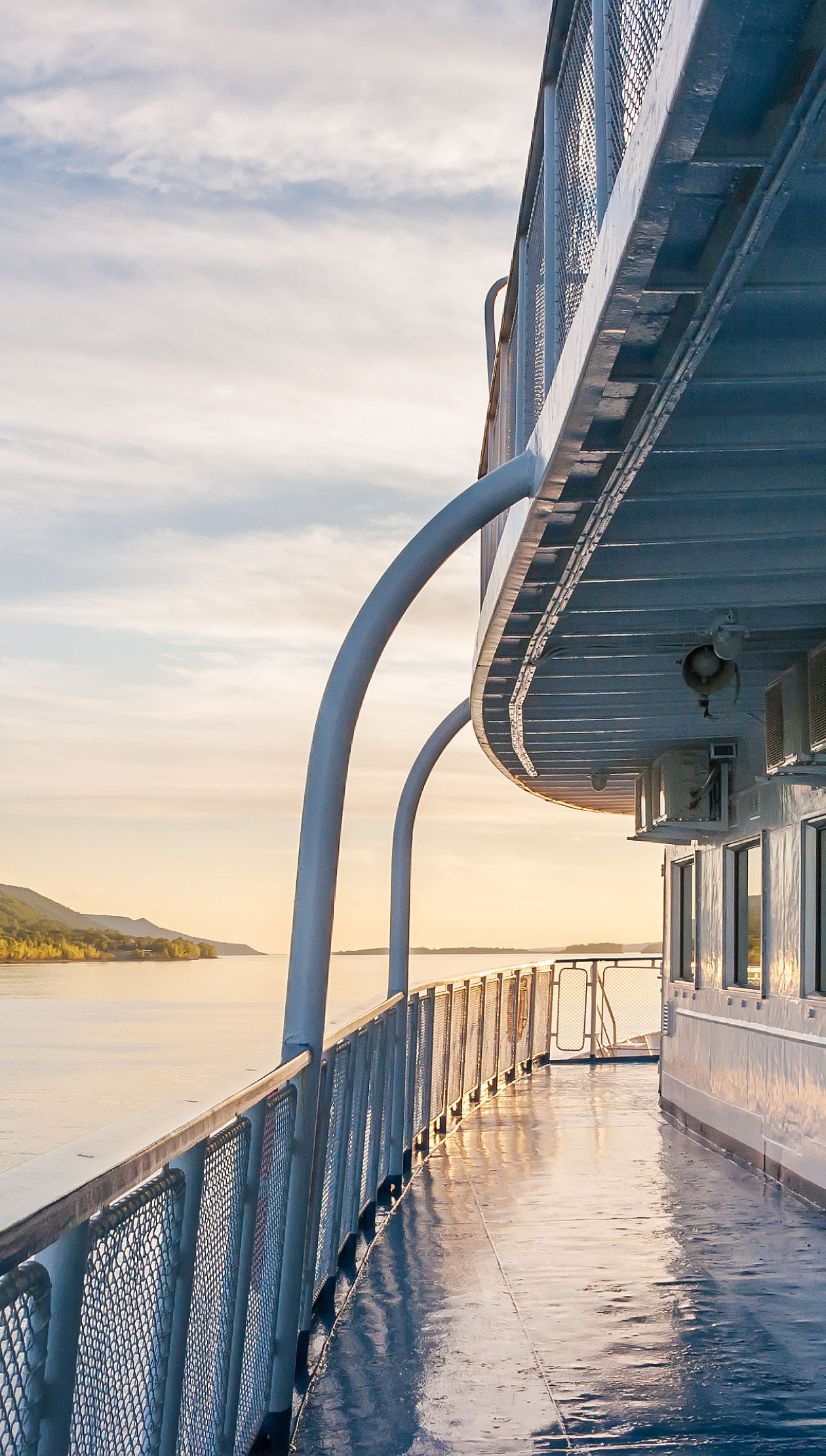
An Aricha river cruise reveals a landscape shaped by movement. Channels divide and reunite, fertile islands emerge from the water, and villages gather beside fields of rice, vegetables, and jute. Life here follows the changing river: fishing nets are lifted at dawn, produce is carried to local markets, and wooden boats link communities scattered across the floodplain.
Aricha Ghat provides the natural starting point for exploring the region. The waterfront is lively rather than polished: passengers board local vessels, traders move supplies, and boatmen navigate between pontoons and exposed banks. For visitors, this working river environment is part of the attraction. A guided walk can introduce the history of inland transport, the importance of ferry crossings, and how communities adapt to shifting channels. Shivalaya also offers glimpses of agricultural life, local markets, cottage industries, and traditional crafts.
The cultural appeal is equally compelling. From riverside trading centers and historic ferry landings to period architecture, estate palaces, archaeological sites, and the everyday hospitality of rural communities, the wider Aricha and Brahmaputra-Jamuna corridor offers an unusually intimate view of Bangladesh. This is not a conventional European river cruise of vineyards and cathedral towns. It is a journey through one of the world’s great living deltas, where the waterway remains central to transport, agriculture, commerce, and identity.
River Cruising from Aricha on the Brahmaputra-Jamuna
In Bangladesh, the main downstream course of the Brahmaputra is known as the Jamuna River. The Brahmaputra-Jamuna system extends through northern and central Bangladesh before joining the Ganges and continuing as the Padma. It is a vast braided waterway characterized by multiple channels, wide sandbanks, sediment-rich water, and a riverbed that can change significantly over time.
Aricha occupies a strategic position on the lower Jamuna, close to the great confluence region. Cruises may travel north towards Sirajganj and Chilmari, south towards the Padma, or form part of longer journeys connecting the river systems of Bangladesh and India. Some expedition-style itineraries include Sirajganj, Chilmari, and Rangpur, with onward navigation towards Assam, demonstrating the potential of this rarely-cruised corridor.
Baliati Palace and Manikganj
A pre- or post-cruise excursion can take you inland to Manikganj and Baliati Palace. Set within spacious grounds in Saturia, this nineteenth-century estate complex is one of the area’s most important architectural landmarks. Its columned facades, courtyards, ponds, and surviving residential buildings offer a striking contrast to the open river landscape. The visit adds a valuable historical dimension to an Aricha itinerary, exploring the merchants and landowning families who influenced regional trade and culture.
Goalundo and the Great River Confluence
South of Aricha lies the confluence region where the Jamuna meets the Ganges and the combined waters continue as the Padma. The scale of the meeting rivers is best appreciated from the deck, particularly in the softer light of early morning or sunset. Depending on navigation conditions, excursions may include fishing settlements, ferry points, agricultural islands, and walks beside broad sandbanks. This section is especially rewarding for photographers seeking images of working boats, distant horizons, and the constantly changing edge between land and water.
Sirajganj
Northbound cruises can reach Sirajganj, a historic trading town on the western bank of the Jamuna. Once closely associated with the regional jute trade, it remains an important point along the river corridor. Excursions may combine the waterfront with local markets, weaving traditions, and the multi-tiered Noborotno Temple complex. Sirajganj also serves as a convenient base for exploring rural settlements and observing how river commerce continues to connect northern Bangladesh.
Jamuna Bridge
The immense Jamuna Bridge introduces a dramatic modern element to the journey. Seen from the river, its long line of supports provides a powerful visual contrast with fishing boats and low-lying fields. The bridge transformed overland connections between eastern and western Bangladesh, yet the river beneath it remains busy with local transport and commercial activity. Passing below or approaching the structure by ship is often one of the most memorable moments of a Brahmaputra-Jamuna cruise.
Tangail and Atia Mosque
On the eastern side of the river corridor, Tangail is known for its textile heritage and historic architecture. A shore excursion can include Atia Mosque, a seventeenth-century building distinguished by its domes, carved details, and terracotta ornamentation. The mosque combines architectural traditions from before and during the Mughal period, offering insight into the artistic exchanges that shaped the region. Visits to weaving communities can also reveal the patient craftsmanship behind the area’s celebrated handwoven fabrics.
Pabna and Chalan Beel
From the western riverbank, excursions may continue towards Pabna and the extensive wetland landscape of Chalan Beel. Connected to numerous rivers and seasonal waterways, the area expands dramatically during the rainy season and contracts into smaller bodies of water during drier months. Birdwatching, village visits, and small-boat exploration can be included when water conditions permit. The wetlands also demonstrate the close relationship between seasonal flooding, fertile farmland, fishing, and rural livelihoods.
Bogura and Mahasthangarh
A longer overland excursion from the Jamuna corridor can reach Bogura and Mahasthangarh. Dating to at least the third century BC, the fortified archaeological site is considered the oldest known urban settlement in Bangladesh. Earthworks, foundations, gateways, and scattered ruins evoke a succession of Buddhist, Hindu, and Muslim communities. The peaceful rural setting makes Mahasthangarh a rewarding historical counterpoint to the active ports and modern bridges seen from the river.
Gaibandha and the River Islands
Further north, the river becomes a shifting mosaic of channels and temporary islands. Around Gaibandha, excursions can focus on the river island communities that cultivate fertile sediment deposits while adapting to erosion and seasonal flooding. Guests may walk between fields, visit schools or community projects, and learn how households move livestock, crops, and supplies by boat. These encounters should be arranged responsibly, with local guides and clear respect for privacy.
Chilmari and the Northern Brahmaputra
Chilmari is one of the most evocative destinations on an extended Jamuna itinerary. Historically associated with river trade, it lies near the northern reaches of the Bangladesh route and appears on longer cross-border cruise programs. The surrounding waterways include confluences, sandy shores, fishing areas, and remote riverside settlements. Small local cruisers have also been developed for journeys around Chilmari, illustrating the growing potential for low-capacity river tourism in the region.
Rangpur and Tajhat Palace
Rangpur is generally visited as an inland excursion from the northern river corridor. Its principal landmark is Tajhat Palace, an early twentieth-century residence that now houses the Rangpur Museum. The elegant staircase, symmetrical facade, and collections of historic manuscripts, sculpture, and decorative art provide a refined conclusion to a journey dominated by open landscapes. Rangpur also offers busy markets and a taste of northern regional cuisine.
Culture, Cuisine, and Scenery Along the Waterway
The defining scenery of an Aricha cruise is spacious and elemental. Passengers travel past reed-fringed banks, cultivated islands, grazing animals, fishing boats, and villages shaded by palms and fruit trees. Birdlife can include egrets, herons, kingfishers, cormorants, and seasonal migrants, although sightings vary with location and water level.
Meals reflect the agricultural abundance of the floodplain. Expect rice, lentils, vegetable dishes, freshwater fish, chicken, flatbreads, seasonal fruit, and milk-based desserts. A culinary program might include a market visit, an onboard cooking demonstration, or a meal inspired by regional home cooking. Hilsa and other river fish may appear when seasonally and responsibly available.
Wine is not central to local culinary culture, so onboard selections are usually less extensive than on European river ships. Tea, fresh fruit drinks, coffee, and alcohol-free refreshments often play a greater role. Travelers booking a luxury or privately chartered vessel should confirm beverage inclusions before departure.
Aricha River Cruise Itineraries
Short River Cruises: 3 to 5 Days
A short itinerary can combine Aricha, the lower Jamuna, and nearby cultural attractions. Guests might board near Aricha Ghat, watch the evening ferry traffic, sail through the confluence landscape, and visit a riverside village or market. A land excursion to Baliati Palace adds architectural interest, while a sandbank dinner or sunset walk provides time to appreciate the river’s remarkable scale.
Medium River Cruises: 6 to 9 Days
A medium-length journey can travel north from Aricha towards Sirajganj, with stops for weaving, historic architecture, wetlands, and village life. Highlights may include the Jamuna Bridge, Atia Mosque, local markets, a small-boat excursion through secondary channels, and a cultural performance on board. The slower pace allows guides to explain river ecology, erosion, agriculture, and the history of inland navigation.
Long River Cruises: 10 Days or More
Long expeditions can continue towards Gaibandha, Chilmari, Rangpur, and the international Brahmaputra corridor. Cross-border programs may connect Dhaka and the Jamuna with northern Bangladesh and Assam, while even longer itineraries can link several major river systems. Such journeys offer full days of scenic navigation, remote landings, heritage excursions, and a deep immersion in regional geography.
Special-Interest River Cruises
- History and architecture: Combine Baliati Palace, Atia Mosque, Sirajganj, Tajhat Palace, and Mahasthangarh with lectures on trade, settlement, and river transport.
- Culinary journeys: Visit produce and fish markets, meet local cooks, and enjoy menus based on river fish, rice, vegetables, spices, fruit, and traditional desserts.
- Photography expeditions: Focus on dawn light, ferry activity, braided channels, sandbanks, fishing communities, and expansive river sunsets.
- Nature and wetland cruises: Explore secondary waterways, seasonal wetlands, bird habitats, and the ecology of the floodplain with a naturalist.
- Community and craft itineraries: Meet weavers, farmers, boat builders, and market traders through carefully arranged, locally led visits.
The Onboard Experience
Ship Sizes and Ambiance
Vessels on this route can range from small local cruisers and private charter boats to larger expedition ships operating occasional international itineraries. The atmosphere is generally informal, observant, and adventure-focused. Smaller ships provide closer access to communities and secondary channels, while larger vessels may offer air-conditioned cabins, lounges, dining rooms, open observation decks, and onboard experts.
Cuisine and Beverages
Menus commonly combine regional recipes with familiar international choices. Full-board voyages may include breakfast, lunch, afternoon refreshments, and dinner, while private charters can often accommodate dietary requirements with advance notice. Guests should check whether bottled water, soft drinks, tea, coffee, and alcoholic beverages are included.
Excursions and Enrichment
Daily activities can include guided walks, market visits, archaeological excursions, village encounters, birdwatching, small-boat rides, and presentations on history or river ecology. Because the Jamuna is highly dynamic, captains may adjust landing sites and sailing times based on water depth, weather, sediment movement, and local navigation advice.
Something for Everyone
- Couples will appreciate the quiet deck time and dramatic sunsets.
- Solo travelers can enjoy the sociable atmosphere of a small expedition group.
- Families with older children may value the educational focus on geography and community life.
- Luxury travelers should choose a high-end vessel or a private charter, while adventurous guests may prefer simpler boats that offer more direct contact with the river environment.
Discover the Living River at Aricha
An Aricha river cruise is a voyage through a landscape that never stands still. Between working ports, historic monuments, fertile islands, and villages shaped by the rhythm of the water, the Brahmaputra-Jamuna reveals Bangladesh at its most immediate and compelling. The lasting memory is not a single landmark, but the river itself: immense, changeable, and inseparable from the lives unfolding along its banks.