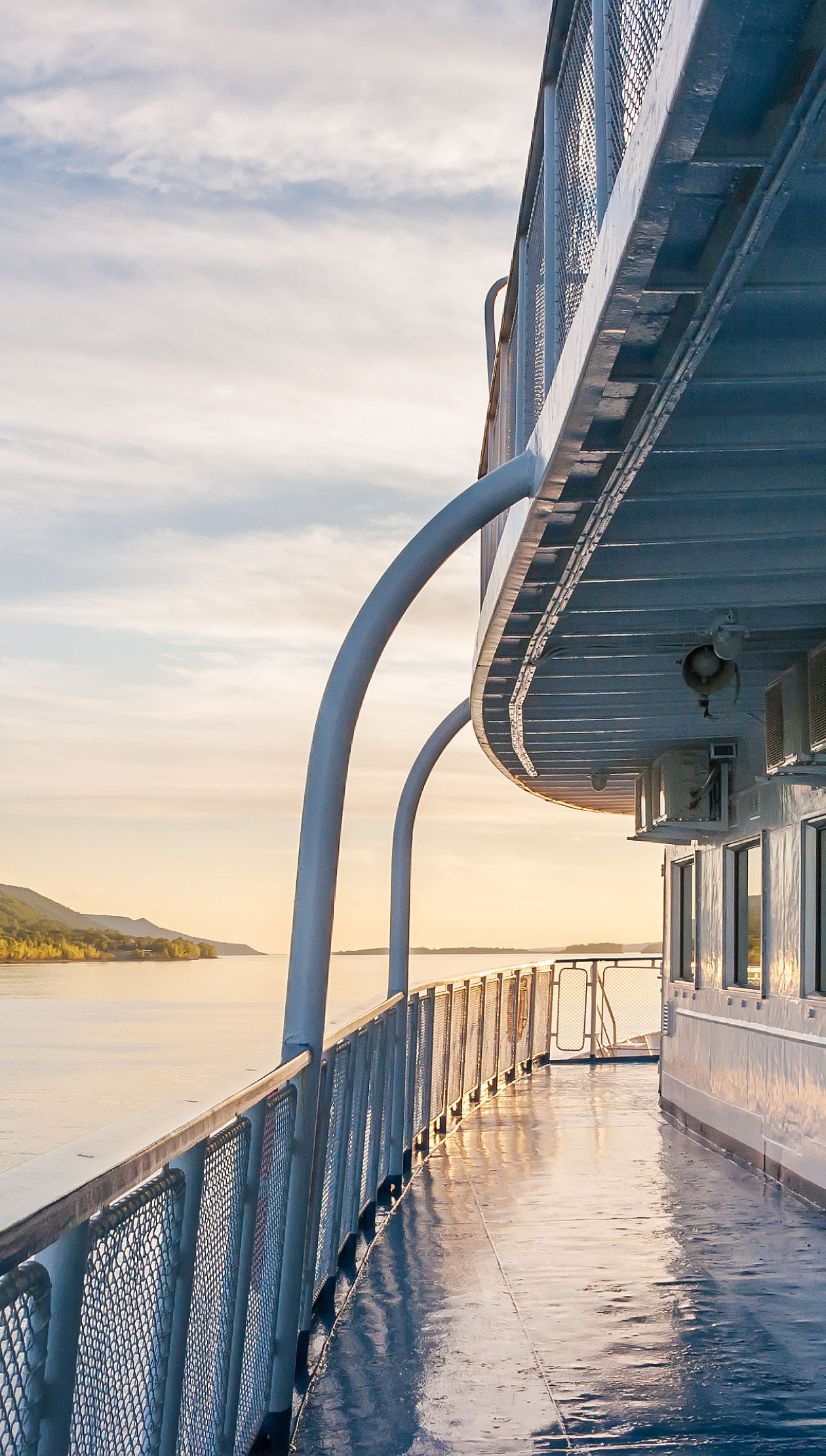
Per chi viaggia verso il fiume Brahmaputra, Antihara segna l’inizio di una transizione straordinaria. I fitti corsi d’acqua e le fertili pianure del Bangladesh si aprono gradualmente verso gli immensi canali intrecciati del sistema del Brahmaputra. Le barche da pesca solcano la corrente, i contadini lavorano vicino alle rive e villaggi lontani spuntano tra banchi di sabbia e campi. Ogni ora di navigazione svela un altro aspetto di una regione plasmata dall’acqua.
Antihara va vista soprattutto come una porta d’accesso fluviale. Le imbarcazioni internazionali possono fermarsi qui per sbrigare le formalità di ingresso o di uscita, permettendo agli ospiti di osservare i ritmi di un insediamento di confine poco frequentato. Il tempo a bordo offre l’occasione di guardare le barche locali muoversi tra le rive e di apprezzare quanto i trasporti, l’agricoltura, il commercio e la vita familiare rimangano strettamente legati all’acqua.
La sosta crea anche un senso di attesa. Oltre Antihara si estendono i corsi d’acqua del Bangladesh centrale e settentrionale, seguiti dai tratti più ampi del Brahmaputra. Per molti viaggiatori, questo è il momento in cui la crociera inizia a sembrare una vera e propria spedizione attraverso le regioni piuttosto che una vacanza convenzionale.
Una crociera fluviale ad Antihara non è caratterizzata da architetture monumentali o attrazioni turistiche affollate. La sua bellezza sta nell’atmosfera, nel movimento e nel legame culturale. La destinazione offre un’occasione unica per vivere da vicino una frontiera fluviale ancora attiva prima di proseguire verso città storiche, comunità di tessitori, luoghi di interesse spirituale e paesaggi ricchi di fauna selvatica in tutto l’Assam occidentale.
Crociere fluviali da Antihara
Il fiume Brahmaputra
Il Brahmaputra è uno dei grandi corsi d’acqua dell’Asia, che scorre attraverso valli montane, pianure alluvionali, foreste, città e comunità agricole prima di confluire nella vasta rete fluviale del Bangladesh. Le crociere che partono da Antihara fanno generalmente parte di viaggi transfrontalieri più lunghi che collegano i corsi d’acqua del Bangladesh con il Brahmaputra in India. A differenza dei fiumi europei fortemente modificati dall’uomo, il Brahmaputra rimane potente e imprevedibile. I suoi canali si dividono attorno a isole temporanee, ampi banchi di sabbia emergono e scompaiono, e l’orizzonte può sembrare quasi oceanico. Questa geografia mutevole rende ogni navigazione unica. La
La navigazione diventa parte dell’avventura, mentre equipaggi esperti guidano le loro imbarcazioni attraverso un paesaggio fluviale che cambia continuamente forma. Il paesaggio è solo uno degli elementi del viaggio. Lungo il percorso, i viaggiatori incontrano villaggi di ceramisti, centri di tessitura della seta, santuari storici, mercati lungo il fiume, insediamenti di pescatori e comunità le cui tradizioni si sono sviluppate seguendo i ritmi stagionali dell’acqua. Il risultato è una crociera che unisce scoperta culturale, bellezze naturali ed esplorazione senza fretta.
Destinazioni lungo l’itinerario di crociera sull’Antihara e sul Brahmaputra
Dhubri
Dhubri sorge vicino all’ingresso occidentale dell’Assam e da tempo funge da punto d’incontro per il traffico fluviale, il commercio, la fede e le migrazioni. Avvicinandosi dall’acqua, si scopre un lungofiume animato dove traghetti, pescherecci, navi da carico e imbarcazioni passeggeri condividono l’ampia corrente.
Le escursioni possono portare gli ospiti a scoprire siti religiosi storici, mercati locali e le vicine comunità di ceramisti. Il patrimonio multiculturale della città riflette la sua posizione vicino a diversi confini regionali, rendendo Dhubri una delle tappe culturali più interessanti lungo l’itinerario occidentale del Brahmaputra.
Goalpara
Goalpara occupa una posizione panoramica sulla riva meridionale del Brahmaputra, vicino alle colline che salgono verso il Meghalaya. Il paesaggio circostante unisce ampie vedute sul fiume, colline boscose, terreni agricoli e piccoli insediamenti. La nebbia mattutina spesso ammorbidisce l’orizzonte, mentre la luce della sera tinge l’acqua di bronzo e oro. La regione di Goalpara nel suo complesso è anche ricca di reperti archeologici e vanta secoli di storia spirituale. Una visita può aggiungere profondità storica alla crociera, offrendo al contempo un contrasto con il panorama aperto del fiume che si ammira dalla nave.
Villaggio di Bangla
Una visita al villaggio di Bangla offre uno sguardo intimo sulla vita rurale lungo il fiume. Puoi passeggiare lungo semplici sentieri tra case, giardini, campi e spazi comuni, scoprendo come le famiglie del posto si adattano ai cambiamenti stagionali del livello dell’acqua. Questi incontri con la gente del posto sono spesso tra i momenti più memorabili di una crociera sul Brahmaputra. Piuttosto che rappresentare un’attrazione artificiale, creano occasioni per un’osservazione rispettosa e per fare due chiacchiere. L’artigianato tradizionale, i metodi agricoli, le tecniche di pesca e l’ospitalità quotidiana svelano le storie umane che si celano dietro il paesaggio fluviale.
Dungar Ghat
Dungar Ghat rappresenta il lato più tranquillo dell’esplorazione fluviale. Un ghat è un approdo dove arrivano le barche, si scambiano merci e gli abitanti si spostano tra gli insediamenti. Questi luoghi offrono scene vivide della vita quotidiana, dai passeggeri in attesa accanto a fagotti e biciclette ai pescatori che preparano le reti in riva all’acqua. Per i fotografi, Dungar Ghat può regalare immagini suggestive di barche di legno, canali che riflettono la luce, rive animate e cieli sconfinati. Per gli altri viaggiatori, il suo fascino sta semplicemente nello stare in riva all’acqua e osservare lo svolgersi di un ritmo di vita senza tempo.
Peacock Island
Situata nel Brahmaputra a Guwahati, l’Isola del Pavone emerge in modo spettacolare dal fiume. L’isola boscosa offre un tranquillo contrasto con l’energia della città vicina e viene spesso ammirata dal ponte mentre le navi da crociera si avvicinano a Guwahati. A seconda dell’itinerario e delle condizioni del fiume, gli ospiti possono visitare l’isola o godersi il panorama dall’acqua. La sua costa rocciosa, i pendii ricoperti di alberi e i significati spirituali che la circondano creano uno dei panorami più riconoscibili lungo questo tratto del Brahmaputra.
Guwahati
Guwahati è il principale centro urbano dell’Assam e un importante punto di partenza o di arrivo per le crociere sul Brahmaputra. La città unisce templi, mercati, musei, quartieri moderni e un vivace lungofiume. Eppure il Brahmaputra rimane la sua presenza dominante, che scorre accanto alla città in un canale ampio e imponente. Le escursioni possono portarti a scoprire luoghi di culto storici, istituzioni culturali, bazar locali e punti panoramici sul fiume. Dopo diversi giorni tra paesaggi rurali, Guwahati offre un finale energico all’insegna della cucina regionale, dello shopping, della storia e della cultura assamese contemporanea.
Hajo
Hajo è nota per la sua straordinaria diversità spirituale. Sulle colline circostanti si ergono luoghi sacri legati a diverse fedi, che riflettono secoli di pellegrinaggi, scambi culturali e tradizioni condivise. Il paesaggio sopraelevato offre anche ampie vedute sui campi e sui corsi d’acqua in lontananza. Una visita guidata a Hajo aggiunge una dimensione contemplativa a un itinerario che include Antihara e il Brahmaputra. Scalinate in pietra, cortili dei templi, architettura storica e storie tramandate di generazione in generazione rivelano una regione in cui religione e geografia sono strettamente intrecciate.
Sualkuchi
Sualkuchi è famosa per la sua seta tessuta a mano ed è spesso descritta come una delle comunità di tessitori più importanti dell’Assam. Passeggiando per il villaggio, potresti sentire il ritmo costante dei telai al lavoro nelle case delle famiglie e nei laboratori. I tessitori trasformano la seta pregiata in capi e tessuti dai motivi ricchi, utilizzando tecniche tramandate di generazione in generazione. Visitare Sualkuchi ti permette di comprendere più a fondo il design, l’artigianato e l’identità dell’Assam, oltre a offrirti l’opportunità di acquistare autentici prodotti locali.
Cultura, cucina e paesaggi sul Brahmaputra
La crociera fluviale da Antihara verso il Brahmaputra svela paesaggi di straordinaria varietà. Il percorso può attraversare stretti corsi d’acqua fiancheggiati da terreni agricoli prima di raggiungere enormi canali pieni di banchi di sabbia e isole fluviali. L’avifauna è abbondante e dai ponti scoperti potrai avvistare martin pescatori, garzette, cicogne e rapaci.
Il cibo riflette la geografia mutevole del viaggio. I menu possono includere pesce d’acqua dolce, lenticchie, verdure di stagione, riso, pollo, spezie aromatiche e frutta tropicale fresca. Man mano che la nave si avvicina all’Assam, i pasti possono includere preparazioni regionali più leggere, erbe locali, sapori agrumati e tè dell’Assam.
L’esperienza culturale è altrettanto ricca. Passeggiate nei villaggi, dimostrazioni di tessitura, visite alle botteghe di ceramica, giri nei mercati, spettacoli musicali e conferenze a bordo aiutano gli ospiti a capire come le comunità fluviali abbiano reagito alle migrazioni, al commercio, alle inondazioni e ai confini politici. Il fiume diventa più di un semplice scenario; diventa il protagonista assoluto del viaggio.
Itinerari delle crociere sul fiume Antihara
Crociere brevi da 3 a 5 giorni
Gli itinerari brevi si concentrano sui corsi d’acqua nelle immediate vicinanze di Antihara oppure costituiscono una tappa di un viaggio internazionale più lungo. Gli ospiti potranno godersi una navigazione panoramica, la vista sui villaggi, le spiegazioni della guida e il tempo per osservare il traffico fluviale dal ponte. Alcuni programmi possono combinare la visita ad Antihara con le formalità di frontiera, gli insediamenti vicini o i corsi d’acqua che portano verso le Sundarbans. Queste crociere sono perfette per chi vuole aggiungere un’esperienza fluviale a una vacanza più ampia via terra. Anche se le distanze possono essere limitate, la sensazione di attraversare diverse regioni rende il viaggio avventuroso e unico.
Crociere di media durata da 6 a 9 giorni
Le crociere di media durata offrono più tempo per escursioni culturali e una navigazione rilassata. Un itinerario può includere Antihara, il Bangladesh settentrionale, Dhubri, Goalpara e alcuni villaggi selezionati lungo la riva occidentale del Brahmaputra. Puoi visitare mercati, comunità di ceramisti, siti storici e approdi rurali, godendoti diverse giornate intere o parziali sul fiume. Il ritmo ti permette di apprezzare i piccoli cambiamenti nell’architettura, nel cibo, nel paesaggio e nella lingua man mano che la nave procede. Le albe sul ponte, le conferenze pomeridiane e le chiacchierate serali diventano significative quanto le escursioni in programma.
Crociere lunghe di 10 giorni o più
Le spedizioni lunghe rivelano tutta la vastità del sistema fluviale interconnesso. Gli itinerari estesi possono collegare Calcutta, le Sundarbans, Antihara, Dacca, Chilmari, Dhubri, Goalpara, Guwahati e destinazioni più a est lungo il Brahmaputra. Durante un unico viaggio, gli ospiti scoprono grandi città, villaggi remoti, habitat naturali, luoghi di interesse spirituale e tradizioni artigianali. Le giornate intere di navigazione regalano un intenso senso di distanza e di scoperta, mentre i naturalisti e gli esperti culturali a bordo spiegano il complesso rapporto tra il fiume e le persone che vivono lungo le sue rive.
Crociere a tema
- Crociere naturalistiche: incentrate sul birdwatching, sull’ecologia fluviale, sugli habitat delle zone umide e su possibili escursioni naturalistiche in Assam.
- Crociere storiche e culturali: includono siti archeologici, luoghi di culto, città storiche, musei e conferenze sulla storia regionale.
- Crociere gastronomiche: ti fanno scoprire piatti di pesce regionali, prodotti stagionali, ingredienti del mercato, il tè dell’Assam e dimostrazioni di cucina.
- Crociere fotografiche: goditi al massimo i tramonti sul fiume, le barche da pesca, i villaggi, i mercati, la fauna selvatica e i vasti paesaggi aperti.
- Crociere dedicate all’artigianato e ai tessuti: Esplora le tradizioni della ceramica, i laboratori dei villaggi, la tessitura della seta, la produzione su telai a mano e il design locale.
L’esperienza a bordo
Dimensioni delle navi e atmosfera
Le imbarcazioni che navigano su questi corsi d’acqua sono in genere più piccole delle navi oceaniche. Il loro pescaggio ridotto e le dimensioni compatte le aiutano a navigare nei canali fluviali mutevoli, creando al contempo un’atmosfera rilassata e intima. Le cabine sono solitamente dotate di bagno privato, finestre, aria condizionata e letti comodi. Gli spazi comuni possono includere una sala da pranzo, un salone, un ponte di osservazione, una biblioteca e posti a sedere all’aperto all’ombra. Con un numero relativamente ridotto di ospiti, il servizio è personalizzato e i viaggiatori fanno presto amicizia con l’equipaggio e il team di spedizione.
Cucina e vini
I pasti spesso combinano i piatti internazionali più amati con specialità regionali ispirate alle destinazioni visitate durante la crociera. Pesce d’acqua dolce, riso, verdure, zuppe, curry, insalate e frutta possono accompagnare colazioni in stile occidentale e pranzi più leggeri. Alcune navi offrono vino, birra e liquori, con vini selezionati serviti a pranzo o a cena. Il tè rimane un elemento centrale dell’esperienza, soprattutto quando la crociera entra nell’Assam, dove gli ospiti possono scoprire una delle regioni produttrici di tè più famose al mondo.
Escursioni e attività culturali
Le escursioni giornaliere sono di solito guidate da guide esperte e possono includere passeggiate nei villaggi, esplorazioni dei mercati, visite a luoghi di culto, osservazione degli artigiani al lavoro o gite su piccole imbarcazioni. Le conferenze a bordo forniscono approfondimenti sulla fauna selvatica, la storia, la religione, i tessuti, la politica e la navigazione fluviale. Le attività tendono ad essere coinvolgenti piuttosto che frenetiche. Ti invitiamo a osservare con attenzione, fare domande e interagire con rispetto con le comunità locali.
Ce n’è per tutti
- Le coppie apprezzeranno le navi intime, i paesaggi tranquilli e il senso condiviso di scoperta.
- Chi viaggia da solo potrà godersi un ambiente socievole con escursioni guidate e cene in compagnia.
- Le famiglie con bambini più grandi potrebbero apprezzare gli aspetti educativi, l’osservazione della fauna selvatica e gli incontri culturali.
- Chi ama il lusso può scegliere imbarcazioni di alta gamma che offrono suite spaziose, una cucina raffinata e un servizio altamente personalizzato.
- I viaggiatori esperti troveranno una destinazione ben lontana dai soliti itinerari turistici.
Il fascino di Antihara
Una crociera fluviale ad Antihara è un viaggio attraverso confini, paesaggi e tradizioni vive. Dai tranquilli corsi d’acqua del Bangladesh agli immensi canali del Brahmaputra, ogni miglio rivela un altro legame tra le persone e l’acqua. È un viaggio che non si misura solo in distanza, ma anche nei riflessi dell’alba, nelle chiacchierate nei villaggi, nella seta tessuta a mano, nei pasti condivisi e nella sensazione indimenticabile di percorrere uno dei più grandi percorsi fluviali dell’Asia.