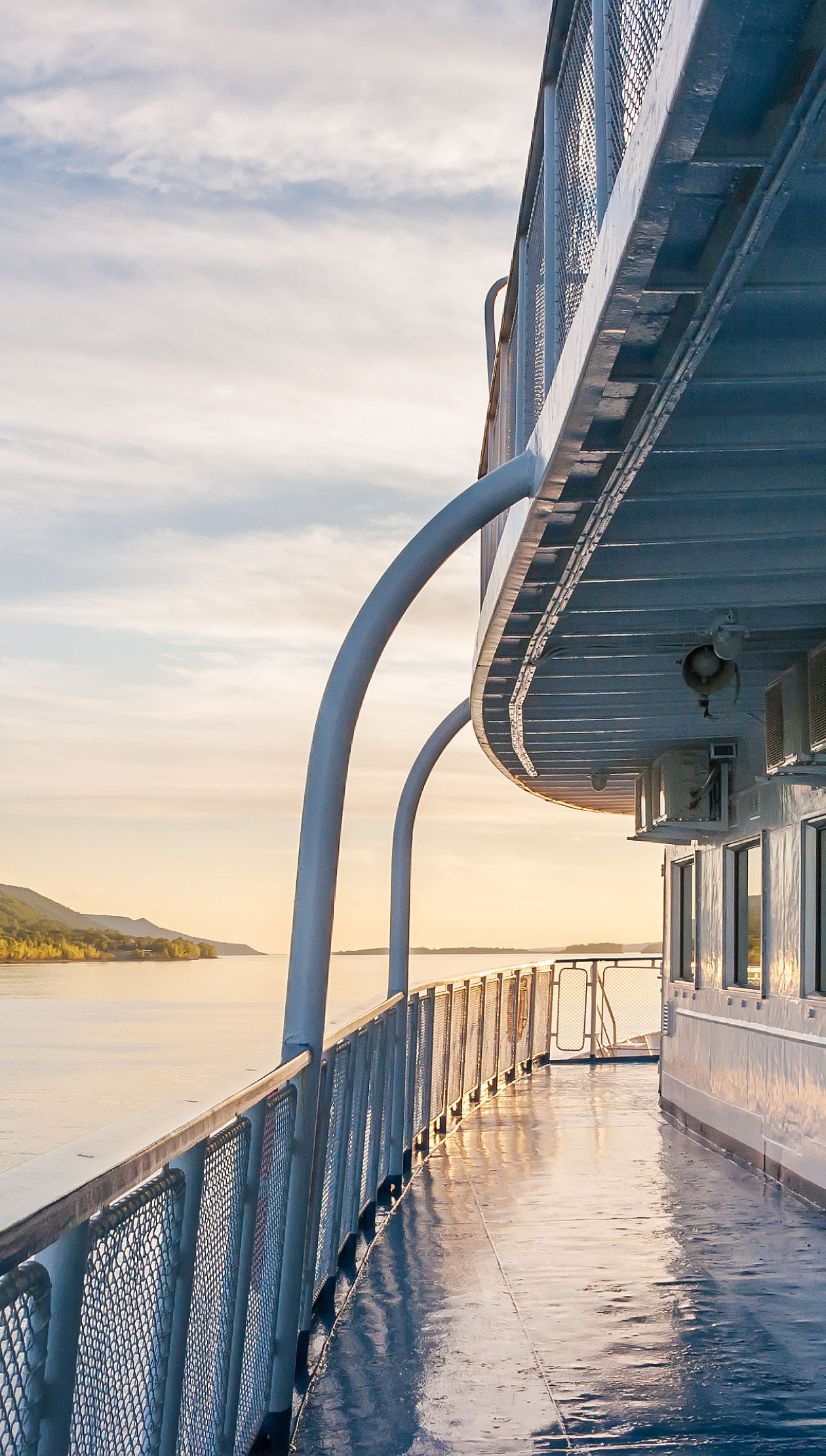
Unlike classic inland river cruising, a Kiel itinerary often unfolds across protected coastal waters and sea-linked waterways, creating a journey that feels both expansive and personal. Guests wake to shifting views of lighthouse-tipped headlands, forested islands, Hanseatic towns, and quiet fishing ports. The experience combines the ease of small-ship cruising with the cultural depth of northern Europe: medieval brick architecture, naval museums, nature reserves, sea-view promenades, and regional cuisine built around smoked fish, rye bread, apples, berries, and crisp white wines.
What makes Kiel cruises especially appealing is the city’s role as a natural bridge between inland Europe and the Baltic Sea. From here, travelers can explore coastal Germany, continue toward Poland’s island-fringed waterways, or connect with wider Germany river cruises and European river cruise itineraries. Kiel is not simply a port of embarkation; it is a maritime threshold, inviting guests into a region where water has carried merchants, sailors, artists, and adventurers for centuries.
Cruising the Baltic Sea from Kiel
The Baltic Sea is the defining waterway for cruises linked to Kiel. Calm compared with the open Atlantic, yet vast enough to feel adventurous, it offers a distinctive cruising style that blends river-cruise comfort with coastal exploration. Small and mid-sized vessels can access atmospheric ports, quiet island harbors, and historic waterfront towns that larger ships often approach only briefly. The result is a slower, more textured experience, where guests have time to walk old streets, taste regional dishes, and watch the changing light on the water.
Kiel Harbor
Kiel Harbor provides a dramatic opening to any Baltic cruise. The waterfront is animated by ferries, sailing boats, naval vessels, and cruise ships, giving the city a sense of constant motion. Guests may begin with a stroll along the promenade, a visit to maritime museums, or time in the old town before boarding. The harbor’s setting creates an immediate sense of departure: seagulls overhead, masts against the sky, and the promise of northern waters ahead.
Kiel Canal
The Kiel Canal is one of the region’s most fascinating engineering landmarks and a natural complement to cruises that begin or end in Kiel. Linking the North Sea and the Baltic Sea, it allows vessels to pass through a landscape of meadows, villages, bridges, and passing ships. For guests, this creates a uniquely close-up cruising experience, with countryside unfolding almost at eye level. It is a reminder that northern Germany’s maritime story is not only coastal, but also deeply connected to inland navigation.
Laboe
Just outside Kiel, Laboe is a classic seaside stop with sandy beaches, fresh sea air, and a strong naval heritage. Its waterfront invites gentle walks, while its maritime memorial and submarine museum add historical depth. For cruise guests, Laboe offers a compact but evocative introduction to the Baltic coast: beach chairs facing the water, fishing boats in the harbor, and views across the bay toward Kiel’s busy shipping lanes.
Fehmarn
Fehmarn is one of Germany’s sunniest islands and a rewarding stop on Baltic Sea itineraries. Its appeal lies in its wide skies, birdlife, beaches, and relaxed island culture. Cruise guests may explore coastal paths, small villages, and nature reserves, or simply enjoy the slow rhythm of island life. The surrounding waters are especially scenic, with open sea views balanced by sheltered coves and traditional harbors.
Lubeck
Lubeck brings Hanseatic history into sharp focus. Though reached via nearby coastal access rather than directly as a sea port for every vessel, it remains one of the great cultural highlights of the region. Its old town, brick churches, merchants’ houses, and historic warehouses speak to centuries of Baltic trade. For travelers on Baltic Sea cruises from Kiel, Lubeck adds architectural grandeur and a strong sense of northern European identity.
Wismar
Wismar is another jewel of the Baltic coast, known for its elegant market square, red-brick churches, and preserved Hanseatic character. The town’s harbor still carries the atmosphere of a working maritime community, while its old streets reveal layers of trade, craftsmanship, and coastal culture. A stop here offers guests a quieter, more intimate counterpoint to larger cities, with time for photography, local food, and guided historical walks.
Rostock and Warnemunde
Rostock and its seaside district, Warnemunde, combine urban history with breezy coastal charm. Rostock’s old town reflects its importance as a trading city, while Warnemunde offers a long beach, lighthouse views, and a relaxed promenade lined with cafes and seafood restaurants. Together, they create one of the most satisfying cruise stops in northern Germany, balancing culture, architecture, and seaside leisure.
Peenemunde
Peenemunde, on the island of Usedom, is a place of haunting historical significance. Its museums and memorial sites explore the technological and military history of the 20th century, while the surrounding landscape offers dunes, pine forests, and wide Baltic beaches. For cruise travelers, Peenemunde is a powerful stop: scenic on the surface, deeply layered beneath it, and ideal for guests interested in history, science, and memory.
Usedom
Usedom is one of the Baltic’s most graceful island destinations, known for beach resorts, long promenades, and elegant seaside architecture. Its blend of natural beauty and old-world resort culture makes it especially attractive on slower itineraries. Guests can walk along sandy beaches, visit spa towns, cycle through quiet landscapes, or enjoy a leisurely lunch featuring local fish and seasonal produce.
Wollin
Wollin adds a Polish dimension to Baltic cruising, opening the door to island landscapes, national park scenery, and cross-cultural history. The area is associated with coastal forests, birdlife, traditional communities, and access to wider Polish Baltic routes. For guests sailing from Kiel toward Poland, Wollin represents a shift in atmosphere: still maritime, still northern, but with its own language of landscapes, flavors, and historical memory.
Szczecin
Szczecin is one of the most compelling cities to call on extended Baltic-linked itineraries. Set inland from the coast but strongly connected to maritime trade, it offers grand avenues, waterfront boulevards, historic architecture, and a cosmopolitan port-city character. Cruise guests may explore museums, castle districts, and riverside promenades, making Szczecin a natural continuation for travelers interested in the relationship between the Baltic Sea and inland waterways.
The Character of Baltic Sea Cruising
Cruising from Kiel across the Baltic is defined by contrast. One day may focus on naval history and harbor engineering; the next may bring beaches, pine forests, and island birdlife. Guests encounter Hanseatic architecture, 20th-century history, seaside resorts, and working ports, all connected by the steady presence of the sea. This makes the region ideal for travelers who enjoy cultural variety without the intensity of constant long-distance travel.
The cuisine is equally place-specific. Menus often highlight fresh seafood, smoked fish, seasonal vegetables, dark breads, orchard fruits, and regional wines or beers. Shore excursions may include market visits, seafood tastings, maritime museums, guided old-town walks, and nature-focused outings along beaches or wetlands. The scenery is not dramatic in the alpine sense; it is subtle, luminous, and deeply atmospheric, built from reeds, dunes, harbors, church towers, and wide northern skies.
Themed and Length-Based Kiel Cruise Itineraries
Short Kiel Cruises: 3 to 5 Days
Short cruises from Kiel are ideal for travelers who want a concentrated taste of the Baltic without committing to a long itinerary. A 3- to 5-day journey might include Kiel Harbor, Laboe, the Kiel Canal, and nearby coastal towns, offering guests a refined introduction to northern Germany’s maritime culture. Highlights may include harbor walks, a canal transit, seafood lunches, beach time, and guided visits to naval or maritime museums.
These shorter journeys suit first-time cruisers, couples looking for a relaxed escape, or travelers adding a cruise segment to a broader Germany itinerary. The pace is gentle, with manageable excursions and plenty of time on deck. Guests can expect compact cultural experiences rather than rushed sightseeing, making short Kiel river cruise-style itineraries especially appealing for a long weekend or pre-cruise extension.
Medium Kiel Cruises: 6 to 9 Days
Medium-length itineraries allow the Baltic story to unfold in greater depth. A 6- to 9-day cruise might include Kiel, Fehmarn, Lübeck, Wismar, Rostock, Warnemünde, and Usedom, combining Hanseatic cities with island scenery and classic seaside towns. Guests may move from brick Gothic architecture to sandy beaches, from quiet fishing harbors to lively waterfront promenades.
This length works beautifully for travelers who want balance: enough time for meaningful cultural immersion, but not so long that the itinerary feels demanding. Excursions may include old-town walking tours, regional cooking experiences, cycling routes, museum visits, and coastal nature walks. Evenings onboard tend to be relaxed and scenic, with sunset views over calm water and conversations shaped by the day’s discoveries.
Long Kiel Cruises: 10+ Days
Longer cruises from Kiel can extend eastward across the Baltic Sea and into Poland, adding Peenemünde, Wollin, Szczecin, and other coastal or inland-linked destinations. These itineraries are ideal for guests seeking a more comprehensive narrative of the region, from Germany’s maritime north to Poland’s island landscapes and port cities. The added time allows for deeper excursions, slower sailing, and a richer sense of how the Baltic has shaped trade, culture, and conflict.
A 10+ day journey may appeal to experienced cruisers, history lovers, and travelers who prefer immersive routes over highlight-only travel. Guests can expect a layered itinerary that includes nature reserves, historic ports, island communities, and culturally significant landmarks. The emotional arc of the trip is especially rewarding: it begins in Kiel’s confident harbor and gradually opens into a wider Baltic world of borders, memory, and sea routes.
Special Interest Kiel Cruises
Special interest cruises add depth to the Kiel experience by focusing on a particular theme. Art and history cruises might emphasize Hanseatic architecture, maritime museums, naval heritage, and 20th-century sites such as Peenemunde. Culinary cruises can highlight smoked fish, Baltic seafood, regional baking traditions, market visits, and onboard tastings inspired by the coast.
Seasonal itineraries bring another dimension. Late spring and summer cruises focus on long daylight hours, beaches, cycling, and island landscapes, while autumn journeys emphasize softer light, quieter towns, and harvest flavors. Winter or festive-season routes may include visits to Christmas markets in historic towns, where warm drinks, craft stalls, and illuminated squares create a cozy contrast to the cold northern air. Wine-focused itineraries are less common than on the Rhine or Moselle, but they can still include regional wine pairings and culinary programming that complements the Baltic’s seafood-rich cuisine.
Onboard Experience on Kiel and Baltic Sea Cruises
Ship Sizes and Ambiance
Ships operating in the Kiel and Baltic region often range from intimate small vessels to comfortable mid-sized cruise ships. The atmosphere is typically relaxed, polished, and destination-focused, with lounges designed for scenic viewing, open decks for harbor departures, and dining rooms that encourage conversation. Compared with large ocean liners, these cruises place greater emphasis on access, interpretation, and a sense of connection to the places visited.
Cuisine and Wine
Dining onboard often reflects the route, with menus inspired by northern German and Baltic flavors. Guests may enjoy seafood, soups, roasted vegetables, fresh breads, berry desserts, and carefully selected wines or beers. Culinary programming can include regional tastings, market-inspired menus, and occasional chef-led demonstrations. The best experiences feel rooted in the journey itself, allowing the day’s ports to influence what appears on the table at night.
Excursions and Enrichment
Excursions are central to the experience. A Kiel cruise may include guided harbor walks, Hanseatic city tours, visits to nature reserves, cycling excursions, museum admissions, and lectures on maritime trade or naval history. Enrichment is particularly valuable in this region because so many ports reveal their meaning through context. A quiet harbor, a brick warehouse, or a windswept island becomes more memorable when connected to the stories of merchants, sailors, engineers, and coastal communities.
Something for Everyone
Kiel and Baltic Sea cruises appeal to a wide range of travelers. Couples are drawn to the romance of harbor towns, sea views, and elegant onboard evenings. Solo travelers often appreciate the structured excursions and sociable atmosphere of small-ship cruising. Families with older children may enjoy the mix of museums, beaches, and gentle outdoor activities. Luxury travelers will value attentive service, curated excursions, and the quieter sophistication of lesser-visited northern routes.
- Best for culture lovers: Hanseatic towns, maritime museums, and historic waterfronts.
- Best for nature enthusiasts: Baltic islands, beaches, birdlife, and coastal reserves.
- Best for relaxed explorers: Gentle sailing days, scenic harbors, and easy-paced excursions.
- Best for history-focused travelers: Kiel Canal engineering, naval heritage, Peenemunde, and Szczecin.
Planning a Kiel Cruise
Travelers considering a Kiel cruise should think of the city as both a departure point and a destination in its own right. Spending an extra day before or after sailing allows time to explore the waterfront, visit maritime attractions, and settle into the atmosphere of northern Germany. Kiel also combines well with broader Germany river cruise itineraries, especially for travelers interested in contrasting inland rivers with Baltic coastal routes.
The best time to cruise depends on the desired mood. Late spring brings fresh greenery and quieter ports, summer offers long days and lively seaside towns, and autumn provides softer light, fewer crowds, and a more contemplative atmosphere. Each season reveals a different Baltic character, from sunlit beaches to misty harbors and warmly lit old-town streets.
A cruise through Kiel and the Baltic Sea is a journey into northern Europe’s maritime soul: a passage of harbors and islands, brick towns and open skies, where every shoreline carries the memory of ships, trade, history, and the enduring pull of the sea.