Liveaboard.com

Surin Islands Liveaboard Diving

Our customers rated liveaboard diving in Surin Islands as 9.2.

  • 100% Best Price Guarantee

Liveaboard Diving in Surin Islands

What To Expect on A Surin Islands Liveaboard

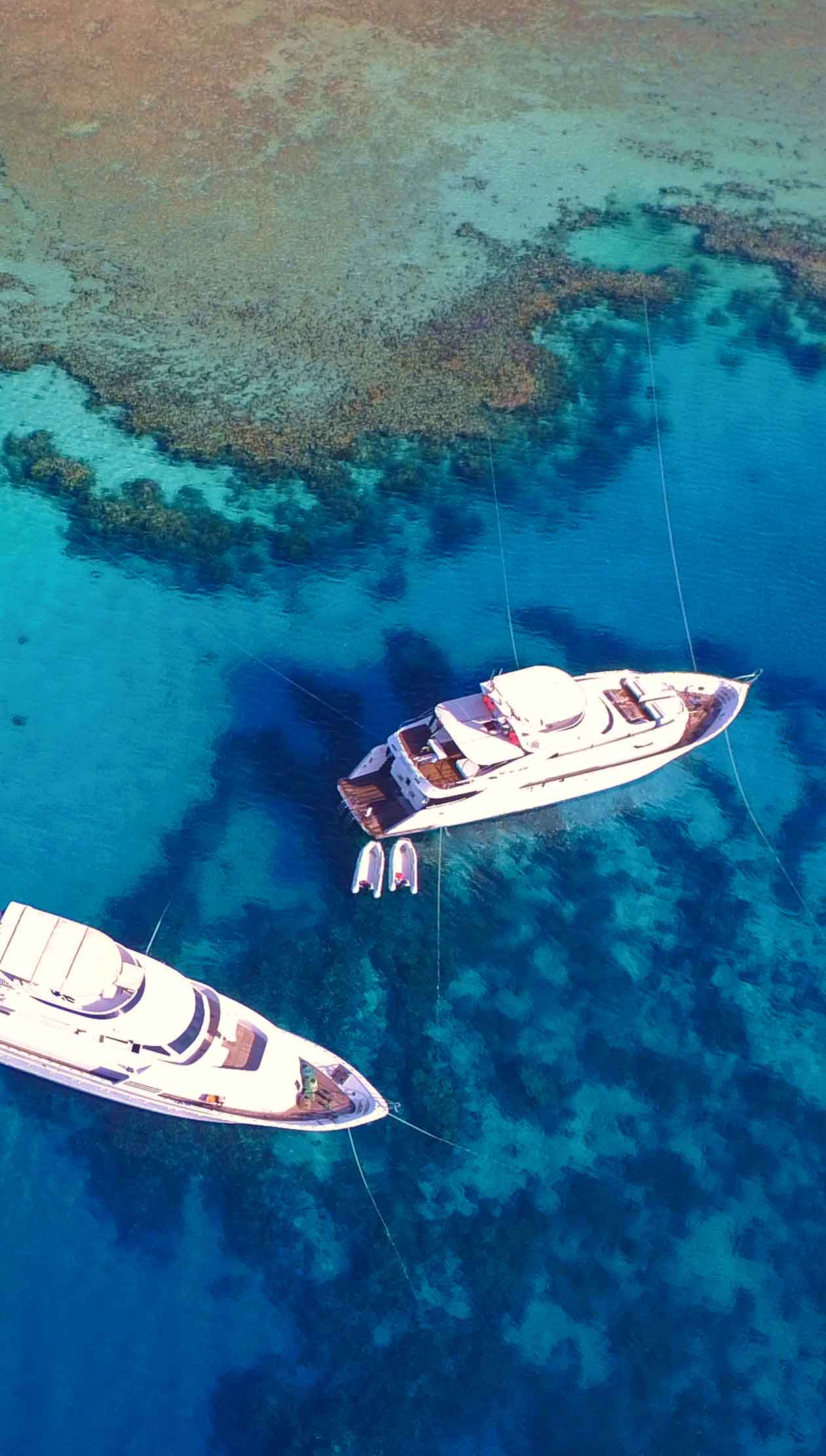
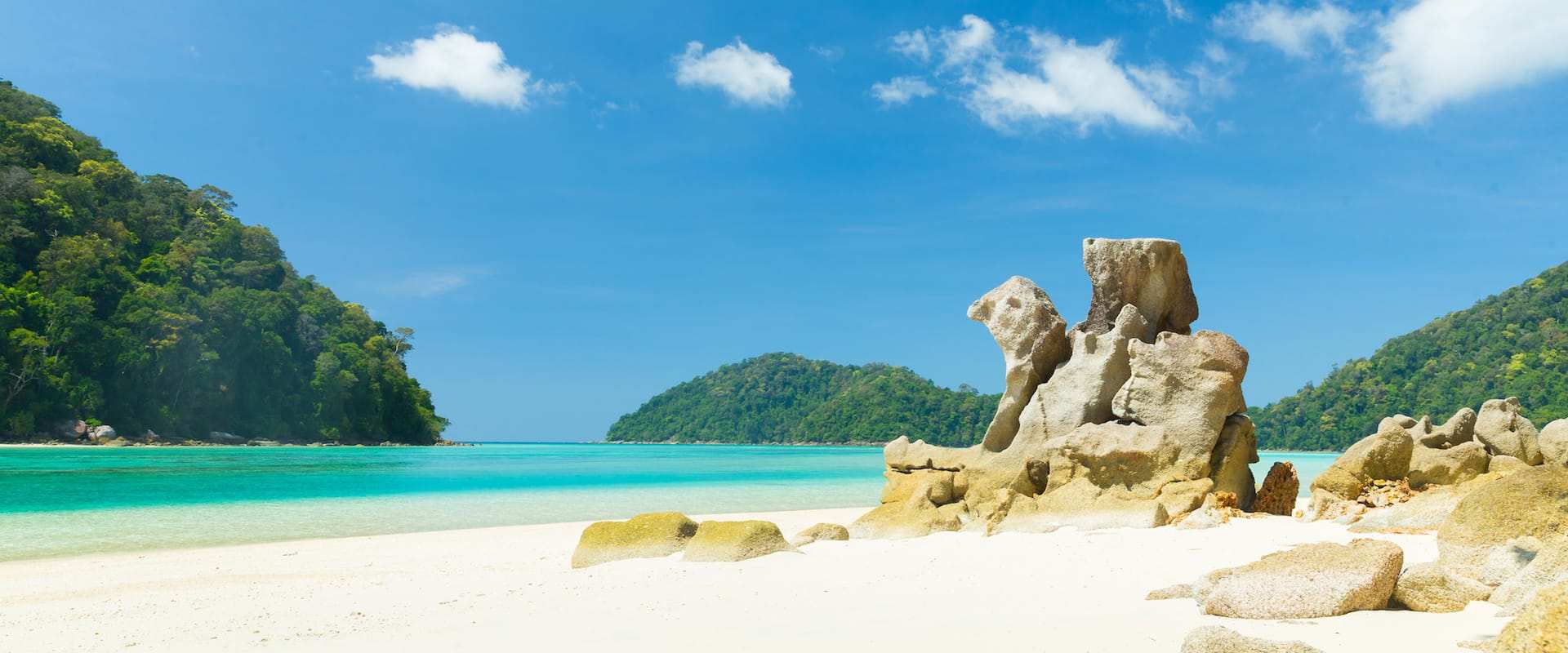
A liveaboard dive tour to the Surin Islands in Thailand will take divers to some of the best diving available in the Andaman Sea. Situated in the picturesque Thai province of Phang Nga, the Surin Islands archipelago is about 60km (37 miles) away from the west coast of Thailand in the Andaman Sea. Designated a National Marine Park in 1981, the Mu Koh Surin National Park comprises 2 large islands, North and South. The islands are covered in granite outcrops ringed with pristine coral reefs that provide an underwater spectacle of life and color. Still relatively untouched, liveaboard diving is the best way to experience diving on these islands and enjoy nature's finest. Due to its remoteness, some liveaboards only offer a short 4 days schedule.

Surin Islands Underwater

The abundance of marine life in these waters is staggering, with regular sightings of cruising white tip reef sharks, barracuda, batfish, ghost pipefish, bump head parrotfish, napoleon wrasse, octopus, mantis shrimp, blue-spotted jawfish, and the rarer sightings of seahorses, frogfish, manta rays, and whale shark. Look closely; you may spot black and blue ribbon eels hiding amongst the crevices.

Be wary of the sometimes aggressive titan triggerfish, especially if nesting and protecting their young. Depths range from 5 to 30 meters with warm, clear waters; the coral formations in these waters act as a good barrier, with fields of staghorn corals dominating the shallows. These reefs gently slope down to a sandy bottom, and if you look into the blue, you may see the occasional passing eagle rays.

Dive Sites Of Surin Islands

Liveaboard dive cruises to the Surin Islands usually include diving at Koh Tachai, Koh Bon, and the famous Richelieu Rock:

Koh Tachai is teeming with marine life and is known for many leopard sharks. With a coral plateau sloping from 12 - 35 m, this site can be challenging with strong currents. Usually done as a drift dive, these currents bring high plankton levels during February – May and, in turn, the larger pelagics feeding on them, such as the Manta Ray and Whale Shark.

Koh Bon, south of Surin Island, is known as the perforated island, classified as a deep dive due to a fantastic wall dive that goes down to 42m on the southwest side. Also frequented by many leopard sharks, the usual suspects such as the morays and white tip reef sharks cohabit these waters. Also, a popular cave diving spot should only be attempted with the right certifications.

Richelieu Rock, southeast of the Surin Islands, is renowned for whale shark sightings and other pelagics like the Manta Ray, barracuda, giant trevallies, and dogtooth tuna. For the avid macro lover or photographer, this site also provides a plethora of critters, porcelain crabs, tiger tail sea horses, pipefish, harlequin shrimp, nudibranchs, and more. The current here is mild to strong.

Other dive sites include: Bon Soong Wreck, Ko Torinla, Koh Chi, Hing Gong

Top Tips For Divers

Liveaboard trips to the Surin Islands run from November to May. February to April season often sees an increase in currents attracting the larger marine creatures like whale sharks and manta rays. Visibility ranges from 25-30m during this period, and water temperatures range between 26-29c, so a 3mm neoprene wetsuit should be enough. Some dive sites can be more challenging and are best reserved for the more experienced diver.

Getting To Surin Islands

Some International flights fly directly to Phuket, or you can get a connecting flight from Bangkok, with low-cost carriers such as Air Asia also available. Before arranging your international flights, you should check your departure port with your liveaboard operator. Most Thailand liveaboards leave from Phuket or Khao Lak. Some may also leave from one port and return to another. Diving in Thailand is accessible to all, and liveaboards are suitable for all budgets.


The Surin Islands offer scuba divers exciting opportunities for encounters with whale sharks, leopard sharks and manta rays.


Surin Islands Diving Reviews

  • Rating 9.2 out of 10
  • 9.2 Superb
  • Rating 9.2 out of 10
  • 9.2 Superb
  • Jonathan D
  • Flag of United StatesUnited States

Water was a bit murky but still may fish to see.

Diving Surin Islands in March on the Camic
  • Rating 10.0 out of 10
  • 10.0 Exceptional
  • Evgeny K
  • Flag of United StatesUnited States

i like local vibe of Surin we met real local Thailand with island communities

Diving Surin Islands in March on the Andaman
  • Rating 9.6 out of 10
  • 9.6 Exceptional
  • Diane B
  • Flag of United StatesUnited States

Great fish and spots of great coral, but the damage from weather and over use is evident

Diving Surin Islands in January on the The Junk
  • Rating 9.6 out of 10
  • 9.6 Exceptional
  • Steven W
  • Flag of United StatesUnited States

More great rock formations and creatures.

Diving Surin Islands in December on the Explorer


What to know about diving in Surin Islands

How do you get to the Surin Islands?

Boats depart from Kuraburi Pier in Phang Nga province, about a 2-hour drive north of Khao Lak, with the crossing to the islands taking roughly 1.5 to 2 hours by speedboat.

When are the Surin Islands open?

The park runs October 15 to May 15 each year, closing for the southwest monsoon and sometimes shutting slightly early if weather conditions deteriorate.

What is the entrance fee for the Surin Islands?

As of 2026, foreign adults pay a 500 baht (about $15) national park entrance fee, similar to the Similan Islands' fee structure.

How many islands make up the Surin Islands?

The Surin Islands consist of five main islands, the largest being Koh Surin Nua and Koh Surin Tai, forming Mu Ko Surin National Park close to the Myanmar border.

Is there a Moken sea gypsy village at the Surin Islands?

Yes — a Moken community of a few hundred people lives on Koh Surin Tai, a group of traditionally nomadic "sea gypsies" who have inhabited the wider Mergui Archipelago for generations and who survived the 2004 tsunami and a later 2019 fire that damaged much of the village.

How far are the Surin Islands from Richelieu Rock?

Richelieu Rock sits about 9 miles (15 km) southeast of the Surin Islands, close enough that most liveaboards dive it as part of the same Surin Islands itinerary.

Are the Surin Islands good for snorkeling?

Yes — the Surin Islands are known for some of Thailand's healthiest shallow coral gardens, making them arguably better for snorkeling than diving compared to the deeper, current-swept Similan sites further south.

What marine life can you see at the Surin Islands?

Expect large table and staghorn coral formations, reef sharks, turtles, and abundant reef fish in the shallows, with the chance of manta rays and whale sharks on trips that combine the Surins with nearby Richelieu Rock.

Can you camp on the Surin Islands?

Yes — the national park offers tent camping and basic bungalows on Koh Surin Nua for visitors who want to stay on land rather than aboard a boat, alongside a small restaurant and visitor center.

Are the Surin Islands part of a liveaboard route?

Yes — many Similan Islands liveaboards extend north to include the Surin Islands and Richelieu Rock on longer itineraries of 6 nights or more, since all three sit along the same stretch of coast.

How far are the Surin Islands from the Similan Islands?

The Surin Islands sit roughly 37 miles (60 km) north of the Similan Islands, with Koh Bon and Koh Tachai roughly in between, making a natural chain for a longer liveaboard route.

Is diving better at the Surin Islands or the Similan Islands?

They offer different strengths — the Similans have more dramatic granite topography and stronger pelagic action, while the Surins are shallower and calmer, prized more for coral coverage and snorkeling than for big-animal encounters.

What's the water visibility like at the Surin Islands?

Visibility typically ranges from 30–65 ft (9–20 m), generally a bit lower than at the more open-water Similan sites, since the Surins' shallow coral gardens sit closer to shore.

Do you need a permit to visit the Moken village at the Surin Islands?

No special permit beyond the standard national park entrance fee is required, but visitors are asked to follow park guidelines on respectful, low-impact visits to the community.

Why do the Surin Islands close every year?

Like the Similans, the Surin Islands close from mid-May to mid-October because monsoon swells make the crossing from Kuraburi unsafe and to let the shallow coral gardens recover from the high season.

We’re here to help, 24/7.

Connect with our expert travel consultants to plan your next trip.

  • Nina Kapp
  • Josue Zarco
  • Farah Celada-Benito
  • Andrea Martinez
  • Oksana Kovaleva
  • Mylene Issartial
  • Nicole Laughlin