Liveaboard.com

Blue Corner Liveaboard Diving

Our guests rated liveaboard diving in Blue Corner as 9.4

  • 100% Best Price Guarantee

Liveaboard Diving in Blue Corner

What to expect on a Blue Corner Liveaboard

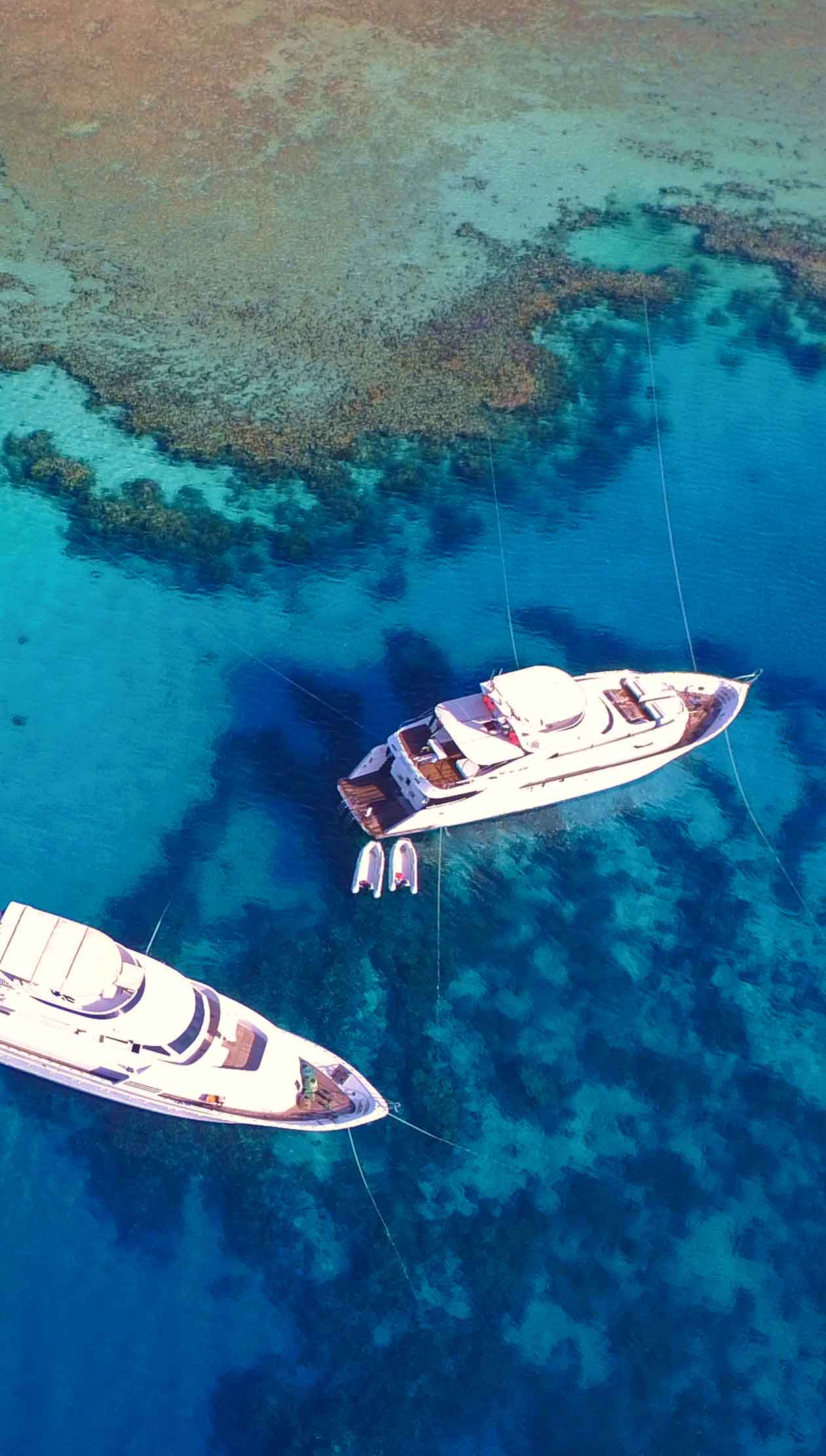
Liveaboard diving to the Blue Corner should be on most divers' wishlist. This Micronesia dive site is a natural corner created in the sea, which borders on the deep open ocean and has been said to be one of the best dive sites in the world. It is located on the South West reefs of Palau islands and on the Northwest end of Ngemelis island. It is located about 46 km (25 mi) from Koror, so it will take between 50 and 70 minutes to reach the site on your Blue Corner liveaboard. The visibility is very much dependent on the currents, with outgoing current lowering the visibility. It ranges between 12 m (40 ft) and 30 m (100 ft). The level of diving depends on the currents which are to be able to change within seconds. The Blue Corner liveaboard you will be going with will know best, but when currents are low even inexperienced divers can dive here. The depth ranges from 8 m (25 ft) to 30 m (90 ft).

What You Can See

Liveaboard diving to the Blue Corner offers a thrilling experience. This dive site provides divers with a lot of different marine species as well as exciting underwater topography. The reef itself is thriving with many variations of hard and soft corals and it inhabits the largest schools of fish some people have ever seen. It has a sea wall which starts at 10 m (30 ft) and which extends all the way down to 330 m (1000 ft), this wall is covered in colorful corals and numerous Gorgonian sea fans, a spectacular sight. The reef then plateaus at 12m (45ft) to 20m (60ft) so accessible for most divers and this plateau is absolutely covered with massive coral heads and specifically a lot of cabbage corals.

When it comes to marine life, there is a high chance you will firstly see a large variety of species, but also some very spectacular ones. Apart from the extremely large schools of fish, some of the permanent species include Jacks, Barracudas, snappers, Pyramid butterflyfish, and the famous in Palau Napoleon Wrasse.

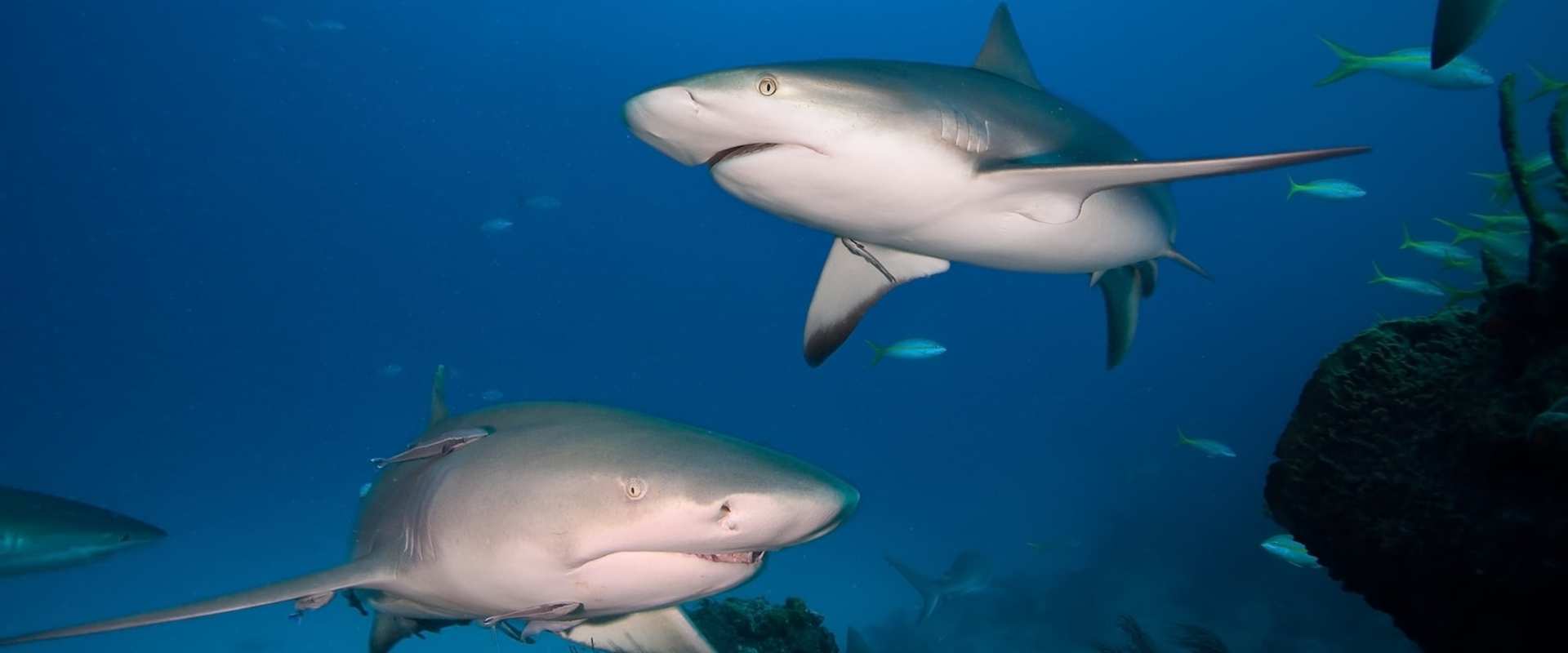
Some other impressive species which are there on a regular basis include Sharks, Eagle rays, Wahoos, Giant Groupers and Green turtles and Hawksbill turtles. These species have become passively minded about divers being about, so they come quite close so a great spot for some underwater photography. Occasionally you can see even more unique species such as Hammerhead Sharks, Whale Sharks, Manta Rays, and Marlins.

Getting To Blue Corner

To get to this dive site, or to get to any Micronesia liveaboards which will be visiting this area, then you will need to make your way to Koror, which is the largest city in Palau. The airport is located on the island of Babeldaob which is connected by a bridge to Koror. The airport is called The Roman Tmetuchl International Airport. There are only five destinations that have outgoing flights to Palau, so you would have to fly to one of these first; Philippines, Taiwan, South Korea, Japan, and Guam. Once in Palau, everything is organized mostly from Koror, and any liveaboards will depart from the Malakal Harbour in Koror.


Blue Corner Diving Reviews

  • Rating 9.4 out of 10
  • 9.4 Superb
  • Rating 10.0 out of 10
  • 10.0 Exceptional
  • Chad F
  • Flag of United StatesUnited States

If you have no current it’s an incredible wall dive with gorgeous soft corals. If you get there with strong current you get to hook in on top of the wall and fly next to thousands of sharks being cleaned, massive schools of fish, and turtles flying by. Current or no current, it doesn’t disappoint.

Diving Blue Corner in June on the Black Pearl
  • Rating 10.0 out of 10
  • 10.0 Exceptional
  • Harold Z
  • Flag of United StatesUnited States

Lots of sharks and schools of fish. Great site.

Diving Blue Corner in May on the Palau Aggressor II
  • Rating 8.8 out of 10
  • 8.8 Fabulous
  • Mary K
  • Flag of United StatesUnited States

Disappointing visibility. Nice coral gardens. Cleaning station had two small sharks.

Diving Blue Corner in March on the Black Pearl
  • Rating 10.0 out of 10
  • 10.0 Exceptional
  • Ken H
  • Flag of United StatesUnited States

Blue Corner is Palau’s most iconic dive site—fast currents, vibrant reefs, and thrilling shark encounters. Divers hook in and watch the underwater show unfold: swirling schools of fish, cruising reef sharks, and stunning coral walls. It’s an adrenaline-filled, unforgettable experience best suited for advanced divers.

Diving Blue Corner in October on the Palau Aggressor II


What to know about diving in Blue Corner

What makes Blue Corner such a famous dive site?

Blue Corner is famous for stacking three things divers rarely get together: a wall that drops into open ocean, a strong current that sweeps in schooling predators, and a shallow plateau where you can "hook in" and watch it all happen without fighting the current. Grey reef sharks, Napoleon wrasse, and schools of barracuda are almost guaranteed sightings.

How deep is Blue Corner?

The main hook-in plateau sits at about 60–80 ft (18–24 m), with the wall dropping well beyond recreational limits and the Blue Holes entry point around 100 ft (30 m). Most of the action, though, happens in that shallower plateau zone where currents concentrate marine life.

What is "hooking in" at Blue Corner?

It's a technique where divers clip a short reef hook to a D-ring on their BCD, set the hook's point into dead coral or rock, and then inflate just enough to hover neutrally in the current. It lets you stay in place, hands-free, to watch passing sharks and fish without fighting the current or damaging live coral by grabbing it.

How strong is the current at Blue Corner?

Currents can be strong and change direction with little warning, driven by tides and the moon phase, which is exactly what draws in the sharks and schooling fish divers come to see. Dive guides typically time trips around the tide tables and brief divers on what to do if the current picks up mid-dive.

What certification do you need to dive Blue Corner?

Most operators require Advanced Open Water certification or equivalent experience, given the site's depth, current strength, and reef-hook technique. It's generally not recommended as an early dive for newly certified divers.

What marine life can you see at Blue Corner?

Grey reef sharks are the headline attraction, often in numbers of a dozen or more, alongside Napoleon wrasse, schools of barracuda and jacks, trevally, and green and hawksbill turtles. Manta rays, hammerheads, and even marlin turn up occasionally, especially when the current is running strong.

Where is Blue Corner located?

Blue Corner sits off Ngemelis Island in Palau's Rock Islands, roughly a 30–45-minute boat ride from Koror. It's usually dived alongside nearby sites like Blue Holes and German Channel on the same day trip.

What is the best time to dive Blue Corner?

Palau's dry season, November to April, tends to bring calmer surface conditions, though Blue Corner's current is driven more by tide than season, so dive shops schedule trips around the tide charts rather than the calendar. The incoming tide is generally considered the best time for shark and big-fish action.

Is Blue Corner good for beginners?

No — the combination of depth, unpredictable current, and the need for precise buoyancy control while hooked in makes it a site for experienced, advanced-certified divers. Newer divers are usually steered toward calmer Rock Islands sites first.

Can you see sharks at Blue Corner?

Yes, reliably — grey reef sharks are one of the most consistent sightings at Blue Corner, often cruising in groups along the current line where divers are hooked in. It's considered one of the best shark dives in the world for exactly this reason.

How do you get to Blue Corner?

Nearly all Blue Corner dives are arranged through a Koror-based dive shop or liveaboard, with a boat ride of roughly 30–45 minutes from Malakal Harbor. It's not accessible without a boat and a guide, since it sits within the Palau National Marine Sanctuary.

What should I bring for diving Blue Corner?

A reef hook is essential gear here — most dive shops rent them if you don't own one — along with a surface marker buoy in case currents separate you from the group. A wide-angle camera setup is popular given the reliable shark and big-fish action.

Why is Blue Corner called a "corner"?

The site sits at a literal corner of the reef wall, where currents from two directions converge and push nutrient-rich water up along the drop-off, which attracts the sharks and schooling fish in the first place. That current convergence is the whole reason the site works the way it does.

Is Blue Corner inside a marine protected area?

Yes — Blue Corner lies within the Palau National Marine Sanctuary, part of Palau's broader shark sanctuary status declared in 2009, the first of its kind in the world. Diving there requires a Rock Islands/dive permit as of 2026.

How long is a typical dive at Blue Corner?

Dives typically run 40–60 minutes, depending on air consumption and how long the group stays hooked in watching the current, though depth and no-decompression limits usually set the real cutoff. Many divers do Blue Corner twice in a day, since conditions can look completely different between the morning and afternoon tides.

We’re here to help, 24/7.

Connect with our expert travel consultants to plan your next trip.

  • Oksana Kovaleva
  • Nicole Laughlin
  • Josue Zarco
  • Andrea Martinez
  • Nina Kapp
  • Farah Celada-Benito
  • Juliane Ball