Liveaboard Diving in Mexico
Mexico’s Pacific coast offers two distinctly different liveaboard experiences. The remote Revillagigedo Archipelago delivers thrilling blue-water diving and encounters with large pelagic species, while the Sea of Cortez offers extraordinary biodiversity, varied underwater terrain, and seasonal wildlife spectacles. Together, these regions make Mexico one of the world’s most compelling destinations for divers who value abundant marine life, dramatic scenery, and a strong sense of exploration.
Socorro and the Revillagigedo Archipelago
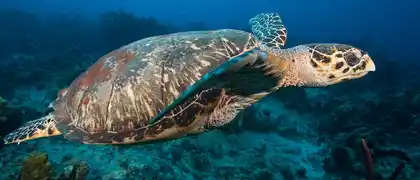
Located hundreds of kilometers from the Baja California Peninsula, the Revillagigedo Archipelago is a UNESCO World Heritage Site formed by four isolated volcanic islands: Socorro, San Benedicto, Roca Partida, and Clarion. Often collectively called the Socorro Islands, they rise from deep Pacific waters where ocean currents support mantas, sharks, dolphins, tuna, turtles, whales, and vast schools of fish.
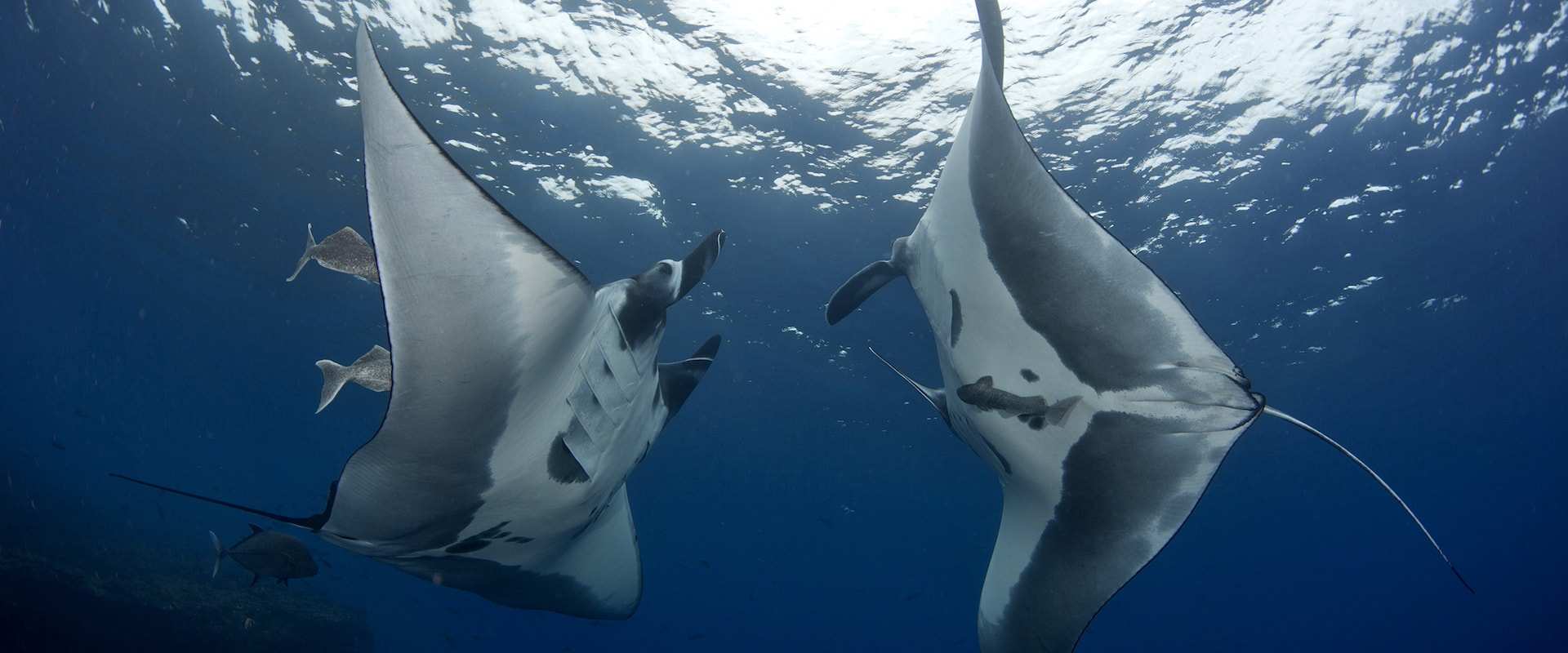
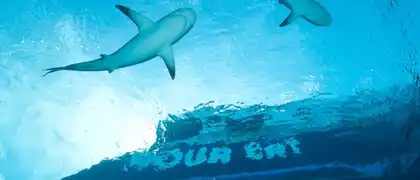
The archipelago is especially renowned for encounters with giant oceanic mantas. These graceful rays regularly visit cleaning stations around the islands and may approach divers closely. Bottlenose dolphins are another highlight, while shark sightings can include scalloped hammerheads, Galapagos sharks, silvertips, silkies, whitetip reef sharks, and occasional whale sharks. Socorro expeditions generally involve long open-ocean crossings and several consecutive days far from the mainland. The reward is an immersive diving experience in one of the Eastern Pacific’s wildest protected marine environments.
Socorro Island
Socorro Island diving combines volcanic walls, rocky outcrops, submerged ridges, and cleaning stations visited by large marine animals. Sites such as Cabo Pearce are known for giant oceanic manta rays, dolphins, schooling hammerheads, and other pelagic species. Strong currents can create demanding conditions, but they also carry the nutrients that sustain the island’s abundant marine life.
During the winter migration period, humpback whales gather around the archipelago to breed and give birth. Divers may hear their songs underwater, although sightings during a dive remain a matter of good fortune. The combination of dramatic underwater scenery and unpredictable wildlife encounters gives Socorro its genuine expedition atmosphere.
San Benedicto
San Benedicto is often the first island visited after the crossing from Baja California. Its most celebrated dive site, The Boiler, is a submerged volcanic pinnacle that rises close to the surface. Giant oceanic mantas circle the rocky walls and visit cleaning stations, sometimes remaining with divers for much of a dive.
Other sites around San Benedicto feature lava formations, steep slopes, and open-water drop-offs. Dolphins, tuna, jacks, hammerheads, Galapagos sharks, and whitetip reef sharks may all appear. The island’s stark volcanic profile above the water provides an unforgettable backdrop between dives.
Roca Partida
Roca Partida is a small, exposed rock rising from deep Pacific water. Beneath the surface, its near-vertical walls descend into the blue, concentrating an extraordinary amount of life around a remarkably compact site. Schools of jacks and tuna sweep past the rock, while whitetip reef sharks frequently gather on narrow ledges.
Hammerheads, Galapagos sharks, silkies, mantas, and other pelagic visitors may emerge from the surrounding blue. Currents, surge, and open-ocean conditions can make Roca Partida challenging, but on the right day it can produce some of the most action-packed diving in Mexico.
Clarion Island
Remote Clarion Island lies far to the west of the archipelago’s other islands. Because of the additional distance involved, it is generally included only on selected extended expeditions. These less frequent itineraries appeal to experienced divers looking for isolation, rarely visited sites, and a deeper sense of exploration.
Clarion’s underwater terrain includes rocky reefs, drop-offs, and cleaning stations. Mantas, dolphins, sharks, tuna, and endemic reef fish may be encountered, but the island’s greatest attraction is its remoteness. Divers considering a Clarion itinerary should expect longer crossings and carefully check the trip length, route, and experience requirements.
Sea of Cortez Liveaboard Diving
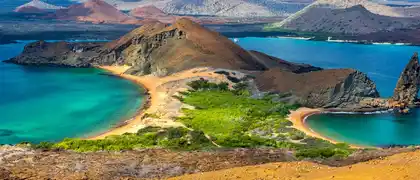
Jacques Cousteau famously celebrated the Gulf of California, better known as the Sea of Cortez, for its extraordinary marine richness. Nearly enclosed by the Baja California Peninsula, this long, narrow sea contains rocky reefs, seamounts, wrecks, walls, sandy bays, and offshore islands. Its scenery is equally distinctive above the surface, where rugged mountains and cactus-covered desert descend toward intensely blue water.
Sea of Cortez liveaboards may encounter California sea lions, whale sharks, mobula rays, dolphins, turtles, moray eels, octopuses, nudibranchs, and immense schools of fish. The exact route and wildlife vary considerably by season and by the part of the gulf visited. Some itineraries concentrate on La Paz and the southern islands, while longer expeditions explore remote central and northern areas.
La Paz
La Paz is both an important liveaboard gateway and the base for some of the Sea of Cortez’s best-known wildlife encounters. Nearby, Los Islotes supports a lively colony of California sea lions. Curious juveniles may swim around divers, twist through the water, and investigate fins or bubbles, making this one of Mexico’s most memorable underwater experiences.
The islands surrounding La Paz offer rocky reefs, walls, wrecks, and sites filled with reef fish. Seasonal whale sharks feed in the plankton-rich waters of the Bay of La Paz, with regulated snorkeling excursions sometimes incorporated into itineraries when conditions and local rules allow.
Cabo Pulmo
Cabo Pulmo protects one of the most important reef systems in the Gulf of California. Decades of community-supported conservation have allowed marine life to flourish, making the area a powerful example of ecological recovery.
Divers can explore reefs filled with snappers, groupers, rays, turtles, and large schools of jacks. Bull sharks are also encountered at certain sites and times of year. Cabo Pulmo is included on selected southern Sea of Cortez routes, so travelers hoping to dive here should confirm that it appears in the vessel’s published itinerary.
Baja California
The long Baja California Peninsula separates the Pacific Ocean from the Sea of Cortez, creating strikingly different marine environments. Liveaboards use their ports to reach offshore islands, sheltered bays, seamounts, and remote stretches of coastline that would otherwise require multiple land-based trips.
Some expeditions travel considerable distances along the peninsula, combining several regions in a single voyage. These longer itineraries may feature sea-lion colonies, macro diving, schooling fish, mobula rays, whales, dolphins, and seasonal whale sharks, accompanied by spectacular desert scenery above the water.
Cabo San Lucas
Located at the southern tip of the peninsula, Cabo San Lucas is one of the principal departure points for Socorro expeditions. Its marina, extensive accommodation, and proximity to Los Cabos International Airport make it a convenient place to begin or end a liveaboard journey.
Travelers can add extra nights before embarkation to recover from their flight, explore the coast, or enjoy local diving. As vessels may use different marinas or transfer arrangements, guests should always follow the joining instructions supplied for their specific departure.
San José del Cabo
San José del Cabo provides another important gateway to Socorro and southern Sea of Cortez itineraries. It lies close to Los Cabos International Airport and offers a quieter historic center, hotels, restaurants, and access to the wider Los Cabos region.
Depending on the operator, guests may meet in San José del Cabo before transferring to a marina elsewhere in Los Cabos. Checking the exact embarkation point is essential, as the departure city shown on an itinerary may refer to the wider region rather than the vessel’s precise berth.
Best Time for Mexico Liveaboard Diving
Mexico offers rewarding diving throughout much of the year, but the best time to travel depends on the chosen region and desired marine life. Socorro expeditions and Sea of Cortez itineraries operate during different seasonal windows, allowing many vessels to alternate between the two regions.
Socorro Diving Season
The principal Socorro liveaboard season generally runs from November through May, when conditions are better suited to the long Pacific crossing. Giant oceanic manta rays, sharks, and dolphins may be encountered throughout the season, while water temperature and the likelihood of particular migratory species change from month to month.
Conditions are usually warmer near the beginning and end of the season. The cooler winter months bring migrating humpback whales to the archipelago, and their songs may be heard during dives. Whale sharks are occasionally encountered during parts of the season, although no wildlife sighting can be guaranteed.
Water temperatures commonly range from 21–28°C (70–82°F) over the season. A 5–7 mm wetsuit and optional hood may be appropriate during the cooler months, but individual comfort levels vary. Divers should consult the vessel for current conditions and recommended exposure protection.
Sea of Cortez Diving Season
Many Sea of Cortez liveaboards operate from summer into autumn, when warmer water and calmer conditions provide excellent access to offshore islands. Water temperatures can reach approximately 28–30°C (82–86°F) during the warmest period, although they vary substantially by location and depth.
Late summer and autumn are particularly attractive for encounters with sea lions, schooling fish, and the region’s diverse reef life. Seasonal whale sharks may visit the Bay of La Paz, while mobula rays, dolphins, and other pelagic species can appear on different routes. Some specialist expeditions operate during cooler months to pursue alternative wildlife and explore other parts of Baja California.
The Sea of Cortez extends for more than a thousand kilometers, so conditions in its northern, central, and southern sections can differ considerably. The individual itinerary provides a more reliable guide than a general regional forecast.
Mexico’s Seasonal Diving Highlights
| Approximate period | Primary region | Potential highlights |
|---|
| November–January | Socorro | Warmer water, giant oceanic mantas, sharks, dolphins, and occasional whale sharks |
| February–March | Socorro | Humpback whale season, mantas, dolphins, and multiple shark species |
| April–May | Socorro | Rising water temperatures, mantas, sharks, dolphins, and possible whale sharks |
| July–November | Sea of Cortez | Warmer water, sea lions, schooling fish, mobula rays, and seasonal whale sharks |
These periods are general guidelines rather than guarantees. Ocean conditions, water temperature, and animal movements vary from year to year, and every itinerary remains subject to weather, park regulations, and the captain’s judgment.
What to Expect on a Mexico Liveaboard
Mexico liveaboard itineraries typically offer three to four dives on full diving days, depending on the region, sea conditions, local regulations, and travel time between sites. Departure and return days usually include fewer or no dives. A check dive at the beginning of the trip allows guests to adjust their equipment and weighting, while helping the guides assess their experience and comfort in the water.
Most diving is conducted from smaller tenders or skiffs, allowing groups to approach pinnacles, walls, and exposed offshore sites closely. Negative entries may be required where surface currents are present. Divers should be comfortable deploying a surface marker buoy and following open-water ascent procedures.
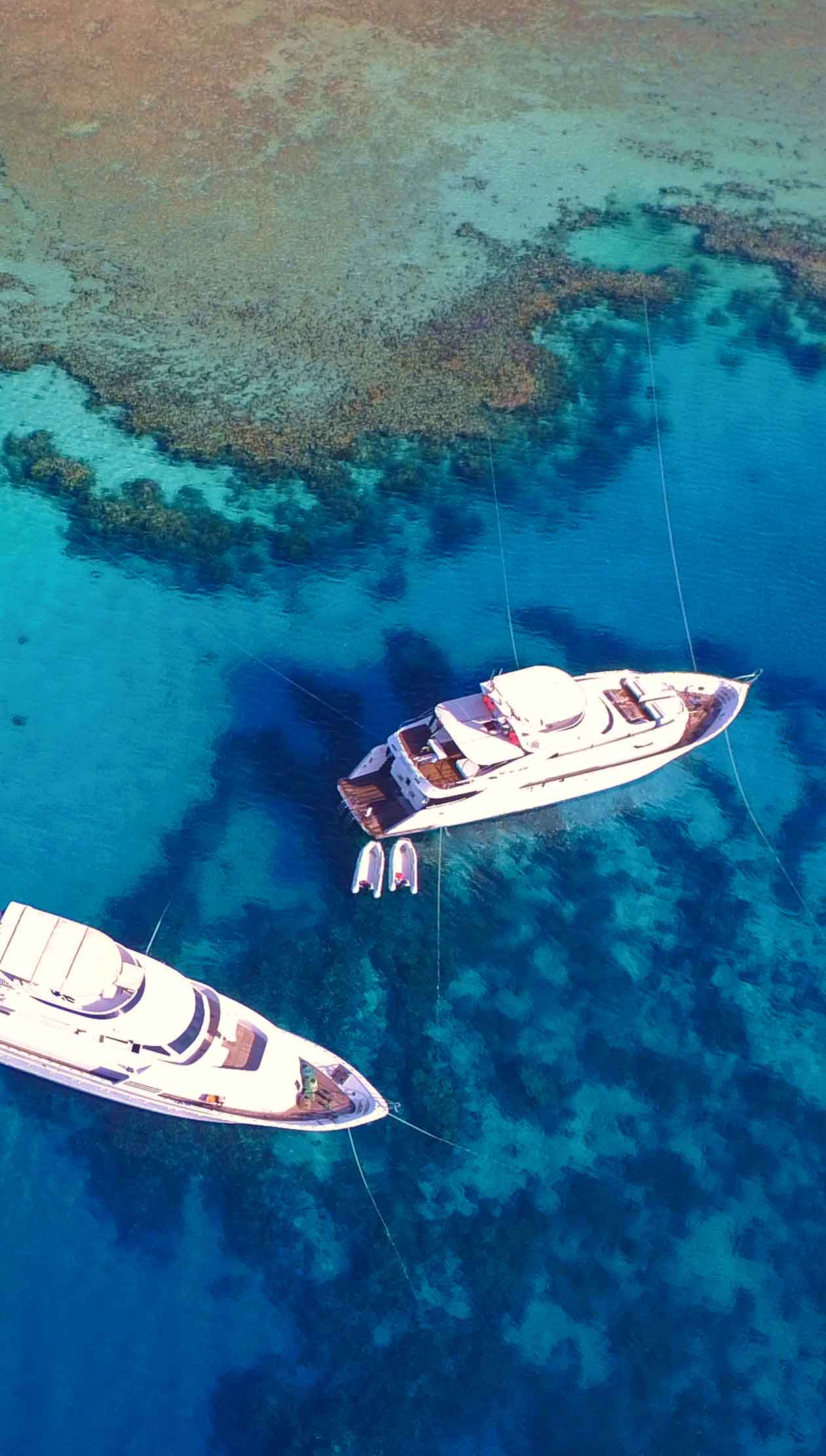
Socorro itineraries usually include a lengthy open-ocean crossing in each direction, creating full days at sea. Cabins, lounge areas, sun decks, camera facilities, and onboard services vary by vessel. Some boats focus on practical comfort and a relaxed dive-centered atmosphere, while premium vessels may offer larger cabins, enhanced dining, spacious social areas, and additional amenities.
Night diving is not a defining feature of Socorro expeditions and may be restricted by national park rules or unsuitable conditions. Sea of Cortez schedules may offer greater flexibility, but every dive plan is determined by safety, local regulations, and the route.
Experience Levels and Diving Conditions
Many Socorro itineraries are designed for experienced divers because sites can involve current, surge, deep water, limited shelter, and blue-water ascents. Some operators may require an Advanced Open Water certification and a minimum number of logged dives. Other vessels assess guests individually or publish different requirements, making it important to read the booking conditions carefully.
Sea of Cortez trips may offer a broader range of conditions, including sheltered reefs and relatively accessible sea-lion sites, but some itineraries also visit current-swept seamounts and remote offshore locations. Certification requirements therefore depend on the route rather than the country alone.
Divers should honestly assess their recent experience, buoyancy control, air consumption, and confidence entering from a tender. Those returning to diving after a long break may benefit from completing a refresher course before traveling. Enriched air Nitrox can be useful on repetitive-dive itineraries and is available on many, though not all, Mexico liveaboards.
Getting to a Mexico Liveaboard
Most Socorro expeditions begin in the Los Cabos region at the southern end of Baja California. International travelers commonly fly into Los Cabos International Airport, which serves both San José del Cabo and Cabo San Lucas. La Paz has its own airport and can also be reached by road from Los Cabos, depending on the itinerary.
Selected Baja California voyages may depart from San Diego in the United States or use different ports for embarkation and disembarkation. Carefully check the full route before arranging flights, particularly when an international border crossing or one-way transfer is involved.
Arriving at least one day before embarkation is strongly recommended. This provides time to recover from the flight, collect delayed baggage, and reach the marina without unnecessary stress. A longer buffer may be sensible when separate flight tickets, domestic connections, or lengthy ground transfers are involved.
Mexico Liveaboard Travel Tips
- Check the experience requirements: Certification and minimum logged-dive requirements differ between vessels and itineraries.
- Confirm the port: Cabo San Lucas, San José del Cabo, La Paz, and San Diego are distinct gateways and may require different airport transfers.
- Review additional charges: Marine park fees, port fees, Nitrox, equipment rental, transfers, and gratuities may not be included in the advertised fare.
- Arrange suitable insurance: Operators may require travel and dive insurance covering medical treatment, evacuation, and liveaboard activities.
- Prepare for open water: Bring a surface marker buoy and any other safety equipment specified by the operator.
- Plan for seasickness: Socorro involves long Pacific crossings, and Sea of Cortez routes may also encounter rough conditions.
- Protect your equipment: Bring essential spares, prescription mask requirements, and specialist camera accessories that may be difficult to replace locally.
- Respect marine park rules: Follow instructions concerning wildlife interactions, group positioning, waste reduction, and protected areas.
- Verify travel requirements: Consult official government sources for current passport, visa, health, and entry information before departure.
Choosing a Mexico Liveaboard Itinerary
Choose Socorro and the Revillagigedo Archipelago for remote expedition diving, giant oceanic manta rays, numerous shark species, dolphins, and the possibility of seasonal encounters with humpback whales or whale sharks. These voyages are especially suitable for confident divers who are comfortable with long crossings and exposed blue-water conditions.
Choose the Sea of Cortez for playful sea lions, seasonal whale sharks, mobula rays, schooling fish, varied underwater habitats, and the remarkable sight of desert mountains meeting the sea. Its range of routes can appeal to both experienced divers and those seeking a less remote introduction to Mexican liveaboard diving, provided they select an itinerary suited to their certification and abilities.
From giant mantas circling remote Pacific pinnacles to young sea lions racing through sunlit water beneath Baja California’s desert cliffs, Mexico delivers the kind of encounters divers remember for a lifetime. Compare the season, route, experience requirements, and embarkation port to find the Mexico liveaboard adventure that best matches your ambitions.