Liveaboard.com

Sea Of Cortez Liveaboard Diving

Our guests rated liveaboard diving in Sea Of Cortez as 9.1

  • 100% Best Price Guarantee

Liveaboard Diving in Sea Of Cortez

What To Expect On A Sea Of Cortez Liveaboard

Liveaboards to the Sea of Cortez in Mexico will usually visit between the months of July and October. Unlike most of the other dive sites in this area of the Pacific Ocean, the reef here is flourishing and incredibly colorful. This results in a high diversity of smaller species, but have no fear, there are some large species spectacles as well.

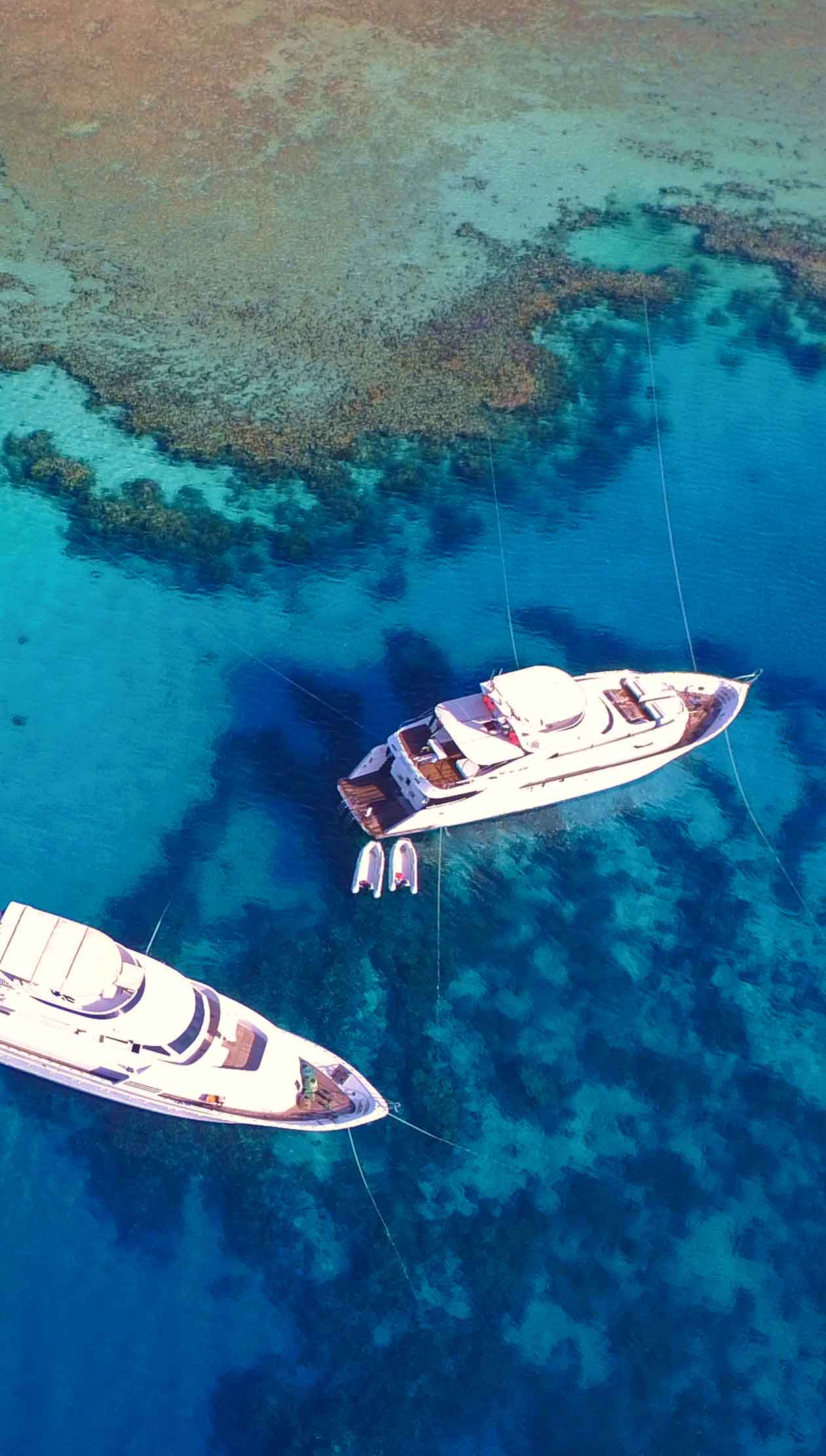
Sometimes also known as the Gulf of California which stretches 1,200km (745mi) and is sheltered from the Pacific Ocean by the Baja California peninsula, a gulf which has thousands of islands and pinnacles and calm waters; a paradise for divers. This is a popular diving area and even though there are possibilities for day trips a liveaboard cruise will allow you to reach more dive sites and areas in comfort.

SEA OF CORTEZ UNDERWATER

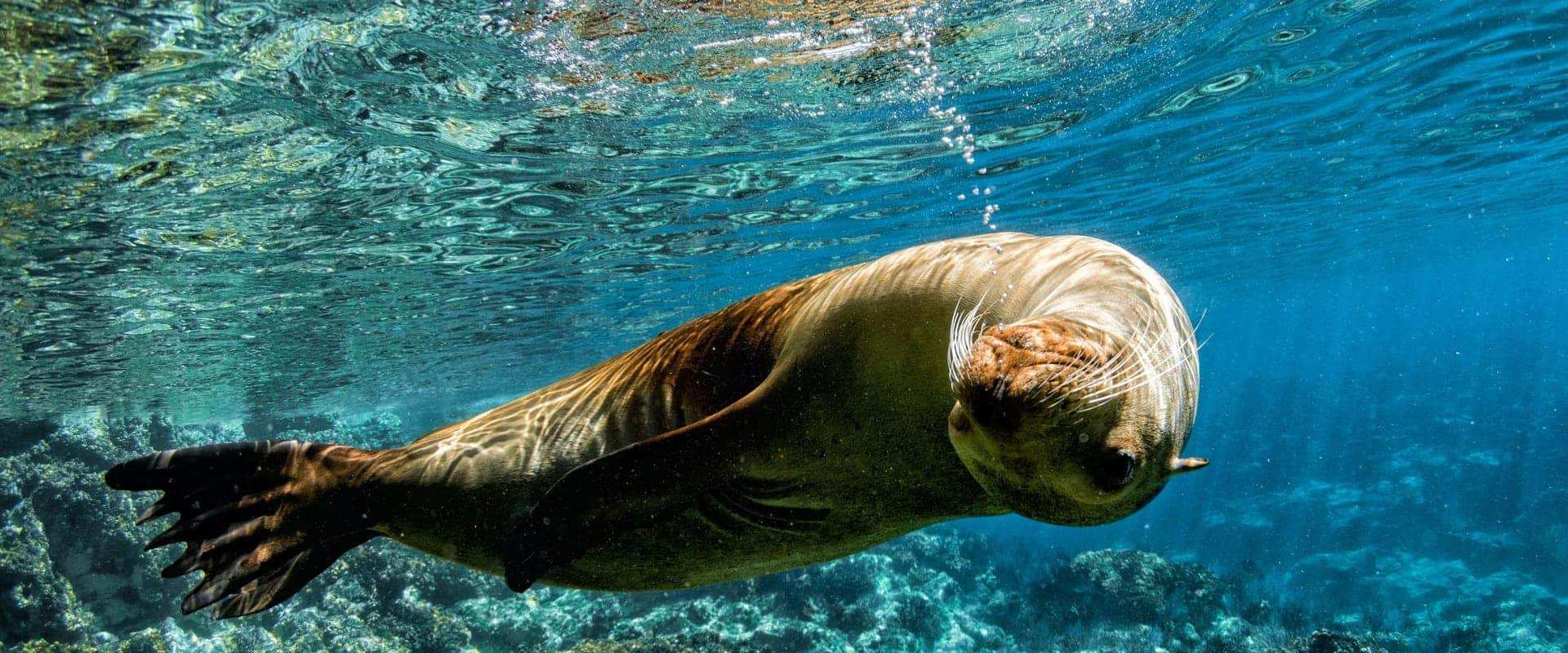
This gulf is part of the Pacific Ocean but with the benefit of it being sheltered off, making it a calm area for species of all shapes and sizes to relax in. The sea lions are the most well-known attraction of this area, cheeky and curious they play with the divers and in the months of August and September is when the juveniles are around, which are even more playful! There are many cetaceans which travel through here including schools of Hammerhead sharks, Manta Rays, Dolphins, in January to March Grey whales, Blue whales and whale sharks are around but a little rarer to see. During these winter months, the amount of plankton in the water is at a high, which means less visibility but more whales. The flourishing reefs filled with sponges, sea fans, and soft and hard corals of all shapes and sizes and it inhabits many smaller creatures including many species of Nudibranchs which help make reef just that more colorful, sea horses, angelfish and much more.

DIVE SITES OF THE SEA OF CORTEZ

La Vela, Angel Island: located in the North of the Sea of Cortez, you can spot marine life of all shapes and sizes, from curious and playful sea lions to colorful Nudibranchs and schools of Mobula Rays.

El Arrayo, Punta Martir: A sea wall dive which extends down past 40m (120ft), and this wall inhabit a lot of marine life including multiple species of moray eels, seahorses, and schools of reef fish. In August and September, juvenile sea lions are everywhere, a really fun experience.

El Lavadero, Las Animas: This is a spiritual dive site where each jack in the school of jacks represents a lost soul that all swim around the pinnacle of this dive site. The jacks are often joined by schools of tuna and the main spectacle; Hammerhead sharks.

TOP TIPS FOR DIVERS

Sea of Cortez is in general quite calm with the possibility of big waves, however, each liveaboard has their own minimum dive experience level, please always check this before booking and it is important to remember your dive logs/logbooks. It is possible to rent equipment but it will be more comfortable to use your own gear, so if possible bring that with. With the large diversity of marine life you will have the chance to see, it would be completely worth it to bring an underwater camera to capture the memories.

The depth of these dive sites ranges from 5m (15ft) to 40m (120ft), and the visibility at its worst is 15m (45ft) and at its best 35m (105ft), with water temperatures ranging from 20 degrees Celsius up to 29 degrees Celsius.

The main language is Spanish; however, English is widely spoken all around the country and on the liveaboards. The currency is the Mexican Peso, and you can easily exchange all popular currencies such as US dollars and Euros, etc.

The plug is the same as in the U.S.: two flat prongs with the standard voltage being 127V. Please remember to bring an adaptor for all your electrics if you are not coming from the US.

GETTING TO SEA OF CORTEZ

There are two ports from which the Mexican liveaboards we have to offer to depart; these are Cabo San Lucas and Puerto Peñasco. Cabo San Lucas is a city in the state of Baja California and is located in the southernmost municipality, Los Cabos, in Mexico. The closest international airport to this city is Los Cabos International Airport, which has flights arriving from the United States, Canada, and other Mexican Cities. Puerto Peñasco is located in the state of Sonora, the small piece of land that connects Baja California with the rest of Mexico. In July 2016 Puerto Peñasco Airport will receive flights from domestic destinations, till then most fly into Yuma International Airport in Arizona, which is located 180km (112mi) from Puerto Peñasco.


Sea Of Cortez Diving Reviews

  • Rating 9.1 out of 10
  • 9.1 Superb
  • Rating 8.4 out of 10
  • 8.4 Very good
  • Jacqueline S
  • Flag of United StatesUnited States

We got to snorkel with orcas! So amazing

Diving Sea Of Cortez in June on the Nautilus Under Sea
  • Rating 9.6 out of 10
  • 9.6 Exceptional
  • Austin G
  • Flag of United StatesUnited States

Excellent diving, seal, sea lions, and hammerhead sharks.

Diving Sea Of Cortez in November on the Valentina
  • Rating 9.2 out of 10
  • 9.2 Superb
  • Vickie B
  • Flag of United StatesUnited States

So many fish! The large ones may be found depending on migration patterns. Several wrecks, pinnacles, soft & some hard corals. The water is warm!

Diving Sea Of Cortez in September on the Nautilus Explorer
  • Rating 9.2 out of 10
  • 9.2 Superb
  • Alfredo R
  • Flag of United StatesUnited States

A truly beautiful seascape with dramatic sunsets illuminating stark desert islands with sweeping mountains and cactii. Water is very warm in August. A highlight is the large amount of seal interaction.

Diving Sea Of Cortez in August on the Rocio del Mar


What to know about diving in Sea Of Cortez

Is the Sea of Cortez dangerous?

Generally, no — the Sea of Cortez is considered a safe diving and boating destination, with most incidents tied to sudden weather changes (locally called "coromuel" winds) rather than marine life. Shark attacks are extremely rare despite the healthy shark population. As with any open-water diving, conditions like currents and boat traffic call for a guide and standard safety precautions.

What is diving like in the Sea of Cortez?

The Sea of Cortez, once called the "world's aquarium" by Jacques Cousteau, offers a mix of wall dives, seamounts, and rocky reefs packed with marine life, including sea lion colonies, mobula rays, and seasonal whale sharks. Diving here is generally more moderate than the open-ocean sites of Revillagigedo further offshore, making it approachable for intermediate divers. Both day-boat diving from La Paz and multi-day liveaboard routes are available.

What are Sea of Cortez cruises like?

Sea of Cortez cruises typically run as small-ship, multi-day itineraries between La Paz and the surrounding islands, mixing wildlife watching, snorkeling, and kayaking with occasional scuba diving. Trips commonly last 5–8 days and focus on sea lion colonies, whale watching, and remote island landings rather than deep diving. It's a popular option for travelers who want more than just a pure dive trip.

What is a Sea of Cortez liveaboard trip like?

Sea of Cortez liveaboards typically run multi-day itineraries between La Paz and the islands of Espíritu Santo, Los Islotes, and further afield, mixing wall dives, sea lion colonies, and occasional whale shark or mobula encounters. Boats usually carry a small group of divers, with two to three dives scheduled per day, and conditions are generally best from fall through spring when water clarity improves. It's a good option for divers who want variety without the longer open-ocean crossing required by Revillagigedo trips.

Are there sharks in the Sea of Cortez?

Yes — the Sea of Cortez is home to a range of shark species, including hammerheads, whale sharks, and occasional visits from bull and mako sharks, though sightings are generally less predictable than at Revillagigedo further offshore. Scalloped hammerhead populations here have declined in recent decades due to historical fishing pressure, so large schooling encounters are no longer guaranteed. Bull sharks are seen occasionally at Cabo Pulmo.

What is snorkeling like in the Sea of Cortez?

Snorkeling in the Sea of Cortez centers on the sea lion colony at Los Islotes near La Paz, where young sea lions often approach and play with snorkelers in the shallows. Seasonal encounters with whale sharks and mobula rays add to the appeal, particularly from fall through spring. Water clarity and temperature vary by season, so it's worth checking regardless of when you go.

Where can you see whales in the Sea of Cortez?

The Sea of Cortez sees several whale species seasonally, including blue, humpback, and fin whales, with sightings concentrated from winter through spring around the Midriff Islands and near La Paz. Whale watching is generally done from small boats rather than in the water, distinct from the whale shark encounters found closer to shore. Loreto and La Paz are the most common departure points for whale-watching trips.

How deep is the Sea of Cortez?

The Sea of Cortez reaches a maximum depth of around 9,970 ft (3,040 m) in its southern trench, though most dive sites sit in far shallower water, typically 30–100 ft (9–30 m). The sea's depth and the mixing of cold and warm currents contribute to its high productivity for marine life. Recreational diving stays well within standard depth limits regardless of the sea's overall depth.

When is the best time to dive the Sea of Cortez?

Fall through spring, roughly October through June, generally offers the clearest water and most reliable wildlife encounters in the Sea of Cortez, including whale sharks and sea lion pups. Summer brings warmer water but reduced visibility and the risk of tropical storms. As of 2026, most operators run trips outside the summer hurricane season.

Where can you see whale sharks in the Sea of Cortez?

Whale sharks gather seasonally near La Paz, typically from October through March, drawn by plankton blooms in the bay. Encounters are usually snorkel-based rather than scuba, since the sharks feed near the surface, and operators enforce distance rules to protect them. Sightings aren't guaranteed and vary year to year with plankton conditions.

Where can you see mobula rays in the Sea of Cortez?

Mobula rays gather in large schools in the Sea of Cortez, particularly around the Midriff Islands and near La Paz, with the most dramatic aerial displays typically seen in late spring. Divers and snorkelers occasionally encounter smaller groups year-round, but the massive schools tied to their feeding and mating behavior are seasonal. Boat trips timed to the spring season offer the best odds of a sighting.

What marine life can you see in the Sea of Cortez?

The Sea of Cortez supports an unusually dense mix of marine life for its size, including sea lion colonies, whale sharks, mobula rays, several whale species, and reef fish across more than 800 recorded fish species. Jacques Cousteau's description of it as the "world's aquarium" reflects this concentration of life within a relatively enclosed body of water. Encounters vary significantly by season and location within the sea.

What is the water temperature in the Sea of Cortez by month?

Water temperature in the Sea of Cortez swings widely by month, from around 65°F (18°C) in winter to roughly 85°F (29°C) at the peak of summer. A 3mm wetsuit generally suffices in summer, while a 5–7mm suit is recommended from December through April. Temperature and visibility are closely linked here, so it's worth checking current conditions close to your travel dates.

Are there small-ship cruises in the Sea of Cortez?

Yes — small-ship cruises are a popular way to explore the Sea of Cortez, typically carrying a few dozen passengers on multi-day routes between La Paz, Loreto, and the surrounding islands. These trips generally emphasize wildlife viewing, kayaking, and snorkeling over dedicated scuba diving, making them a good fit for travelers who want a mix of activities. Itineraries often run 5–8 days depending on the operator.

Can you go kayaking in the Sea of Cortez?

Kayaking is a popular add-on activity in the Sea of Cortez, especially around the calm coves of Espíritu Santo and the Midriff Islands, where paddlers can approach sea lion colonies and quiet beaches inaccessible by larger boats. Many small-ship cruises and liveaboards include kayaking in their shore excursions. Conditions are generally calmest early in the morning before afternoon winds pick up.

We’re here to help, 24/7.

Connect with our expert travel consultants to plan your next trip.

  • Andrea Martinez
  • Nicole Laughlin
  • Farah Celada-Benito
  • Josue Zarco
  • Juliane Ball
  • Nina Kapp
  • Mylene Issartial