Liveaboard Diving in Huvadhoo Atoll
WHAT TO EXPECT ON A HUVADHOO ATOLL LIVEABOARD
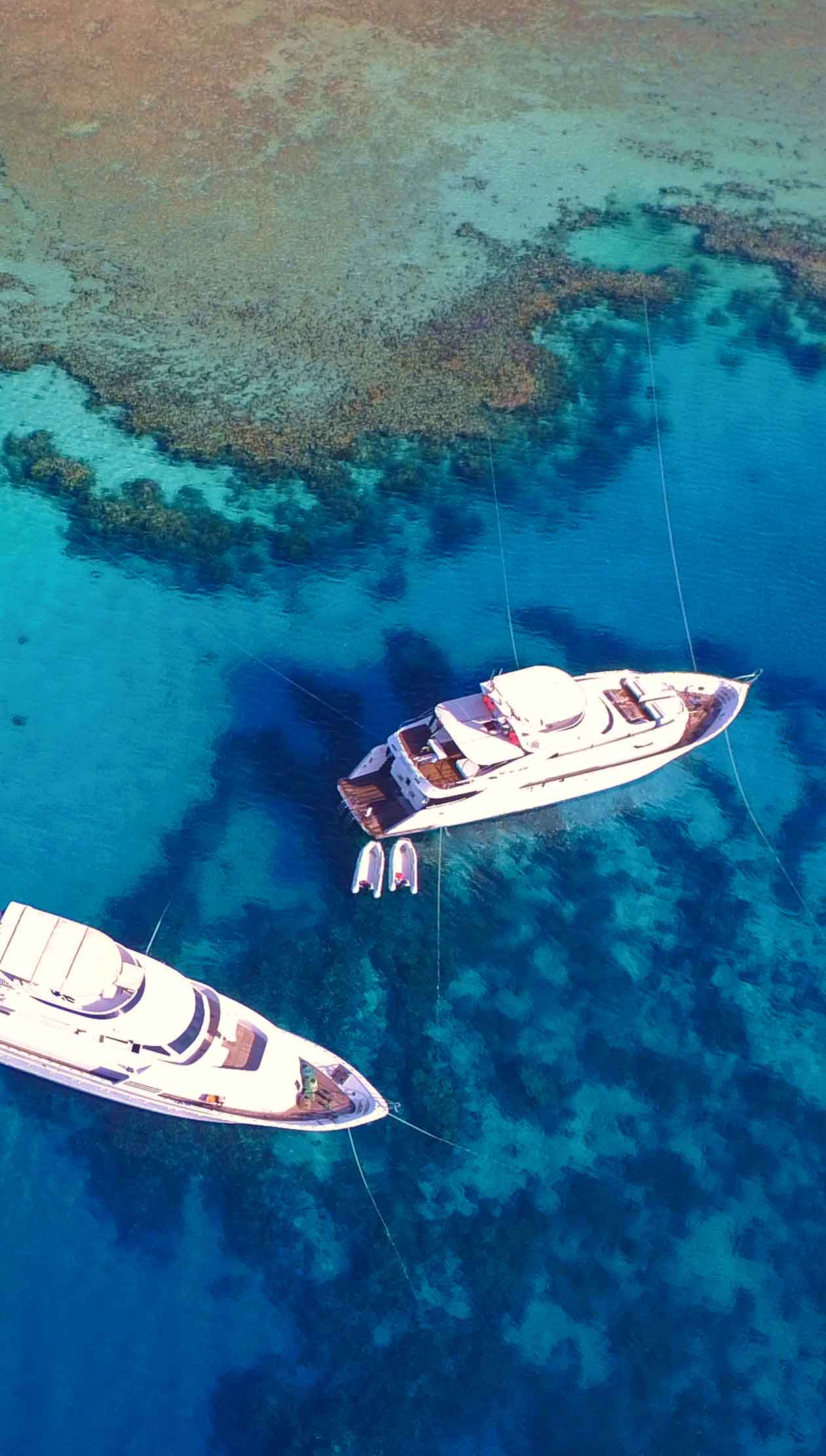
Huvadhoo Atoll liveaboards will visit many undiscovered dive sites and underwater worlds, just waiting for the adventurous diver. This remote area of the Indian Ocean is only accessible by Maldivian liveaboard and therefore, remains mostly unchartered. A variety of liveaboards in the Maldives offer trips to the southern atolls in the Maldives for holidays that are anything but ordinary. The shark action in these remote parts of paradise are sure to make even an experienced diver feel powerless and small - silver tip, grey reef stars and whale sharks effortlessly swirl about. Scuba divers revel in the seclusion and will rarely ever pass another boat.
Liveaboards cruising the Huvadhoo Atoll islands offer varying itineraries and take in to account the seasons when creating the ideal trip for guests visiting that week. Look for Maldivian liveaboard itineraries catering to the southerly atolls such as those on Scubaspa Ying, Princess Halema and MY Sheena.
Huvadhoo Atoll represents two distinct districts, Northern Huvadhoo Atoll (Gaafu Alifu) in the north, and Southern Huvadhoo Atoll (Gaafu Dhaalu) in the south. Located in the southern stretch of the Maldives, few hotels are present and therefore tourism and traffic is limited mainly to local liveaboard cruise operations. The spectacular marine life of the Indian Ocean fills the many unexplored and vibrant reefs and lagoons creating a great variety of dive sites.
HUVADHOO ATOLL UNDERWATER
Huvadhoo (or Huvadhu) Atoll is the 10th largest atoll in the world, giving ample reef rim space for diverse marine wildlife. There are more than 230 islands at the center of its lagoon - more than any other atoll in the Maldives. The locals are known for their friendliness and hospitality and for the top quality woven mats they produce from the local grass, 'hau' dyed black and yellow. Due to its isolation, Huvadoo Atoll also has its own dialect known as "Huvadhoo Bas."
The isolation comes from the 97 kilometer wide channel north of Huvadhoo Atoll known locally as Huvadu Kandu. It is the broadest channels between atolls anywhere in the Maldives making it a popular route for liveaboards in the Maldives. Along this channel are many low coral islands. To the south is the 49 kilometer wide Addoo Kandu (South Equatorial Channel).
The sapphire-colored lagoon inside of the Huvadhoo Atoll is one of the deepest in the Maldives. The lagoon bottom is covered with sand and reaches a maximum depth of 90 meters. The atoll averages about 80 meters deep and the strong currents bring lots of pelagic and reef life. Whalesharks, silkies, hammerheads and grey sharks all frequent this area. Channel dives like Vilingilli, Nilandhoo, Mareehaa and Kondeey and reef dives like Gazeera and Vaadhoo are not to be missed.
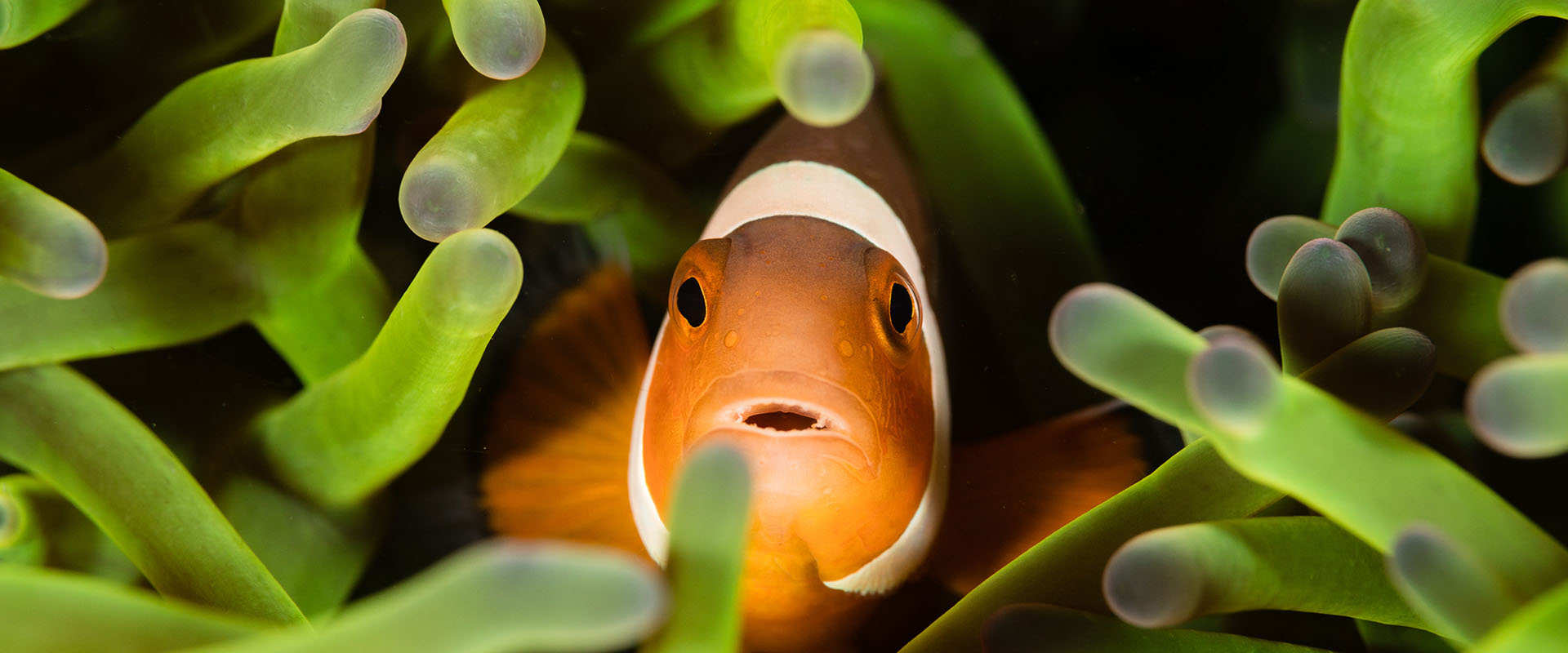
Away from the resorts and the honeymooners and beneath the waves, divers can experience unforgettable displays of manta rays, eagle rays, sea turtles and reef sharks. Staghorn coral reaches toward the sunlight as black and white tip reef sharks patrol the ecosystem below. Angelfish, clownfish, anemones and lionfish guard their small patches of reef.
Travel a bit further south and find the atoll of Suvadiva, just a short distance from the equator. Turtles can confidently lay eggs, corals grow unaffected by mankind and countless species of fish create a colorful tapestry against the open blue Indian Ocean water.
DIVE SITES OF HUVADHOO ATOLL
Vadhoo Thila and Maarenhaa Kandu offer great shark sighting while Nilhandhoo Kanu and Ekefaru Kandu are populated mostly by barracuda and wide-eyed trivially, not to mention mammoth jackfish. At the northern tip of Gaafu alive, divers will find a deep lagoon with brilliant displays of macro life. The Hitraadhoo Nature Reserve provides shelter to nesting turtles.
Other popular dive sites among Maldivian liveaboard cruises are the Luda Giri Wreck, Kandhooma Thila, Miyaru Kandu, Dhevana Kandu, Vaagali Caves and Manta Point, where Manta sights are all but a guaranteed.
TOP TIPS FOR DIVERS
The southernmost tip of Huvadhoo Atoll lies just 14 miles north of the equator. Weather patterns can vary from one end of the atoll to the other. However, weather year-round is tropical.The season for large pelagic fish runs May to September but with a liveaboard dive cruise in the Maldives, any sighting is possible year round.
GETTING TO HUVADHOO ATOLL
Male International Airport on Hulhule Island is 10 minutes by boat from the capital city of Male where most arrives flights first land in the country. Male International is well connected with flights from Singapore, London, Dubai and just 45 minutes from Sri Lanka. Major airlines from Europe as well as Asian airlines provide direct flights to Male. Divers from China can fly from Singapore or Kuala Lumpur. Divers from the U.S. might consider a flight via Singapore or Dubai to be the fastest. Huvadhoo atoll is 200 miles south of the Maldivian capital of Male. The atoll is directly accessible via Kaadedhdhoo airpot on the island of Tinnadhoo. Your Maldivian liveaboard operator may make arrangements to pick you up from Male or you may need to find your way by boat to another island. See your specific Maldivian liveaboard operator guidelines.