Liveaboard Diving in Sulawesi
What to Expect On a Sulawesi Liveaboard
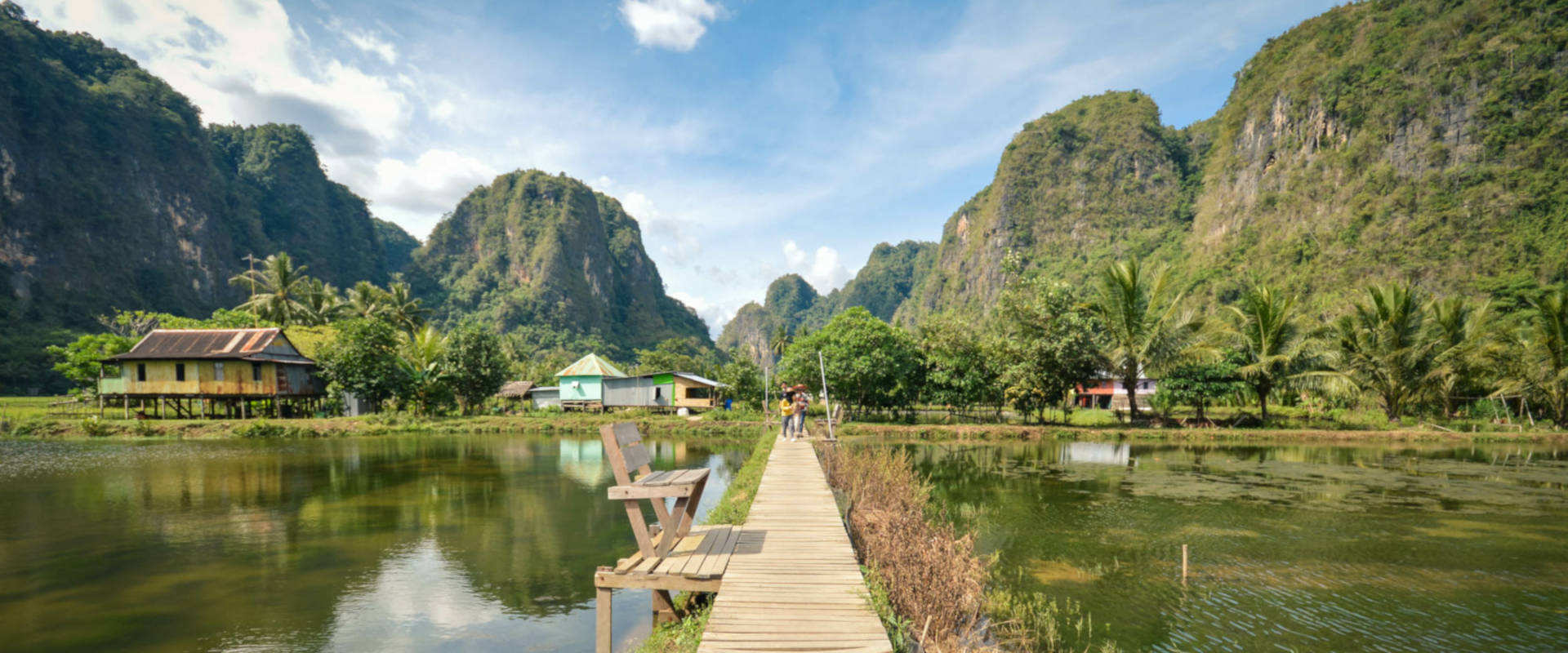
Sulawesi liveaboards in Indonesia truly offer divers a paradise for scuba diving. The island is split into 4 peninsulas; the East Peninsula, the South-east Peninsula, Minahasa Peninsula to the north, and South Peninsula. Sulawesi is the 11th largest island on the planet, and is separated by 3 Gulfs, Tomini, Tolo and Bone. Originally formed by volcanic activity, some volcanoes in the northern peninsula of Minahasa remain active even to this day.
Relatively speaking, the island and its surrounding dive sites are fairly inaccessible by traditional means, meaning that the best way to enjoy a dive cruise around Sulawesi is by Indonesian liveaboard. Many sites are simply unreachable by day boat.
Sulawesi is surrounded by thousands of hectares worth of Marine National Parks. The fantastic efforts made to preserve and enhance the stunning islands has been greatly rewarded with some of the most prolific diving sites in the world. One island alone, Bunaken, has been recorded to possess over 70% of all fish species that exist in the Indo-Western Pacific Ocean. The management practises implemented by those who live there are considered so successful, they have often formed the basis upon which new national parks are created.
Sulawesi Underwater
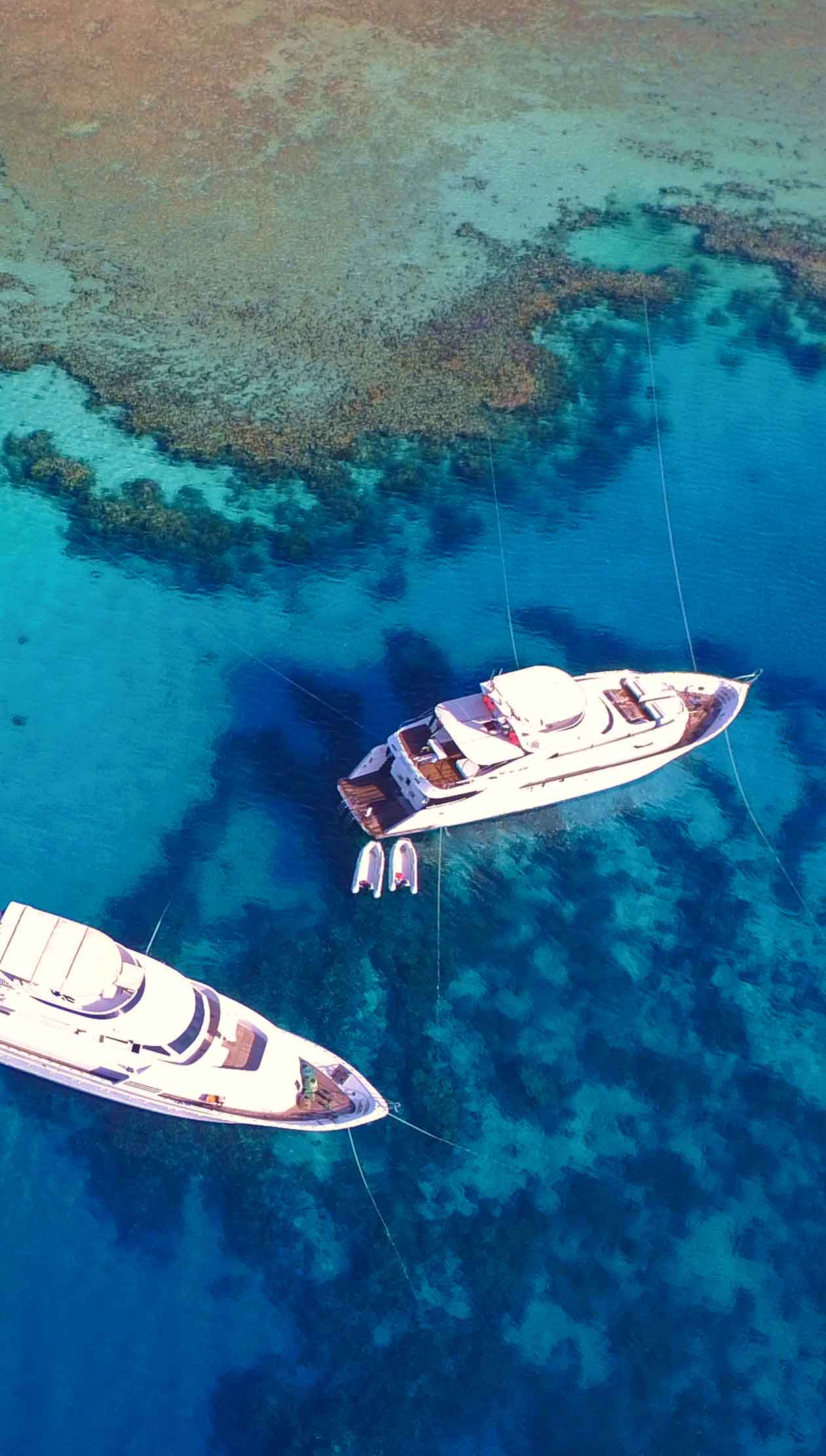
Sulawesi live aboards offers divers an enormous range of sites to choose from, including muck diving, barrier reefs, atolls, fringing reefs, wall dives and drift dives. A single visit would not be enough to sample all the delights. Liveaboard dive trips provide the most practical access to the best sites around Sulawesi, and diving activities are suitable all year round thanks to the tropical climate.
Generally speaking, the best times to go diving here are in the dry season. This varies slightly from place to place, but it is usually from March to December. Some areas, like Wakatobi have one of the driest wet seasons in the Sulawesi region.
Dive Sites Of Sulawesi
Wakatobi is a group of 4 islands to the southeast of Sulawesi, in the Banda Sea. This Unesco site is visited by dive Sulawesi dive cruises and holds some of the clearest waters in Sulawesi, and especially healthy reefs. Some 700 species of fish and 400 species of coral have been recorded around these 4 islands. There is even the chance to see magnificent pilot whales between November and April. Diving by liveaboard, you will likely miss the chaos of high season, venturing to sites beyond the reach of day boats. The islands are renowned for their brightly-coloured reefs and all the fish that are subsequently attracted. Roma is one of the best sites in Wakatobi, consisting of a cluster of very large pinnacles. Here, moderate currents keep the reefs healthy, providing nutrients from deeper waters.
Found in the remote region of Northern Sulawesi, Lembeh Strait offers divers some of the most famous muck dives in Asia. Anyone who is interested in the smaller creatures of the sea, especially macro photographers, must visit here. Hairball is a particularly noteworthy dive site, similar in profile to many other sites being fairly shallow. The sands that cover the bed are a graphite black, discoloured by volcanic ash, and can be taken advantage of to produce very unique, high-contrast photos. Itís not just small, macro-sized species that venture here though, whalesharks are also occasionally spotted using the Lembeh Strait to cross between Gulfs. There are some 60 sites to choose from, each with its own character, and many are home to some of the most sought after species, like the mantis shrimp and blue-ringed octopus. Almost an entire encyclopaedia worth of nudibranch species can be found here as well! A place not miss from your dive trip.
Bunaken is an island located just off the northern tip of Manado Bay, in the Sulawesi Sea. Like many sites here, Bunaken is also protected by an incredible 890 km2 Marine National Park. This island is surround by perhaps some of the most species diverse bodies of water around. Celah Celah is a very popular site, comprising a large wall with many deep cracks that provide protection against the strong currents. Crinoids, especially, take advantage of this slack water, attracting many nudibranchs and intricately detailed shrimp. Sachikoís Point, is another fantastic drift dive along a wall, with perhaps an even higher species count, with 301 recorded species of fish. Napoleon wrasse and green sea turtles are often spotted here.
The archipelagic islands of Togian are situated in the Gulf of Tomini. Diving here is usually very easy, as currents are quite gentle. Again, the sites around the islands offer superb species diversity, with 819 recoded species of fish! Nearby mangroves are, in part, the provider of such abundant diversity by supplying many species with protection. In addition, it's also where you will find the wreck of a World War II bomber, the B24 Liberator, whose crew made an emergency landing on the sea. Batu Gila is a fairly deep site, and where divers go to see the pelagic species. This narrow ridge is sided by very steep drop-offs. Venturing to the edge, you will sometimes see hammerhead sharks and manta rays.
Top Tips For Divers
Although the current at many sites is fairly gentle, it can grow in strength very rapidly and even switch direction, all within the span of a single dive. Some sites typically lend themselves as more suitable for intermediate or advanced divers. It is always a good idea to bring along an SMB and a finger-spool, but perhaps more so for these types of dive sites.
Many sites are muck diving sites, or near mangroves. Visibility here can drop to very low levels, sometimes as low as 6.5 feet (2 m), although this is rare. Good buddy communication should be maintained to avoid any separation.
Getting To Sulawesi
Various Indonesian liveaboards offer itineraries including Sulawesi on their dive cruises. The main airports used to reach Sulawesi are Makassar or Manado. Both are international airports, and there are a growing number of direct flights available. However, those travelling from Europe are usually required to catch a connecting flight at Singapore or sometimes Kuala Lumpur. Depending on where your liveaboard vessel departs, Manado International Airport is sometimes more convenient to arrive in as many liveaboards will either arrange transport from here or may even set off directly from the seaport at Manado.