Liveaboard.com

Raja Ampat Liveaboard

Our customers rated liveaboard diving in Raja Ampat as 9.2.

  • 100% Best Price Guarantee

Liveaboard Diving in Raja Ampat

What To Expect on a Raja Ampat Liveaboard

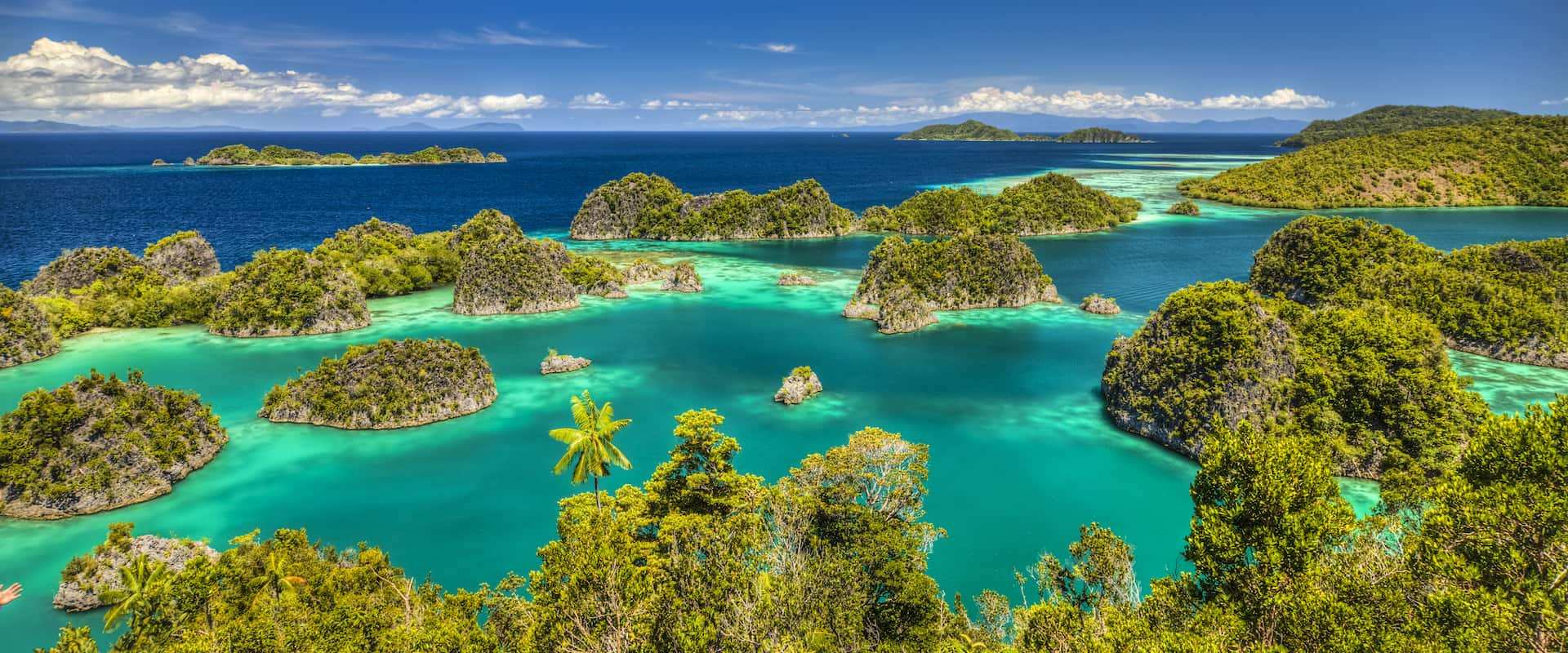
Liveaboards in Raja Ampat are the perfect way to explore this excellent dive area. Allowing divers to visit remote and unspoiled regions in Indonesia. Synonymous with stunning islets, crystal-clear water, and beautiful white-sand beaches, Raja Ampat is one of Indonesia's most beautiful regions. The archipelago comprises more than 1,500 islands scattered across a large section of the Coral Triangle near New Guinea, making it ideal for divers to explore on a liveaboard. Its fortunate position between the Indian and Pacific oceans makes it one of the world's wealthiest areas of marine life.

Besides the numerous smaller islets, there are four main islands that Raja Ampat liveaboards visit: Salawati, Batanta, Waigeo, and Misool. These islands give rise to the name of the archipelago, ‘the Four Kings’. Local legend tells of how four kings emerged from eggs found by a woman. After they hatched, they each became a ruler of one of the main islands.

Europeans subsequently conquered the area, and it was briefly under Dutch control. In modern times, the primary industry is tourism; the population is Indonesian, and most work in the tourism or fishing industries. The area has recently introduced a marine park fee for liveaboard visitors to support conservation efforts in Raja Ampat. This fee helps to support patrols and projects to conserve the reefs. Despite the blossoming tourist industry in Raja Ampat, the area retains its untouched feel, especially on a liveaboard anchored off mostly uninhabited islands.

Raja Ampat underwater

The biodiversity of Raja Ampat is second to none; scuba diving here is sure to delight all divers. It was declared the world's most biodiverse place in 2002. The marine park area is home to over a thousand fish species and more than 500 coral species. Much of the diving in Raja Ampat is on reefs amongst the scattered tiny islands, so a dive cruise suits visiting this area perfectly. These reefs are glorious with an array of colours and unique fish of all shapes and sizes. Visibility can be slightly variable, but around 25-30 meters is the norm.

There are plenty of sharks to be seen in Raja Ampat, from white- and black-tipped reef sharks to whale sharks and even some rarer species, such as the wobbegong shark. Wobbegong sharks are fascinating bottom-dwelling sharks, flat with long tails and what looks like a beard on their mouths. They really are a photographer’s dream.

Mantas are also frequent visitors to Raja Ampat, and they can be seen in sizeable groups passing over the reefs. Turtles can often be seen grazing on the coral reef, and in some areas, pods of dolphins can also pop by to delight divers.

There is a wide variety of Raja Ampat liveaboards to suit all budgets, from 5-day liveaboard tours to luxury liveaboard vessels offering 2-week dive trips.

Dive sites of Raja Ampat

The dive sites of Raja Ampat can be varied in the fish and critters living on the different reefs, but they are almost all spectacular in their own way.

  • Misool Island, nicknamed ‘the kaleidoscope’, is special because of the riot of colours across the reefs. Macro lovers will be mesmerised with a wide variety of corals full of all kinds of critters and small reef fish. Pygmy seahorses, ghost pipefish, and a rainbow of nudibranchs make ideal subjects for macro photographers.
  • Waigeo is similarly blessed with a wide variety of fish life. Lionfish are hanging around between rocks, and you might also catch a glimpse of a juvenile emperor angelfish with its hypnotic colour scheme and clownfish peeking out of an anemone. Fish life is also the main spectacle in Dampier Strait, with shoals of trevallies and tuna that can be so large they affect visibility in places. The current is tough in this area, and it is usually a drift dive—a must-visit during your dive safari.
  • Mansuar is the place to be for bigger stuff. Here is where the groups of mantas can be seen gracefully swooping past. Turtles are also frequent visitors feeding around the reef, along with a host of fish life and beautiful corals.
  • Cenderawasih Bay, on the other hand, is where you can go to try to find whale sharks. There is a special relationship between these gentle giants and the local fishermen who believe in their luck. They traditionally give fish to whale sharks to bring them luck, which means there can be several in this area at a time. There isn’t really a season for whale sharks here either, so there really is a good chance to dive with them all year round.

Top Tips for Divers

  • Sea conditions are usually good here, but the currents are pretty strong, so this isn’t really a place for brand-new divers.
  • There is a one-hundred-dollar marine park fee to be paid upon entering the protected area. This fee pays for the continuation of conservation in the region.
  • October to April is the most popular season for diving liveaboards here, though you can dive year-round.
  • The water is warm, 26-30 degrees, but be mindful of fire urchins when choosing your skin coverage.

Getting to Raja Ampat

Although getting to Raja Ampat is not difficult, it does require several flights and boat journeys as there are no direct international flights. You can fly to Sorong from Jakarta and some other larger airports. From here, the most popular way to reach the dive sites is by diving on an Indonesian liveaboard. There are a few resorts, but the vast majority of diving is from dedicated dive cruises.

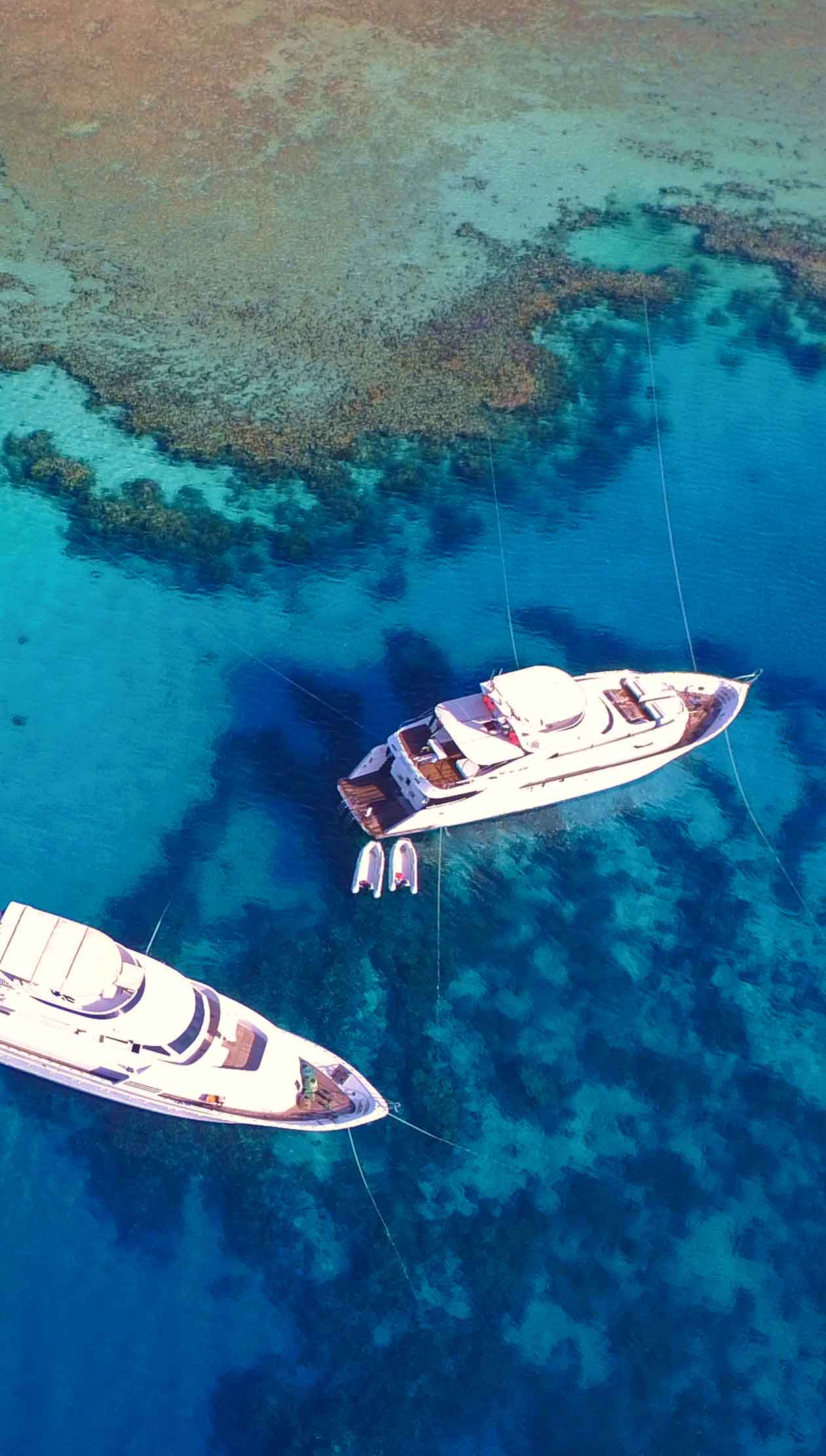
There are both motor-boat dive cruises and the more traditional sailing tours on the grand Indonesian Phinisi sailboats on offer. These beautiful boats offer a peaceful, authentic diving safari experience as you explore this isolated, stunning place.


The exceptional diversity of Raja Ampat’s underwater seascape will astound even the most seasoned scuba diver and promises vastly different diving experiences each time divers enter the water.


Raja Ampat Diving Reviews

  • Rating 9.2 out of 10
  • 9.2 Superb
  • Rating 9.2 out of 10
  • 9.2 Superb
  • Connie C
  • Flag of United StatesUnited States

Healthy reefs, lots of corals, turtles. We trekked Piaynemo Viewpoint to admire the beauty of the archipelago.

Diving Raja Ampat in April on the Sea Safari 8
  • Rating 9.6 out of 10
  • 9.6 Exceptional
  • John R
  • Flag of United StatesUnited States

Raja Ampat is extremely beautiful both above and below the surface. Every dive was worth the while and the top side excursions were equally beautiful!

Diving Raja Ampat in April on the Calico Jack
  • Rating 10.0 out of 10
  • 10.0 Exceptional
  • Helen L
  • Flag of United StatesUnited States

Dive sites were so varied, sometimes challenging but always fascinating and full of marine life

Diving Raja Ampat in March on the Jelajahi Laut
  • Rating 8.0 out of 10
  • 8.0 Very good
  • Matthew M
  • Flag of United StatesUnited States

Lots of fish, beautiful water, warm temperatures, and turtle , so big , they looked like little tanks.

Diving Raja Ampat in March on the Seaisee


What to know about diving in Raja Ampat

How do you get to Raja Ampat?

Most travelers fly into Sorong via Jakarta, Makassar, or Bali, then continue by public ferry, chartered speedboat, or liveaboard pickup to reach the islands of Raja Ampat. The final leg can take anywhere from under an hour to several hours, depending on the specific destination within the archipelago.

Where is Raja Ampat located?

Raja Ampat is an archipelago off the Bird's Head Peninsula of West Papua, in eastern Indonesia, widely considered the global epicenter of marine biodiversity within the Coral Triangle. It's reached via the regional hub city of Sorong.

Can you fly directly to Raja Ampat?

There's no direct international flight to Raja Ampat — travelers fly into Sorong's Domine Eduard Osok Airport via a domestic connection from Jakarta, Makassar, or Bali, then continue on by boat. Seaplane charters to certain resorts are also available for those looking to skip the boat transfer (as of 2026).

How do you get to Raja Ampat from Bali?

From Bali, travelers typically fly to Sorong via Jakarta or Makassar (often requiring a layover), then take a public ferry or private boat transfer to their final destination in Raja Ampat. The full journey generally takes a full day door to door.

How far is Raja Ampat from Bali?

Raja Ampat is roughly 1,600 mi (2,600 km) from Bali as the crow flies, though the actual travel time is dictated by flight connections through Jakarta or Makassar rather than direct distance. Door-to-door travel typically takes the better part of a day.
What should you pack for a Raja Ampat yacht trip?

Essentials include reef-safe sunscreen, a light rash guard for sun protection while snorkeling or diving, quick-dry clothing, and any personal dive gear you prefer to use rather than rent. Given the region's remoteness, it's also wise to bring extra cash and any needed medications, since shops and pharmacies are scarce (as of 2026).

Where should you stay in Raja Ampat?

Options range from simple homestays on islands like Kri, Arborek, and Batanta to upscale eco-resorts, plus the choice of a liveaboard for those wanting to cover more of the archipelago. The right choice depends on budget and how many dive sites you want to reach (as of 2026).

Where exactly is Raja Ampat located?

Raja Ampat sits off the Bird's Head Peninsula of Indonesia's West Papua province, at the western edge of New Guinea. It's made up of four main islands — Waigeo, Batanta, Salawati, and Misool — plus hundreds of smaller islets.

What is there to do in Raja Ampat?

Beyond world-class diving and snorkeling, Raja Ampat offers island-hopping by boat, hiking to viewpoints overlooking the Wayag or Piaynemo lagoons, and birdwatching for species such as the red bird-of-paradise. Many visitors split their time between a liveaboard and a land-based homestay or resort.

When is the best time to visit Raja Ampat?

The dry season, roughly October through April, generally brings calmer seas and better visibility, making it the most popular window to visit Raja Ampat (as of 2026). Some liveaboards operate limited schedules during the wetter months, so it's worth checking current availability.

What time zone is Raja Ampat in?

Raja Ampat follows Eastern Indonesia Time (WIT), which is UTC+9 — the same time zone used across Maluku and Papua. This is two hours ahead of Bali and Jakarta's Western Indonesia Time (WIB).

What country is Raja Ampat in?

Raja Ampat is part of Indonesia, located in West Papua province off the western tip of the island of New Guinea. It's roughly 1,600 mi (2,600 km) east of Bali.

What is Raja Ampat famous for?

Raja Ampat is famous for being the most biodiverse marine environment on Earth, home to well over 1,500 fish species and a large share of the world's known coral species within the Coral Triangle. It's also known for its dramatic karst island scenery, particularly the lagoons of Wayag and Piaynemo.

What is Raja Ampat?

Raja Ampat is an archipelago of hundreds of islands off the coast of West Papua, Indonesia, renowned among divers and marine scientists as the richest coral reef ecosystem on the planet. Its name, meaning 'Four Kings,' refers to its four main islands: Waigeo, Batanta, Salawati, and Misool.

We’re here to help, 24/7.

Connect with our expert travel consultants to plan your next trip.

  • Farah Celada-Benito
  • Mylene Issartial
  • Juliane Ball
  • Ester Canali
  • Josue Zarco
  • Andrea Martinez
  • Nina Kapp