Liveaboard.com

Derawan Liveaboard Diving

Our customers rated liveaboard diving in Derawan as 7.6.

  • 100% Best Price Guarantee

Liveaboard Diving in Derawan

What to Expect On a Derawan Liveaboard

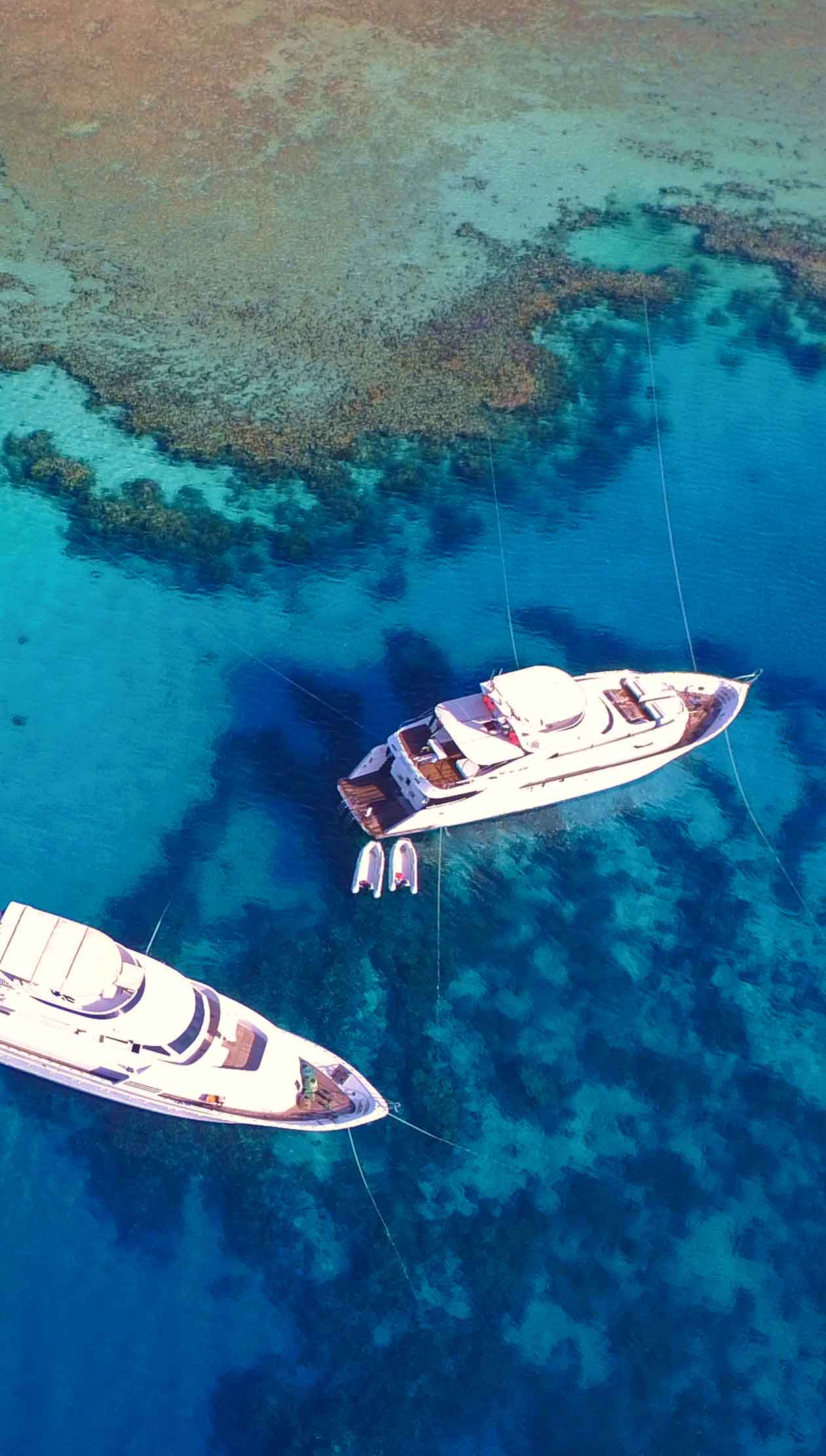
Liveaboard diving to Derawan offers the chance for some real unexplored dive experiences. The Derawan Islands are situated in the province of East Kalimantan, Indonesia. They make up a total of 31 islands, including Derawan, Maratua, Kakaban, Sangalaki, Panjang, and Samama. The only 2 inhabited islands are Derawan and Maratua. These islands can really only be appreciated by a Derawan liveaboard. They are very isolated, and distances between islands are not practically covered by day boats.

Derawan Underwater

A liveaboard from Derawan means visiting the Coral Triangle, an area known to have one of the richest biodiversities on the planet. To date, 872 species of fish and 507 coral species have been counted here. In addition, there are a number of protected invertebrate species, including 5 varieties of giant sea clams, and coconut crabs.

This region is truly stunning and well worth including on your Derawan liveaboard itinerary, as it is home to some of the most impressive natural phenomena. Every year, over 15 000 female sea turtles return to these islands, very often traveling thousands of miles, just to breed. The Derawan Islands are also famous for holding 2 ponds that contain ëunpoisonedí jellyfish. These ponds can be found on Kakaban and Maratua. Falling sea levels trapped these jellyfish within natural basins on the islands. Unable to escape, they slowly evolved over thousands of years to lose their ability to sting as it was no longer necessary for survival.

Dive Sites Of Derawan

The islands remain largely unexplored by divers and many Derawan liveaboard itineraries will include exploratory dives. There are several sites around Derawan Island that provide a good mix of both muck sites and drift dives. The muck sites attract all sorts of macro species, including the highly venomous blue-ringed octopus, frogfish of various colours, harlequin shrimp and ghost pipefish. The drift sites attract numerous large pelagic species, including several sharks. Oceanic whitetip and blacktip reef sharks, as well as leopard and nurse sharks can all be seen here. Great schools of barracuda are also a common sighting.

Sangalaki is a cleaning station, and where both mantas and sea turtles accumulate. The fairly strong currents around this island carry with them rich nutrients from deeper waters. The mantas can usually be seen here all year round.

The island of Panjang sees very little current, and as a result, prolific muck sites have formed. Batfish, crocodile fish, pygmy seahorses and nudibranchs are just some of the species you will find here.

Many sites around the islands have yet to be visited by divers, and you are likely to complete several exploratory dives while on your Derawan liveaboard dive trip. Several hundred caves are estimated to be totally unexplored, providing the experienced cave diver a somewhat exciting prospect. These caves typically originate on the islands, and have exits on the reefs themselves.

Top Tips For Divers

Some sites that a Derawan cruise visits can be particularly exposed to strong, shifting currents. An invaluable piece of equipment to take, if you donít already do so, is an SMB and a finger spool. In case an ascent occurs in a slightly unplanned location, your boat crew will be able to mark your location and keep you safe.

Getting To Derawan

The most direct route to Derawan, where your Indonesia liveaboard vessel awaits, is via Singapore. The journey is slightly longer than travelling to many other remote regions in Indonesia, but the Derawan Islands are home to certain spectacles that can only be found here.

Having landed in Singapore, catch a flight to Balikpapan, and then Berau. From here, there is a 2 hour drive through the countryside of Kalimantan to the port of Tanjung Batu. And finally, there will be a 30 to 45 minute ride by speedboat to Derawan.



Derawan Diving Reviews

  • Rating 7.6 out of 10
  • 7.6 Good
  • Rating 7.6 out of 10
  • 7.6 Good
  • Franck D
  • Flag of FranceFrance

pas assez de gros, en particulier des requins visibilité très moyenne, voire médiocre

Diving Derawan in May on the Ambai


What to know about diving in Derawan

Where is Derawan Island?

Derawan is part of a small archipelago off the coast of East Kalimantan (Indonesian Borneo), reached via the town of Berau. It's best known for resident green and hawksbill turtles that nest and feed right around the island's jetty.

Are there liveaboards in the Derawan Islands?

Yes — liveaboards operate in the Derawan Islands, typically covering Derawan, Sangalaki (manta rays), and Kakaban (the stingless jellyfish lake) in a single multi-day trip. Day trips and resort-based diving are also common options for visitors staying in Derawan.

What is diving like around Derawan?

Diving around Derawan is generally easy and current-light close to the island, with resident turtles a near-guaranteed sighting, while nearby Sangalaki and Kakaban add manta ray cleaning stations and a unique saltwater jellyfish lake. Water temperatures run warm year-round, typically 82–86°F (28–30°C).

Are there dive lodges on Derawan?

Yes — Derawan has a range of small dive lodges and guesthouses built on stilts over the water, most offering package stays that include daily boat dives. Facilities are simpler than Bali's or Raja Ampat's higher-end options, reflecting the island's remote, low-key character.

What kind of hotels are in the Derawan Islands?

Accommodation in the Derawan Islands is mostly modest, ranging from budget homestays to simple stilted lodges built over the reef, with a few mid-range dive resorts. Options are limited compared to more developed Indonesian destinations, so booking ahead is recommended (as of 2026).

What sea turtles can you see at Derawan?

Derawan is known for resident populations of both green and hawksbill turtles, which are common sights on nearly every dive and even along the beaches at night during nesting season. Their reliable presence is one of the archipelago's biggest draws.

What is Kakaban's jellyfish lake, and why is it unique?

Kakaban, one of the islands in the Derawan archipelago, has a saltwater lake inhabited by stingless jellyfish that evolved in isolation from predators. Snorkelers can swim among thousands of jellyfish without concern, making it one of only a handful of such lakes in the world.

Where can you see manta rays near Derawan?

Manta rays are a regular sight near Sangalaki, one of the islands in the Derawan archipelago, where nutrient-rich currents draw them in to feed. It's one of the top reasons divers add Sangalaki to a Derawan itinerary.

Is it possible to snorkel with turtles at Derawan?

Yes — Derawan's resident turtle population is dense enough that snorkelers, not just divers, regularly encounter green and hawksbill turtles in shallow water close to shore. It's one of the archipelago's most accessible wildlife experiences.

What is the water temperature like around Derawan?

Water around Derawan generally stays warm year-round, in the range of 82–86°F (28–30°C). That warmth makes for comfortable diving with minimal exposure protection needed.

Is Derawan a good destination for underwater photography?

Derawan works well for both wide-angle photography, thanks to its turtles and mantas, and macro subjects on some of its reef slopes. The jellyfish lake at Kakaban is also a popular, if unusual, photography subject for snorkelers.

What islands make up the Derawan archipelago?

The Derawan archipelago includes Derawan Island itself, along with Sangalaki, known for mantas, and Kakaban, known for its stingless jellyfish lake, among other smaller islands off East Kalimantan. Each island tends to specialize in a different signature attraction.

Is Derawan suitable for beginner divers?

Derawan is generally considered a diver-friendly destination, with calmer conditions than in some of Indonesia's more current-driven regions, such as Komodo or Alor. That said, conditions can vary by site, so it's worth checking with a local operator about any specific dive.

What is the best time of year to visit Derawan?

Derawan can be dived comfortably for much of the year, since its waters stay consistently warm, though the region's drier months generally bring calmer seas and clearer visibility (as of 2026). It's worth checking seasonal conditions before booking a trip.

How do you get to Derawan?

Derawan is reached via East Kalimantan on Borneo, typically by flying into a regional hub city and then taking a boat to the islands. It's a more involved journey than reaching destinations in the Bali area, which keeps visitor numbers lower than in better-known parts of Indonesia.

We’re here to help, 24/7.

Connect with our expert travel consultants to plan your next trip.

  • Josue Zarco
  • Mylene Issartial
  • Nicole Laughlin
  • Andrea Martinez
  • Nina Kapp
  • Oksana Kovaleva
  • Juliane Ball