Liveaboard Diving in Cenderawasih Bay
What to Expect On a Cenderawasih Bay Liveaboard
Take a liveaboard in Cenderawasih Bay and be ready to see the biggest fish in the Ocean. Whales sharks are the focus of this special dive area in Papua. Cenderawasih Bay is a very large bay that sits between northern Papua and West Papua. The rather long name came from a Dutch ship and the prior name Geelvink Bay was named after a famous Dutch family. The area was active during World War II when the Japanese used the town of Manokwari as an anchorage when their other bases were occupied by the allies. This means that there are numerous World War II shipwrecks in the bay.
Apart from offering liveaboard divers an amazing chance to dive with the graceful whale sharks, Cenderawasih Bay is also very important for the fishing industry in Papua. The local fishermen work from fairly large, normally wooden fishing platforms called bagans. These platforms yield a large amount of sardines because the waters here are particularly rich in marine life. The conditions in the bay are also normally very good which allows the platforms to remain fairly stable.
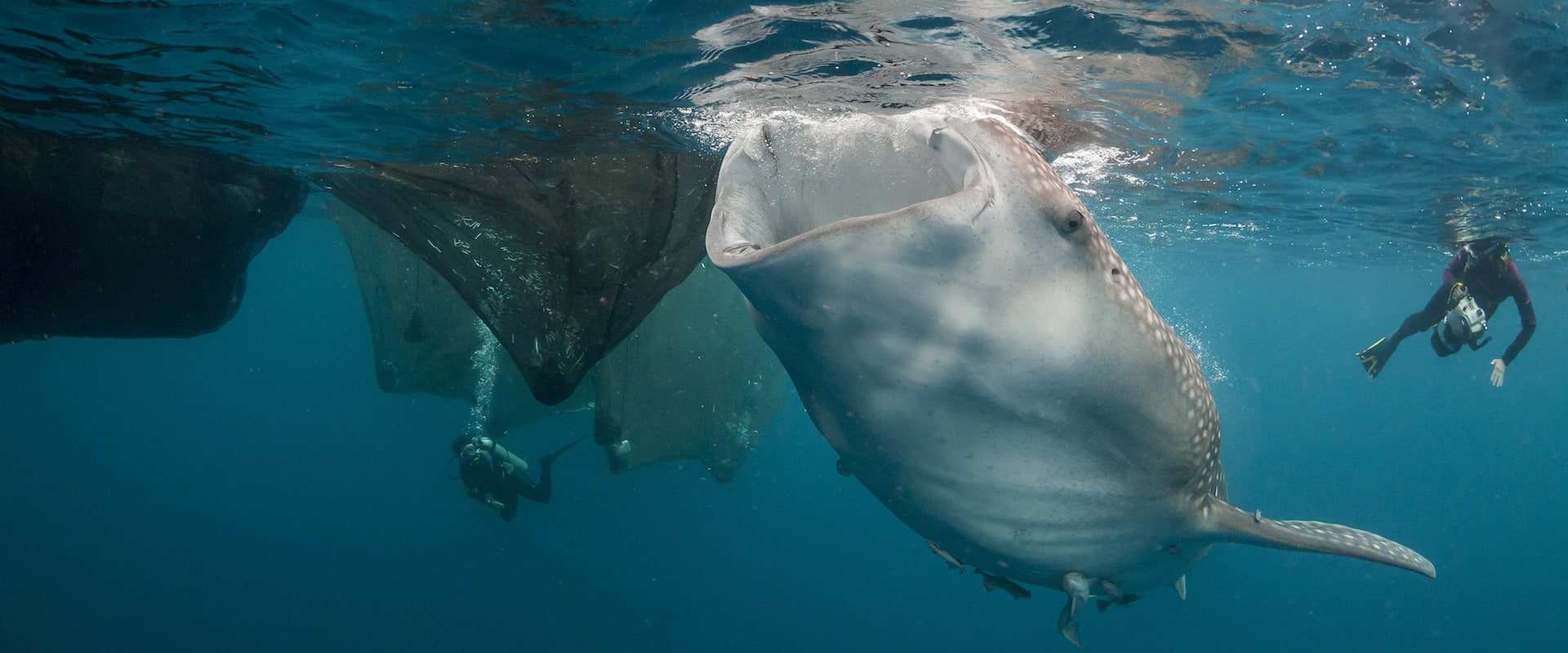
It's due to these platforms and the fishermen who use them that have developed a unique relationship with the whale sharks in the area. Believing these gentle giants are a sign of good fortune, the Papuan fishermen feed them a portion of their bait. This mutual relationship means that whale sharks are unusually plentiful in certain areas of Cenderawasih Bay and offers divers on a liveaboard cruise a very good chance to dive with these magnificent creatures.
What you can see at Cenderawasih Bay
Cenderawasih Bay is something of a diver's dream and due to its remote location in Indonesia, a perfect destination to be visited on a liveaboard dive trip. Being inside the coral triangle it enjoys beautiful reefs and visibility of up to 30 meters. The extensive military activity that happened here during World War II means that the bay is home to numerous coral-encrusted historical wrecks. Many of them are within recreational diving limits and still have their interesting cargos in situ. There are also some deeper wrecks for more experienced technical divers.
If all of this isn't enough then don't worry the real jewels of Cenderawasih Bay are the bigger animals. The area has been the subject of much interest and several documentaries because of the relationship between the fishermen and the whale sharks in the bay. In order to encourage the luck they believe whale sharks bring, the fishermen attract them to the boats with baitfish. This means that it is possible to see several whale sharks feeding under one of these boats at a time a truly spectacular sight.
Whale sharks aren't the only bigger animals here either, the bay is home to four different species of turtle. The turtles can be seen grazing on the reefs and eating baitfish near the platforms. Dolphin pods are also frequent visitors due to the number of sardines and reef sharks can be seen on the reefs. Close to the shore Cenderawasih Bay also has a number of mangrove forests with plentiful seagrass under the water. This is a big attraction to the world's only herbivorous marine mammal, the dugong. These magnificent creatures can be seen grazing on the bottom of the bay.
Getting to Cenderawasih Bay
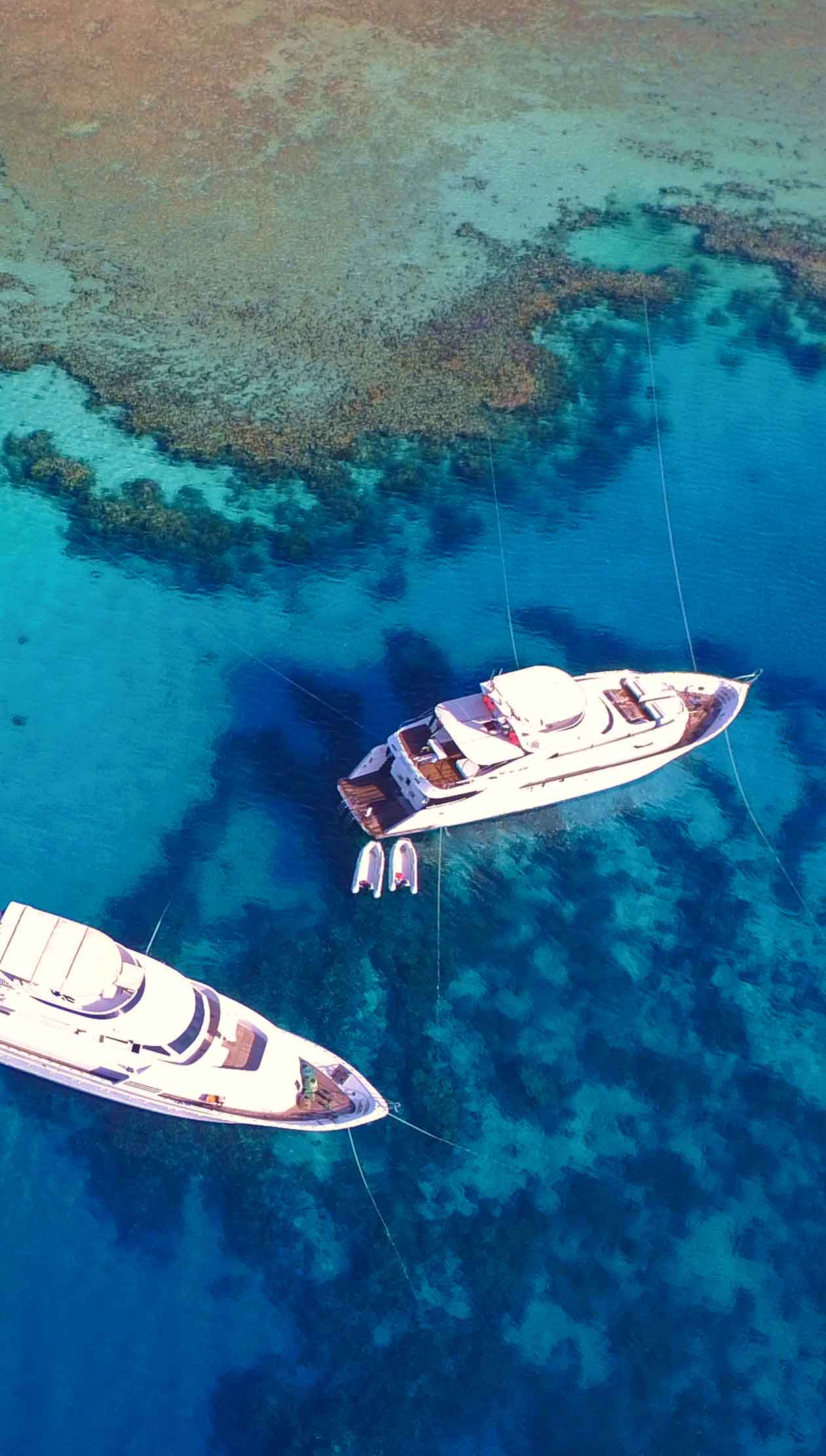
Diving in Cenderawasih Bay is at this time only possible by diving from an Indonesia liveaboard. Normally a dive cruise of ten days to two weeks will take divers to West Papua and Cenderawasih Bay. The majority of these liveaboards depart from Sorong the main city on the Bird’s Head Peninsula. There are a few different kinds of liveaboards available depending on your budget and personal tastes. Conventional motor vessel diving liveaboards are available but one of the best ways to see Cenderawasih Bay is from a traditional Indonesian sailing boat. These beautiful vessels offer a peaceful and authentic dive cruise in this beautiful little corner of the world.
Reaching Sorong is not difficult as the airport was recently extended to take larger aircraft and so more visitors. The journey is, however, slightly time-consuming as there are no direct international flights to Sorong. Normally visitors will have to fly from Singapore or Jakarta to Manado and then on a domestic flight to Sorong.