Liveaboard.com

Straits Of Tiran Liveaboard Diving

Our customers rated liveaboard diving in Straits Of Tiran as 9.1.

  • 100% Best Price Guarantee

Liveaboard Diving in Straits Of Tiran

What to Expect on A Straits of Tiran Liveaboard

Various Egypt Liveaboard itineraries will offer dive cruises to the well known area of Straits of Tiran. Separating the Gulf of Aqaba and the Red Sea The Straits of Tiran are a small passage of water only 13 nautical miles wide. They were named for their proximity to Tiran island to the west of the straits and provide a very important shipping channel providing a connection between Egypt and its neighbours Saudi Arabia and Jordan.

There are areas of the straits that have very deep water, several hundred meters in some places which are perfect for shipping. There are also huge areas of shallows and reefs which is good news for diving!

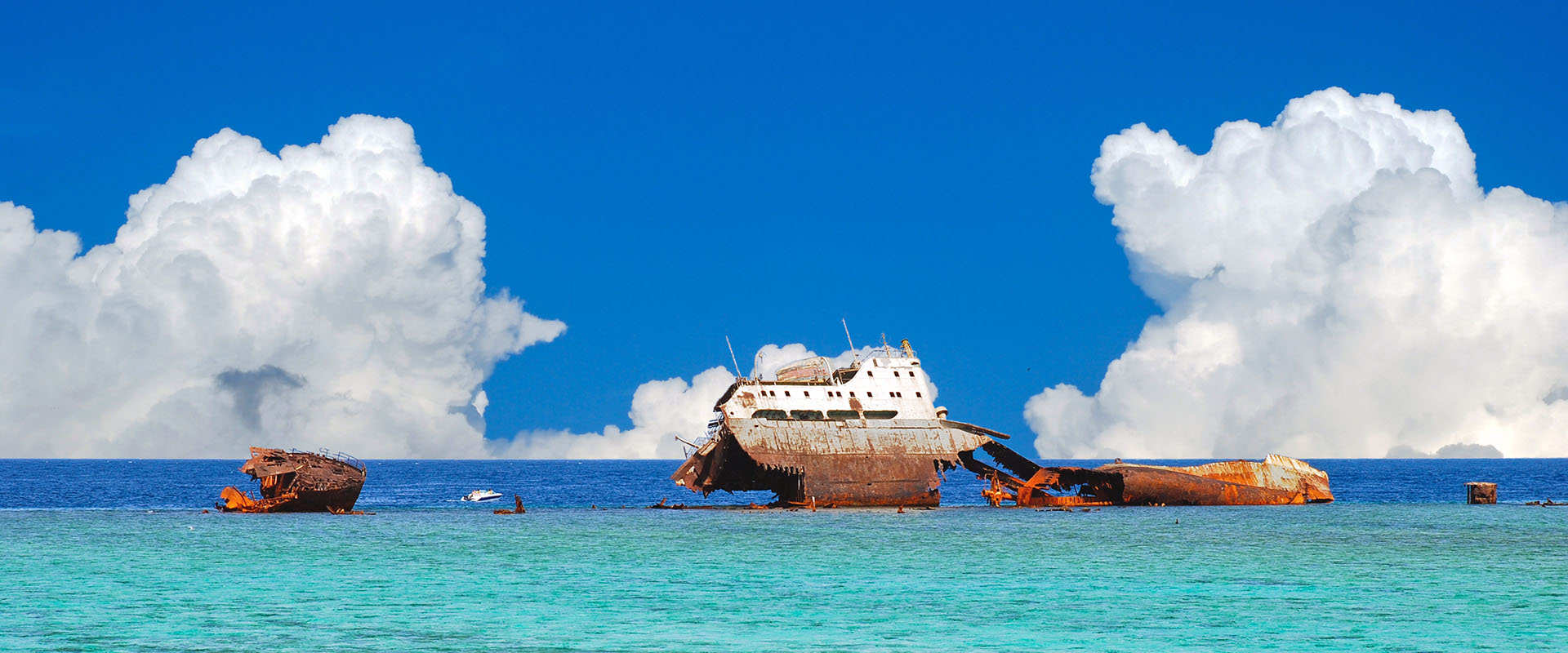
Four of these reefs lie across the channel with the two deepest passages Enterprise and Grafton on either side. They are marked above the surface by numerous lighthouses and the wreck of the Loullia which ran aground and remains sticking out on top of the reef. The wreck is not diveable, but does lend a dramatic feeling to the sweeping reefs.

The other dive sites in the area are located around the North and South Laguna close to Tiran Island. These sites are within reach of Sharm el Sheikh and with their fantastic corals, great visibility and the chance to see sharks they have become one of the most popular dive sites in the area. Liveaboard diving in the Straits of Tiran has long been a favourite amongst Red Sea divers.

The straits also have plenty to offer technical divers with canyons and wrecks going down to 100 meters/328 ft. In particular, the wreck of the Lara off Gordon Reef is very popular as it sits at 90 meters/295 ft.

Daily Schedule (example)

Morning - Liveaboards will start the day early at The Straits of Tiran to get the first few dives in before any day diving and snorkelling boats arrive from Sharm el Sheikh. This usually means a 6 am before breakfast briefing with a snack and a coffee before heading to the dive deck for the first dive. Be sure to take note of the currents and conditions, The Straits can have very strong even whirling currents in some areas. Also some specific areas of the reefs are good for seeing sharks and so making a note of this on your slates could increase your chances of seeing the big stuff.

Afternoon - After a proper breakfast there will be a second and third dive, some liveaboards offer three afternoon dives and a night dive as well. With up to five dives a day this is definitely eat, sleep and dive territory. Liveaboards will try to take shelter on a fixed mooring on one of the sheltered areas of the reefs such as the South end of Jackson.

The night dives start after dinner at sunset, Gordon and Jackson reef have good plateaus which make for more comfortable night diving. The conditions and current can still be quite difficult here so this is not for inexperienced divers.

The Straits of Tiran Underwater

The Straits of Tiran are an environment rich in sea life and healthy corals. The visibility can be from 20-30 meters/ 65-98 ft although it can be more than 40 meters-13 at times. In the North Jackson Reef is a small round island with steep drop-offs all around. This is mostly a wall dive with beautiful hard and soft corals and an eel garden to the South where divers can find some shelter from currents. Red anemone and fire corals and huge numbers of colourful reef fish are the attraction on the Southern side.

To the East divers can catch some drift on increasing currents along a spectacular wall. The North on the other hand is a sandy rock bottom but with a gem of a plateau where divers can see Grey and Whitetip Reef sharks and even Scalloped Hammerheads.

Jackson Reef connects to Woodhouse Reef by a saddle, although the current here can be very severe. Woodhouse is long in shape with a canyon along the sides before a deep drop-off. The dive site is around 30 meters/100 ft. with very strong currents making this a very enjoyable drift dive, with turtles and a small wreck towards the Northern end. Thomas Reef to the South of Woodhouse is also a drift dive with beautiful archways, caves and swimthroughs as well as fantastic corals.

Gordon Reef is probably the most distinctive above the water with the wreck of the Loullia sitting on top of the reef. Underwater the dive site is over a large plateau with steep drop-offs. There are fantastic corals and bigger fish such as tuna, eagle rays and to the North Whitetip reef sharks and Scalloped Hammerheads.

Top Tips for The Straits of Tiran

  • These reefs are best suited to more experienced divers; new divers might find the currents quite strong.
  • An alarm on your computer is a good safety measure as the drop-offs and good visibility can be deceptive.
  • An SMB is recommended as currents can be unpredictable and there are a great number of boats in the areas around the dive sites.
  • Some of the reefs are home to fire corals so wearing adequate protection on your body and hands is wise.


Getting to The Straits of Tiran

The Straights of Tiran are accessible by diving liveaboard. Most liveaboards will depart from either Hurghada or Sharm. Both of these ports have their own international airports with regular flights from mainland Europe and connecting flights further afield.

Itineraries departing from Hurghada will normally take in a number of the wreck and reefs between the port and Tiran, such as Sha'ab El Erg and the Thistlegorm before moving on to the straits. Some of our Egyptian Liveaboard itineraries departing from Sharm el Sheikh may visit the Thistlegorm and Ras Mohammed National Park and end at The Straits of Tiran.

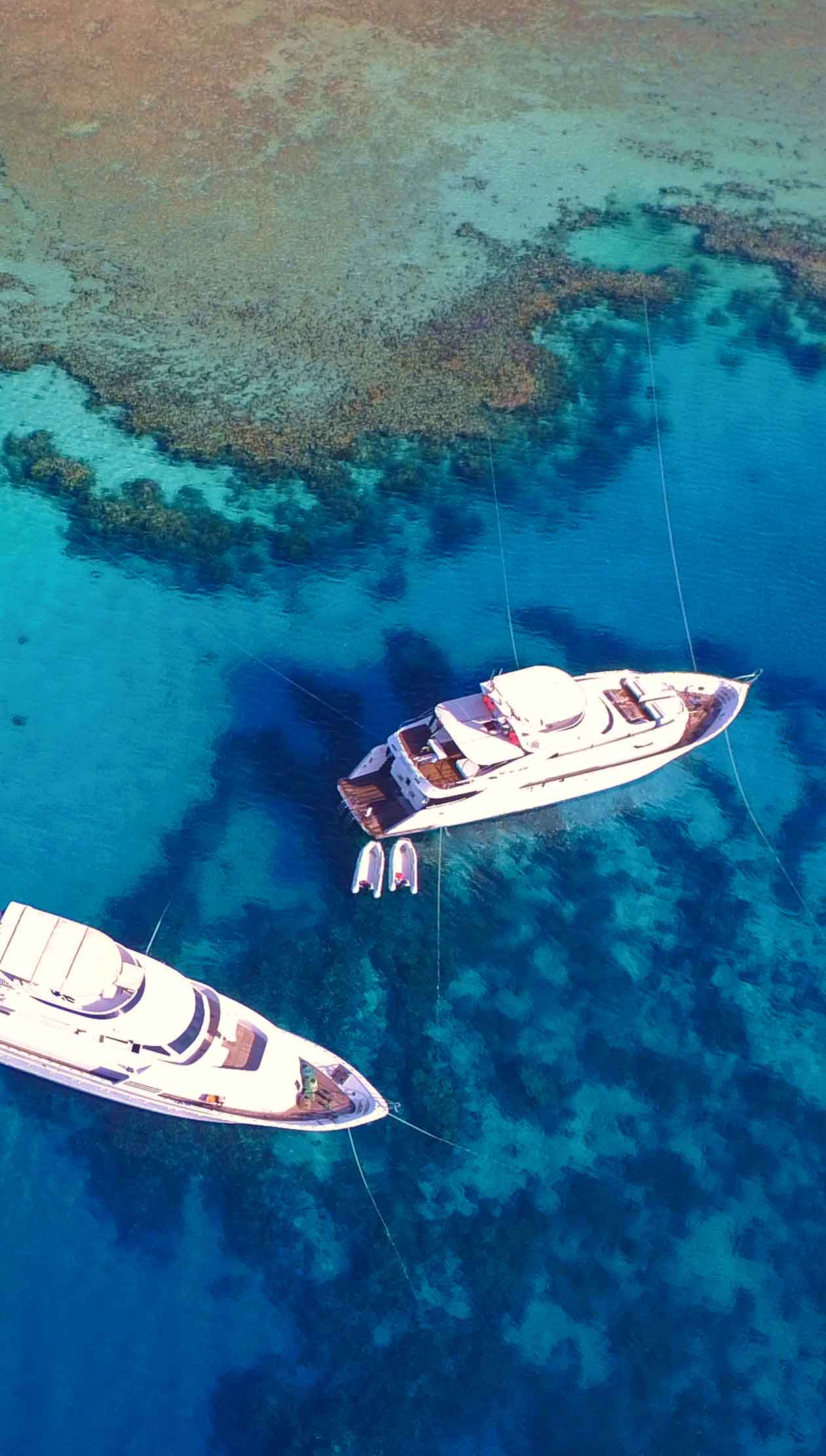
Liveaboards will normally anchor further out from the reefs and the divers will be dropped off and picked up by smaller tenders directly at the dive site. Day boats leave from Sharm el Sheikh early in the morning around 6 am and arriving around 8 am depending on the boat. Day boats drop divers directly and normally offer two dives in the straits before returning late afternoon to Sharm.


Straits Of Tiran Diving Reviews

  • Rating 9.1 out of 10
  • 9.1 Superb
  • Rating 8.0 out of 10
  • 8.0 Very good
  • Jeremy Z
  • Flag of United StatesUnited States

We ddive on one or two of the sections. It wouoe have been nice to dive all of them. Over all great dives and experience.

Diving Straits Of Tiran in August on the Discovery II
  • Rating 8.4 out of 10
  • 8.4 Very good
  • Bruce W L
  • Flag of United StatesUnited States

Typical of the area. Warm clear water with healthy coral, but not as colorful as some other places I’ve dived. Pelagics viewings were sparse, but that’s a hit and miss depending on the animals themselves. Current speed of drift dive and dive master knowledge of the current was impressive

Diving Straits Of Tiran in November on the Snefro Target
  • Rating 9.6 out of 10
  • 9.6 Exceptional
  • Kathleen W
  • Flag of United StatesUnited States

Great set of reefs cool ship wrecks and lighthouses, enjoyed the drift diving could jump from and swim back to main boat

Diving Straits Of Tiran in September on the Red Sea Aggressor II
  • Rating 9.6 out of 10
  • 9.6 Exceptional
  • Michael L
  • Flag of United StatesUnited States

Wrecks wreaks and more wrecks. If you are a wreck diver the Thistlegorm is a must

Diving Straits Of Tiran in May on the Silky


What to know about diving in Straits Of Tiran

What is the Straits of Tiran known for?

The Straits of Tiran are the Red Sea's premier drift-diving venue — four coral reefs (Gordon, Thomas, Woodhouse, and Jackson) rising from deep water in the narrow channel between the Sinai Peninsula and Saudi Arabia. Strong tidal currents sweep divers along dramatic walls and coral gardens, and the strait's role as the gateway to the Gulf of Aqaba gives it real strategic history alongside the diving.

What are the four reefs, and how do they differ from each other?

Gordon Reef, the southernmost and shallowest, is the easiest of the four and holds the wreck of the Loullia; Woodhouse Reef is a long, narrow ridge with a parallel canyon that makes for classic drift diving; Thomas Reef is the smallest but most colorful, with swim-through arches for technically trained divers; and Jackson Reef, the northernmost, has the best coral coverage and the most reliable shark sightings. Liveaboards typically dive two or three of the four on a single stop, chosen according to that day's current direction.

How deep is the Straits of Tiran, and what's a typical dive profile?

Recreational dives run from the reef tops around 16 ft (5 m) down to roughly 100-130 ft (30-40 m) along the walls, with most drift dives planned in the 40-80 ft (12-24 m) band where the current and marine life are best. Deeper technical routes — Thomas Reef's arches near 115 ft (35 m) or the Lara wreck off Jackson Reef below 157 ft (48 m) — are outside recreational limits.

What's the current like — is this a drift dive?

Yes, the Straits of Tiran are a drift site almost by definition — tidal flow through the narrow channel between the Gulf of Aqaba and the open Red Sea can be strong and shift direction with little warning. Dive guides plan around the tide table and often prefer afternoon slots, when the flow tends to settle into a more predictable pattern.

What certification level or experience do I need?

This is realistically an intermediate-to-advanced site: Advanced Open Water certification and genuine comfort with drift diving and mid-water descents and ascents are expected, since divers usually drop and pick up on a moving current rather than following a fixed line. Gordon Reef is more forgiving and suits divers with a bit less experience, but Thomas, Woodhouse, and Jackson reward stronger buoyancy and current skills.

What marine life will I likely see?

Expect grey reef and whitetip reef sharks, leopard sharks resting on Thomas Reef's ledges, and a real chance of scalloped hammerheads cruising the blue off Jackson Reef, especially in late summer. Garden eels, moray eels, turtles, eagle rays, and dense schools of snapper, fusilier, and barracuda round out a typical dive.

When is the best time of year to dive the Straits of Tiran?

Diving is possible year-round, but hammerhead sightings peak from roughly July through September, while calmer seas and gentler currents are more common in the spring and autumn shoulder months. Winter dives are still productive but come with cooler water and choppier surface conditions.

Is the Straits of Tiran accessible by day boat, or liveaboard only?

It's reachable by day boat — the strait sits about 9 miles (14 km), roughly 1.5 hours by boat, northeast of Sharm el-Sheikh — but liveaboards have the advantage of timing dives around slack or favorable tide without a return-trip deadline. Most Sinai-region liveaboard itineraries build in one to two days here.

What's the water temperature like?

Water temperature ranges from about 72°F (22°C) in February to 82°F (28°C) in August, tracking the broader Red Sea seasonal pattern. A 5mm wetsuit is comfortable for most of the year, with a hood or thicker exposure protection worth considering during winter months.

Is the Straits of Tiran suitable for beginners, or advanced-only?

It leans advanced overall — unpredictable currents, occasional rough surface conditions, and boat traffic through a narrow shipping channel make it less forgiving than a typical reef dive. Gordon Reef is the exception and is regularly dived by less experienced divers under close guide supervision, but the other three reefs suit confident, current-experienced divers better.

How long does a liveaboard typically spend here?

Most Sinai-region liveaboard itineraries allocate one to three days at the Straits of Tiran, often diving two of the four reefs per day depending on conditions. It's usually paired with Ras Mohammed and the Thistlegorm wreck as part of a broader Sinai loop rather than being dived as a standalone destination.

What makes the Straits of Tiran different from other nearby Red Sea sites?

Unlike the walls at Ras Mohammed or the wreck diving at the Thistlegorm, Tiran is defined by its current — a true blue-water drift experience through a strait that is also one of the region's most geopolitically significant waterways, marking the maritime boundary between the Gulf of Aqaba and the Red Sea proper. Diving here falls under standard Egyptian marine park regulations (as of 2026), though it's worth confirming current access rules before booking, given the strait's shifting geopolitical history.

We’re here to help, 24/7.

Connect with our expert travel consultants to plan your next trip.

  • Nicole Laughlin
  • Andrea Martinez
  • Farah Celada-Benito
  • Mylene Issartial
  • Juliane Ball
  • Ester Canali
  • Nina Kapp