Liveaboard.com

Red Sea Liveaboard Diving

Our guests rated liveaboard diving in Red Sea as 9.1

  • 100% Best Price Guarantee

Liveaboard Diving in Red Sea

What To Expect On A Red Sea Liveaboard

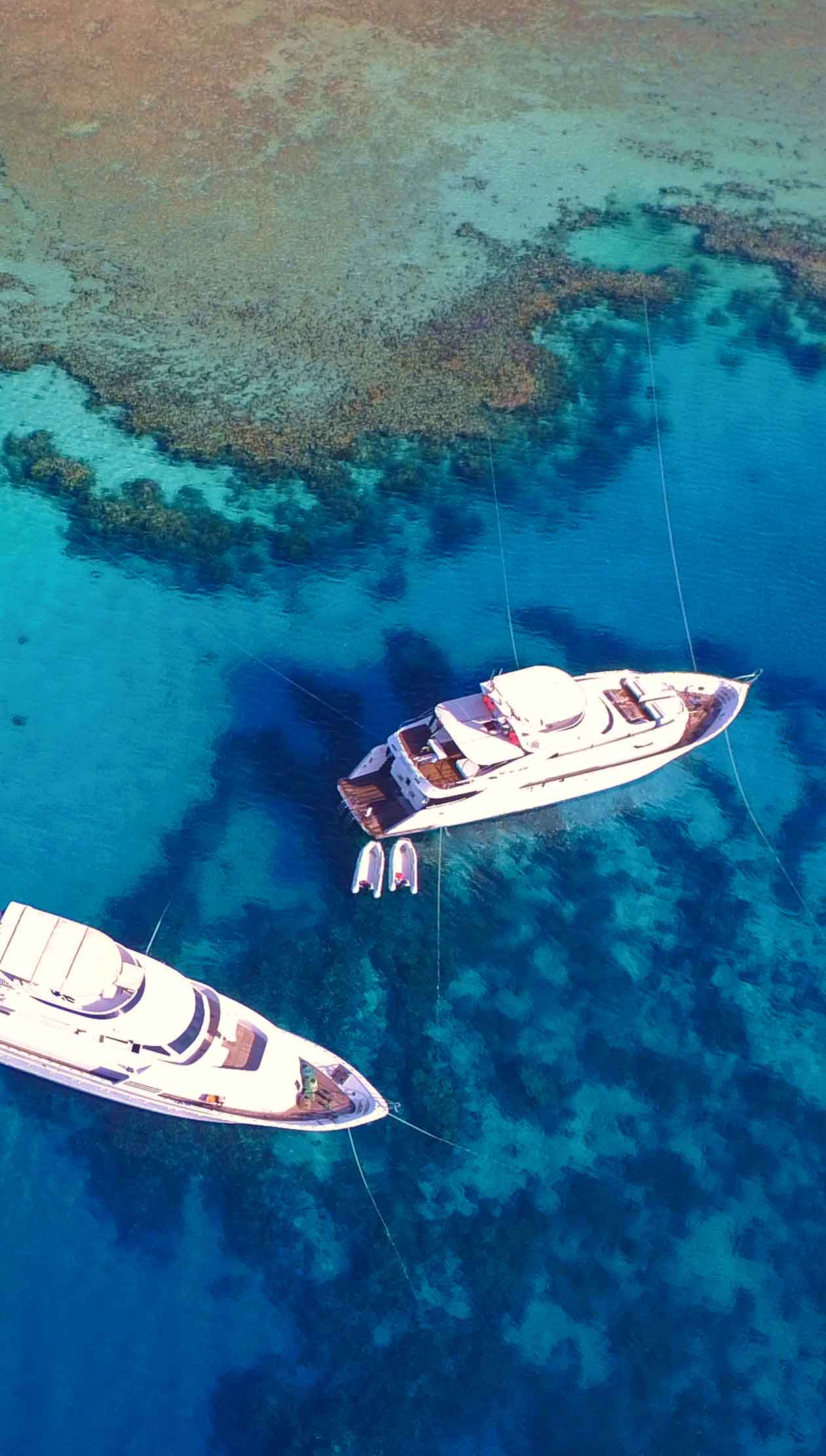
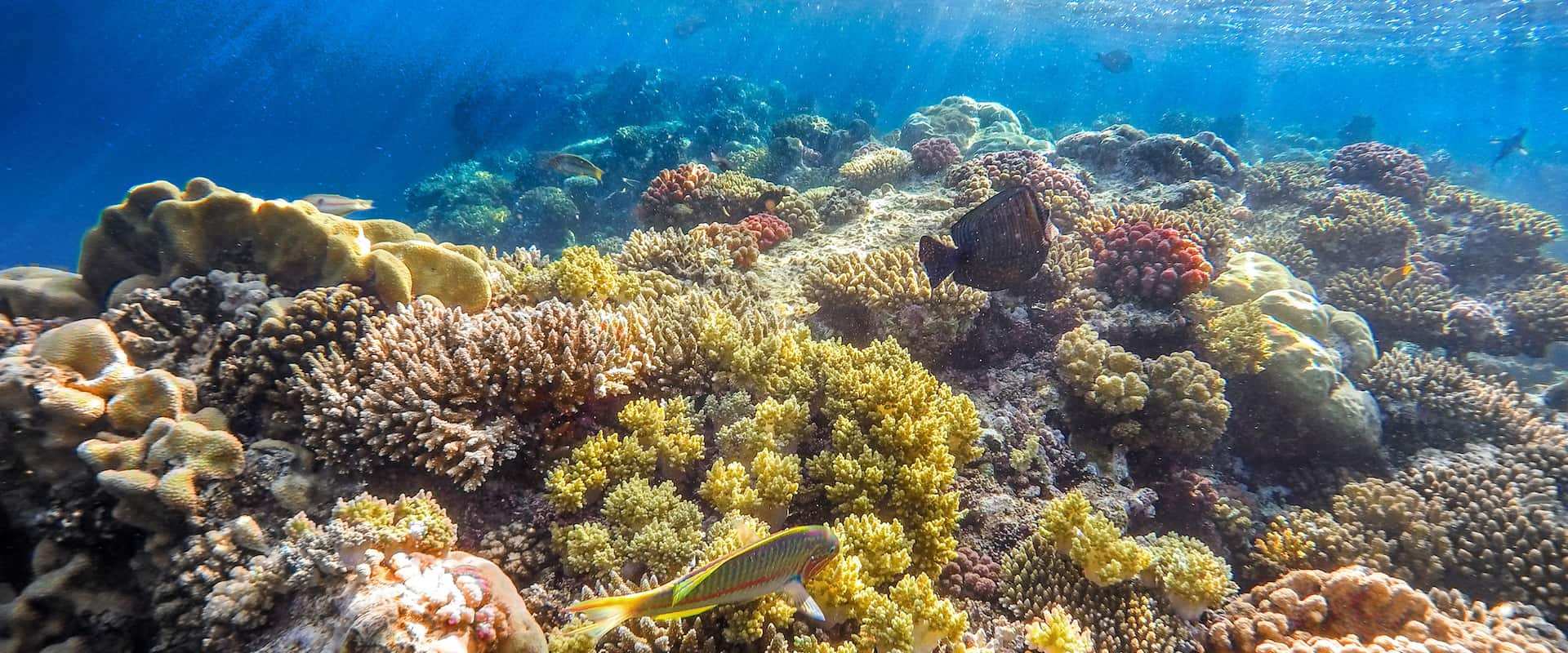
Liveaboards in the Red Sea have long been a divers favorite destination offering amazing scuba diving with healthy, colorful reefs and abundant marine life. Egyptian liveaboards have provided divers from around the world with some amazing dive experiences on some of the world's best-known dive sites. Numerous liveaboard itineraries are available, which can visit remote reefs or wrecks from WWII.

The name 'Red Sea' is rumored to come from the seasonal blooms of red-colored algae that appear near the surface at certain times of the year. But despite its name, the waters are an amazing blue water destination boasting comfortable water temperatures throughout the year, superb visibility, and great dive conditions year-round. As some of the best dive sites are far from shore, a liveaboard dive cruise is the best way to visit the more remote areas of this region.

The Red Sea is a seawater inlet extending from the Indian Ocean and lies between Africa & Asia. It holds the title of one of the saltiest bodies of water on earth due mainly to its geological formation, leading to high evaporation levels. Due to the water's high salinity, divers should be aware that they will need to add extra weight to their normal amount to compensate for the extra buoyancy provided by these salty waters.

Whilst the Red Sea is primarily bordered by Egypt and Saudi Arabia, most diving liveaboards in the Red Sea offer diving safaris directly from Egypt, with multiple well-established tourist destinations located throughout the country from North to South. An Egypt dive safari on a liveaboard is the best way to see this amazing dive and snorkeling area.

Diving areas/regions can be split between North & South, with different dive trip itineraries offered in both areas.

Northern Red Sea

The northern area of the Egyptian Red Sea is a divers paradise, offering amazing dive cruises at world-famous dive sites such as the Straits of Tiran and Ras Mohammed National Park. If diving wrecks is your thing, then the SS Thistlegorm or Dunraven wrecks will surely be a must-do on your dive list. A dive liveaboard departing from Sharm El Sheikh, Safaga, or Hurghada is an excellent way to fully explore the different dive sites available.

Southern Red Sea

To the south awaits some fantastic dive opportunities away from the crowds for those visiting on a liveaboard dive trip. Dive sites that are only accessible by overnight dive safaris can be explored. With well-known sites such as Daedalus Reef, The Brothers, St. Johns, Elphinstone, and Fury Shoals, it will surely delight all divers. Most liveaboard itineraries that operate in this southern area will depart from either Port Ghalib (Marsa Alam), Hamata or Hurghada.

Getting There

Northern Red Sea - Sharm El Sheikh and Hurghada have their own international airports, with various international airlines flying directly to them. These would be a more convenient arrival port for dive liveaboard departures. Cairo is the main International airport in Egypt and will also offer domestic flights to most areas within Egypt.

Southern Red Sea - Marsa Alam International airport to the south is used by some international airlines, mainly from Europe. It is located very close to Port Ghalib (Marsa Ghalib), so it is a perfect arrival port for liveaboard trips from this area. Domestic flights from Cairo are also available. Land transfers from Hurghada to Port Ghalib are also possible; the journey takes approximately 2.5 hours each way.


Red Sea Diving Reviews

  • Rating 9.1 out of 10
  • 9.1 Superb
  • Rating 10.0 out of 10
  • 10.0 Exceptional
  • Jillian C
  • Flag of United StatesUnited States

So many different species, warm water and great visibility

Diving Red Sea in August on the Amelie Adventures
  • Rating 9.6 out of 10
  • 9.6 Exceptional
  • Spencer R
  • Flag of United StatesUnited States

Lots of variety of types of diving and things to see. At some point during the trip we dove the salem express. To be honest I think that might have been my favorite dive. We also stopped at some shallow reefs which we were encouraged to go unguided. This was a first for me but was a good experience and I felt like I grew as a diver.

Diving Red Sea in June on the Discovery II
  • Rating 10.0 out of 10
  • 10.0 Exceptional
  • Paola Z
  • Flag of United StatesUnited States

Best destination in diving for us so far in our lives, we really enjoyed it so much we want to go back and do the south route.

Diving Red Sea in June on the Ghazala Adventure
  • Rating 8.0 out of 10
  • 8.0 Very good
  • Rick S
  • Flag of United StatesUnited States

Coral very grey vs the Northern two years ago

Diving Red Sea in May on the JP Marine


What to know about diving in Red Sea

Are there sharks in the Red Sea?

Yes — the Red Sea is one of the world's best shark-diving destinations, with grey reef, whitetip reef, and blacktip reef sharks encountered regularly on ordinary reef dives. Bigger draws like scalloped hammerheads, oceanic whitetips, and even the occasional whale shark show up at current-swept offshore sites such as the Brothers Islands, Elphinstone Reef, and Daedalus Reef, especially from June through October.

What animals live in the Red Sea?

The Red Sea supports an unusually rich ecosystem for its size, from green and hawksbill turtles and resident pods of spinner and bottlenose dolphins to manta rays, dugongs, and more than a dozen shark species. Its reefs also host roughly 1,200 recorded fish species, making it one of the most biodiverse dive destinations connected to a single ocean basin.

What fish live in the Red Sea?

Around 1,200 fish species have been recorded in the Red Sea, and by most estimates, 10-17% of them — including several butterflyfish and anthias species — are endemic, found nowhere else on Earth. Divers typically see dense schools of anthias and fusiliers over the reef, alongside Napoleon wrasse, parrotfish, and the region's own two-banded anemonefish rather than the classic clownfish of the Pacific.

Are there dolphins in the Red Sea?

Yes — spinner and bottlenose dolphins are a signature Red Sea sighting, and Sha'ab Samadai, better known as "Dolphin House," off Marsa Alam is famous for resident pods that rest in its lagoon by day after feeding offshore at night. Many southern Red Sea liveaboard itineraries build in a stop here, with snorkeling rather than scuba being the preferred way to share the water with the pod respectfully.

What kinds of sharks live in the Red Sea?

Headline species include scalloped hammerheads, oceanic whitetips, grey reef sharks, whitetip and blacktip reef sharks, tiger sharks, and occasional whale sharks and threshers at deeper offshore sites. Elphinstone Reef and the Brothers Islands are classic spots for oceanic whitetips and hammerheads, typically best from June through October, when these pelagic species move closer to the reefs.

Are there great white sharks in the Red Sea?

No confirmed resident population of great white sharks exists in the Red Sea, and sightings are essentially absent from the region's regularly logged shark encounters. The 2010 Sharm El Sheik shark attacks, sometimes mistakenly attributed to great whites, were actually traced by an international investigation to oceanic whitetip and mako sharks.

Are there dangerous sharks in the Red Sea?

The vast majority of Red Sea shark encounters — reef sharks, hammerheads, whale sharks — are non-aggressive toward divers who keep a respectful distance. Oceanic whitetips are the one species worth real caution: this bold, open-water shark was behind a rare cluster of attacks near Sharm El Sheik in 2010, which is why operators brief divers carefully at sites like Elphinstone and the Brothers where the species is regularly encountered.

Where is the Red Sea's coral reef located?

The Red Sea's coral reef system runs along both coastlines for roughly 1,240 miles (2,000 km), from the Gulf of Aqaba and Gulf of Suez in the north down through Egypt's Hurghada-to-Marsa Alam stretch to the Bab-el-Mandeb strait in the south. Egypt's coast holds some of the most-dived sections, mixing fringing reefs close to shore with offshore pinnacles like Elphinstone and the Brothers Islands.

How warm is the Red Sea?

Red Sea water temperature ranges from about 66-73°F (19-23°C) in the coolest winter months (January-February) up to 81-86°F (27-30°C) at the height of summer (July-August), making it a genuine year-round dive destination. Most divers wear a 5mm-7mm wetsuit in winter and can drop to a 3mm shorty or rashguard by late summer, though thermoclines at depth can still knock a few degrees off the surface reading.

How salty is the Red Sea?

The Red Sea is one of the saltiest bodies of water on Earth, with salinity averaging around 40 parts per thousand versus roughly 35 ppt for the global ocean average — a result of intense evaporation, minimal rainfall, and a narrow connection to the Indian Ocean through the Bab-el-Mandeb strait. That extra salt content contributes to the Red Sea's exceptional visibility and buoyancy, which is why divers often need a touch more weight than they're used to elsewhere.

We’re here to help, 24/7.

Connect with our expert travel consultants to plan your next trip.

  • Andrea Martinez
  • Ester Canali
  • Oksana Kovaleva
  • Mylene Issartial
  • Nina Kapp
  • Juliane Ball
  • Josue Zarco