Liveaboard.com

Fury Shoals Liveaboard Diving

Our guests rated liveaboard diving in Fury Shoal as 9.1

  • 100% Best Price Guarantee

Liveaboard Diving in Fury Shoal

What to Expect on a Fury Shoals Liveaboard

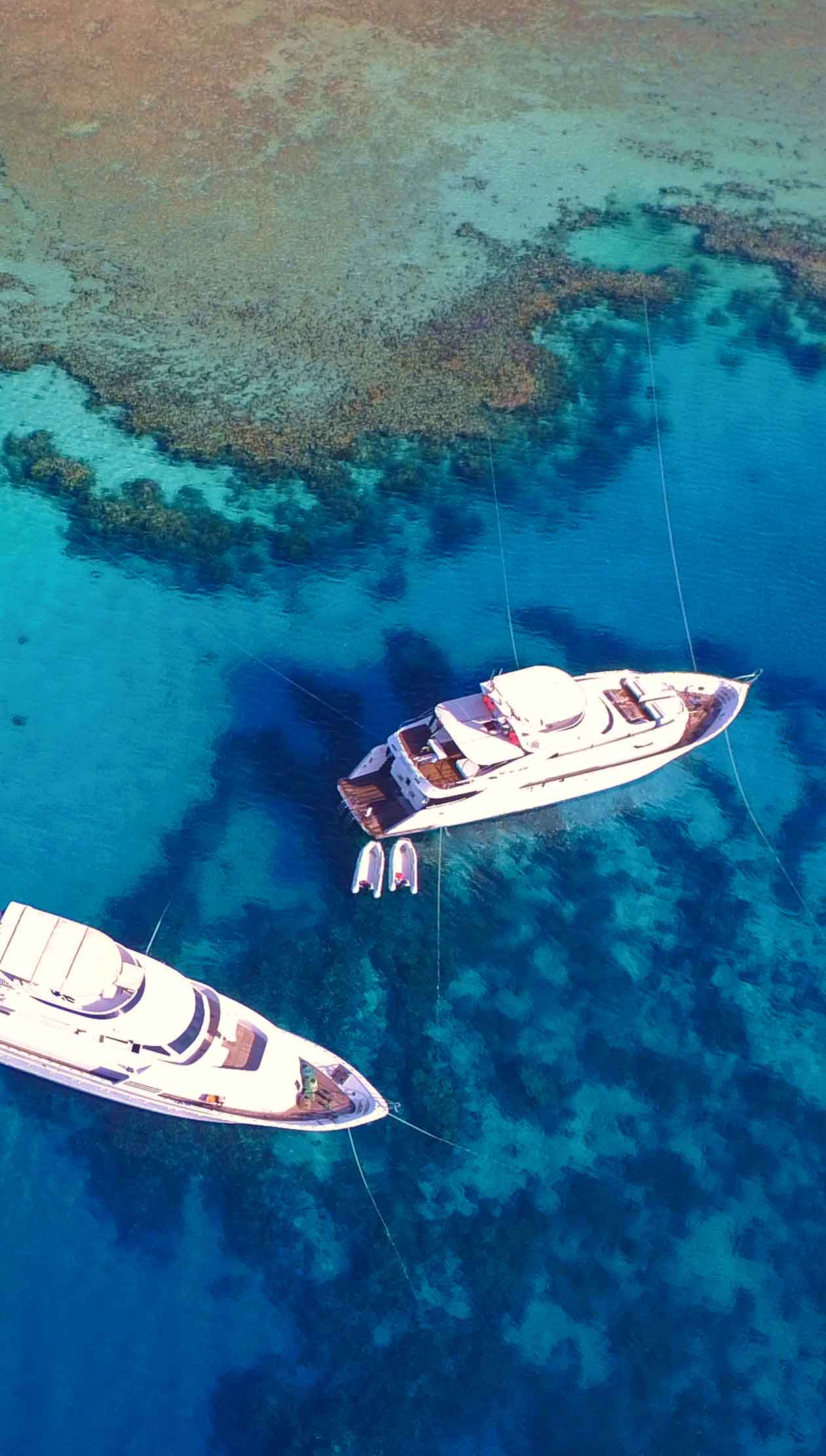
In the deep south of the Egyptian Red Sea lies Fury Shoals, a chain of 20 or so reefs around 30km long. Known as some of the best diving in the Red Sea with some of the most pristine reefs, the Fury Shoals offer something for all levels of diver. Lagoons, drop-offs, wrecks, and stunning reefs will keep even the most seasoned divers happy.

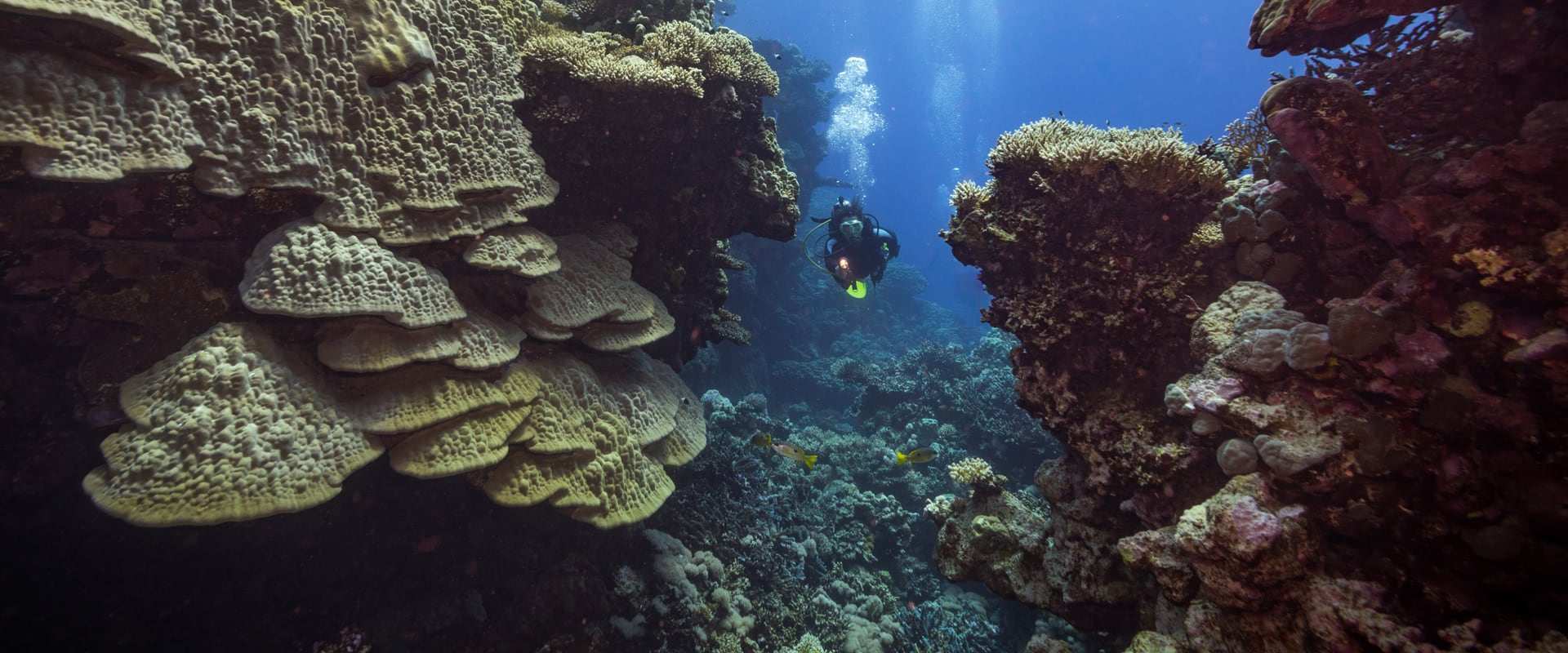
Fury Shoals Underwater

Divers will enjoy unspoiled diving and beautiful reefs. With huge hard coral formations, massive table corals, and colorful soft corals, marine life is plentiful. Anemones, Napoleon Wrasse, Octopus, White Tip Reef Sharks, Barracudas, Giant Trevallies, Tuna, and Dolphins are common.

Dive Sites of Fury Shoals

On the southern tip of the Fury Shoals is Sha'ab Caudia or Sha'ab Claude, a small reef alive with corals and life and amazing swim-throughs. With a maximum depth of around 25m, conditions are usually quite good here and make for easy diving.

Abu Galawa Soraya is a doughnut-shaped reef with an amazing coral garden located in the middle. This is a great place to go critter hunting for Nudibranchs, Shrimp, Scorpionfish, and Octopus. Once you venture outside the coral garden, watch for larger marine life like turtles and white-tip reef sharks.

Sha'ab Sataya is located at the very south of the Fury Shoals reef system and is famous for the large pod of spinner dolphins that hangs out in the natural lagoon. Aside from the lagoon are some great dives with amazing drop-offs and the chance to spot

North-east of Fury Shoals is Shaab Maksour, a reef around 1 and half km long, surrounded by steep walls, it is similar to Elphinstone Reef and sightings of turtles, rays and sharks are known on the the north and south plateaus.

A small Chinese tug boat is located at Abu Galawa Kebir, which makes a great dive as it is a combination of reef and wreck. Start on the reef's outer edge and watch for turtles, rays, and octopus before ending up around the coral-encrusted wreck to hunt for macro life. There are also some great swim-throughs at this dive site.

Getting There

To get to the Fury Shoals dive liveaboards will depart from either Marsa Ghalib or Hamata. Hamata, Egypt's most southerly Red Sea Resort, is located around 180km south of Marsa Alam, and Port Ghalib’s airport is the closest one to Hamata. The land transfer takes around 2.5 hours, or you can get there overland from Hurghada, which takes around 5 hours.


Fury Shoals is a remote diving destination only reached by liveaboard. Scuba divers will discover pristine reefs and a variety of pelagics.


Fury Shoal Diving Reviews

  • Rating 9.1 out of 10
  • 9.1 Superb
  • Rating 7.6 out of 10
  • 7.6 Good
  • Mark B
  • Flag of United StatesUnited States

The Bluewater diving would’ve been exciting, but there were no sharks present due to our water temperatures in the first week in November.

Diving Fury Shoal in October on the Blue Horizon
  • Rating 10.0 out of 10
  • 10.0 Exceptional
  • Elizabeth P
  • Flag of United StatesUnited States

Coral and clear water made dives amazing

Diving Fury Shoal in September on the Blue
  • Rating 8.8 out of 10
  • 8.8 Fabulous
  • terry M
  • Flag of United StatesUnited States

Best turtles I’ve seen under water !! 😄

Diving Fury Shoal in May on the Blue Horizon
  • Rating 9.2 out of 10
  • 9.2 Superb
  • Anton T
  • Flag of NorwayNorway

The bleaching has done a number on those reefs as well, but it's still quite full of life.

Diving Fury Shoal in April on the Blue Seas


What to know about diving in Fury Shoal

What is Fury Shoals known for?

Fury Shoals is a shallow, sheltered reef system south of Marsa Alam known for sunlit cave and cavern dives rather than deep walls or heavy currents. Sites like Sha'ab Claudio's cathedral-like swim-through and the Abu Galawa complex, with its small tugboat wreck, make it one of the most photogenic and approachable reef areas in the Egyptian Red Sea.

How shallow is the diving here, and what's a typical profile?

Most dives run in the 10-25 m (33-82 ft) range, with plenty of the best coral and cave features sitting well inside relaxed no-stop limits. A handful of outer walls and wreck penetrations reach closer to 30 m (98 ft), but the signature dives are unhurried, shallow, and light-filled.

Which cave and cavern sites shouldn't I miss?

Sha'ab Claudio has a simple, well-lit cave system that's easy to navigate, with sunbeams cutting through cracks in the ceiling for a dramatic effect. Abu Galawa Soraya adds a small sunken sailing wreck you can swim into, while Sha'ab Malahi — the labyrinth — offers a network of coral canyons and swim-throughs.

What's the current like at Fury Shoals?

Current is generally light to negligible across most of the shoals, which is part of why it suits a wide range of experience levels. The exception is Sha'ab Maksur, a more exposed pinnacle that can see stronger currents and is usually reserved for divers comfortable with drift conditions.

What certification level do I need?

Open Water is enough for the majority of Fury Shoals' sites, since depths are shallow and the current is mild. Wreck penetration inside the tugboat at Abu Galawa and the more exposed pinnacles suit divers with a bit more experience, but that's not the norm for this area.

Will I actually see a dugong here?

Possibly, but don't count on it — dugongs graze seagrass meadows across the wider Deep South coastline and are seen more reliably near the Qulaan Islands off Hamata than within Fury Shoals proper. Sightings do happen on quiet mornings in sheltered bays, but treat it as a bonus rather than the main draw.

What about turtles?

Turtle odds are much better — green and hawksbill turtles are common in Fury Shoals' sheltered, seagrass-fringed bays, with sites like Abu Galawa Kebir known for near-daily sightings. They're notably relaxed around divers here, making for some of the calmest turtle encounters in the Red Sea.

Is Fury Shoals good for snorkelers, not just divers?

Yes — the shallow depths, clear water, and light current make several sites, including Sha'ab Claudio and the nearby Sataya dolphin reef, genuinely rewarding for snorkelers as well as divers. Many liveaboards build in dedicated snorkel time here for exactly that reason.

When's the best time of year to visit?

Fury Shoals is diveable year-round, with visibility often running 25-40 m (82-131 ft) regardless of season. Summer (June-September) brings the warmest water and calmest conditions for the exposed southern crossing, while winter is cooler and occasionally windier.

What's the water temperature like?

Expect roughly 23-24°C (73-75°F) in winter, warming to 27-30°C (81-86°F) in summer. A 3-5mm wetsuit covers most of the year, with a shorty or even a rash guard enough in peak summer.

Is Fury Shoals accessible by day boat, or only on a liveaboard?

Both — it's one of the few Deep South areas reachable by speedboat day trips from Marsa Alam, Hamata, or Berenice, and a regular stop on southern liveaboard itineraries. That flexibility makes it a good option if you're not ready to commit to a full multi-day boat trip.

How long does a liveaboard typically spend at Fury Shoals?

On most Deep South or St. John's-route itineraries, Fury Shoals gets one to two days worked into a longer week-long trip, often paired with Daedalus Reef or the run further south to St. John's. It's usually scheduled early or late in the itinerary since it's sheltered and easier to dive in variable weather.

We’re here to help, 24/7.

Connect with our expert travel consultants to plan your next trip.

  • Nina Kapp
  • Farah Celada-Benito
  • Andrea Martinez
  • Josue Zarco
  • Juliane Ball
  • Mylene Issartial
  • Ester Canali