Liveaboard.com

Elphinstone Liveaboard Diving

Our guests rated liveaboard diving in Elphinstone as 9.0

  • 100% Best Price Guarantee

Liveaboard Diving in Elphinstone

What to expect on an Elphinstone Reef Liveaboard

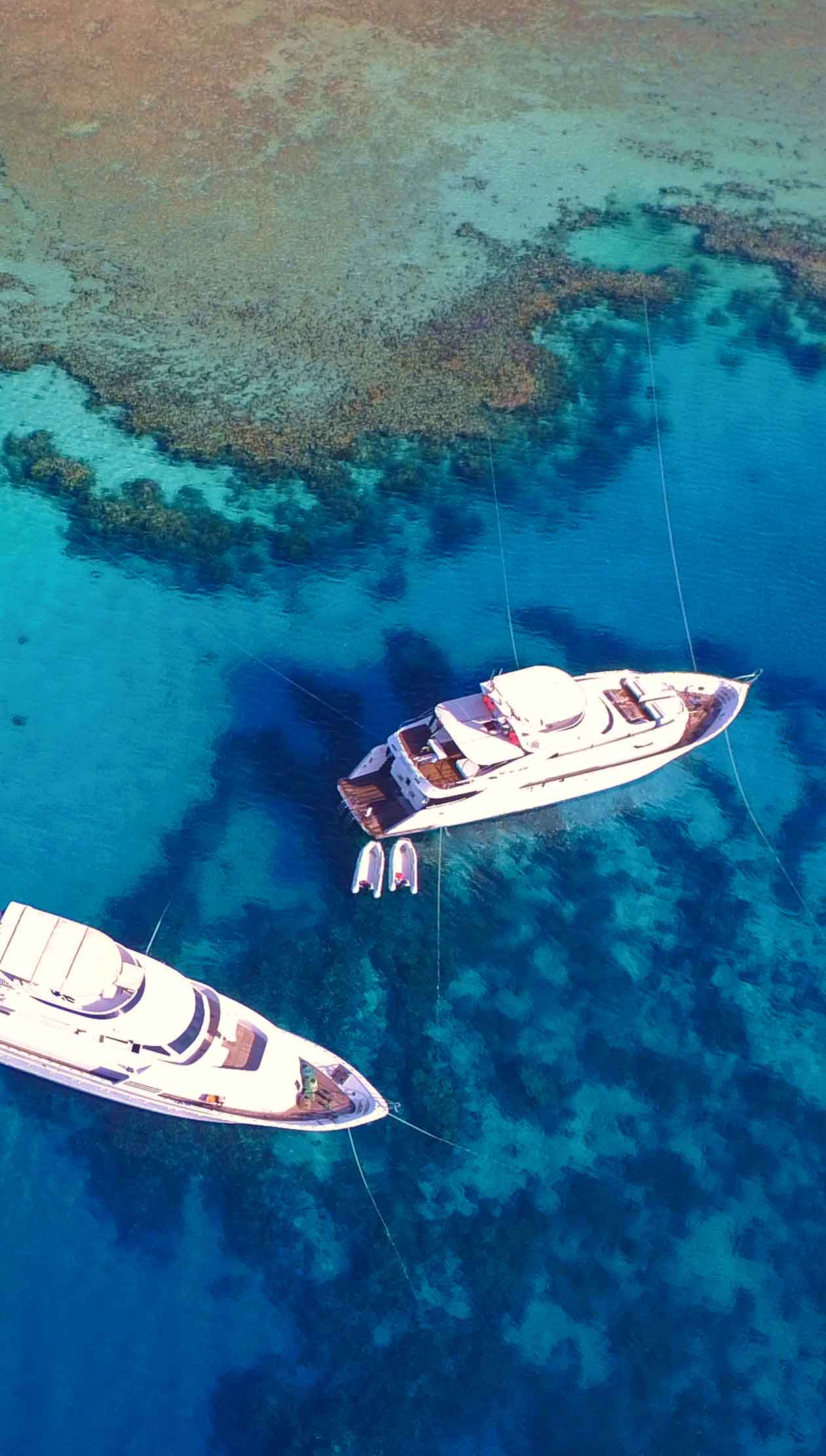
Liveaboards to Elphinstone Reef take divers to one of the best-loved dive sites in the Red Sea. Around 30 km/19 miles North of Marsa Alam, the reef is named after the British Admiral George Elphinstone due to his time spent in Egypt during Napoleon's time. It lies just under the surface with only a few small waves to indicate it is even there. From the surface, it looks like a long, yellow oblong under the surface, with a shallow reef and then deep drop-offs to the sides.

Elphinstone is a very popular site for liveaboards running dive safaris in the Red Sea. There will normally be a few dive boats here during the day, although not too many, as this site is only for advanced divers. Choosing an Egypt Liveaboard to visit Elphinstone will allow you to get the first dives of the day before anyone else arrives.

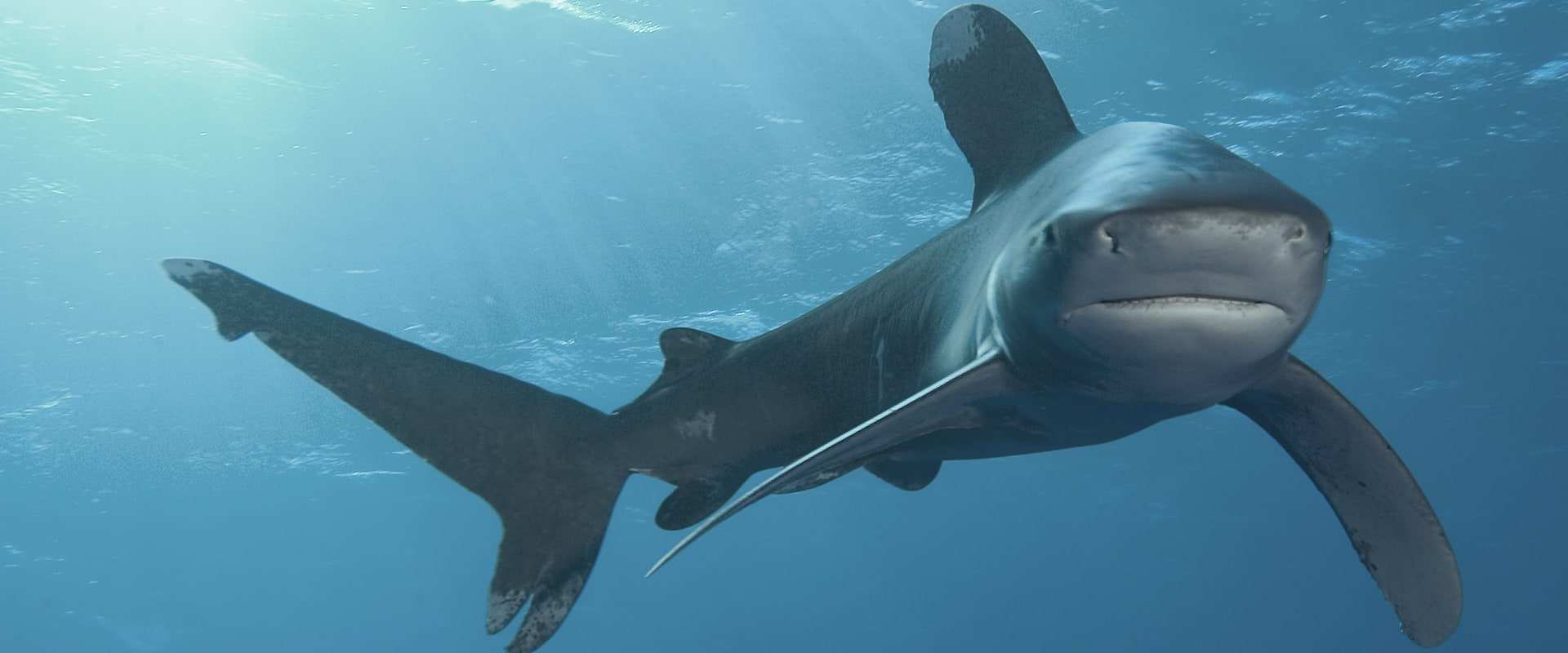
The site offers crystal clear waters, coral and gorgonia just meters under the surface, and a host of beautiful tropical fish. As for the bigger aquatic life, down on the plateaus at either end of the reef, you can encounter oceanic whitetips and hammerheads in the winter months. Mantas and the fierce tiger sharks are more common in the warmer season. Whatever the season, though, Elphinstone is teeming with life and makes a fantastic dive.

Daily Schedule (example)

Morning - The first dive will be early, around 6 am to make the most of the peaceful early mornings. The dive briefing will be before breakfast, but you should be able to grab a quick coffee and snack while the guide fills you in on the reef. The dives will be from a small tender boat, which will drop the divers according to the current direction.

Afternoon - After lunch, there will normally be another two shallower dives. Divers should be careful with their profile since they can be doing five dives a day, leading us onto the night dive! There is no night diving in many of the best dive sites in Egypt, but at Elphinstone, it is allowed. Liveaboards can offer sunset dives on the walls and reefs. This is only for those who feel comfortable, though the depth and currents are not for inexperienced divers.

Elphinstone Underwater

The reef consists of two plateaus at the North and South and one Eastern and one Western wall, each good for seeing different life. The Northern plateau drops down like a set of steps only a hundred meters wide. They begin at 5 meters/16 ft. and sloop to 20 meters/65 ft before a sharp fall to 40. This is a great place to see smaller pelagics, such as giant trevally and reef sharks.

The South Plateau starts around 25 meters/80 ft and slopes gently to 40 meters/130 ft before dropping off at around 45 meters/150 ft. This is the place to see oceanic whitetips passing by with their Pilot fish followers. These beautiful sharks come surprisingly close, making this a unique opportunity for stunning photographs and close encounters. For technical divers with the right training, around 60 meters, a tunnel passes between the two walls called the Elphinstone Arch. The arch is home to an intriguing old fable that a sarcophagus-shaped outcrop of coral contains the remains of an Egyptian pharaoh!

The two walls on either side start at 1 meter and go down into the abyss with hundreds of little ledges and hiding places for all kinds of creatures. Beautiful corals, triggerfish, Napoleon wrasse, and great barracuda are just some of the inhabitants here. Elphinstone seems to have it all between the four sides, and if luck is on your side, there have been sightings of hammerheads and whale sharks there, too.

Top Tips for Elphinstone Reef

  • The current here is fairly regular North to South but that isn't guaranteed and it is strong around 2 knots or more so be prepared.
  • The site is very popular; later in the day, it can get a little busier; a liveaboard is best as you will get in the water before anyone else.
  • Set a depth warning on your computer. No one knows how deep the waters around Elphinstone go; the clear water makes it easier to go deeper than you intended.

Getting to Elphinstone

Egypt Liveaboards to Elphinstone usually depart from Port Ghalib near Marsa Alam or Hurghada. Both have international airports with flights from most major European airports and connecting flights from afield. Transfer between the two takes around four hours and will be an additional charge.

Itineraries vary depending on the departure and length of sailing, but there are certain sites the majority visit. If your trip includes Elphinstone and other sites, you will most likely be heading to Daedalus and the Brothers. Sometimes, you will transit to Elphinstone overnight and arrive early in the morning at the site. Alternatively, there are day boat trips to Elphinstone leaving from Marsa Alam.


Abundant marine life and coral encrusted underwater landscapes make Elphinstone Reef one of the best dive sites in the Red Sea.

Elphinstone Diving Reviews

  • Rating 9.0 out of 10
  • 9.0 Superb
  • Rating 9.6 out of 10
  • 9.6 Exceptional
  • Spencer R
  • Flag of United StatesUnited States

Saw a hammerhead on one of the dives. I'm pretty sure this is where we did some cool drift diving.

Diving Elphinstone in June on the Discovery II
  • Rating 10.0 out of 10
  • 10.0 Exceptional
  • Robert W
  • Flag of United StatesUnited States

very beautiful, easy dive. Currents were a little strong. Great for drift diving.

Diving Elphinstone in May on the Red Sea Aggressor IV
  • Rating 8.4 out of 10
  • 8.4 Very good
  • Brent F
  • Flag of United StatesUnited States

Beautiful soft coral and saw a shark

Diving Elphinstone in February on the Red Sea Aggressor IV
  • Rating 8.0 out of 10
  • 8.0 Very good
  • Tyler G
  • Flag of United StatesUnited States

Great visibility, but not lucky enough to see any sharks

Diving Elphinstone in February on the Grand Discovery


What to know about diving in Elphinstone

What is Elphinstone Reef known for?

Elphinstone is one of the Red Sea's signature shark dives, a submerged plateau reef prized for close encounters with oceanic whitetip sharks along its dramatic north and south walls. It's equally known as a wall dive in its own right, with sheer drop-offs draped in soft coral and gorgonian fans that reward divers even on a quiet shark day.

How deep is Elphinstone and what does a typical dive profile look like?

The reef's plateau sits just a few feet below the surface, but the north and south walls plunge well past recreational limits — often described as bottomless from a diver's-eye view. Most dives track the wall between roughly 16-100 ft (5-30 m), with occasional deeper excursions to about 130 ft (40 m) to follow sharks, and the profile is usually planned around the current rather than a fixed route.

What's the current like at Elphinstone — is it a drift dive?

Elphinstone is an exposed, open-water site with a reputation for strong and sometimes shifting currents, so most dives here function as drift dives along the wall. Conditions can change mid-dive, which is part of why guides brief divers to stay close to the reef and within sight of the group.

When's the best time to see oceanic whitetip sharks at Elphinstone?

Whitetips are most reliably seen from around September/October through December, as water starts to cool — though sightings can begin a little earlier in some years and taper into February. It's worth confirming current-season reports with your operator, since exact timing shifts year to year with water temperature, as of 2026.

What certification level or experience do I need for Elphinstone?

Most operators want to see Advanced Open Water certification (or equivalent) plus real experience diving in current, with a rough guideline of around 30-50 logged dives. Comfort with blue-water drift diving and the discipline to hold a safety stop away from the reef in moving water matter more than the certification card itself.

What other marine life will I see besides the whitetips?

Grey reef sharks are a regular sight, and hammerheads sometimes pass at greater depth, alongside big schools of tuna, barracuda, and jacks working the current lines. The walls themselves are worth slowing down for, with dense coral cover, sea fans, and swarms of anthias.

Is Elphinstone accessible by day boat, or do I need a liveaboard?

It can technically be reached on a day trip from Marsa Alam, but a liveaboard gives a very different experience — dives can be timed for early morning or late afternoon, ahead of day-boat traffic, which meaningfully improves both shark encounters and general diving comfort. Liveaboard access also allows for repeat dives throughout the day if conditions or sharks aren't cooperating on the first attempt.

What's the water temperature like at Elphinstone?

Expect around 82°F (28°C) or warmer in summer (June-September), cooling to roughly 75-79°F (24-26°C) during whitetip season from October to December, and dropping to about 72°F (22°C) in the January-March low season. A 5mm wetsuit is the standard call for winter and shoulder-season trips.

Is Elphinstone suitable for beginners?

No — despite the modest certification requirement on paper, Elphinstone is not considered a beginner site. Open-water exposure, unpredictable current, and the discipline needed around large sharks mean it's reserved for divers with solid buoyancy control and real current experience.

How long does a liveaboard typically spend at Elphinstone?

Most itineraries that include Elphinstone offer two to three dives, often split between a morning and a late-afternoon session to catch better light and shark activity. It's commonly paired with nearby sites like Daedalus Reef and the Brothers Islands as part of a southern Red Sea circuit.

Are there specific safety protocols for diving with oceanic whitetips?

Because oceanic whitetips are naturally curious and will approach divers closely, guides brief groups to stay tight together, avoid sudden movements, and keep cameras and gear close to the body so nothing looks like bait. Divers are generally asked to stay near the reef rather than hang in open blue water, both for shark etiquette and because that's where the current is easiest to manage.

What's the visibility usually like at Elphinstone?

Visibility is generally excellent, typically in the 65-100 ft (20-30 m) range, and is often best during the cooler winter months. That clarity is a big part of what makes the wall and shark encounters so photogenic, though it can drop somewhat during periods of stronger current.

We’re here to help, 24/7.

Connect with our expert travel consultants to plan your next trip.

  • Andrea Martinez
  • Juliane Ball
  • Farah Celada-Benito
  • Josue Zarco
  • Nina Kapp
  • Oksana Kovaleva
  • Nicole Laughlin