Liveaboard.com

Daedalus Liveaboard Diving

Our guests rated liveaboard diving in Daedalus as 9.0

  • 100% Best Price Guarantee

Liveaboard Diving in Daedalus

What to Expect on a Daedalus Reef Liveaboard

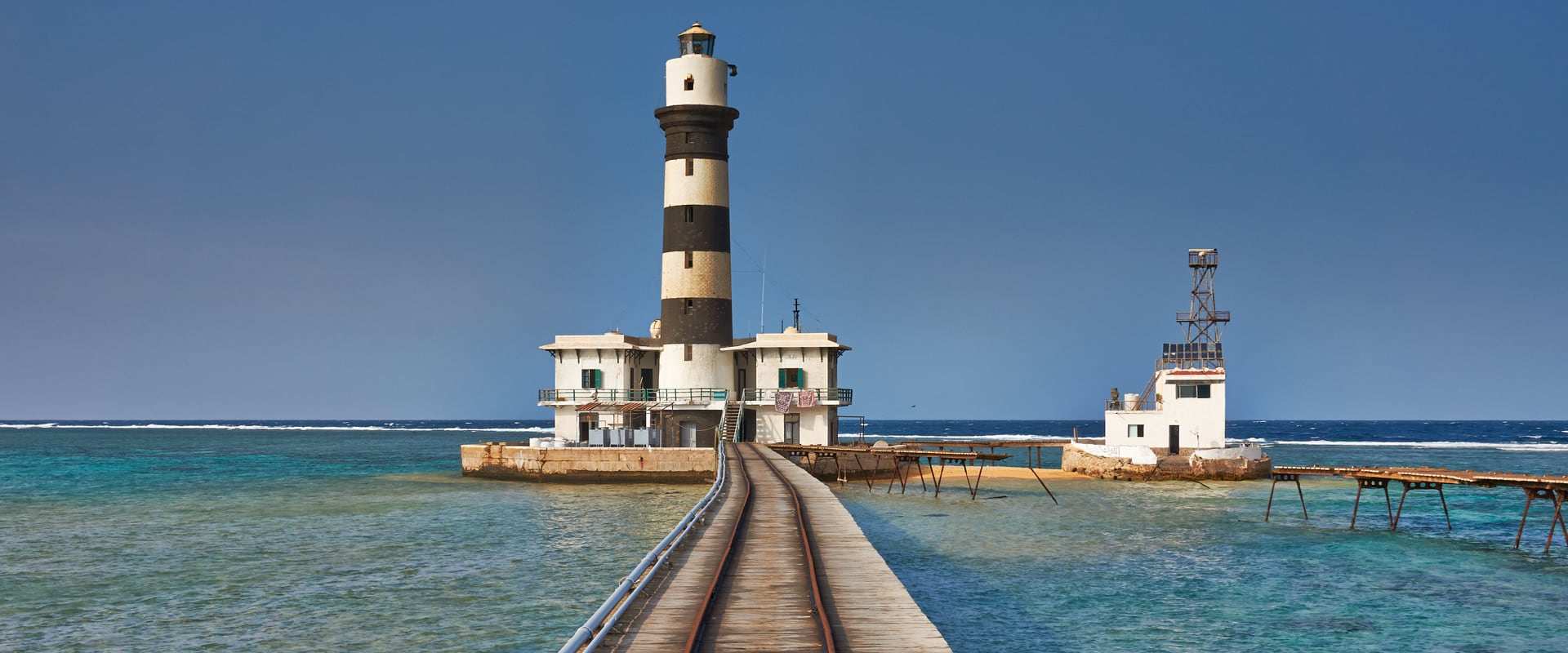
Due to its remote nature, choosing a liveaboard to Daedalus Reef is necessary to appreciate this amazing dive area fully. East of Marsa Alam, about 80 km/50 miles offshore, Daedalus Reef, also known as Abu Kizan, lies within a marine protected zone. At the center of the reef, the Egyptian Navy built a lighthouse on a small man-made island originating in the 1860s, which was then rebuilt in the 1930s. A long fixed pier stretches from the lighthouse out to the edge of the shallows. This is where most liveaboards moor to keep stable in the open sea. Daedalus is included in numerous Egypt liveaboard itineraries that visit this area.

Daedalus has a large shallow reef with drop-offs at the sides. It varies from a few meters of beautifully clear water to the deepest point for recreational divers at 40 meters/ 130 ft. This means Daedalus has the best of both worlds. On the largely unspoiled reef, there are stunning corals, tropical fish, and Napoleon wrasse for divers to enjoy. In the deeper sections, out in the blue, the pelagics: sharks, mantas, and tuna shoals, can be seen passing through.

For technical divers, other areas are only accessible to those with experience and equipment for going deep. The wreck and debris of the Zealot steamer are very popular for rebreather and side mount diving.

Daily Schedule (example)

Morning - The first dive will normally be a dawn dive. After a quick snack and coffee, you will have a briefing before heading to the dive deck. The deeper dives will be first, and divers will enter directly or by tender boat from the liveaboard. After breakfast, a second briefing will be followed by the second dive. The dive times will vary depending on the depth of the dives and air consumption.

Afternoon - After lunch and a break on board, there will be another two or three dives in the afternoon. These will likely be shallower reef dives where you can look at the coral and anemone city. Sadly, there is no night diving within this marine protected area. This is for conservation and safety; the currents and general conditions can be difficult even during the day.

Daedalus Reef Underwater

The reef is less than a kilometer long and 100 meters wide, with drop-offs all around. The deepest areas of the site are around 40 meters/ft. and currents can be very strong. Visibility is very good despite often rough conditions. Divers can expect between 20 to 30 meters and 65 to 100 ft. The water temperature varies from 24 to 30 degrees 75 to 85 Fahrenheit.

Fortunately, Daedalus is in pristine condition, with soft and hard corals and many tropical reef fish. 'Anemone City,' an entire section of the reef covered with anemone, is a macro photographer's dream.

In deeper waters, the position of Daedalus reef so far offshore makes it ideal for encounters with passing pelagics. Hammerheads and oceanic whitetips are just some of the big sharks you can hope to encounter around Daedalus. In the south of the reef, there is also a chance to see solitary thresher sharks, easily distinguished by their long pointed tails. In the summer, there is also a chance to see whale sharks passing by in the blue.

There is also a wreck at Daedalus Reef, the Zealot, between 80 and 120 meters of water. Not only is there the wreck, but the cargo of iron is scattered down the reef, lost as the ship sank. This steamship sank due to poor navigation in the 1980s and is perfect for technical divers to explore.

Top Tips for Daedalus Reef

  • Currents can be strong at Daedalus, but the directions are fairly predictable. Take a compass to stay orientated.
  • Remember to check the marine park's rules; many things, such as wearing gloves while diving, are prohibited.
  • Be sure to take adequate thermal protection, as currents can make the water feel colder than it is.
  • Be aware that there will be a charge to enter marine parks such as Daedalus. The price will depend on how many you will be visiting. It should be paid on the liveaboard.

Getting to Daedalus Reef

Most Egypt liveaboards depart from Port Ghalib near Marsa Alam, the closest mainland harbor. These liveaboards are easily accessible from Marsa Alam airport, which receives frequent flights from several major European airports. Alternatively, Hurghada Airport is a four-hour transfer away from Marsa Alam.

The reef is a 9-hour sail, normally done overnight from the port of departure. Daedalus is part of several itineraries, including the Brothers, Elphinstone, and St. Johns. The number of dives at Daedalus will vary depending on your chosen itinerary.

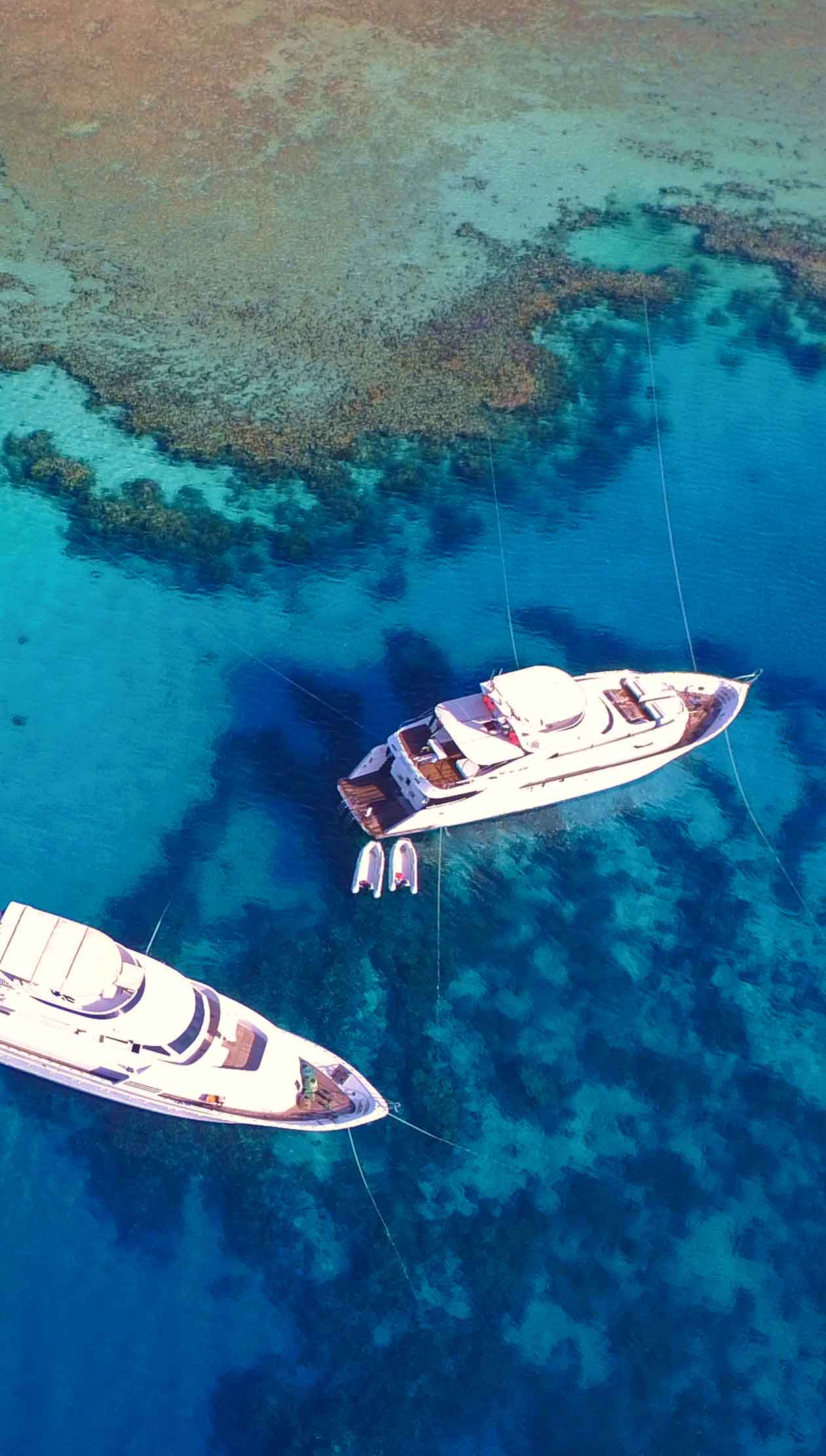
The distance from shore makes this site exclusively for liveaboard dive boats. This means the reef is in very good condition, and you won't be surrounded by hundreds of other divers daily. Dives can be done directly from the liveaboard, which moors close to the reef's edge, or from a tender.


The remoteness of Daedalus Reef offers the liveaboard scuba diver pristine coral and a variety of pelagic life.


Daedalus Diving Reviews

  • Rating 9.0 out of 10
  • 9.0 Superb
  • Rating 9.6 out of 10
  • 9.6 Exceptional
  • Spencer R
  • Flag of United StatesUnited States

Saw a silky shark. Reefs were in good shape.

Diving Daedalus in June on the Discovery II
  • Rating 9.2 out of 10
  • 9.2 Superb
  • David M
  • Flag of United StatesUnited States

This was not our most fun part. Lots of blue water looking for sharks. 6 dives with no encounters here. Little attention to the wall and the reef itself.

Diving Daedalus in June on the All Star Scuba Scene
  • Rating 8.0 out of 10
  • 8.0 Very good
  • Tyler G
  • Flag of United StatesUnited States

Great visibility, but not lucky enough to see any sharks. Fun current and cool wall.

Diving Daedalus in February on the Grand Discovery
  • Rating 9.6 out of 10
  • 9.6 Exceptional
  • Aaron L
  • Flag of United StatesUnited States

Saw a few sharks I’ve never seen before so I was very happy. Also loved going to check out the lighthouse!

Diving Daedalus in December on the JP Marine


What to know about diving in Daedalus

What is Daedalus Reef known for?

Daedalus is a remote, mid-sea reef best known as one of the Red Sea's strongest chances to see scalloped hammerhead sharks schooling along its walls, with a working lighthouse on the tiny island at its center. Its isolation keeps it far less crowded than the reefs closer to shore.
What's the story behind the lighthouse on Daedalus?

The lighthouse sits on a small sandy island at the reef's southern end, stands roughly 100 ft (30 m) tall, and remains an active, staffed navigation light rather than a decorative landmark. It's a striking sight from the liveaboard deck at sunrise, just before the first dive of the day.

What's the current like at Daedalus — is it a drift or wall dive?

Daedalus is a fully exposed offshore reef, so real current is the norm — often strong enough that dive entry points and direction are planned around it. Most dives here are drift dives along the wall, and conditions can differ noticeably between the reef's north and south tips.

When's the best time to see hammerhead sharks at Daedalus?

Hammerheads turn up across a fairly broad window through the warmer months, with many divers reporting their best luck in summer, though sightings continue into autumn in some years — the timing genuinely varies season to season. Early-morning dives, particularly off the north tip on an incoming current, are consistently where guides send divers for the best chance at a schooling encounter.

What certification level or experience do I need for Daedalus?

As with Elphinstone, operators typically require Advanced Open Water certification plus meaningful current-diving experience, often quoted as 50 or more logged dives. The remoteness and current strength here make it less forgiving than a typical reef dive, so guides tend to be conservative about who they take.

How far offshore is Daedalus, and is it liveaboard-only?

Daedalus sits roughly 50 miles (80 km) off the coast near Marsa Alam, in open sea with no shore access at all — it's liveaboard-only. It's usually visited as part of a multi-day southern Red Sea itinerary alongside Elphinstone and the Brothers Islands, since the crossing alone takes several hours each way.

What other marine life will I likely see at Daedalus?

Beyond hammerheads, the reef regularly turns up oceanic whitetips and grey reef sharks, along with large schools of jacks, barracuda, and tuna working the current. The upper reef also carries noticeably lush soft coral coverage, fed by the nutrient-rich water the current pushes through.

What's the water temperature like at Daedalus?

Expect the same seasonal swing as the wider southern Red Sea: around 82-86°F (28-30°C) in summer, cooling to roughly 75-79°F (24-26°C) from October to December, and dropping to the low 70s°F (about 21-23°C) between January and March. Most liveaboard schedules avoid that coldest window, so a 3- 5 mm wetsuit covers the majority of trips.

Is Daedalus suitable for beginner divers?

No — Daedalus is an advanced-only site. Between the open-ocean exposure, current strength, and the fact that assistance is hours away by boat if something goes wrong, it's reserved for experienced, current-comfortable divers rather than newly certified ones.

How long does a liveaboard typically spend at Daedalus?

Given the distance involved, liveaboards typically anchor at Daedalus for the better part of a day, fitting in two to three dives — often an early-morning dive timed for hammerheads, a midday reef dive, and sometimes a dusk dive — before moving on to the next site.

Are there specific hazards or safety notes for diving Daedalus?

The main practical risk is current — strong and sometimes shifting — combined with full open-water exposure, so staying close to your guide and group matters more here than at sheltered sites. Because Daedalus is remote, night diving is often restricted for safety, and marine park entry permits apply, so it's worth confirming current requirements and fees with your operator as of 2026.

We’re here to help, 24/7.

Connect with our expert travel consultants to plan your next trip.

  • Oksana Kovaleva
  • Nicole Laughlin
  • Josue Zarco
  • Andrea Martinez
  • Nina Kapp
  • Farah Celada-Benito
  • Juliane Ball