Liveaboard Diving in Western Australia
What To Expect On A Western Australia Liveaboard
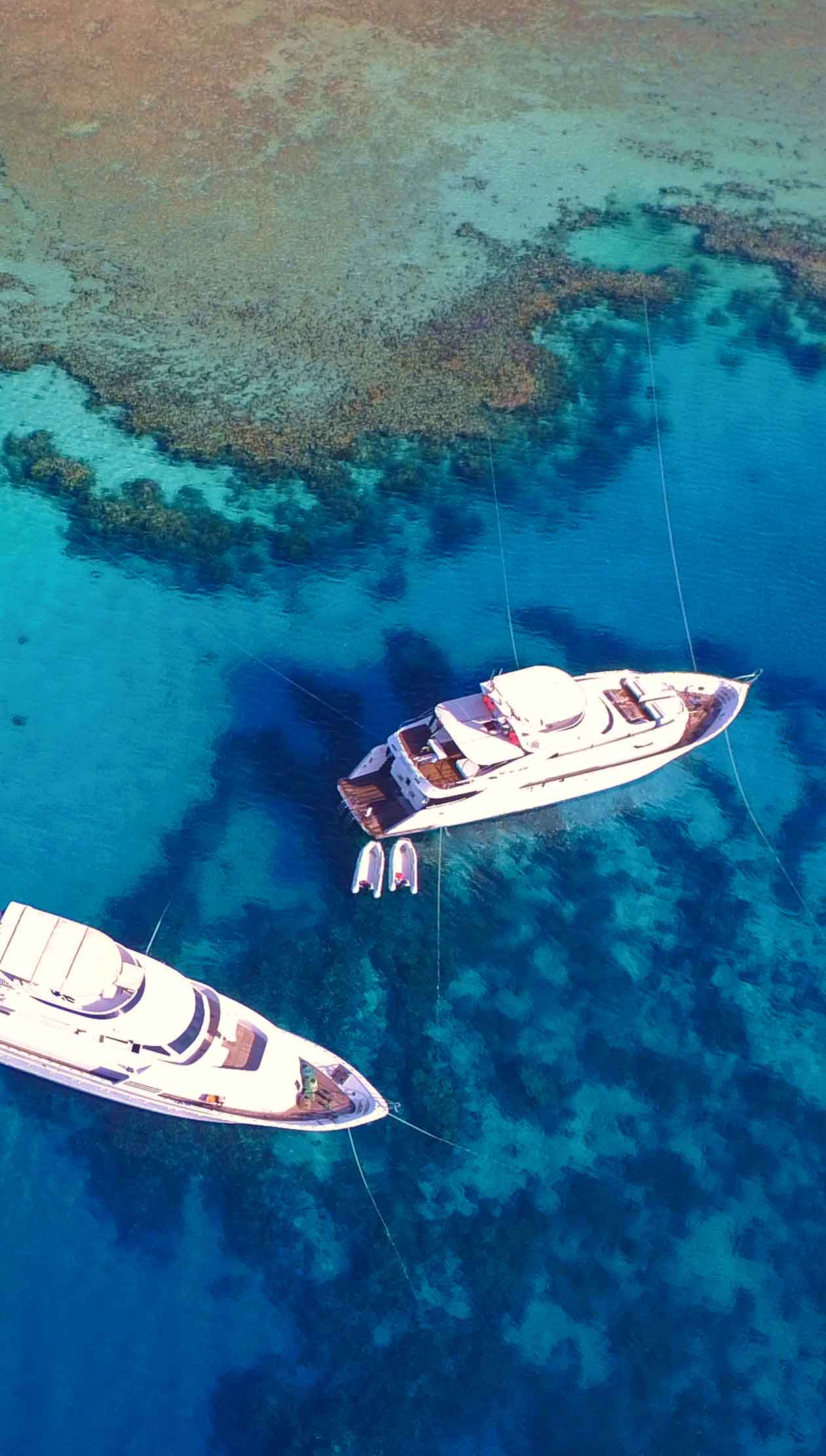
Liveaboards in Western Australia are commonly overlooked by their East Coast counterparts on the famous Great Barrier Reef. Of course, the waters of the Coral Sea are world-renowned for a good reason; however, the crystal clear, warm tropical Indian Ocean off the coast of Western Australia is blessed with an underwater paradise arguably as spectacular. Coupled with the fact that diver and liveaboard numbers in this area are extremely small in comparison, you're likely to view some of the most beautiful and undisturbed natural life the diving world offers.
To dive the best spots in Western Australia, you'll need to set sail on an Australian liveaboard diving cruise leaving from Broome and bound for sites such as the Rowley Shoals, featuring Mermaid Reef and Clerke Reefs, home to a variety of some of the most biodiverse life found in Australian waters. These remote areas are some 300 kilometers from the mainland, allowing the diver to encounter many species not found near shore.
Liveaboard dive cruises in Western Australia often last 7 days and nights, anchoring in blissfully calm lagoons overnight and meandering their way between glorious coral reefs during the light, enabling guests to experience an ideal combination of diving, relaxation, and fun.
Western Australia Underwater
The dive sites visited as part of a liveaboard trip in Western Australia are so isolated that only very few adventurous divers can get here each year, which has left an incredibly unspoiled marine environment full of untouched coral, playful animals, and stunning scenery. The three massive atolls forming the Rowley Shoals contain a vast array of dazzling colors rarely seen, with walls, caves, and lagoons providing various dives to suit every experience level.
Large schools of small fish sparkle in the sunlight, swiftly darting en masse, dodging the circling predators that include several varieties of sharks - Whitetips, Blacktips, Silvertips, and Grey Reefs are all sighted commonly. It's also not unusual to glimpse a Hammerhead or menacing Tiger shark!
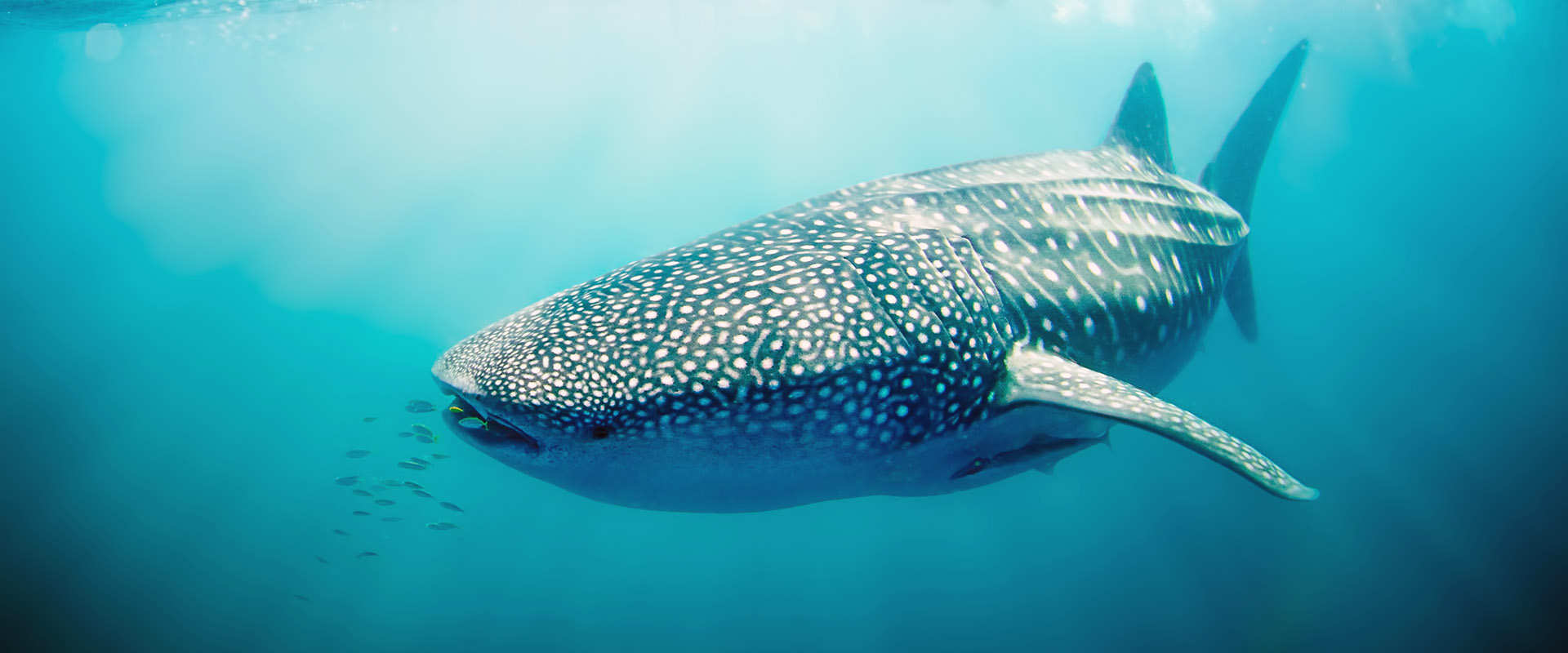
Divers commonly report encounters with the large stuff, in particular the friendly but docile Potato Cod and the elegant but massive Whale Shark. Your dives will undoubtedly lead to you meeting many Turtles and Rays in many of the places your liveaboard crew will sail to.
Dive Sites of Western Australia
Western Australia features many excellent dive sites, and across the state's coastline, you'll be able to witness a huge amount of what is on offer underwater in tropical waters.
The ROWLEY SHOALS are a unique series of 3 coral shelf atolls, and because of their rarity, they attract divers from all over. The coral here is second to none, and with over 650 species of fish inhabiting the area, each dive will no doubt be packed full of activity. You need to spend a few days and nights here to make the trip worthwhile, and there's no better way to do this than in style on a liveaboard boat.
MERMAID REEF forms part of the Mermaid Reef Commonwealth Marine Reserve, ensuring it has remained in great condition and offers excellent diving at many individual sites. It is located to the northeast of the Rowley Shoals and features lagoons, caves, and walls where divers will see Marine Turtles, Grey and Whitetip Reef Sharks, Dolphins, and Tuna.
CLERKE REEF is an atoll close to Mermaid Reef and part of the Rowley Shoals Marine Park. Diving here often includes a night dive and drift dives, where common residents witness large Coral Trout and Humphead Wrasse against a backdrop of beautiful, healthy coral.
Tips For Divers
Western Australia has conditions great for diving - calm, gentle, warm water with visibility often reaching more than 40 meters. The liveaboard season is generally between September and December, when you can view and experience what this scarcely visited area offers. You should always bring proof of certification and evidence of recent diving (i.e., your logbook), although it'll likely be possible to arrange an update with the crew. Liveaboard dive vessels in Western Australia don't always have the equipment to rent on board (apart from weights and tanks), so it may be wise to bring your own or rent from one of the many places onshore.
Australia's national language is English, although several languages are often spoken amongst liveaboard crew - check this with your operator. Although credit cards are widely accepted, and ATMs are found easily onshore, you'll need a suitable amount of the local currency, the Australian Dollar.
Australia has excellent infrastructure, including top-class health care - but always ensure you have suitable travel insurance before traveling!
Getting To Western Australia
Australian liveaboard cruises in Western Australia commonly depart from Broome, a coastal tourist town in the North West. Broome has an airport that is well-served domestically, with regular flights arriving daily. In most cases, it's easiest to fly in and then catch a connecting flight from Perth, which is situated in the south of West Australia and is the state capital. It's a major international hub and is served by many of the world's largest airlines, and as a result, you'll likely be able to fly directly in here from overseas.