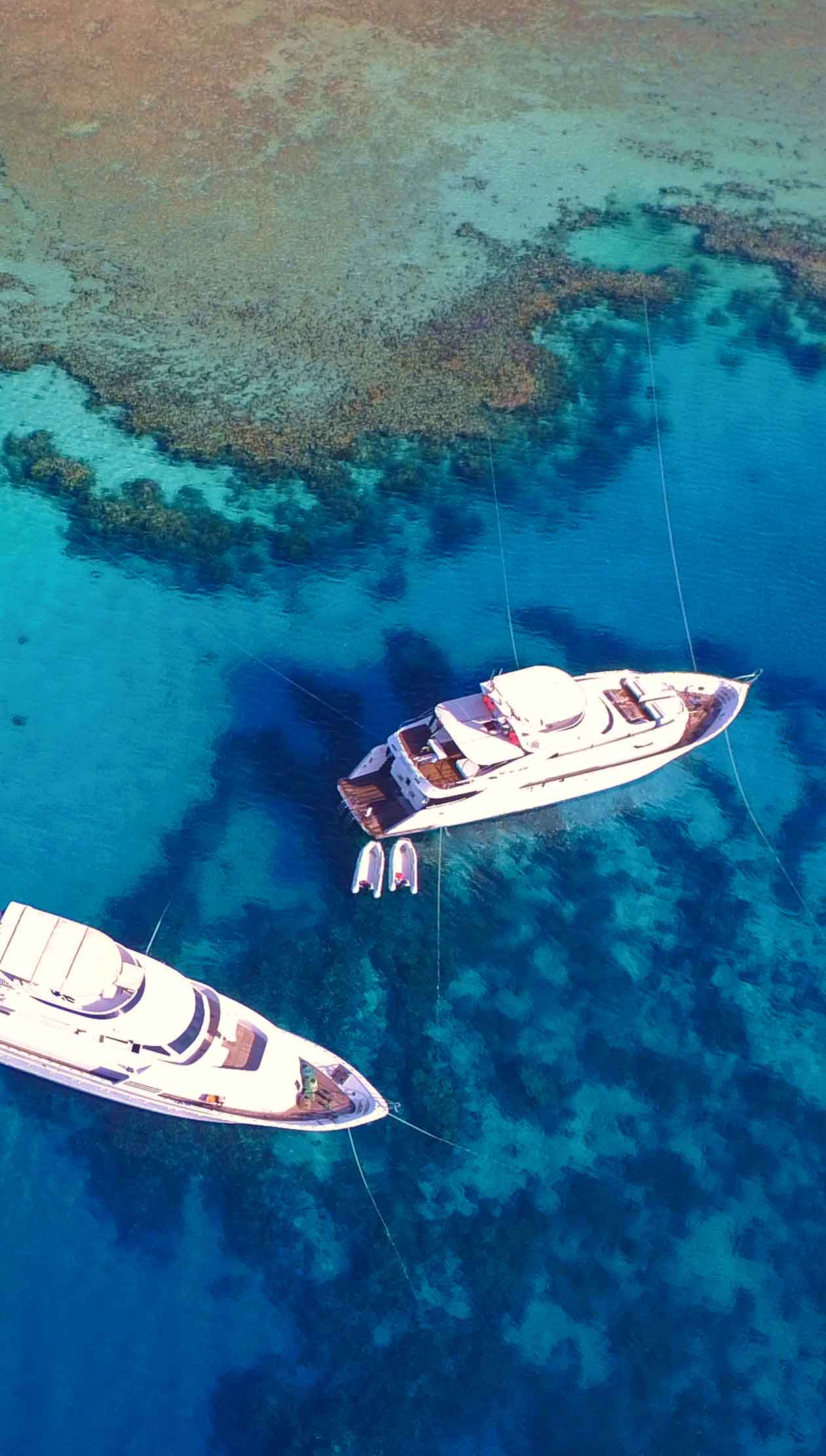
Luxury Sailing to Raja Ampat, Komodo & Beyond
There’s something unmistakably powerful about watching the sails of a handcrafted wooden phinisi catch the wind at sunrise. The sea is glassy, limestone karsts rise dramatically from turquoise water, and your day begins not with traffic or schedules — but with a dive briefing on the sundeck. A phinisi liveaboard is more than a dive trip. It’s an immersive journey through Indonesia’s most remote and biodiverse waters, where tradition, adventure, and comfort sail together.
Phinisi liveaboards combine centuries-old Indonesian shipbuilding heritage with modern luxury yacht design. These elegant wooden schooners glide through coral-rich archipelagos, linking destinations that would otherwise require multiple flights and ferries. From manta-ray cleaning stations in Raja Ampat to drift dives in Komodo National Park, each day offers a blend of adrenaline, tranquility, and raw natural beauty.
Unlike land-based dive resorts, a phinisi allows you to wake up directly above the reef. There are no long transfers, no crowded dive boats — just immediate access to pristine sites, remote islands, and open ocean horizons. Between dives, you relax on teak decks, enjoy freshly prepared Indonesian cuisine, and watch the sunset paint the sky in deep gold and crimson hues.
Traditional Phinisi Yachts and Indonesian Maritime Heritage
The phinisi is a two-masted wooden schooner traditionally built by the Bugis people of South Sulawesi in Indonesia. For generations, these vessels were used for trade and long-distance cargo transport across the Indonesian archipelago. Today, that same distinctive silhouette — twin masts, sweeping bow, and handcrafted wooden hull — defines some of the most beautiful liveaboards in the world.
Modern phinisi yachts retain their classic exterior lines but are redesigned inside for expedition comfort. Most feature 6 to 12 guest cabins, spacious dining areas, shaded lounge decks, and dedicated dive platforms. Interiors often blend polished teak wood, soft lighting, and boutique hotel styling with practical dive functionality.
The layout of a typical phinisi liveaboard is designed to balance comfort, functionality, and open-air living. Below deck, guests will usually find the cabins, many with private en-suite bathrooms, offering a quiet retreat between dives. Communal spaces often include indoor or semi-open dining areas with panoramic sea views, as well as expansive sundecks with loungers for relaxing in the tropical sun.
A dedicated dive deck provides organized gear storage, rinse tanks, and ample preparation space, while camera tables and charging stations cater to underwater photographers. At the stern, a swim platform provides easy, safe access to the water. Supported by experienced captains, cruise directors, dive guides, chefs, and deckhands, phinisi liveaboards combine efficient, professional service with the warm, intimate atmosphere of a small-group expedition.
With experienced captains, cruise directors, dive guides, chefs, and deckhands on board, phinisi liveaboards deliver seamless service while maintaining an intimate, small-group atmosphere.
Life aboard a phinisi follows the rhythm of diving and the sea.
Early mornings begin with a light breakfast and a dive briefing. Within minutes, guests step into warm tropical waters for the first dive of the day. Indonesia sits within the Coral Triangle, the global epicenter of marine biodiversity, meaning nearly every descent reveals vibrant coral gardens, reef sharks, schooling fish, and macro treasures. Most itineraries include three to four dives per day, including optional night dives. Between dives, guests relax on deck with fresh juices, coffee, and snacks while the yacht repositions to the next site.
Lunches and dinners highlight Indonesian and international cuisine — grilled seafood, fragrant curries, tropical fruits, and homemade desserts. Evenings are for reviewing underwater photos, sharing dive stories, or simply lying back under a starry sky.
Some phinisi liveaboards elevate the experience even further with additional amenities and curated excursions. Guests may enjoy onboard spa treatments between dives, take out kayaks or paddleboards to explore calm lagoons, gather for beach barbecues on secluded shores, or join guided island hikes that reveal panoramic viewpoints and local wildlife. Despite these upscale touches, the atmosphere remains refined yet relaxed — barefoot, sun-warmed, and deeply connected to the surrounding sea and landscape.
Top Destinations for Phinisi Liveaboards in Indonesia
Raja Ampat
Often described as the crown jewel of global diving, Raja Ampat is home to more marine species than anywhere else on Earth. Dramatic limestone karsts rise from emerald lagoons, while beneath the surface lies a kaleidoscope of coral and fish life. Diving highlights include manta ray encounters, vibrant soft coral reefs, pygmy seahorses, and massive schools of fusiliers. Because the region is so remote, a liveaboard is the most efficient and immersive way to explore it.
Komodo National Park
Located between Sumbawa and Flores, Komodo National Park combines thrilling diving with iconic landscapes. Strong currents attract pelagic species, including manta rays, reef sharks, and giant trevally. Above water, guests can trek across rugged hills to see the legendary Komodo dragons or relax on the famous Pink Beach. The mix of big-fish action and dramatic scenery makes Komodo one of Indonesia’s most dynamic liveaboard destinations.
Banda Sea
Remote and seasonal, the Banda Sea is known for hammerhead shark sightings, steep volcanic drop-offs, and rarely visited reefs. These itineraries feel more exploratory, often combining deep-water walls with historical spice-trade islands.
Alor
Less frequented than Raja Ampat or Komodo, Alor offers pristine reefs, macro biodiversity, and authentic cultural encounters in traditional coastal villages. Its remoteness makes it particularly well-suited to phinisi expeditions.
Flores and the Forgotten Islands
For travelers seeking true off-the-grid exploration, extended routes through Flores and the Forgotten Islands reveal untouched reefs, empty anchorages, and dramatic volcanic landscapes rarely seen by mainstream tourism.
Choosing a Phinisi Over Other Liveaboards
Phinisi liveaboards differ from steel motor vessels in both aesthetic and atmosphere. Wooden construction and traditional rigging create a sense of heritage and romance rarely matched by modern ships. Sailing segments — when conditions allow — add an experiential layer, transforming transit time into part of the adventure.
Because most phinisis carry fewer guests, the onboard environment feels intimate and personalized. The design also lends itself to photography, honeymoons, and milestone trips where ambiance matters as much as diving. In short, a phinisi is not just transportation between dive sites — it’s part of the destination.
Accommodation and Comfort on a Phinisi Liveaboard
Cabin configurations vary by vessel, but most phinisi liveaboards offer a thoughtful mix of accommodation styles to suit different preferences. Guests may choose from spacious master suites with panoramic windows and sweeping ocean views, sea-view cabins featuring large portholes that let in natural light, or comfortable below-deck double or twin cabins designed for restful nights at sea. Nearly all cabins include private en-suite bathrooms and individually controlled air conditioning, ensuring both comfort and privacy throughout the journey.
Common areas may include indoor lounges, shaded outdoor dining spaces, and open sundecks with daybeds. Many luxury phinisis rival boutique hotels in comfort, offering high-thread-count linens, curated wine selections, and refined interior design. Despite the traditional exterior, the onboard experience is modern, comfortable, and carefully curated for multi-day expeditions.
Best Time for a Phinisi Liveaboard in Indonesia
Indonesia’s diving seasons vary by region, making timing an important part of planning a phinisi liveaboard itinerary. In Raja Ampat, the prime season typically runs from October to April, when seas are calmer and manta ray activity peaks. Komodo is best explored from April to November, when visibility is excellent and diving conditions are optimal.
The remote Banda Sea is most rewarding from September to November, particularly during the renowned hammerhead season, while Alor generally experiences stable weather and favorable conditions from May to October. Because phinisi yachts reposition seasonally, many operate different routes throughout the year, allowing guests to experience each region at its ideal time of year across the Indonesian archipelago.
Phinisi Liveaboards Are Perfect For...
Phinisi liveaboards are especially well-suited to experienced divers seeking extraordinary biodiversity and immersive, multi-day exploration in some of the world’s richest marine environments. They are a natural fit for underwater photographers drawn to vibrant coral reefs, manta encounters, and rare macro life, as well as for couples and honeymooners seeking a romantic and distinctive sailing experience.
Adventure travelers and small groups celebrating special occasions also gravitate toward Phinisis for their blend of remote destinations, personalized service, and boutique atmosphere. While some itineraries are suitable for intermediate divers, many routes feature currents and more advanced dive profiles, making them particularly appealing to confident, seasoned divers seeking dynamic, rewarding conditions.

Exploring Indonesia by Sea the Traditional Way
A phinisi liveaboard is not simply a dive holiday — it’s a voyage through one of the most extraordinary marine ecosystems on the planet, aboard a vessel rooted in centuries of maritime craftsmanship. From sunrise dives in Raja Ampat to dragon encounters in Komodo, from hammerheads in the Banda Sea to untouched reefs in Alor, every journey blends cultural heritage, luxury comfort, and raw natural wonder. For travelers drawn to remote islands, world-class diving, and the romance of wooden sailing yachts, a phinisi liveaboard offers one of the most immersive and unforgettable ways to explore Indonesia.