Svalbard Reindeer: Wildlife Encounters on an Arctic Cruise
Discover the quiet life of the tundra on a small-ship expedition
Svalbard reindeer are wild reindeer found only in Norway’s Svalbard archipelago. For Arctic cruise travelers, guided shore excursions offer opportunities to watch them grazing against a backdrop of fjords, mountains, and summer tundra. A Svalbard cruise brings this distinctive land animal into a journey often associated with sea ice and marine wildlife.
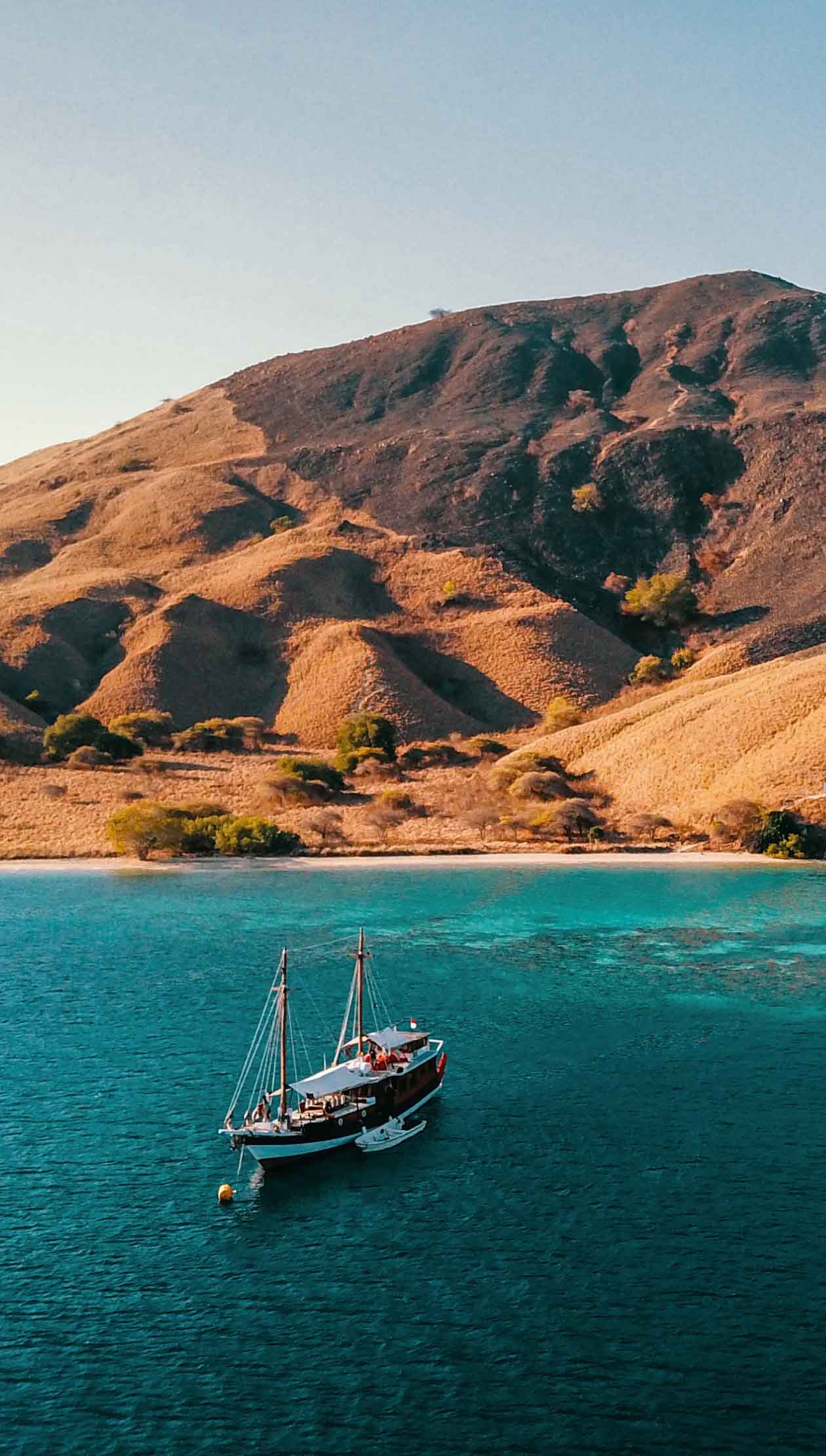
Picture a pale shoreline beneath dark mountain slopes. At first, the landscape seems almost motionless. Then a rounded back rises above the vegetation, followed by an antlered head. A reindeer pauses before lowering its muzzle again, absorbed in the small patch of greenery at its feet. Watching such an unhurried scene can become one of an expedition’s most memorable moments.
Reindeer add another dimension to Arctic wildlife cruises: a reason to look closely at the ground between the glaciers. Their presence turns a tundra walk into an encounter with a living landscape, where feeding grounds, seasonal change, and the demands of winter shape the animals you see.
Svalbard Reindeer at a Glance
| Feature | Quick guide |
|---|---|
| Scientific name | Rangifer tarandus platyrhynchus |
| Range | Svalbard, including its largest island, Spitsbergen |
| Appearance | Short legs, a compact body, and a small, rounded head |
| Typical cruise encounter | Watching from a distance during a permitted, guided landing |
| Planning focus | Summer itineraries with tundra walks and naturalist guides |
| Sightings | Possible where suitable habitat and landing conditions coincide; never guaranteed |
A Reindeer Shaped by Arctic Life
The Svalbard reindeer is a small subspecies of reindeer. Its thick coat provides insulation, while relatively sedentary habits help keep energy demands low. Unlike the image of vast migrating herds, encounters here often involve a few animals spread across a slope. Both males and females grow antlers, although their antler cycles differ. The Norwegian Polar Institute’s species profile explains these adaptations.
Those details make identification part of the pleasure. Look through binoculars before reaching for your camera: notice the body's proportions, the coat’s texture, and the space between individuals. A guide can help interpret what you are observing without turning the encounter into a search for a particular pose.
The landscape deserves equal attention. Include the ridge behind the animal, the stones around its hooves, and the low vegetation it is investigating. Seen together, animal and habitat tell a richer story than an isolated portrait.
Where to See Reindeer on a Svalbard Cruise
Spitsbergen’s coastal tundra
Spitsbergen cruises provide a useful starting point for travelers interested in reindeer. Look for expedition descriptions that combine coastal exploration with guided walks. A voyage devoted mainly to sailing or sightseeing from the deck offers a different experience from one with regular opportunities to explore ashore.
Read sample landing descriptions as examples of the voyage’s character. A named bay does not promise a landing, and a landing does not promise reindeer. What matters is an itinerary that allows time to explore suitable landscapes when the expedition team considers conditions appropriate.
Alkhornet and the entrance to Isfjorden
Alkhornet is a particularly useful example of the connection between reindeer and expedition cruising. The Norwegian Polar Institute’s Cruise Handbook for Svalbard describes reindeer observations as common beneath the mountain. Seabirds nesting on the cliffs fertilize the tundra below, helping support lush patches of vegetation.
This is somewhere to appreciate the whole scene: birds overhead, green ground beneath the cliffs, and the possibility of grazing reindeer. Expedition operator Secret Atlas describes summer visits to Alkhornet, while emphasizing that weather and sea conditions determine whether guests can land. Treat it as a compelling itinerary possibility rather than a fixed appointment with wildlife.
Choosing a route with time ashore
When comparing Svalbard expedition itineraries, consider the balance between sea days, Zodiac exploration, and walking excursions. Ask about walking options, terrain, and how the operator organizes landing groups. These details matter more to the experience than simply choosing the longest route.
If photography is a priority, look for departures with dedicated photographic guidance or a clearly described wildlife focus. If you prefer gentle exploration, check the walking requirements before booking. The right trip should suit both your interests and your comfort on uneven ground.
Summer Feeding and the Rhythm of the Seasons
Summer reindeer spend much of their time eating and building reserves for winter. Females usually give birth to a single calf in June. Later, winter conditions can make vegetation difficult to reach, particularly when rain freezes over feeding grounds. These seasonal pressures explain why uninterrupted feeding matters. Norwegian Polar Institute research places food access at the center of their survival.
For travelers, summer offers a rewarding combination of tundra scenery and opportunities for coastal exploration. Plan around the voyage as a whole rather than selecting a date solely for calves or antlers. Snow cover, local weather, and the animals’ movements can change what an individual landing reveals.
A patient approach also changes the value of a sighting. Instead of waiting for dramatic action, watch the small sequence of movements: a few steps, a pause, a lowered head. Leave time to enjoy the encounter without photographing every moment. The quiet is part of what makes seeing reindeer in this setting distinctive.
Watching Reindeer Responsibly
Observe reindeer from the distance set by your expedition team and follow the current instructions for each landing. Never feed, touch, follow, or surround an animal. Keep its path clear, and allow your guide to decide when the group should stop, move, or leave. An animal remaining nearby is not an invitation to approach.
Pay particular attention to where the group stands. A line of people spread across a slope can restrict an animal’s options even when no one intends to interfere. Stay together as directed, avoid sudden movements, and give extra space when young animals are present.
The same care applies to the ground beneath your boots. Follow the designated route and your guide’s instructions around vegetation and nesting birds. If the team changes the plan because of wildlife, accept that decision as part of expedition travel. Protecting an undisturbed encounter is more valuable than reaching a planned viewpoint.
Photographing Reindeer in Their Landscape
A telephoto lens helps you frame an animal while maintaining distance. Start with a wider composition that includes the fjord or mountains, then try closer framing from the same permitted position. This gives you variety without moving toward the reindeer.
Watch the background before pressing the shutter. Antlers can disappear against dark rock, while a small shift within the group’s permitted viewing area may separate the animal from a distracting ridge. Keep enough shutter speed for a moving head, and review exposure when bright snow occupies much of the frame.
Pack a weatherproof cover and keep your camera accessible during landings. Binoculars are equally useful: they let you study a distant animal when a photograph would add little. Avoid sacrificing the experience to equipment changes, and follow the guide’s instructions whenever the group moves.
Reindeer in the Wider Arctic Wildlife Story
Reindeer also connect this tundra landscape to other wildlife. Their carcasses can provide food for Arctic foxes, especially during the demanding winter season. The Norwegian Polar Institute’s Arctic fox profile describes the importance of this food source in Svalbard.
Use that connection to look beyond individual sightings. Your expedition may introduce you to land animals during a walk and, later, to marine wildlife from the deck. Our guides to polar bears in the wild and Arctic seals explore other parts of the region’s wildlife. The broader Arctic wildlife guide brings those encounters together to help you plan.
Preparing for a Tundra Landing
Before choosing a departure, read the operator’s equipment list and confirm whether landing boots are provided. Pack layers that keep you comfortable while standing still and walking. Waterproof outerwear, gloves, and a small daypack help keep the focus on the landscape when the weather changes.
Discuss any mobility concerns with the operator in advance. A short walk across wet or uneven tundra can feel different from the same distance on a paved path. Ask whether different walking options are available and what happens when a guest prefers to remain aboard. Clear expectations make it easier to choose a trip you will enjoy.
Once ashore, resist the urge to scan only for antlers. Listen to the landing briefing, stay attentive to the guide, and take in the surrounding terrain. Even without a reindeer sighting, a walk can add useful context to the rest of the voyage. You return to the ship with a closer understanding of the coast you have been watching from the water.
Planning Your Reindeer Wildlife Experience
Choose a cruise for the landscapes and activities you will enjoy even between sightings. For reindeer, that means an interest in tundra walks, coastal scenery, and time with knowledgeable guides. Check the itinerary’s walking requirements, included excursions, and expedition arrangements, as well as cabin features and voyage length.
Explore Svalbard cruises and Spitsbergen expeditions to embark on a journey into reindeer country, or compare Arctic cruises for a broader wildlife adventure.