Snorkel with Sea Turtles
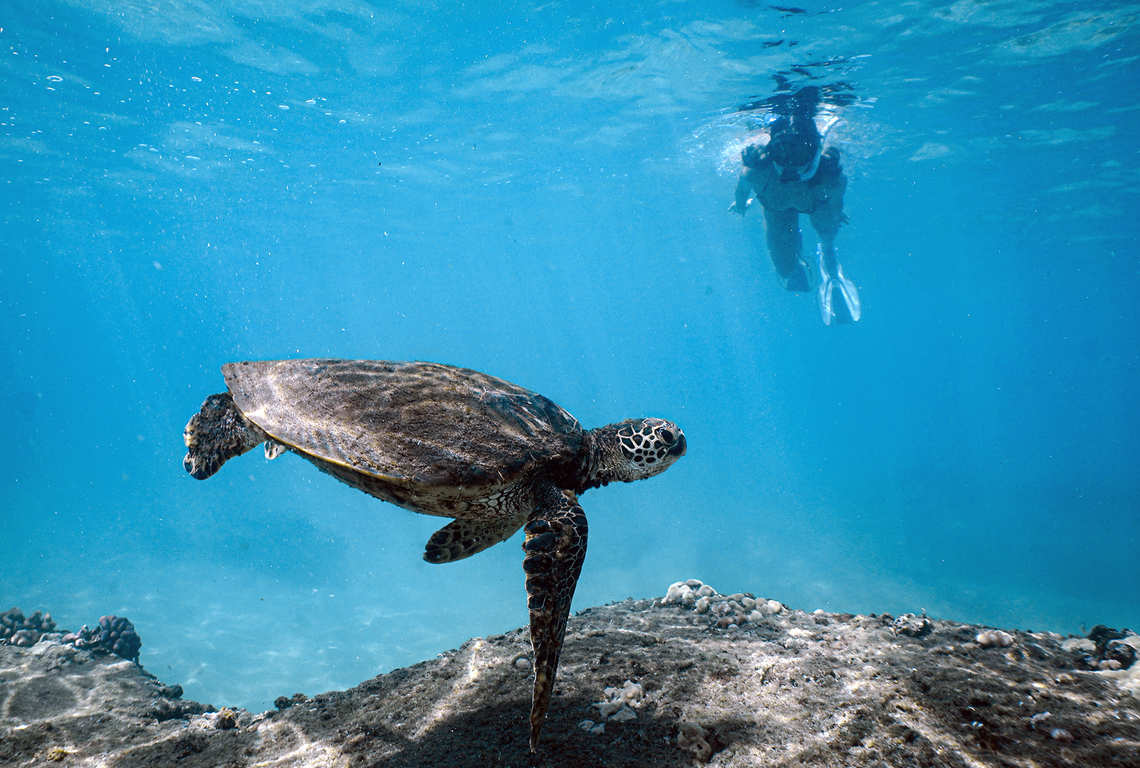
The first sign is often movement, where the water turns blue-green over black lava. A shape rises from the reef, slow and deliberate, its shell catching the filtered sunlight like polished stone. Then the Galapagos sea turtle appears fully: calm, ancient-looking, and apparently untroubled by the snorkelers floating nearby. It surfaces for air, slips beneath the swell, and continues grazing among the rocks as if following a rhythm older than the islands themselves.
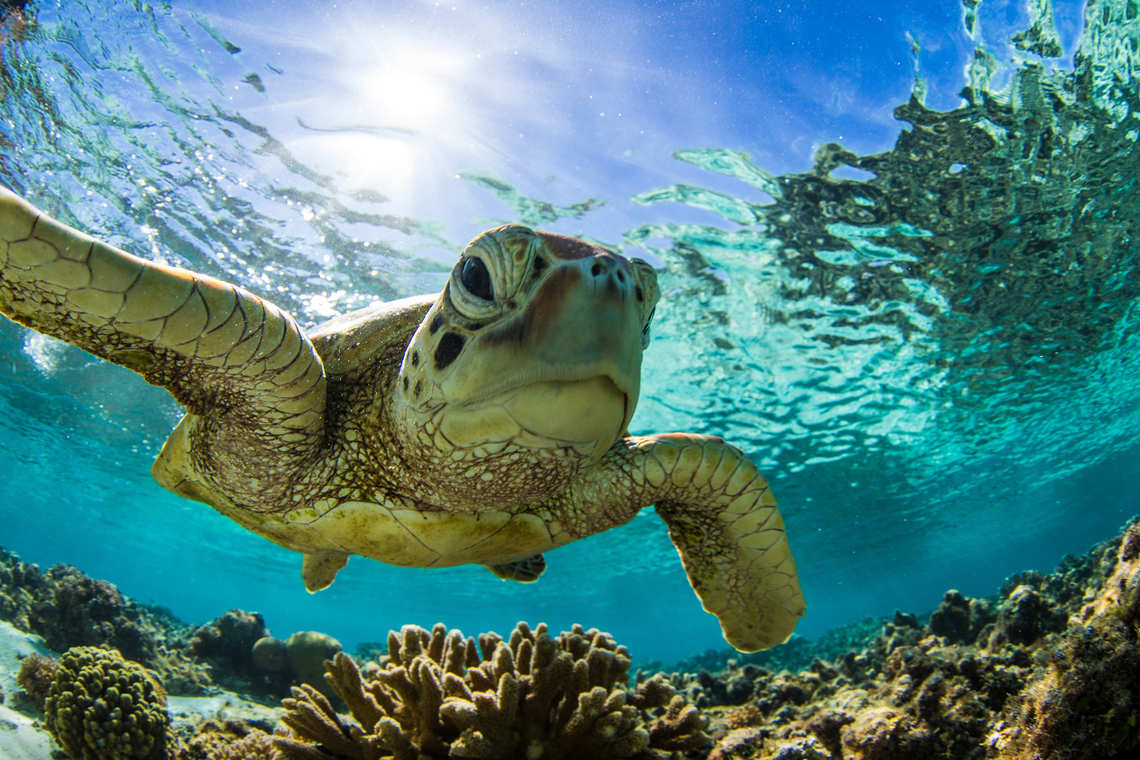
For many travelers, Galapagos snorkeling is one of the defining experiences of a journey through the archipelago. The islands are known for fearless wildlife on land, but underwater, the same sense of wonder continues. Sea lions twist through the shallows, rays hover over pale sand, reef fish gather in sudden bursts of color, and green sea turtles move through the water with quiet authority.
Whether you want to swim with sea turtles, explore lava tunnels, or join naturalist-led excursions from a small expedition vessel, the Galapagos offers some of the best places to swim with turtles anywhere in the world. The key is knowing where to go, when to visit, and which itineraries give you the strongest chance of reaching the islands’ most memorable snorkeling sites.
The Galapagos are Great for Snorkeling with Turtles
The Galapagos Islands sit at the meeting point of major ocean currents, where cold, nutrient-rich water rises from the depths, and warmer tropical influences sweep across the equator. This unusual mix helps support an extraordinary marine ecosystem. For travelers, it means that snorkeling in the Galapagos Islands can feel less like a casual swim and more like entering a living natural history museum.
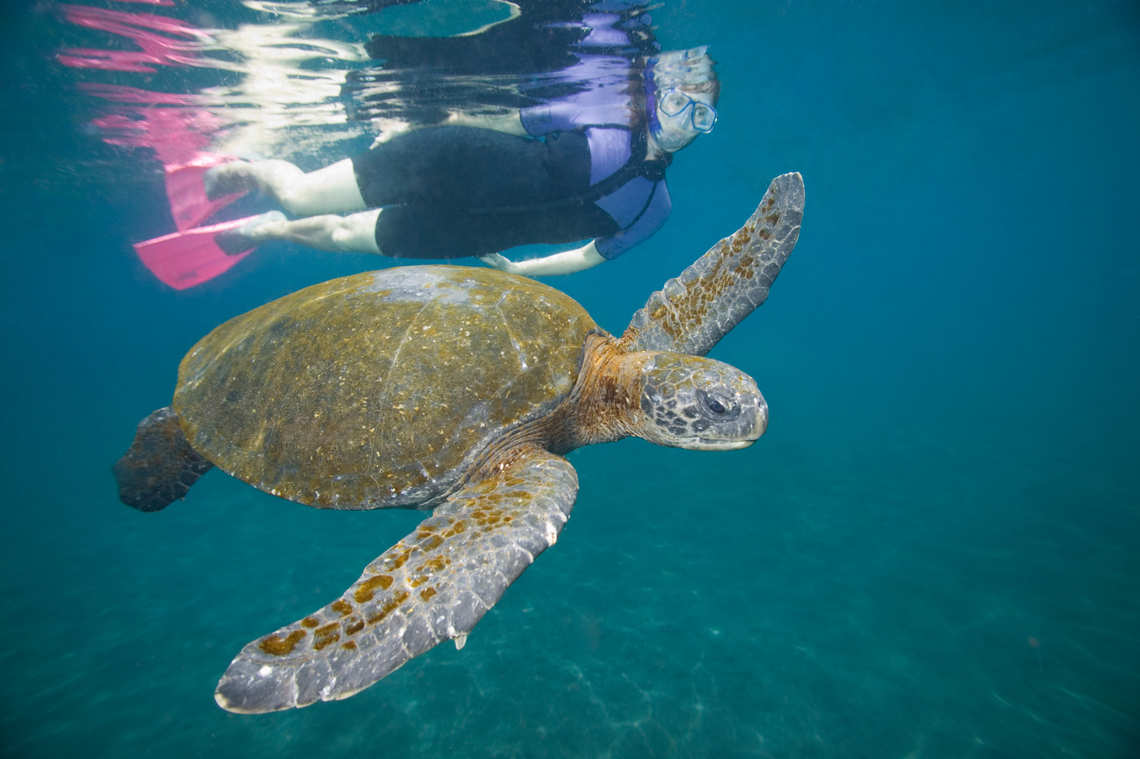
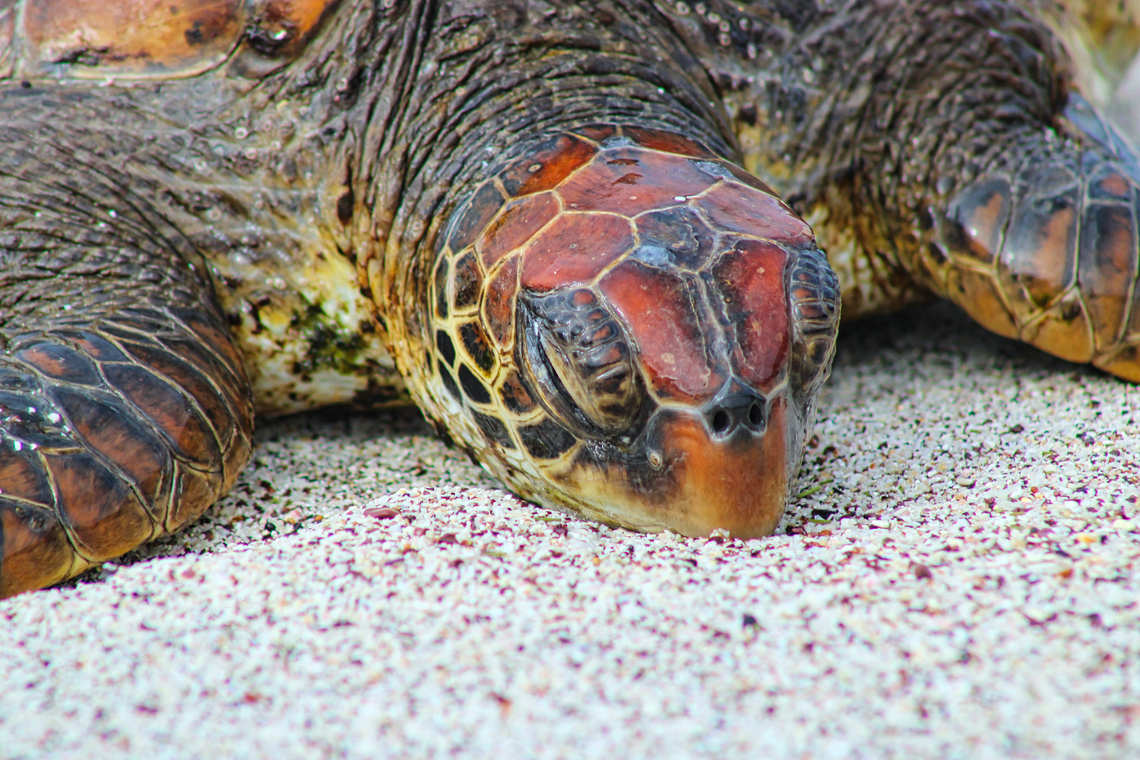
The turtles most commonly seen here are Galapagos green sea turtles, a population of the green sea turtle, known scientifically as Chelonia mydas. They use the islands’ coastal waters for feeding, resting, and nesting, making them a frequent highlight on Galapagos snorkeling tours. Unlike some wildlife encounters elsewhere in the world, swimming with turtles in the Galapagos often happens in wild, protected marine environments rather than controlled settings.
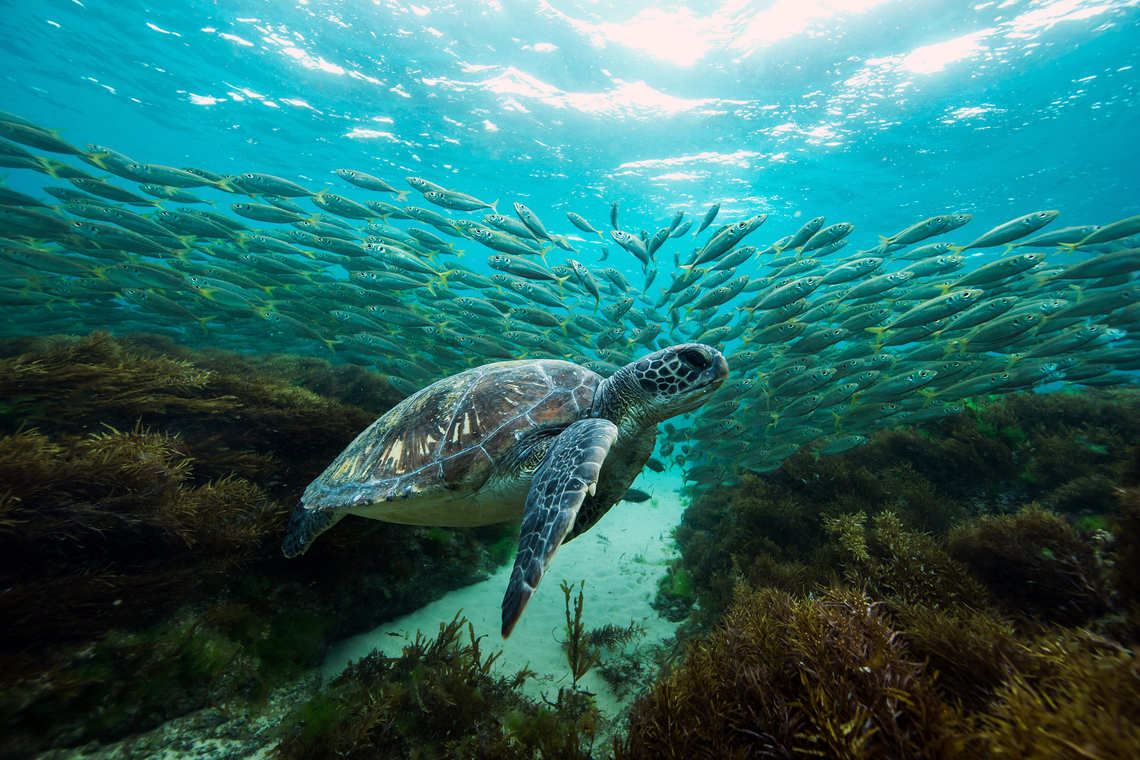
Part of the magic is the turtles’ apparent ease around people. Galapagos animals evolved with relatively few land predators, and many species show a remarkable tolerance of quiet human presence. That does not mean snorkelers should approach too closely, touch, chase, or block a turtle’s path. The best encounters happen when travelers remain still, keep distance, and let the animal decide how close is close enough.
Best Time to Visit Galapagos for Snorkeling
Sea turtles can be seen in the Galapagos throughout the year, but the overall snorkeling experience changes with the seasons. The archipelago has two broad marine seasons: a warmer season from roughly December to May and a cooler, drier season from around June to November. Both can be rewarding, depending on what kind of trip you want.
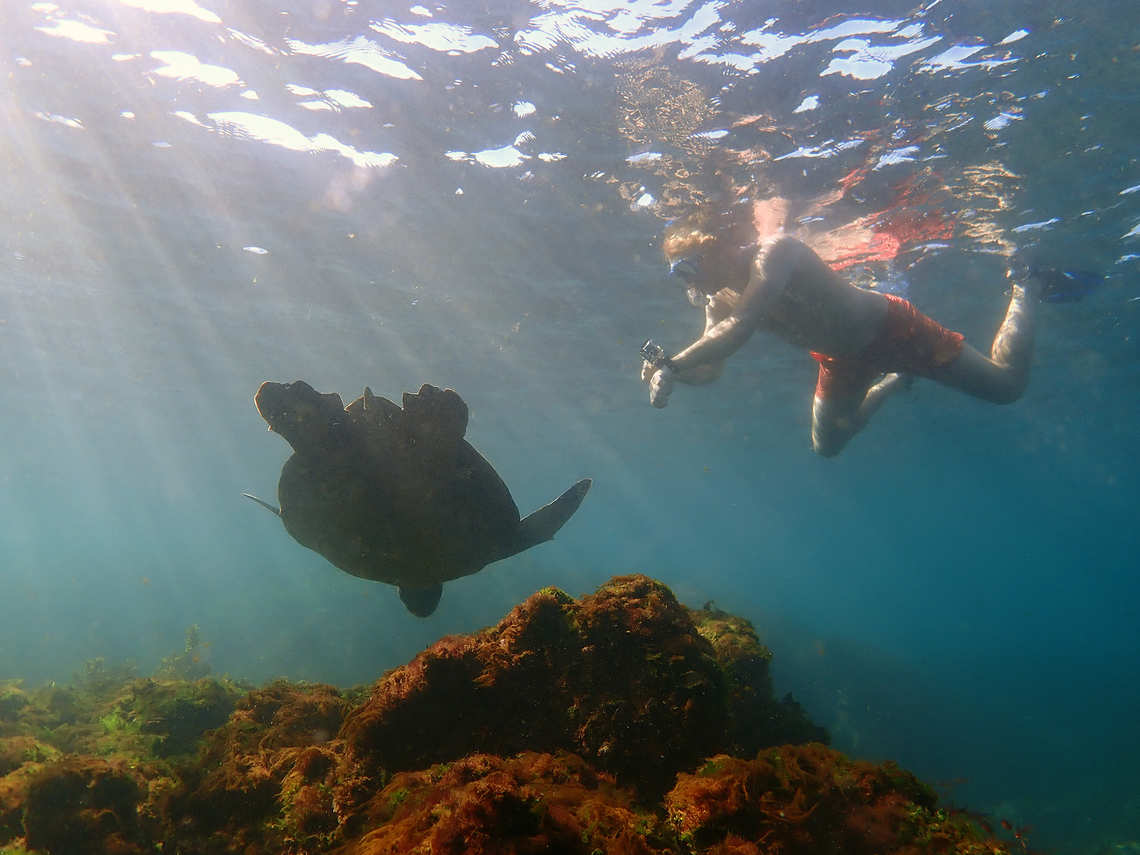
The warm season is often the most comfortable period for casual snorkelers. Seas tend to be calmer, the water is warmer, and visibility can be excellent, especially in sheltered bays and lagoons. For travelers whose main goal is relaxed snorkeling in the Galapagos, this is an inviting time to spend more time in the water without relying as heavily on wetsuits.
The cooler season brings a different kind of richness. From June to November, the Humboldt Current helps bring colder, nutrient-dense water into the archipelago. Visibility may vary, and some sites can feel more challenging, but marine life is often highly active. This can be a superb time for travelers who are especially interested in wildlife, including turtles, rays, reef fish, sea lions, and, in certain areas, penguins.
For those asking about the best time to visit Galapagos for snorkeling, the answer depends on priorities. Choose the warm season for comfort and calmer conditions. Choose the cooler season for a more dynamic marine environment. Either way, sea turtle sightings are possible year-round, especially when your itinerary includes strong snorkeling locations.
Best Places to Swim with Sea Turtles in the Galapagos
Tortuga Bay, Santa Cruz
Tortuga Bay, Galapagos, is one of the archipelago’s most iconic coastal landscapes: a long sweep of white sand, low vegetation, marine iguanas on the shore, and calm water framed by mangroves. Located on Santa Cruz Island, Tortuga Bay is especially appealing for travelers who want a beach-based wildlife experience without immediately heading into deeper or rougher waters.
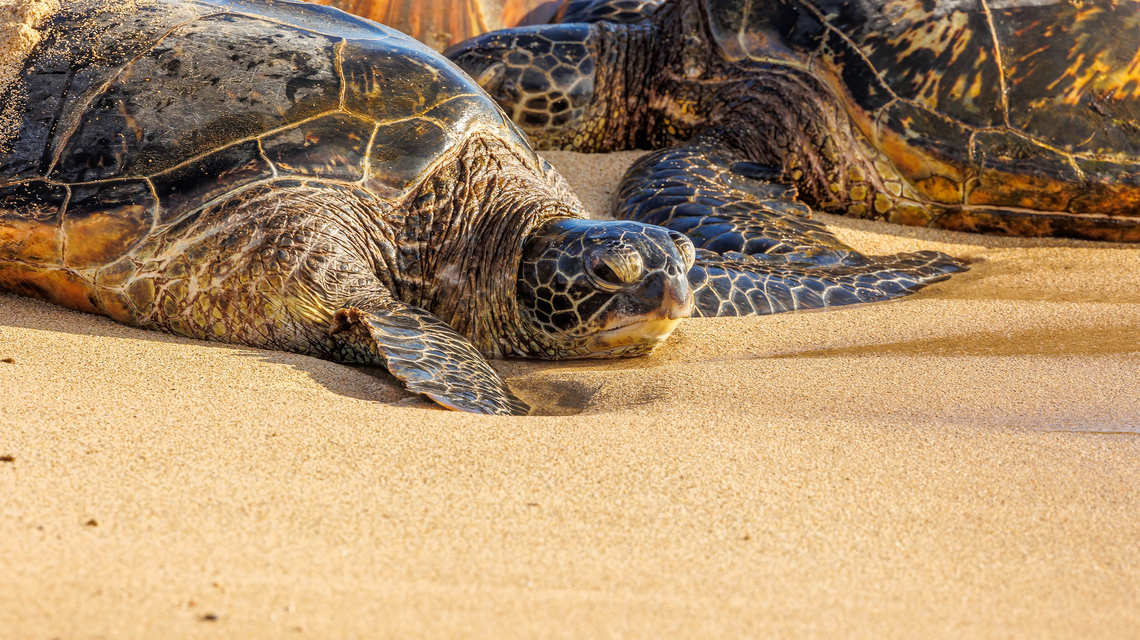
The sheltered areas around the bay may offer opportunities to see turtles, rays, small fish, and seabirds, though conditions and sightings vary. Even when turtles are not immediately visible, the setting captures much of what makes Galapagos snorkeling so memorable: volcanic islands, clear shallows, and wildlife moving freely between land and sea.
Kicker Rock, San Cristobal
Rising dramatically from the Pacific off San Cristobal Island, Kicker Rock Galapagos is one of the archipelago’s most striking snorkeling and diving landmarks. The formation is split by a narrow channel, through which deep blue water flows between sheer volcanic walls. For confident snorkelers, Kicker Rock snorkeling can be unforgettable.
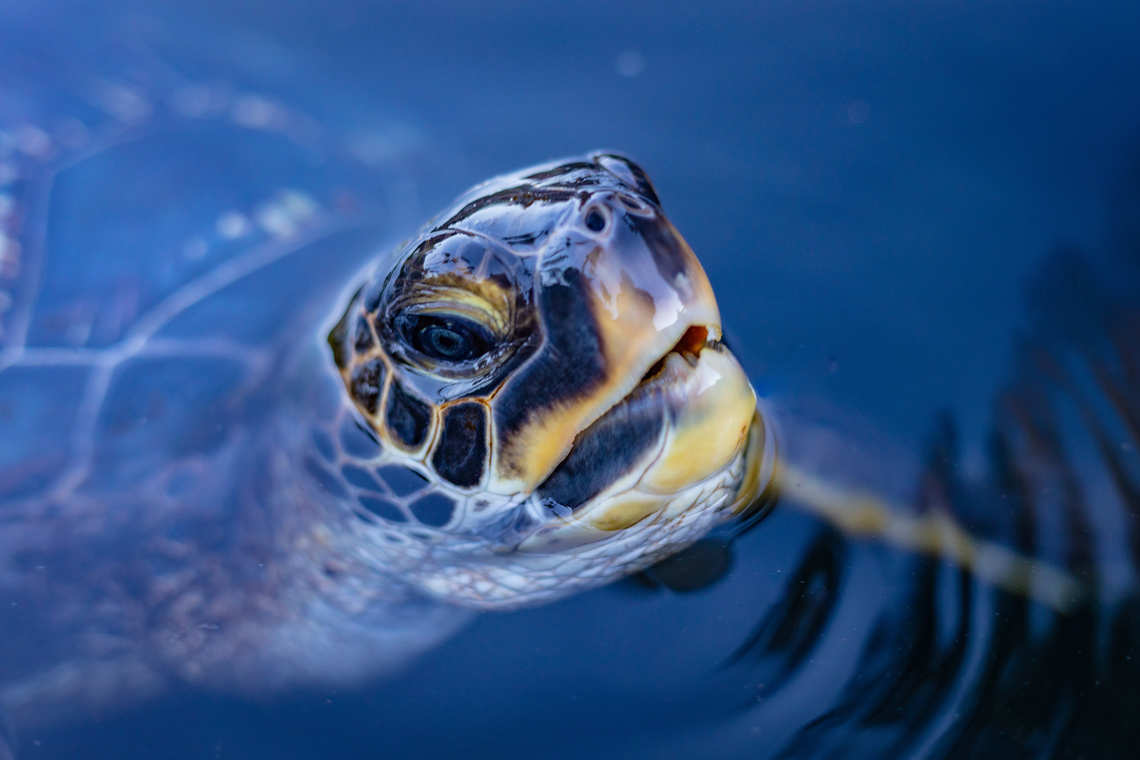
Sea turtles may be seen here alongside rays, reef fish, and sometimes sharks. The setting is more dramatic than gentle, and conditions can include currents, so this site is best suited to travelers comfortable in open water. With a good guide and calm conditions, Kicker Rock can feel like floating beside the remains of an ancient volcanic cathedral.
Los Túneles, Isabela
Los Tuneles, on Isabela Island in the Galapagos, is one of the most surreal snorkeling sites in the islands. Here, old lava flows have formed arches, bridges, channels, and sheltered pools where water moves through black rock and bright sand. Beneath the surface, sea turtles may glide below lava tunnels, rays rest on the seabed, and fish gather in the protected channels.
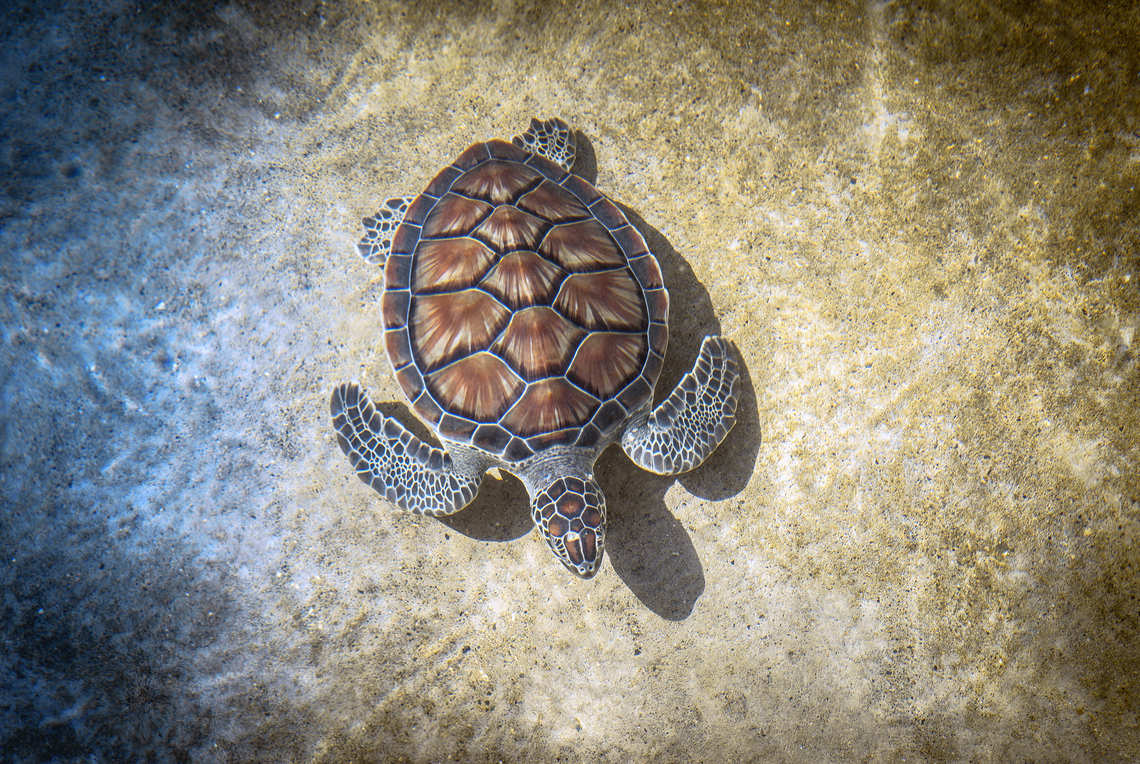
This is one of the best places to understand how geology shapes the wildlife of the Galapagos Islands. The same volcanic forces that built the islands created underwater architecture where turtles can feed, rest, and move between habitats. For travelers seeking a place that feels visually unlike anywhere else, Los Tuneles is a standout.
Concha de Perla, Isabela
Concha de Perla, near Puerto Villamil on Isabela Island, is a more accessible snorkeling site with a lagoon-like feel. Wooden walkways, mangroves, and calm waters make it a good option for travelers who want a gentler introduction to snorkeling in the Galapagos before tackling stronger-current sites.
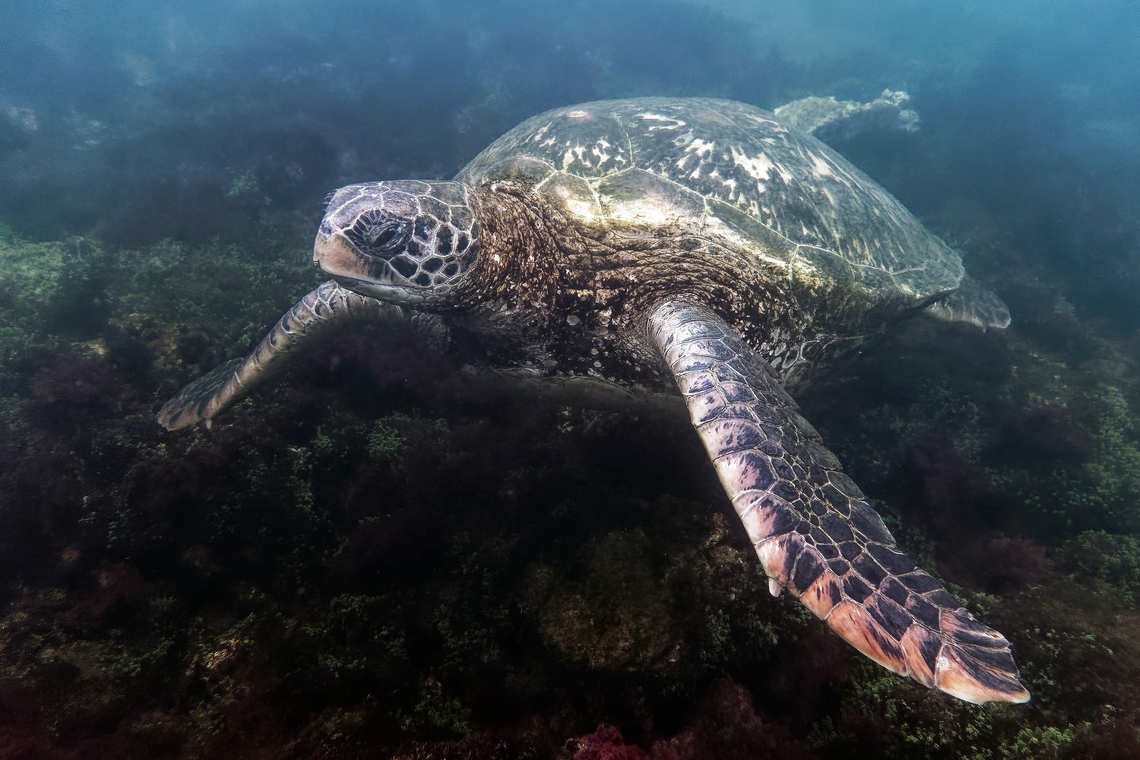
The wildlife varies by day, but turtles, rays, reef fish, and sea lions are among the possible sightings. Its accessibility makes Concha de Perla especially appealing to independent travelers or those with time before or after a cruise. It may not have the high drama of Kicker Rock or Devil’s Crown, but its quiet intimacy is part of the charm.
Devil’s Crown, Floreana
Devil’s Crown Galapagos is one of the legendary names in Galapagos snorkeling. This partially submerged volcanic crater off Floreana Island creates a natural ring of rock where marine life gathers in impressive numbers. Fish move in bright clouds, reef life clings to the rocks, and turtles may pass through the blue water beyond the crater’s edge.
Because currents can be strong, Devil’s Crown is generally better for experienced snorkelers. But for those who are comfortable in the water, it can be one of the most exhilarating places in the islands. It is the kind of site where the Galapagos feels raw and oceanic: beautiful, powerful, and alive in every direction.
Gardner Bay, Española
Gardner Bay Galapagos, on Española Island, offers a softer, brighter version of the archipelago. Sea lions rest on white sand, turquoise water laps the shore, and seabirds patrol the coastline. Snorkeling here can include fish, rays, and sometimes sea turtles, with the added appeal of a classic Galapagos beach setting.
For travelers who want scenery as much as marine life, Gardner Bay is especially rewarding. It is less about ticking off one species and more about entering a complete coastal ecosystem, where the beach, bay, and underwater world all feel connected.
Pinnacle Rock, Bartolome
Pinnacle Rock, Galapagos, is one of the most photographed landmarks in the archipelago, a blade of volcanic stone rising beside Bartolome’s lava-streaked slopes. The snorkeling nearby can be excellent, with clear water, reef fish, rays, and possible turtle sightings depending on the day’s conditions.
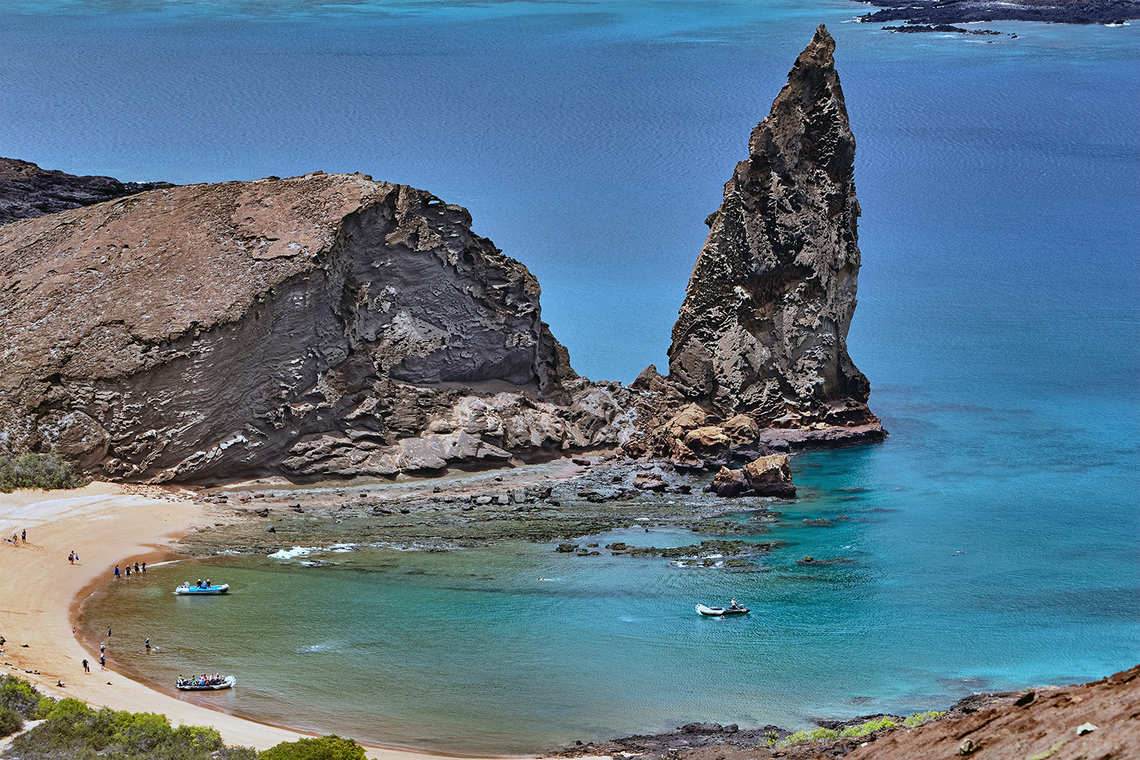
This is also one of the places where travelers may grasp the full strangeness of the Galapagos landscape. Above the water, the terrain looks almost lunar. Below it, life moves everywhere. A turtle passing beneath Pinnacle Rock feels like the meeting of two Galapagos stories: the islands’ fiery volcanic birth and the rich marine world that surrounds them.
Galapagos Green Sea Turtle: Life Cycle, Diet, and Adaptations
The Galapagos green sea turtle belongs to the species Chelonia mydas, the green sea turtle. Adults are large marine reptiles with strong front flippers, streamlined shells, and an ability to move through water with remarkable efficiency. Their size can vary, but mature green sea turtles are among the larger sea turtle species, often reaching impressive weights and lengths over a long lifespan.
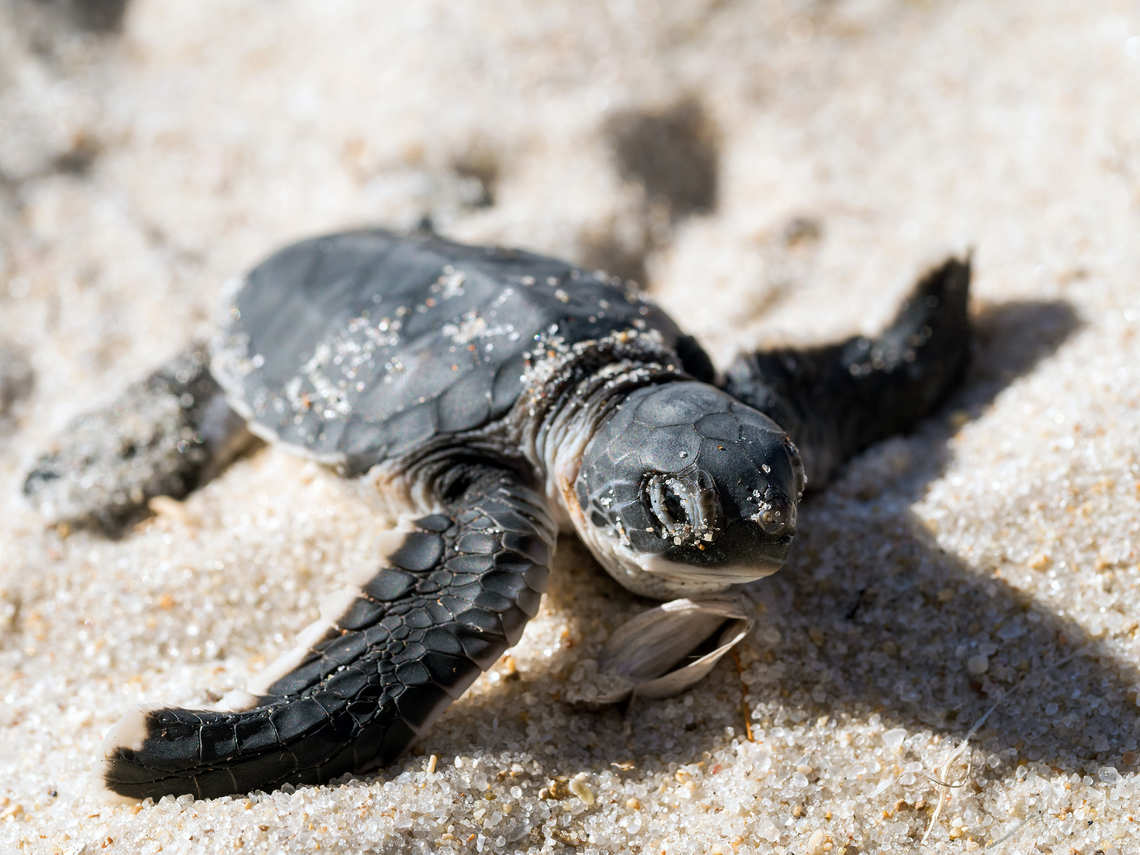
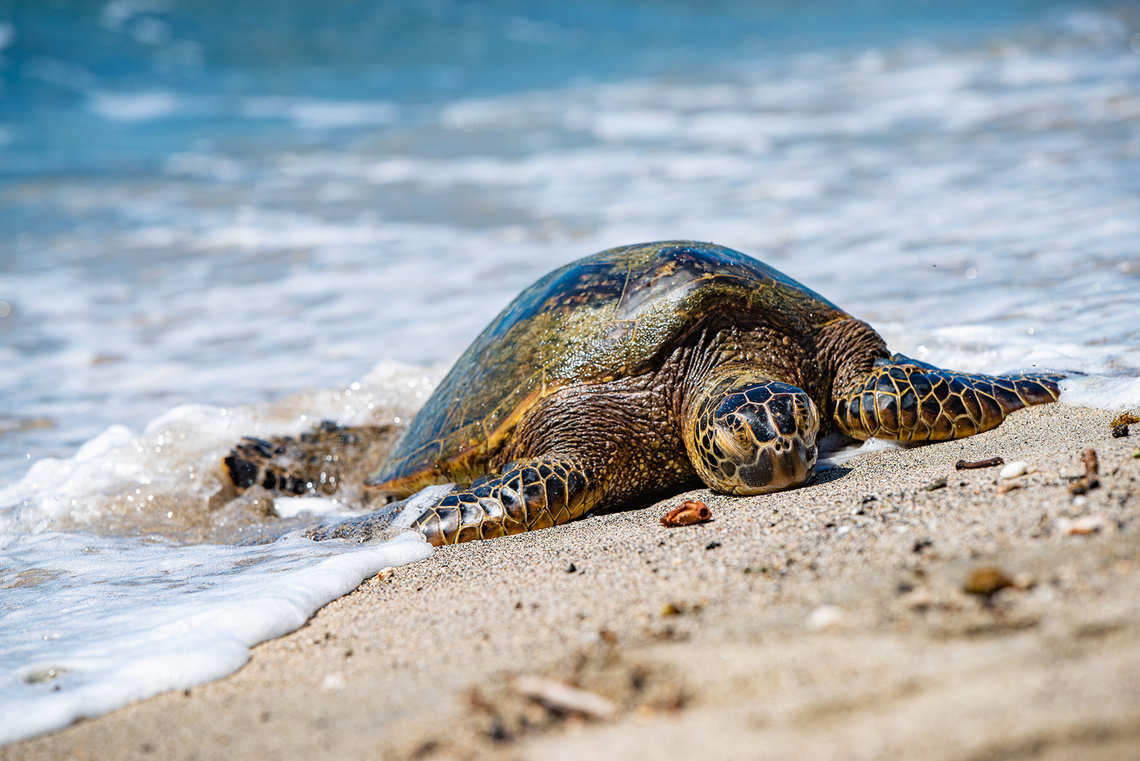
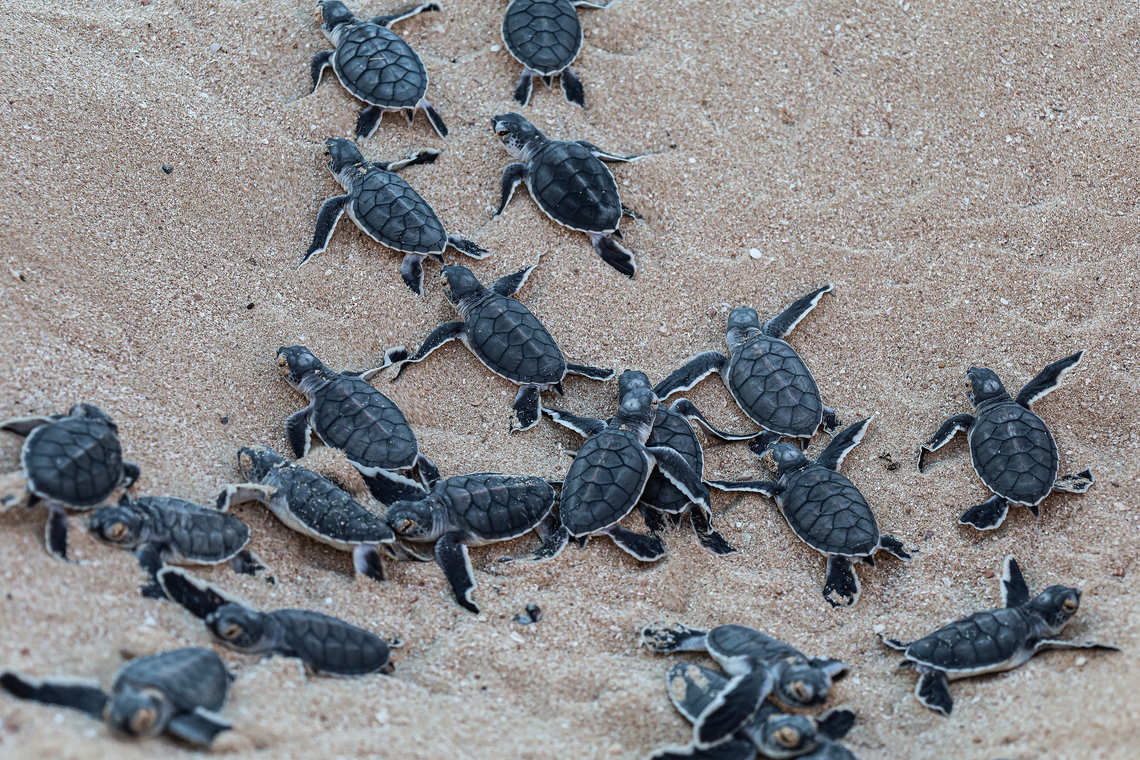
Their life cycle begins on sandy nesting beaches. Females come ashore at night, dig nests above the tide line, and lay eggs before returning to the sea. After incubation, hatchlings emerge and make the dangerous journey from nest to water, vulnerable to birds, crabs, and other predators. Those that survive spend their early years in more open marine environments before gradually moving into coastal feeding grounds.
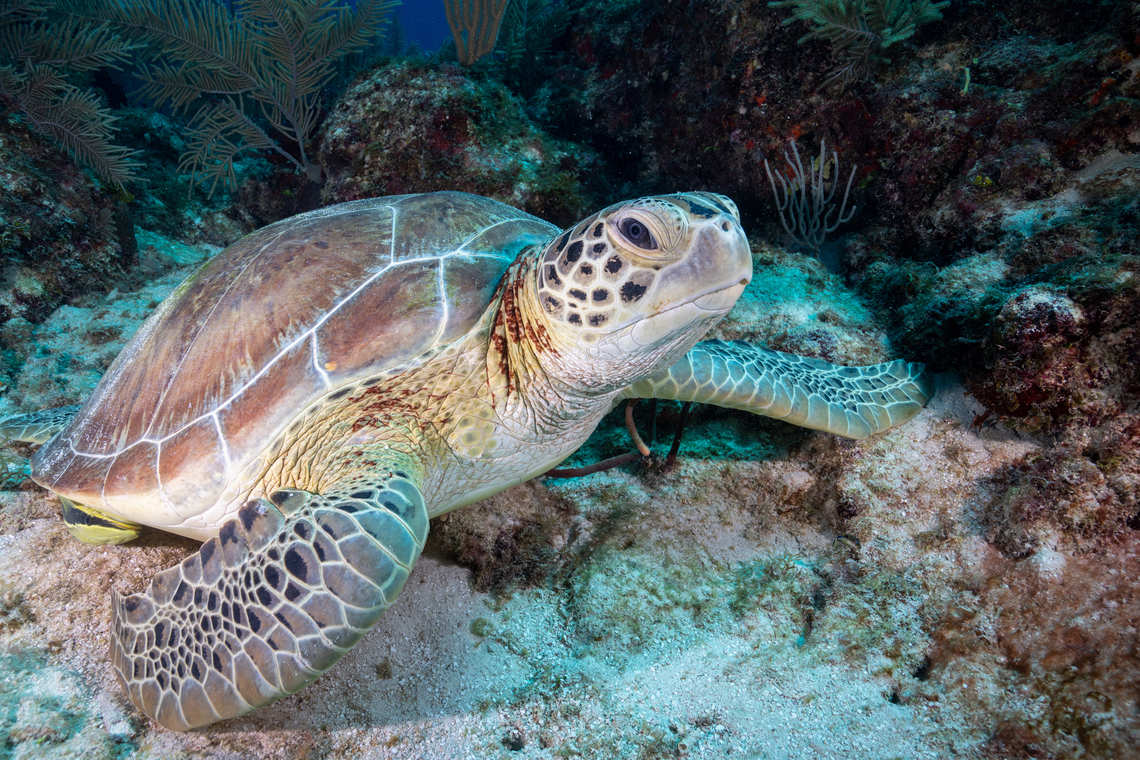
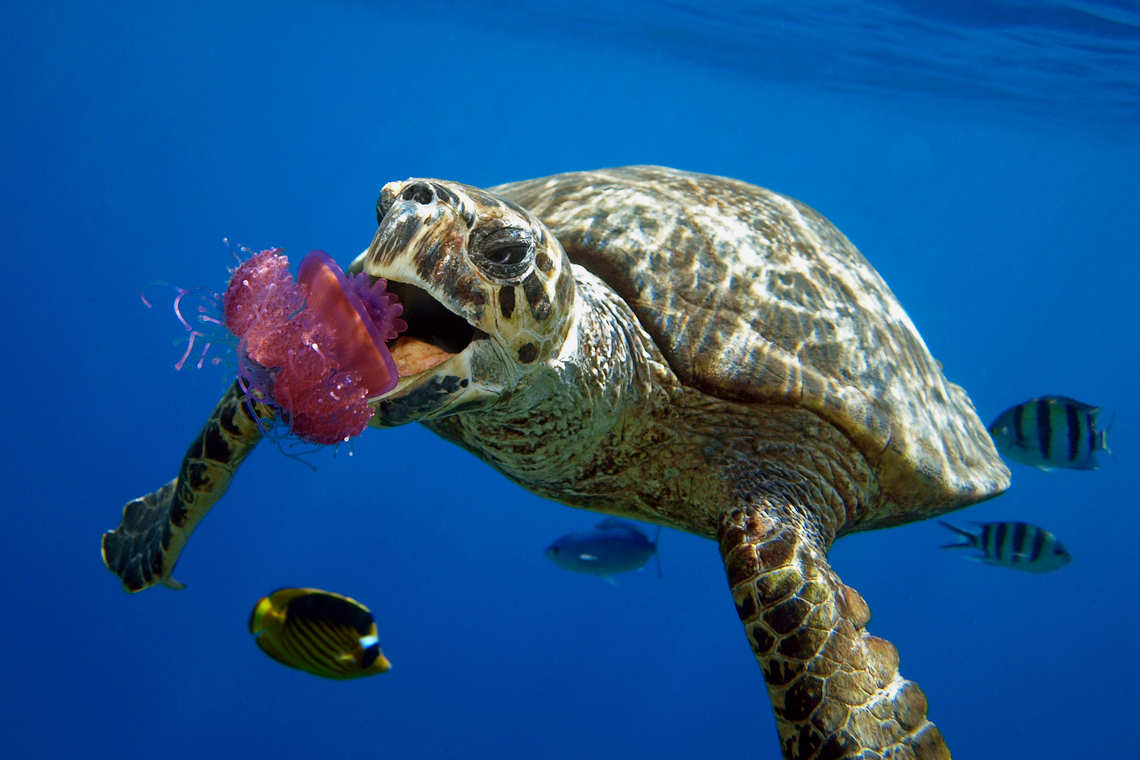
In the Galapagos, adult green sea turtles are often seen in shallow coastal habitats, bays, lagoons, rocky reefs, and algae-rich areas. Their diet changes as they mature. Juveniles may feed more opportunistically, taking both plant and animal matter, while adults are primarily herbivorous, grazing on algae and seagrasses. This diet links them closely to healthy coastal ecosystems.
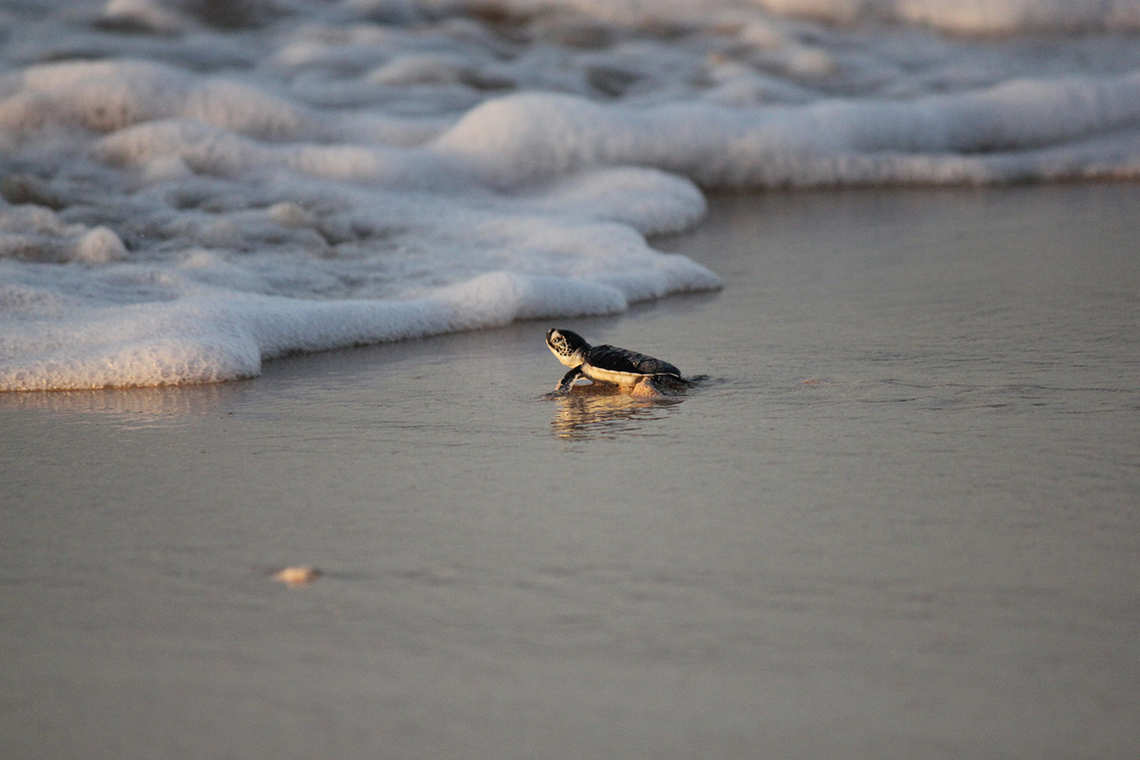
For snorkelers, this means the turtle you see underwater is usually not simply passing through. It may be feeding, resting, or moving through a familiar habitat. Watching one graze slowly over volcanic rock offers a glimpse into the everyday life of a wild animal perfectly adapted to the rhythm of the islands.
Snorkeling Beside a Galapagos Sea Turtle
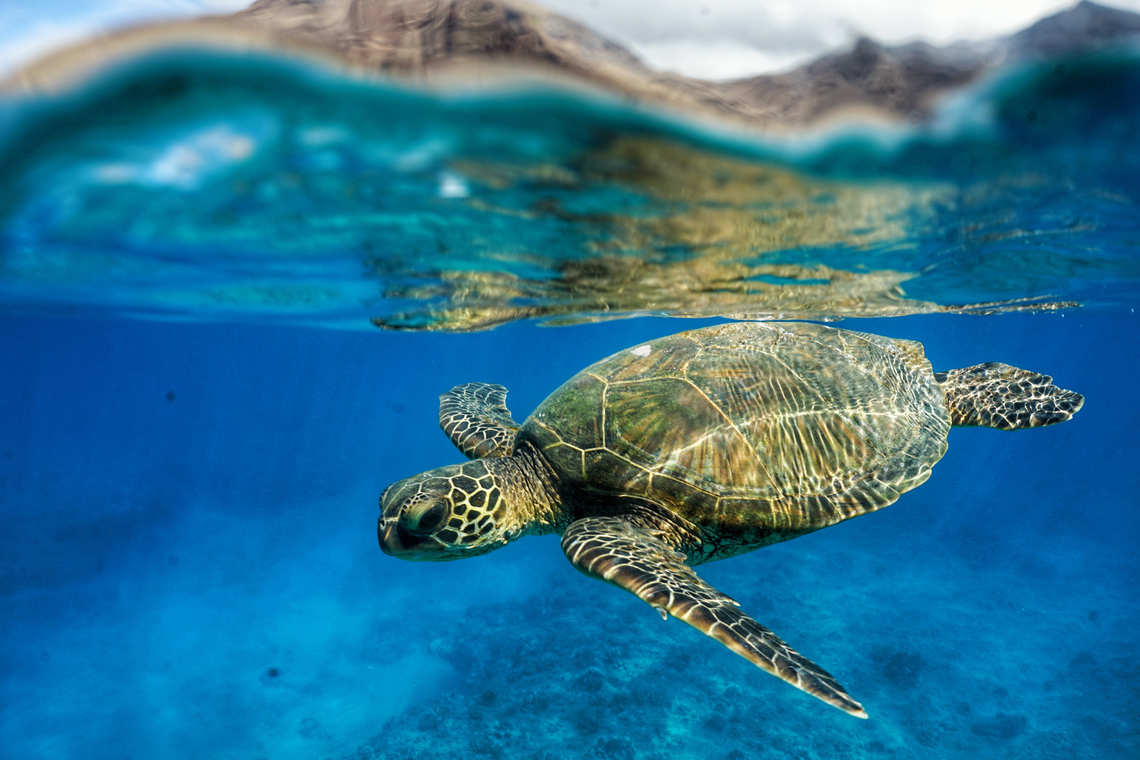
To swim with turtles in the Galapagos is often a lesson in stillness. The instinct may be to follow, to angle the camera, to close the distance. But the better approach is to float quietly and let the encounter unfold. A turtle may rise slowly to breathe, its head breaking the surface for a moment before it sinks again with a few steady strokes.
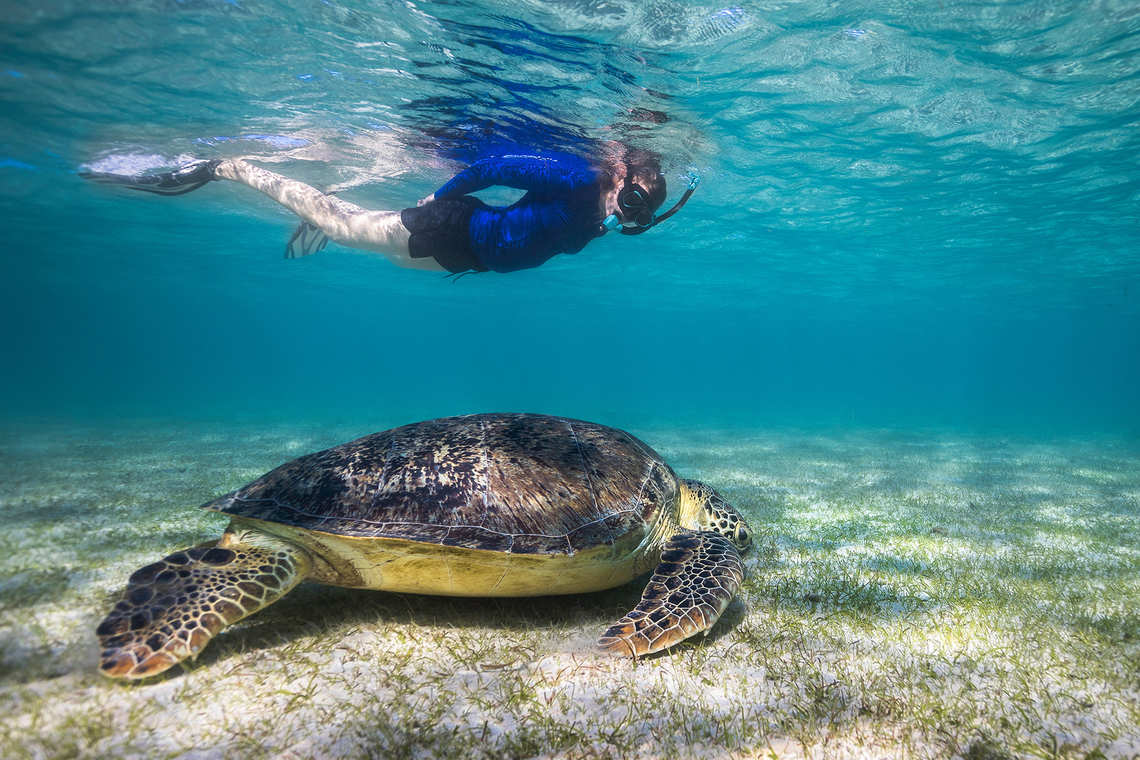
Seen underwater, the shell can look like weathered bronze or old volcanic stone. The turtle’s movements are economical, almost unhurried, yet it can disappear quickly when it chooses. The best encounters feel less like a performance than a privilege: a brief overlap between the traveler’s journey and the turtle’s daily route through reef, current, and sunlight.
Small-Ship Cruises are Great for Galapagos Snorkeling
The best Galapagos snorkeling sites are scattered across multiple islands, and many are easiest to experience as part of a carefully planned itinerary. This is where Galapagos small ship cruises can be especially valuable. Rather than staying on one island and relying only on day trips, travelers can move between distinct marine habitats, from the lava channels of Isabela to the beaches of Española and the volcanic formations near San Cristobal or Bartolome.
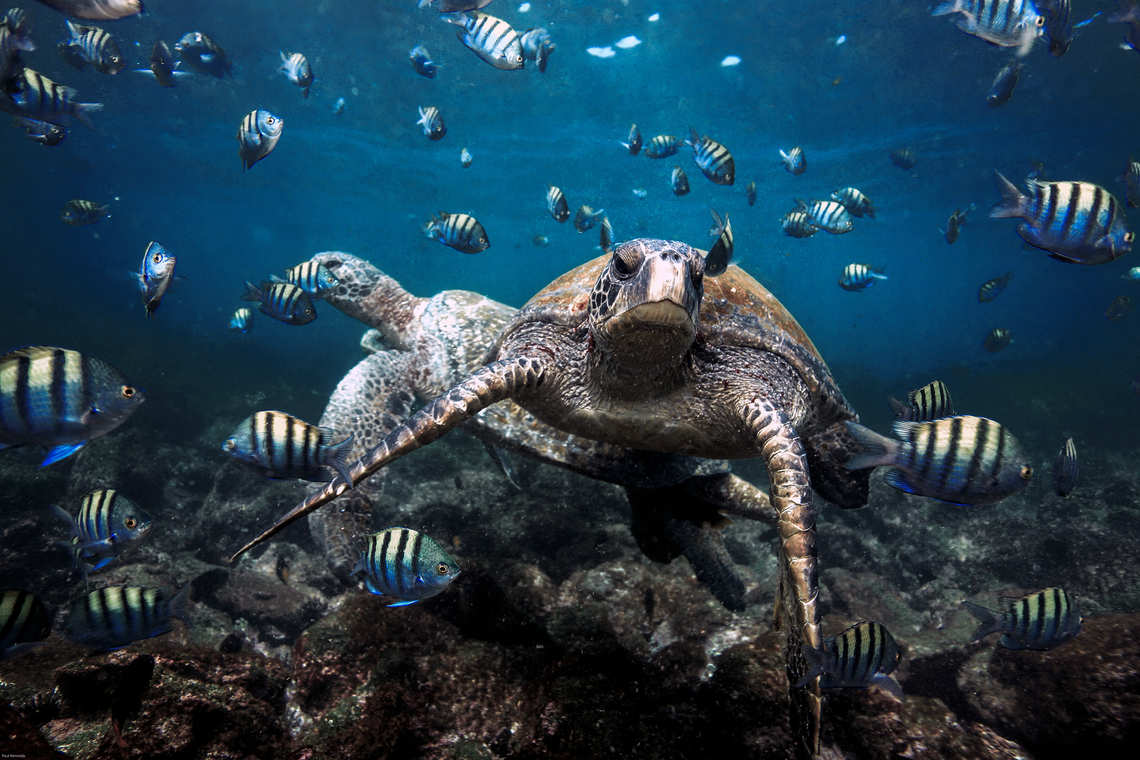
When choosing the best Galapagos cruise for snorkeling, the itinerary matters as much as the vessel. Look for routes that include strong wildlife and snorkeling stops such as Isabela, Floreana, Española, Bartolome, Santa Cruz, and San Cristobal. A good naturalist-guided cruise can help travelers understand not only where to snorkel, but what they are seeing when a turtle, ray, sea lion, or marine iguana enters the water nearby.
For travelers comparing Galapagos adventure tours, a small-ship cruise offers a practical advantage: more time near remote sites, less daily logistics, and the chance to wake up close to the next wildlife encounter.
Tips for Snorkeling with Sea Turtles in the Galapagos
Conditions vary widely between Galapagos snorkeling sites, so choose excursions that match your comfort level. Sheltered places such as Concha de Perla or calm bays may suit newer snorkelers, while sites such as Kicker Rock and Devil’s Crown can involve stronger currents and deeper water.
A wetsuit is useful, especially during the cooler season from June to November. Use reef-safe sun protection, follow your guide’s instructions, and avoid standing on rocks or coral. Most importantly, give sea turtles space. Do not touch, chase, feed, or surround them. If a turtle approaches, remain calm and let it pass. Responsible encounters protect the animal and often create a better experience for the traveler.
Quiet Encounters in an Evolutionary Seascape
To snorkel with a Galapagos sea turtle is to enter a world shaped by lava, current, migration, and survival. The islands may be famous for finches, tortoises, and Darwin’s legacy, but underwater, evolution feels just as vivid. A turtle moving over black volcanic rock carries the story of the archipelago in a single, graceful motion.

For travelers seeking the best places to swim with turtles, the Galapagos offers more than a wildlife sighting. It offers context: wild beaches, protected waters, expert-guided excursions, and small-ship itineraries designed around nature’s rhythms. Whether as part of a Galapagos islands cruise, a snorkeling-focused adventure, or a wider exploration of the archipelago, swimming beside a sea turtle is one of the Galapagos’ most unforgettable moments.
This article was developed with AI assistance and reviewed and edited for accuracy, quality, and relevance.