Seals of the Arctic: Spot Them from a Small Ship
Few animals are as closely tied to the Arctic's frozen seas as its seals. Five species make the region their permanent or seasonal home: the ringed seal, bearded seal, harbor seal, harp seal, and hooded seal, alongside the walrus, a larger pinniped relative. For travelers exploring the far north aboard a small expedition ship, these animals are often the first marine mammals encountered, hauled out on ice floes or surfacing beside a zodiac in a quiet fjord.
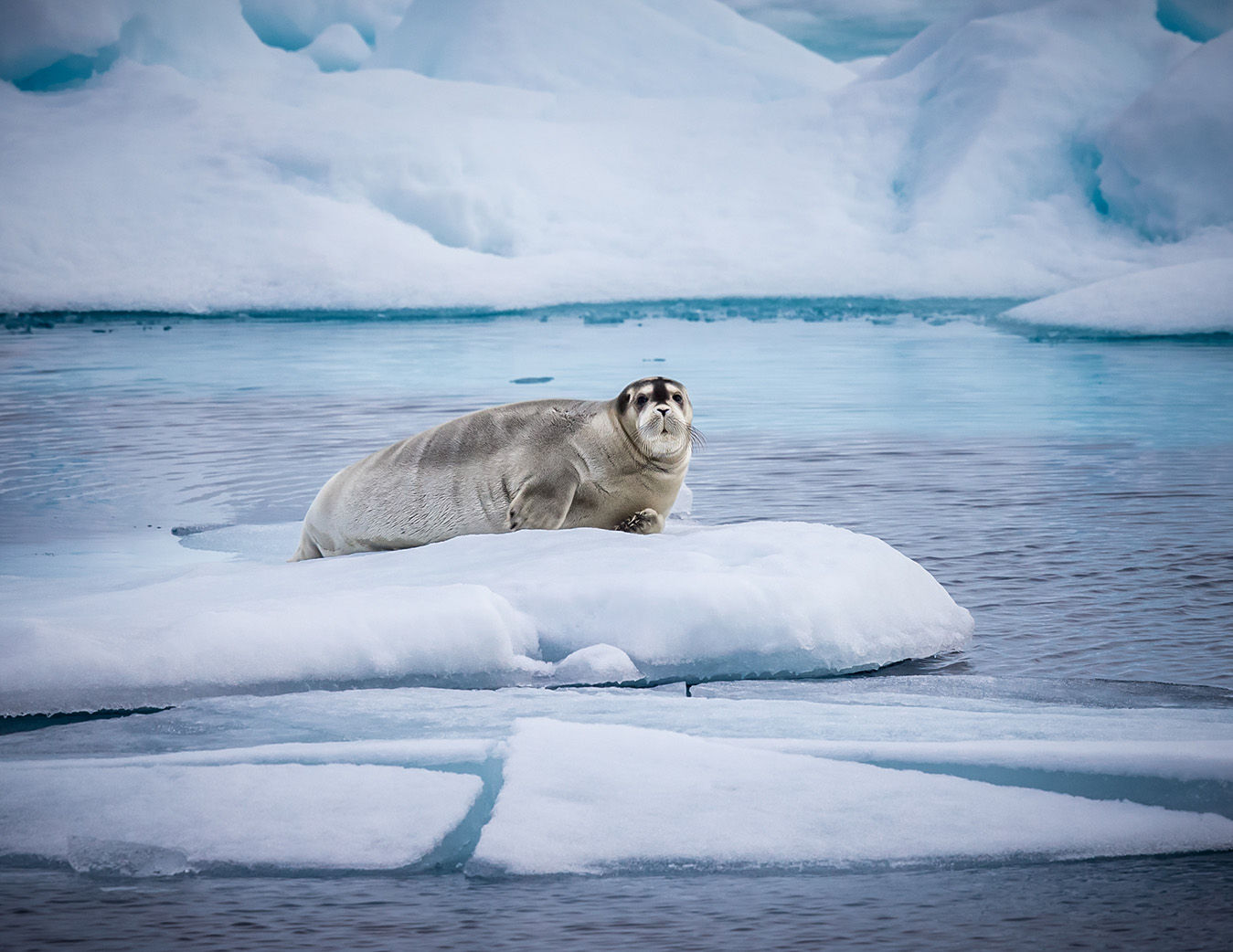
A pinniped-rich, ice-dependent world
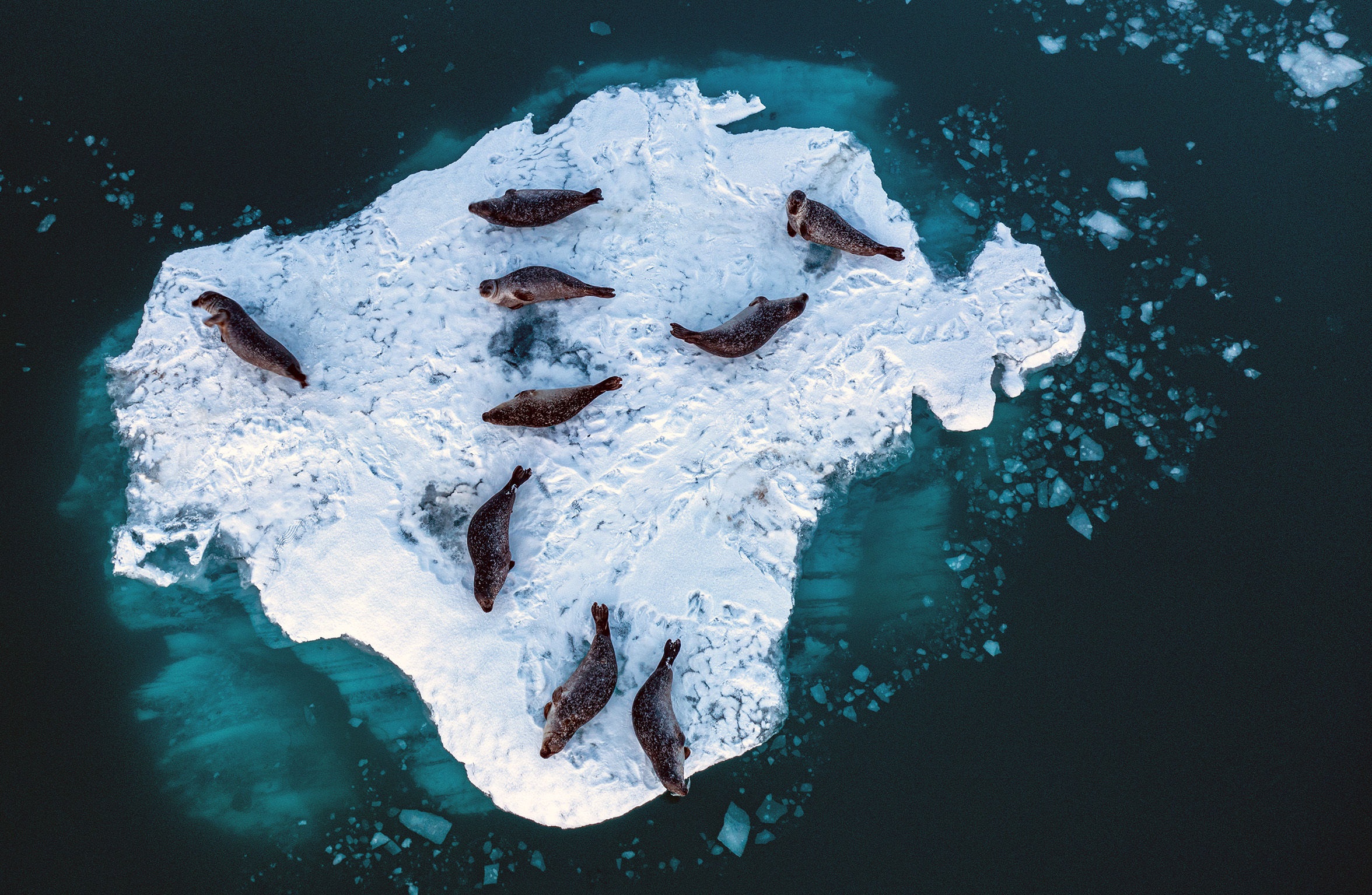
Arctic seals share one defining trait: a life built around sea ice. They use it as a platform for resting, molting, and avoiding predators, and several species depend on stable ice specifically for giving birth and nursing pups. This reliance also makes them a useful indicator of the health of the wider Arctic ecosystem. As sea ice forms later and breaks up earlier across parts of the region, researchers are tracking how seal distribution and breeding success are shifting in response, though patterns vary by species and location.
Ringed seal: the Arctic's smallest and most widespread seal
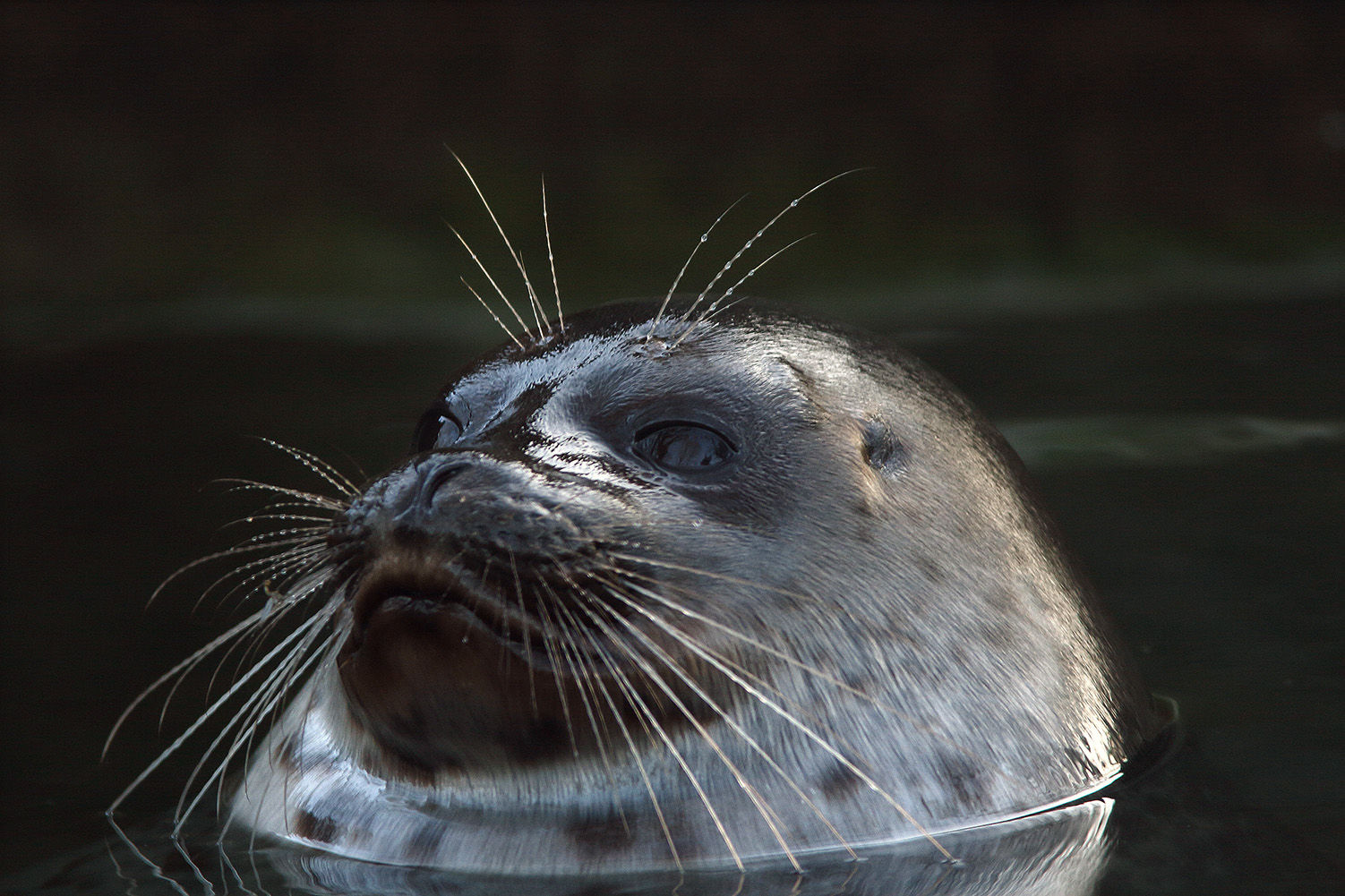
The ringed seal is the smallest seal in the Arctic, typically measuring around 120 to 150 centimeters and weighing 50 to 70 kilograms as an adult, with a coat marked by pale rings against darker fur. It ranges across nearly all seasonally ice-covered seas of the Northern Hemisphere, from the Arctic Basin to the Bering and Baltic Seas. Females give birth to a single pup in a snow-covered lair on the ice, usually in late winter or early spring, and nurse it for several weeks before it can fend for itself. The species is also central to Arctic food webs: ringed seals are the primary prey of polar bears, and their pupping success often reflects broader ice conditions in a given year.
Bearded seal: the largest of the Arctic's true seals
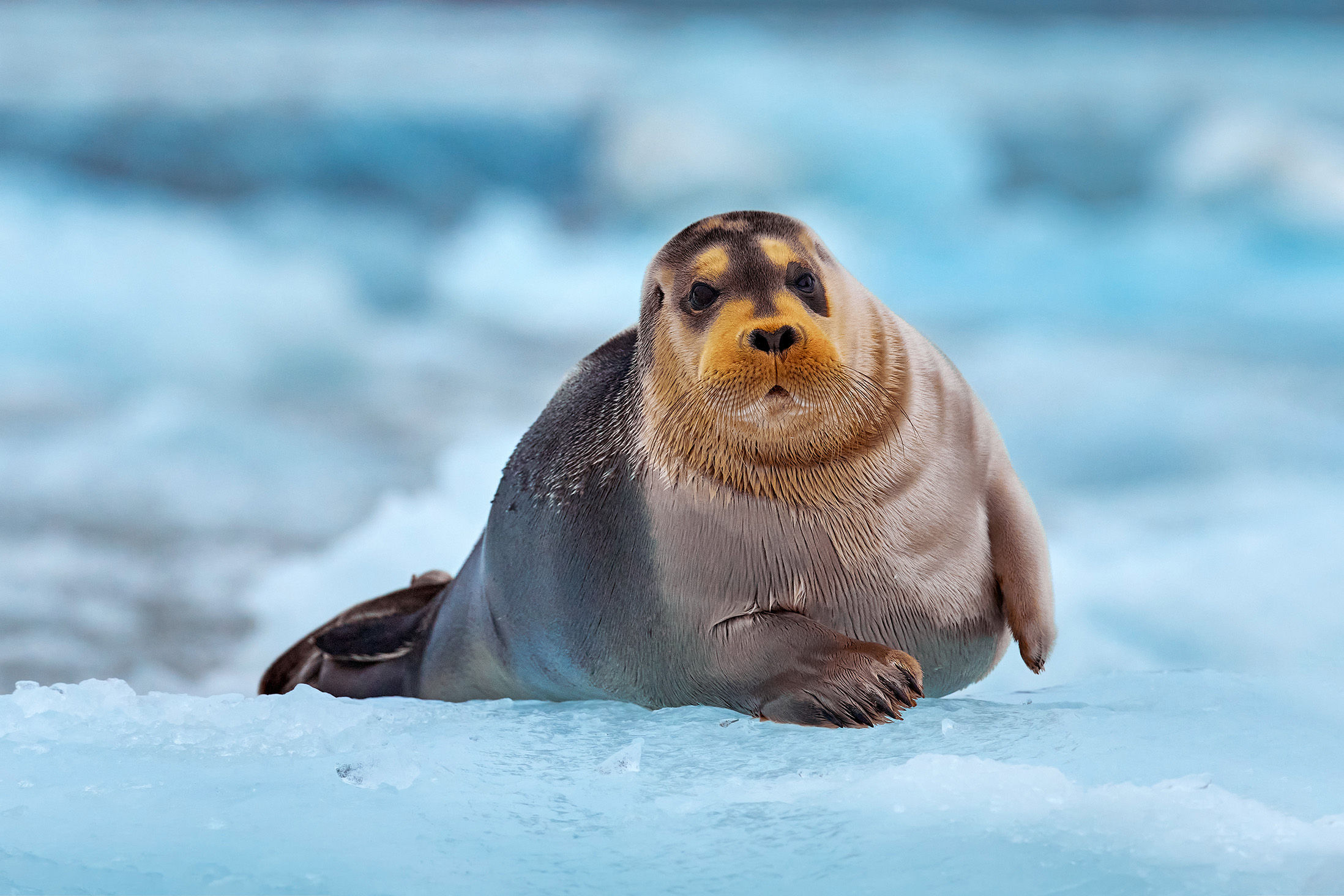
Named for its long, dense whiskers, the bearded seal is the largest true seal in the Arctic, with males reaching up to 400 kilograms in winter. It favors drifting pack ice over shallow continental shelf waters, where it dives to the seabed to feed on bottom-dwelling fish and invertebrates. Bearded seals are also notably vocal underwater; males produce long, descending calls during the breeding season, thought to serve both as territorial signals and as displays to attract mates.
Harbor seal, harp seal, and hooded seal: three more Arctic specialists
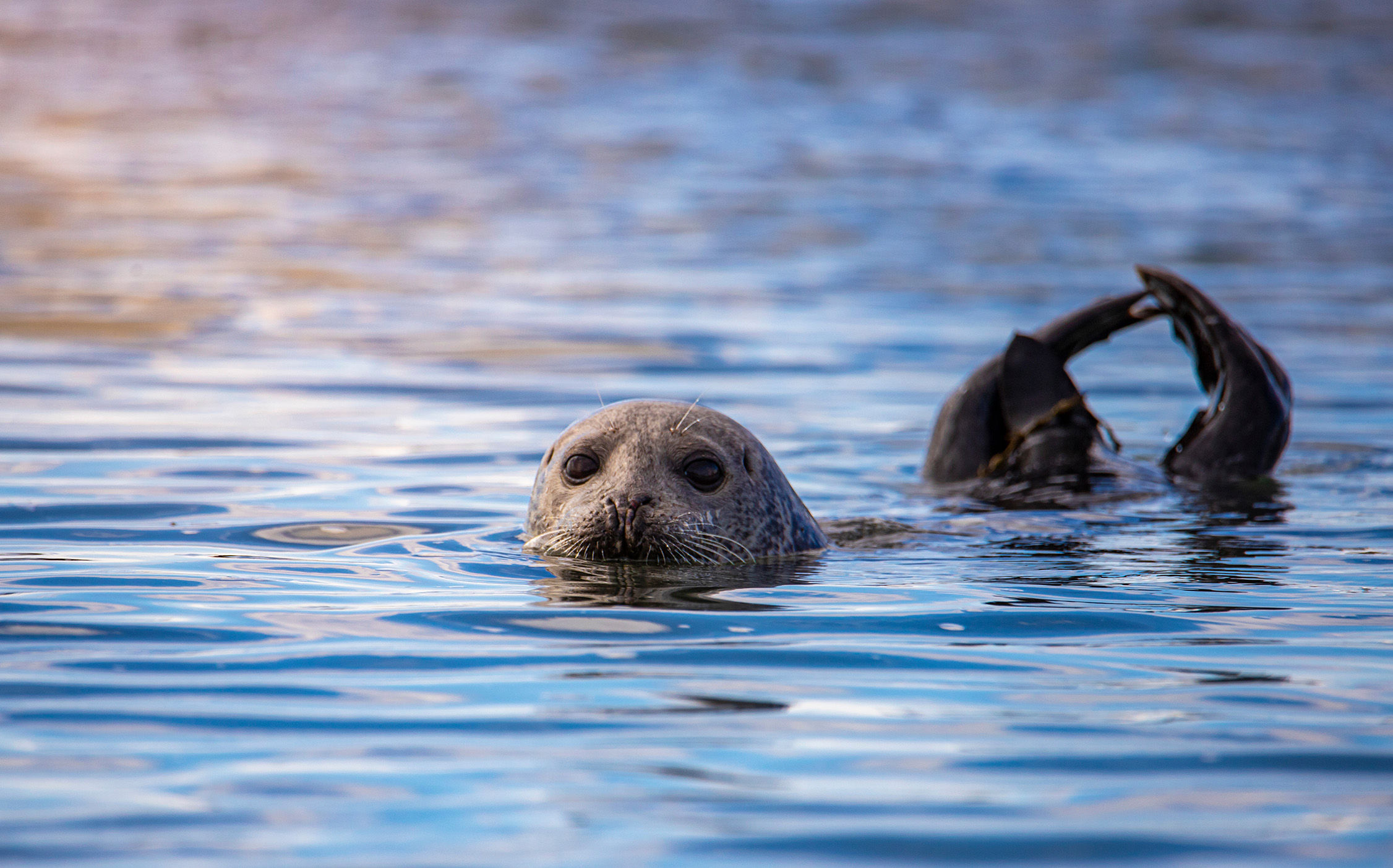
Harbor Seal
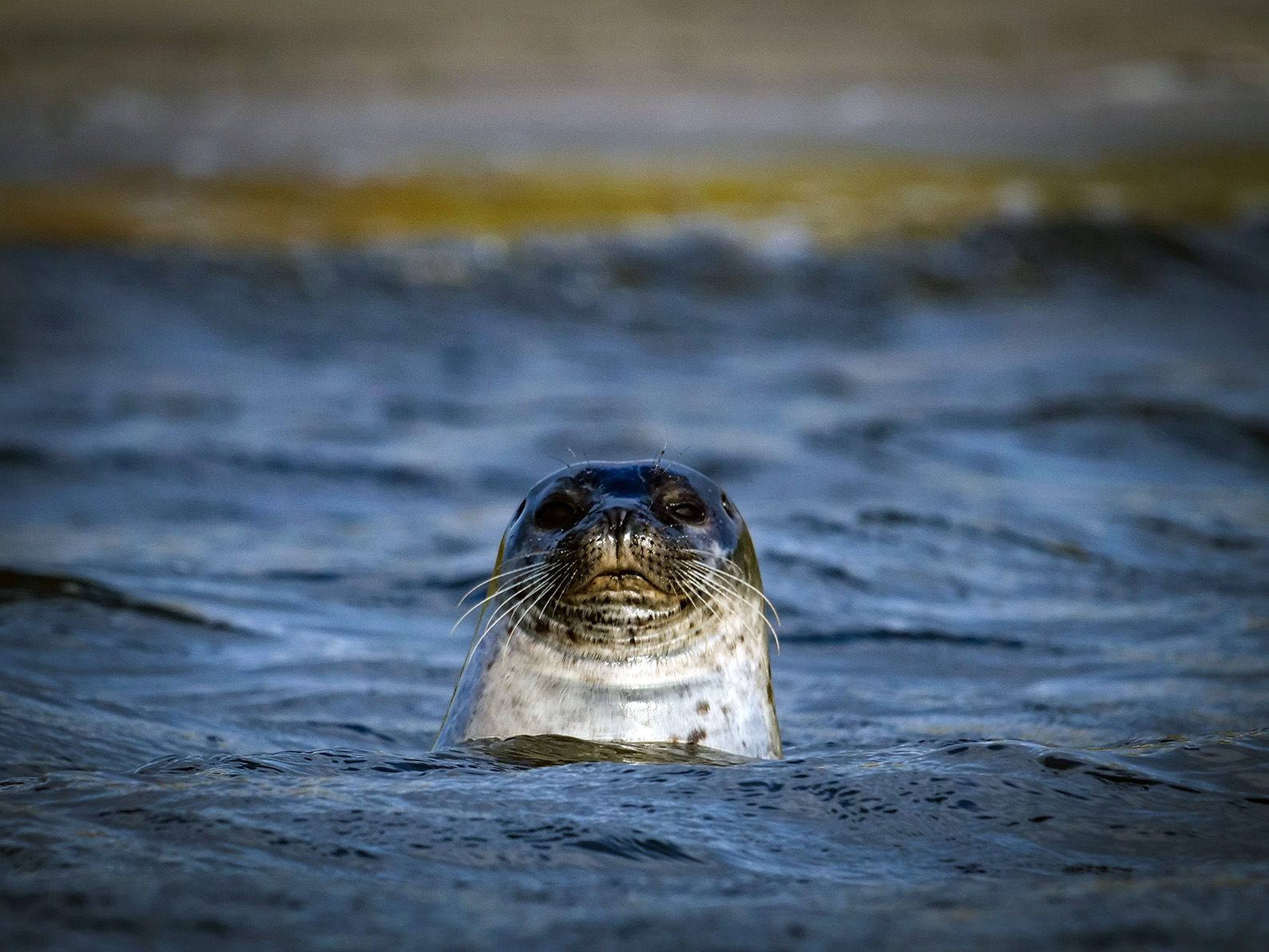
Three further species round out the Arctic seal picture, each adapted to a slightly different niche. The harbor seal is more coastal than its Arctic relatives, hauling out on rocky shores and skerries from northern Norway to parts of the North Pacific, and can be distinguished by its V-shaped nostrils.
Harp Seal
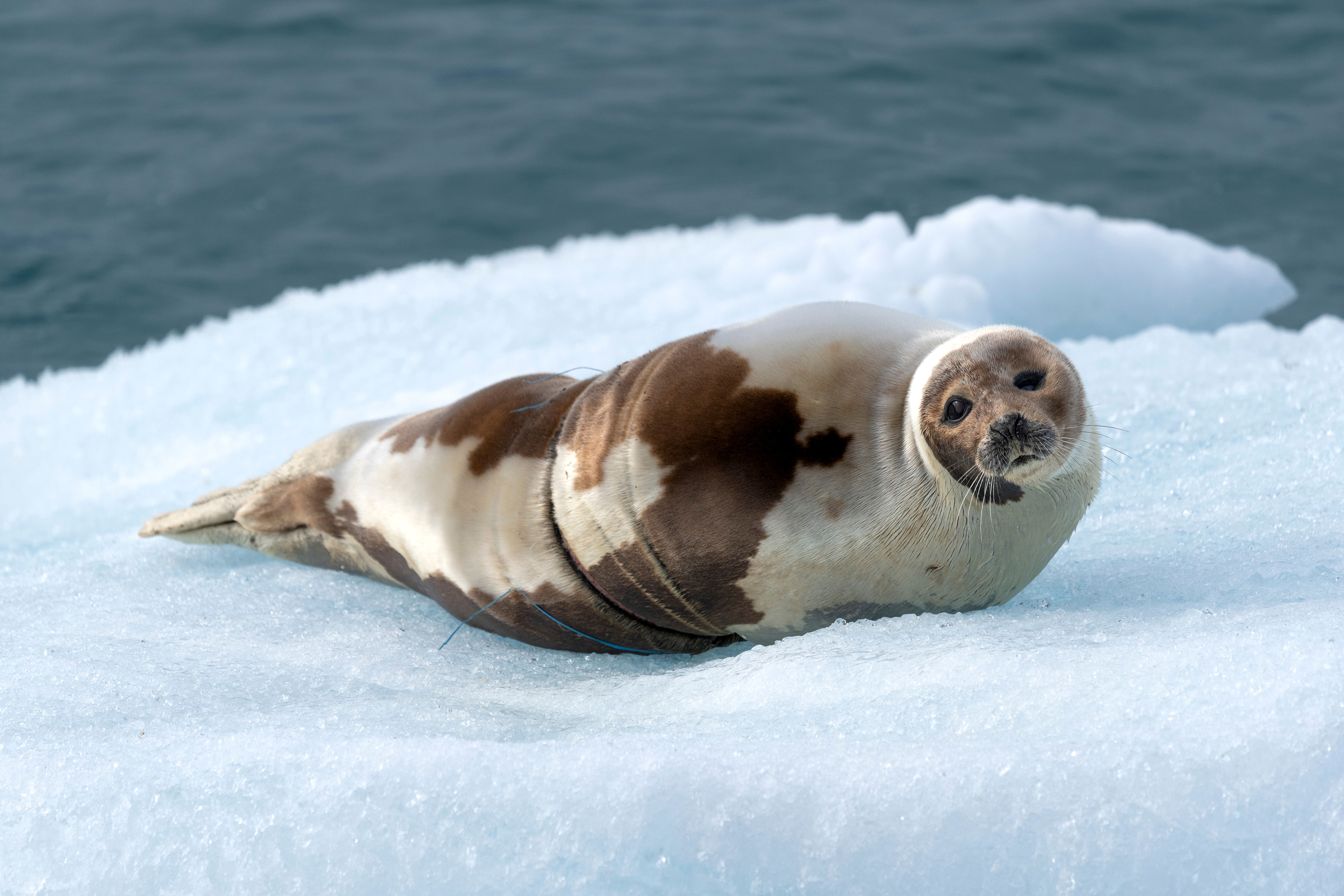
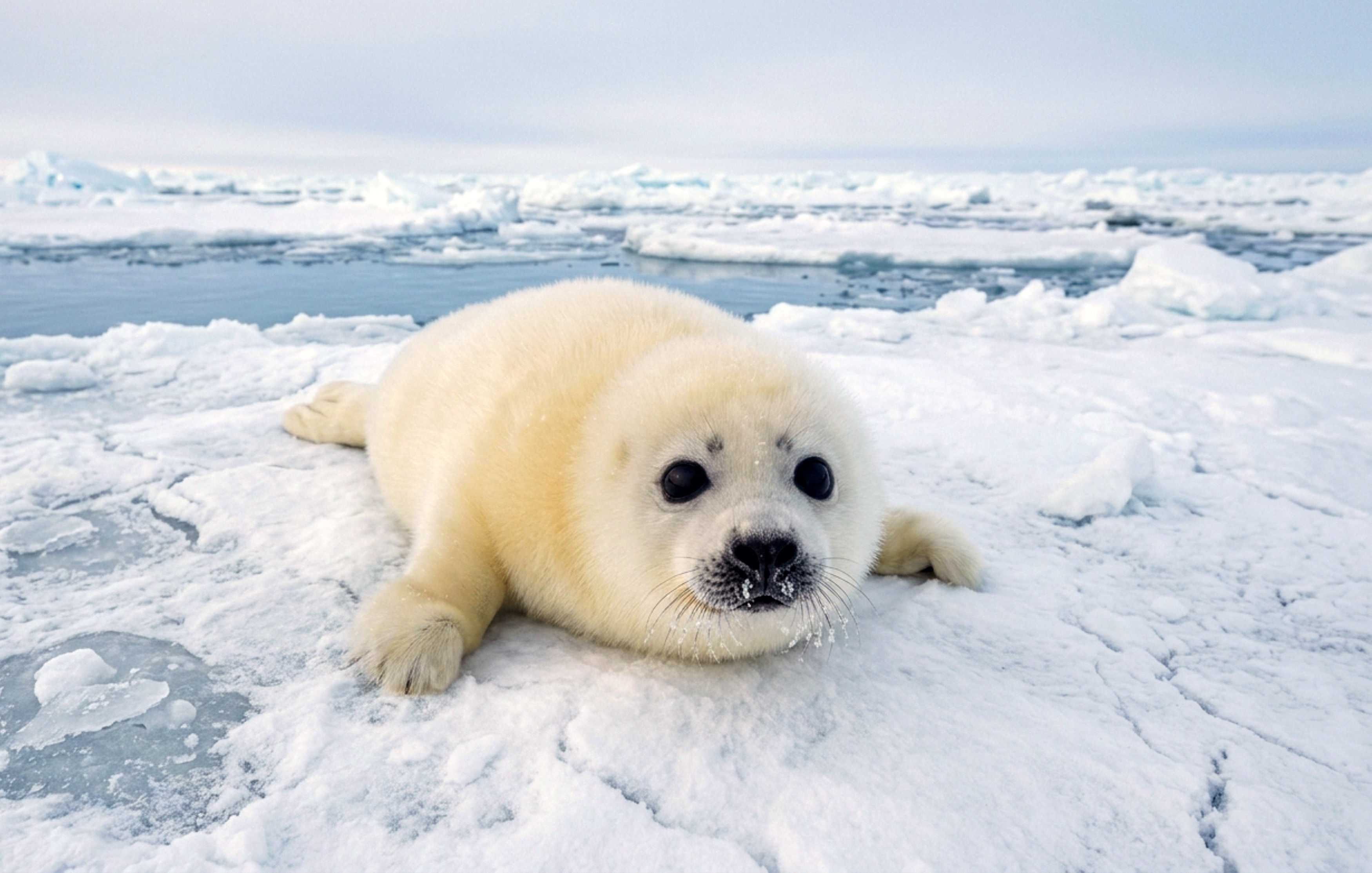
The harp seal takes its name from the dark, harp-shaped marking that develops across an adult's back and flanks; its pups are born pure white, an adaptation that helps them retain body heat on the ice.
Hooded Seal
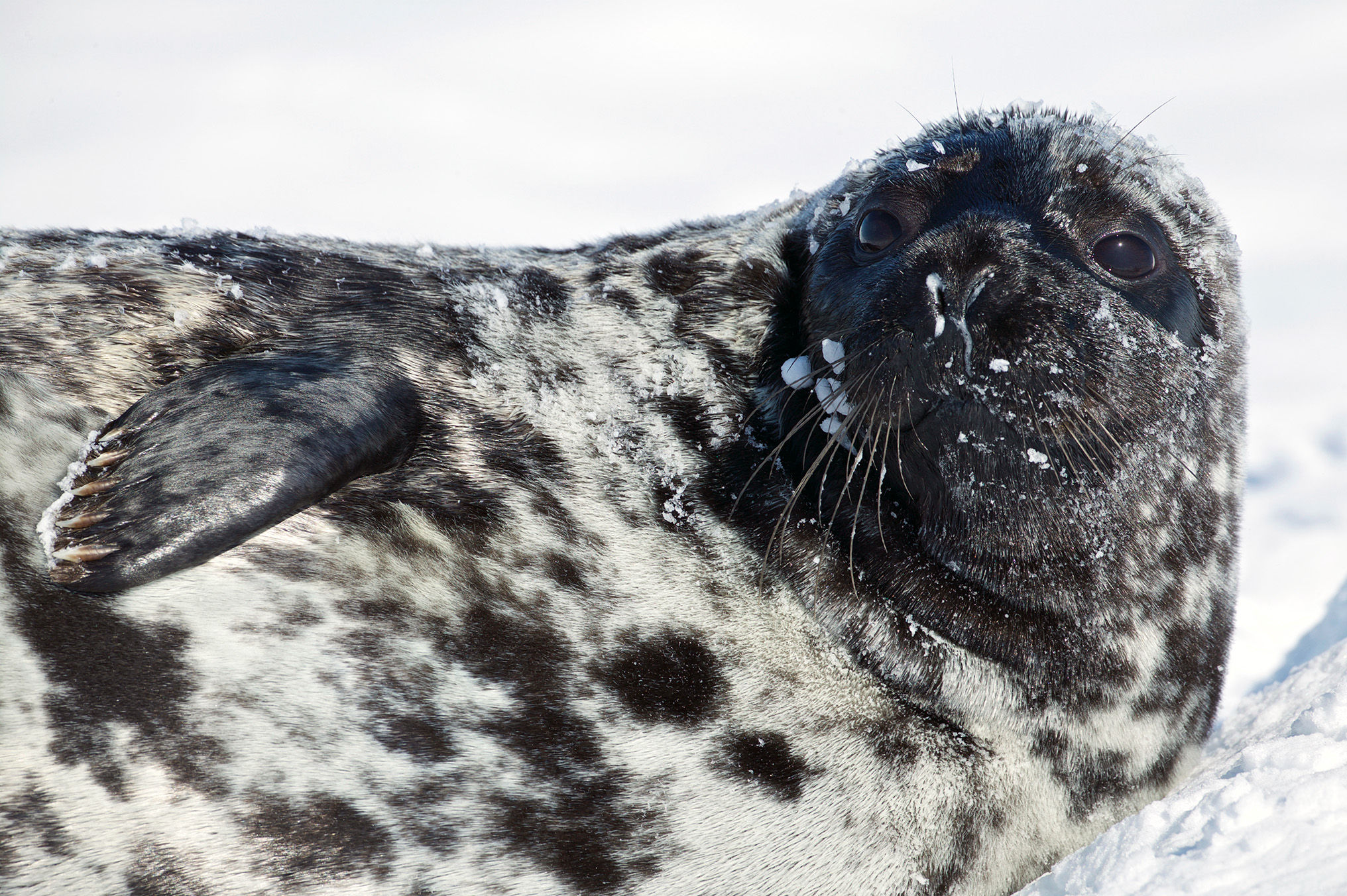
The hooded seal, less frequently encountered, is known for the inflatable nasal sac that adult males display during the breeding season and for its exceptionally deep-diving ability. Harp and hooded seals both rely on drifting sea ice in the Greenland Sea and similar areas as breeding grounds, gathering there in most years to give birth and nurse their pups.
Walrus: a close pinniped relative
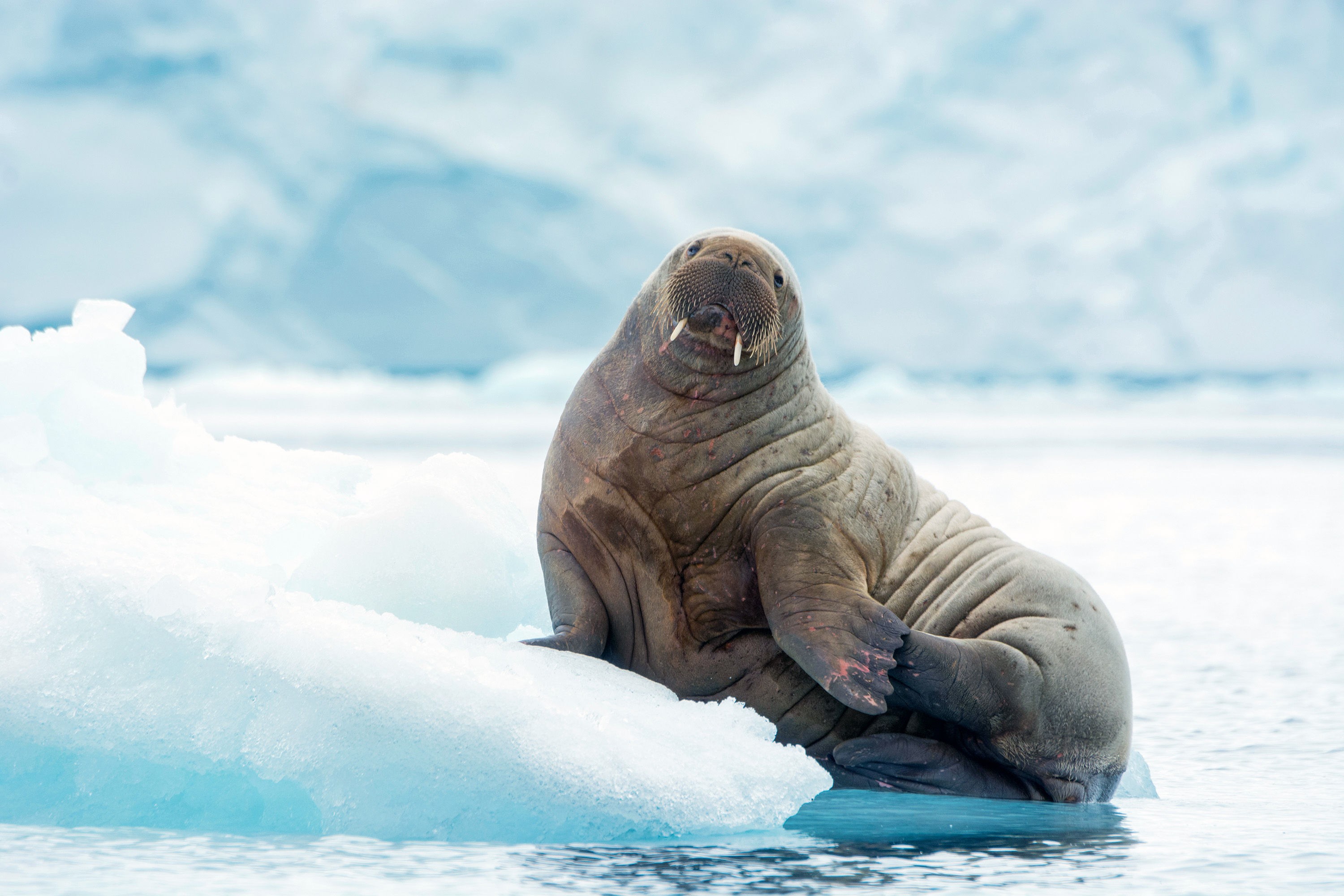
Although often grouped with seals in casual conversation, the walrus belongs to its own family within the pinniped order. It is considerably larger than any Arctic seal, feeds mainly by grazing the seabed for mollusks, and is instantly recognizable by its long tusks. Walrus populations in parts of the Arctic, including Svalbard, have been recovering after historical overhunting, and small groups are now seen with some regularity along certain coastlines.
Where small-ship cruises encounter Arctic seals
Small-ship itineraries in the Arctic typically run from May to September, when retreating sea ice opens routes into fjords and along ice edges where seals are most active.
Svalbard and Spitsbergen
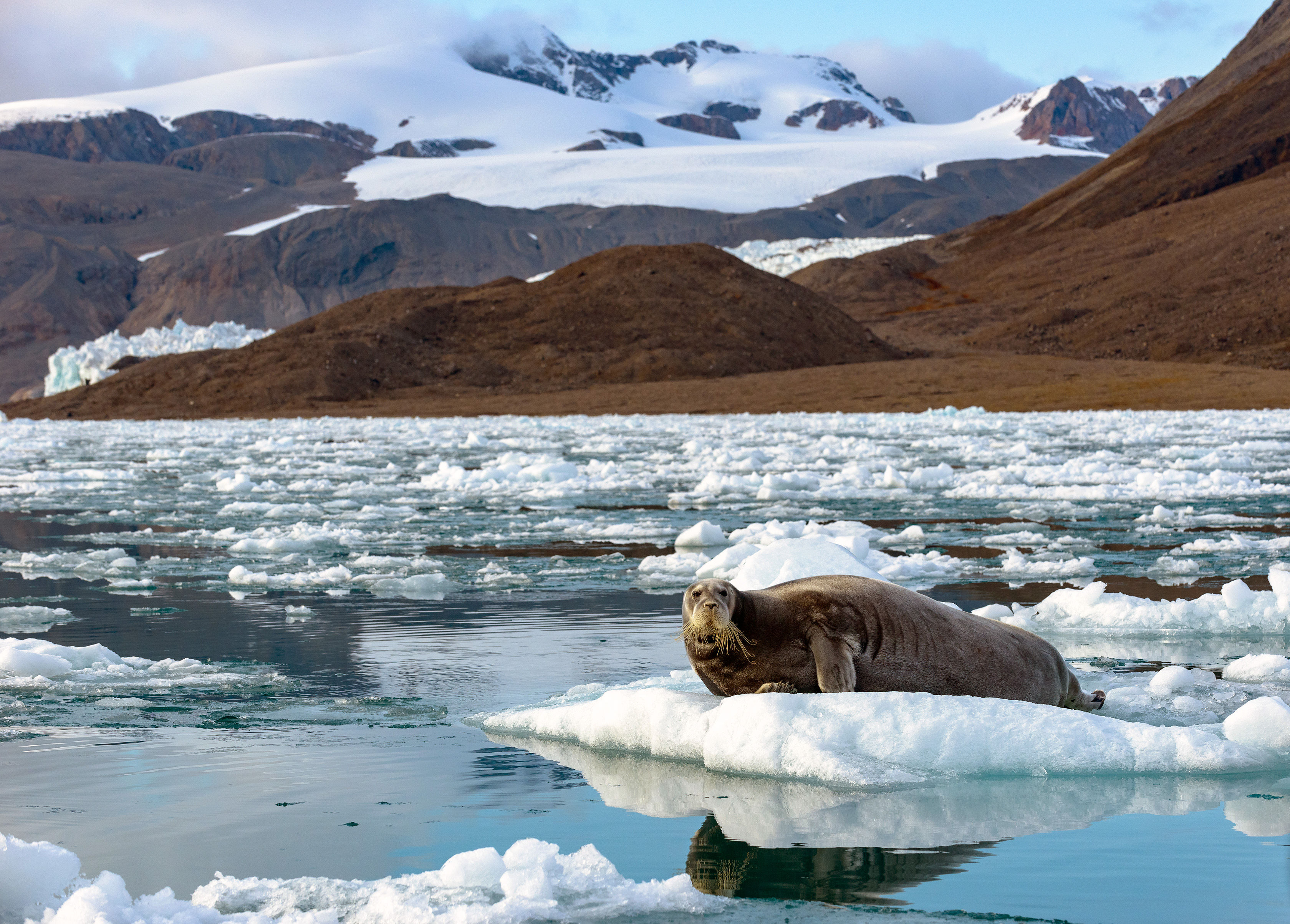
Most small-ship cruises around Svalbard depart from Longyearbyen and explore the archipelago's fjords and pack ice, where bearded and ringed seals are among the wildlife travelers may encounter, often alongside walrus, polar bears, and a range of seabirds. Several of these routes focus specifically on Spitsbergen, the largest island in the group and a reliable base for wildlife-focused itineraries.
Northern Norway
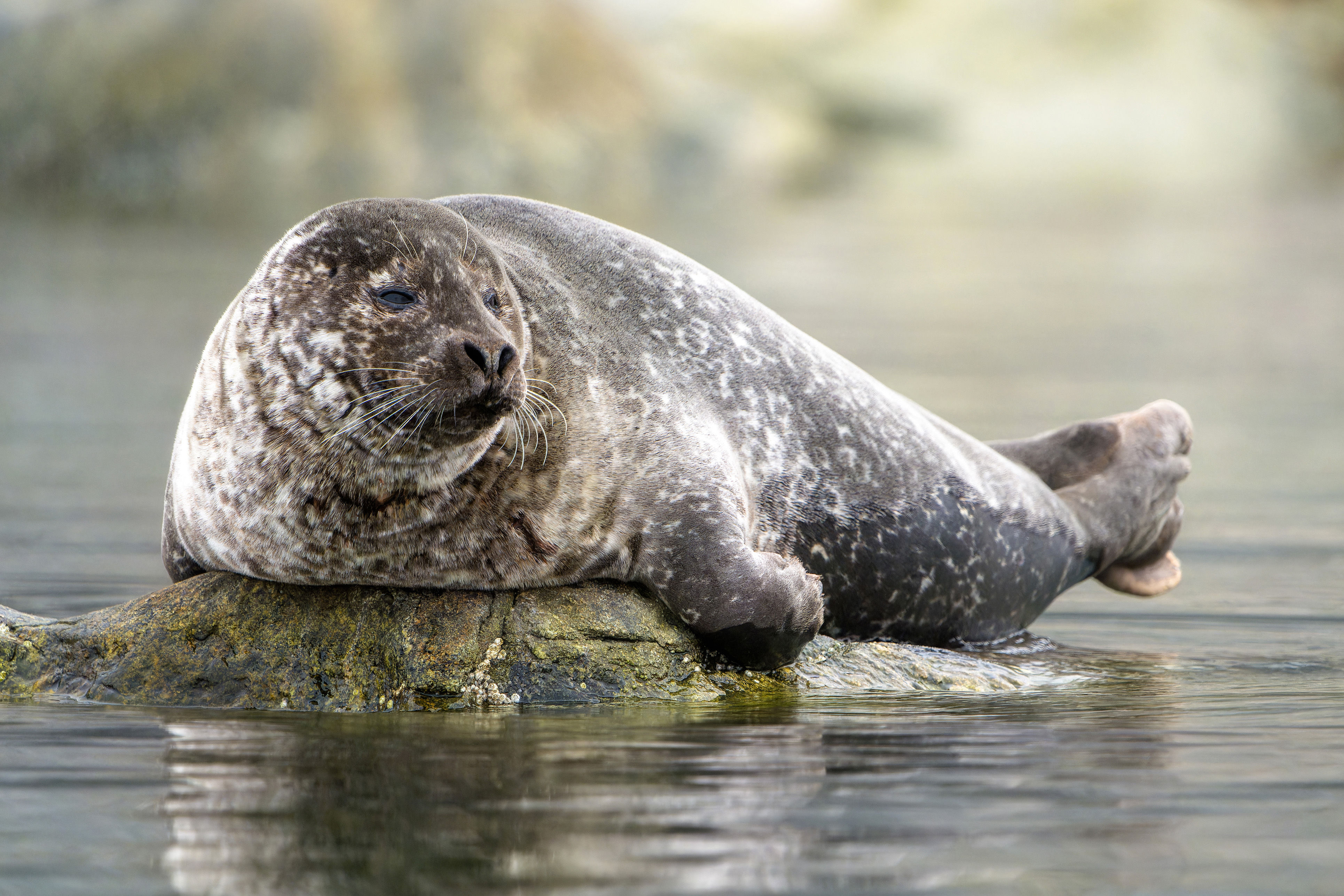
Small-ship voyages along Norway's Arctic coast occasionally bring harbor seal sightings closer to shore, in a landscape better known for its dramatic fjords and Northern Lights viewing.
Greenland
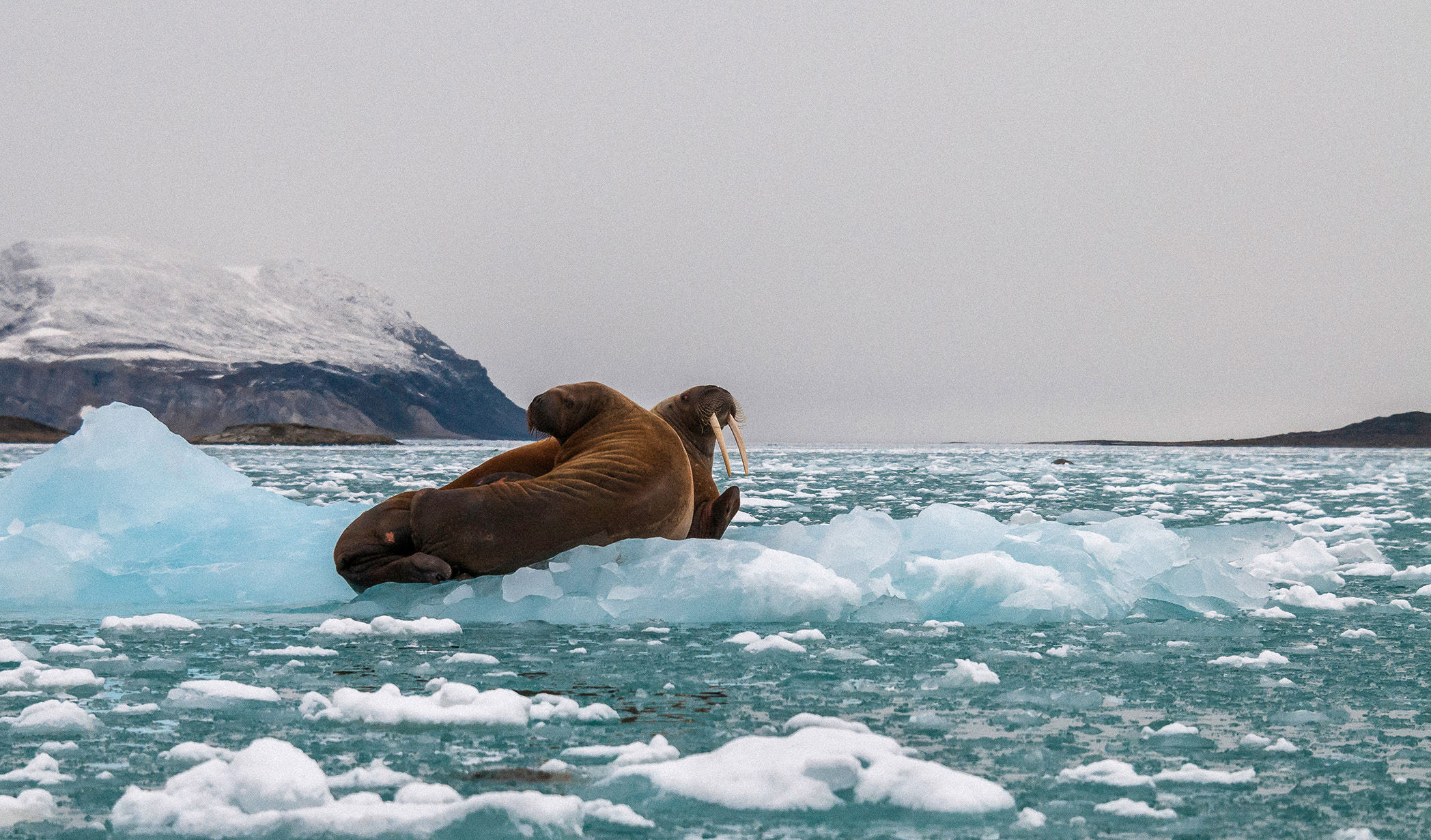
Cruises through the Greenland Sea pass near areas historically used as breeding grounds by harp and hooded seals, in addition to striking iceberg formations calved from the ice sheet.
Iceland
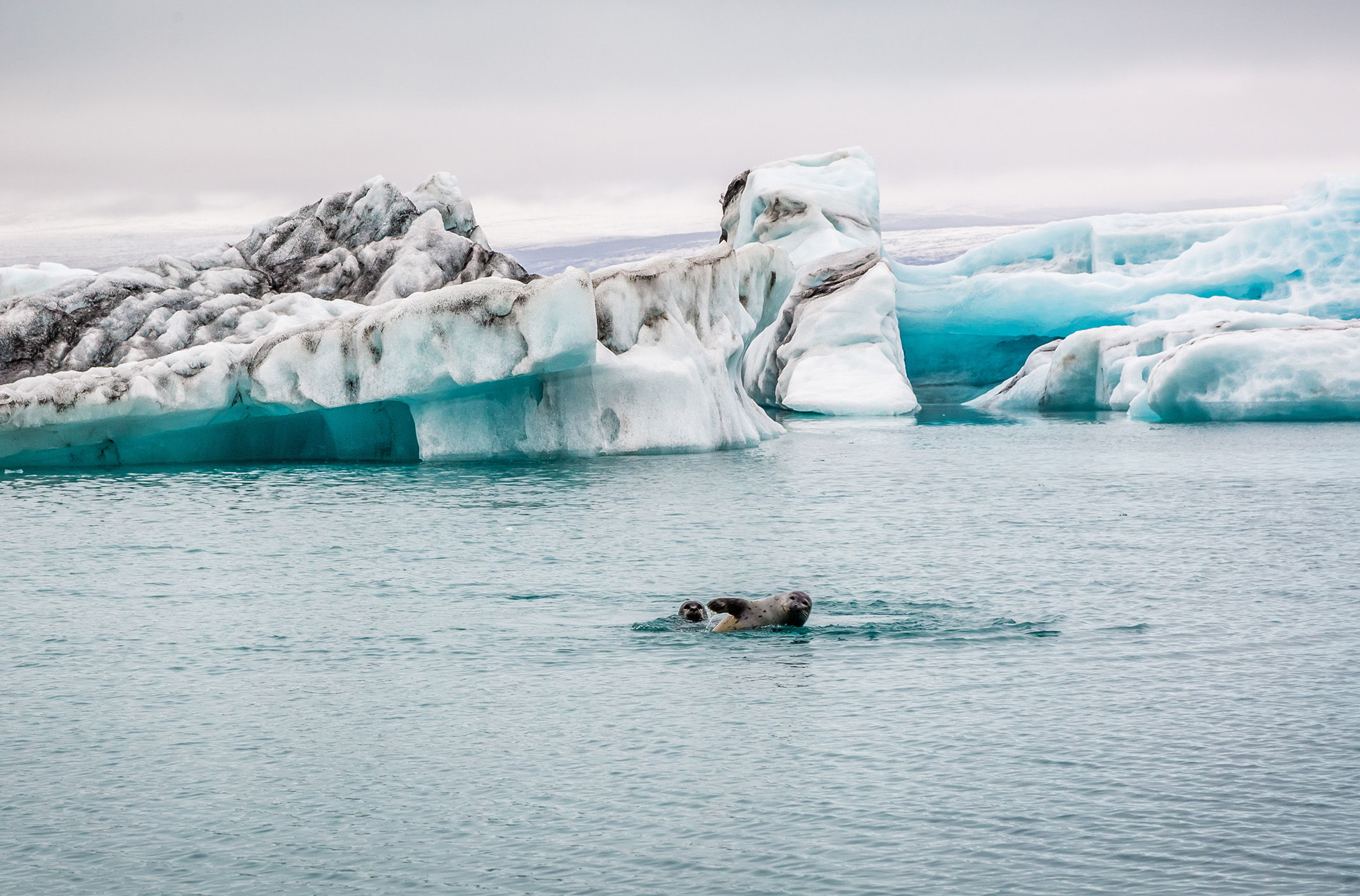
Frequently used as an embarkation or disembarkation point for Arctic small-ship itineraries, Iceland's own coastline hosts seal colonies, giving travelers a chance for sightings before or after a polar voyage.
Arctic Canada
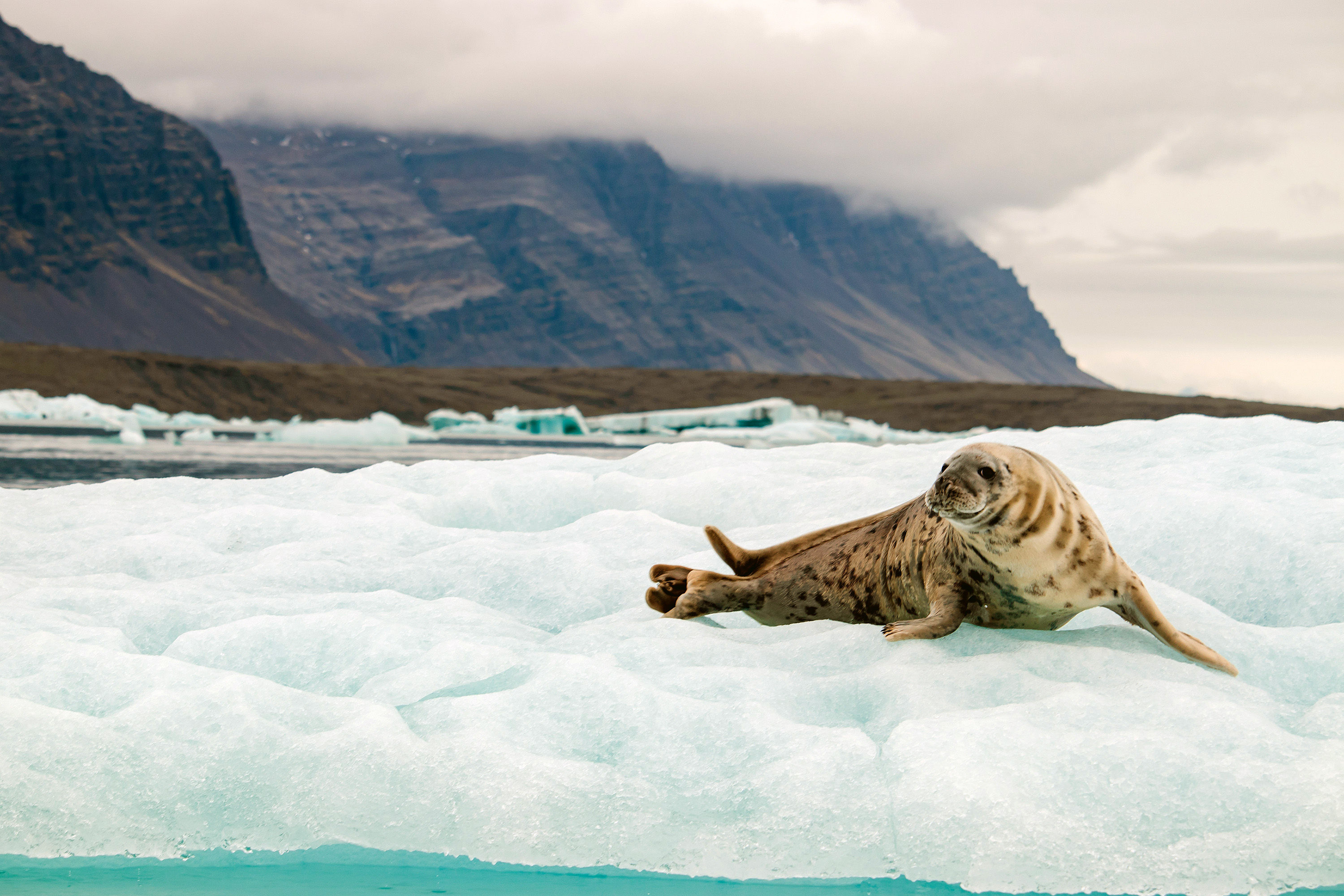
Expeditions along the ice-edge regions of Arctic Canada can bring encounters with seals, walruses, and polar bears, often woven into itineraries that include visits to Inuit communities. In every case, seal sightings depend heavily on ice conditions, weather, and the specific route a ship follows that season, so they should be considered a possibility rather than a guarantee.
Seasonal patterns and the limits of predictability
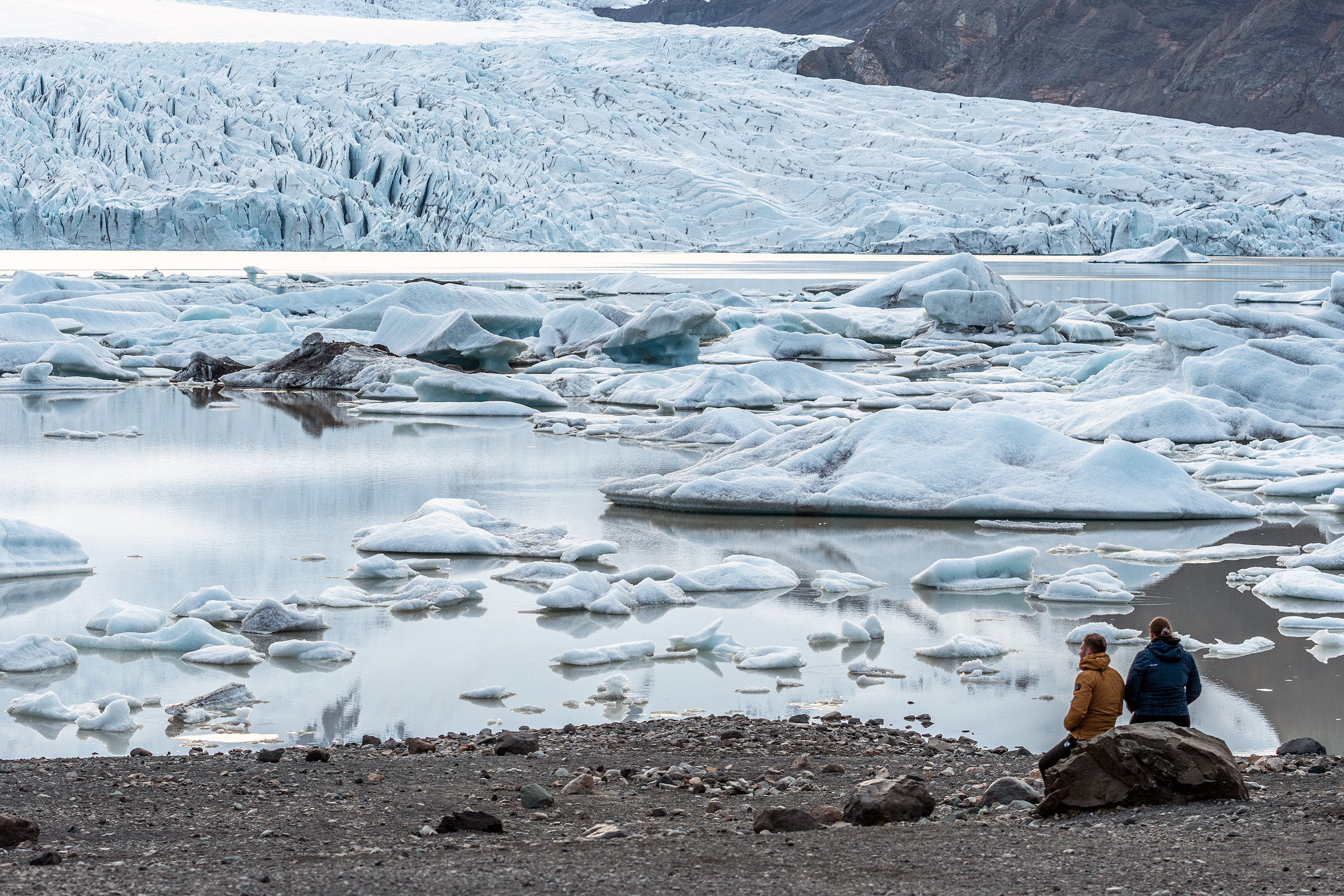
Because Arctic seals are so tightly linked to sea ice, their presence in a given area can shift considerably from one season to the next. A route that produced strong sightings the previous year may see little seal activity if ice retreats early or forms in a different location. Expedition teams adjust their routes accordingly, and experienced guides can often explain the reasoning behind a particular day's course. Wildlife calendars published for the region are best treated as general guides to seasonal patterns rather than assurances of what a specific voyage will encounter.
Responsible seal-watching from a small ship
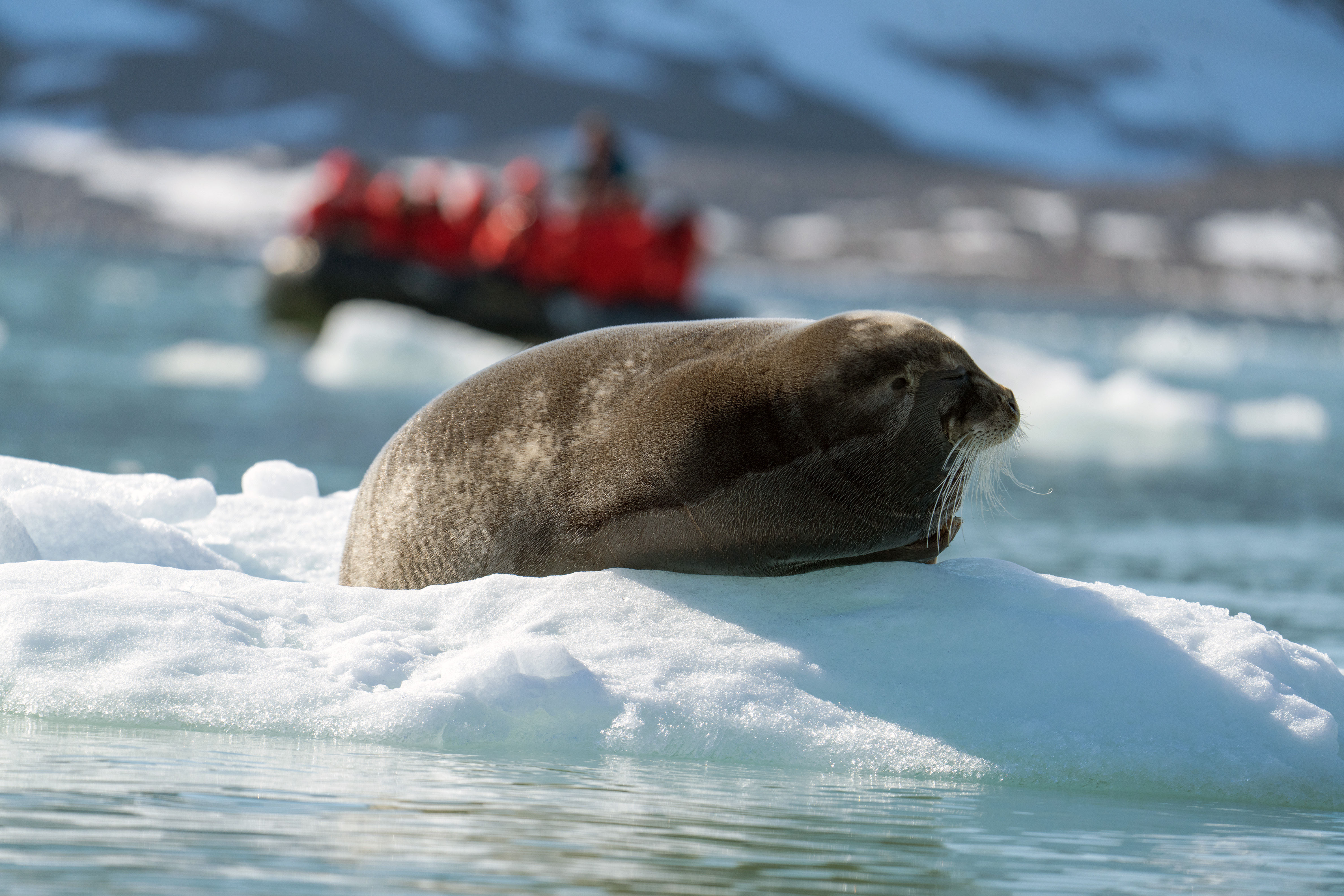
Most small-ship operators in the Arctic follow guidelines designed to minimize disturbance to seals and other wildlife. Zodiacs typically maintain a set distance from hauled-out animals, particularly during pupping and molting periods when seals are most vulnerable to stress.
Travelers are expected to follow their expedition guide's instructions at all times, avoid sudden movements or loud noises near wildlife, and respect any restrictions in place within marine protected areas such as those covering parts of Svalbard and Greenland. These practices protect the animals and also tend to produce calmer, more natural wildlife behavior for observers to watch.
A shared thread through Arctic wildlife
Seals rarely dominate the itinerary of an Arctic small-ship voyage in the way polar bears or whales often do, but they are a near-constant presence along its edges, hauled out on ice, watching from the water, or gathered at a breeding site glimpsed from a distance. Understanding the different species and the ice they depend on adds a layer of context to what might otherwise be a passing sighting and connects directly to the broader story of how the Arctic itself is changing.
This article was developed with AI assistance and reviewed and edited for accuracy, quality, and relevance.