Polar Bears in the Wild
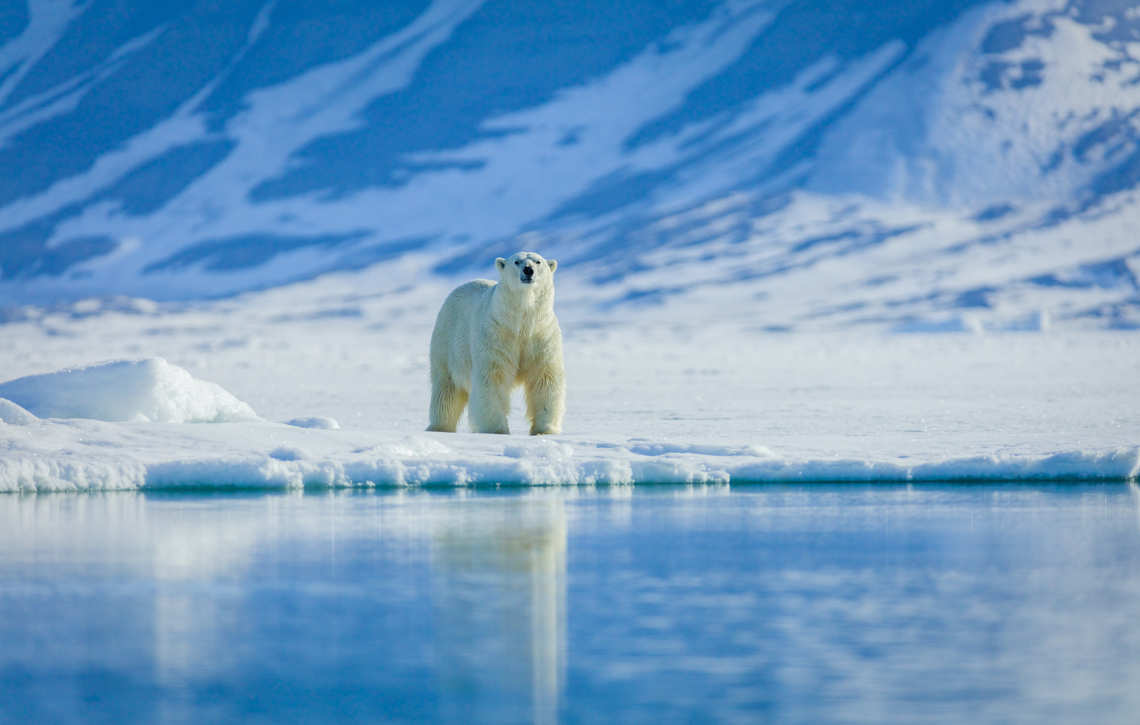
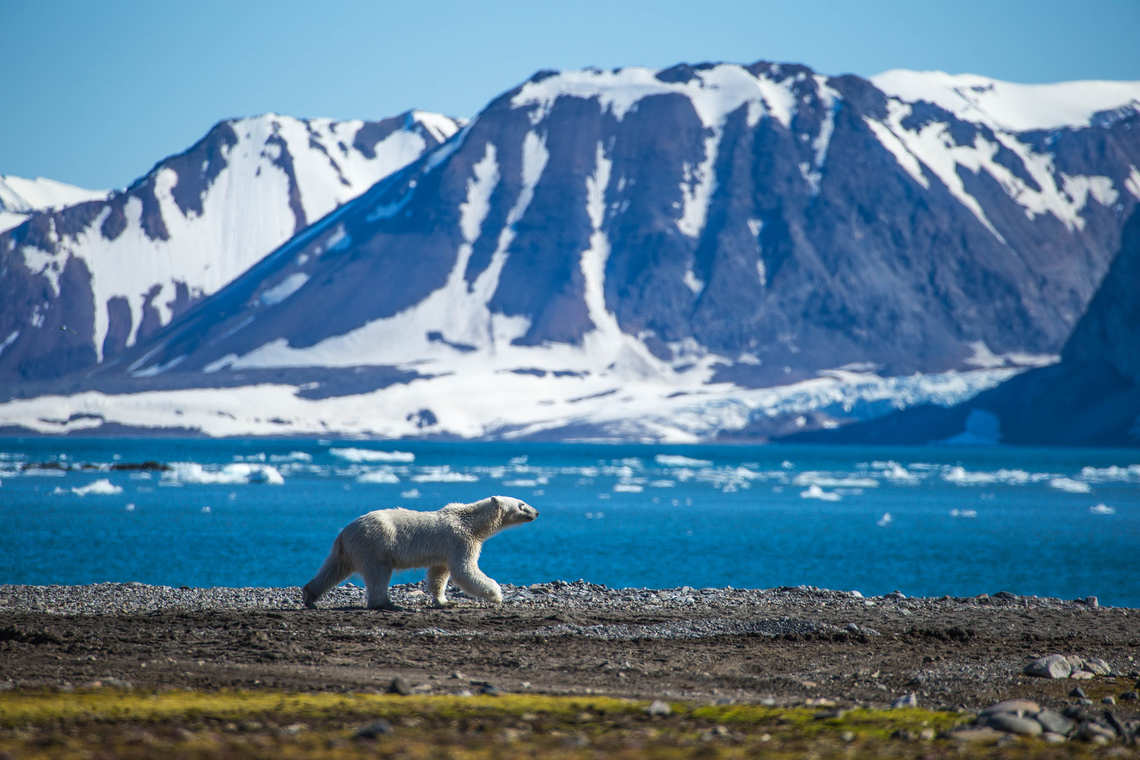
In the High Arctic, a polar bear can appear first as a trick of light: a pale movement against the snow, a cream-colored shape crossing the blue shadow of a glacier, a solitary figure walking the margin where sea ice meets open water. From the deck of a small expedition ship, the sight feels less like wildlife watching than a glimpse into another order of life, one ruled by cold, hunger, distance, and silence.
For many travelers, the question is simple: where to see polar bears in the wild? The answer often leads north, far beyond the Arctic Circle, to Svalbard, Norway, one of the world’s most evocative places for polar bear watching cruises. Here, between mainland Norway and the North Pole, Arctic expedition cruises explore fjords, glacier fronts, pack ice, and remote tundra where the great white bear still moves through its natural world.
Yet a polar bear sighting is never guaranteed, and it should never be treated as a performance. The Arctic is not a stage set for travelers. It is a living, shifting wilderness, and the polar bear is not merely its emblem but one of its most specialized survivors.
The Polar Bear: Size, Strength, and Arctic Design
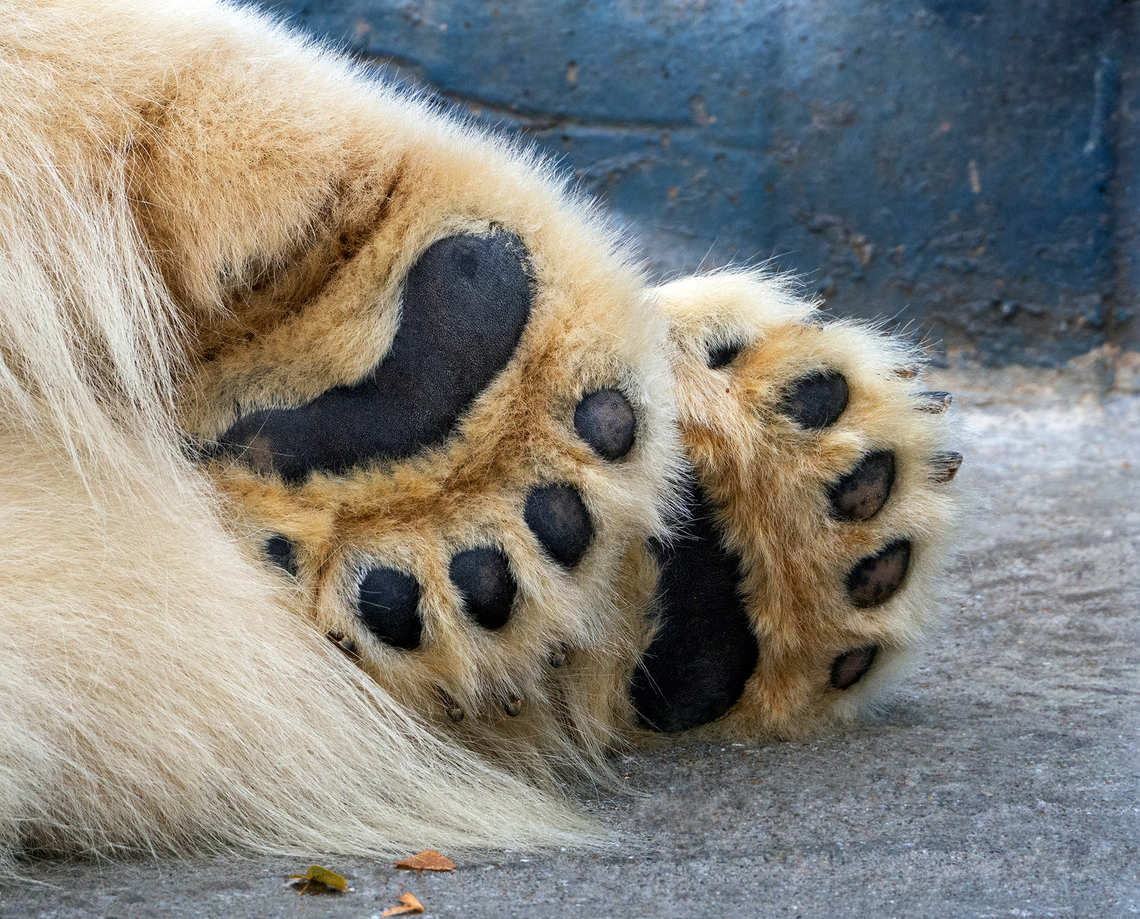
The polar bear is the largest of the bear species and the most marine in its way of life. Everything about it suggests an animal shaped by ice. Its long body, powerful shoulders, and large paws allow it to walk across snow, break through crusted ice, and swim between floes. A single bear can seem massive even from a great distance, especially when seen against the clean geometry of Arctic light.
Polar bear size varies by sex, age, and season. Adult males are far larger than females and can reach impressive proportions, with heavy bodies built for endurance rather than speed alone. Polar bear weight also fluctuates dramatically through the year, depending on hunting success and access to seals. After a productive hunting period, a bear may carry thick reserves of fat; after long fasting, it may appear leaner, its frame more visible beneath its fur.
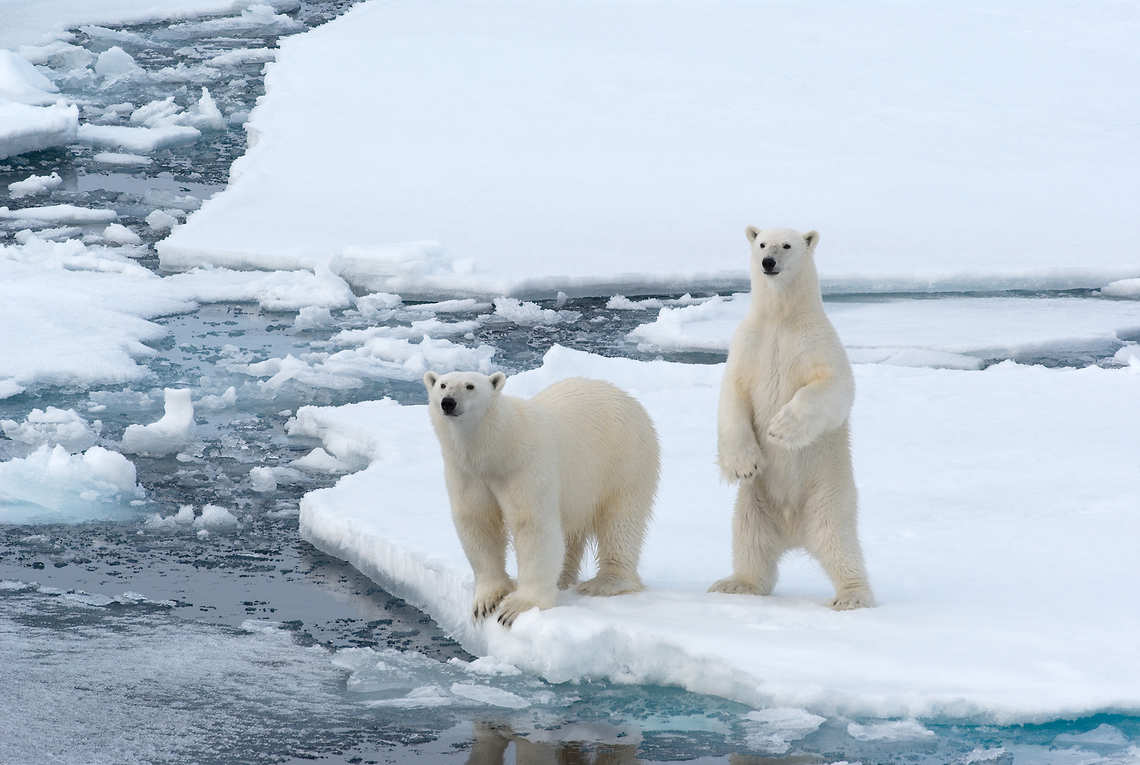
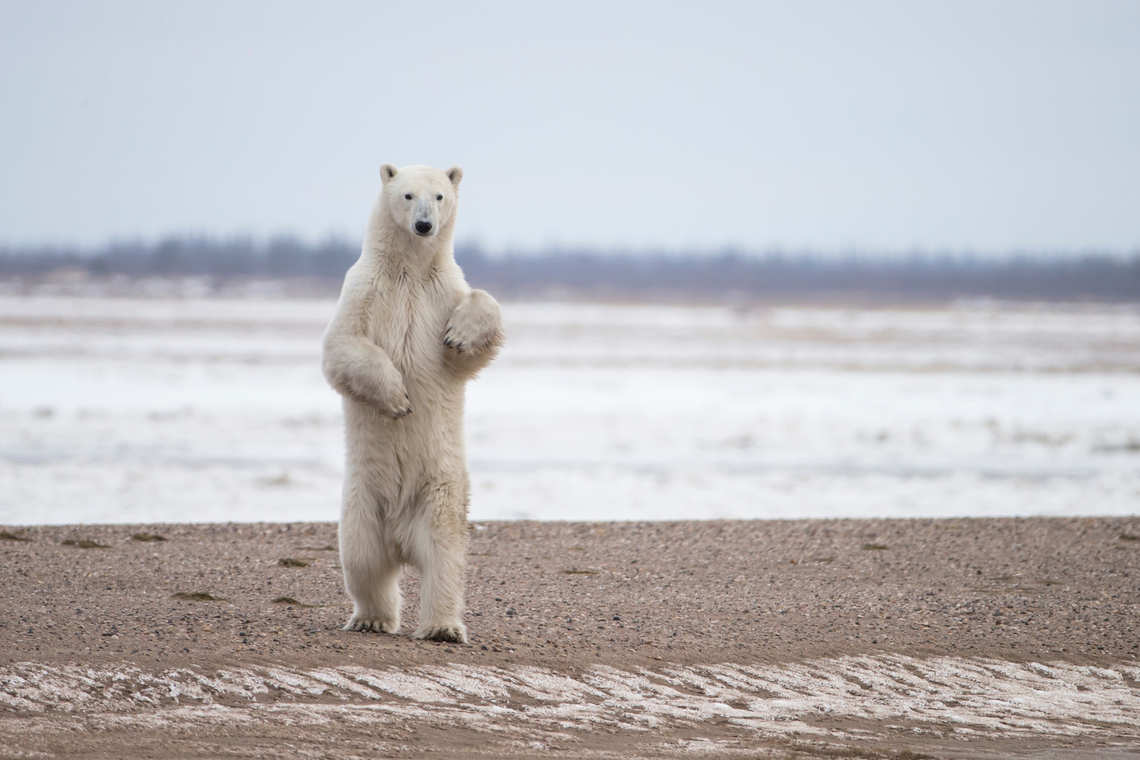
Polar bear height is often described in two ways: shoulder height when walking on all fours, and standing height when a bear rises on its hind legs. The latter can make the animal seem almost mythic, though standing is usually a way of investigating scent or surroundings rather than a display of aggression.
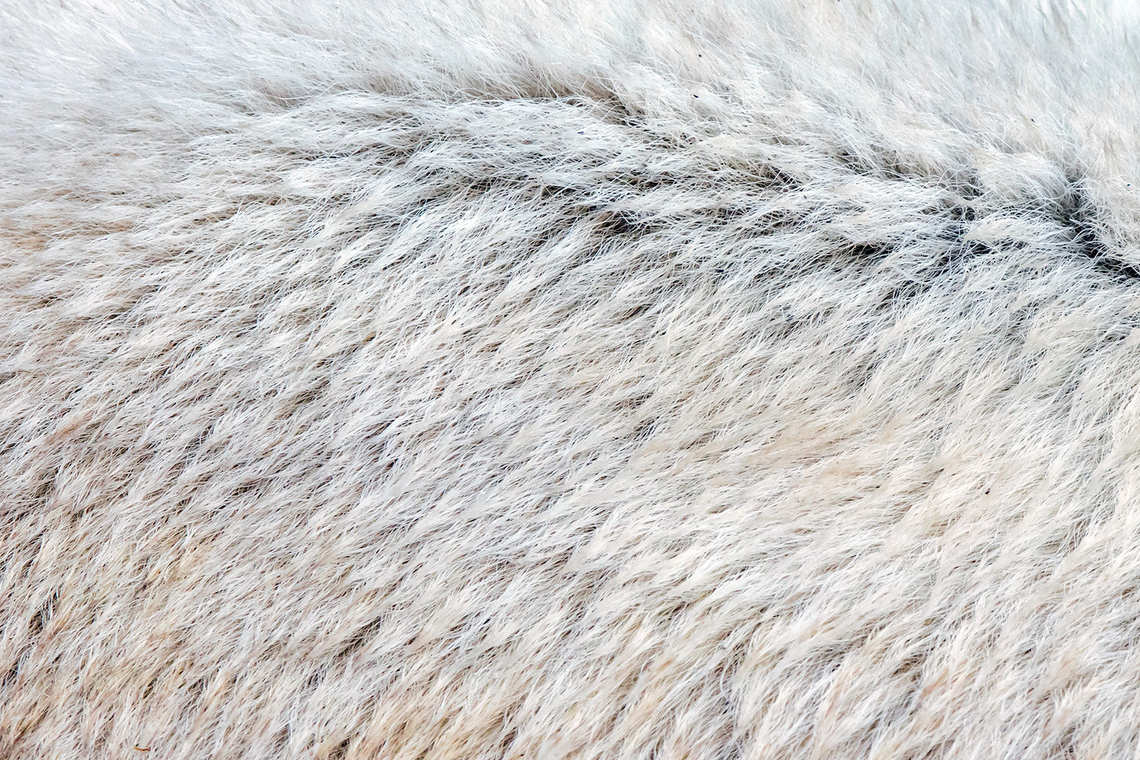
One of the most fascinating details is the polar bear's skin. Beneath the dense white-looking fur, polar bear skin is black, helping absorb heat from the weak Arctic sun. The fur itself is not truly white but translucent, scattering light and giving the bear its ghostly color. These polar bear adaptations — insulating fat, dense fur, broad paws, sharp claws, and an exceptional sense of smell — make the species one of the Arctic’s great specialists.
Polar Bear Habitat: A Life on Sea Ice
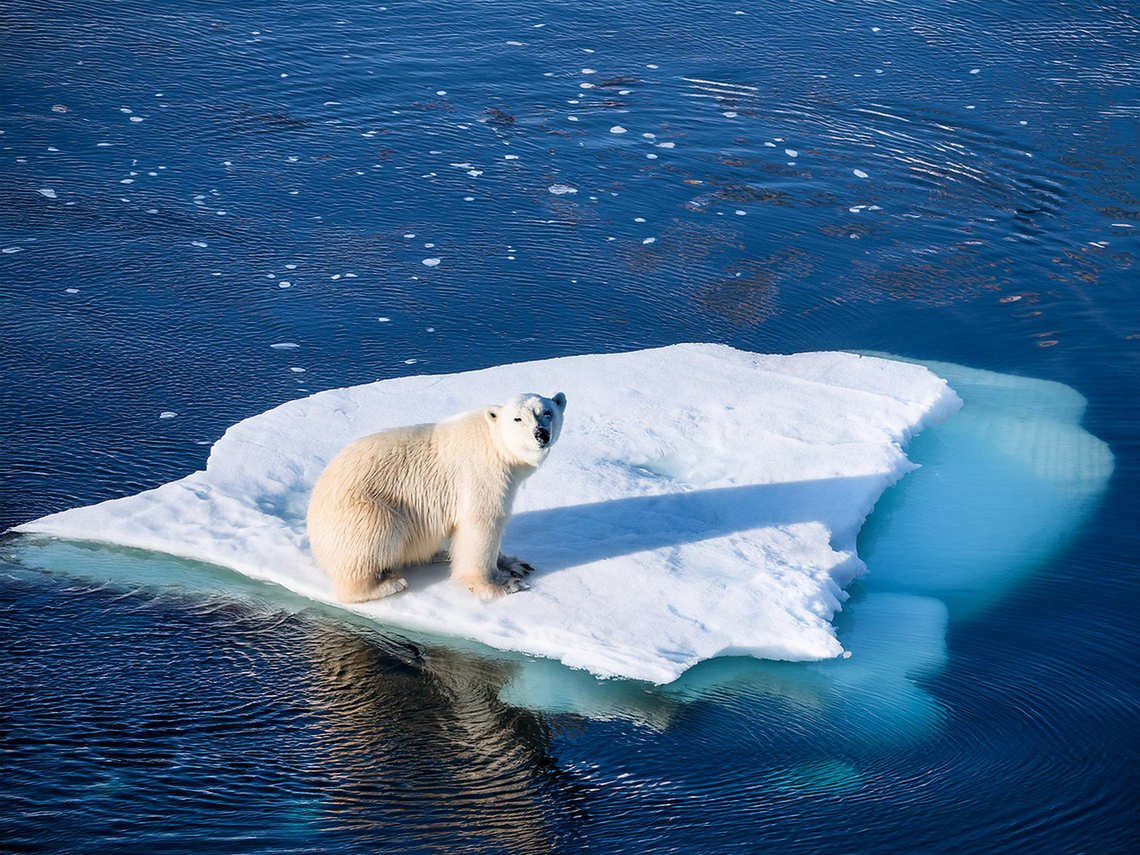
The polar bear habitat is often described simply as “the Arctic,” but that is too broad. More precisely, polar bears are animals of sea ice. They depend on frozen ocean platforms to hunt seals, travel across large distances, find mates, and, in some regions, reach denning areas. Their world is not fixed ground but a moving surface, forming, breaking, drifting, and retreating with the seasons.
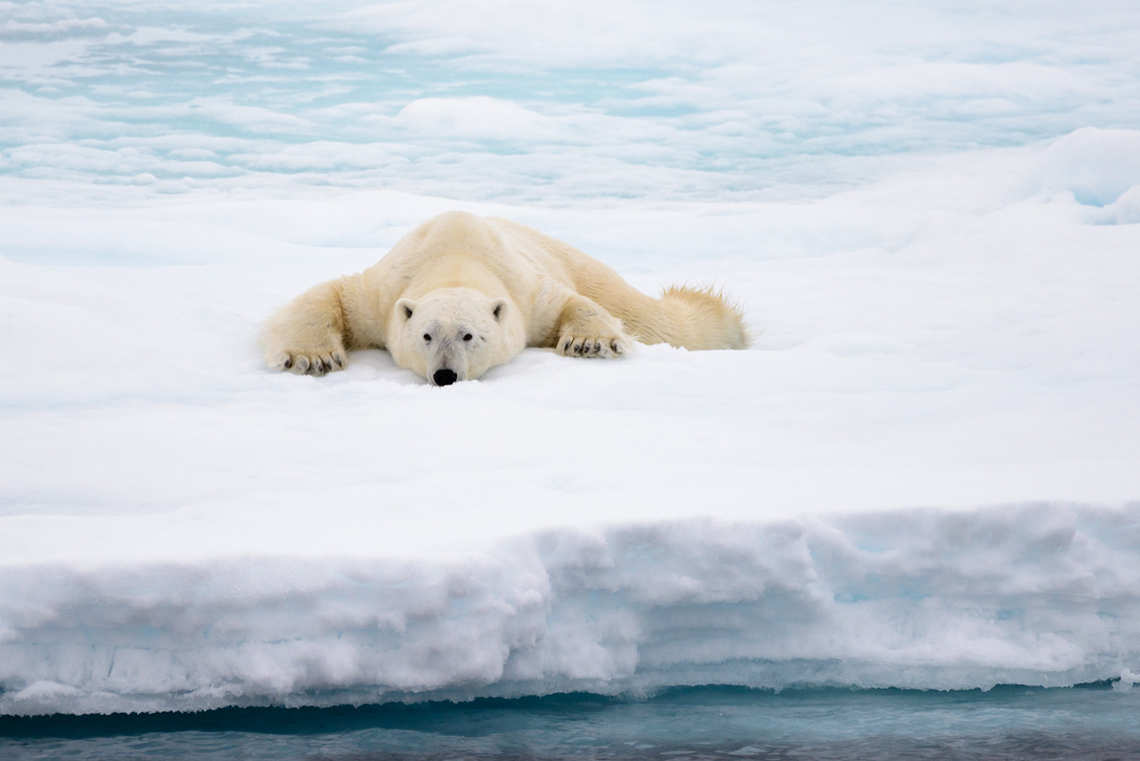
In Svalbard, this means the best polar bear-watching cruises often focus on the meeting point of land, sea, and ice. Glacier fronts, fjords, remote beaches, and pack ice edges may all become part of an Arctic expedition. The bear may be seen walking a shoreline, swimming in open water, resting on snow, or patrolling ice where seals might surface to breathe.
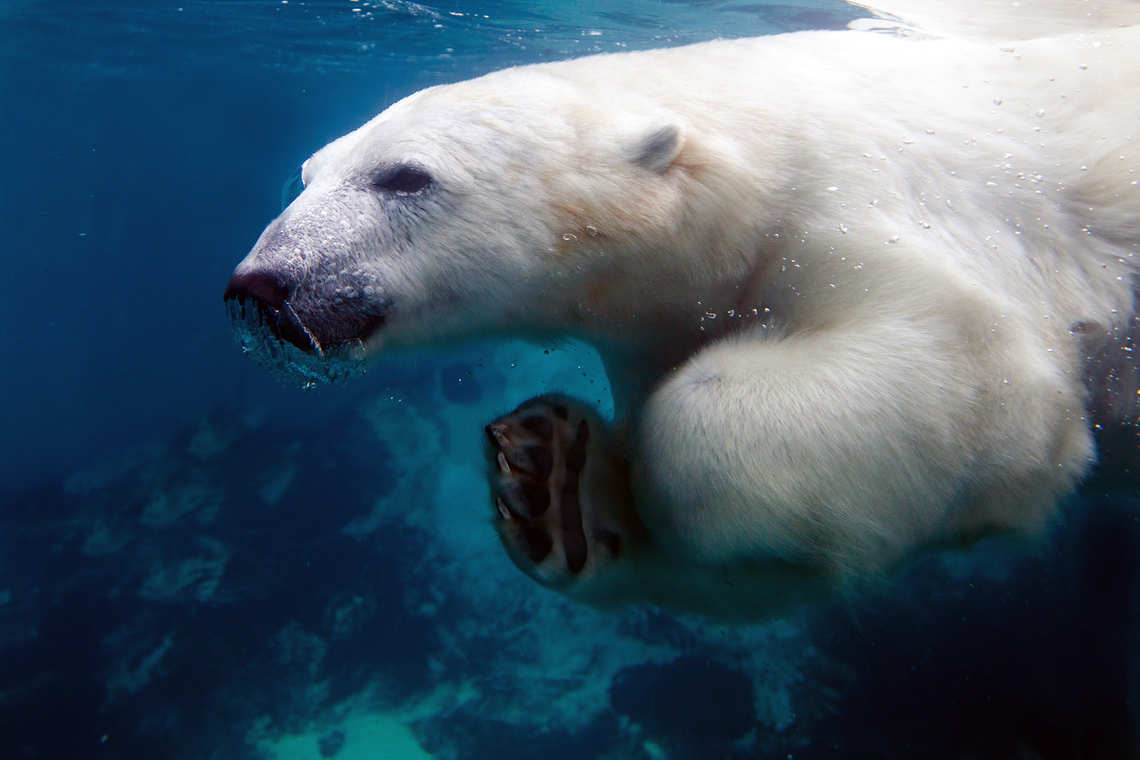
This dependence on ice is also why the polar bear has become such a powerful symbol of climate change. As sea ice patterns shift, hunting seasons and movement routes can change with them. Some bears spend more time on land. Others follow the ice farther north. For the traveler, the sight of a polar bear is therefore more than a thrilling wildlife encounter. It is a meeting with an animal whose future is tied to the fate of a frozen world.
The Life Cycle of a Polar Bear
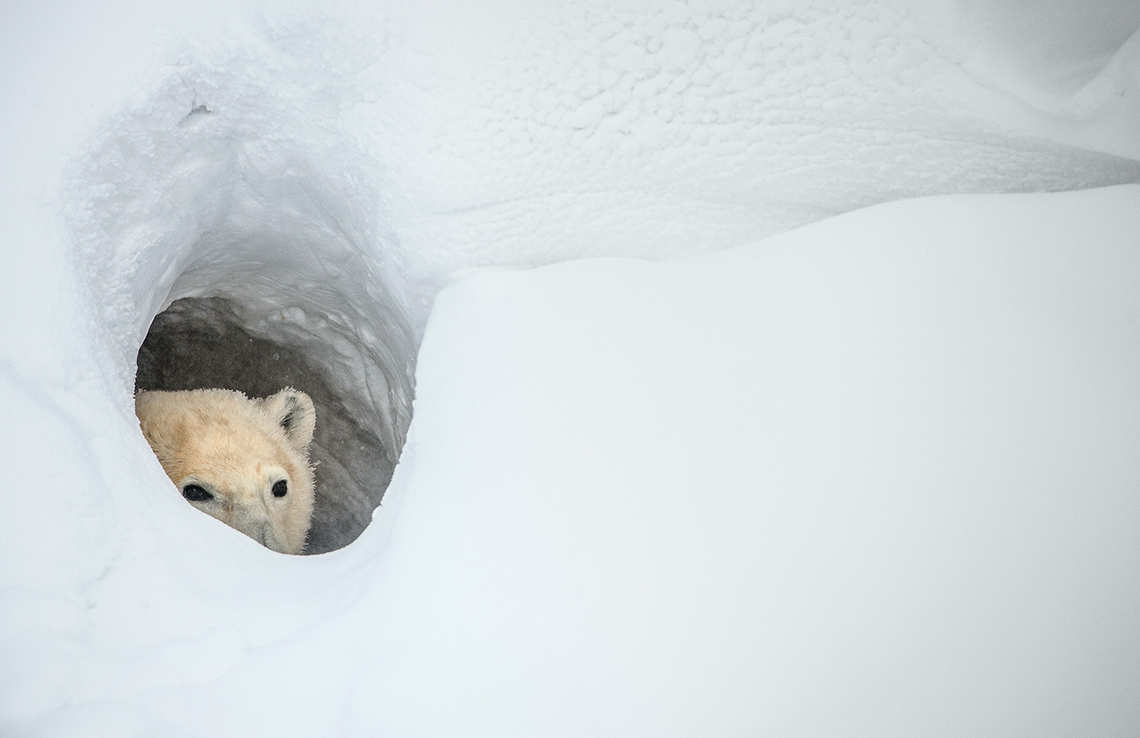
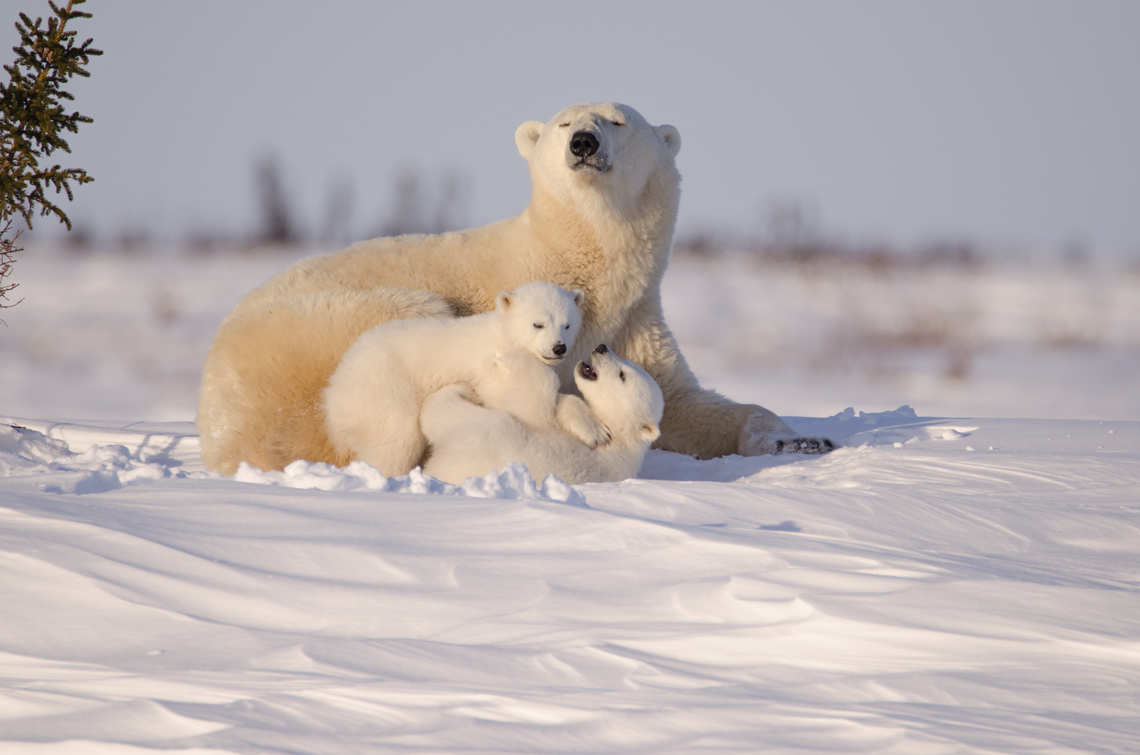
A polar bear’s life begins in darkness. After mating in spring, a pregnant female may dig a maternity den in deep snow, often on a slope or bank where wind has packed the snow into a stable shelter. Inside, during the deep winter, she gives birth to tiny cubs — blind, fragile, and entirely dependent on her warmth and milk.
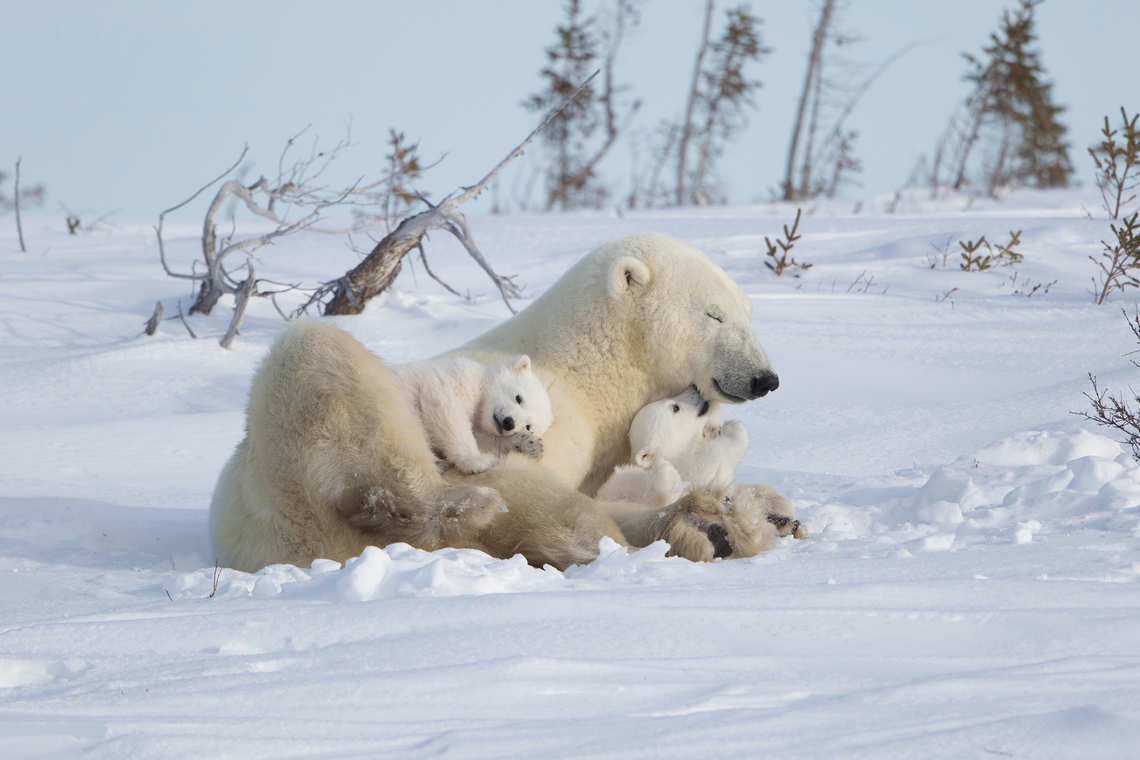
When the family emerges in spring, the cubs enter a world of brightness and danger. They are small, curious, and vulnerable. For the next two years or more, they remain with their mother, learning the geography of survival: how to cross ice, how to wait near seal breathing holes, how to read scent, how to avoid adult males, and how to conserve energy in a landscape where every movement has a cost.
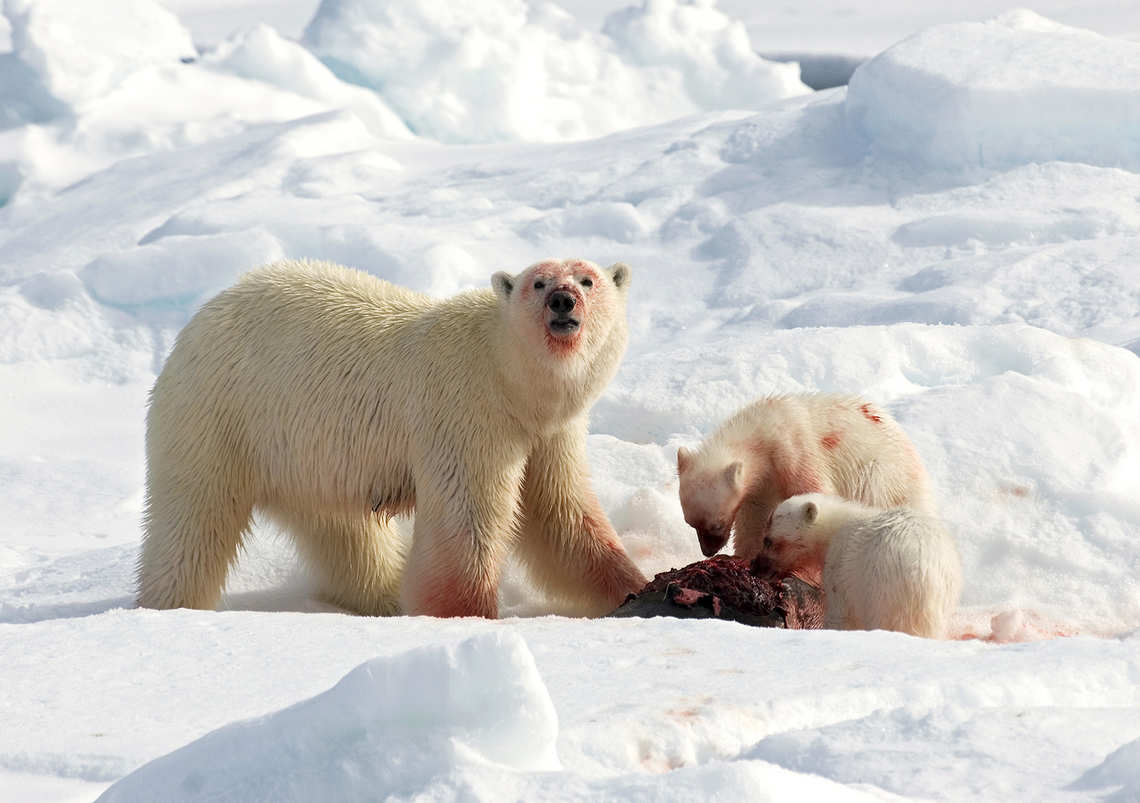
Young bears face a difficult apprenticeship. Once independent, they must become hunters in a world where failure means hunger. Unlike the image of the polar bear as an invincible predator, much of its life is defined by patience and uncertainty. Even experienced adults may go long periods without feeding successfully.
Mature polar bears are mostly solitary, coming together primarily to mate, compete, or gather around unusual food sources such as a whale carcass. Their lives are measured not in territories as humans understand them, but in ranges of movement across ice and coast. Old age, injury, tooth wear, changing ice conditions, and human encounters can all shape a bear’s final years. In the Arctic, survival is never passive; it is an ongoing negotiation with cold, hunger, and distance.
Polar Bear Diet
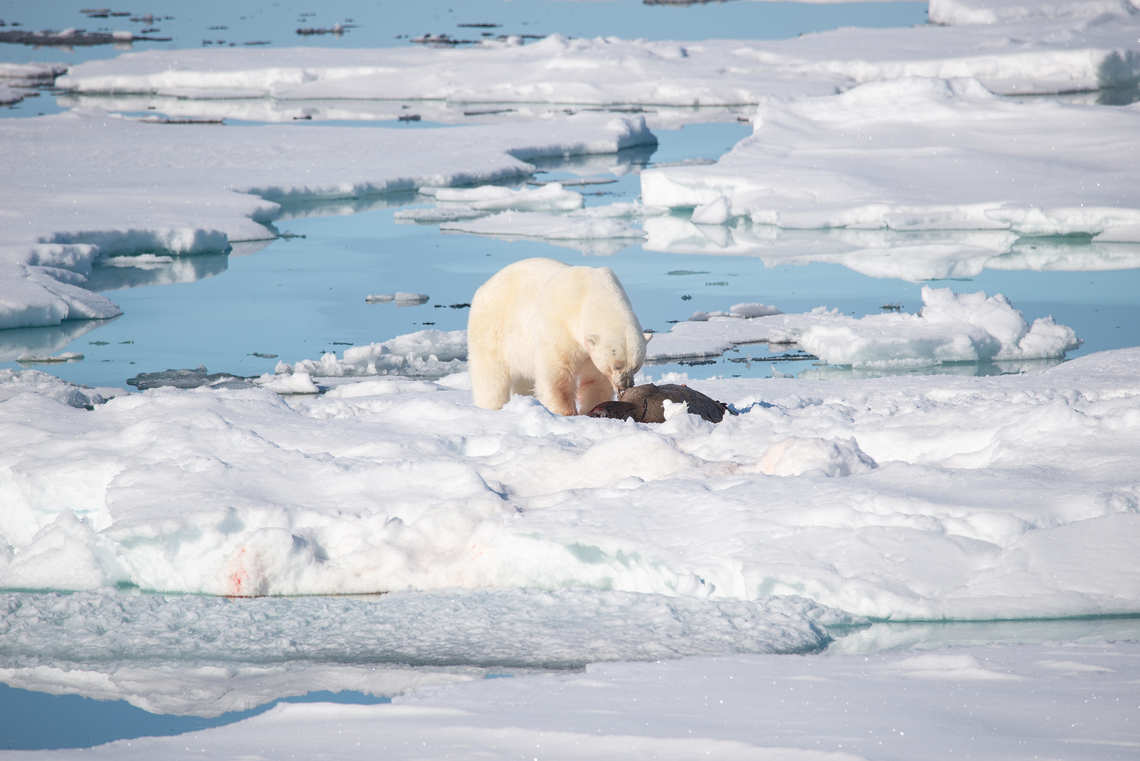
The polar bear's diet is built around fat. More specifically, it is built around seals. Ringed seals are among the most important prey, though polar bears may also hunt bearded seals and scavenge marine mammal carcasses when available. The bear’s skill lies not in constant pursuit but in strategic patience. It may wait near a seal’s breathing hole, stalk along an ice edge, or investigate areas where seals haul out or give birth.
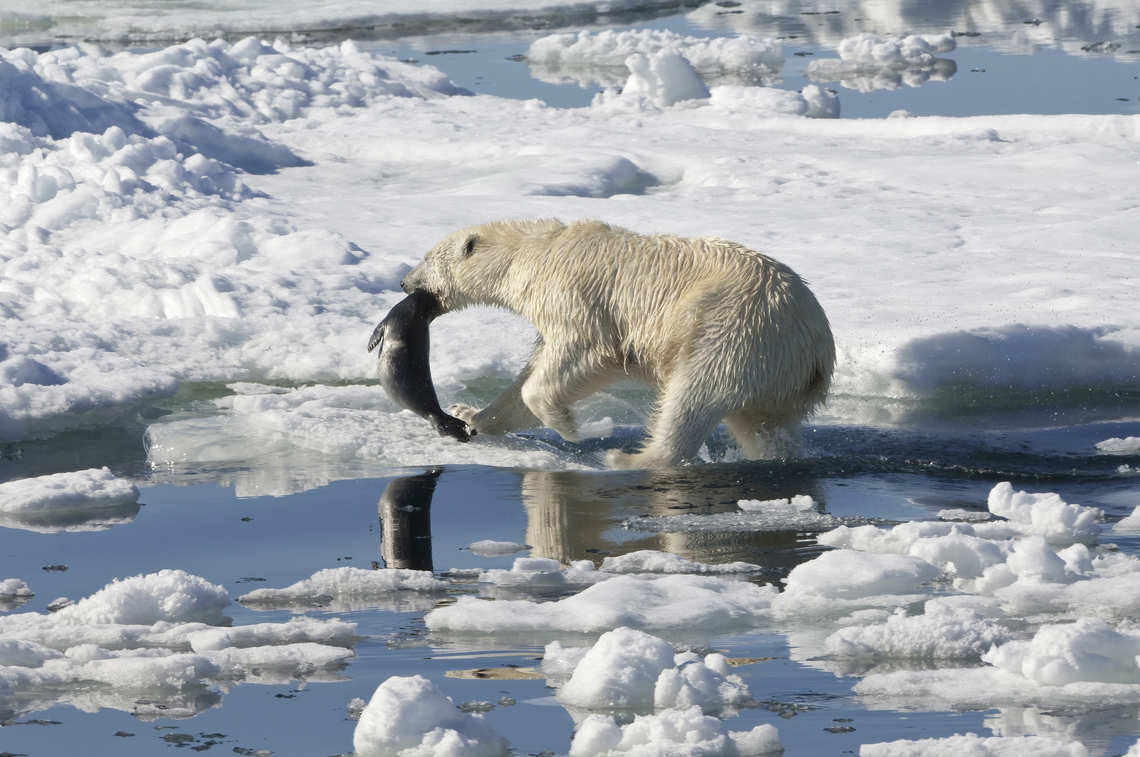
A successful hunt provides the dense calories needed to survive Arctic conditions. Seal blubber is especially valuable, allowing a bear to build the fat reserves that sustain it through fasting periods. This is why sea ice is so central to polar bear habitat: without ice, bears lose their main hunting platform.
Polar bears are opportunistic and may eat birds, eggs, vegetation, fish, reindeer, or carrion, especially when on land. But these foods are usually not equal substitutes for seal fat. A bear can consume them and still be nutritionally stressed if it lacks access to marine mammal prey.
One curious and often discussed Arctic animal is the grizzly–polar bear hybrid, sometimes called a pizzly or grolar bear. These hybrids are rare, but they attract attention because they suggest moments where polar bear and grizzly bear ranges overlap. They should not be treated as a common new species, but as a reminder that Arctic ecosystems are dynamic, and that boundaries between habitats can shift.
The Best Time to See Polar Bears on an Arctic Cruise
For most travelers, the best time to see polar bears on an Arctic cruise is during the main Svalbard expedition season, usually from late May through August. This is when expedition ships can operate in long daylight, and when routes may reach fjords, glacier fronts, and, depending on conditions, areas near the pack ice.
May and early June can bring a dramatic sense of frozen wilderness. Snow still lies across much of the landscape, and the light has the clarity of a world newly emerged from winter. This can be an excellent time for travelers drawn to ice, silence, and the starkness of the High Arctic.
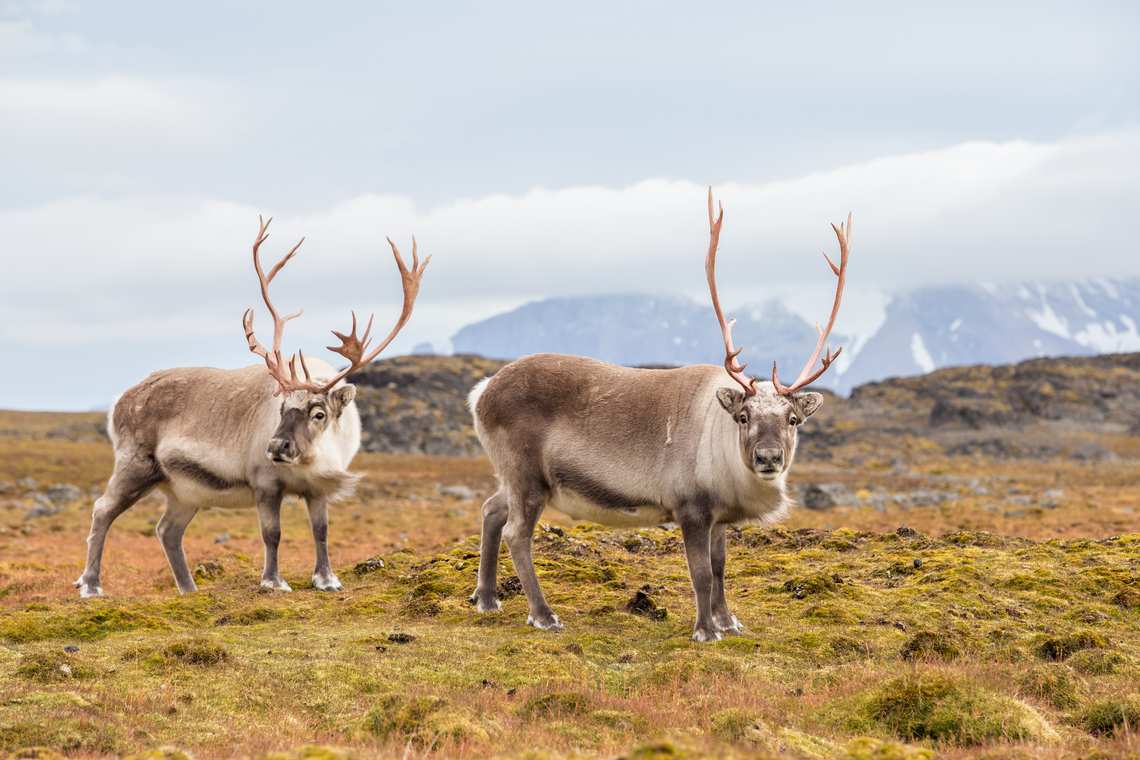
June and July are often considered prime months for an Arctic expedition cruise. The midnight sun gives ships long hours for searching, photography, Zodiac cruising, and wildlife observation. Sea ice conditions vary from year to year, but this period offers strong potential for polar bear-watching cruises, as well as walruses, seabirds, whales, Arctic foxes, and Svalbard reindeer.
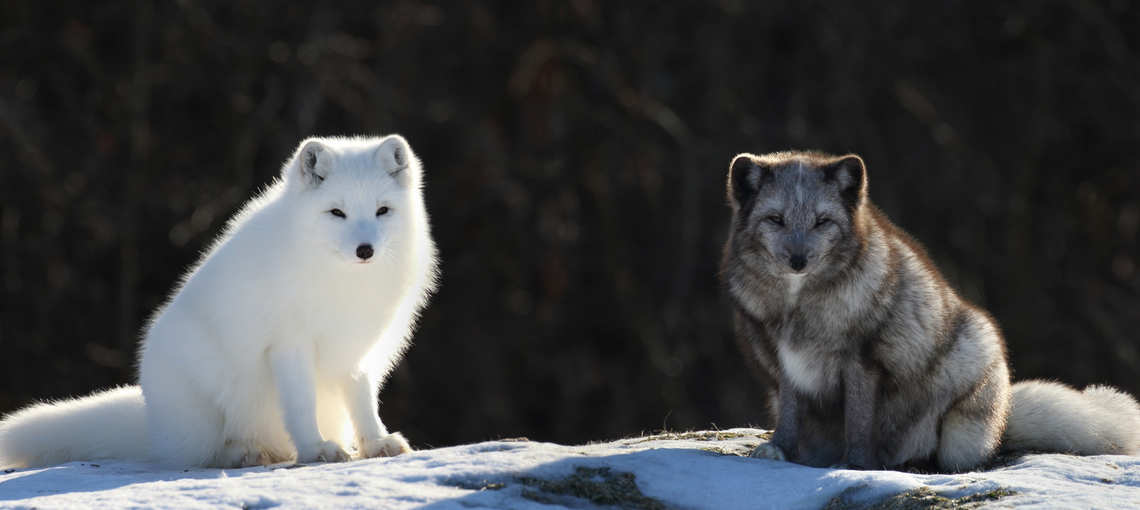
August can still be rewarding, with more open water in some areas and continued wildlife activity, though the ice may be farther north. September brings a quieter, more autumnal mood, with softer light and a different atmosphere, but it is generally less associated with classic polar bear-focused itineraries.
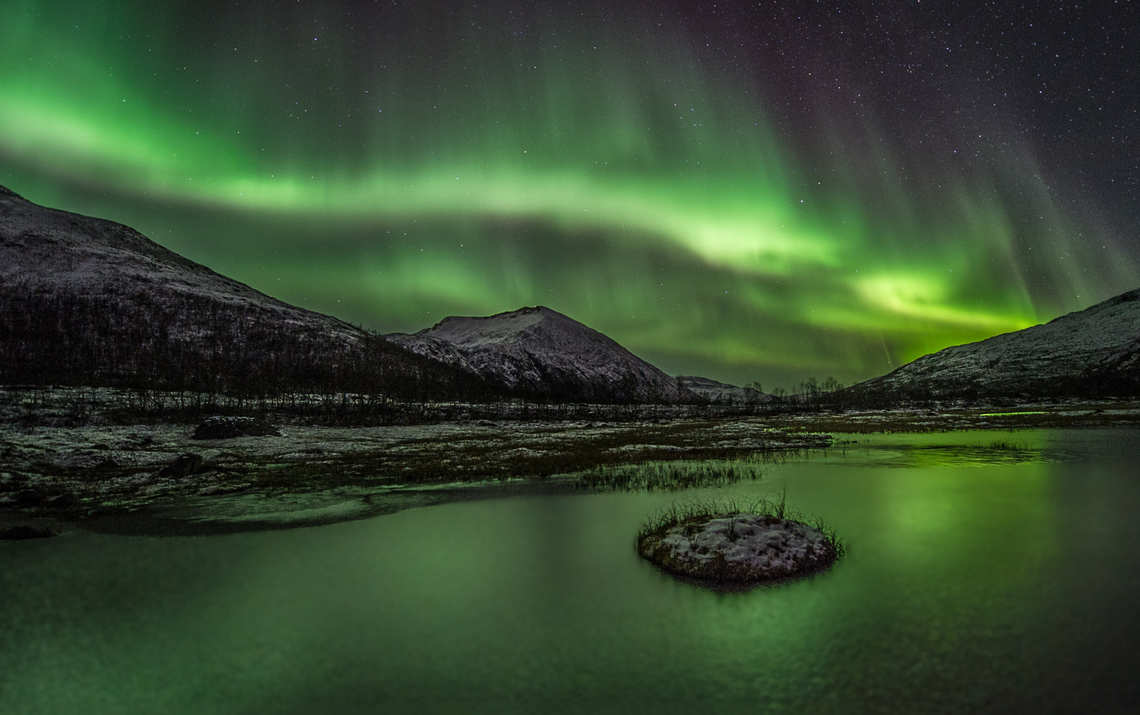
An Arctic cruise northern lights itinerary is a different proposition. Northern lights are associated with darker months, while peak polar bear viewing by ship is associated with the bright expedition season. Travelers considering an Arctic cruise in 2026 should decide what matters most: the midnight sun and wildlife of summer, or the polar night atmosphere and aurora possibilities of the darker season.
Svalbard
Svalbard is a Norwegian archipelago in the High Arctic, lying in the cold seas between northern Norway and the North Pole. Its largest island, Spitsbergen, is home to Longyearbyen, the main settlement and the usual departure point for a Svalbard cruise. For anyone asking “where is Svalbard?”, the answer is part geography, part imagination: it is one of the northernmost inhabited places on Earth, a land of mountains, glaciers, tundra valleys, seabird cliffs, and drifting ice.
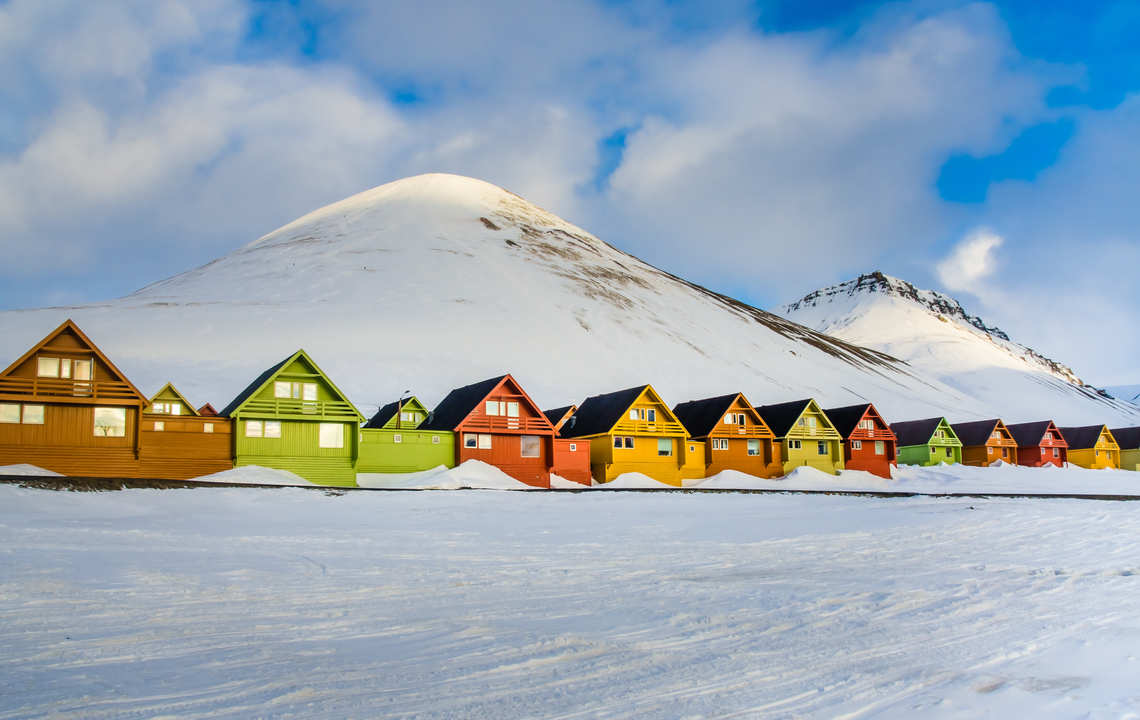
This extreme setting makes Svalbard one of the most compelling regions for an Arctic wildlife cruise. A Svalbard polar bear tour is rarely a conventional tour in the ordinary sense. Instead, it is usually an Arctic small ship cruise or Arctic expedition cruise, where routes are shaped by weather, ice, and wildlife activity. Ships may follow the western and northern coasts of Spitsbergen, search near glacier fronts, or push toward the edge of the pack ice when conditions allow.
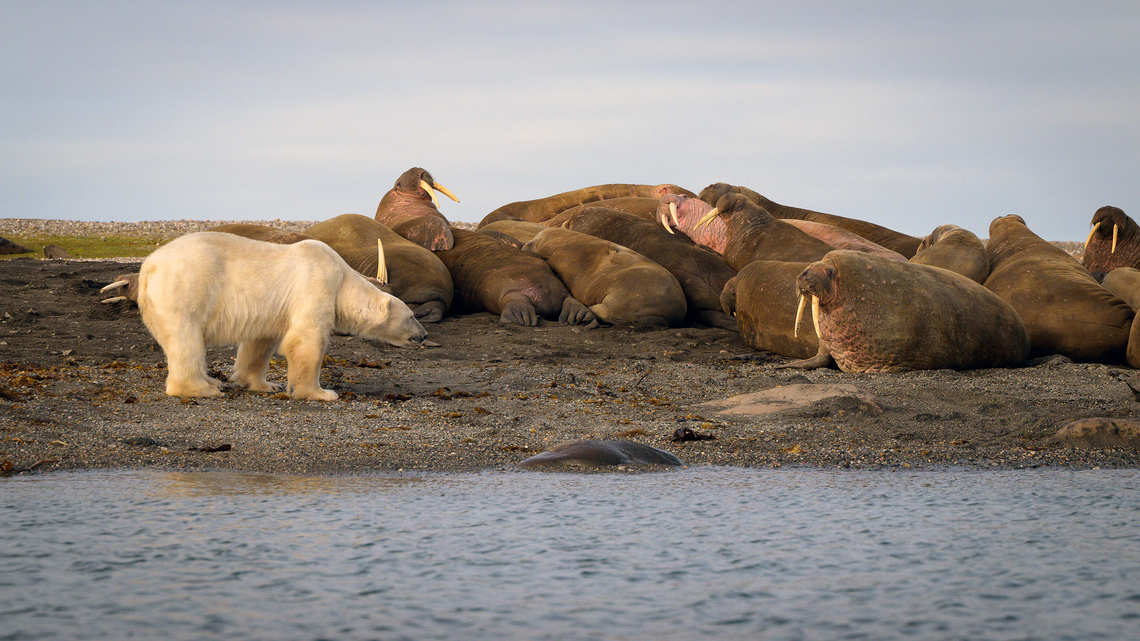
Polar bears may be the headline, but Svalbard’s wider cast is remarkable. Walrus haul out on low beaches. Arctic foxes patrol below nesting cliffs. Whales surface in cold channels. Svalbard reindeer graze across the tundra in slow-moving herds, adapted to a short summer. Together, they form one of the richest Arctic wildlife experiences available by sea.
Choosing the Right Polar Bear Watching Cruise
The strongest itineraries for polar bear watching usually involve Svalbard expedition cruises on smaller ships. An Arctic small-ship cruise offers flexibility, which matters in a region where the day’s plan can change due to ice, wind, fog, or a distant wildlife sighting. These voyages are less about fixed ports and more about exploration.
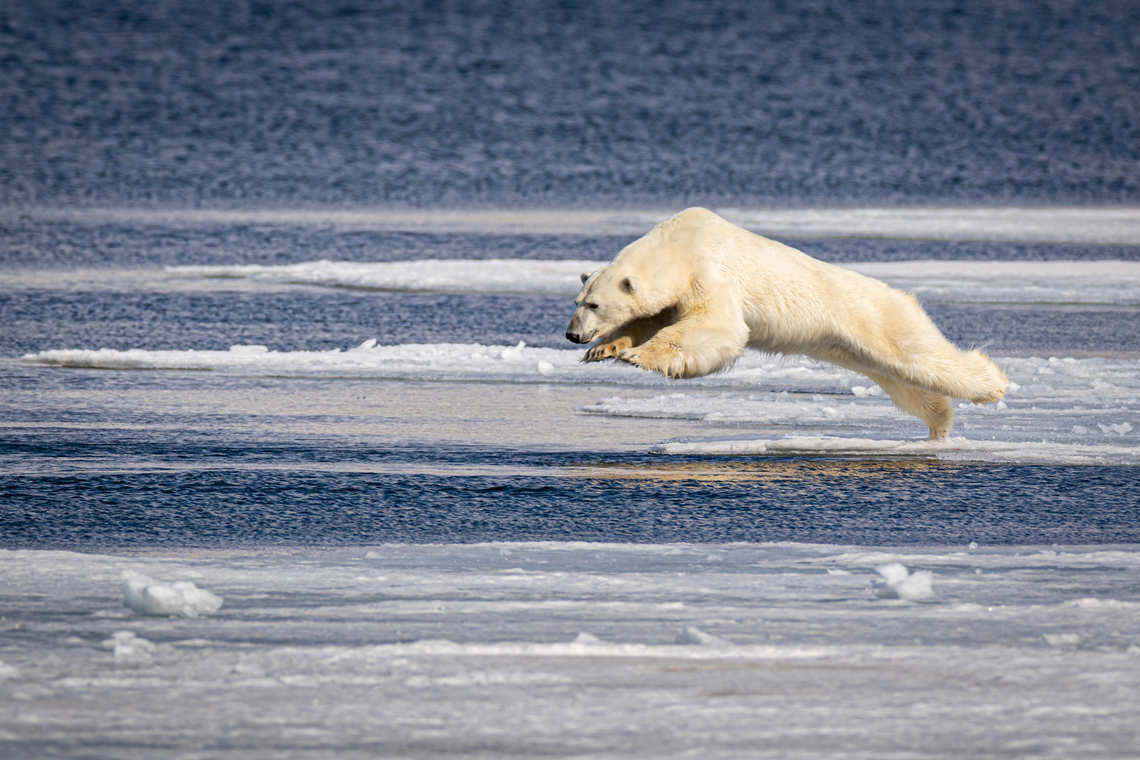
A classic Svalbard cruise may focus on Spitsbergen’s western and northern coasts, searching remote fjords and glacier systems. Some itineraries attempt a full circumnavigation of Spitsbergen when the ice allows, though this cannot be guaranteed. Others push north toward the pack ice, where the geography of the polar bear feels most complete: broken floes, blue leads, seals, seabirds, and the immense silence of the frozen sea.
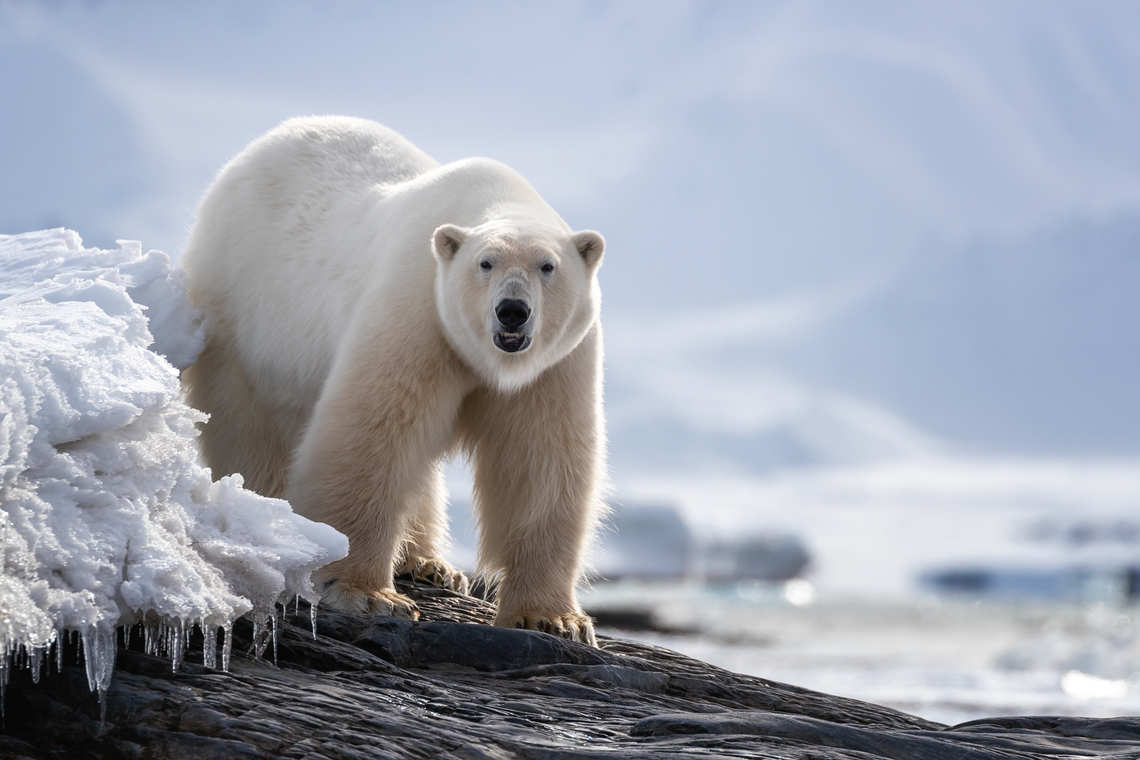
Longer Arctic expedition cruises may combine Svalbard with Greenland or other High Arctic regions. These voyages broaden the experience, adding vast fjords, Inuit culture in some destinations, iceberg-filled channels, and a wider sense of the Arctic as a connected world rather than a single destination.
Luxury Arctic expedition cruises add another layer of comfort, with refined cabins, expert lecture programs, photography support, high-quality dining, wellness facilities, and well-equipped Zodiac operations. But luxury in the Arctic should never mean intrusion. The best operators understand that distance is not a limitation but an ethical necessity.
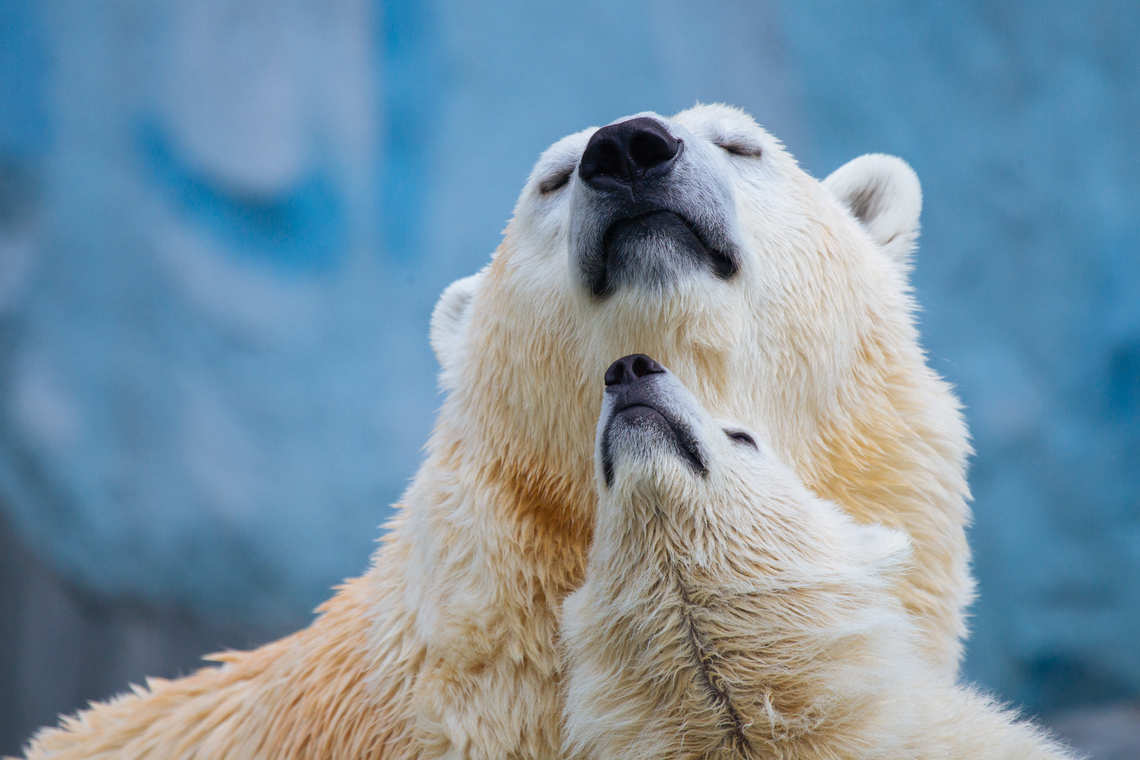
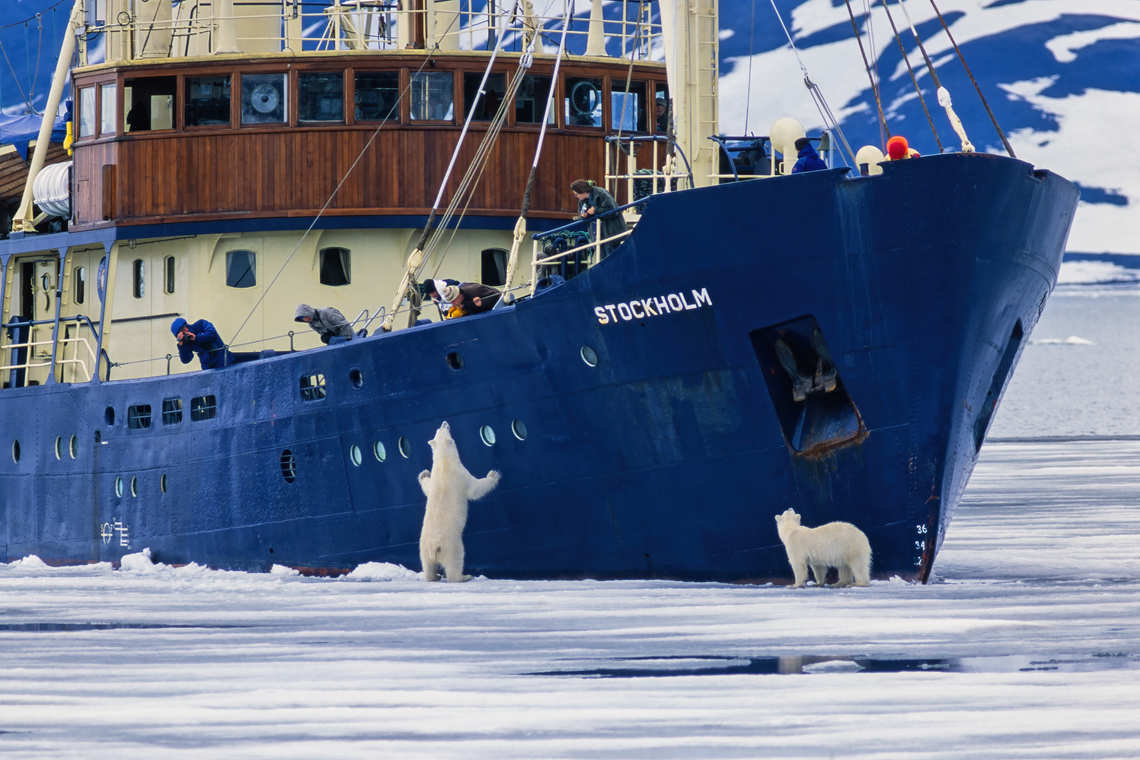
A responsible Svalbard polar bear tour never chases, baits, crowds, or pressures a bear. The right guide team will use binoculars, scopes, and patience. Sometimes the ship will remain far away. Sometimes it will leave an area entirely. In true wilderness travel, restraint is part of the experience.
Polar Bear Attacks: Understanding the Risk
The phrase "polar bear attack" carries a heavy charge and should be handled without sensationalism. Polar bears are powerful predators, and attacks on humans, though rare, can be fatal. In Svalbard, Norway, the risk is taken seriously because bears can appear almost anywhere outside settlements. They may be curious, hungry, defensive, or simply moving through the same landscape humans have entered.
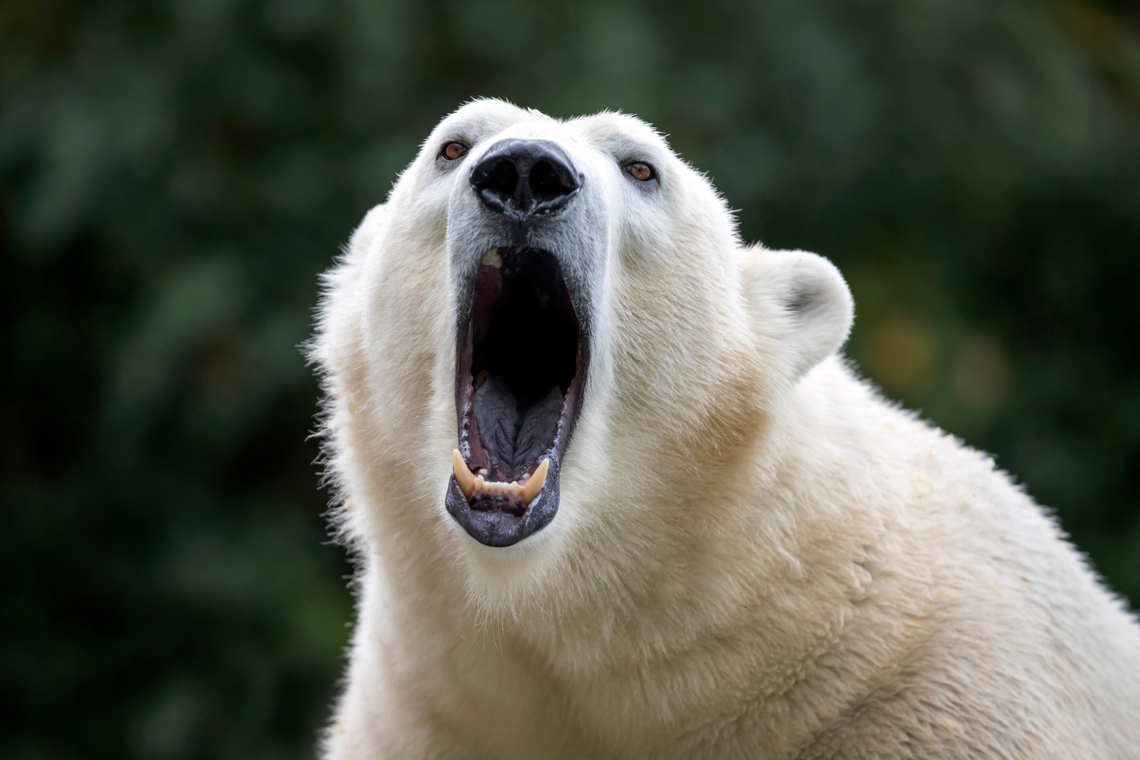
For this reason, independent travel outside settled areas requires strict precautions and local knowledge. On an Arctic expedition cruise, landings are managed by trained guides who scout for bears, monitor the surroundings, carry required safety equipment, and cancel or change plans if a bear is nearby. Passengers must follow instructions without negotiation.
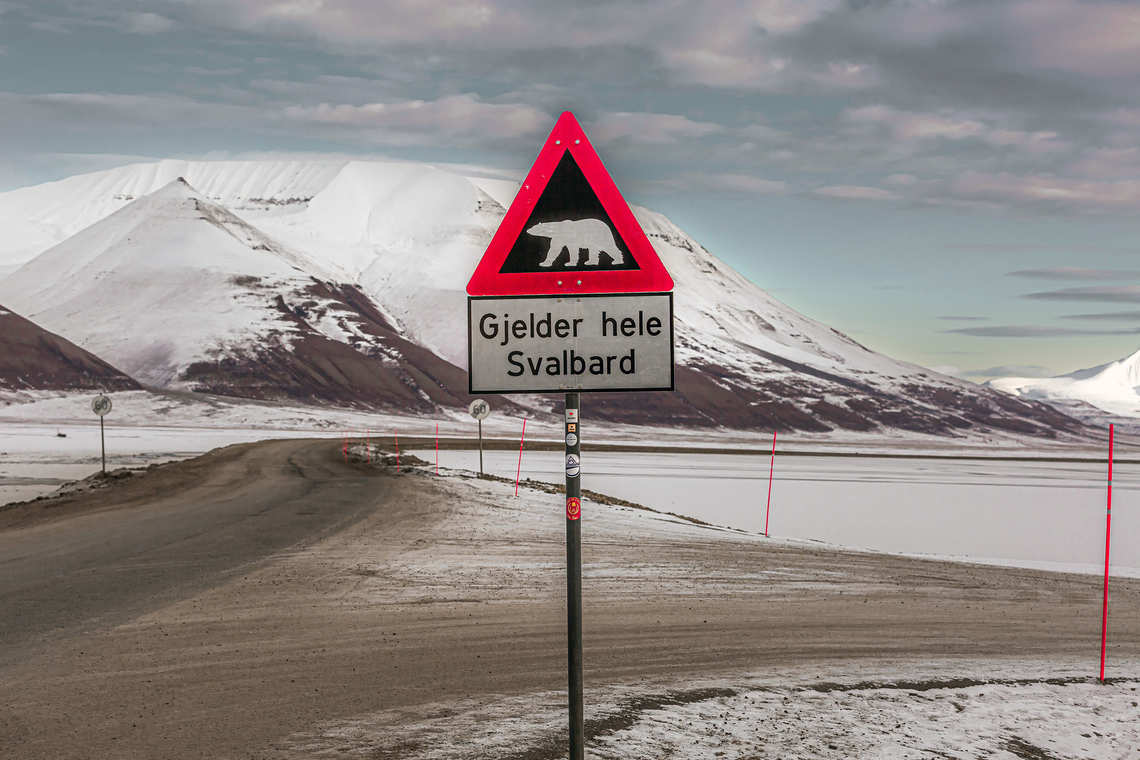
The point is not to portray polar bears as villains. They are not monsters waiting in the snow. They are apex predators in their own habitat. The danger lies in forgetting that humans are guests in a landscape where the bear belongs completely.
More Than the Bear: Arctic Wildlife in Svalbard
A polar bear sighting may be the dream, but an Arctic wildlife cruise should never be judged by one species alone. Svalbard is a place of cumulative wonder. Walrus rest in heavy groups on gravel beaches, their tusks and whiskers giving them the look of old Arctic monarchs. Little auks and kittiwakes fill the cliffs with sound. Arctic foxes move lightly across the tundra. Whales rise and vanish in cold water. Svalbard reindeer graze with compact, sturdy bodies shaped by the archipelago’s long winters.
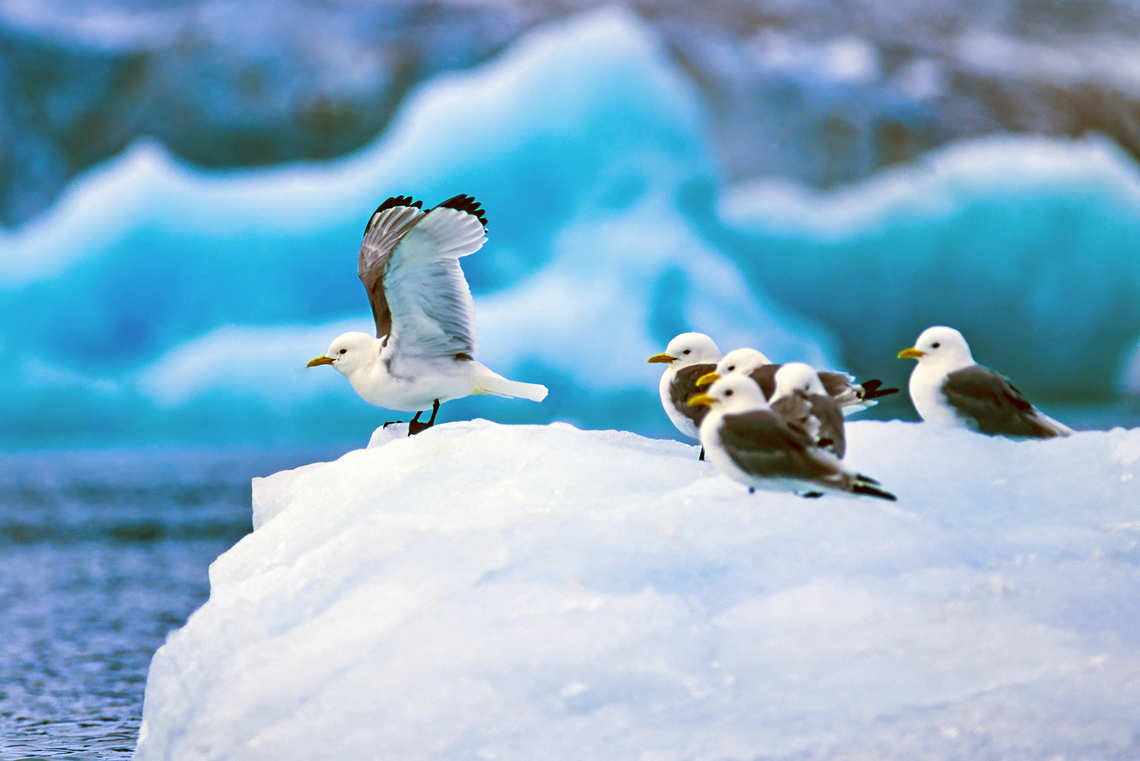
This wider Arctic wildlife is part of what makes an Arctic Circle cruise or High Arctic expedition so memorable. The polar bear may define the imagination, but the ecosystem gives the journey its depth.
Responsible Polar Bear Watching
To see a polar bear well is not necessarily to see it close. In fact, the most meaningful encounter may happen at a respectful distance: a bear walking along the shore below a glacier, a mother and cubs moving across the snow, a lone animal resting on the sea ice under the pale sun.
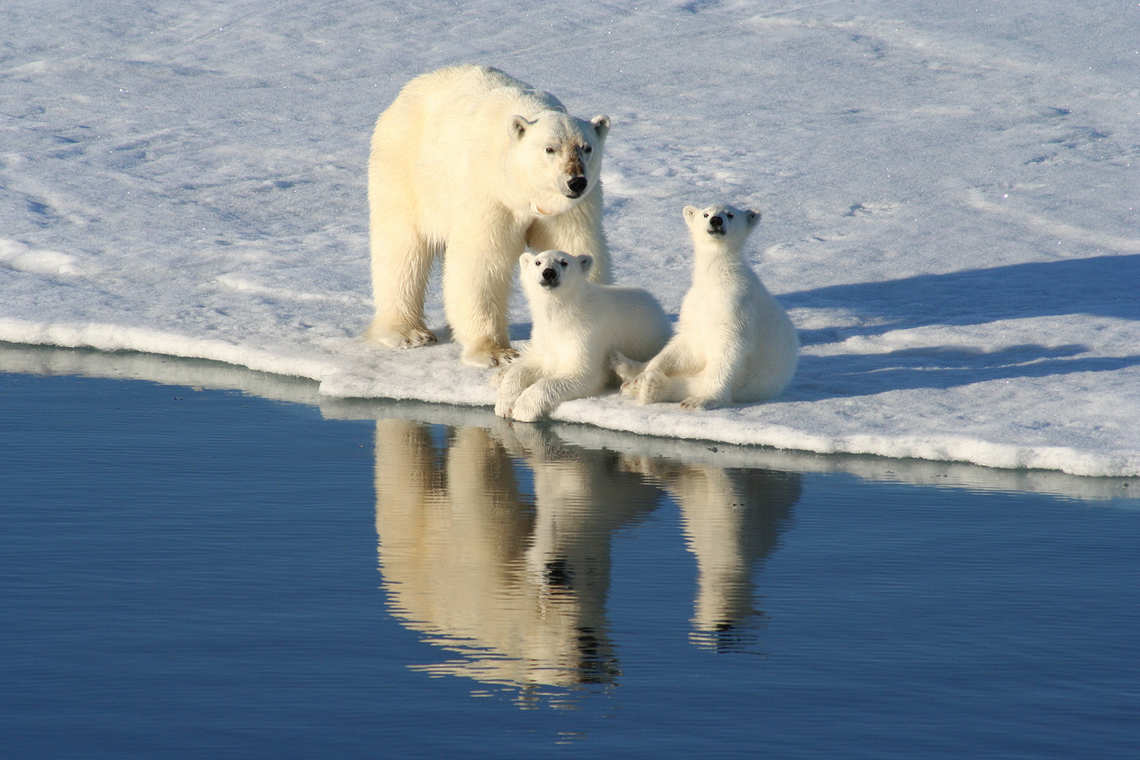
Responsible polar bear watching cruises place the animal’s welfare before the traveler’s photograph. That means keeping legal and ethical distance, using binoculars and long lenses, listening to expedition guides, staying quiet near wildlife, and accepting that some encounters must be brief. It also means choosing operators that follow strong Arctic guidelines and treat wildlife not as a product, but as part of a fragile living system.
The Arctic rewards patience. It also demands humility.
The Privilege of Distance
A polar bear in the wild is not simply seen; it is witnessed. It carries the story of the ice in its body: the black skin beneath pale fur, the paws shaped for snow and sea, the hunger that drives it across distances almost beyond human comprehension. To watch one from an expedition ship off Svalbard is to stand, for a moment, at the edge of a world both ancient and changing.
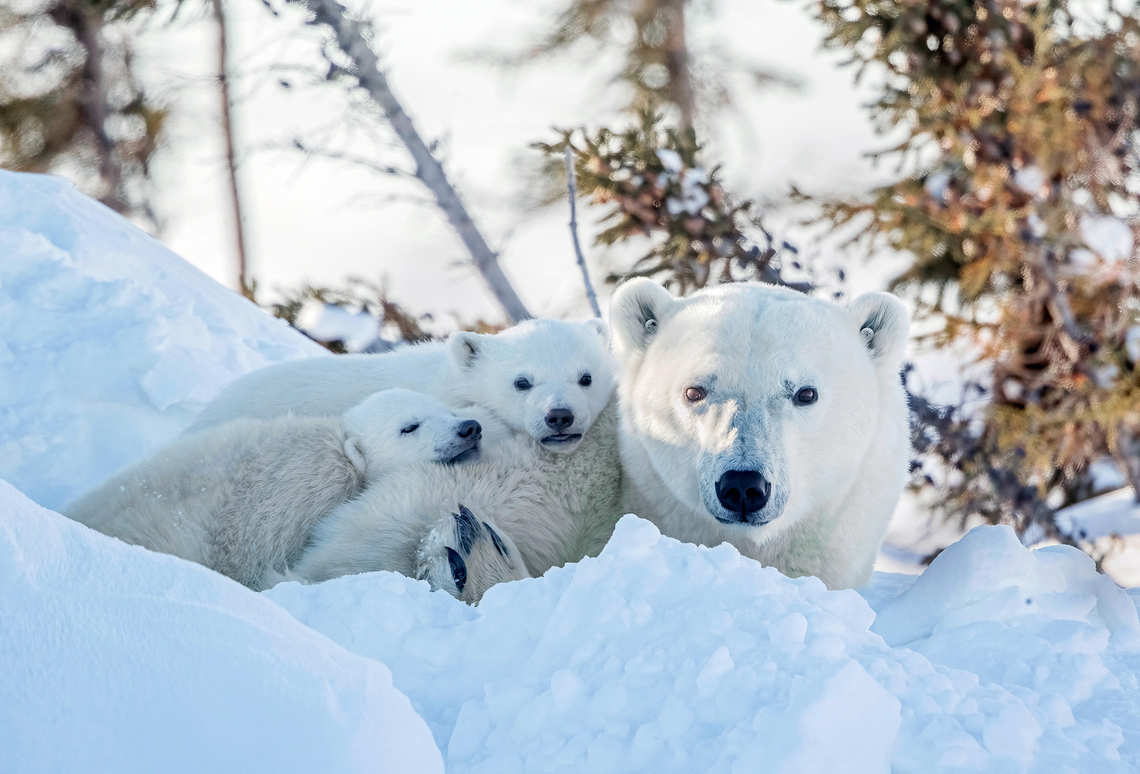
For travelers wondering where to see polar bears, Svalbard remains one of the great answers. But the deeper reason to take an Arctic expedition cruise is not only to find the bear. It is to understand the cold, luminous world that made the bear possible — and to leave it as undisturbed as the drifting ice will allow.
This article was developed with AI assistance and reviewed and edited for accuracy, quality, and relevance.