Galapagos Giant Tortoises
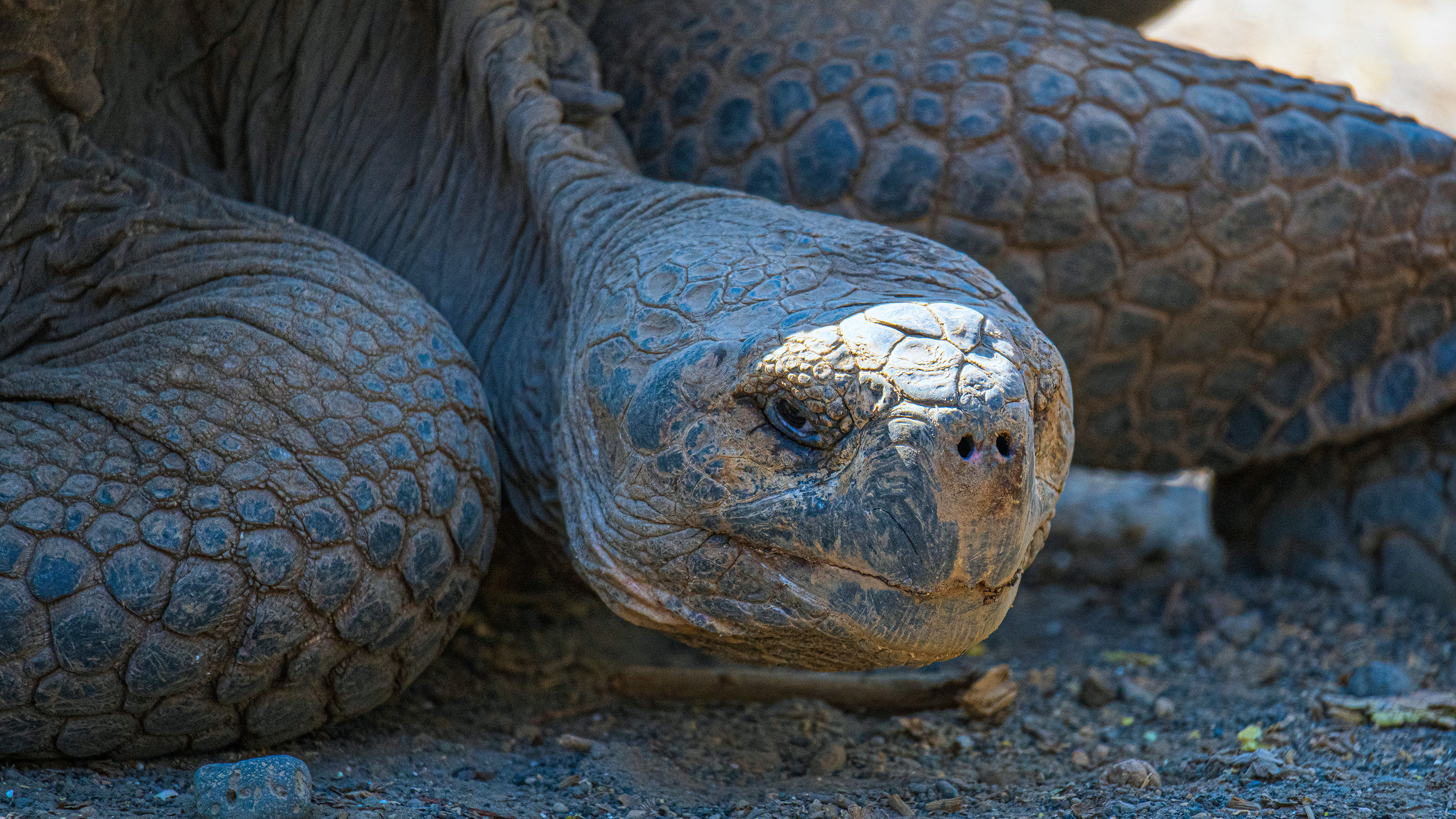
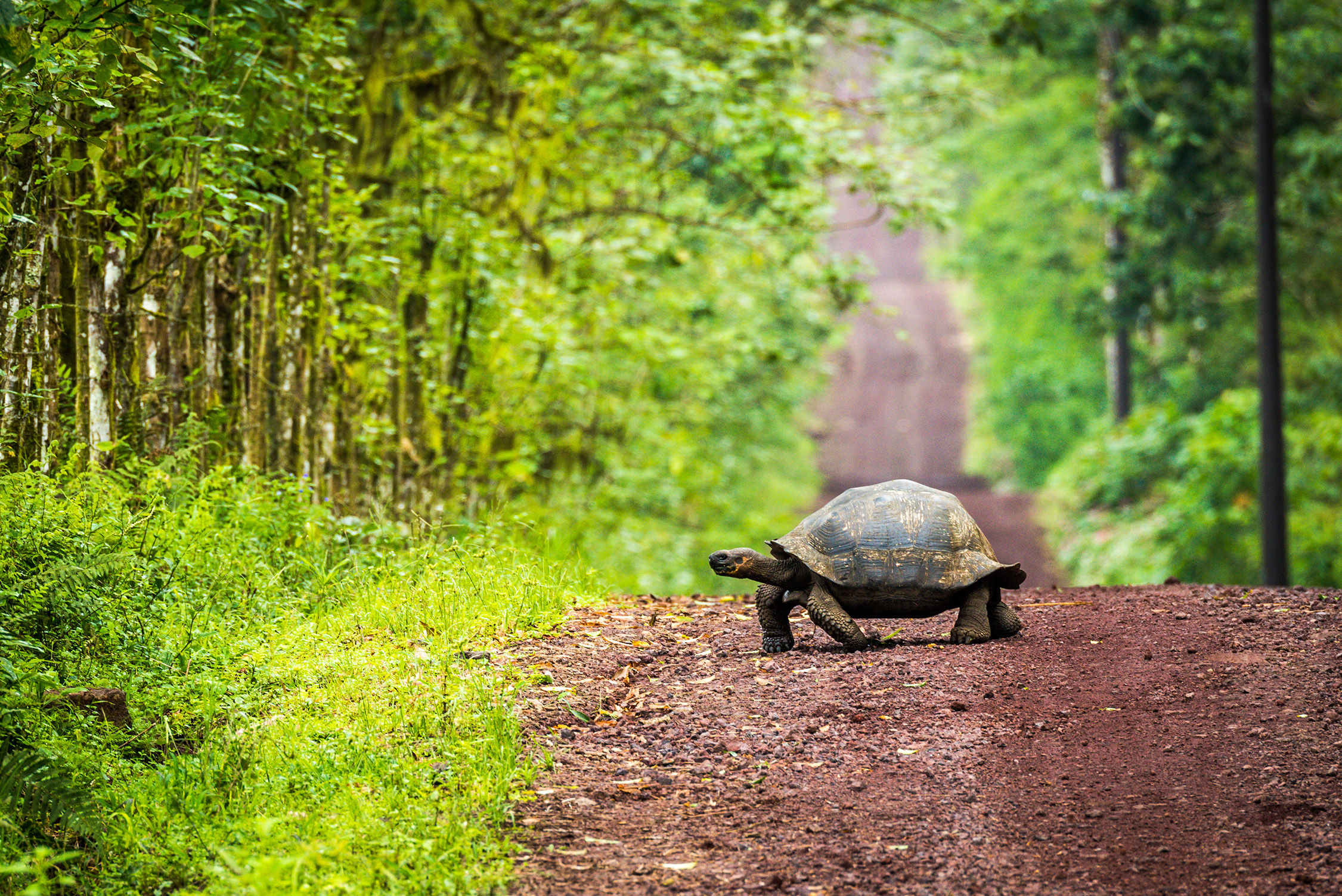
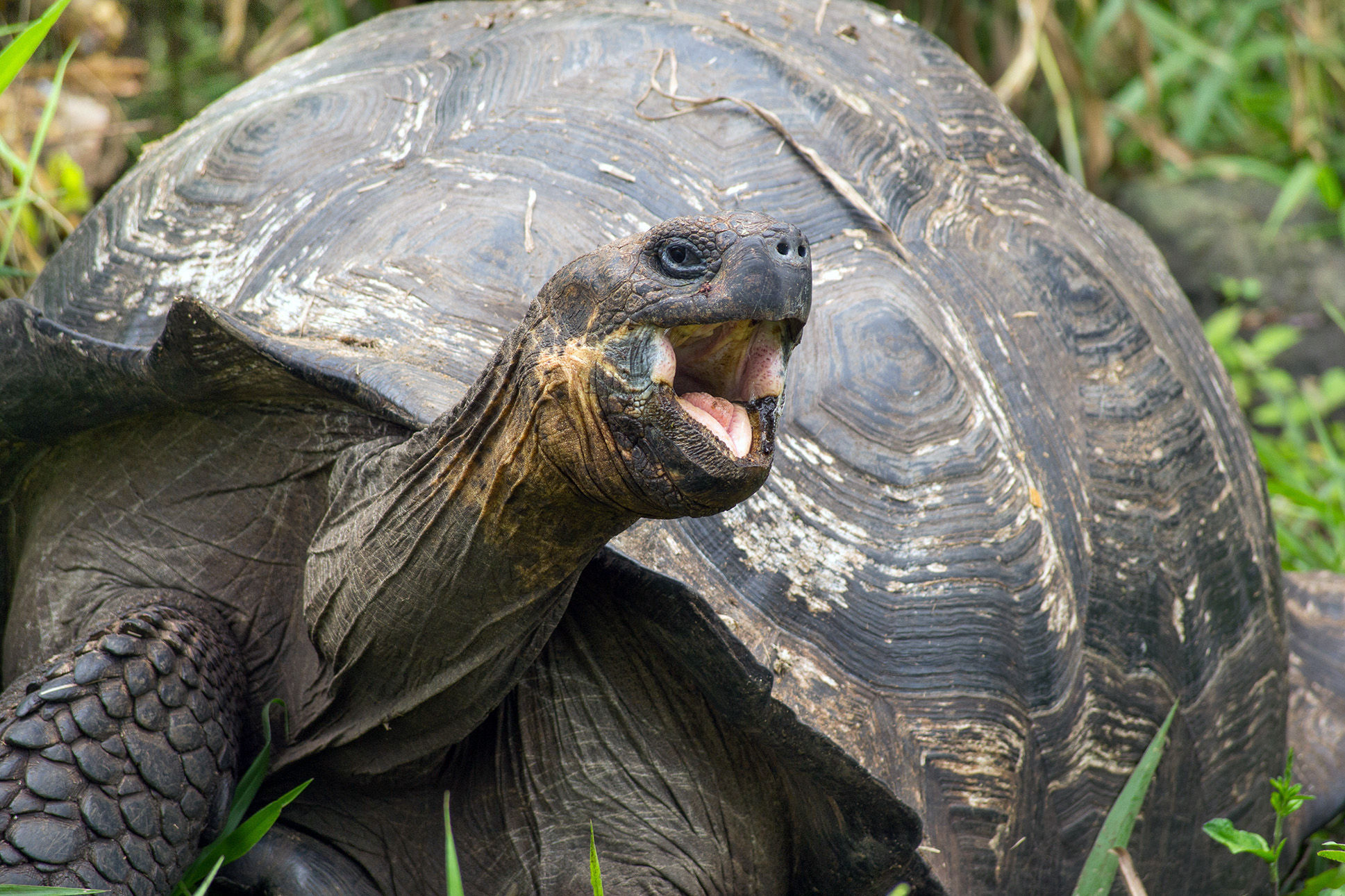
In the cool green highlands of Santa Cruz, the grass moves before the animal does. A dome of weathered shell rises from the mist, dark and ancient-looking, as if a piece of volcanic earth has decided to breathe. Then the head appears: slow, deliberate, watchful. A Galapagos giant tortoise takes another step through the damp pasture, leaving a deep print in the mud and a silence behind it that feels older than travel itself.
Few animals embody the Galapagos quite like the Galapagos tortoise. These long-lived reptiles are part wildlife encounter, part evolutionary landmark, part conservation symbol. They have shaped the islands’ vegetation, carried seeds across lava-born landscapes, and inspired generations of scientists, travelers, and naturalists. To see one in the wild is not simply to tick off another species from a list of Galapagos Islands animals; it is to come face to face with one of the archipelago’s great survivors.
For travelers exploring the islands by sea, Galapagos small ship cruises offer one of the most rewarding ways to encounter these giants. A single itinerary can combine highland tortoise reserves, the Charles Darwin Research Station, volcanic hikes near Sierra Negra volcano, snorkeling with marine life, and guided landings where every trail seems to reveal another chapter in the islands’ natural history.
The Galapagos Giant Tortoise is Extraordinary
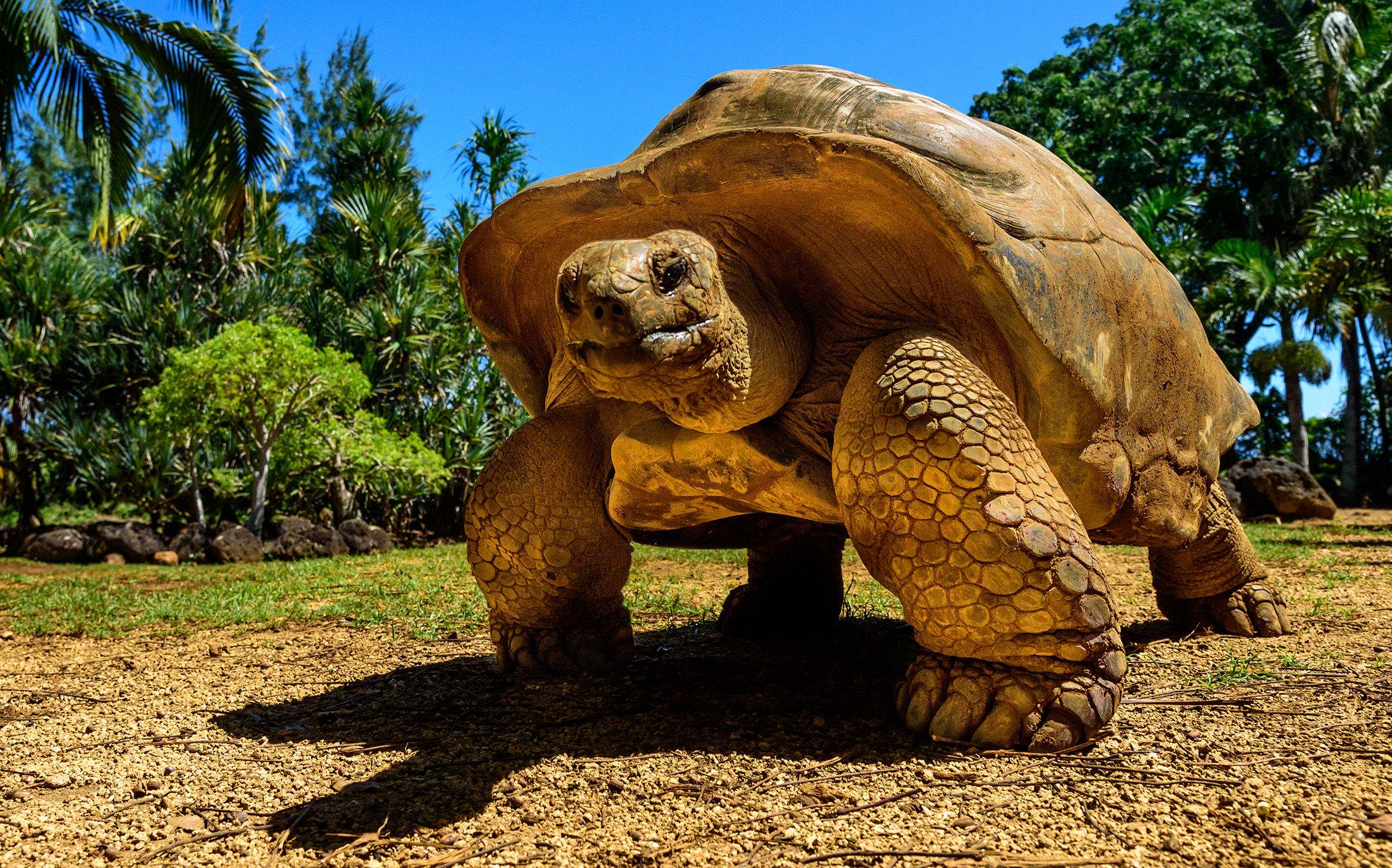
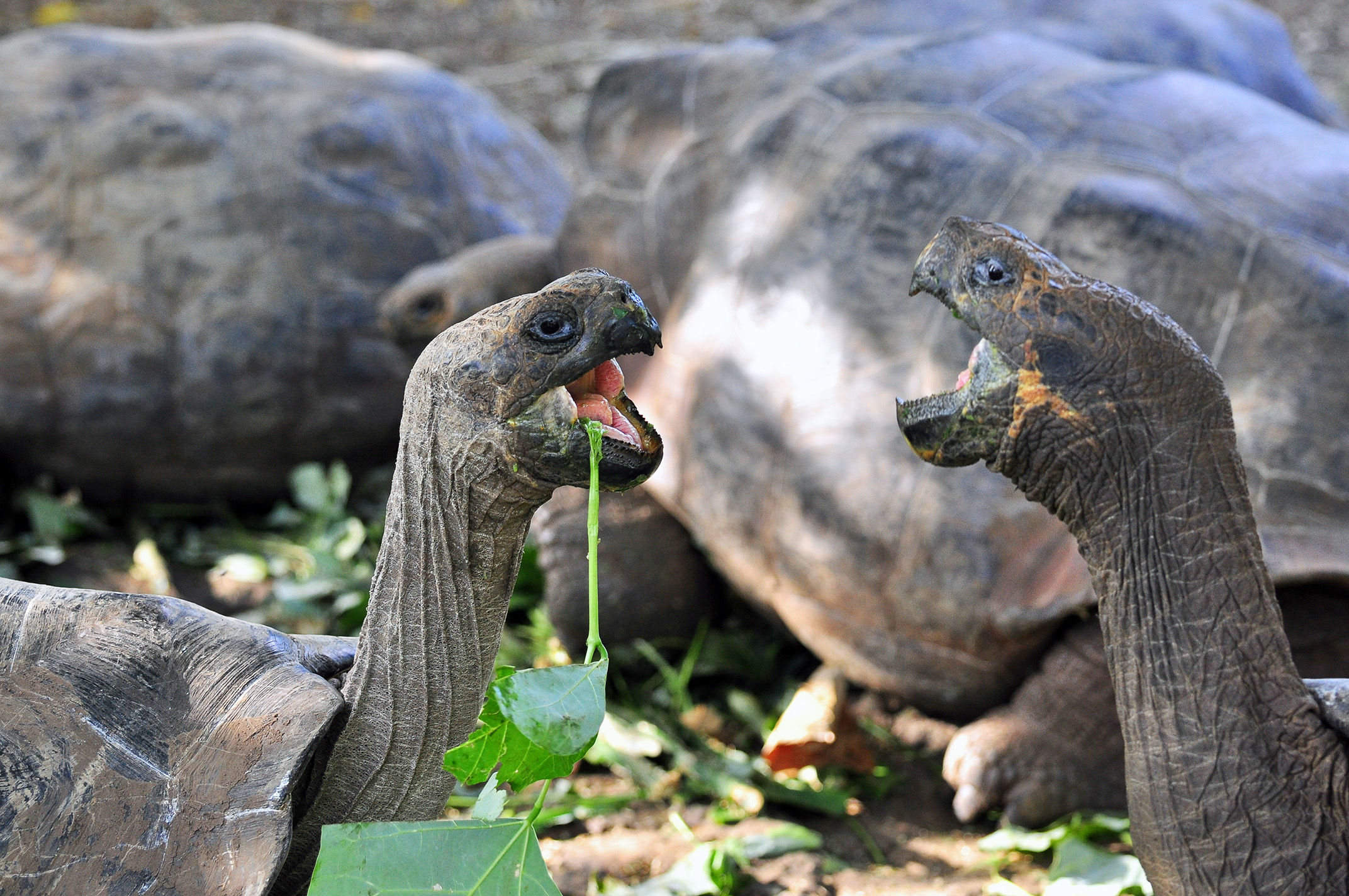
The Galapagos giant tortoise is one of the most recognizable reptiles on Earth. Massive, patient, and strangely expressive, it seems designed for a world where time moves differently. Some individuals weigh hundreds of pounds, with shells shaped by the particular conditions of their island homes. In wetter highlands, tortoises often have domed shells suited to grazing close to the ground. In drier zones, where vegetation may grow higher, and cacti become more important, some populations developed saddleback shells that allow the neck to stretch upward.
These differences are more than visual curiosities. They are living evidence of adaptation, written into bone and shell. Each island, each slope, and each food source has helped shape the Galapagos tortoise in subtle ways. This is why the species became so closely associated with the study of evolution, and why the archipelago remains one of the world’s great outdoor classrooms.
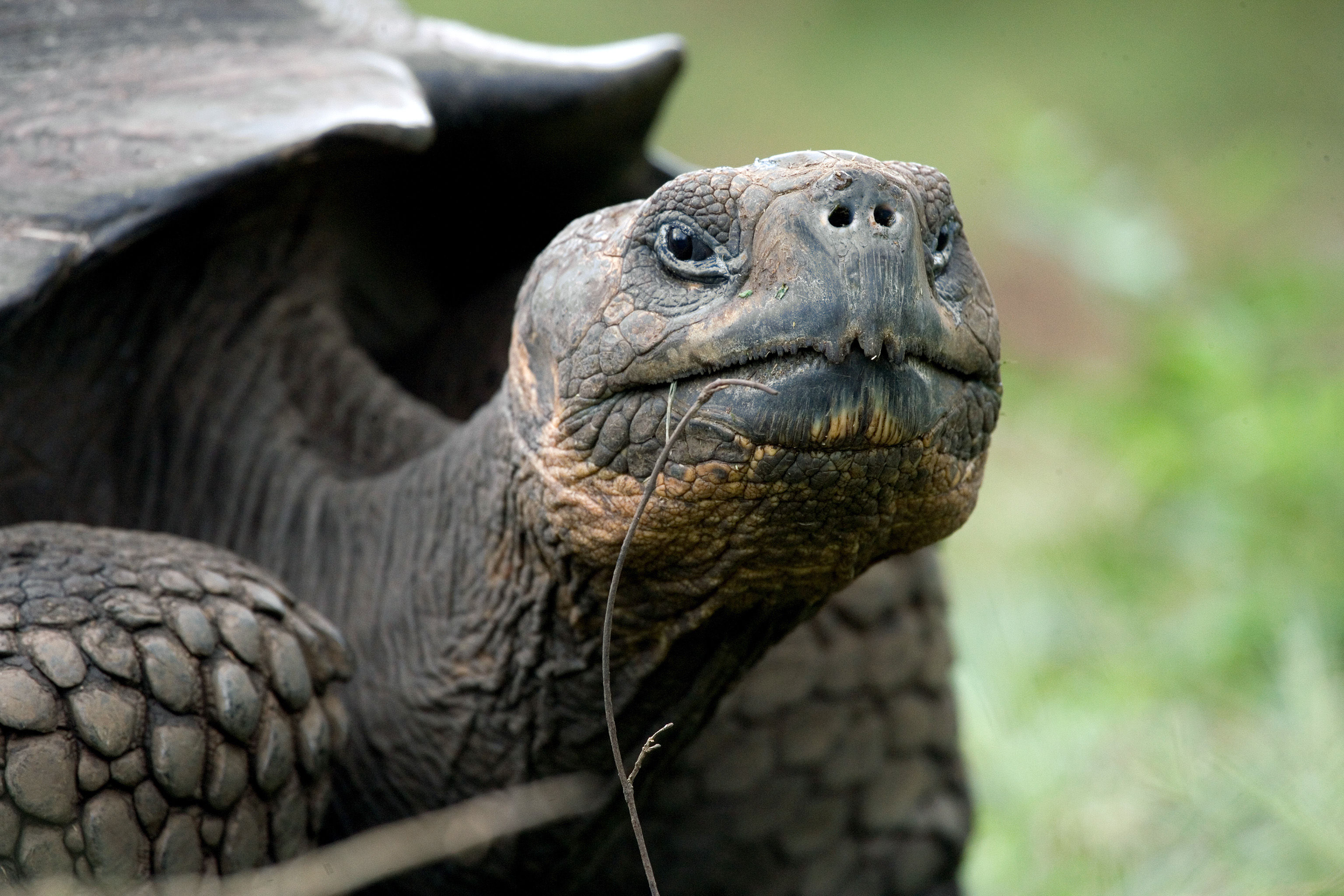
Ecologically, tortoises are also powerful landscape makers. They graze on vegetation, open pathways through dense growth, and disperse seeds through their droppings. The Charles Darwin Foundation describes giant tortoises as critical ecosystem engineers and notes that all 12 species of Galapagos giant tortoise are of conservation concern.
Lifespan: Animals That Outlive Generations
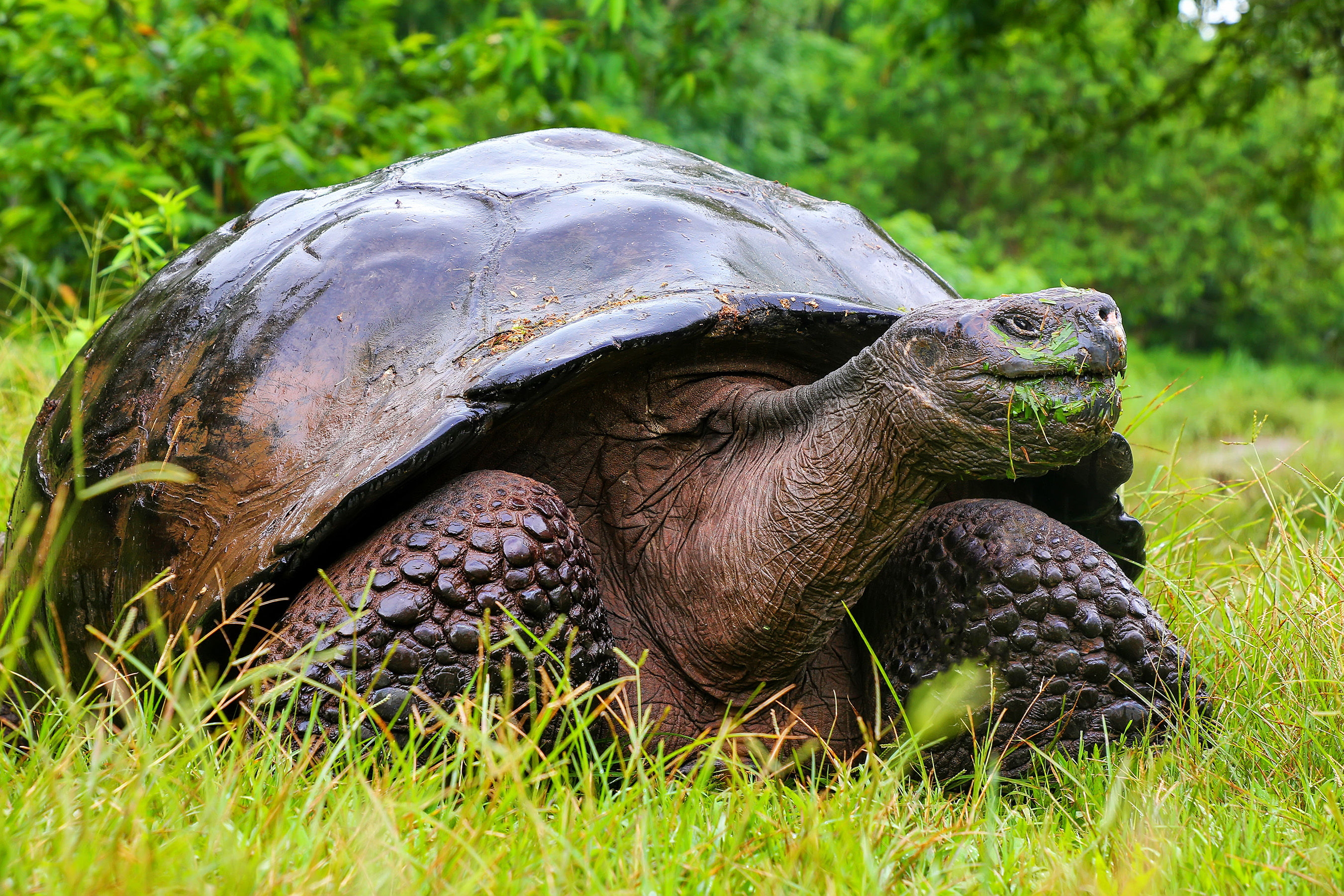
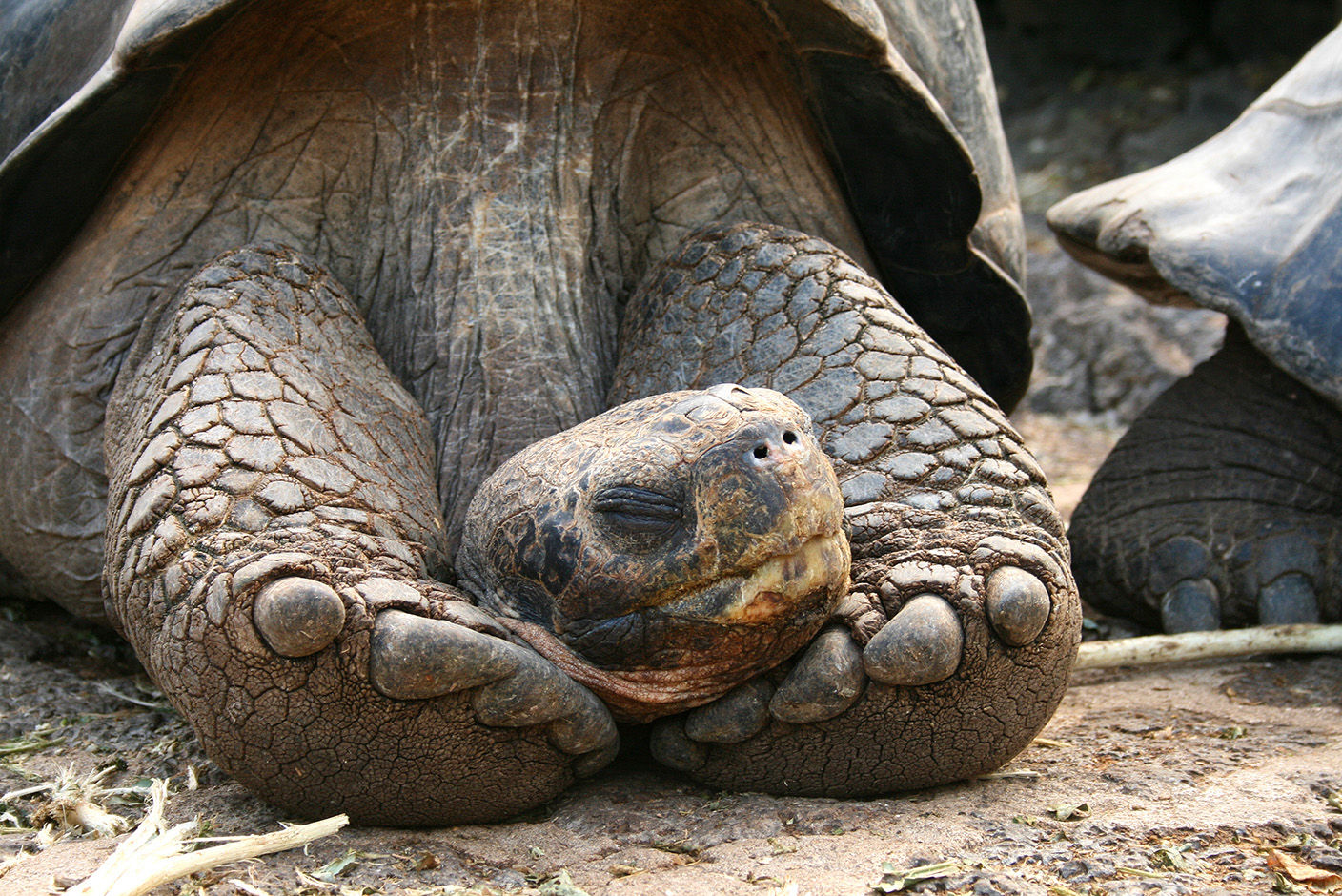
One of the most astonishing facts about the Galapagos tortoise is its lifespan. The Galapagos tortoise lifespan can extend well beyond a human lifetime, with many individuals living for more than a century. In travel terms, that means a tortoise seen today may have hatched before international tourism reached the islands, before modern conservation existed, and before much of the world understood what was at stake in protecting isolated island ecosystems.
Their longevity is part biology, part island strategy. A slow metabolism, careful energy use, and the ability to endure long periods without food or water have helped them survive in harsh volcanic environments. They are creatures of endurance rather than speed, built not to escape a moment, but to survive an age.
Habitat: Highlands, Lava Slopes, and Island Worlds
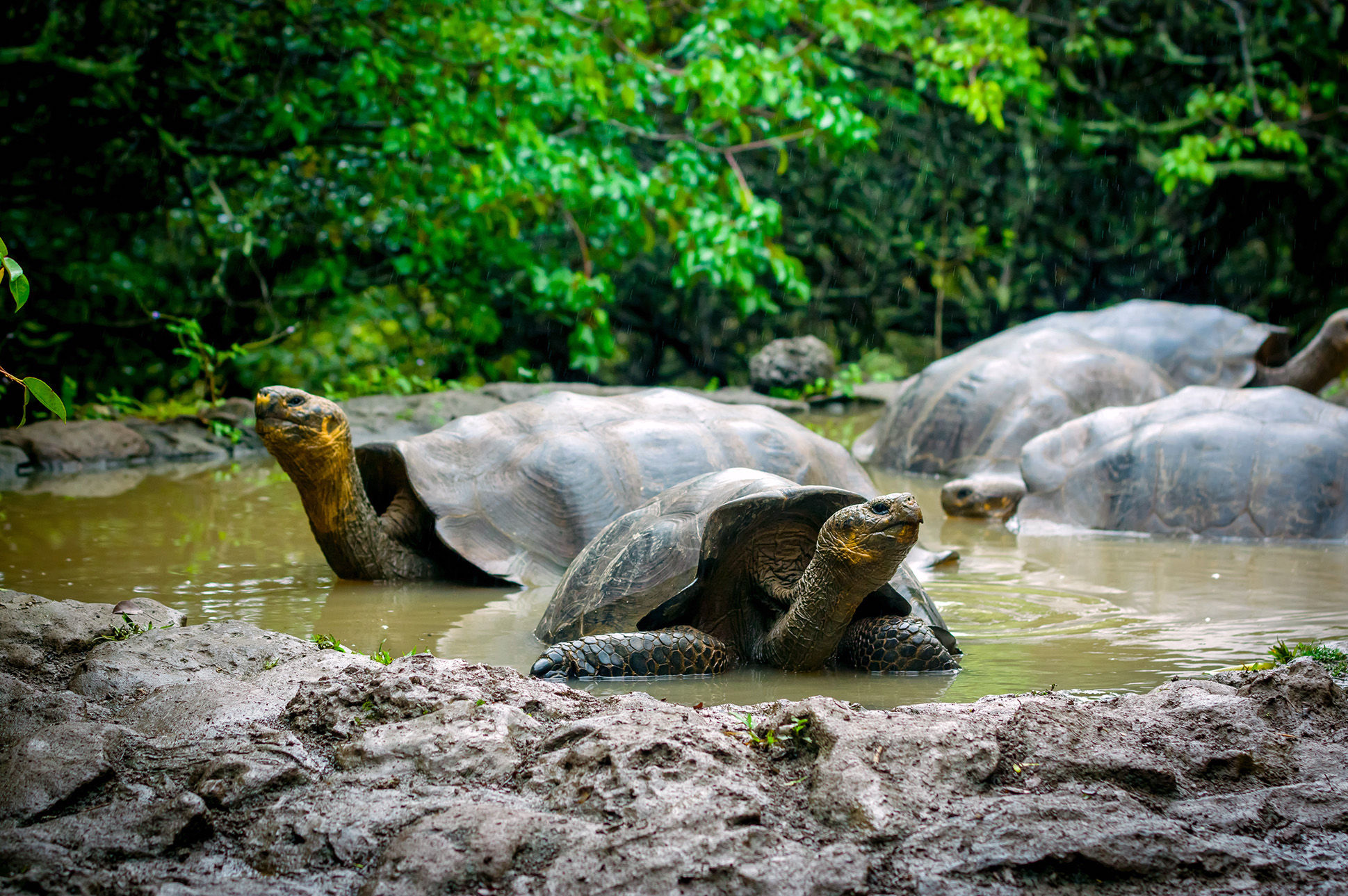
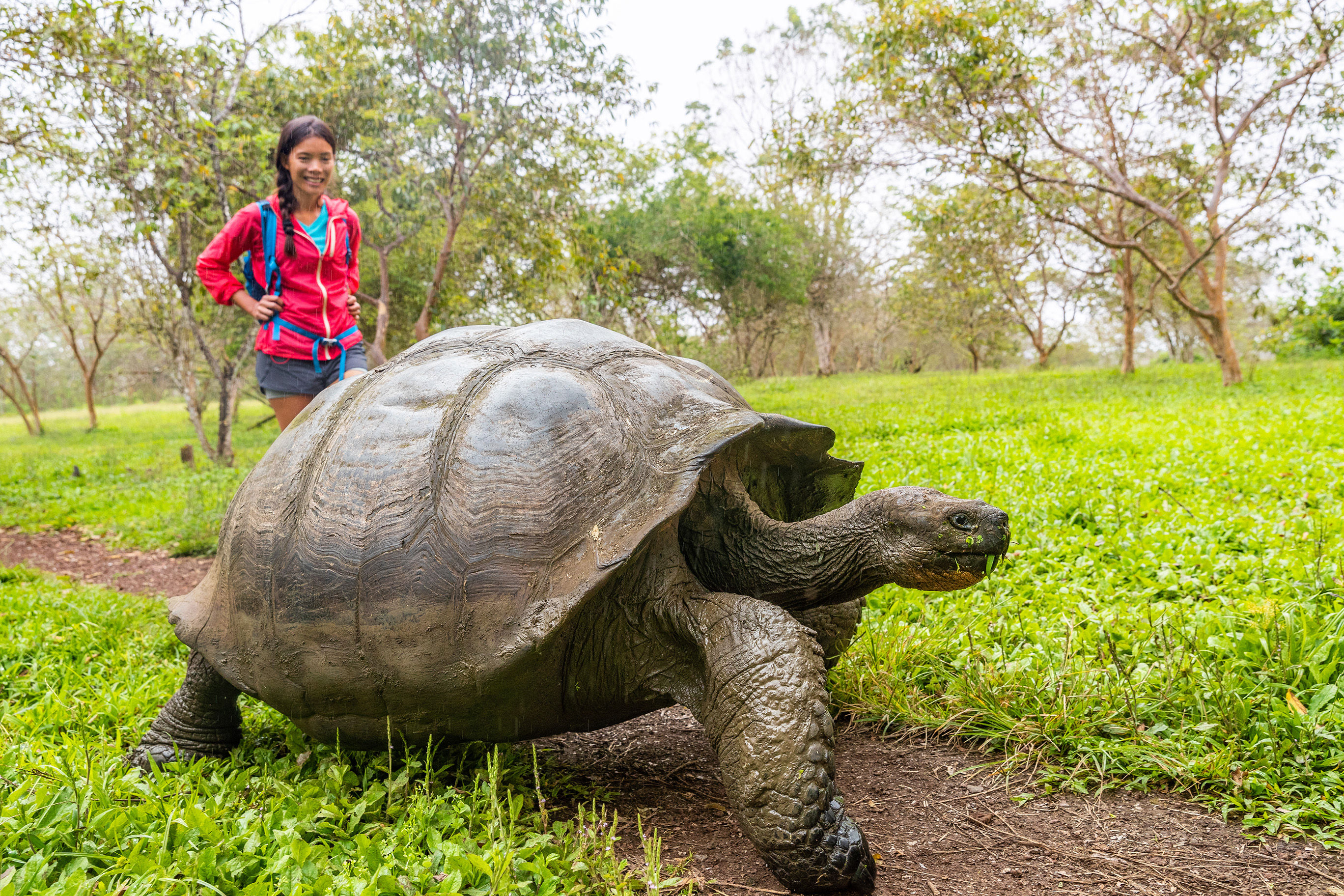
Galapagos tortoise habitat varies from island to island, but many of the most memorable encounters happen in the humid highlands. In Santa Cruz, wild tortoises move through green pastures, seasonal ponds, forest edges, and muddy trails. The air is cooler here than on the coast, and the vegetation is richer, giving the animals space to feed, soak, and move between elevations.
On Isabela Island, tortoise country feels more volcanic. The island is shaped by a chain of volcanoes, including Sierra Negra volcano, whose vast caldera is one of the most dramatic hiking sites in the archipelago. Isabela’s size and varied terrain have supported multiple tortoise populations, each associated with distinct volcanic landscapes and ecological conditions.
Other islands add further layers to the story. Floreana, San Cristóbal, Española, and Santiago all carry their own tortoise histories, some marked by loss, others by ambitious restoration. For travelers on Galapagos adventure tours, this variety is part of the appeal: tortoises are not confined to a single postcard setting. They belong to lava slopes, cactus forests, highland meadows, restoration centers, and the islands' long conservation memory.
Life Cycle and Diet
The life of a Galapagos giant tortoise begins in a nest dug into warm, dry ground. Females travel to nesting areas, often in lower elevations, where the sun can help incubate the eggs. The hatchlings emerge small and vulnerable, a striking contrast to the immense adults they may one day become. In their early years, young tortoises face threats from introduced predators, habitat disruption, and environmental extremes. Reaching adulthood is a slow achievement, measured not in seasons but in decades.
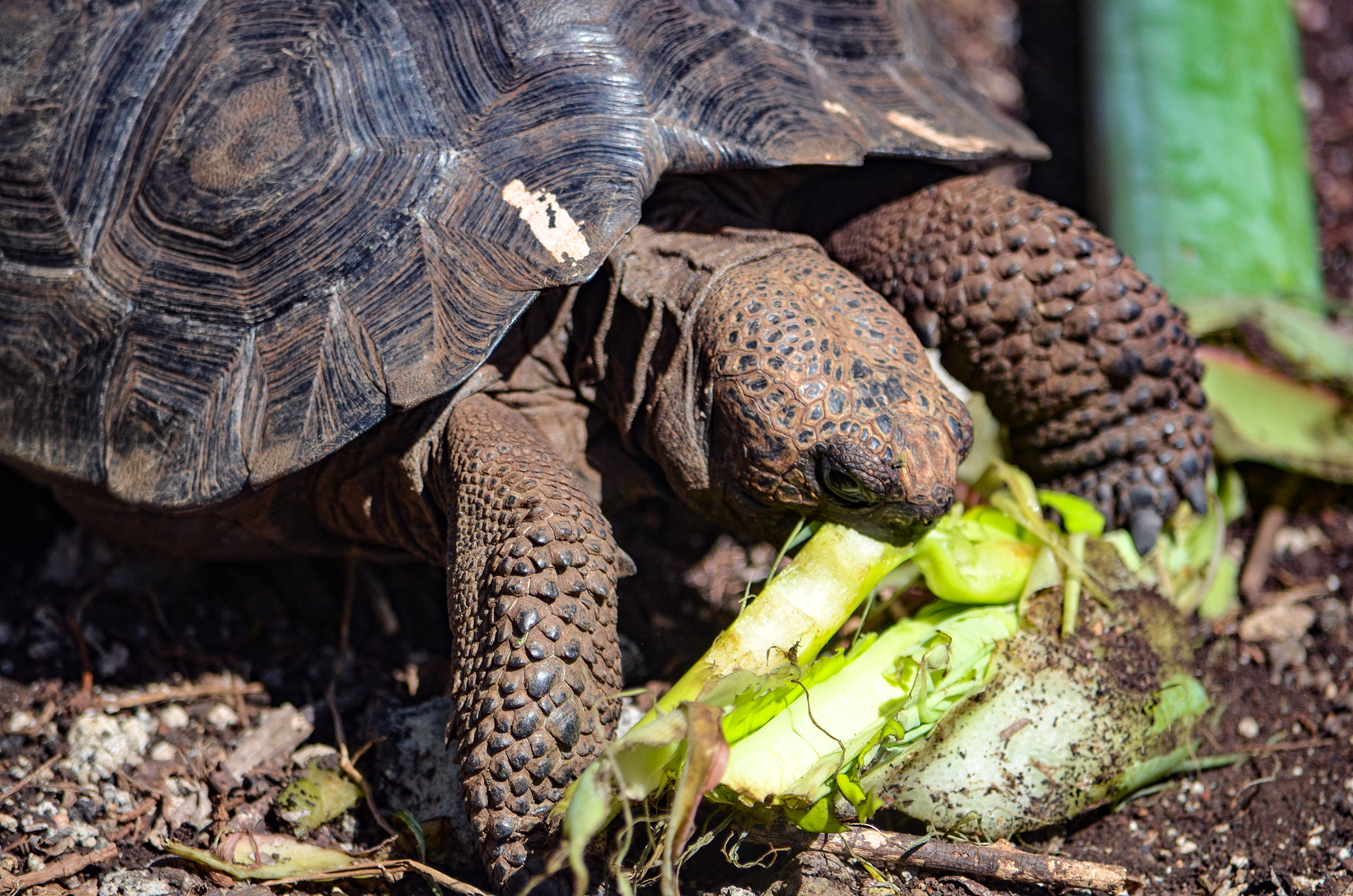
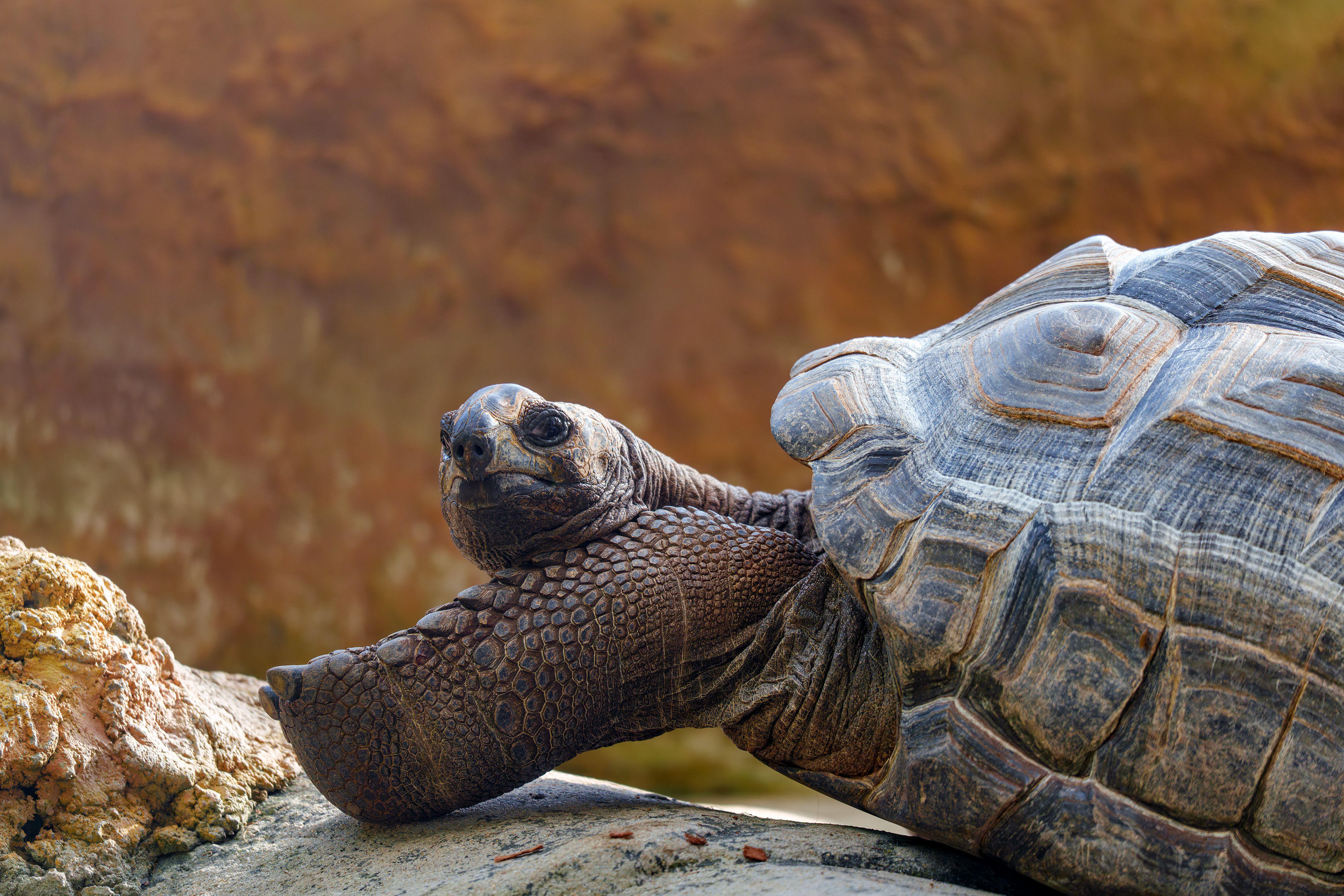
Adult tortoises live at a different pace. Their size provides them with protection, while their slow metabolism allows them to survive in landscapes where food and water availability may fluctuate dramatically. They move between feeding areas, wallow in mud or shallow pools to regulate temperature and deter insects, and spend much of their day grazing or resting.
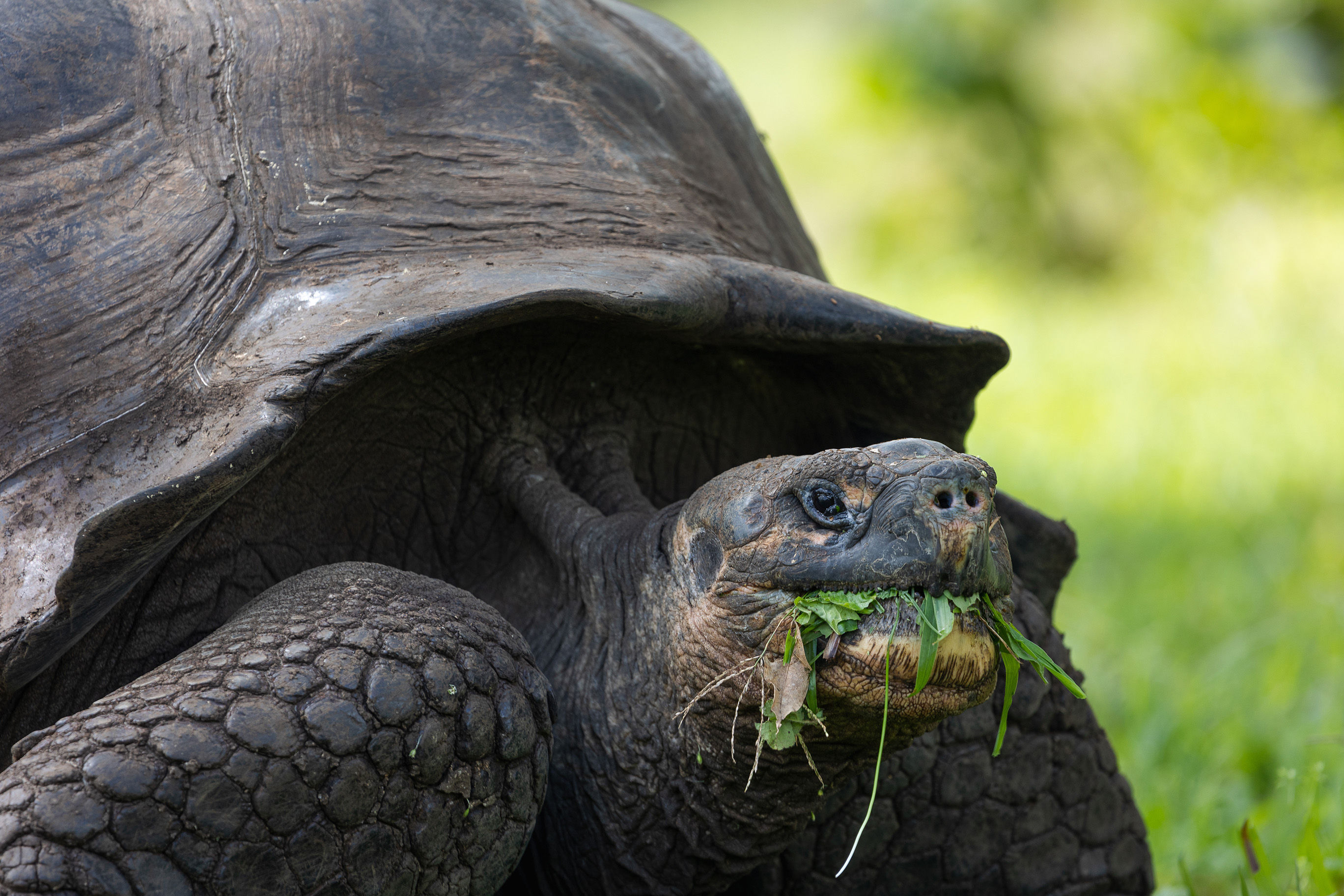
The Galapagos tortoise diet is entirely plant-based. Depending on the island and habitat, tortoises feed on grasses, leaves, fruits, shrubs, and cactus pads. In drier areas, cactus can be especially important, providing both food and moisture. Their feeding habits make them essential to the wider ecosystem: as they eat and travel, they spread seeds across the landscape, helping plants colonize new areas and maintaining the ecological rhythm of the islands.
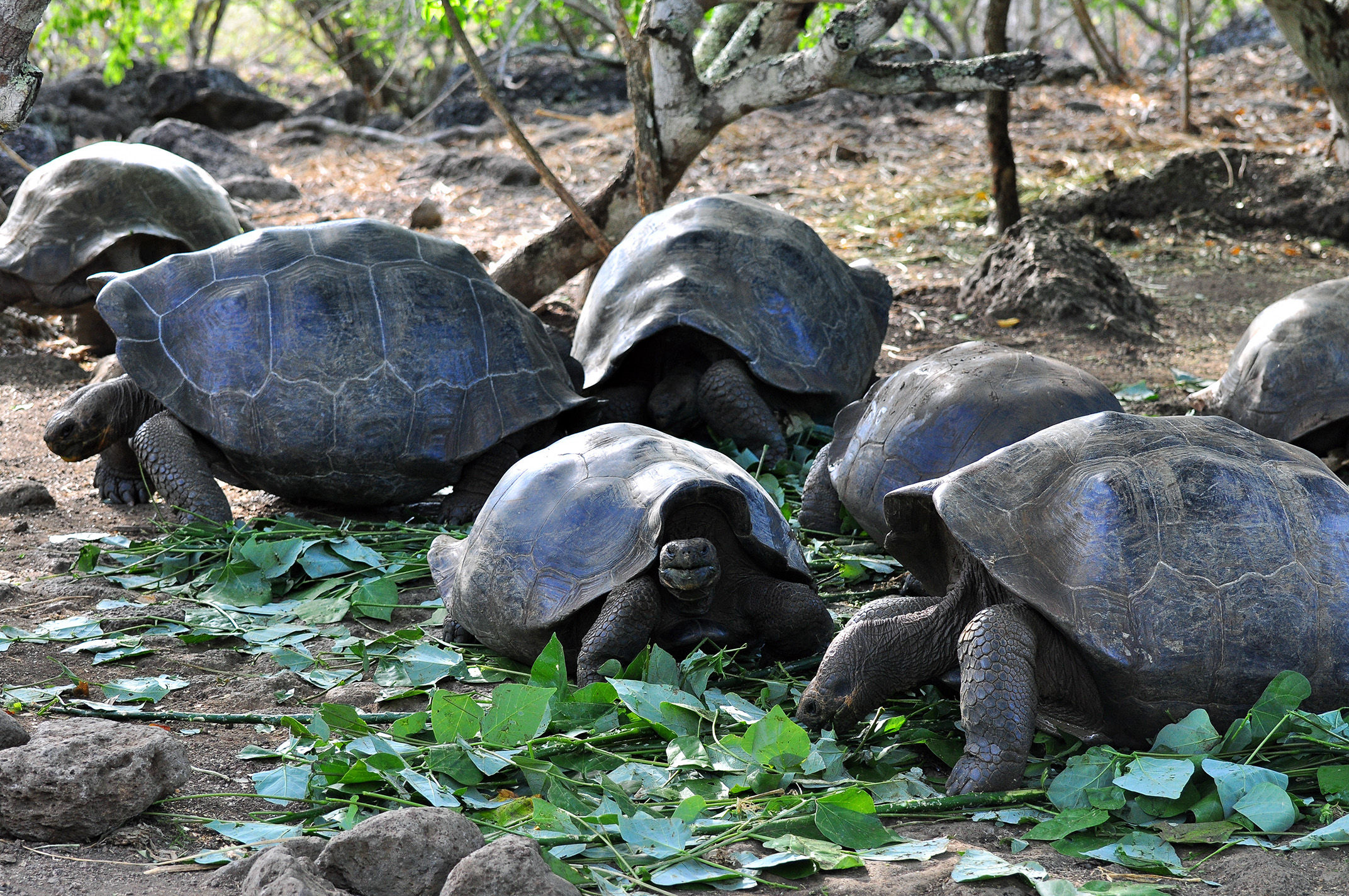
This slow cycle of feeding, movement, nesting, and seed dispersal is one reason tortoise conservation matters so deeply. Protecting the Galapagos tortoise is not just about saving a charismatic animal; it is about restoring the processes that sustain the islands.
Conservation Story of the Galapagos
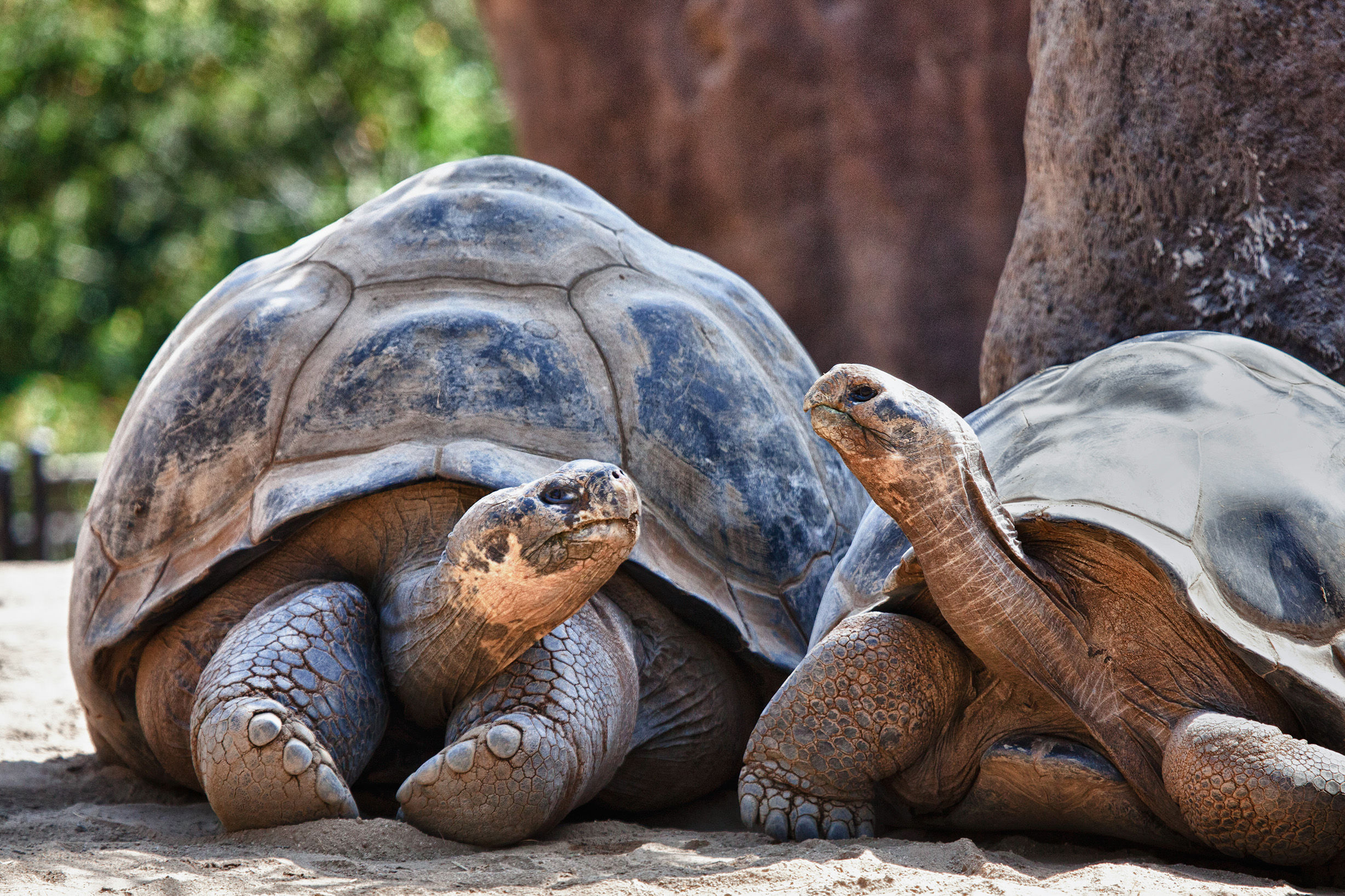
No Galapagos tortoise became more famous than Lonesome George. Discovered on Pinta Island in 1972, he was the last known individual of his kind, a living remnant of a lineage pushed to the edge by hunting, habitat change, and introduced species. He was brought to the Charles Darwin Research Station on Santa Cruz, where he became a global symbol of extinction and conservation responsibility.
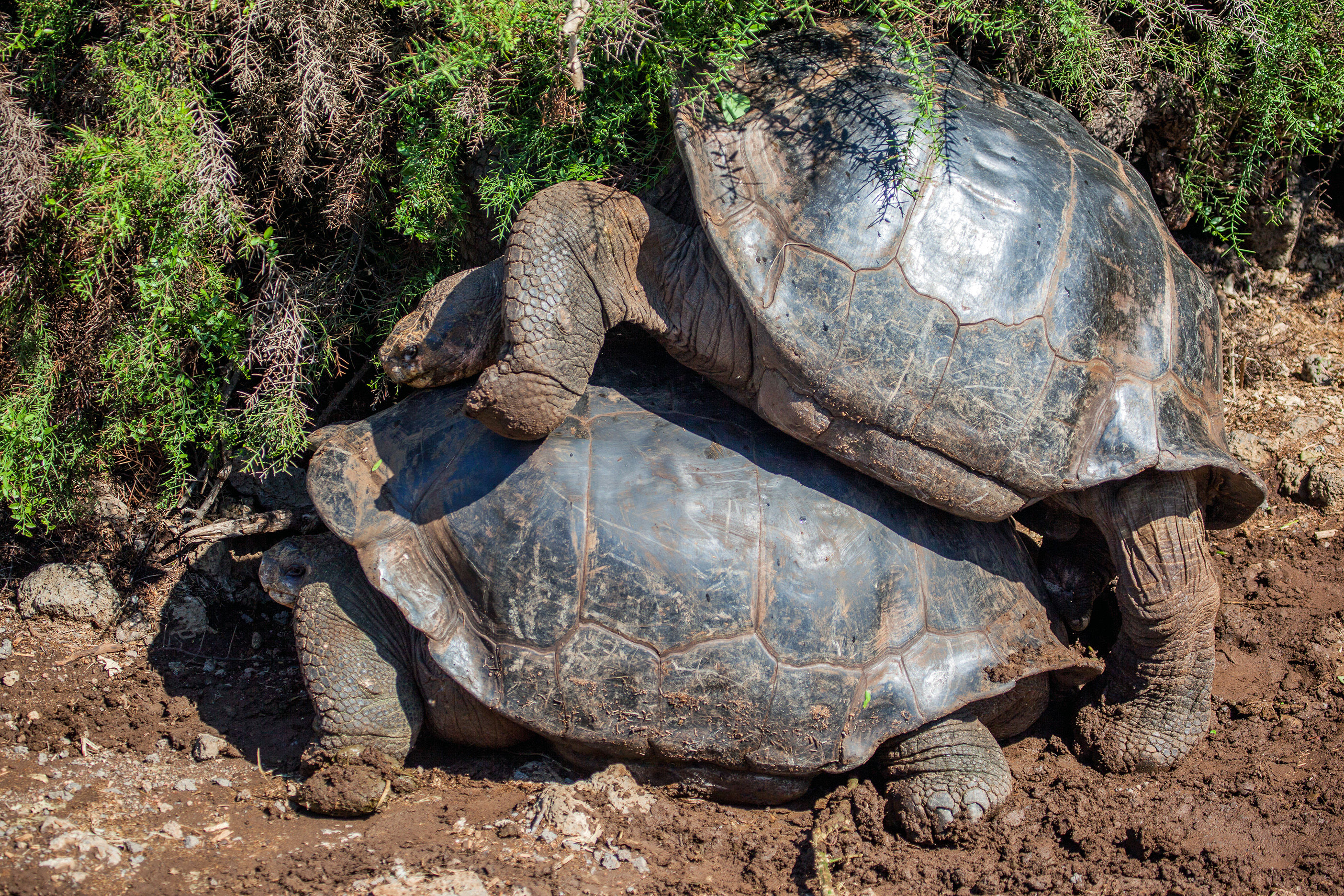
For decades, scientists hoped another Pinta Island tortoise might be found, or that George might produce offspring with closely related females. Those hopes never came to fruition. When Lonesome George died in 2012, his story became both an ending and a warning. He represented what can vanish when island ecosystems are treated as inexhaustible.
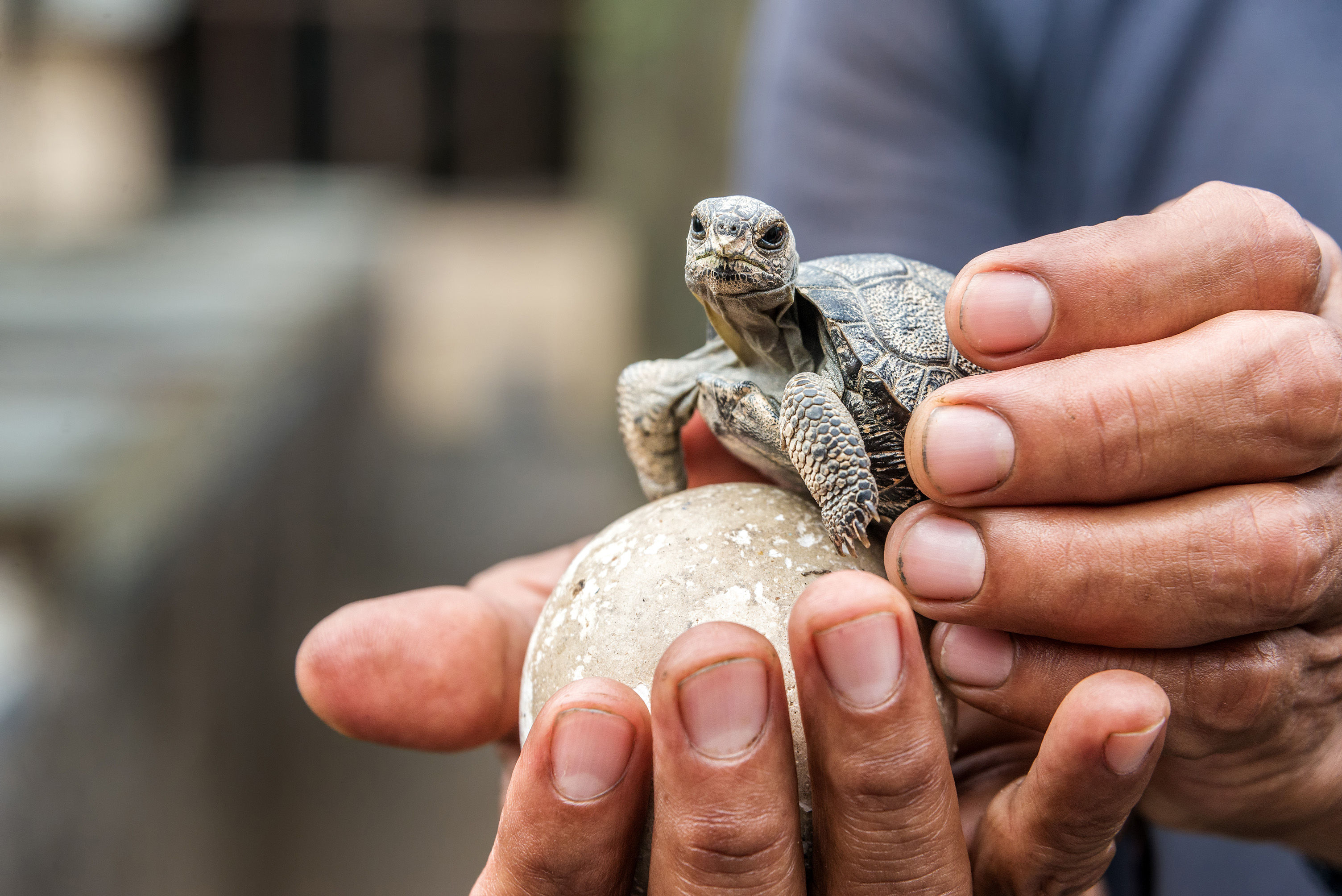
Yet the Galapagos conservation story is not only one of loss. Across the islands, breeding programs, habitat restoration, invasive species control, and reintroduction projects are helping tortoises return to places where they had disappeared. In 2026, 158 juvenile tortoises were reintroduced to Floreana Island after nearly 200 years' absence, a major restoration milestone for the archipelago.
Charles Darwin Research Station: Science Meets the Visitor
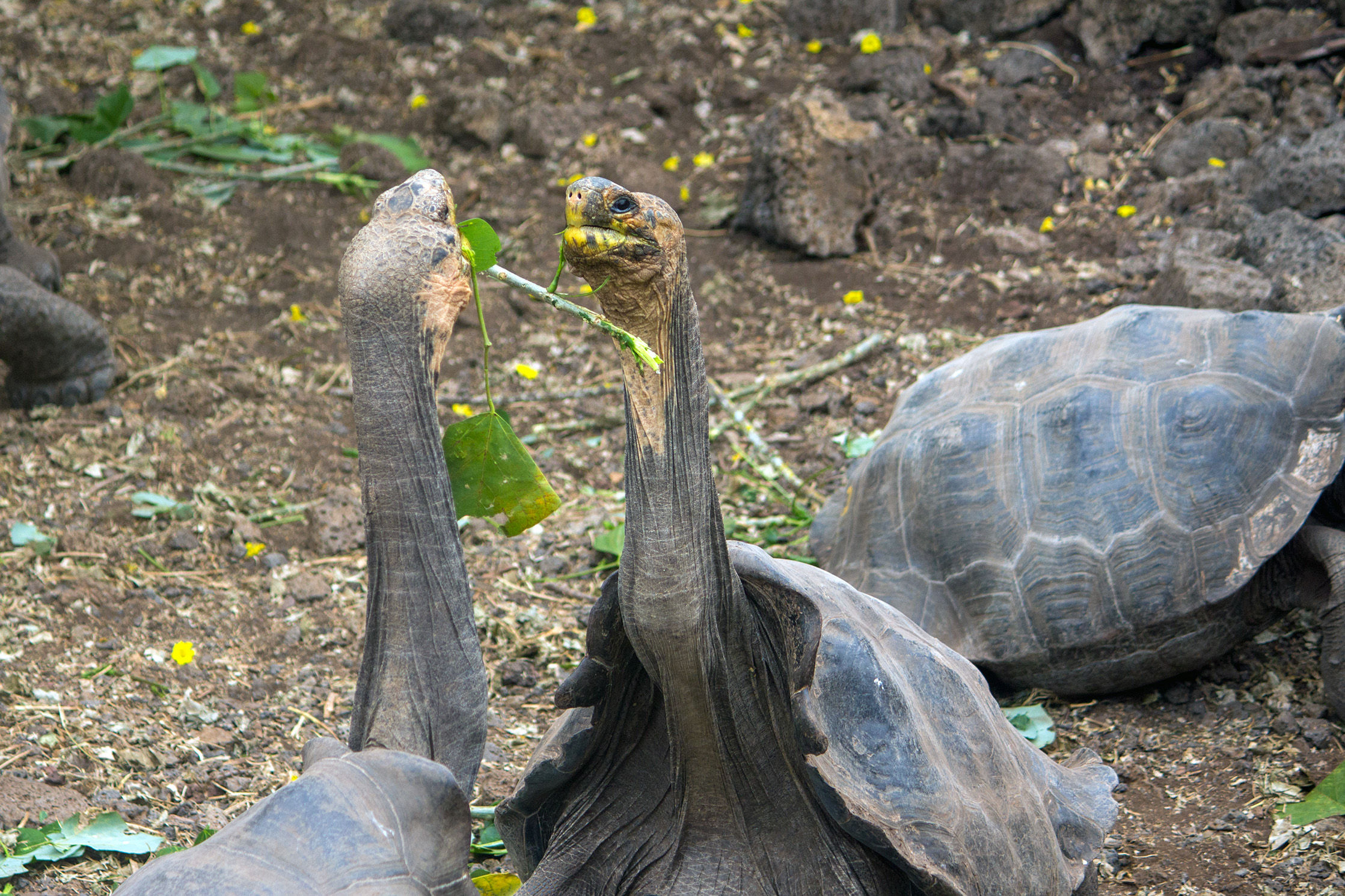
For many travelers, the Charles Darwin Research Station in Puerto Ayora is one of the most meaningful stops in the Galapagos. It offers a rare chance to connect the thrill of seeing wildlife with the deeper scientific work that protects it. Here, visitors can learn about breeding programs, tortoise restoration, island ecology, and the long effort to repair damage caused by centuries of exploitation.
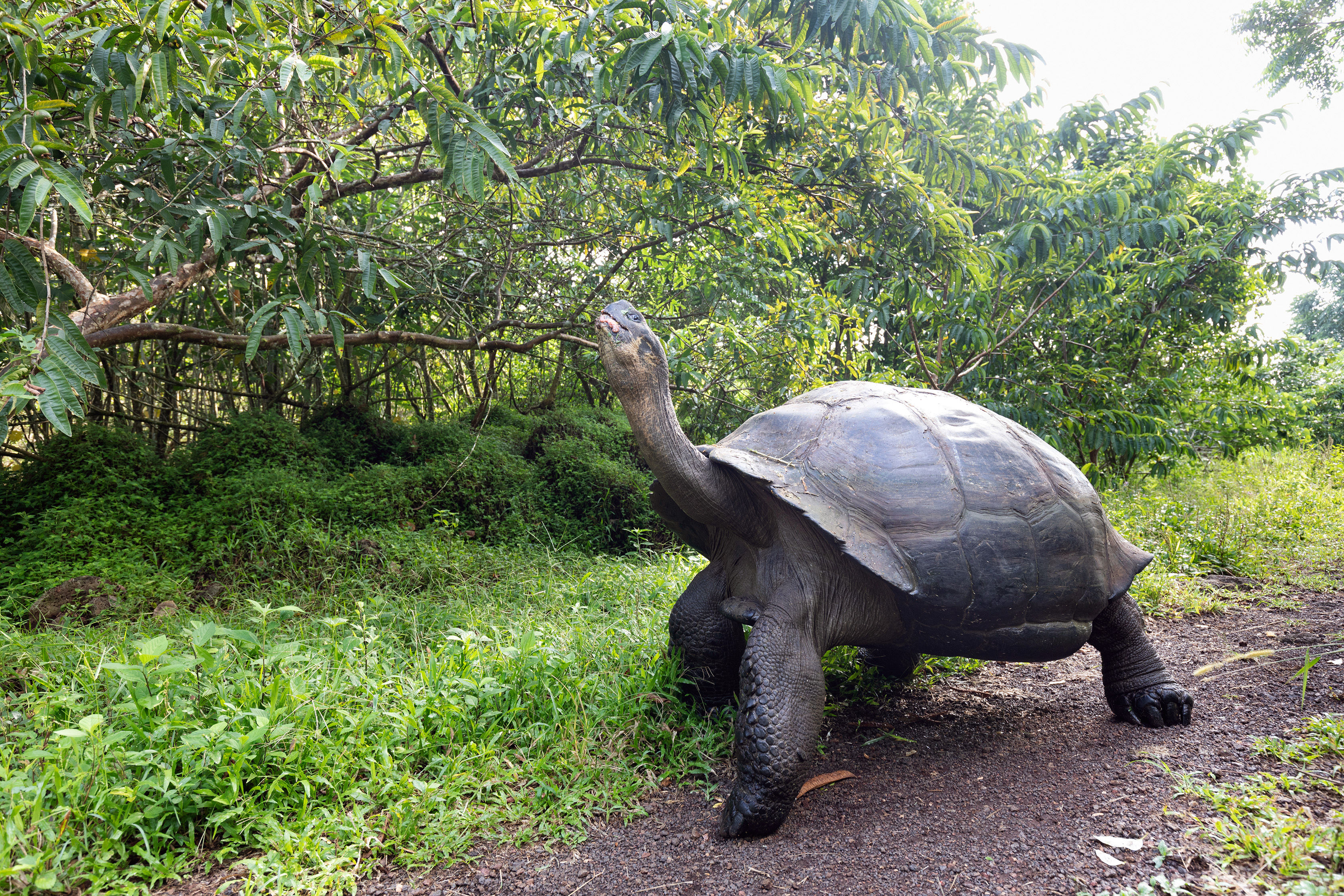
The station is especially valuable because it gives context to everything seen in the wild. A tortoise crossing a highland trail becomes more than a remarkable animal; it becomes part of a larger story involving researchers, park rangers, local communities, and decades of conservation work. For Galapagos small ship cruises that begin, end, or pause near Santa Cruz, the Charles Darwin Research Station is a natural anchor point.
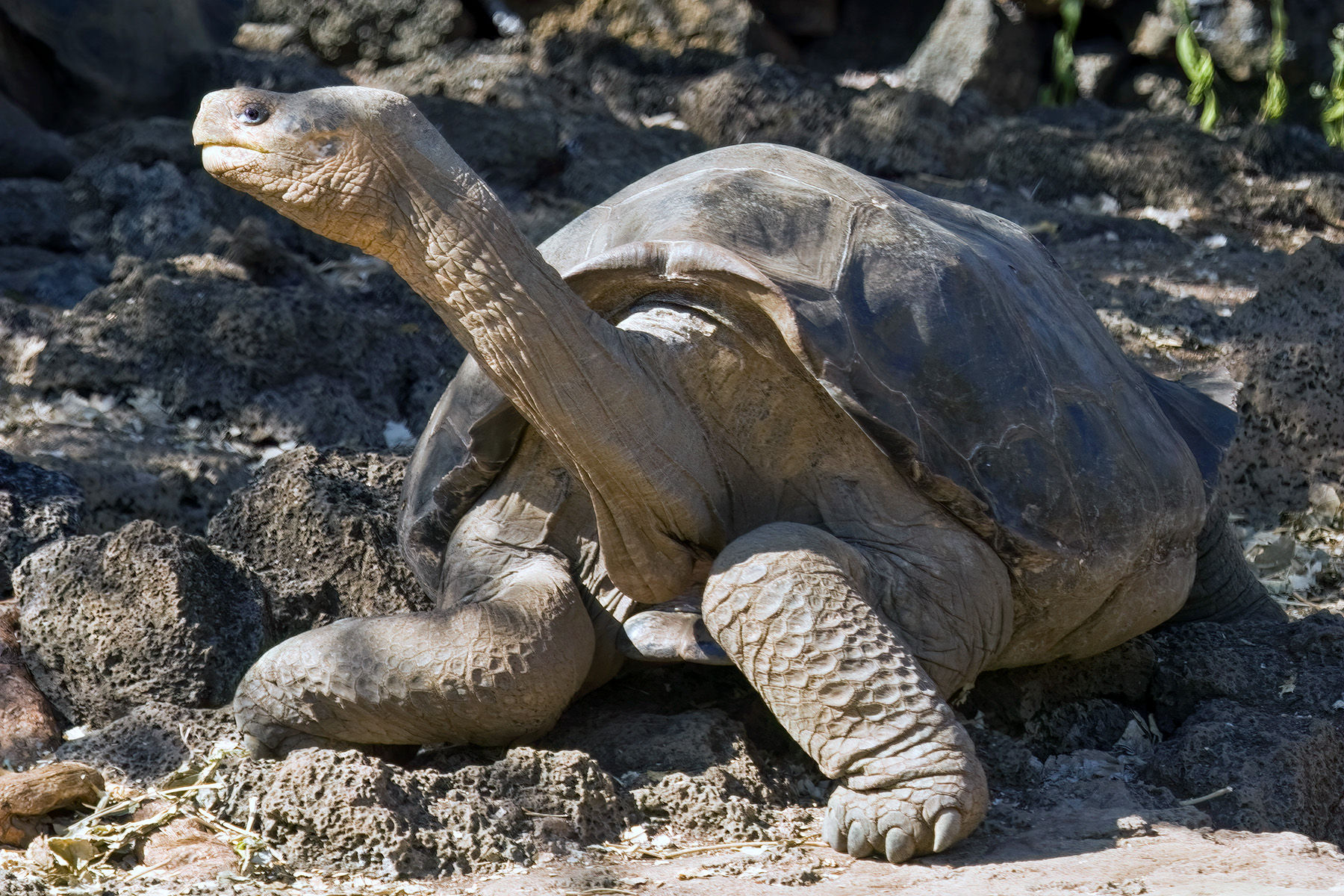
It is also where the memory of Lonesome George remains closely tied to the islands’ conservation identity. His story continues to shape how travelers understand the fragility of the Galapagos and the urgency of protecting what remains.
Best Places to See Galapagos Giant Tortoises
Santa Cruz Highlands
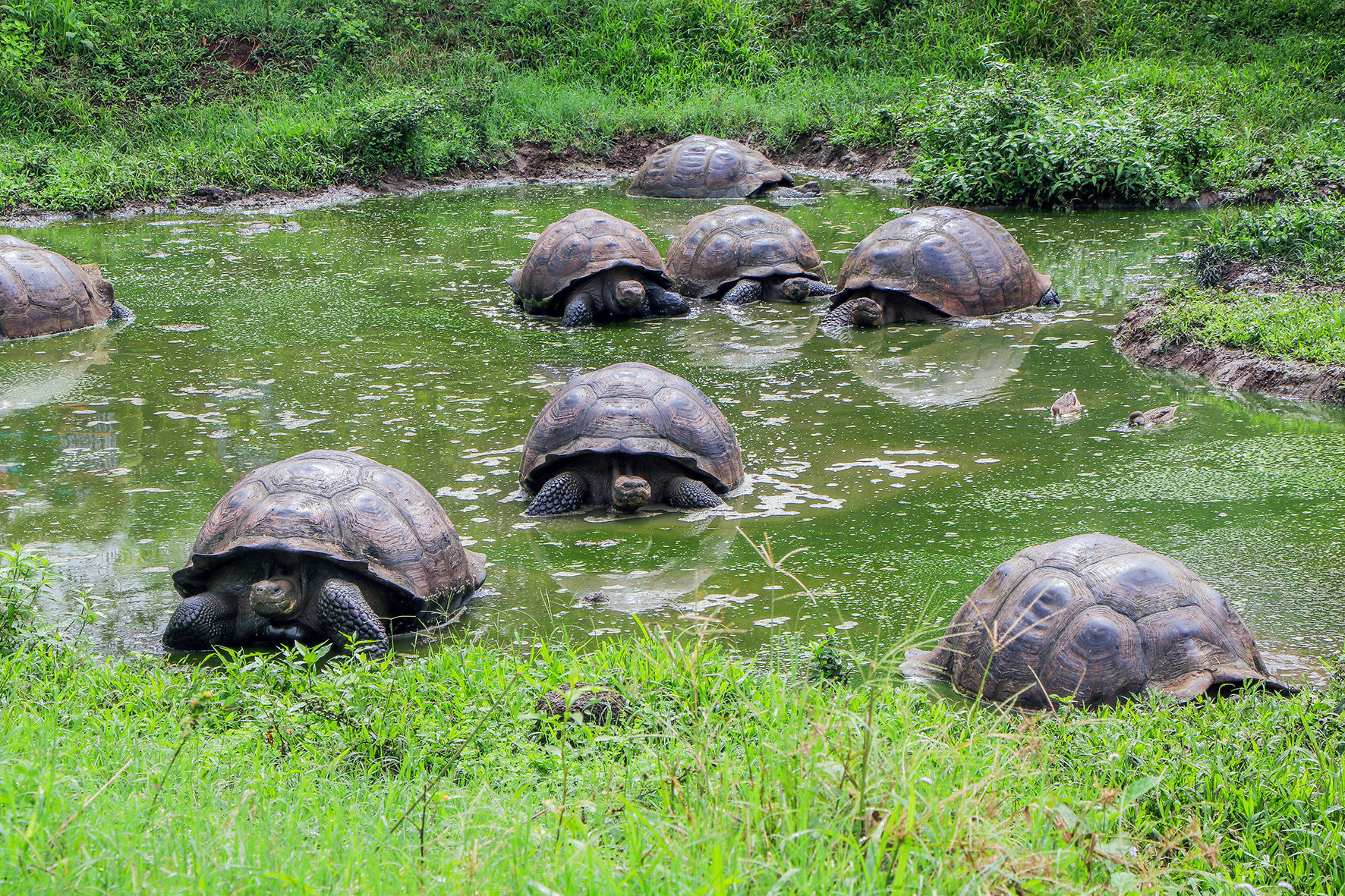
The Santa Cruz highlands are among the best places to see Galapagos giant tortoises in a semi-wild or wild setting. The landscape shifts quickly from coastal dryness to green uplands, where tortoises move through pastures, forest patches, and muddy pools. Naturalist-guided visits here often provide some of the most intimate tortoise encounters in the islands.
Charles Darwin Research Station
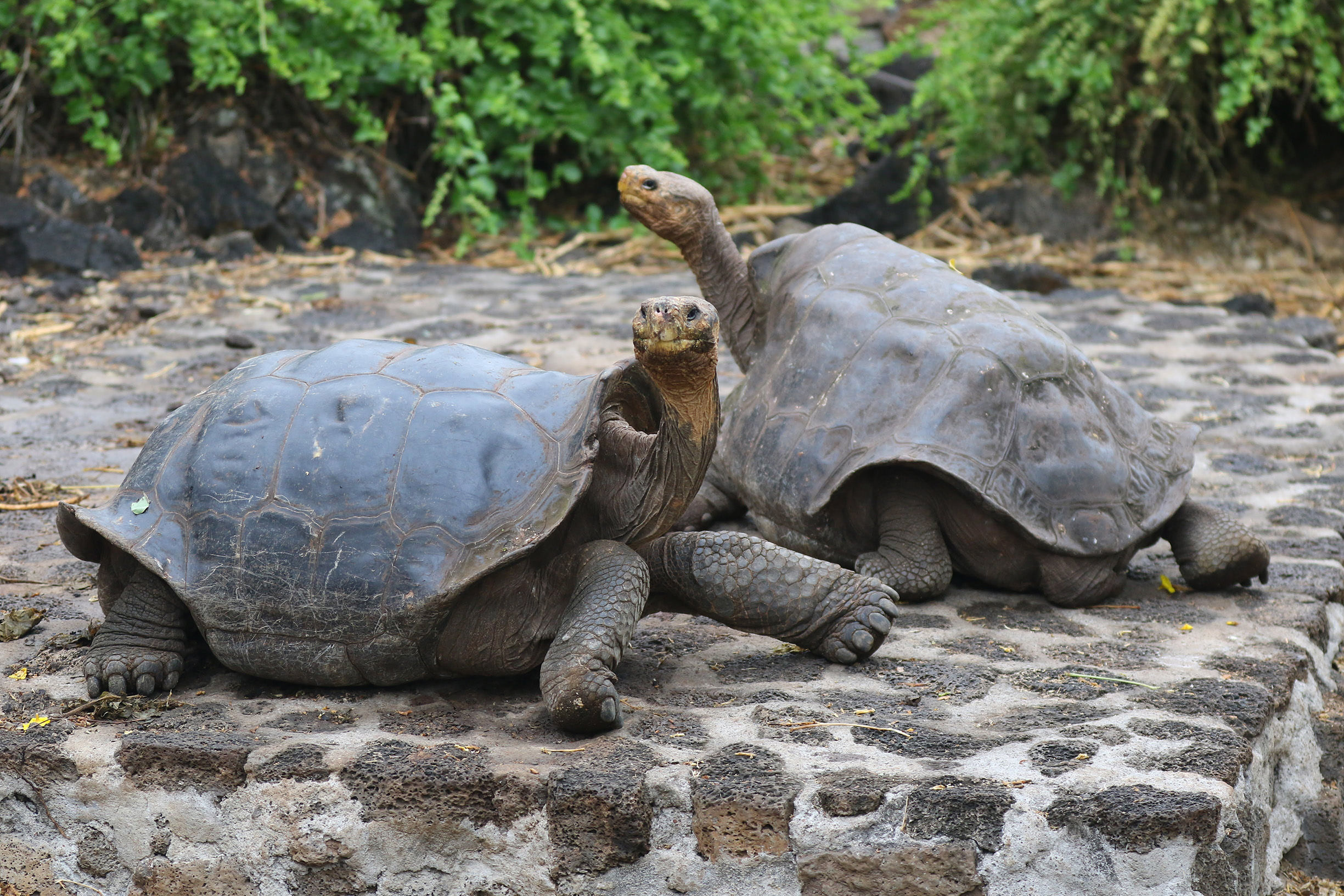
For travelers who want to understand the science behind the species, the Charles Darwin Research Station is essential. It is one of the best places to learn about tortoise breeding, restoration, and the legacy of Lonesome George, especially when paired with a highland visit on the same island.
Isabela Island and Sierra Negra Volcano
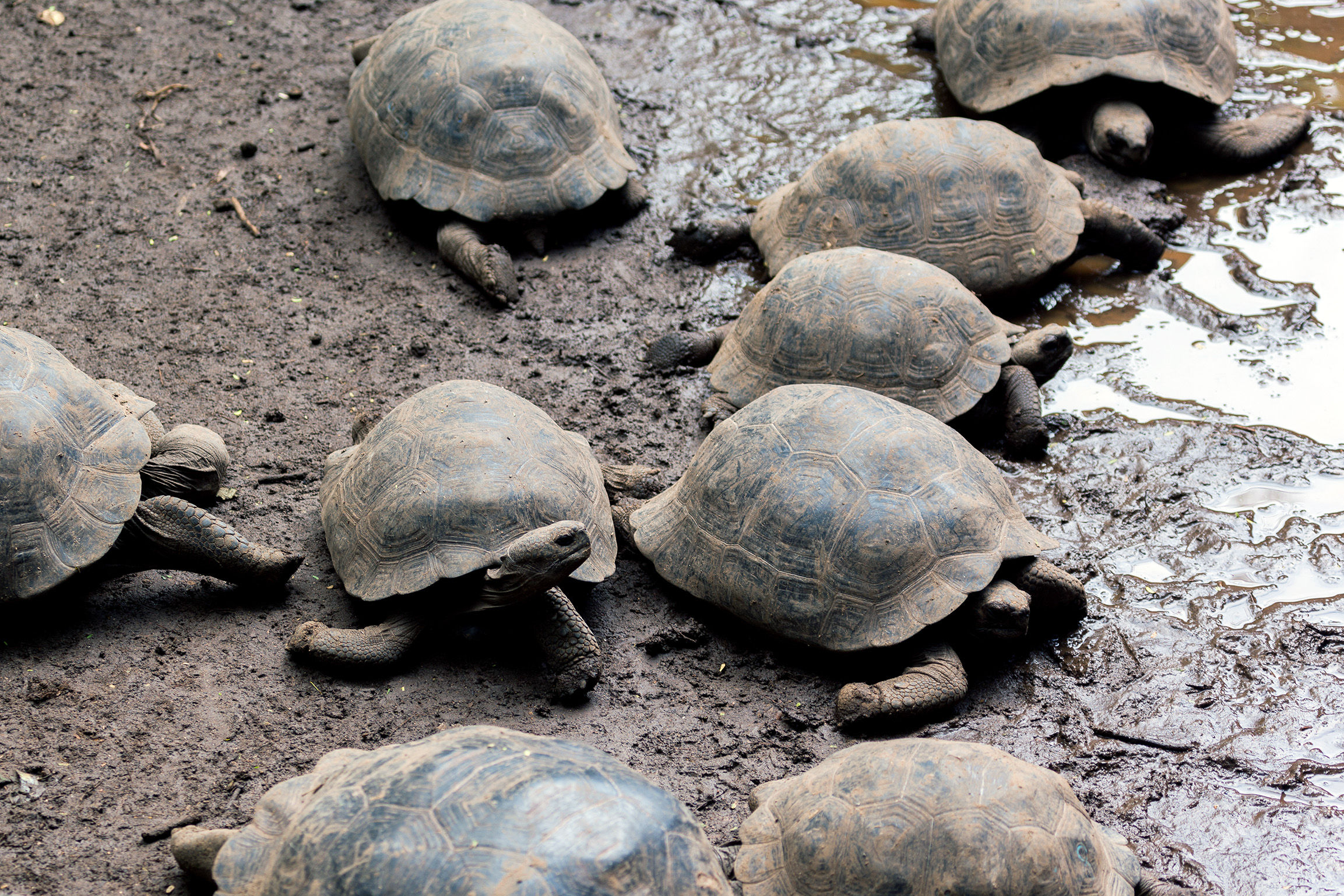
Isabela offers a wilder, more volcanic setting. Cruise itineraries that include the island may combine tortoise conservation areas with hikes near Sierra Negra volcano, one of the largest volcanic calderas in the world. The result is a powerful sense of how geology and wildlife are intertwined in the Galapagos.
Floreana Island
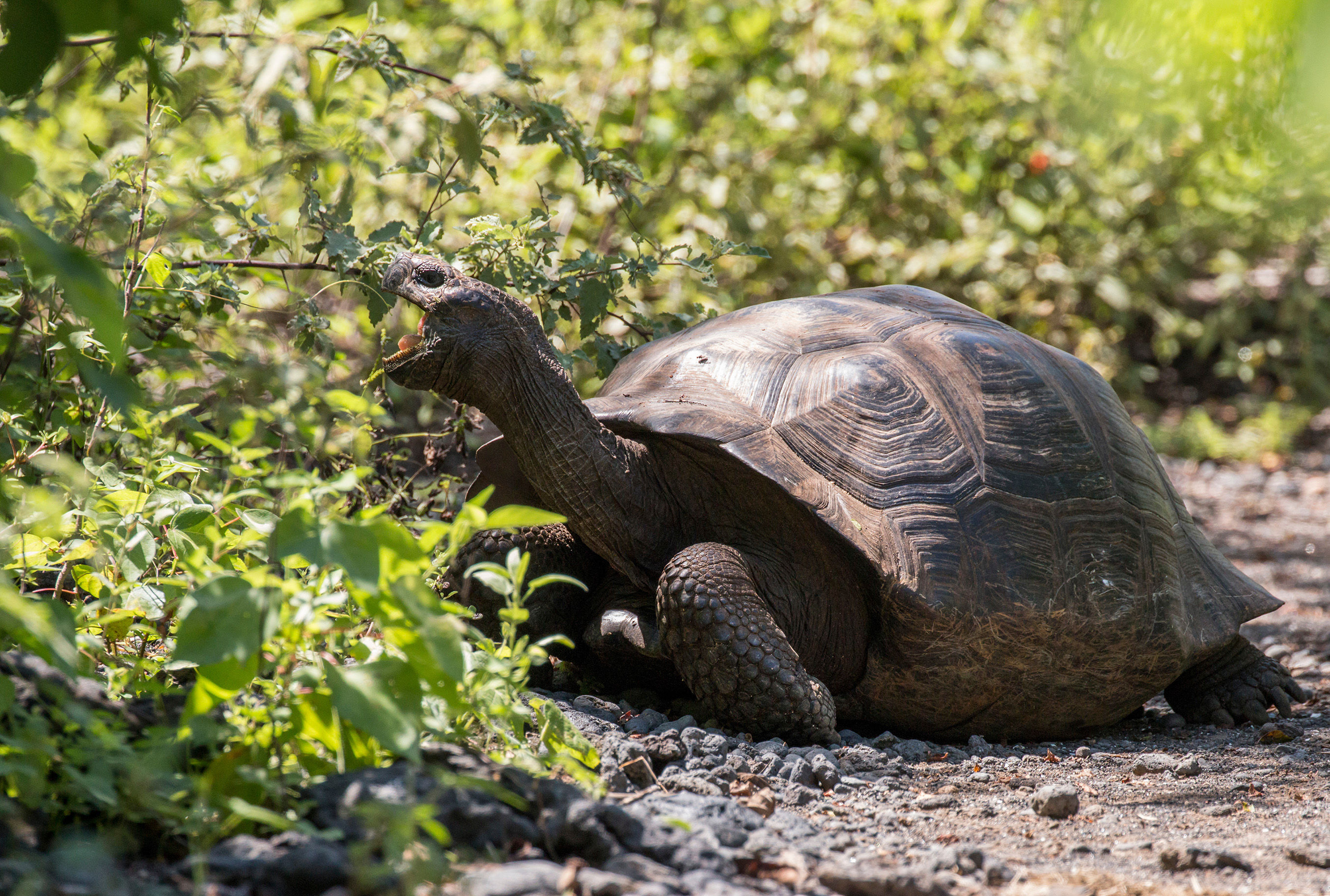
Floreana carries one of the archipelago’s most dramatic restoration stories. While not every cruise itinerary includes direct tortoise-focused experiences here, the island’s recent reintroduction efforts make it an important part of the broader Galapagos tortoise narrative.
San Cristóbal
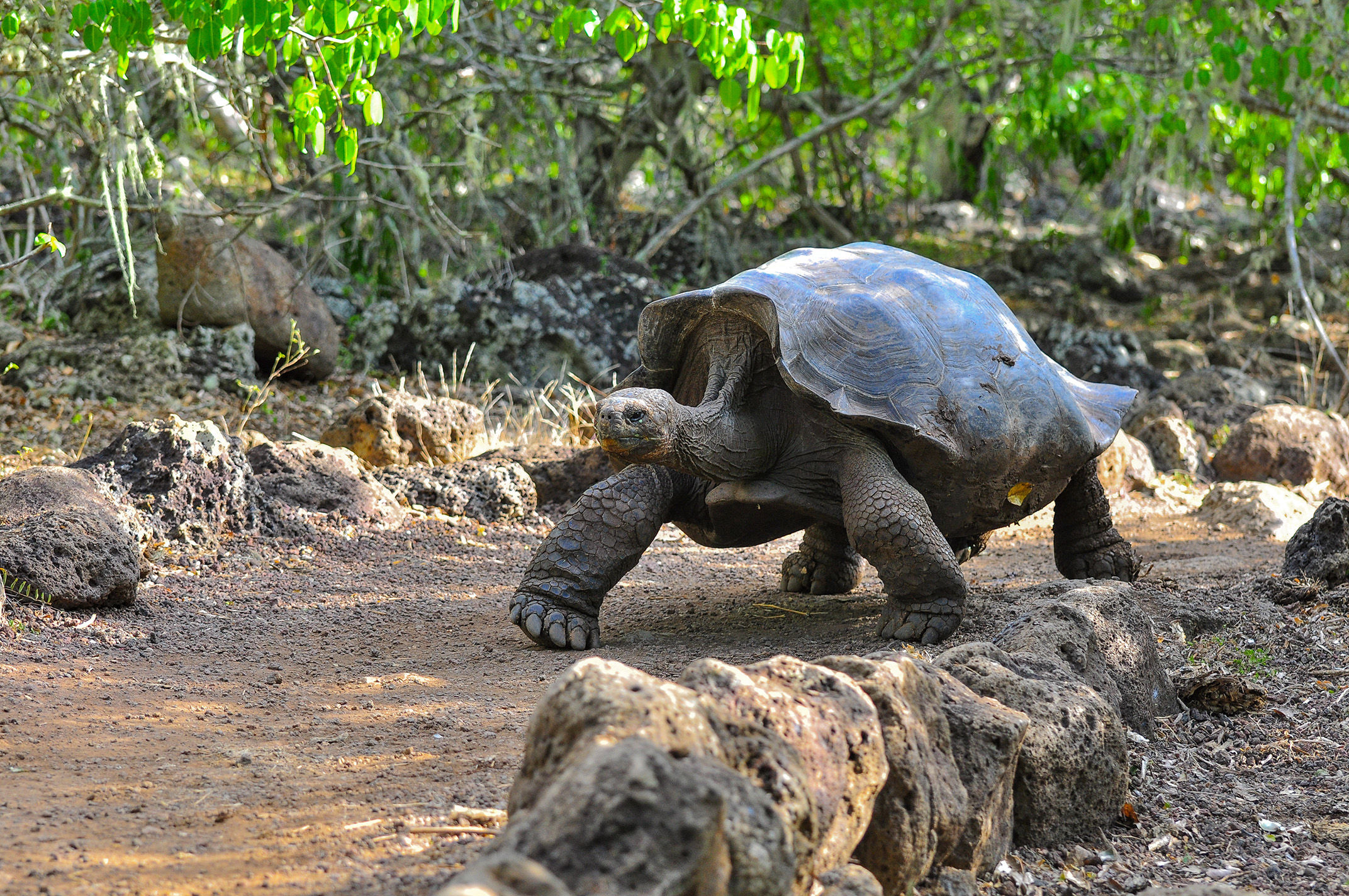
San Cristóbal is another rewarding island for wildlife-focused travelers. Depending on the itinerary, it may offer tortoise-related visitor sites alongside coastal landscapes, seabirds, sea lions, and classic Galapagos adventure experiences.
Best Time to See Galapagos Tortoises
The Galapagos is a year-round wildlife destination, and giant tortoises can be seen in different contexts throughout the year. That said, seasonal conditions can shape the experience. The warmer, wetter season generally runs from December to May, bringing greener vegetation, warmer seas, and lush highland scenery. The cooler, drier season generally runs from June to November, when nutrient-rich waters support intense marine activity.
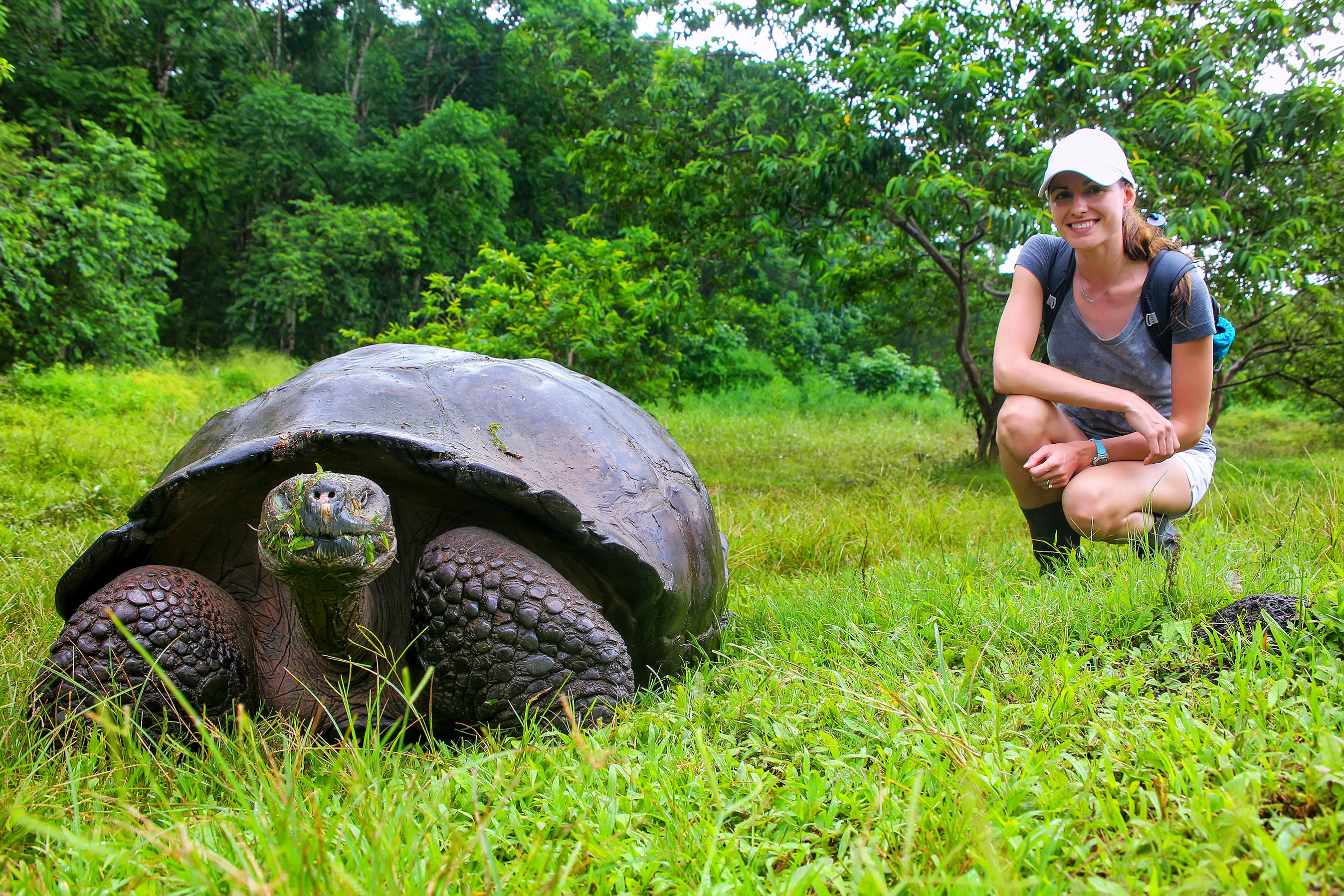
For travelers especially interested in Galapagos tortoise habitat, the greener months can be particularly atmospheric in the Santa Cruz highlands. Vegetation is more abundant, the landscape feels alive with moisture, and tortoises may be seen feeding in open areas or resting in muddy pools. However, sightings depend on location, weather, and movement patterns, so expert local guides are invaluable.
The best approach is to choose an itinerary that includes strong tortoise locations rather than relying only on the season. Cruises that feature Santa Cruz, the Charles Darwin Research Station, Isabela, or highland excursions offer the strongest chances of meaningful tortoise encounters.
Small-Ship Cruises & Tortoise Encounters
Galapagos small ship cruises are especially well-suited to tortoise-focused travel because they connect land, sea, science, and scenery in a single journey. One day might begin in the highlands with a giant tortoise moving through misty grass; the next might bring snorkeling with sea lions, walking across black lava, or watching frigatebirds circle above a remote landing site.
Small ships also allow travelers to experience the Galapagos at a more intimate scale. Instead of treating the islands as separate attractions, cruises reveal how everything is connected: volcanic geology, ocean currents, endemic animals, conservation programs, and the daily work of naturalist guides. The Galapagos tortoise becomes part of a much larger story, one that includes marine iguanas on tide-washed rocks, blue-footed boobies on coastal cliffs, and penguins darting through cool western waters.
For travelers choosing between Galapagos adventure tours, land-based stays, and cruise itineraries, a small-ship journey offers a balanced way to explore both the wildlife-rich interiors and the remote shorelines that make the islands so extraordinary.
Land-and-Sea Galapagos Adventure Tours
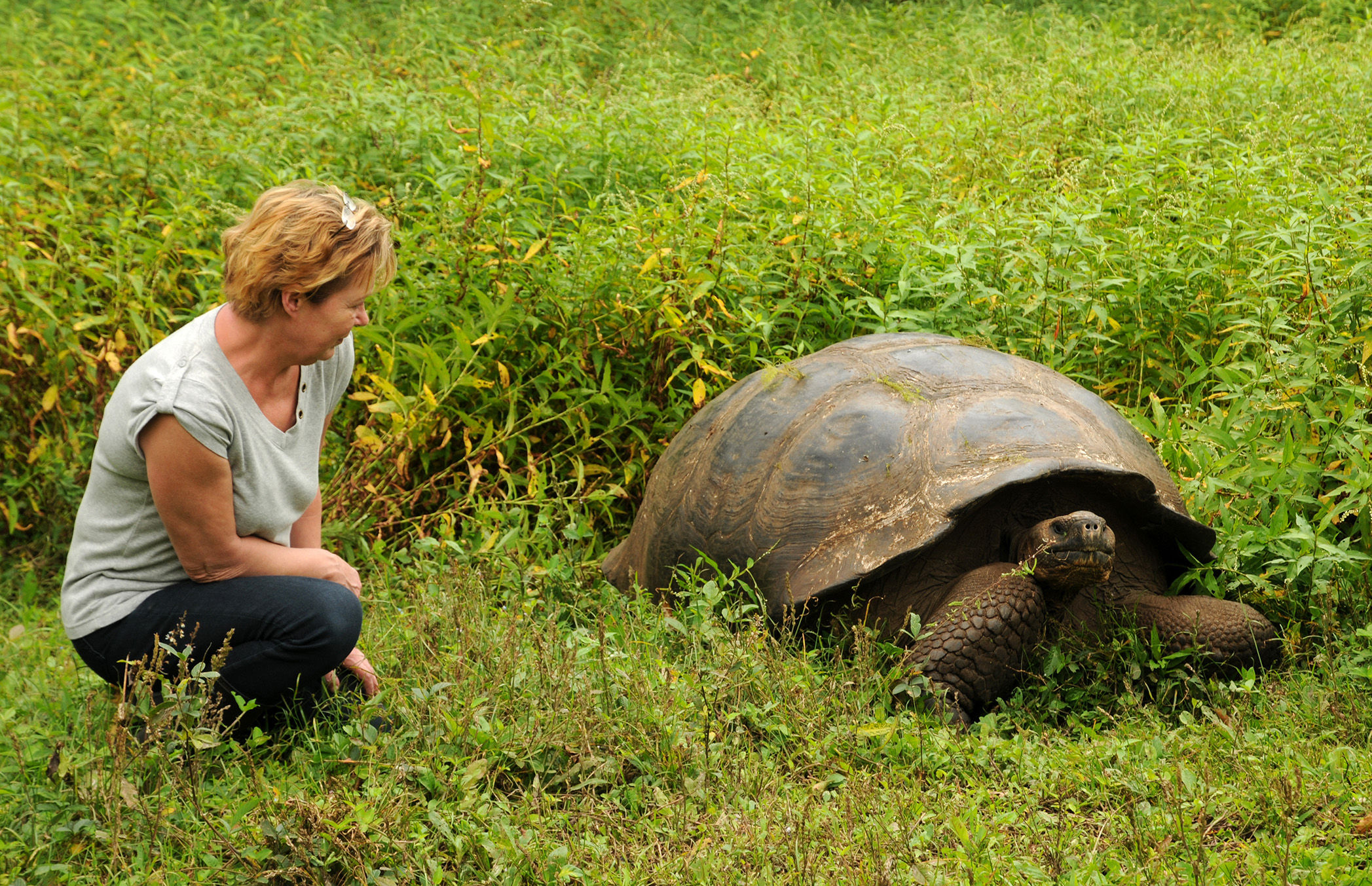
Some travelers combine cruise segments with land-based Galapagos adventure tours. This can be a strong option for those who want extra time in the Santa Cruz highlands, additional hiking, kayaking, or photography, and a slower-paced look at tortoise habitat before or after a small-ship cruise.
The Slow Pulse of the Galapagos
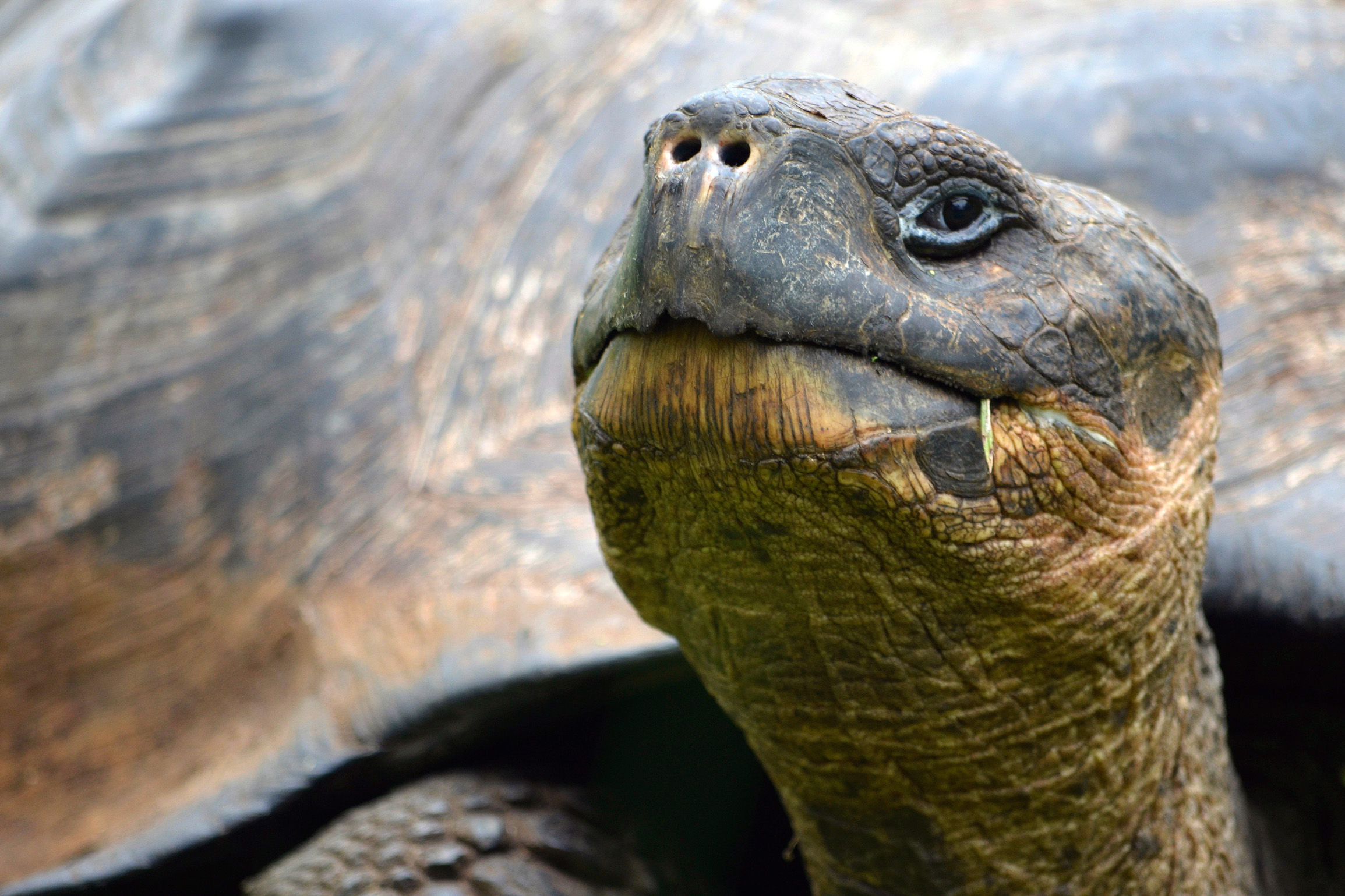
To stand near a Galapagos giant tortoise is to feel the islands shift into another rhythm. These animals do not hurry. They do not perform. They move through the world with a gravity that seems to belong to another age, carrying the story of lava, rain, extinction, and renewal on their backs.
On a Galapagos small ship cruise, that encounter becomes part of a wider journey through one of the planet’s most remarkable wildlife destinations. There are sea lions on black rock, iguanas at the tide line, seabirds riding the wind, and somewhere in the green highlands, a tortoise older than memory moving slowly through the grass.
This article was developed with AI assistance and reviewed and edited for accuracy, quality, and relevance.