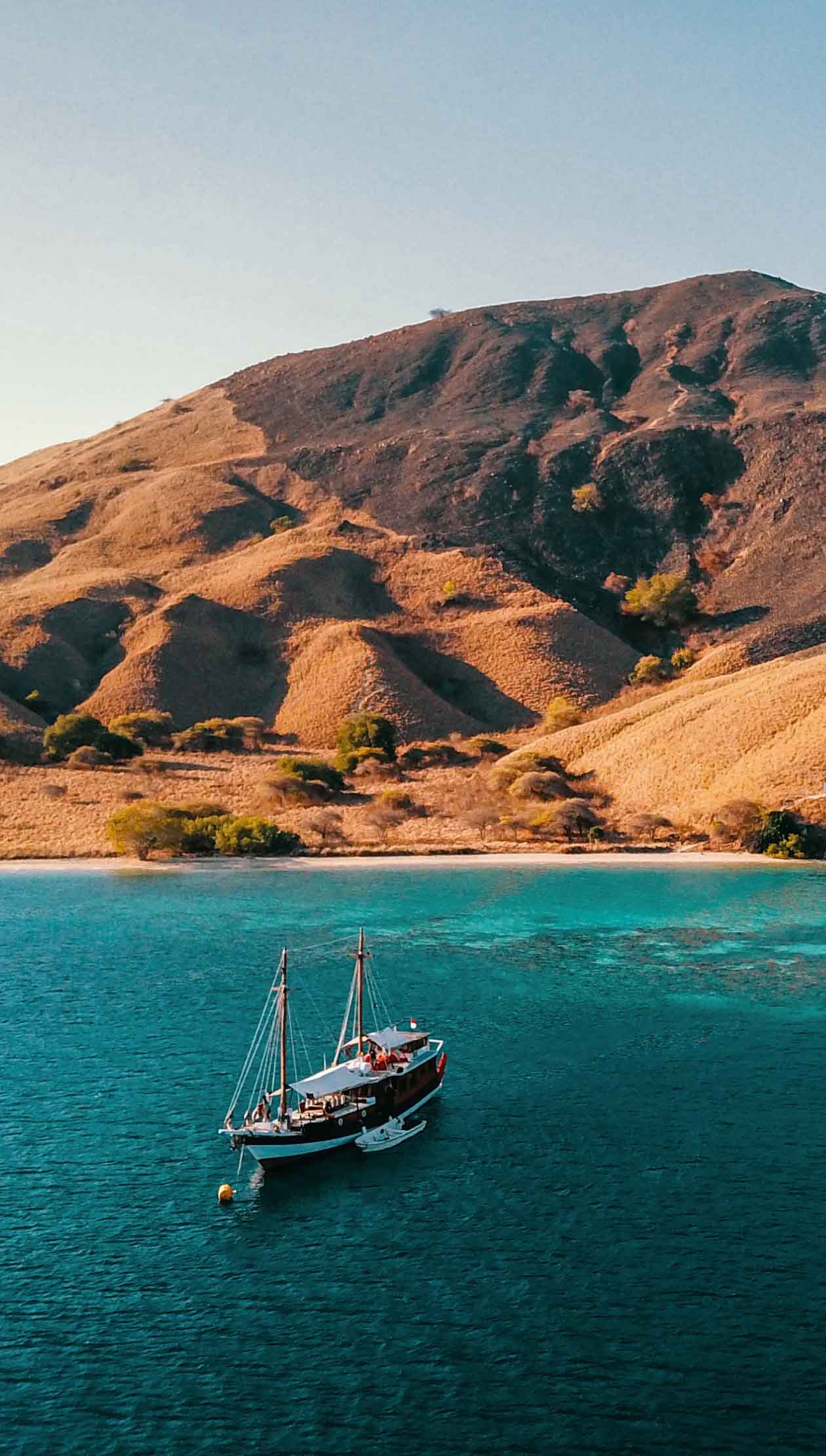
Brown Bear Viewing by Small Ship in Alaska
At first light, a coastal brown bear wades into the shallows where a tidal river meets the sea. She is unhurried, shoulders rolling with each step, and when a salmon breaks the surface, she pins it beneath a single paw. A hundred yards offshore, a small ship lies at anchor. There is no dock on this coast, no road, no lodge on the bluff — only the bear, the river, and a handful of travelers watching from the water in near silence.
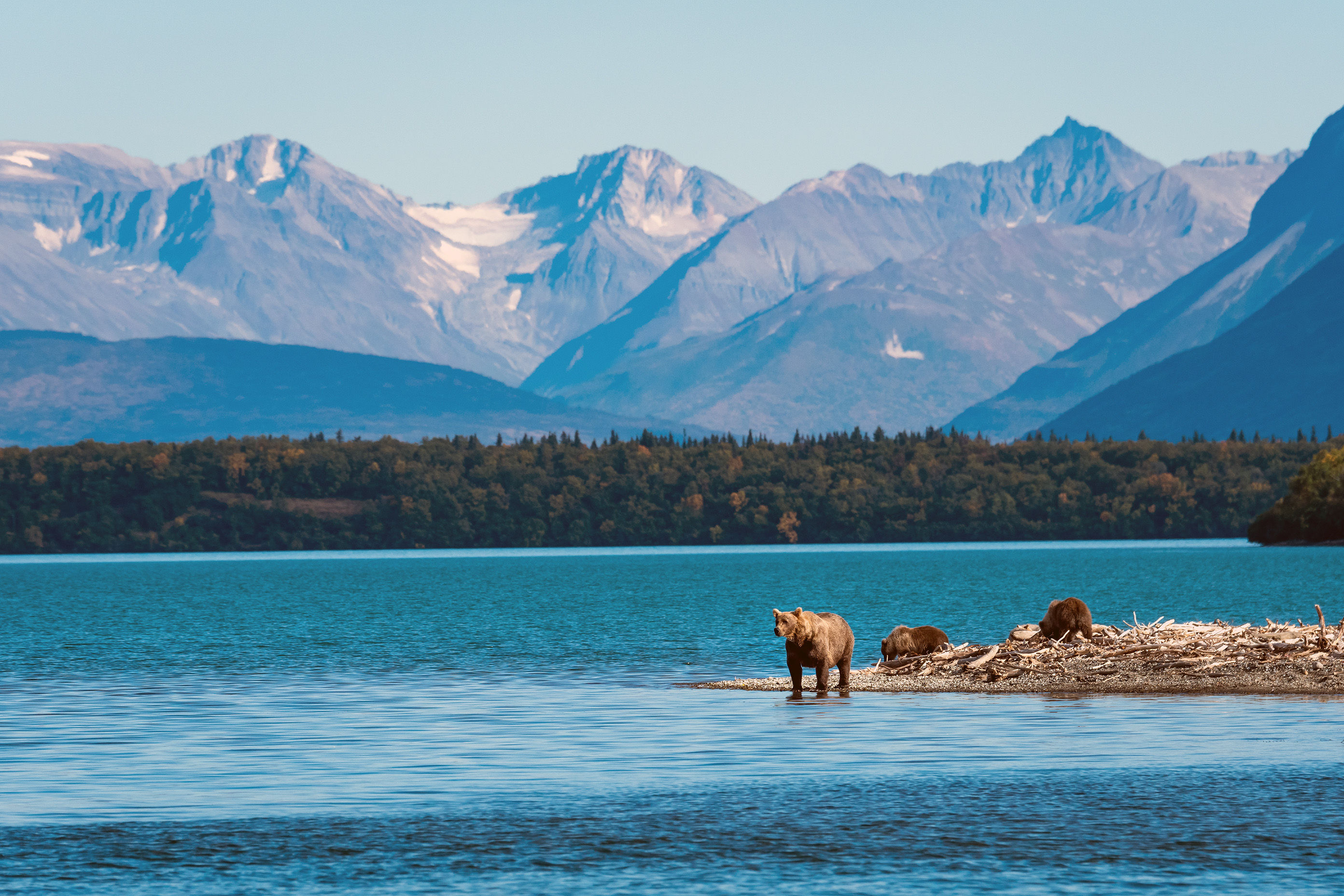
This is the promise of brown bear viewing in Alaska at its most intimate: not a crowd pressed behind a railing, but a quiet approach by sea to the wild coastlines where the bears actually live. An Alaska brown bear is among the largest land predators on earth, and the small-ship traveler meets it on something close to equal terms — slowly, respectfully, and on the animal’s own ground.
The bear you’ve come to see
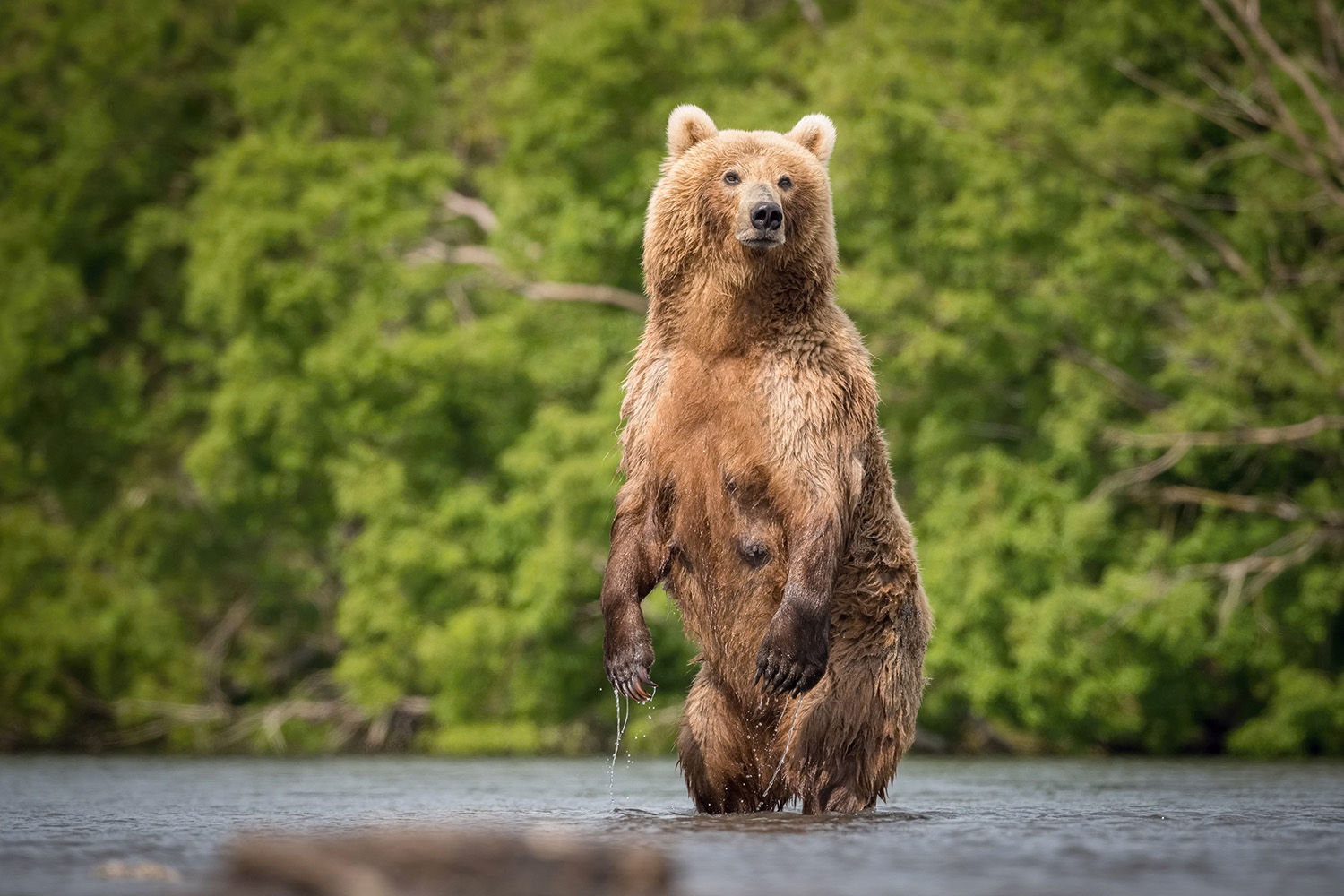
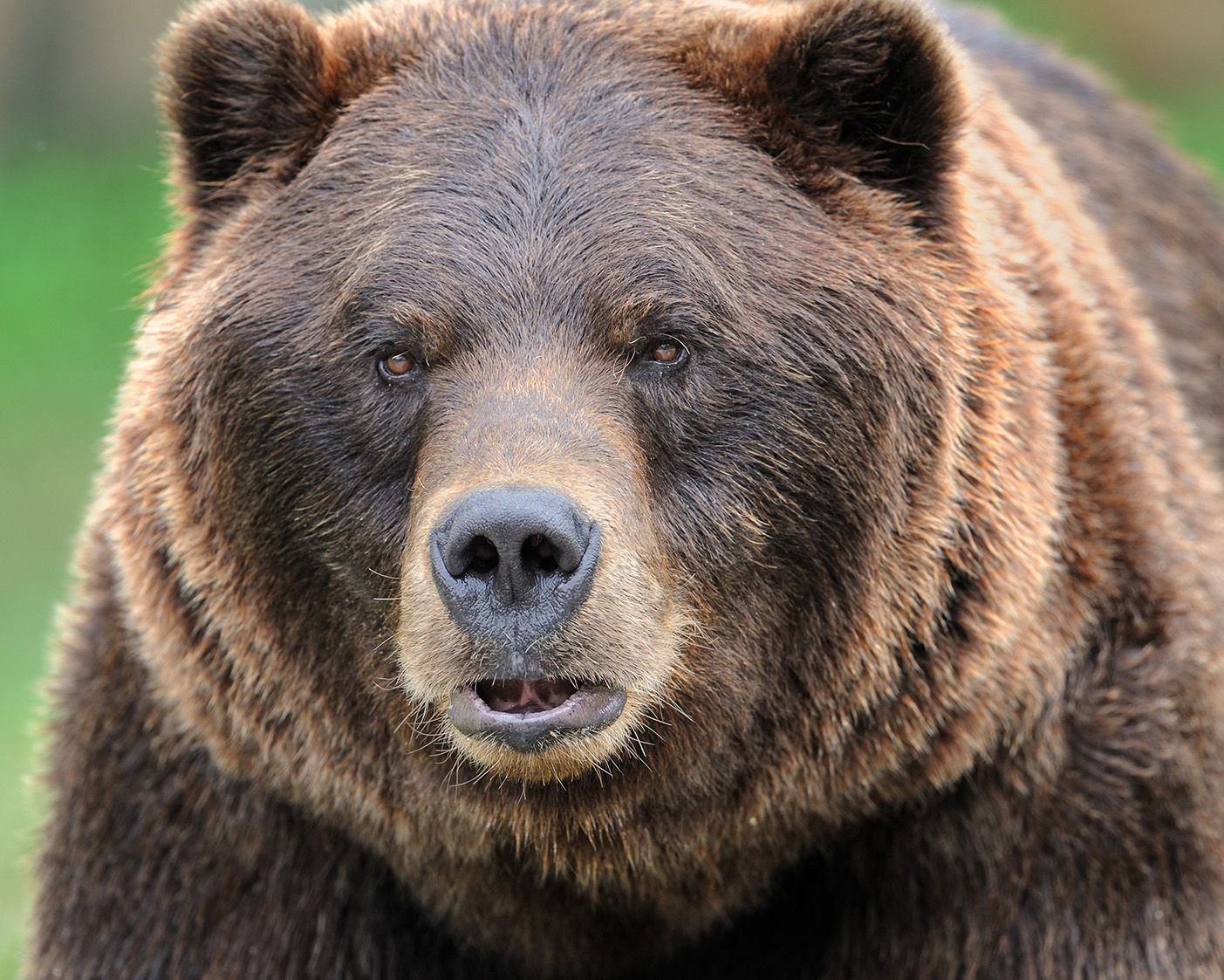
The coastal brown bear in Alaska is the same species as the grizzly of the interior — Ursus arctos — but a life lived on the coast makes for a very different animal. Where the inland grizzly scrapes a living from berries, roots, and the occasional carcass, the coastal bear gorges on salmon and grazes the protein-rich sedge meadows of the tideline. The result is sheer size. The largest of them all, the Kodiak brown bear of the Kodiak Archipelago, can rival a polar bear in mass.
So the difference between an Alaska brown bear and a grizzly is one of geography and diet, not of kind. It matters here because the coast is where the giants are — and the coast is precisely where a ship can take you.
A life ruled by the salmon
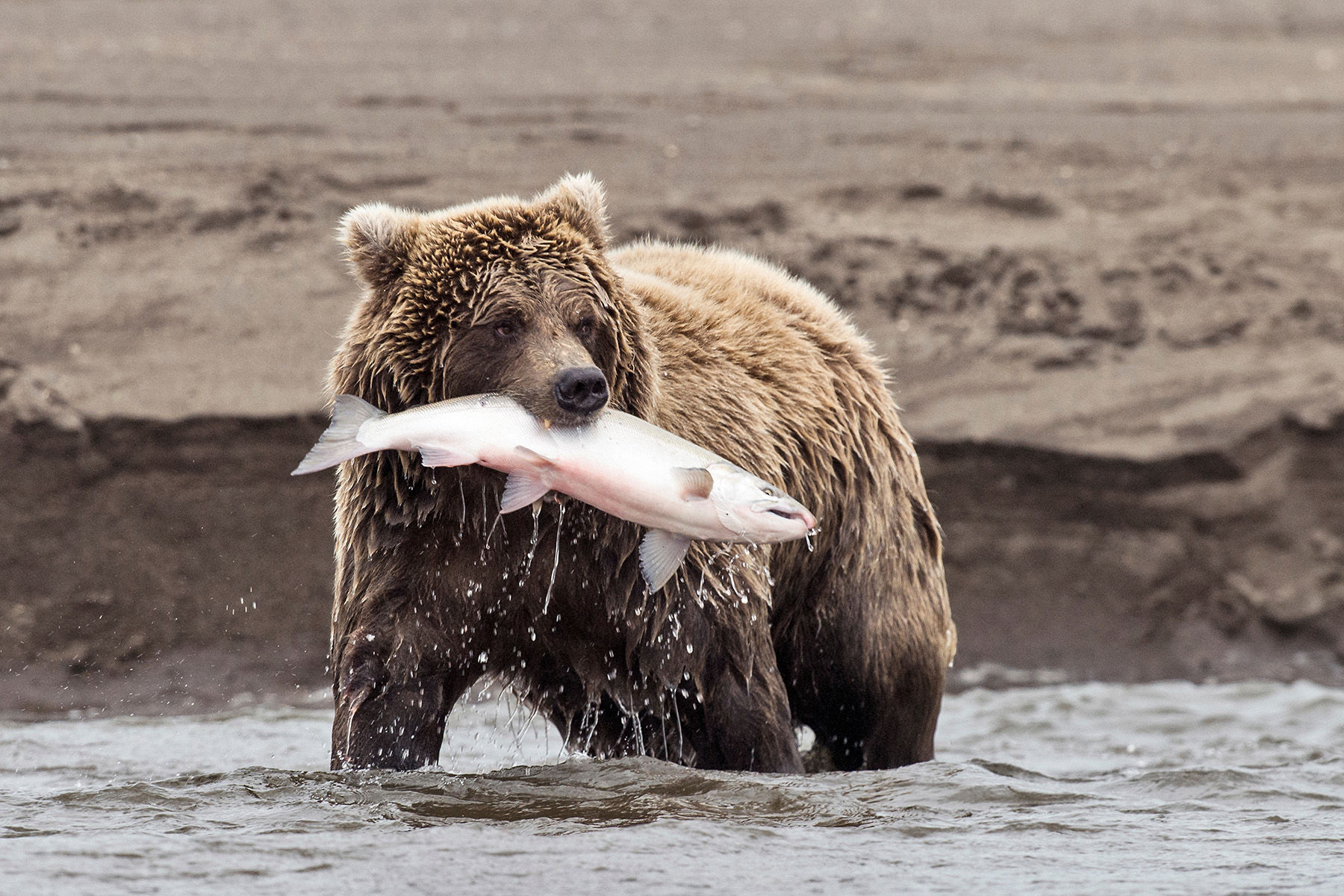
Everything about a brown bear’s year is organized around food. The bears leave their dens in spring, lean and hungry after months without eating, and graze the new sedges and grasses of the tideflats while they wait for richer fare. By midsummer, the salmon arrive, and the bears enter a season of feasting that biologists call hyperphagia — feeding almost without pause to lay down the fat that must carry them through winter. Berries ripen later to round out the diet, but it is the salmon that makes a coastal brown bear the giant it is.
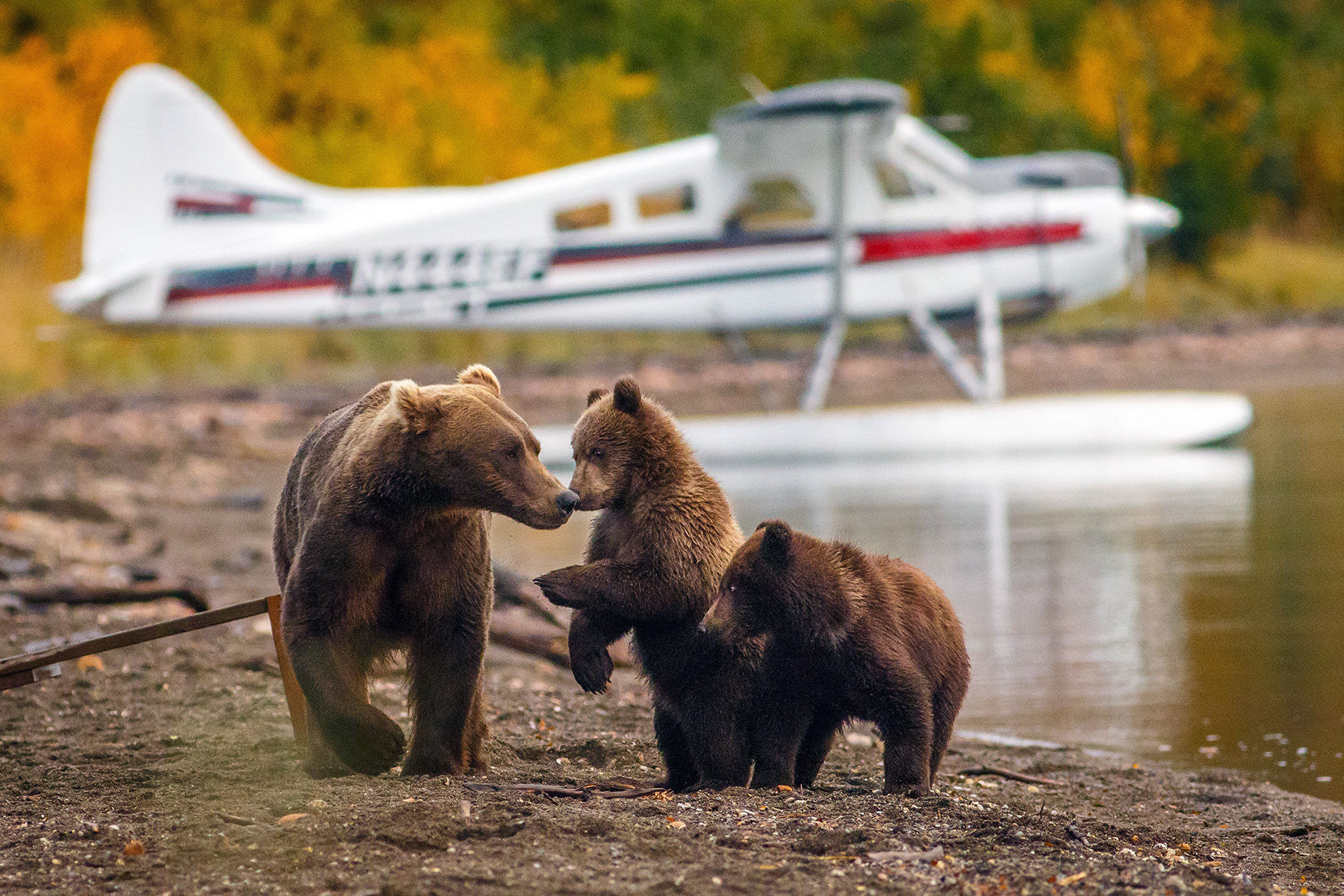
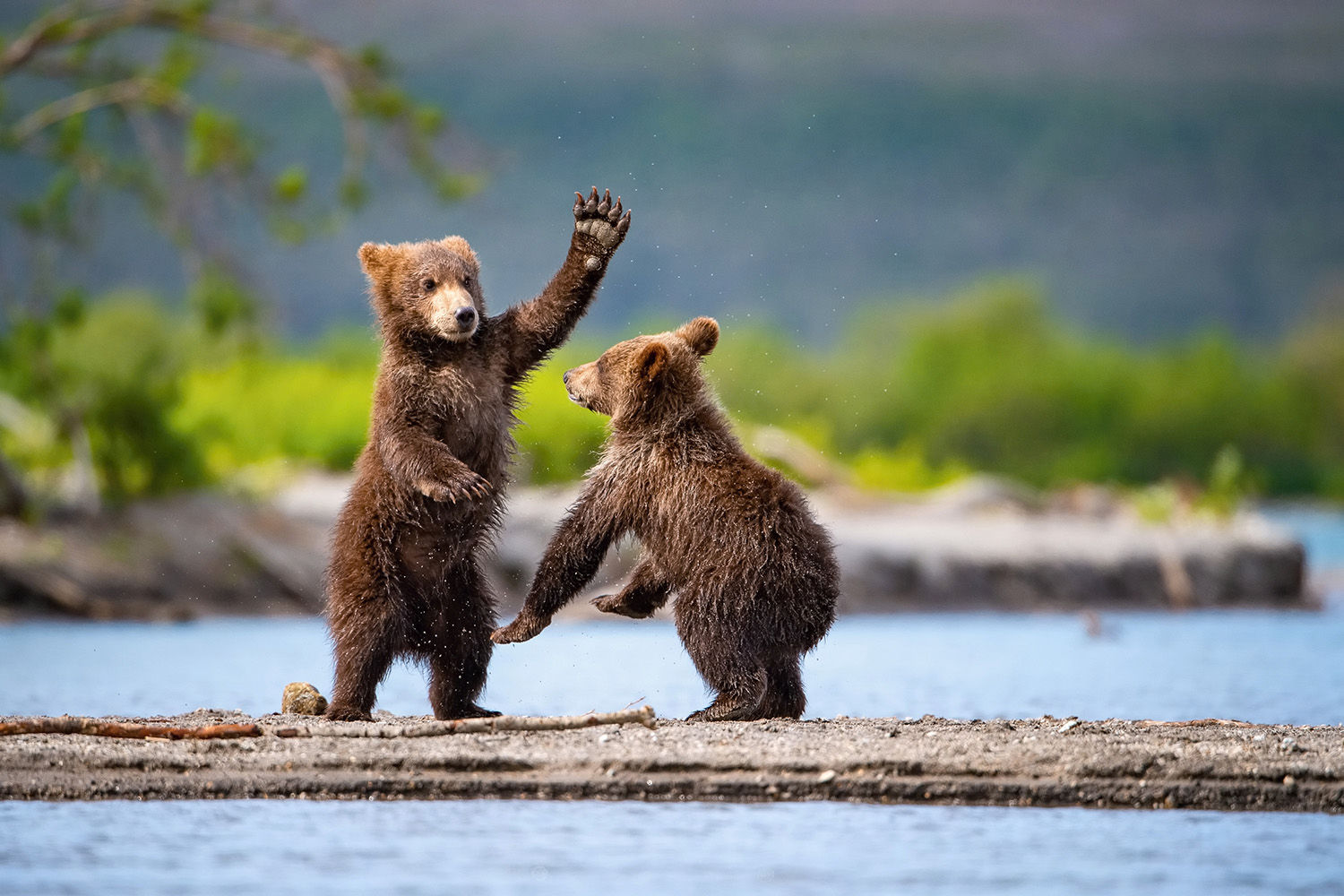
Birth follows the same calendar. Bears mate in early summer, yet the cubs are not born until midwinter, deep in the den, blind and scarcely larger than a squirrel. They emerge with their mother the following spring and stay at her side for two to three years, learning the streams and meadows she knows. A wild brown bear may live twenty-five years or more — a long apprenticeship in a hard country.
A small ship is the best way to see them
Brown bears gather where the salmon run: at river mouths, on tidal flats, along estuaries folded into a coastline so remote that most have no road and no airstrip. Reaching them overland is rarely possible. Reaching them by air means a floatplane, a fixed schedule, and a few hours on the ground before the return flight.
Bear viewing by boat changes the equation entirely. A small ship — carrying dozens of guests rather than thousands — can anchor off a hidden bay, lower skiffs or kayaks, and carry you the final stretch to within a respectful distance of feeding bears. You watch from the water, from the bears’ own element, without fences, without crowds, and without the disturbance that sends a wary animal back into the trees.
The best Alaska bear viewing tours by ship are built around this patience. There is no race to the next port and no schedule but the tide’s. When the bears are active, the ship waits; when the light turns gold over the meadow, you are already there to see it. It is the difference between visiting the bears and entering their world.
Where the bears come down to the coast
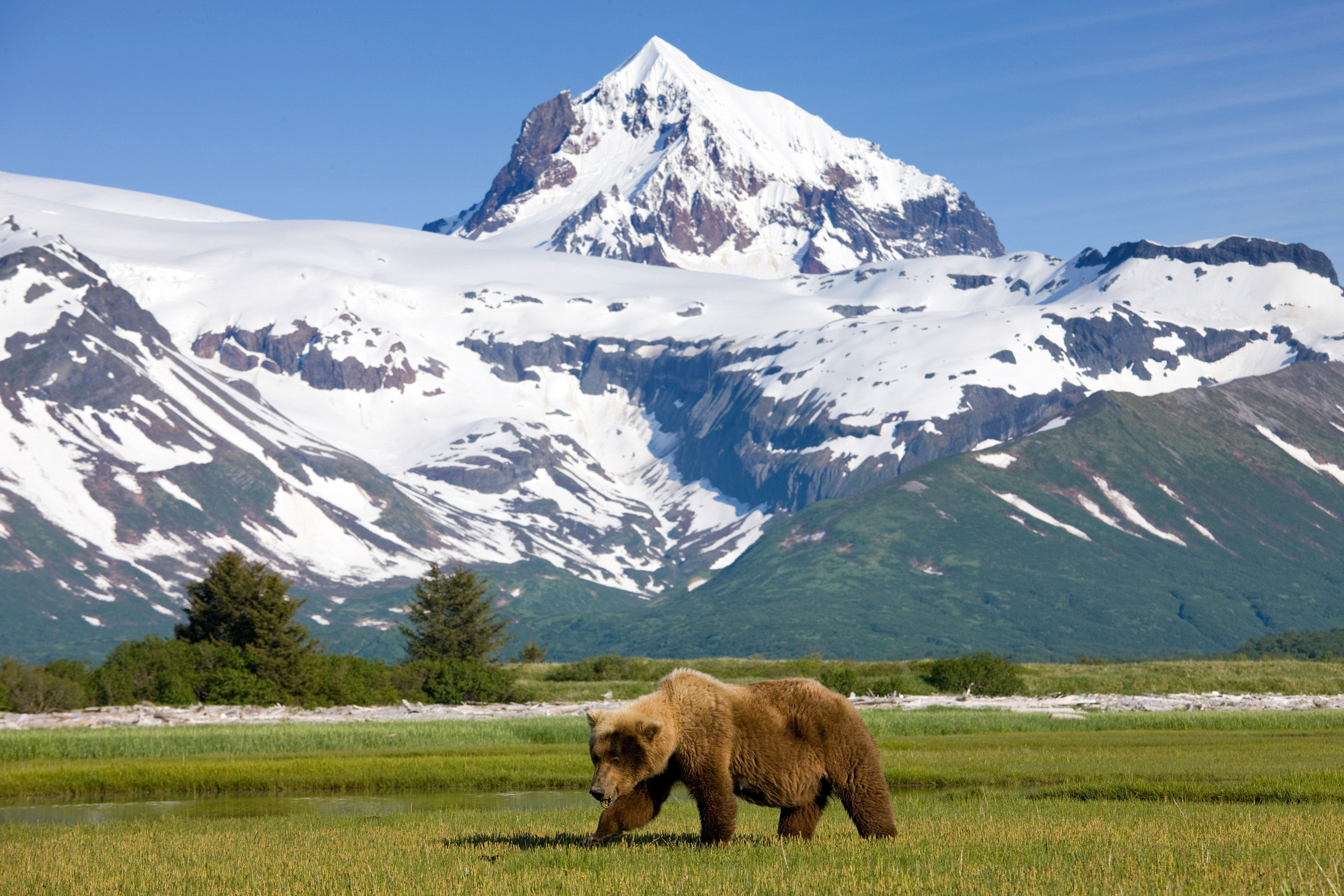
A handful of coastlines reward this kind of travel above all others. Each has its own character, and the finest small-ship itineraries thread several of them together over a single voyage.
Katmai and the Alaska Peninsula
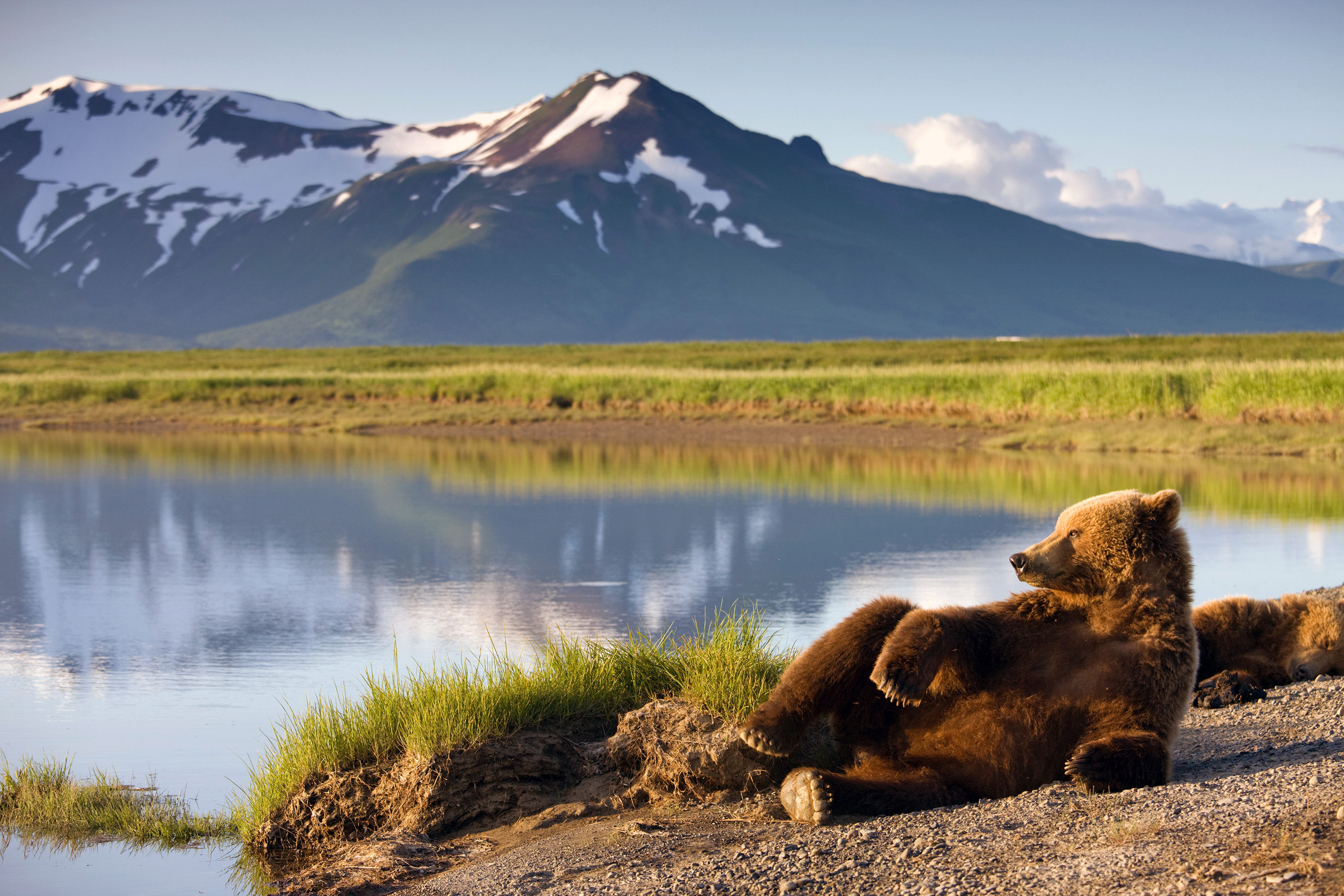
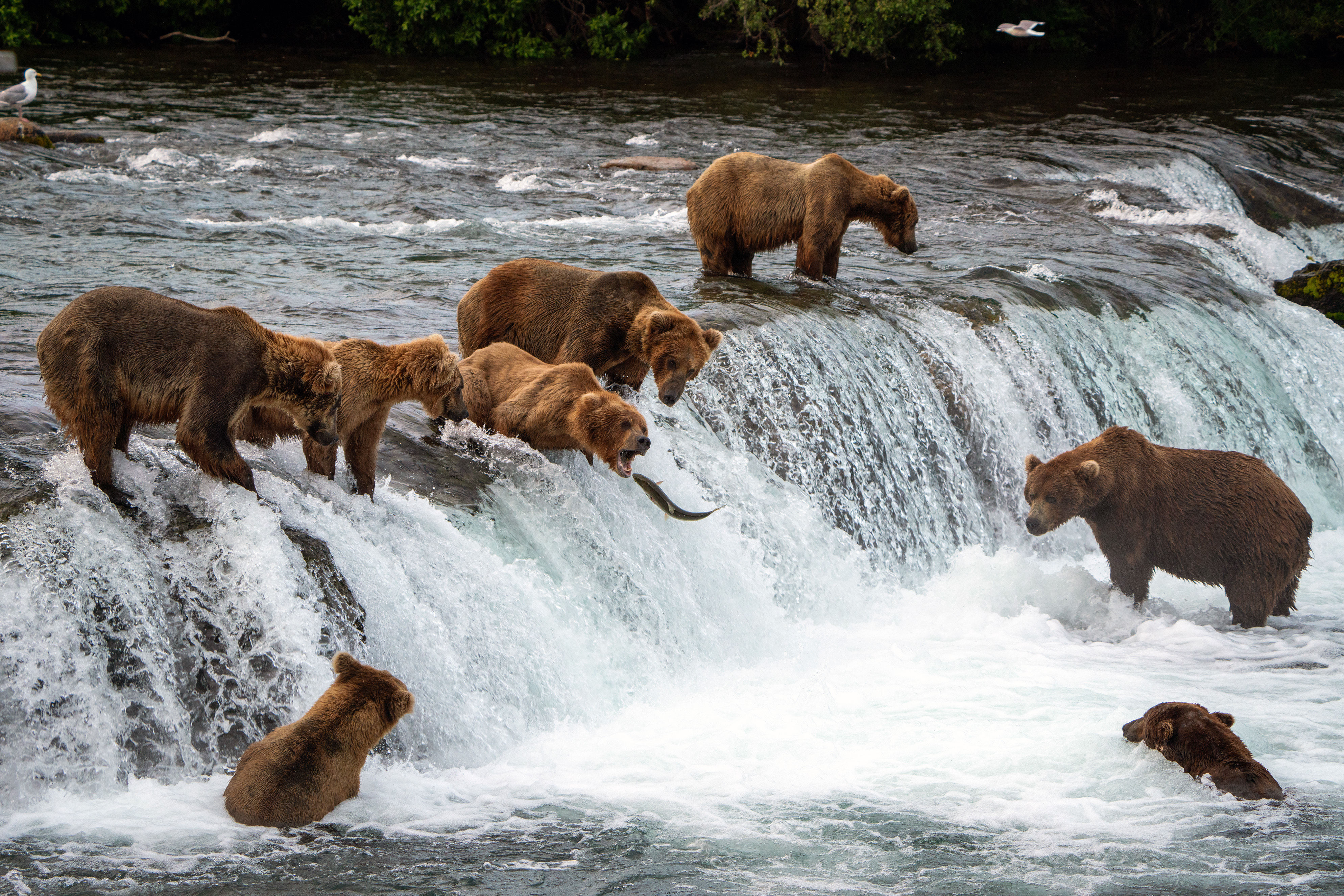
The Alaska Peninsula is the stage everyone pictures: bears lined along a salmon stream, jaws open beneath a falling fish. Beyond the famous waterfalls, quiet inlets such as Geographic Harbor and Hallo Bay draw bears down to the shore in numbers, and a ship can linger there long after the day-trip floatplanes have lifted off and gone.
Lake Clark and Chinitna Bay
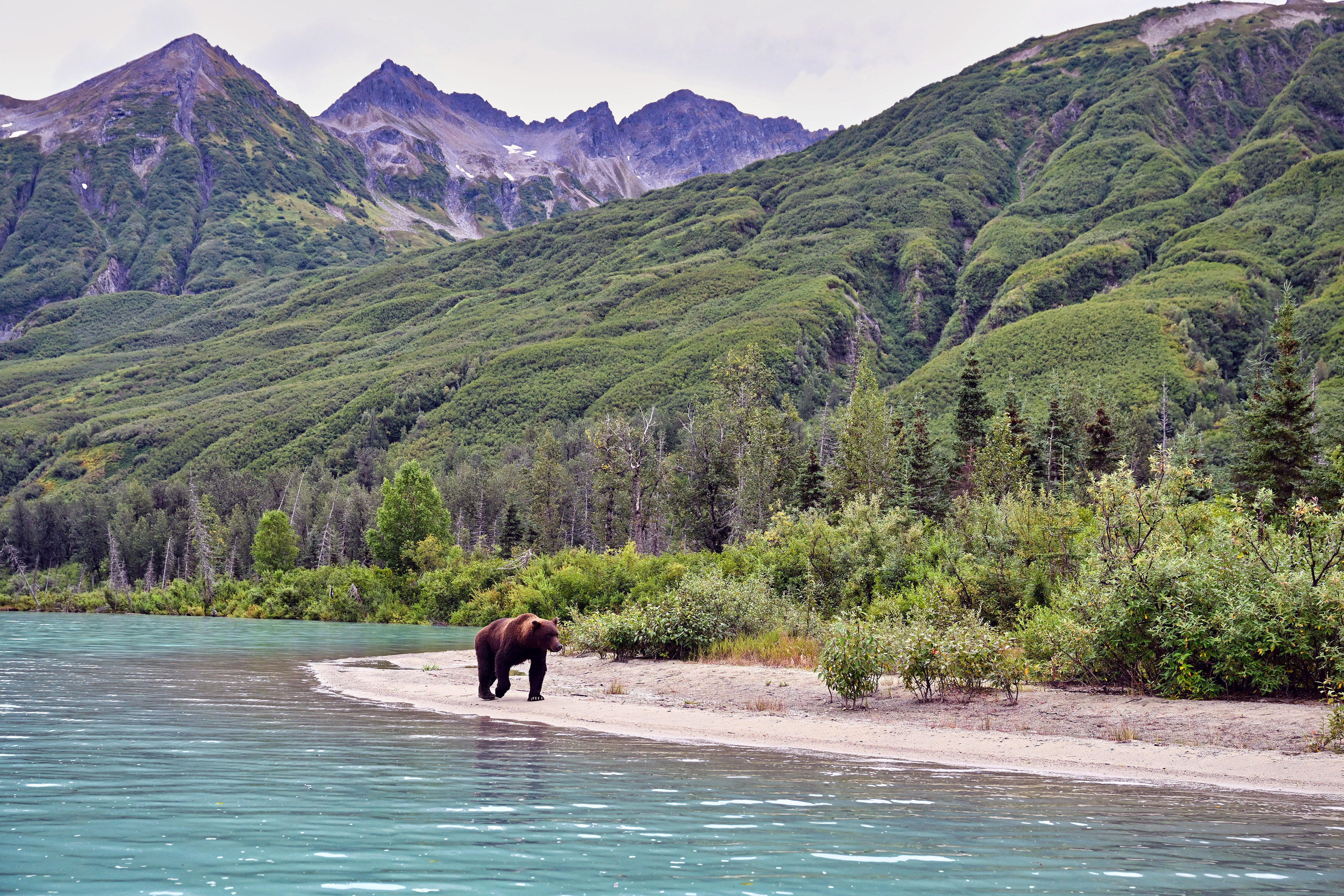
Across Cook Inlet, the sedge meadows of Lake Clark National Park bring sows and cubs into open view to graze. Chinitna Bay in particular offers some of the most reliable summer bear watching anywhere on the coast — bears set against green meadow and grey water, framed by distant volcanoes.
Admiralty Island
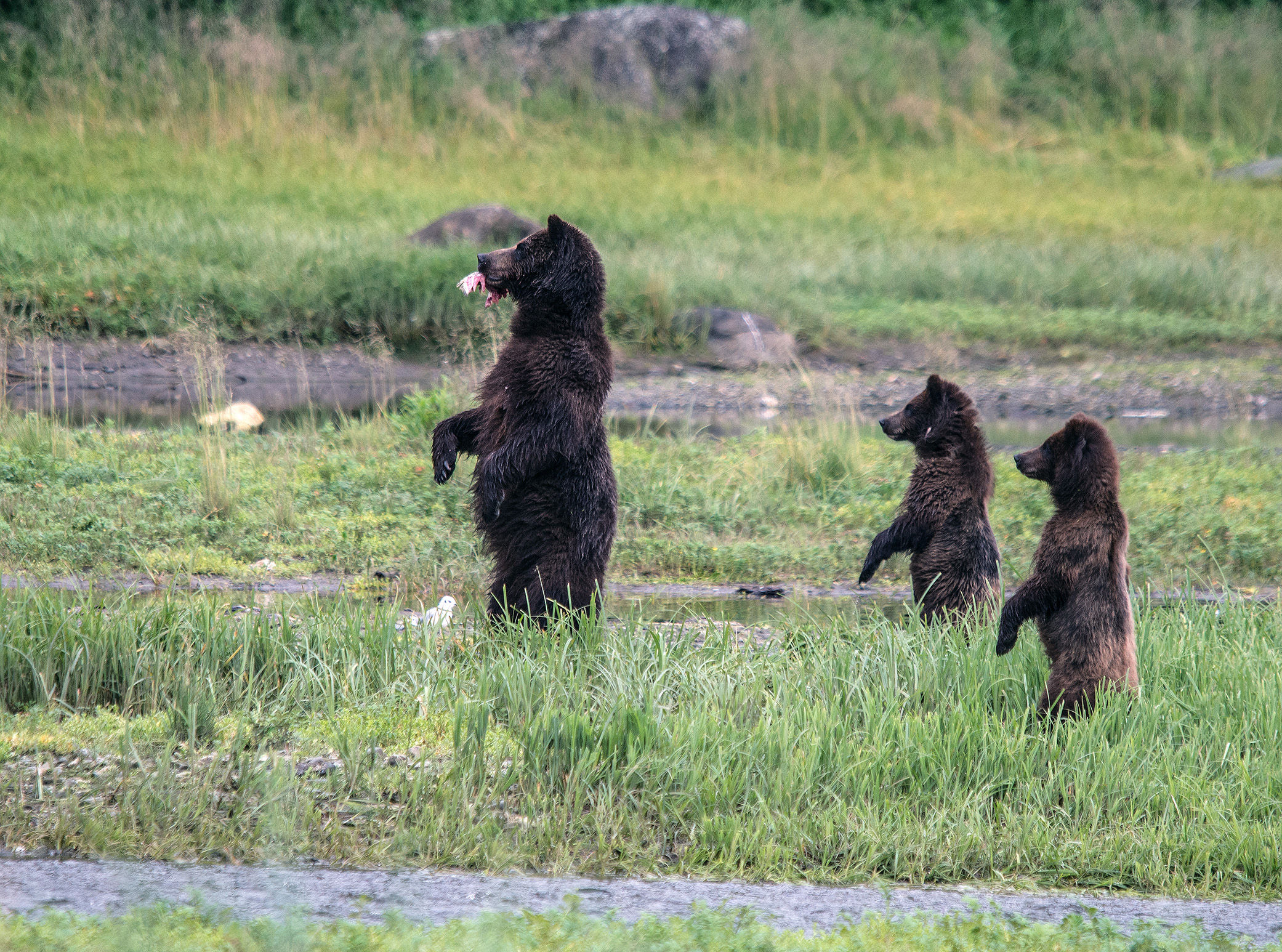
In the Southeast, Admiralty Island holds one of the densest brown bear populations on the planet; the Tlingit called it Kootznoowoo, “fortress of the bears.” Reached from the small-ship port of Juneau, its shores and hidden inlets — Pack Creek chief among them — offer grizzly bear viewing in Alaska in its purest form: more bears than people, in old-growth rainforest that runs all the way down to the waterline.
Icy Strait and the Inside Passage
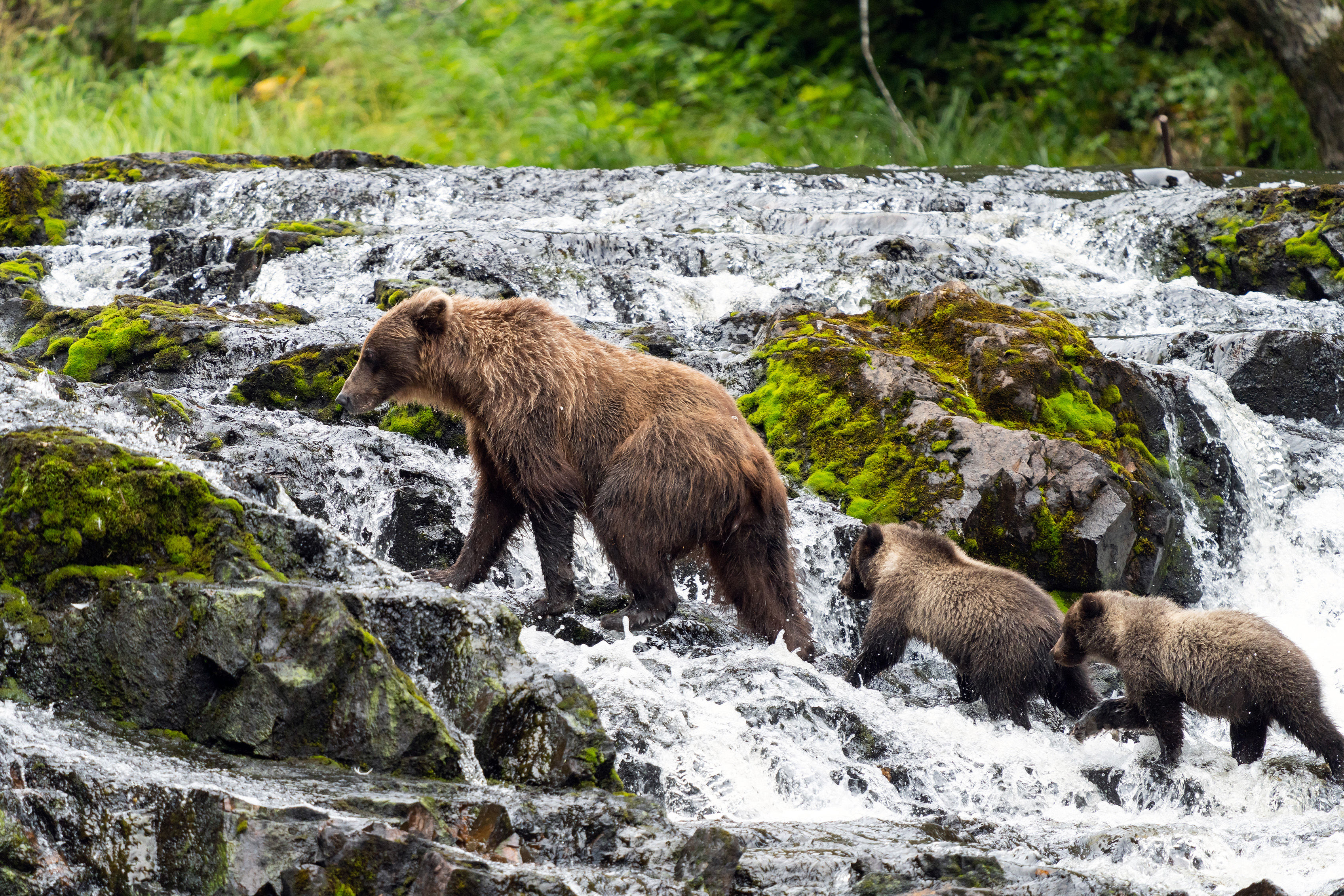
For travelers on the classic Inside Passage routes, the coastal forests and salmon streams around Icy Strait fold brown bear encounters into a broader Southeast Alaska voyage. The region’s gateway ports stitch the journey together — Sitka on the outer coast, Juneau beneath its icefield, and Ketchikan to the south, a launch point for Anan Creek, where a summer salmon run draws both black and brown bears within view. Between them run whales, calving glaciers, and bears, strung along a single itinerary. Some of these voyages begin far to the south, sailing north from Seattle, so that the long approach days of forested coastline and narrow channels become part of the journey to the bears.
When to go
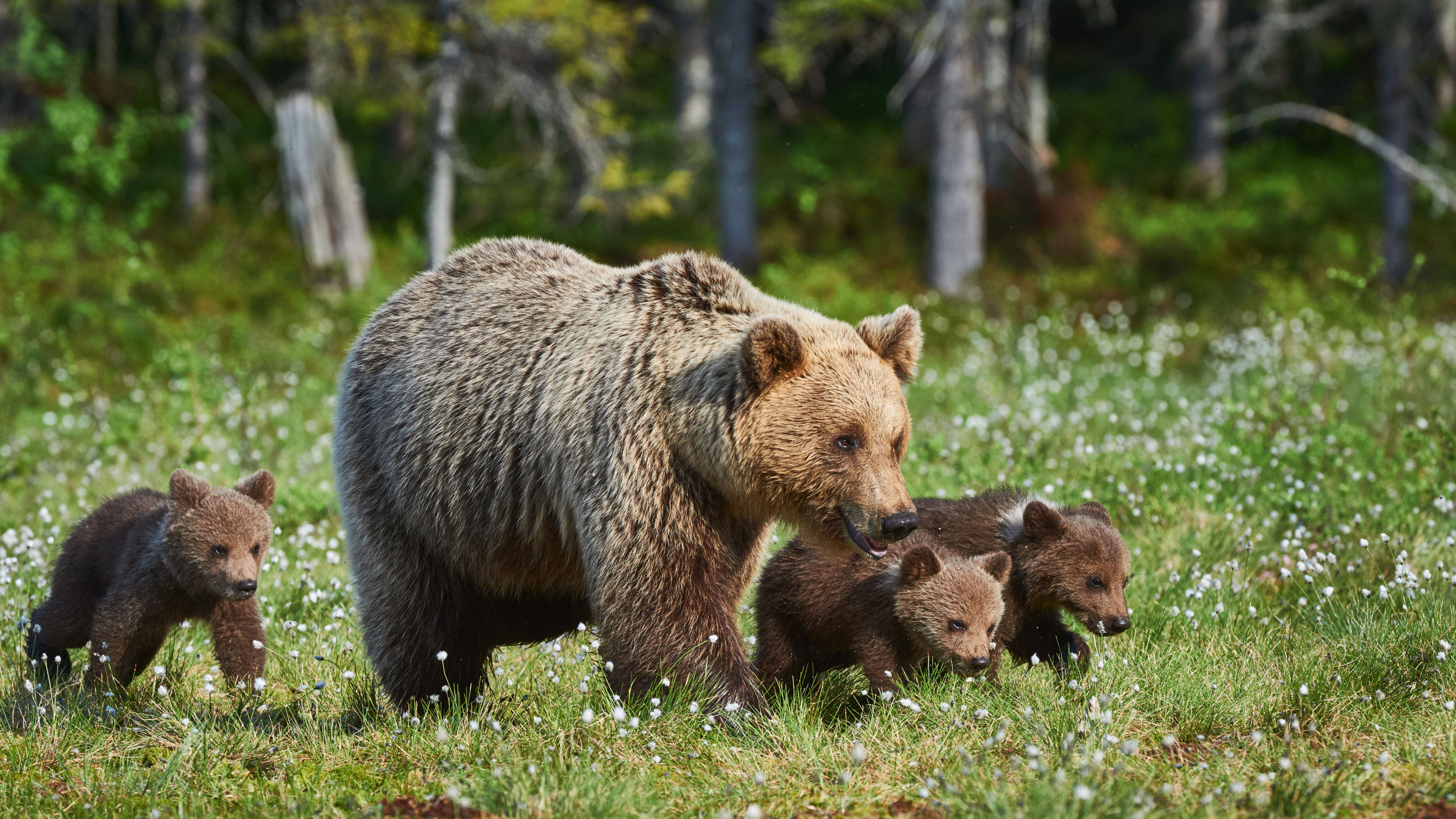
Bears follow the food, and so should you. In June, they emerge onto the sedge flats and meadows to graze, and sightings come against the bright green of early summer. From July through September, the salmon return, and with them the spectacle most travelers come for. The best time to see bears catching salmon in Alaska falls squarely in this window, when the runs are thick, and the bears feed in the open for hours at a stretch.
For anyone weighing the best time to see bears in Alaska on a cruise, the calculation is simple: come in high summer, follow the salmon, and let the ship’s flexibility do the rest. A vessel that can change anchorage with the run will always find you closer to the action than a fixed lodge ever could.
The wild coast, on its own terms
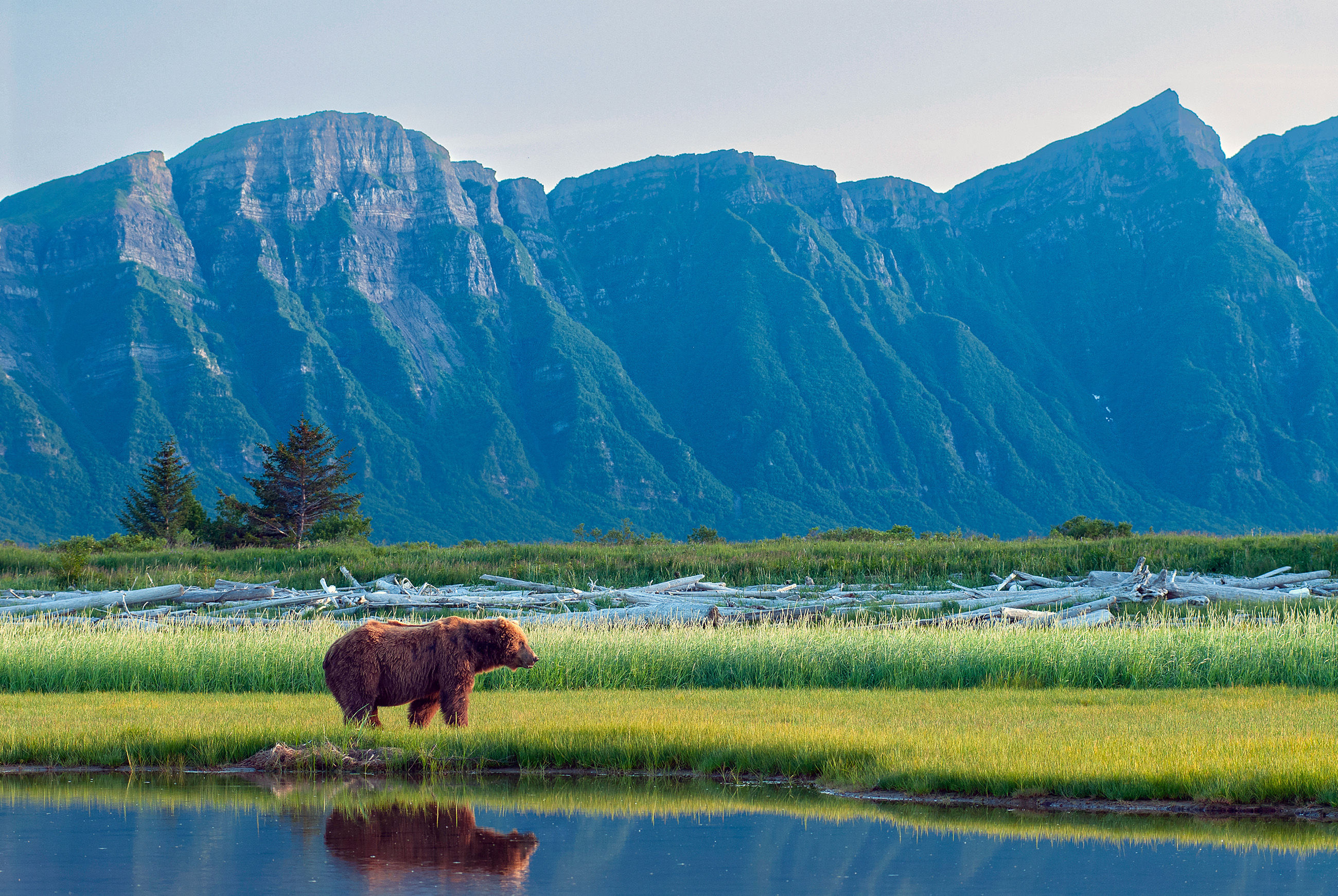
By late afternoon, the tide has turned, and the bear we watched at dawn has drifted back into the tall grass. The ship raises anchor and slips out of the bay, leaving the shore as empty as it was found. That is the quiet gift of seeing Alaska’s brown bears from a small ship: you arrive softly, you leave no trace, and for a few unrepeatable hours you are simply another presence on a coast that belongs, entirely and rightly, to the bears.