Arctic Foxes of Svalbard
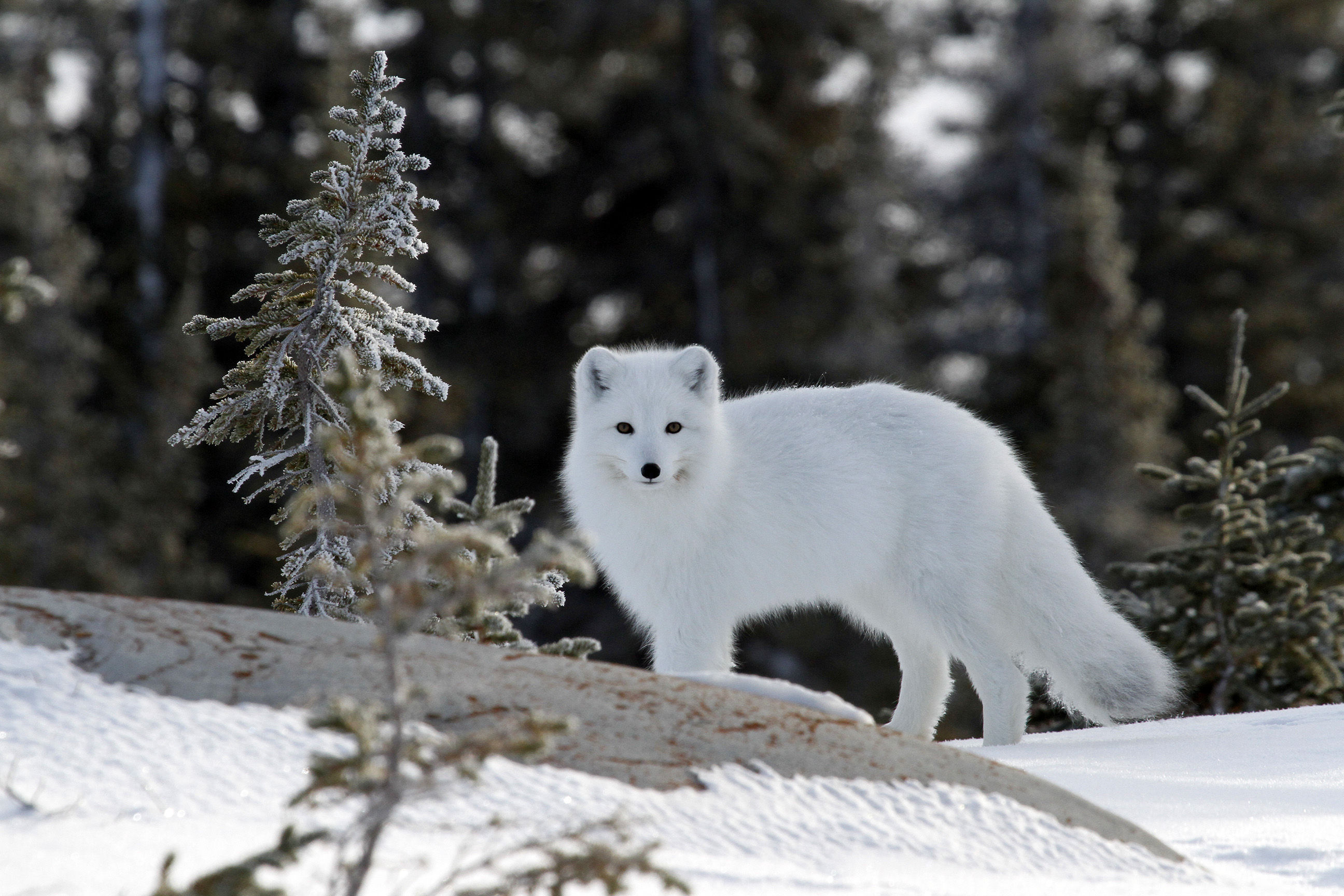
On a wind-brushed slope above an Arctic fjord, a small shape moves between stones the color of old bone. It pauses, listens, then slips forward again, low to the tundra, its coat shifting with the season: white as snow in winter, smoke-brown and grey in summer. This is the Arctic fox, one of the great survivors of the far north, and one of the most quietly thrilling animals to encounter on a small-ship cruise through Svalbard.
In Norway’s High Arctic, wildlife often announces itself on a grand scale. A polar bear may patrol the sea ice. Walruses may gather in heavy, tusked groups on a beach. Whales may surface in the cold, green water beside the ship. The Arctic fox is different. It does not dominate the horizon. It draws the eye down to the land itself: to bird cliffs, tundra flowers, old snow patches, and the narrow margin where life persists between glacier and sea.
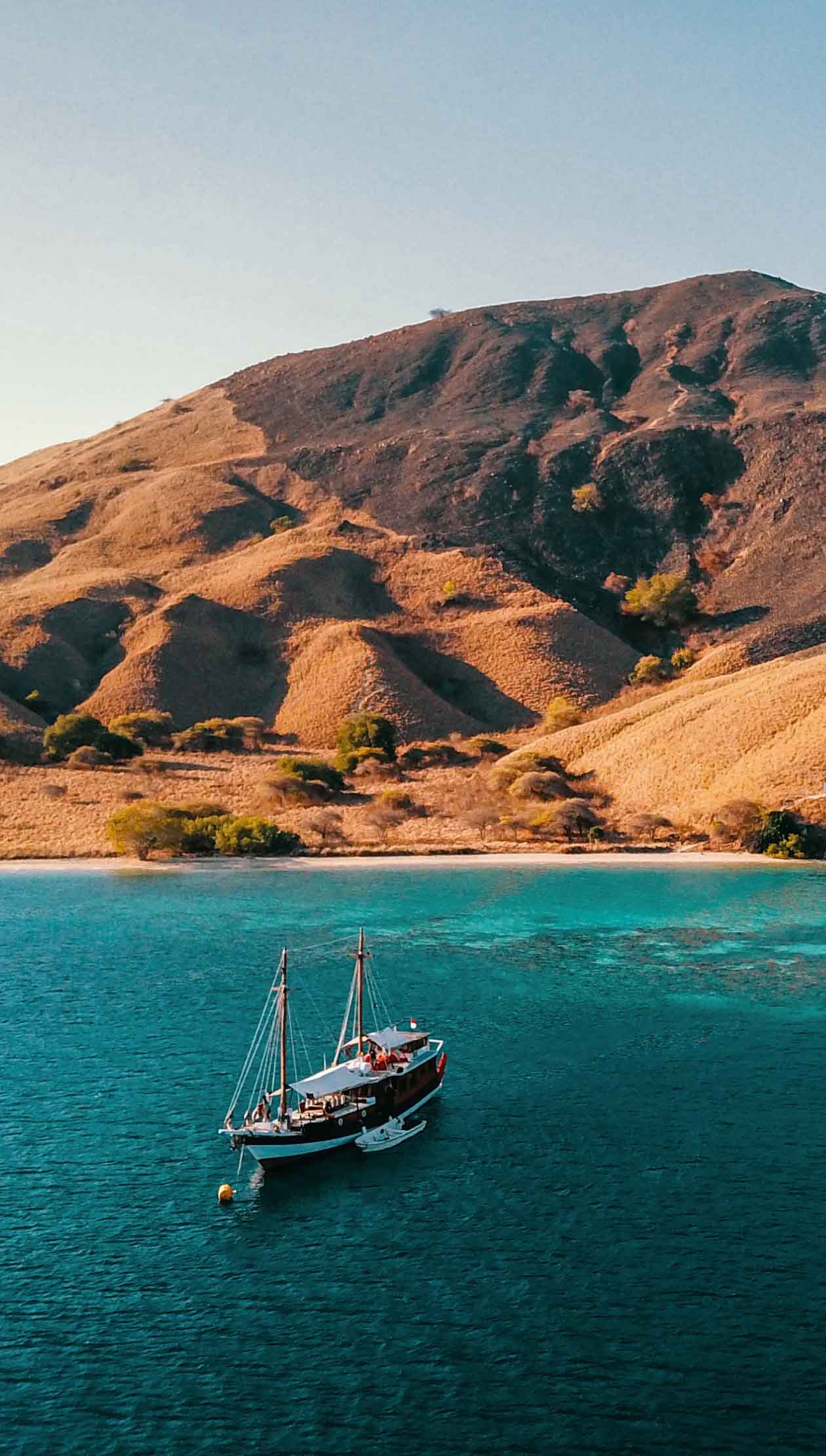
Svalbard lies far north of mainland Norway, between the Norwegian coast and the North Pole. Its largest island, Spitsbergen, is the heart of many Arctic cruise itineraries, with Longyearbyen serving as the main gateway for expedition ships and land-based adventures. For many travelers, the journey begins even farther south in Tromsø, Norway’s lively Arctic city, before continuing toward the wilder latitudes of Svalbard and the ice-carved coastlines of Spitsbergen.
A Small Animal Built for an Extreme World
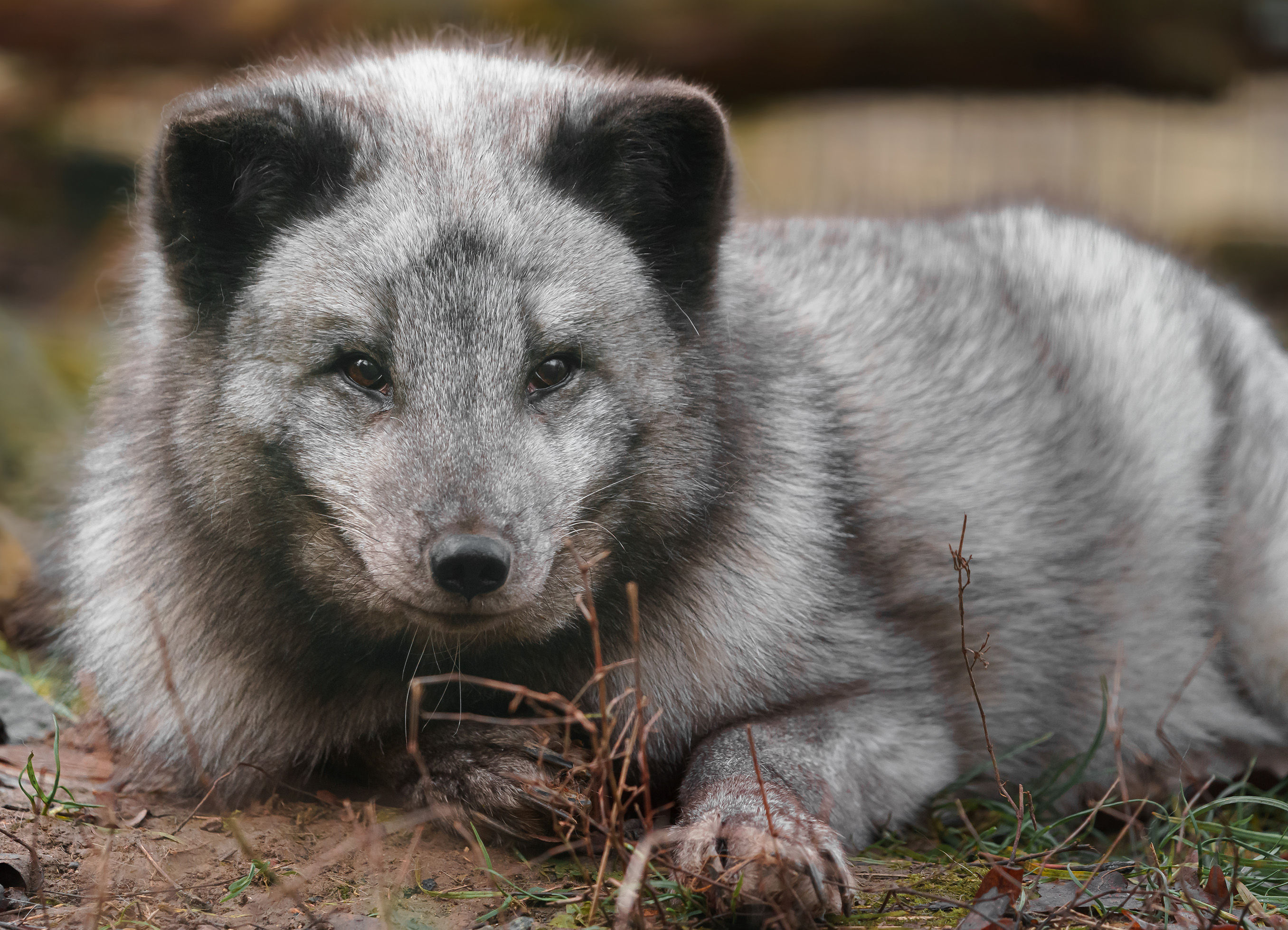
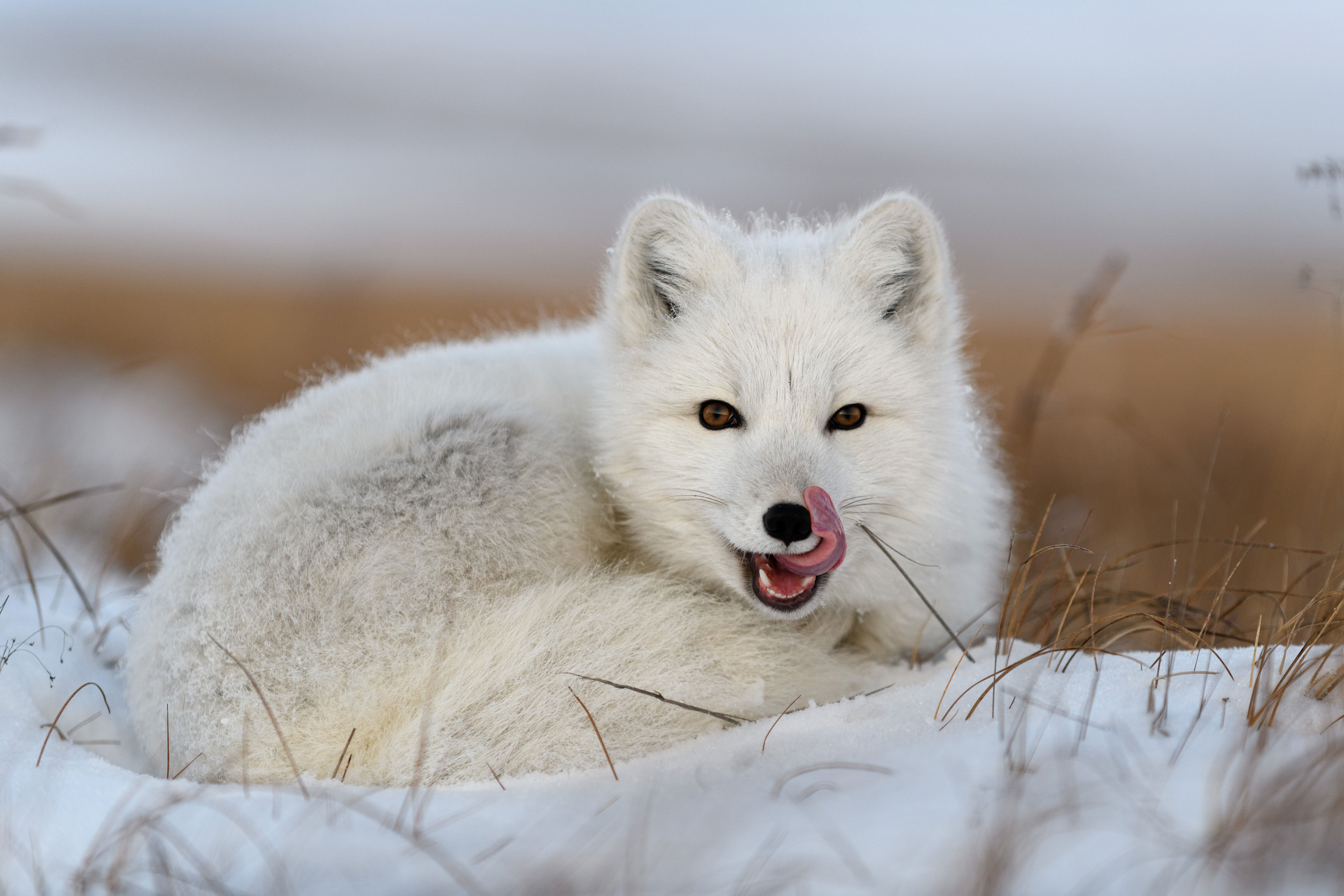
The Arctic fox looks almost delicate at first glance: compact, light-footed, with a sharp face, small ears, and a thick tail that seems nearly as important as the animal itself. But every part of it has been shaped by cold, scarcity, and wind. Its rounded body and short ears help conserve heat. Its dense fur insulates it against some of the harshest conditions on Earth. Even its paws are fur-covered, an adaptation so distinctive that its scientific name, Vulpes lagopus, refers to its “hare-footed” appearance.
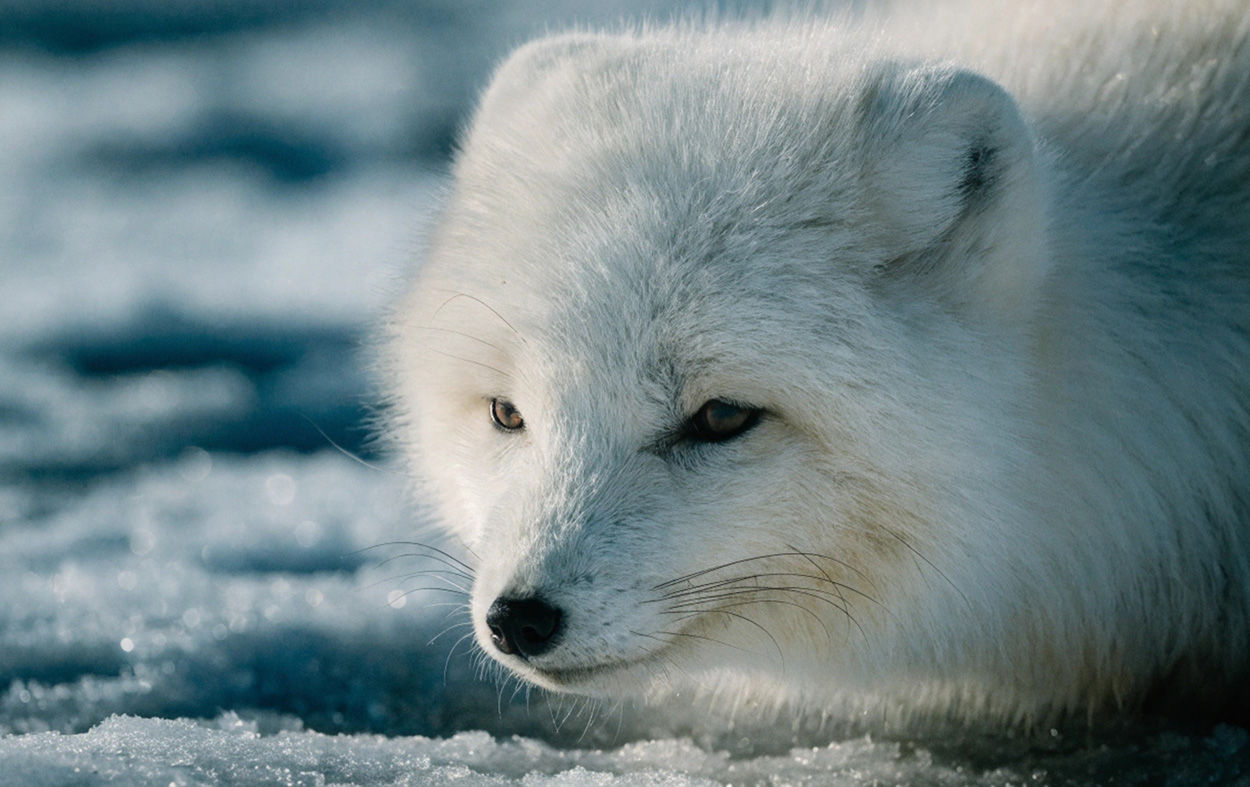
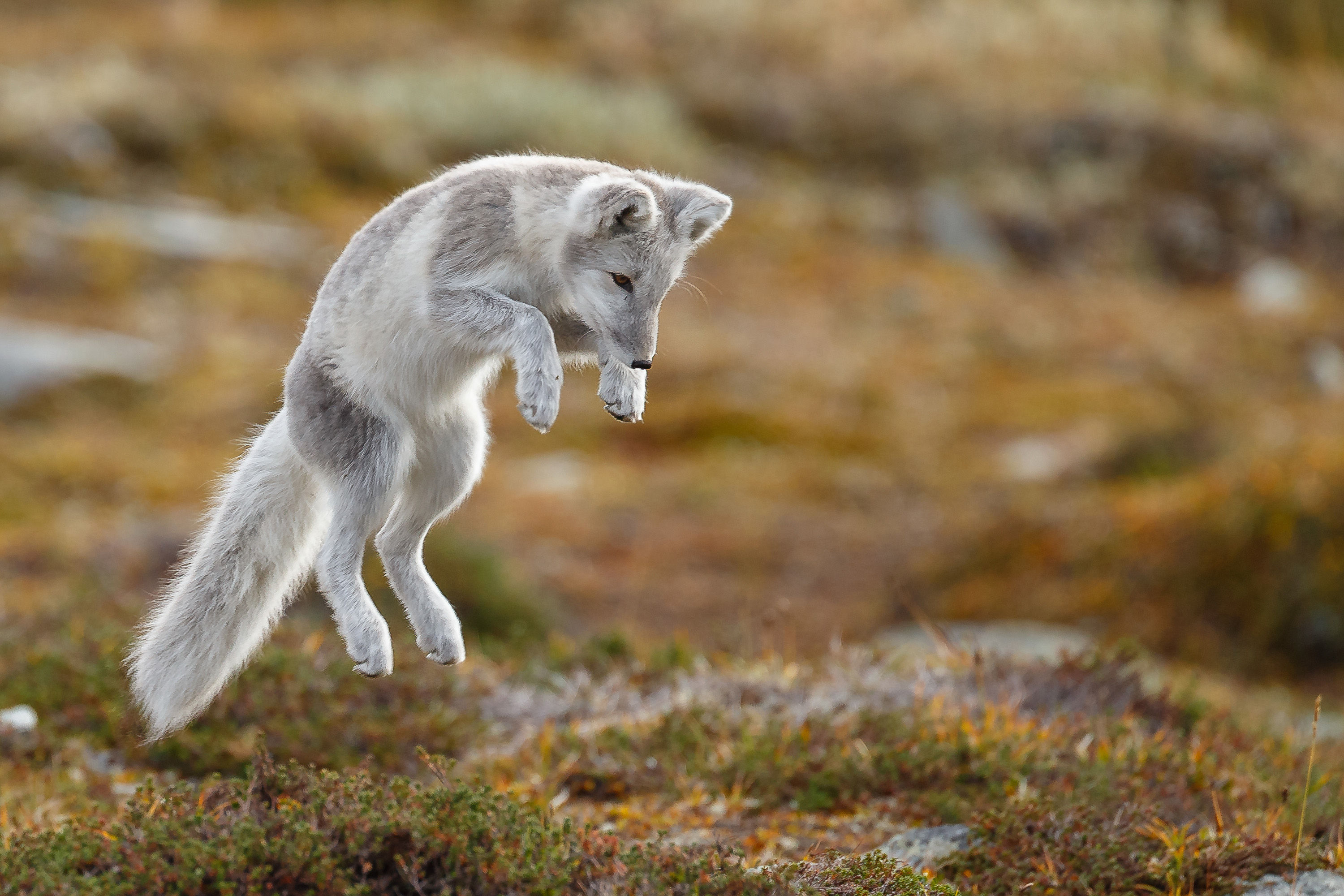
In winter, many Arctic foxes wear a dense white coat that makes them nearly vanish against snow and sea ice. In summer, that same animal may appear grey, brown, or smoky blue, blending into rock, moss, and open tundra. Some foxes, known as blue foxes, maintain a darker tone year-round. On a Svalbard cruise, the fox you see in June may look like a different creature from the one that crosses the snow in March, yet both are expressions of the same remarkable adaptation.
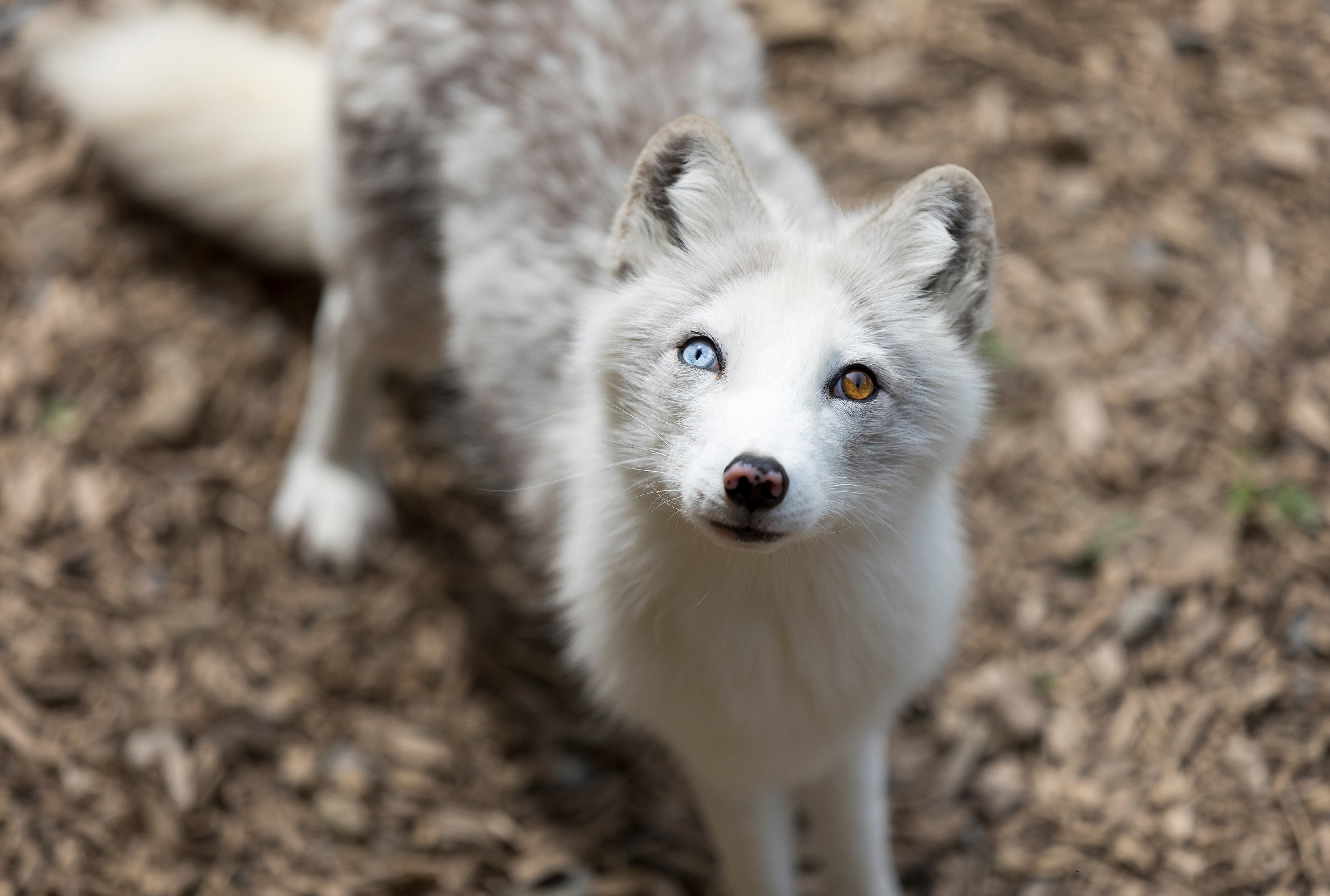
This seasonal transformation is one reason Arctic foxes are so compelling for wildlife watchers and photographers. They are not merely animals in a landscape; they change with the landscape. Snow, meltwater, lichen, scree, bird cliffs, and sea ice all become part of their camouflage.
The Arctic Fox in Svalbard’s Food Web
The Arctic fox is both hunter and scavenger, a role that makes it one of the most resourceful animals in Svalbard. In summer, foxes may search for seabird eggs, chicks, and adult birds near nesting colonies. They patrol beaches, tundra slopes, and cliff bases, alert to sound and movement. In winter, when food is harder to find, carcasses can be crucial, especially those of Svalbard reindeer. The Norwegian Polar Institute notes that access to reindeer carcasses is a key factor in Arctic fox population dynamics in Svalbard.
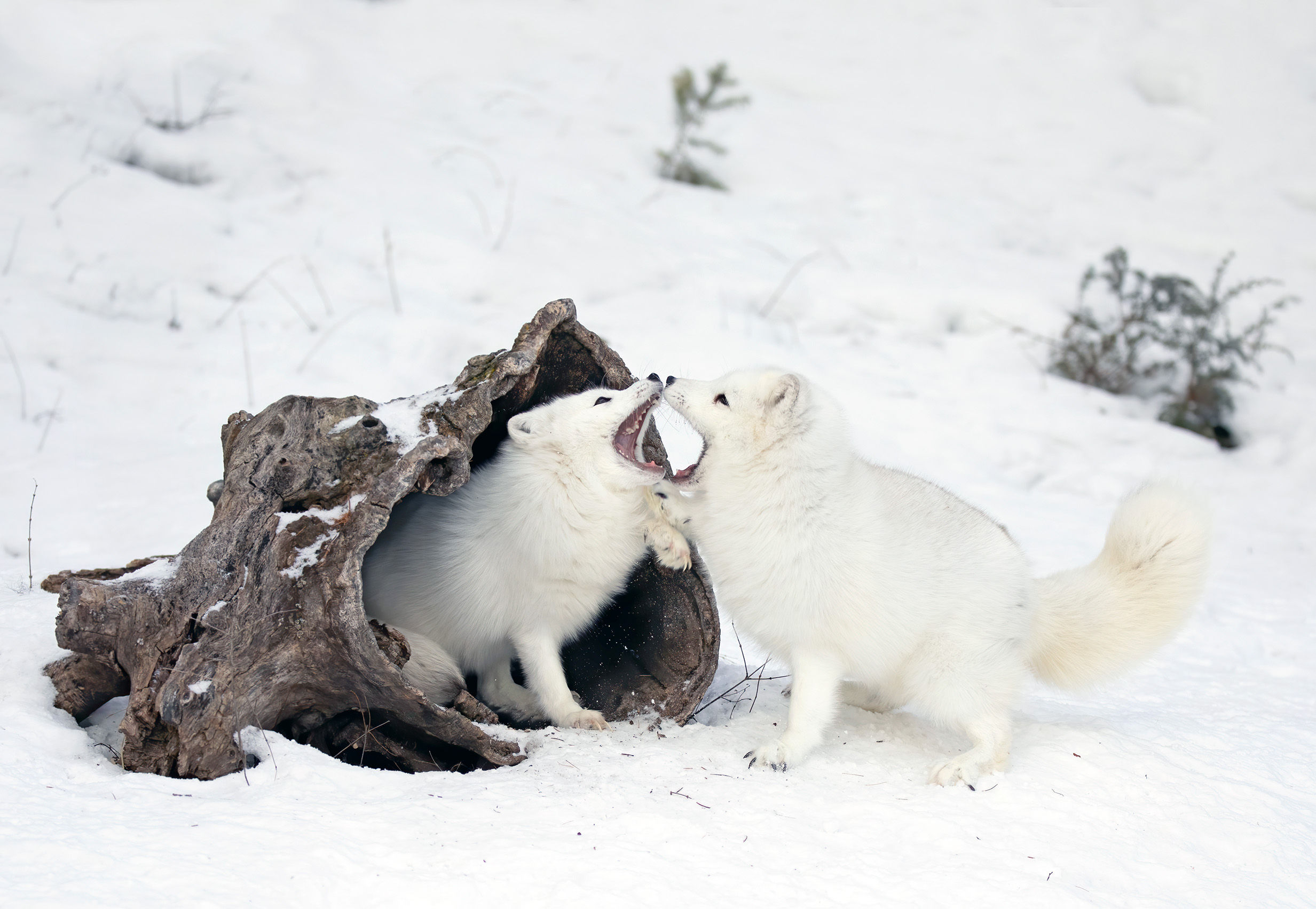
This opportunistic diet connects the fox to nearly every part of the Arctic environment. A bird cliff is not just a place of sound and flight; it is a seasonal pantry. A shoreline is not just a landing site; it is a corridor of scent. A reindeer carcass is not only evidence of winter hardship; it may sustain foxes through the long polar night.
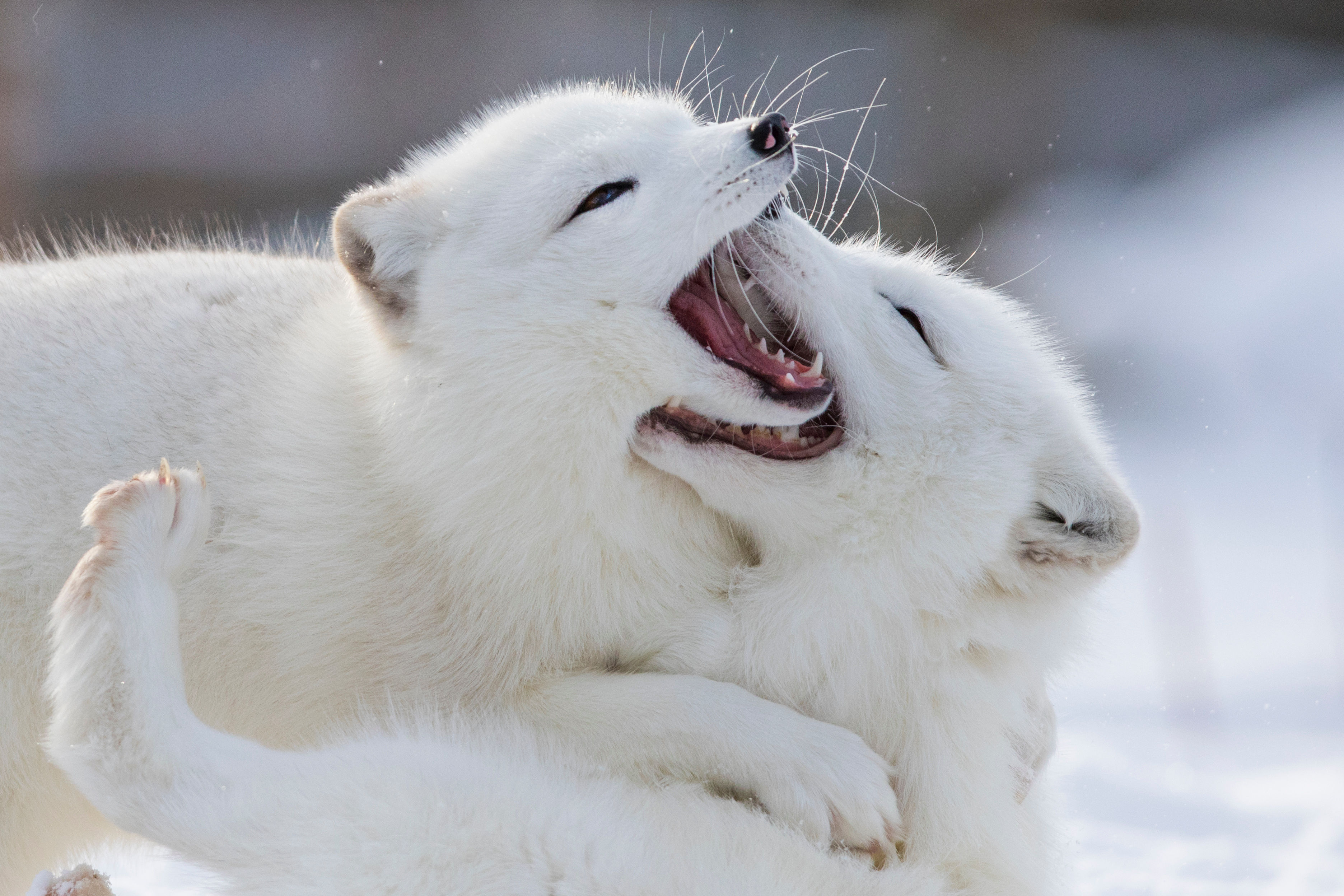
For cruise guests, understanding this food web changes the way the landscape is read. What first appears empty becomes full of signs: tracks in mud, feathers on tundra, a sudden movement near a nesting slope, a fox trotting with purpose along the edge of a bay.
Small-Ship Cruises Suit Arctic Fox Watching
Small-ship cruises are especially well suited to Svalbard because they move at the scale of the coast. Instead of treating the Arctic as scenery to be passed, expedition vessels often linger where weather, ice, wildlife, and regulations allow. Zodiacs may nose quietly along a shoreline. Naturalist guides may scan the tundra before a landing. A planned route may shift because sea ice has moved, a glacier front is active, or wildlife is present.
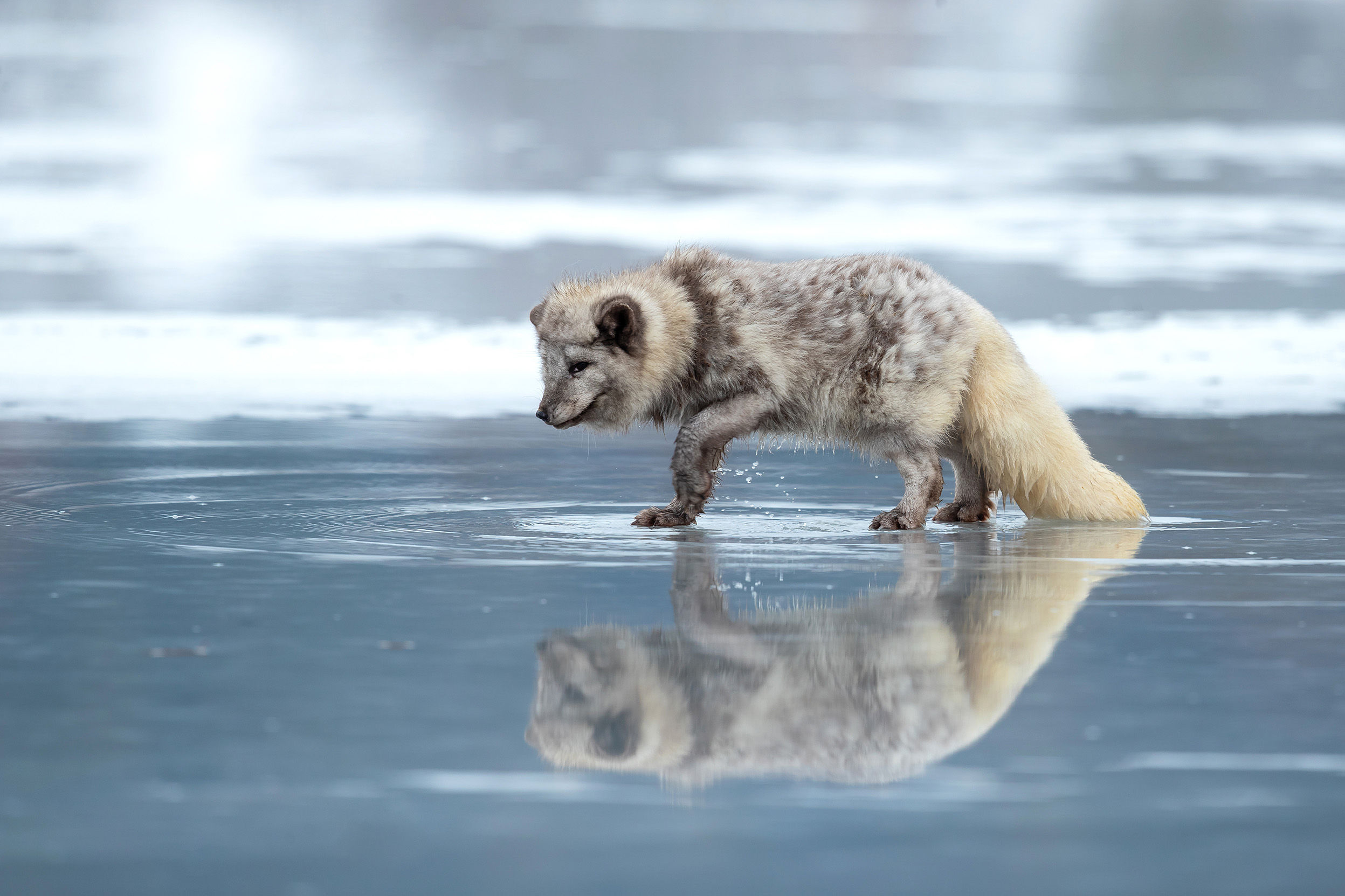
This flexibility matters. Arctic fox sightings cannot be scheduled. They happen in the pauses: while guests are waiting to go ashore, while the ship is anchored beneath bird cliffs, while a guide is explaining tundra plants, and someone notices a small animal moving behind a rock.
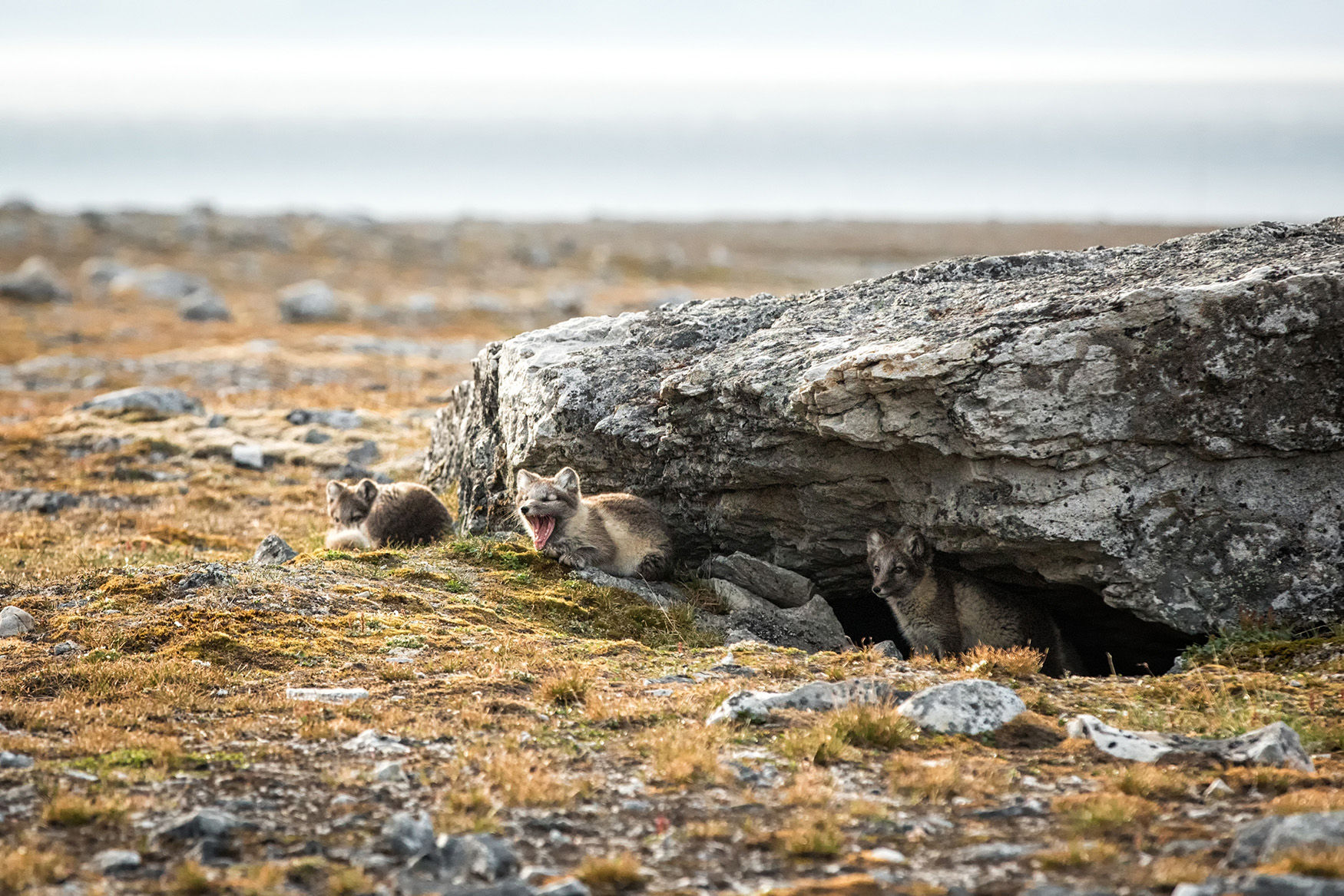
Unlike large cruise ships, small vessels can often explore narrower fjords and remote anchorages, creating a deeper sense of proximity to the Arctic world. The experience is not about chasing wildlife. It is about entering fox country with patience and restraint.
Spitsbergen: The Main Stage of the Svalbard Cruise
Spitsbergen, the largest island in Svalbard, offers the classic Arctic small-ship cruise experience: glacier-cut fjords, mountain walls, seabird cliffs, tundra plains, and beaches where driftwood arrives after long journeys across the polar sea. Many itineraries explore the island’s western and northern coasts, where the meeting of ocean currents, ice, and land creates a rich wildlife habitat.
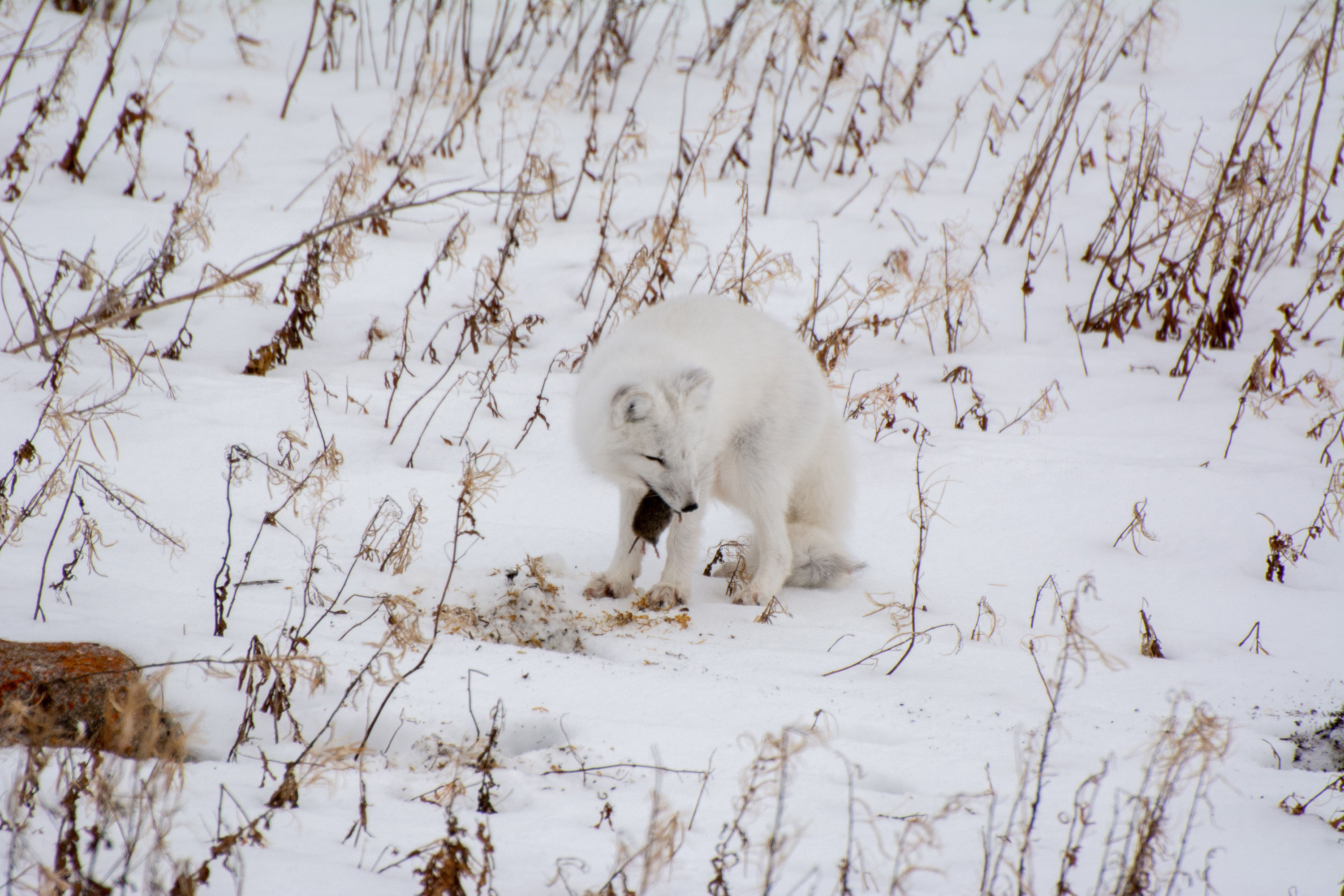
Here, Arctic foxes may be seen near bird colonies, close to old cabins, across open tundra, or along pebbled shores. They are not always easy to spot. Their size, speed, and camouflage make them masters of appearing and disappearing. A fox in a summer coat may dissolve into rock. A fox in winter white may become visible only when it moves.
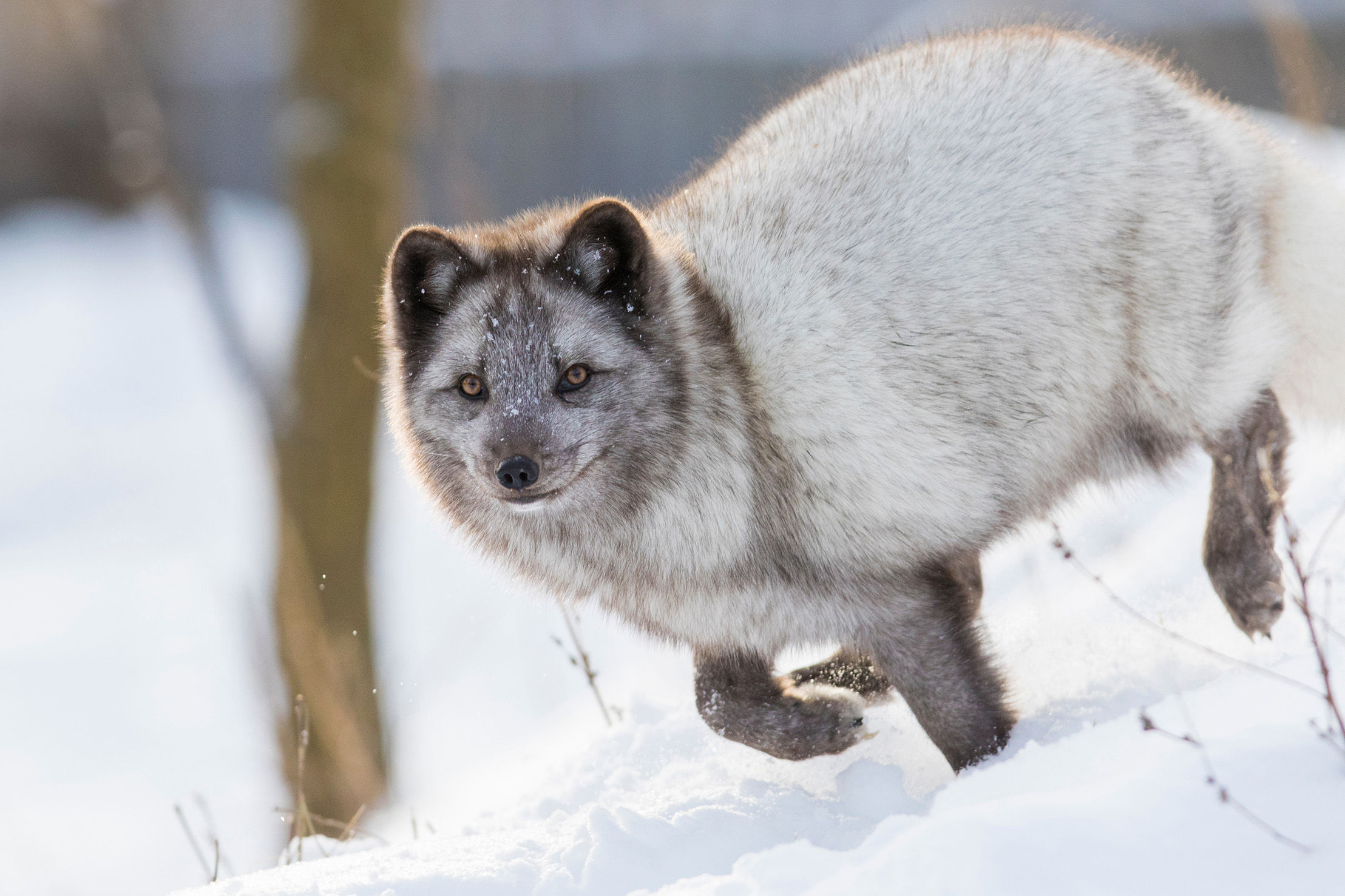
That fleeting quality is part of the encounter. A polar bear may hold a ship in silence for an hour. A walrus haul-out can be seen from afar. But an Arctic fox often gives itself in fragments: a glance, a raised nose, a flash of tail, a line of tracks crossing soft ground.
Tromsø and the Journey North
Tromsø plays a different role in the Arctic cruise story. Located on mainland Norway, well north of the Arctic Circle, it is often described as a gateway to the Arctic. The city combines fjords, mountains, museums, northern lights culture, and a long history of polar exploration. For travelers heading to Svalbard, Tromsø can serve as a natural pre- or post-cruise stop, offering context before the landscape becomes more remote and elemental.
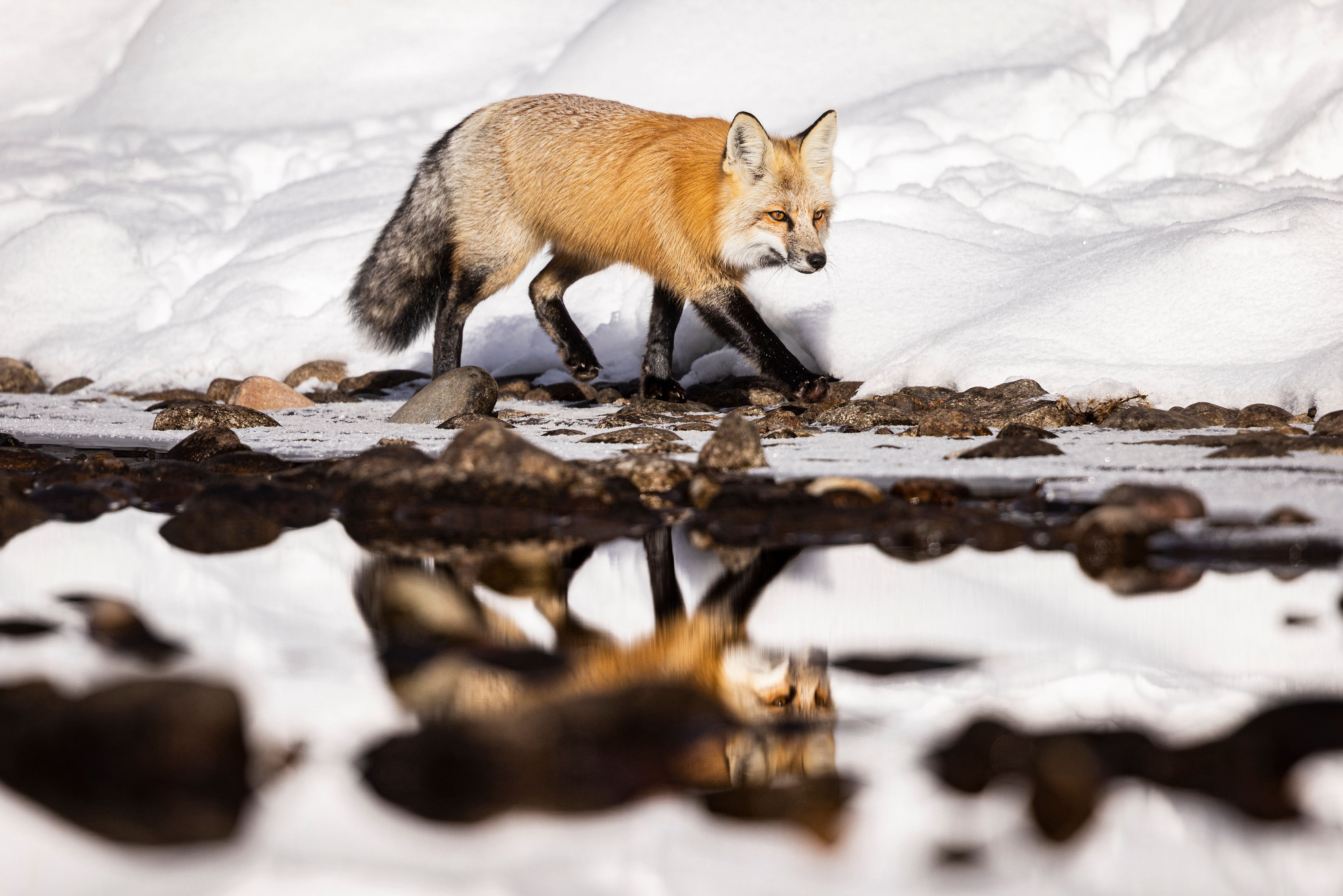
From Tromsø, the imagination continues north: over the Barents Sea, toward Longyearbyen, Spitsbergen, and the archipelago of Svalbard. The transition is dramatic. Mainland Norway’s green summer slopes give way to a High Arctic world of sparse vegetation, glacier light, and animals adapted to extremes. In this broader narrative of the Norway Arctic cruise, the Arctic fox becomes a living symbol of the journey’s final threshold.
The Best Time to See Arctic Foxes
The main small-ship cruise season in Svalbard typically follows the return of light and the opening of navigable waters. Spring and early summer bring snowfields, nesting birds, and foxes still wearing traces of winter white. This can be one of the most beautiful times to see them, especially when their pale coats stand out against thawing earth.
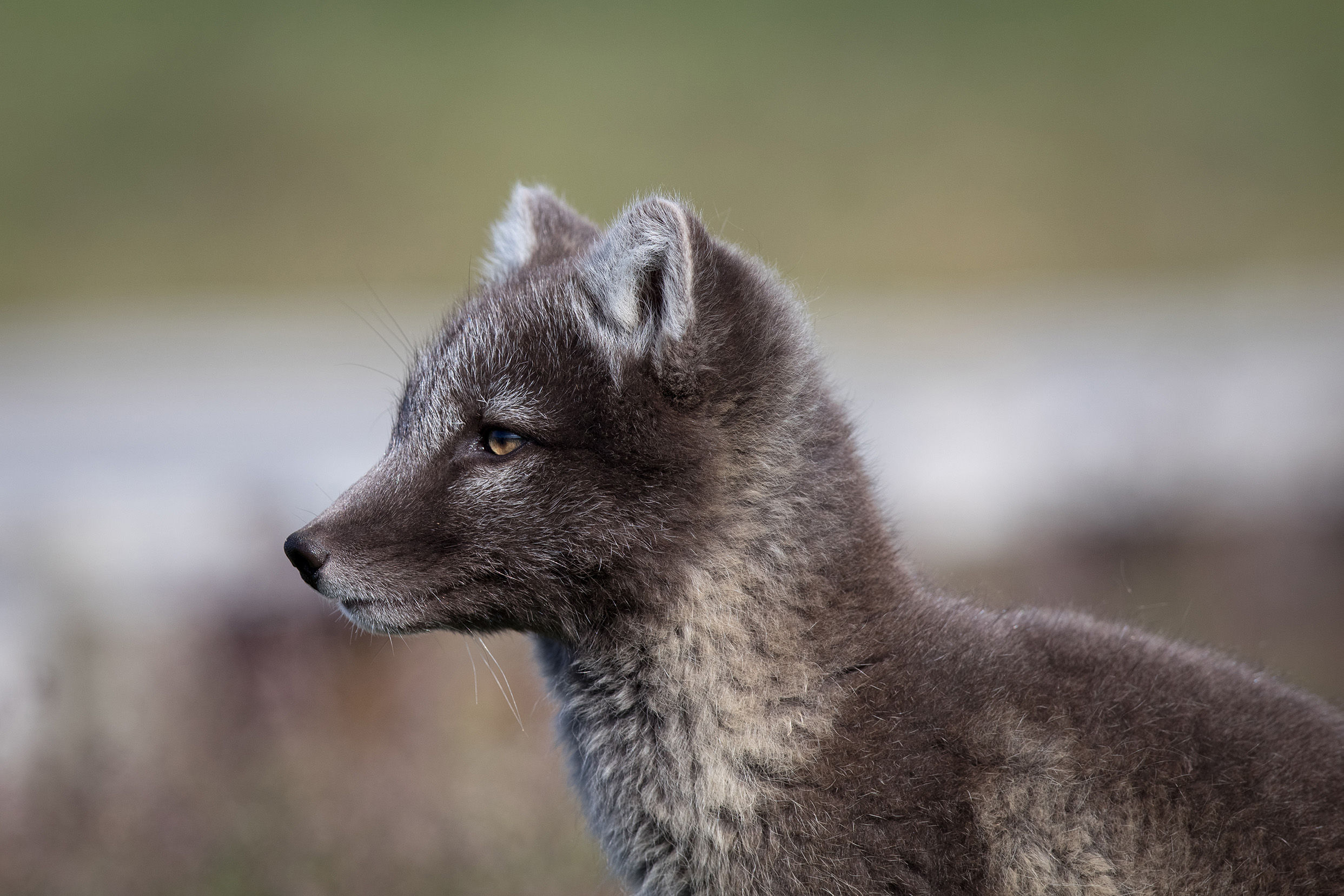
By high summer, usually July and August, the tundra takes on a deeper color. Mosses, saxifrage, and lichens soften the stony ground. Arctic foxes often have darker summer coats, better camouflaged against the land. These months also bring long daylight, allowing extended wildlife observation beneath the midnight sun.
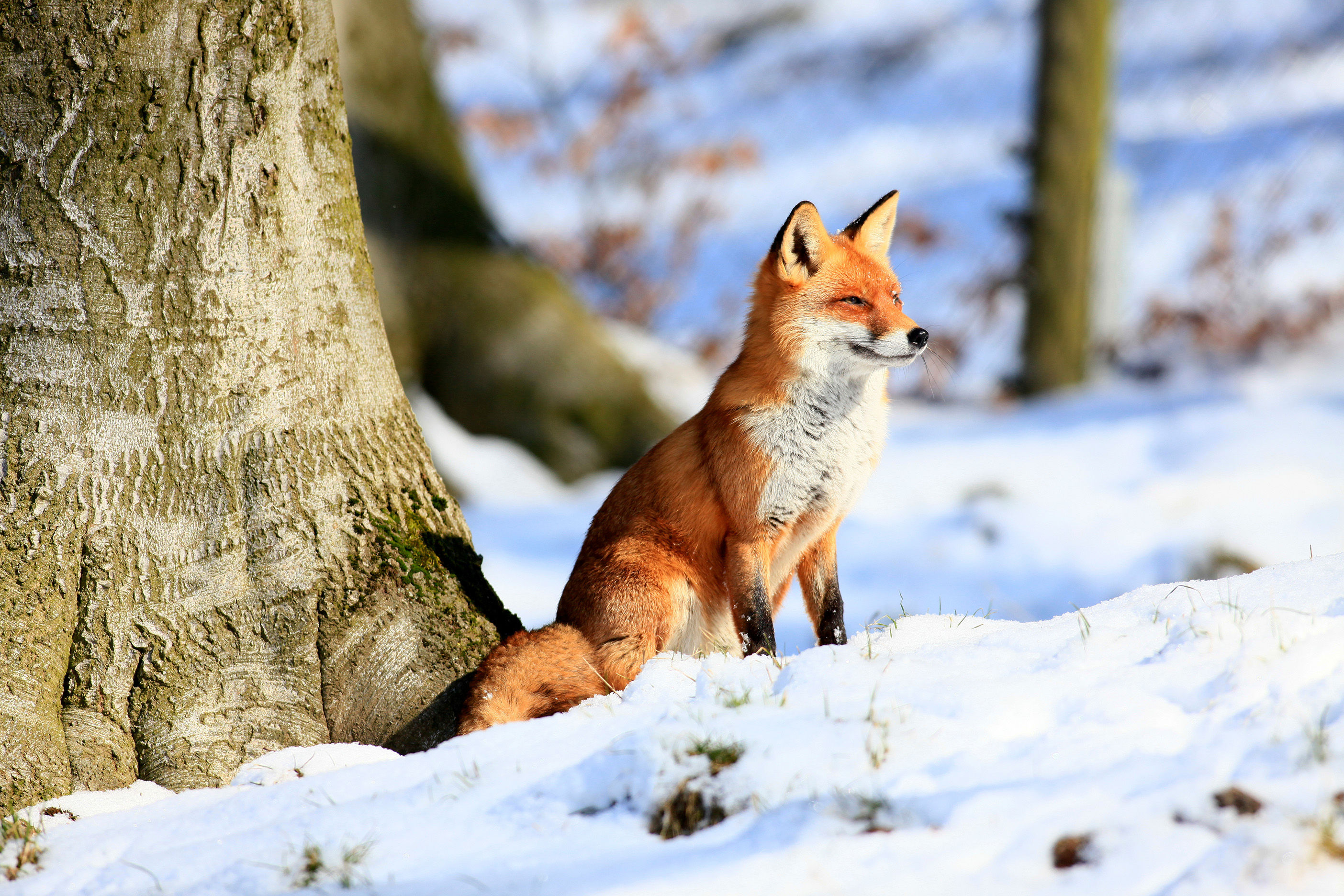
Autumn adds another layer of atmosphere as the light lowers and the first hints of winter return. Outside the main cruise season, Svalbard becomes a place of snow, darkness, and northern lights, though classic small-ship expedition cruising is most closely associated with the brighter months.
Seeing More Than the Famous Animals
Most travelers come to Svalbard hoping to see the icons: polar bears, walruses, whales, seals, and vast seabird colonies. These encounters can be unforgettable. Yet the Arctic fox offers something more intimate. It asks travelers to pay attention to the details of survival.
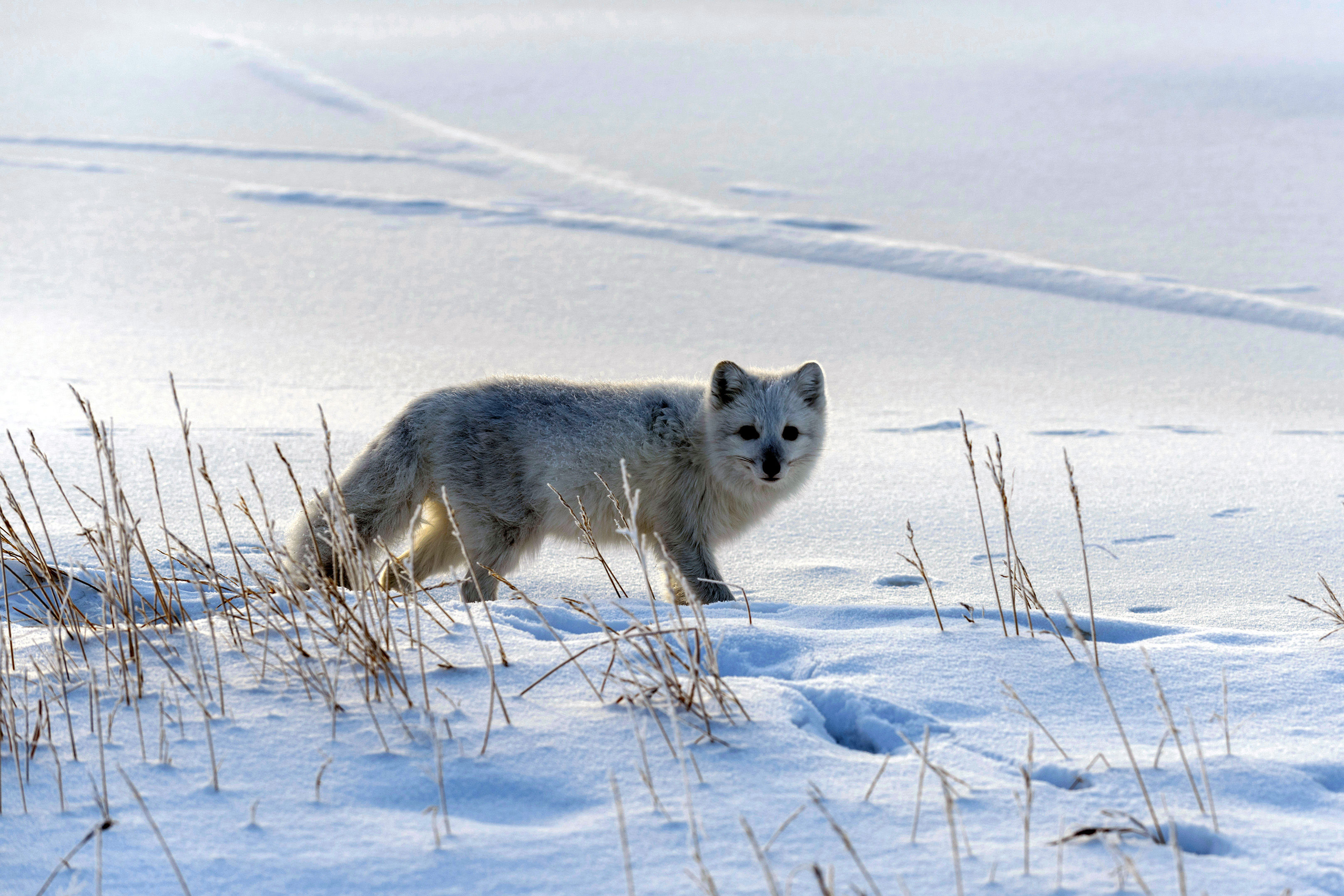
To watch an Arctic fox is to see intelligence in motion. It listens beneath the wind. It tests the air. It moves with economy, wasting nothing. In a land where energy is precious, every step has purpose. Its presence also reminds us that the Arctic is not empty. Even the quietest slopes and beaches are part of a living system. The fox links bird cliffs to reindeer, sea ice to tundra, summer abundance to winter endurance.
Responsible Wildlife Watching in Fox Country
Arctic wildlife lives close to the edge. Disturbance costs energy, and energy can mean the difference between survival and death. Responsible Arctic fox watching means keeping your distance, following the guide's instructions, never feeding animals, and allowing the fox to choose its own path. A good sighting is not measured by how close the animal comes, but by how naturally it behaves.
In Svalbard, safety also means remembering that this is polar bear country. Visitors are strongly encouraged to travel outside settlements with experienced local guides, both for their own safety and to protect wildlife. On a small-ship cruise, expedition teams manage landings carefully, reading weather, terrain, ice, and animal presence before guests step ashore.
The Quiet Magic of the Arctic Fox
In the end, the Arctic fox may not be the animal that first draws travelers to Svalbard. It is smaller than the bear, quieter than the bird cliffs, less theatrical than a whale breaking the surface beside the ship. But it often becomes one of the animals people remember most.
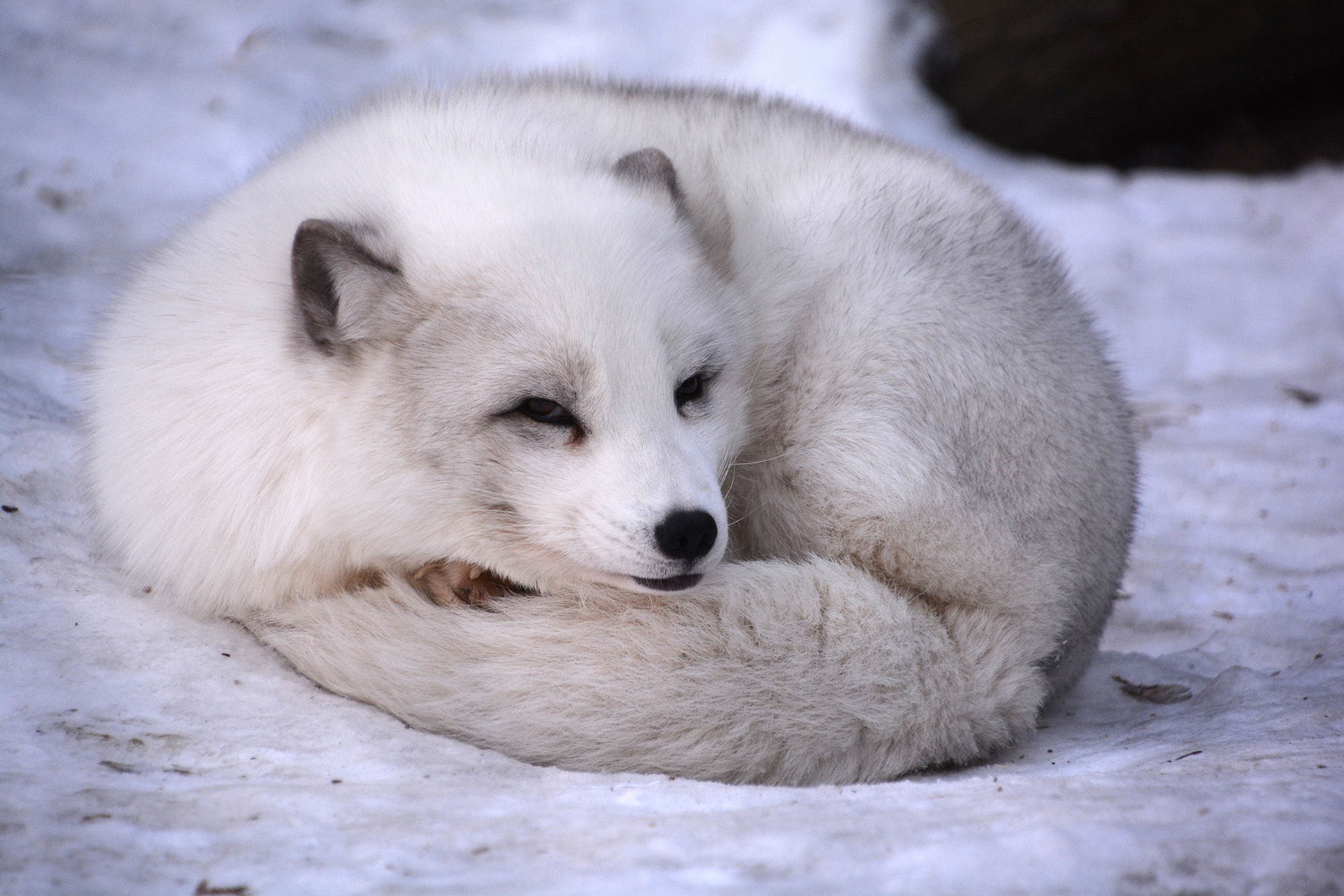
There is something unforgettable about seeing such a small creature in such a vast place. Against glaciers, fjords, and mountains, the fox appears almost impossible — and yet it belongs completely. It is the Arctic distilled into fur and movement: alert, resilient, beautifully adapted, and always listening.
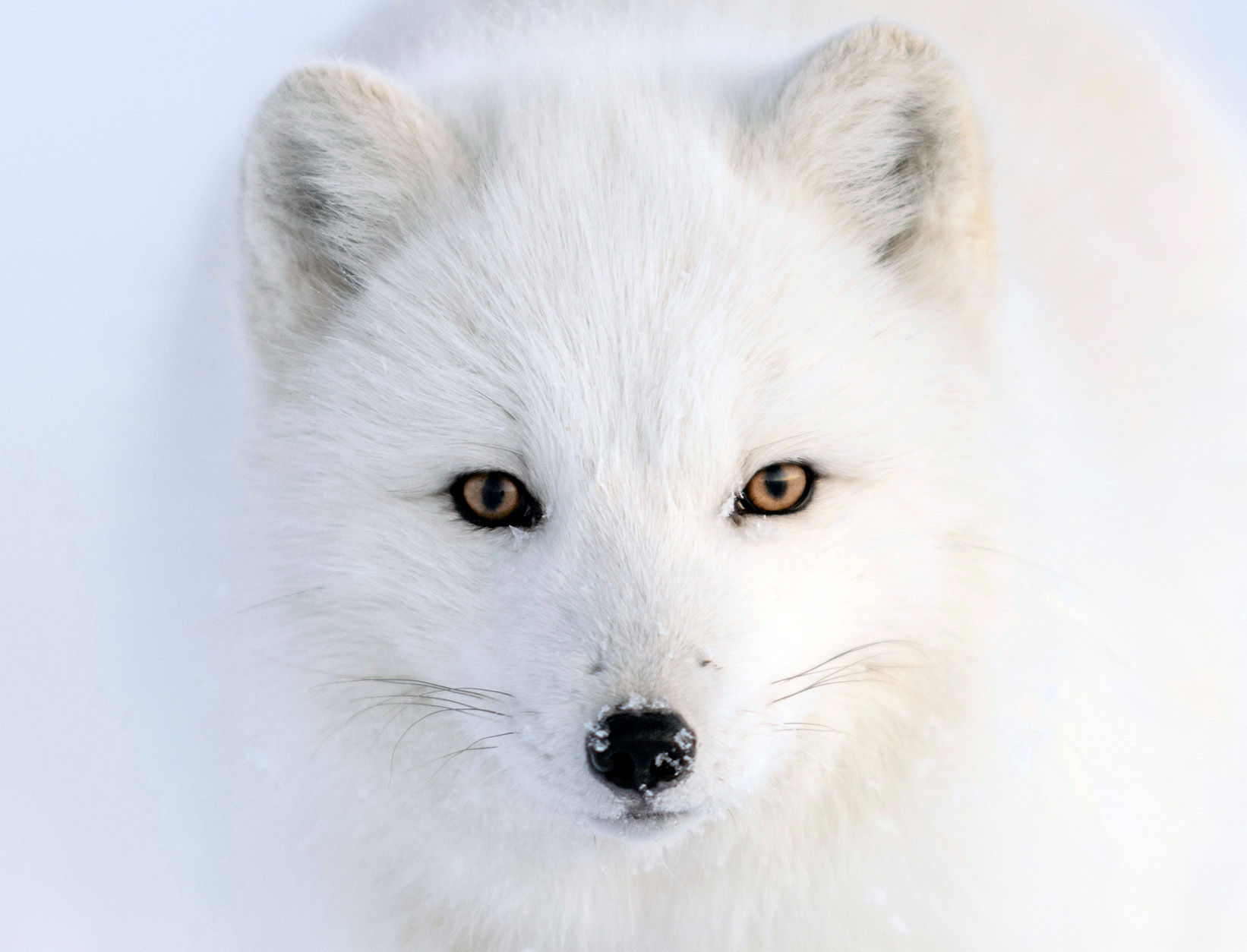
On a small-ship cruise through Svalbard and Spitsbergen, the Arctic fox is not simply another species on a checklist. It is a guide to seeing the High Arctic properly: slowly, closely, and with respect for the fragile life that endures at the edge of the ice.
This article was developed with AI assistance and reviewed and edited for accuracy, quality, and relevance.