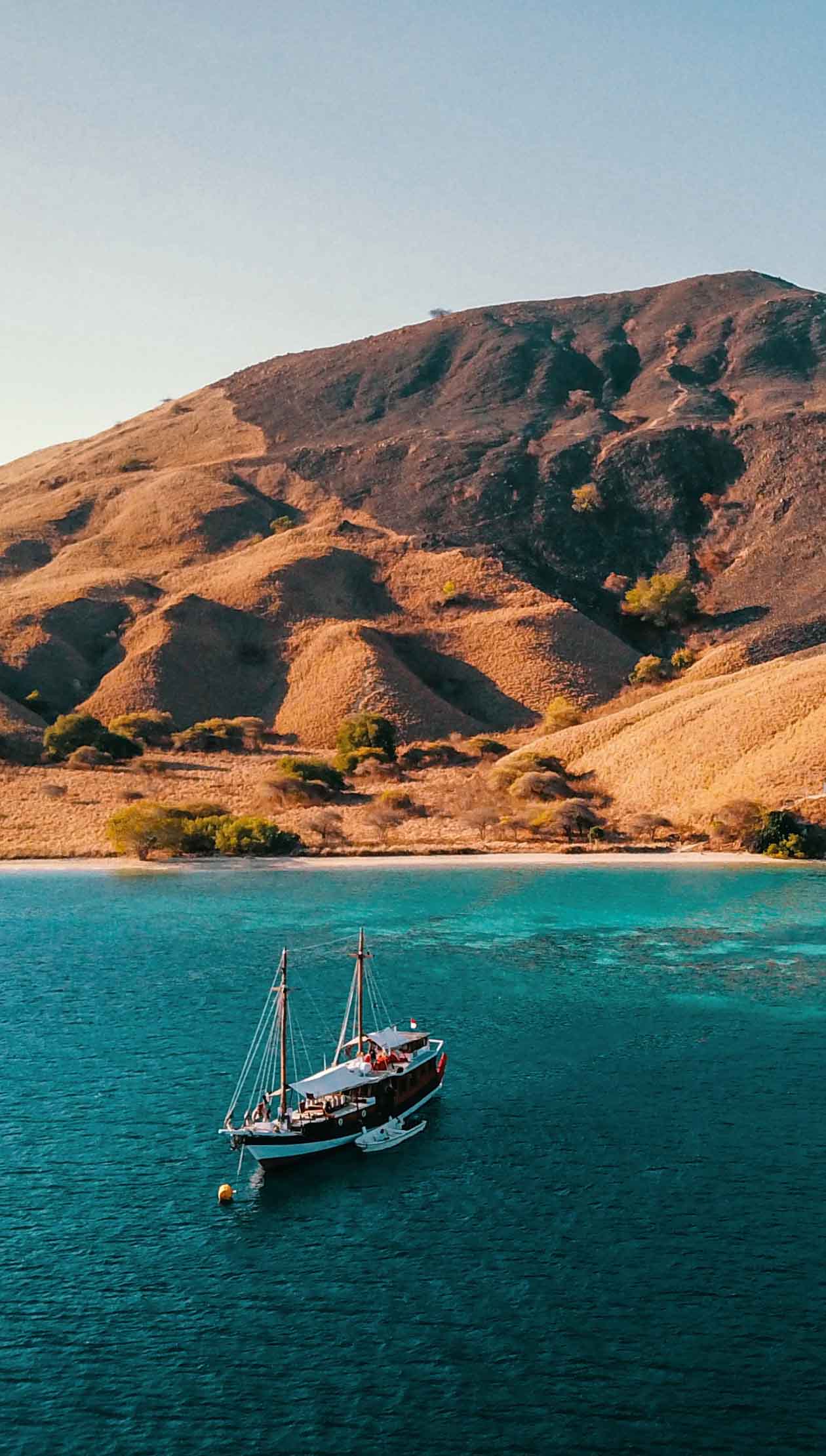
Loch Etive reveals its scenery gradually. Near the entrance, a bridge, shoreline homes, and traces of local industry place the water within a lived-in landscape. Farther inland, wooded slopes and rocky shores lead toward a more enclosed mountain setting. In still conditions, reflections double the ridgelines; when clouds move through, the same view becomes a shifting arrangement of light, water, and dark hillsides.
For travelers considering small-ship cruises in Scotland, Loch Etive offers a mainland sea-loch experience that complements island harbors and coastal passages. Its appeal centers on the journey through the landscape rather than a busy sequence of attractions. Time on deck, patient wildlife watching, and an unhurried anchorage can be the most memorable parts of a visit.
Loch Etive cruise essentials
- Location: Near Oban in western Scotland, with its sea entrance at Connel.
- Landscape: A tidal sea loch with wooded lower shores and a mountainous upper reach.
- Main experiences: Scenic sailing, photography, wildlife observation, and shore exploration on suitable itineraries.
- Recognizable features: Connel Bridge, the Falls of Lora, views toward Ben Cruachan, and the mountain setting toward Glen Etive.
- Cruise role: A destination on selected short coastal breaks and wildlife-focused voyages from the Oban area.
- Planning priority: Confirm that Loch Etive is included and whether the visit involves cruising, anchoring, or a planned landing.
Exploring Loch Etive by small ship
Traveling by water brings continuity to a landscape that is difficult to appreciate from a single viewpoint. You can follow the changing shoreline, watch the mountains draw closer, and understand how the lower loch connects with its more remote upper reaches. The scenery remains part of the experience throughout the visit, including during meals or quiet time on board.
A multi-day cruise also offers a different rhythm from a short sightseeing excursion. Where the itinerary includes an overnight stay, there may be time to experience the loch under changing evening and morning light. For guests who enjoy photography, nature, or simply watching a place unfold, that extra time can be more valuable than adding another destination to the route.
Landscapes and landmarks along Loch Etive
Connel Bridge and the Falls of Lora
Connel Bridge spans the narrows near the entrance to Loch Etive, making it one of the most recognizable landmarks on the approach. Beneath and around this constricted stretch, tidal movement creates the Falls of Lora. Despite the name, these are tidal rapids rather than a conventional waterfall, and their appearance changes with the tide.
This entrance helps explain why a visit to Loch Etive requires careful scheduling. The crew plans passage around conditions and the vessel’s requirements; seeing the rapids at their strongest is not the objective of a cruise transit. For passengers, the crossing marks the transition from the outer coastal waters into the loch.
The lower loch and views toward Ben Cruachan
The lower reaches combine open water with wooded shores, settlements, and views toward the Ben Cruachan mountain group. This is a landscape with both natural and human details: changing slopes beyond the water, shoreline buildings, and places whose history is tied to maritime access.
Rather than concentrating only on the distant peaks, watch the nearer shore as the boat moves. Reflections, small bays, and the contrast between woodland and rock create a varied sequence of scenes. Clear weather reveals the mountain views, while softer light can draw more attention to the shoreline itself.
The upper loch and the approach toward Glen Etive
Farther inland, Loch Etive takes on a more dramatic mountain character. Steep slopes frame the water, and the scale of the surrounding landscape becomes a defining part of the experience. A voyage reaching these upper waters offers a different perspective from a visit confined to the loch’s entrance and lower shores.
At the inland end, the loch meets the landscape of Glen Etive. This is a geographic connection, not an automatic road excursion: cruising toward the head of the loch does not mean that a tour through Glen Etive or onward to Glencoe is included. Choose an itinerary that clearly describes how far it intends to explore.
Wooded shores and quiet anchorages
Loch Etive’s interest is not limited to its broad mountain views. Along wooded sections, branches reach toward the shoreline, rocks interrupt the water’s edge, and sheltered corners encourage closer observation. An anchorage can give these smaller details time to emerge, especially when the boat settles into a quiet evening.
If a shore walk is offered, it adds another scale to the visit: textures underfoot, woodland plants, and views back toward the vessel. Landing locations vary, so the character of the excursion is best understood from the operator’s description rather than assumed from the scenery visible on a map.
Wildlife watching on Loch Etive
Seals and sea eagles are among the wildlife that local boat operators report around Loch Etive. Otters also use the loch’s coastal habitats, although spotting one takes patience and favorable circumstances. Keep binoculars nearby and spend time scanning both the water and the shoreline; a brief movement can be easier to notice than an animal resting among rocks.
The surrounding mountain country adds another dimension to nature-focused voyages. A knowledgeable guide can help interpret distant birds, coastal habitats, and the relationship between the loch and its catchment. This makes the experience rewarding even during quieter periods without a major wildlife encounter.
Choose a cruise for its overall nature experience rather than a promised sighting. Wildlife moves freely, and opportunities vary with location, season, and conditions. Follow the crew’s guidance regarding resting animals and allow observation from a respectful distance.
Historic places around Loch Etive
Ardchattan Priory
Ardchattan Priory, on the northern side of Loch Etive, connects the shoreline with Scotland’s medieval religious history. Its surviving ruins and carved stones offer a different perspective on an area often chosen primarily for its scenery. Learning about the priory can add context to the lower-loch passage, even when the itinerary does not include time ashore here.
A visit requires a suitable landing and onward access arrangement. Treat it as an excursion to confirm with the operator, or a possible addition to a land-based stay around Oban, rather than a standard feature of every Loch Etive cruise.
Bonawe Historic Iron Furnace
Near Taynuilt on the southern side of the loch, Bonawe Historic Iron Furnace reveals another chapter of the area’s past. The ironworks relied on imported materials, charcoal from Argyll’s woodlands, and water power, linking industrial activity with the surrounding landscape. It is a reminder that these shores were places of production and transport as well as natural beauty.
For travelers interested in industrial heritage, Bonawe can enrich a visit to the region. As with Ardchattan, however, a cruise through the loch does not automatically provide access to the site. Check whether transportation and admission are included in a named shore excursion.
Loch Etive within a west coast cruise
Selected short cruises from the Oban area include Loch Etive as a possible destination, sometimes alongside Loch Linnhe, nearby islands, or the Sound of Mull. Wildlife-focused itineraries may give the loch a more prominent role, allowing additional time for observation and exploration. The same destination can therefore offer quite different experiences depending on the voyage.
A mainland sea-loch visit can also complement the island scenery associated with Inner Hebrides cruises. Loch Etive is on the mainland coast, not an island destination, but it can provide an appealing contrast within a wider journey. Compare the time devoted to each area and whether the route prioritizes wildlife, shore walks, or scenic sailing.
Choosing a cruise that visits Loch Etive
Start by checking how firmly Loch Etive features in the itinerary. Some operators list it as one of several possible destinations within a flexible cruising area; others describe it as a central part of the planned voyage. If visiting the loch is your main reason for booking, ask the operator to explain the intended route and the factors that could affect it.
- For scenery: Look for a description of the areas of the loch the cruise intends to explore.
- For wildlife: Compare guiding, observation time, and the overall nature focus of the voyage.
- For photography: Check whether the program allows extended time in the loch or an overnight anchorage.
- For shore exploration: Confirm the types of landings and walks offered, including their physical requirements.
- For history: Look for named excursions rather than assuming nearby attractions are included.
Local sightseeing boat trips also operate around Loch Etive. These are a different product from a multi-day small-ship cruise with accommodation on board, so compare duration, inclusions, and embarkation details carefully when researching your holiday.
Best time to cruise Loch Etive
Spring and summer offer longer daylight hours for scenic sailing and shore visits, with fresh foliage adding color to the wooded banks. Summer evenings can be particularly appealing for spending time on deck, although calm water and clear mountain views depend on the weather rather than the calendar.
Fall brings changing woodland colors, and selected wildlife-focused cruises, including Loch Etive, are available during this season. Shorter days create a different rhythm on board, with more emphasis on making the most of available light. Rain, mist, and low cloud are possible at any time of year; they can obscure the highest slopes while creating atmospheric views along the shore.
Preparing for your visit
Embarkation and arrival planning
A cruise visiting Loch Etive may depart from Oban or another nearby boarding point rather than from the loch itself. Follow the operator’s joining instructions and confirm whether you need a transfer from the town center. If arriving by train, coach, or flight connection, allow enough time for the final journey to the vessel.
Tides and itinerary flexibility
Tidal conditions at the entrance influence when suitable vessels can enter and leave the loch. This can affect the order of visits and the time spent in particular areas. The captain manages these decisions, while passengers can enjoy the changing landscape without needing to follow a fixed sequence of stops. Avoid arranging independent shore activities around an assumed arrival time.
Shore access and walking
Where landings are offered, they may involve a tender and uneven shoreline terrain rather than a conventional cruise terminal. Ask about steps, surfaces, and the intended walking route if accessibility affects your plans. A scenic cruise can still be rewarding without an extended walk, so compare the onboard experience and the shore program.
What to bring
Pack waterproof outerwear, warm layers, and shoes with good traction. Binoculars are especially useful for wildlife observation, while a weather-resistant cover helps protect cameras and phones. Bring a small daypack and water for longer shore outings, and keep an extra layer handy for sitting on deck when the vessel is stationary.
Find your Loch Etive small-ship cruise
Loch Etive offers a close encounter with Scotland’s mainland coast, from its tidal entrance and historic shores to wooded bays and mountain-framed waters. Compare small-ship itineraries, check their planned time in the loch, and choose a voyage that gives you room to enjoy the scenery and nature at an unhurried pace.