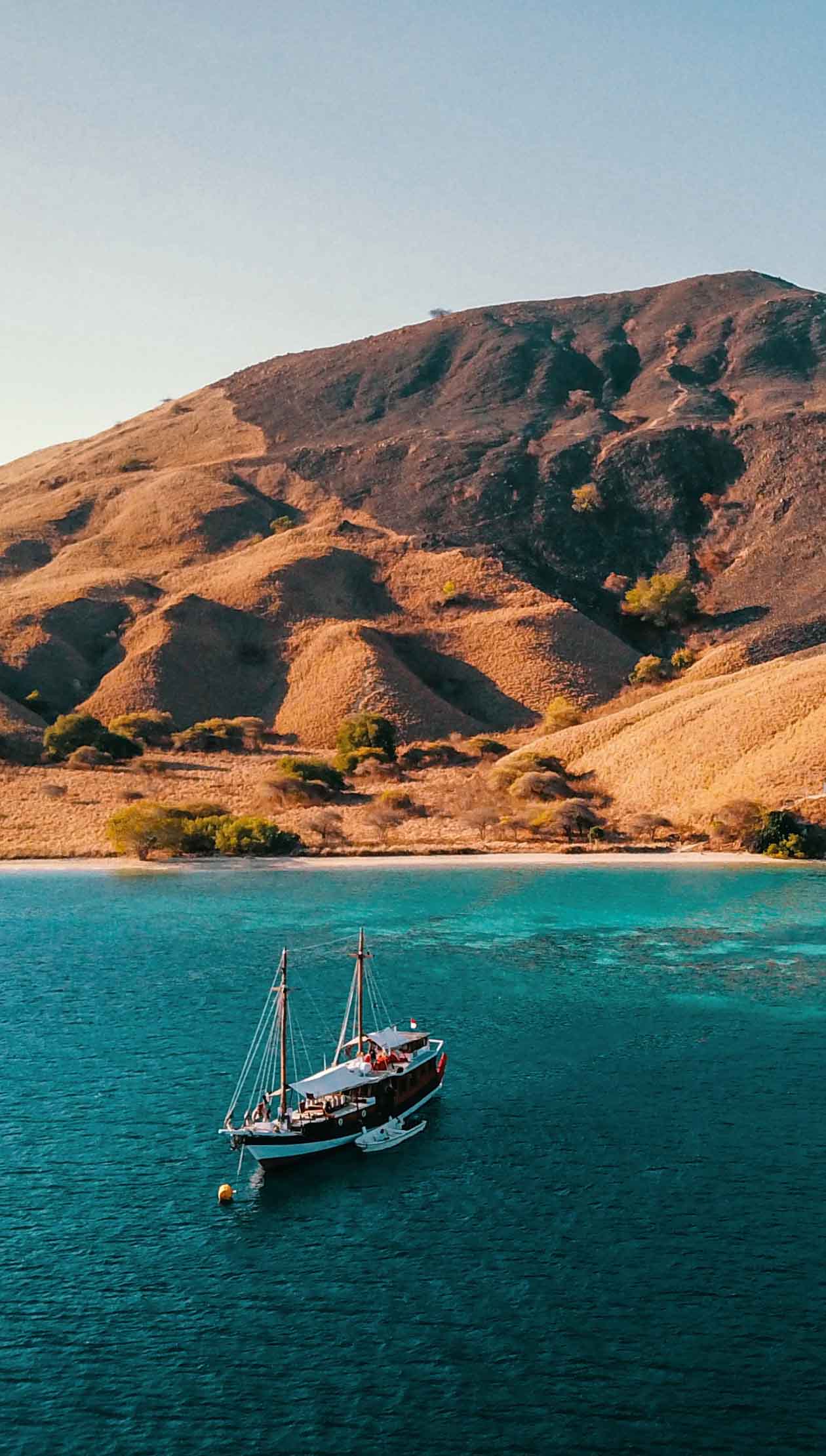
A voyage through the Caledonian Canal moves between contrasting landscapes. Narrow channels bring trees and towpaths close to the deck, then open onto broad lochs beneath wooded slopes and mountain ridges. At the locks, the pace changes again: gates close, water levels shift, and the vessel rises or descends before continuing through the Highlands. The journey itself becomes one of the main attractions.
Among small-ship cruises in Scotland, the Caledonian Canal offers a distinctive combination of inland scenery and working engineering heritage. It suits travelers who enjoy watching a landscape unfold, with opportunities to explore villages, learn about local history, and appreciate the details of a waterway built to carry vessels across the country. Some voyages add coastal sailing, creating a varied holiday that links the Great Glen with Scotland’s western islands.
Caledonian Canal cruise essentials
- Location: Scotland’s Great Glen, between Corpach near Fort William and Inverness.
- Route length: Approximately 60 miles, including about 22 miles of man-made canal.
- Freshwater lochs: Loch Lochy, Loch Oich, Loch Ness, and Loch Dochfour.
- Engineering highlights: Twenty-nine locks along the waterway, including the eight-lock flight at Neptune’s Staircase.
- Cruise styles: Inland journeys and combined canal, coast, and island itineraries.
- Planning priority: Check whether the voyage covers the full canal, which shore excursions are included, and where embarkation and disembarkation take place.
Exploring the Caledonian Canal by small ship
The canal offers a close relationship with the surrounding landscape. Along its narrower sections, you can watch life on the towpath and appreciate the stonework of bridges and locks. On the lochs, the view expands to long shorelines and distant hills. This alternation gives the route variety without requiring a new port every day.
The waterway’s dimensions also shape the experience: vessels must be suitable for its locks and bridges. A crewed small-ship cruise lets you enjoy the passage while the crew manages navigation and coordinates with canal staff. Time on deck is an opportunity to understand how the route works and to enjoy the scenery.
Highlights along the Caledonian Canal
Corpach and the Fort William area
At the southwestern end of the canal, Corpach connects the inland waterway with the sea-loch system leading toward Loch Linnhe. The setting introduces the mountain scenery around Fort William, with Ben Nevis dominating the skyline when visibility allows. On a voyage arriving from the west coast, the character of the journey begins to shift from coastal sailing to passage through the Great Glen.
Fort William and its surroundings may be part of a shore excursion or pre-cruise stay, but the town and the canal entrance are separate locations. Check the actual berth and transfer arrangements before planning independent sightseeing.
Neptune’s Staircase at Banavie
Neptune’s Staircase is one of the canal’s defining sights: a flight of eight interconnected locks at Banavie. Passing through gives passengers a close view of the engineering that allows a vessel to climb or descend between different water levels. It is a gradual process that rewards time on deck, watching the gates, lock chambers, and changing position of the surrounding banks.
Ben Nevis provides a dramatic backdrop in clear weather. If your itinerary includes time ashore nearby, viewing the lock flight from the towpath offers another perspective. Any opportunity to leave and rejoin the ship must be arranged with the crew.
Loch Lochy and the Great Glen landscape
Loch Lochy brings a sense of open space after the narrower canal sections. Its elongated shape draws the eye along the Great Glen, with rising slopes framing the water. This is a stretch to enjoy from the deck or a comfortable observation area, allowing the scenery to unfold rather than focusing on a single landmark.
Light and weather can transform the experience. Clear conditions reveal the contours of distant hills, while passing clouds create shifting patterns across the slopes. The loch is part of the cruise experience even when no landing is scheduled.
Laggan Avenue and Loch Oich
The tree-lined passage at Laggan Avenue provides a striking contrast with the broader waters nearby. Here, the banks feel close enough for individual branches and reflections to become part of the view. Continuing toward Loch Oich, the journey returns to an open-water setting, with another change in scale and atmosphere. These quieter stretches are part of what makes a canal voyage rewarding. Between the best-known attractions, there is time to notice the transition from channel to loch, watch the shoreline, and enjoy the rhythm of traveling through the Highlands.
Fort Augustus and its canal locks
Fort Augustus sits at the southwestern end of Loch Ness, where a flight of five locks carries the canal through the village. Boats passing between the chambers become part of the local scene, with places to eat and paths beside the water making this an appealing stop when time ashore is included.
A walk along the locks connects the village’s everyday activity with its role on the waterway. The Caledonian Canal Center offers an opportunity to explore the canal’s story, while views toward Loch Ness introduce the next major stage of the route. Allow time to appreciate both the village and the loch rather than treating Fort Augustus only as a lock transit.
Loch Ness and Urquhart Castle
Loch Ness is the route’s most familiar name, but its appeal extends beyond the legend of its elusive monster. Long views, wooded shores, and the scale of the water create a different experience from the canal’s intimate channels. Cruising here gives you time to appreciate the landscape around the loch rather than seeing it only from a roadside viewpoint.
Urquhart Castle occupies a rocky promontory on the western shore, its ruins forming one of the loch’s most recognizable landmarks. Depending on the route, passengers may see it from the water or visit during a scheduled excursion. A cruise past the castle does not automatically include admission or a landing, so check the itinerary if exploring the ruins is a priority.
Loch Dochfour and the approach to Inverness
Loch Dochfour forms part of the route between Loch Ness and Inverness, leading into the northeastern canal sections. For passengers traveling in this direction, the final stages bring the journey back from broad freshwater scenery toward locks, bridges, and the city’s outskirts. Cruises traveling southwest experience the same transition in reverse.
Inverness can provide an appealing extension before or after the voyage, with time to explore the city and surrounding area. Your vessel’s berth may be outside the center, so use the operator’s joining instructions when arranging accommodation and transportation.
The history behind the waterway
The Caledonian Canal opened in 1822 after a major construction project associated with engineers Thomas Telford and William Jessop. It was designed to create a navigable passage through the Highlands, using the natural alignment of the Great Glen and its lochs rather than excavating an entirely artificial channel.
That combination remains central to its character. Natural waterways provide much of the route, while locks, bridges, and connecting channels make the complete passage possible. Cruising the canal lets you experience this engineering at work: the historic structures are part of an operating waterway, shaping the day’s progress as directly as the surrounding geography.
Combining the canal with Scotland’s west coast
Some small-ship itineraries extend beyond Corpach into Loch Linnhe and onward toward Oban. Others include destinations in the Inner Hebrides, bringing island harbors and coastal scenery into the same holiday as Loch Ness and the canal locks. These combinations offer a broader cross-section of Scotland, with noticeable changes between inland and coastal sailing.
When comparing canal voyages with other Hebridean cruises, look at how the available days are divided. A canal-focused itinerary emphasizes the Great Glen, while a combined voyage balances the transit with time on the coast or islands. Neither format includes every nearby destination, so the detailed route matters more than the cruise title alone.
Choosing your Caledonian Canal cruise
Start by deciding whether the canal itself is the main reason for your trip or one part of a wider Scottish journey. A focused inland voyage offers time to take in the Great Glen’s scenery and settlements. A combined itinerary adds coastal passages and island visits, often with different embarkation and disembarkation locations.
- Route coverage: Confirm whether the cruise transits the entire canal or explores selected sections and lochs.
- Direction: Check the travel order and both endpoints before booking transportation.
- Shore activities: Compare included walks, guided excursions, attraction admissions, and independent time.
- Onboard views: Consider outdoor deck space and indoor observation areas for enjoying the passing scenery.
- Coastal extensions: Identify any open-water passages if sea conditions are an important consideration for you.
Best time to cruise the Caledonian Canal
Spring and summer bring longer daylight hours for enjoying loch scenery, lock transits, and shore visits. Fresh foliage adds color to the canal banks in spring, while summer offers long evenings and a lively atmosphere at popular stops such as Fort Augustus. The best departure depends on the available itinerary and how you want to spend your time ashore.
Fall can be particularly appealing for woodland color along the route, with shorter days giving the voyage a different pace. Weather remains variable in every season. Although the canal sections are inland, the larger lochs can become choppy in windy conditions, and a combined itinerary may include coastal waters. Check the operator’s sailing calendar rather than assuming that cruises operate year-round.
Preparing for your canal voyage
Arrival, departure, and transfers
Many canal itineraries travel between different ports, making advance transportation planning useful. A cruise described as an Inverness or Fort William departure may use a specific berth outside the center, while a longer voyage could begin or end in Oban. Confirm the exact meeting point, boarding time, and any included transfers before arranging trains, flights, or accommodation.
Life on board and time ashore
Lock and bridge operations are part of the daily schedule, and transit times can affect when shore visits occur. Enjoy these passages as part of the holiday rather than expecting continuous movement between attractions. If walking beside the canal interests you, ask whether the program includes an organized opportunity to do so; passengers should not independently leave the vessel and assume they can rejoin at another lock.
Clothing and accessibility
Bring waterproof layers, comfortable walking shoes, and something warm for time on deck. A small daypack is useful for excursions, and binoculars can help you appreciate details along the distant shoreline. Check the vessel’s steps, gangways, cabin access, and excursion requirements if mobility affects your plans. A level-looking towpath does not mean that every landing or historic attraction offers the same access.
Find your Caledonian Canal small-ship cruise
From Neptune’s Staircase to the open waters of Loch Ness, the Caledonian Canal combines Highland scenery with the fascination of a working historic waterway. Compare small-ship itineraries, explore their shore excursions and coastal extensions, and choose a journey that gives you time to enjoy Scotland from the water.