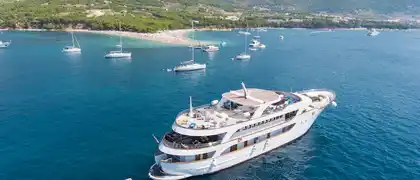
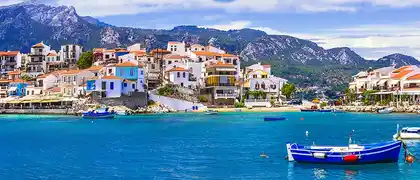
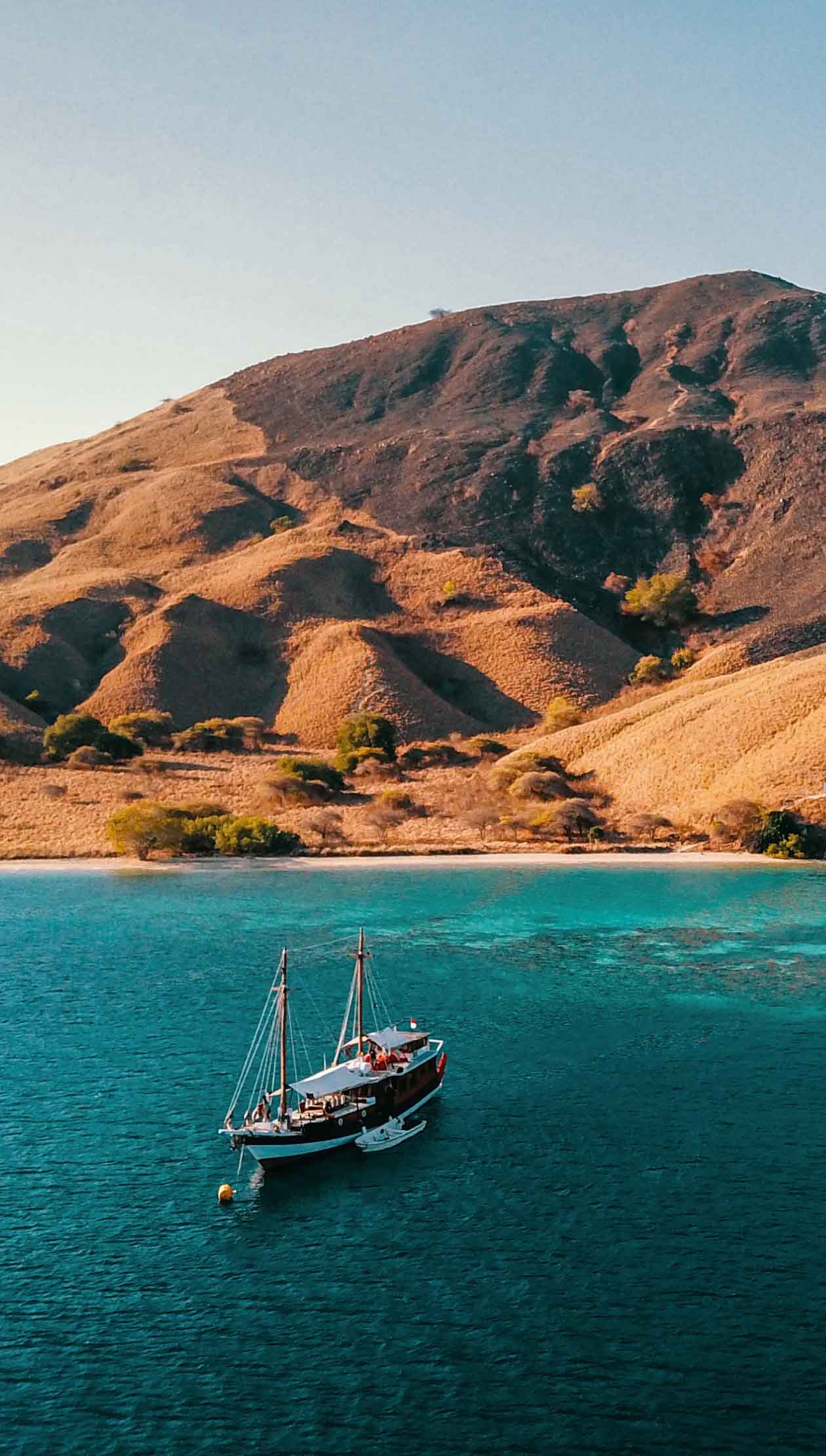
Unlike large-ship routes that touch only the better-known ports, Papua New Guinea small-ship cruises are designed for scale, access, and immersion. Smaller vessels can anchor close to remote islands, reach quiet bays, and create flexible itineraries around weather, local events, wildlife encounters, and village visits. Days may begin with snorkeling over coral gardens in Milne Bay, continue with a guided walk through a coastal settlement, and end with sunset over a volcanic silhouette near Rabaul.
For travelers seeking South Pacific cruises with depth and authenticity, Papua New Guinea offers a rare blend of wild scenery, living culture, maritime history, and marine biodiversity. Its coastline is not a single story but a mosaic: the island chains of Milne Bay, the volcanic drama of East New Britain, the Trobriand Islands’ ceremonial culture, the coral lagoons of the Conflict Islands, and the lush northern coast around Madang. A cruise here is not only about where the ship sails, but about the human and natural encounters that unfold each day.
Papua New Guinea by Small Ship
Papua New Guinea is one of the most compelling regions in the Pacific for expedition cruising because so much of its beauty is coastal, island-based, and difficult to access independently. Many communities are connected by sea rather than road, and some of the most rewarding places for travelers lie beyond standard land itineraries. Small ships bridge that gap, offering comfort and expert guidance while preserving the feeling of genuine discovery.
Travelers can expect routes that combine island hopping, snorkeling, cultural encounters, WWII history, rainforest scenery, and village visits. The best itineraries move at an unhurried pace, allowing guests to step ashore with sensitivity and context. Local guides, expedition leaders, naturalists, historians, and community hosts help explain not only what travelers are seeing, but why it matters.
Small-ship cruising is especially well-suited to Papua New Guinea because the destination rewards curiosity. A single itinerary may include canoe welcomes, reef snorkeling, market visits, volcanic landscapes, birdlife, sacred customs, and stories of wartime resilience. The result is a journey that feels intimate, educational, and emotionally resonant.
Top Small-Ship Cruise Destinations in Papua New Guinea
Alotau and Milne Bay
Alotau, the capital of Milne Bay Province, is one of the most natural starting points for Papua New Guinea cruises. Set on a sheltered bay at the southeastern tip of the mainland, it offers a gentle but powerful introduction to the country’s coastal culture. The approach by sea is beautiful: green hills folding toward calm water, outriggers moving across the bay, and villages tucked between mangroves, beaches, and gardens.
Milne Bay is known for its island scenery, WWII history, cultural festivals, and exceptional marine life. For small ships, the region offers a superb balance of soft adventure and cultural depth. Guests may visit local markets, learn about the Battle of Milne Bay, watch canoe demonstrations, or travel to nearby islands where traditional seafaring remains part of everyday life.
The area is also a gateway to some of Papua New Guinea’s most rewarding snorkeling and diving. Coral gardens, reef fish, and clear tropical water make Milne Bay a highlight for marine-focused itineraries. For travelers seeking Papua New Guinea cruises with a strong sense of place, Alotau offers history, hospitality, and island beauty in equal measure.
Rabaul and East New Britain
Rabaul is one of the most dramatic cruise destinations in Papua New Guinea. Set inside a vast volcanic caldera on the island of New Britain, the town is framed by steaming vents, black-sand beaches, wartime tunnels, and the restless shape of Tavurvur volcano. Few ports in the Pacific combine natural spectacle and historical gravity so intensely.
For small-ship travelers, Rabaul is a place of atmosphere. The harbor itself carries layers of history, from its period as a German colonial center to its strategic role during World War II. Shore excursions may include visits to Japanese tunnels, war relics, volcano viewpoints, local villages, and markets where tropical produce and handmade crafts bring color to the day.
Rabaul is also an unforgettable scenic stop. The landscape feels alive: sulfur rising from the earth, jungle reclaiming old ruins, and the sea reflecting the deep green slopes of the caldera. For guests interested in history cruises, volcanic landscapes, and cultural encounters, Rabaul is one of Papua New Guinea’s defining small-ship experiences.
Conflict Islands
The Conflict Islands are among the most idyllic cruise calls in Papua New Guinea: a remote atoll group of pale sand, turquoise lagoons, coral reefs, and coconut palms. For many travelers, this is the image of the South Pacific at its most luminous. Yet the experience is richer than postcard beauty alone. The islands sit within a marine environment that rewards slow, low-impact exploration.
Small ships are particularly well suited to the Conflict Islands because the appeal lies in the water, the reef, and the quiet scale of the setting. Guests may spend the day snorkeling over coral gardens, kayaking across glassy lagoons, walking along soft beaches, or simply absorbing the feeling of being far from the rush of the modern world.
This is one of the best stops for travelers seeking snorkeling in Papua New Guinea, gentle beach time, and a sense of remote island escape. The pace is relaxed, but the scenery is vivid: bright reef fish beneath the surface, seabirds overhead, and the ship anchored offshore like a private basecamp for the day.
Kiriwina Island and the Trobriand Islands
Kiriwina Island, part of the Trobriand Islands, brings travelers into one of Papua New Guinea’s most culturally distinctive island groups. Known for elaborate traditions, yam houses, carved canoes, dance, and ceremonial exchange, Kiriwina offers a window into a society whose customs have long fascinated anthropologists and travelers alike.
A small-ship visit to Kiriwina is often centered on cultural connections. Guests may be welcomed with dance, music, and village hospitality, gaining insight into local customs, gardening traditions, and the importance of community life. The island’s landscapes are equally evocative: tropical vegetation, coastal paths, village clearings, and the blue Pacific never far away.
Kiriwina is ideal for travelers who want their cruise to go beyond scenery. It is a place where the rhythm of daily life, the importance of tradition, and the artistry of local communities become central to the journey. For cultural cruises in Papua New Guinea, the Trobriands are a highlight of rare depth.
Kitava Island
Kitava Island is smaller and quieter than Kiriwina, but equally memorable. Also part of the Trobriand Islands, it is known for its beaches, traditional villages, and clear coastal waters. Arriving by small ship gives travelers a gentle sense of discovery, with the vessel anchored offshore and the island slowly opening through walks, village visits, and time spent along the beach.
Kitava’s appeal lies in its simplicity and beauty. Guests may encounter traditional canoe-building, local gardens, handmade crafts, or cultural performances, depending on the itinerary and community arrangements. The island’s setting makes it a natural complement to Kiriwina, offering another perspective on Trobriand life while maintaining a peaceful, remote-island atmosphere.
For travelers drawn to remote island cruises, Kitava offers the kind of experience small ships do best: personal, respectful, and close to the water. It is less about ticking off attractions and more about being present in a place where the sea, village, reef, and garden remain deeply connected.
Madang and the North Coast
Madang, on Papua New Guinea’s north coast, is often described as one of the country’s most scenic towns. Its coastline is shaped by sheltered bays, offshore islands, volcanic landforms, and lush greenery that runs almost to the water’s edge. For small-ship cruises, Madang offers a beautiful mix of natural scenery, cultural encounters, and access to nearby marine environments.
Travelers may explore local markets, visit villages, snorkel or dive nearby reefs, or learn about the region’s layered colonial and wartime history. The waters around Madang are known for their marine biodiversity, while the town itself offers a relaxed coastal atmosphere with views of islands and bays.
Madang is a strong choice for itineraries that combine coastal Papua New Guinea, marine exploration, and cultural discovery. It also pairs well with longer expedition routes linking the Bismarck Sea, New Britain, New Ireland, and other northern island regions.
Tufi and the Fjord Coast
Tufi is one of Papua New Guinea’s most distinctive coastal landscapes. Often described for its fjord-like inlets, the region offers steep green ridges, deep sheltered waterways, reefs, and villages connected by sea. For expedition-style small ships, Tufi brings together dramatic scenery and cultural immersion in a way few destinations can match.
Guests may explore by Zodiac or local boat, visit traditional communities, snorkel in clear water, or learn about local crafts, tapa cloth, and village life. The coastline feels intimate and cinematic, with narrow waterways cutting into forested land and the ship positioned as a quiet platform for discovery.
Tufi is especially appealing for travelers seeking off-the-beaten-path Papua New Guinea cruises. It offers a slower, more contemplative kind of adventure, where the landscape itself encourages silence, attention, and respect.
Unique Experiences on Papua New Guinea Small-Ship Cruises
Living Culture and Village Encounters
Papua New Guinea is one of the most culturally diverse countries on earth, and small-ship cruising offers a meaningful way to experience that diversity with care. Village visits may include traditional dance, canoe welcomes, craft demonstrations, local storytelling, and market experiences. The best encounters are arranged in partnership with local communities, ensuring that tourism supports rather than disrupts local life.
Guests should approach these visits with curiosity and humility. Photography, dress, and behavior may be guided by local customs, and expedition teams often provide briefings before going ashore. These moments can become the emotional center of a cruise: not a staged spectacle, but a chance to meet people whose relationship with land, sea, and tradition remains deeply rooted.
Reefs, Snorkeling, and Marine Life
From Milne Bay to the Conflict Islands, Papua New Guinea offers superb opportunities for snorkeling and diving. Coral reefs, tropical fish, drop-offs, lagoons, and reef-fringed islands create a marine environment that feels vivid and alive. Small ships make these experiences especially accessible by anchoring close to snorkel sites and using tenders or Zodiacs to reach sheltered areas.
Marine-focused itineraries may include guided snorkeling, reef interpretation, and optional diving where available. Even casual snorkelers can enjoy the clarity and color of the water, while more experienced travelers may be drawn to deeper sites, coral walls, and historic wrecks.
Volcanic Landscapes and Wartime History
Papua New Guinea’s landscapes often carry visible history. In Rabaul, volcanic eruptions and WWII relics sit side by side. In Milne Bay, guests can learn about one of the Pacific War’s significant battles. Along the coast, tunnels, wrecks, memorials, and old airstrips reveal the region’s strategic importance during the 20th century.
Small-ship itineraries bring this history into context. Rather than seeing isolated sites, travelers understand how geography, sea routes, colonial history, local communities, and wartime events intersect. For history-minded guests, Papua New Guinea offers an unusually powerful mix of landscape and memory.
Food, Markets, and Local Flavors
Papua New Guinea’s cuisine is rooted in local gardens, coastal waters, and traditional cooking methods. Travelers may encounter tropical fruits, sweet potato, taro, yams, bananas, coconuts, leafy greens, seafood, and the traditional earth-oven cooking style known as mumu. Markets are often among the most colorful shore experiences, offering a lively view of daily life and regional produce.
Onboard, chefs may incorporate local ingredients when available, pairing fresh Pacific flavors with international menus. While Papua New Guinea is not a classic wine-cruise destination, its food culture is a rich foundation for culinary exploration, especially when combined with market walks, village meals, and onboard interpretation.
Themed and Length-Based Papua New Guinea Cruise Itineraries
Short Papua New Guinea Cruises: 3–5 Days
Short itineraries are ideal for travelers who want a focused introduction to one region, especially Milne Bay or the islands around Alotau. A 3–5 day cruise might include Alotau, nearby island communities, reef snorkeling, cultural demonstrations, and relaxed time in sheltered bays. These shorter routes are well-suited to travelers combining a cruise with a longer land journey in Papua New Guinea or a broader South Pacific itinerary.
Highlights may include canoe welcomes, local markets, WWII history, coral snorkeling, and beach landings. The pace is gentle but rewarding, with enough time to appreciate the region’s landscapes and traditions without long sea passages.
Medium Papua New Guinea Cruises: 6–9 Days
Medium-length cruises allow travelers to experience greater variety. A 6–9 day itinerary might combine Alotau, the Conflict Islands, Kiriwina, Kitava, and Rabaul, creating a route that balances marine beauty, island culture, and volcanic drama. These cruises are ideal for guests who want the essence of Papua New Guinea’s island world in a manageable timeframe.
Expect days shaped by reef snorkeling, village visits, cultural performances, history walks, and scenic cruising. The contrast between the blue lagoons of the Conflict Islands, the cultural richness of the Trobriands, and the volcanic setting of Rabaul gives these itineraries a strong narrative arc.
Long Papua New Guinea Cruises: 10+ Days
Longer itineraries are the best choice for travelers seeking a deeper expedition. A 10+ day Papua New Guinea small-ship cruise may link Milne Bay, the Trobriand Islands, New Britain, Madang, Tufi, New Ireland, or other remote coastal regions. With more time, the journey can extend beyond headline ports to lesser-visited bays, islands, and communities.
These longer cruises are particularly rewarding for travelers interested in expedition cruising, photography, marine life, anthropology, and Pacific history. More days at sea also allow for flexibility, which is essential in remote regions where weather, tides, and community schedules shape the experience.
Special Interest Cruises in Papua New Guinea
Special interest itineraries in Papua New Guinea are best shaped around culture, history, nature, and cuisine rather than traditional European-style themes such as wine cruises or Christmas markets. A cultural itinerary may focus on village visits, traditional dance, canoe-building, craftwork, and festivals. A history-focused cruise may explore WWII sites in Milne Bay and Rabaul. A marine expedition may emphasize snorkeling, diving, reefs, marine conservation, and island ecology.
Culinary tours can be woven into broader itineraries through market visits, onboard tastings, village meals, and introductions to local staples such as taro, yam, sweet potato, coconut, seafood, tropical fruit, and mumu-style cooking. Art and heritage cruises may focus on carving, body decoration, storytelling, music, and the symbolism behind ceremonial objects and performances.
For photographers, Papua New Guinea offers extraordinary material: volcanic harbors, painted dancers, canoe silhouettes, coral lagoons, tropical markets, and misty rainforest coastlines. For birders and naturalists, longer itineraries may include coastal birdlife, reef ecosystems, and rainforest interpretation, depending on the route.
The Onboard Experience
Ship Sizes and Ambiance
Small ships in Papua New Guinea typically offer a more intimate atmosphere than conventional ocean liners. Vessels may range from expedition ships with around 100–200 guests to boutique vessels and specialist small ships designed for remote coastal exploration. The ambiance is relaxed, curious, and destination-focused, with public spaces designed for lectures, briefings, wildlife watching, and informal conversation.
Rather than casinos, crowds, and large-scale entertainment, the emphasis is usually on enrichment, access, and comfort. Guests gather on deck for scenic arrivals, share stories after shore landings, and attend evening briefings that prepare them for the next day’s cultural or natural encounters.
Cuisine and Wine
Dining onboard typically combines international cuisine with regional inspiration. Menus may include fresh seafood, tropical fruit, Pacific flavors, and locally sourced produce when logistics allow. Wine, cocktails, and non-alcoholic options vary by ship, with premium vessels often offering more extensive pairings and curated dining experiences.
In Papua New Guinea, food is also part of the destination experience ashore. Market visits, village hospitality, and local ingredients help travelers understand the relationship between land, sea, and daily life. Even a simple taste of coconut, grilled fish, or tropical fruit can become part of the memory of the voyage.
Excursions and Enrichment
Excursions are the heart of a Papua New Guinea small-ship cruise. Depending on the itinerary, guests may join guided village walks, snorkel from tenders, explore wartime tunnels, visit local markets, attend cultural performances, hike to viewpoints, kayak in lagoons, or cruise narrow inlets by Zodiac.
Enrichment programs help transform these experiences from sightseeing into understanding. Lectures may cover Melanesian culture, Pacific navigation, WWII history, marine biology, volcanology, or contemporary life in Papua New Guinea. The strongest itineraries combine expert commentary with local voices, allowing guests to appreciate the country’s complexity with respect.
Something for Everyone
- Couples are drawn to Papua New Guinea for its sense of shared discovery, remote beauty, and intimate onboard atmosphere.
- Solo travelers often appreciate the social nature of small ships, where group excursions and communal dining make it easy to connect with like-minded guests.
- Families with older children or teens may find the destination deeply educational, especially when itineraries include snorkeling, history, and cultural visits.
- Luxury travelers can explore Papua New Guinea aboard expedition vessels that offer refined cabins, excellent dining, expert guides, and access to remote destinations.
- Adventure travelers will value the active shore program, while culture-focused guests will find some of the Pacific’s most meaningful community encounters.
Planning a Papua New Guinea Small-Ship Cruise
The best time to cruise Papua New Guinea depends on the route, ship, and regional weather patterns, but many itineraries are planned around calmer seas, cultural events, and favorable conditions for snorkeling and shore landings. Because the country is remote and logistically complex, travelers should choose itineraries with experienced operators, strong local partnerships, and clear guidance on visas, health requirements, packing, and cultural etiquette.
Lightweight clothing, reef-safe sun protection, water shoes, modest attire for village visits, insect repellent, and a good camera are useful essentials. Travelers should also bring patience and flexibility. In Papua New Guinea, the most memorable moments often come from the unscripted: a canoe crossing the bay at dawn, a village elder explaining a custom, or a reef suddenly alive with color beneath the afternoon sun.
Small-Ship Cruising Through Papua New Guinea
A small-ship cruise through Papua New Guinea is a journey into the Pacific at its most vivid and human: volcanic harbors, coral lagoons, island songs, market colors, rainforest coastlines, and communities whose traditions remain inseparable from the sea. It is not a destination that reveals itself all at once. It unfolds by anchorage, by conversation, by drumbeat, by reef, and by the quiet feeling of arriving somewhere truly unlike anywhere else.
For travelers seeking a cruise with emotional depth, cultural richness, and wild natural beauty, Papua New Guinea small-ship cruises offer one of the most rewarding ways to explore the South Pacific. From Alotau and Milne Bay to Rabaul, the Conflict Islands, Kiriwina, Kitava, Madang, and Tufi, each stop adds a different layer to the journey. Together, they create a voyage defined not only by scenery but by connection, curiosity, and wonder.