The Small Craft Behind the Biggest Adventures
An expedition ship rests beyond an ice-scattered bay. Closer to shore, a small inflatable boat threads between blue-white fragments, carrying passengers toward a beach without a pier, road, or permanent settlement. The ship made the voyage possible. The Zodiac boat makes the encounter possible.
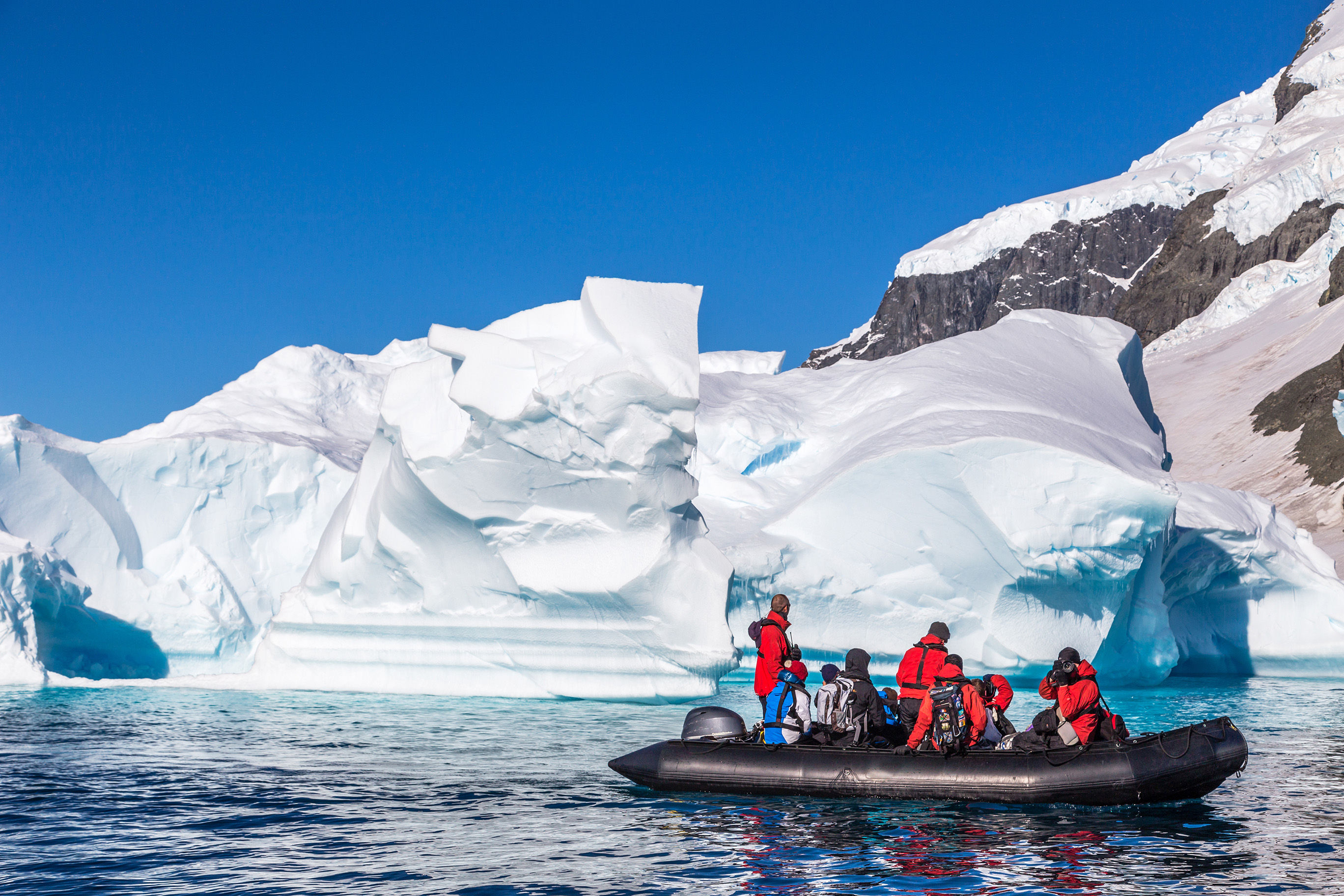
From Antarctic shores and Arctic fjords to tropical dive sites and secluded anchorages, these compact craft connect larger vessels with places beyond their reach. Although they are among the smallest boats carried by expedition ships, liveaboards, and yachts, they frequently deliver the journey’s most memorable moments.
What Is a Zodiac Boat?
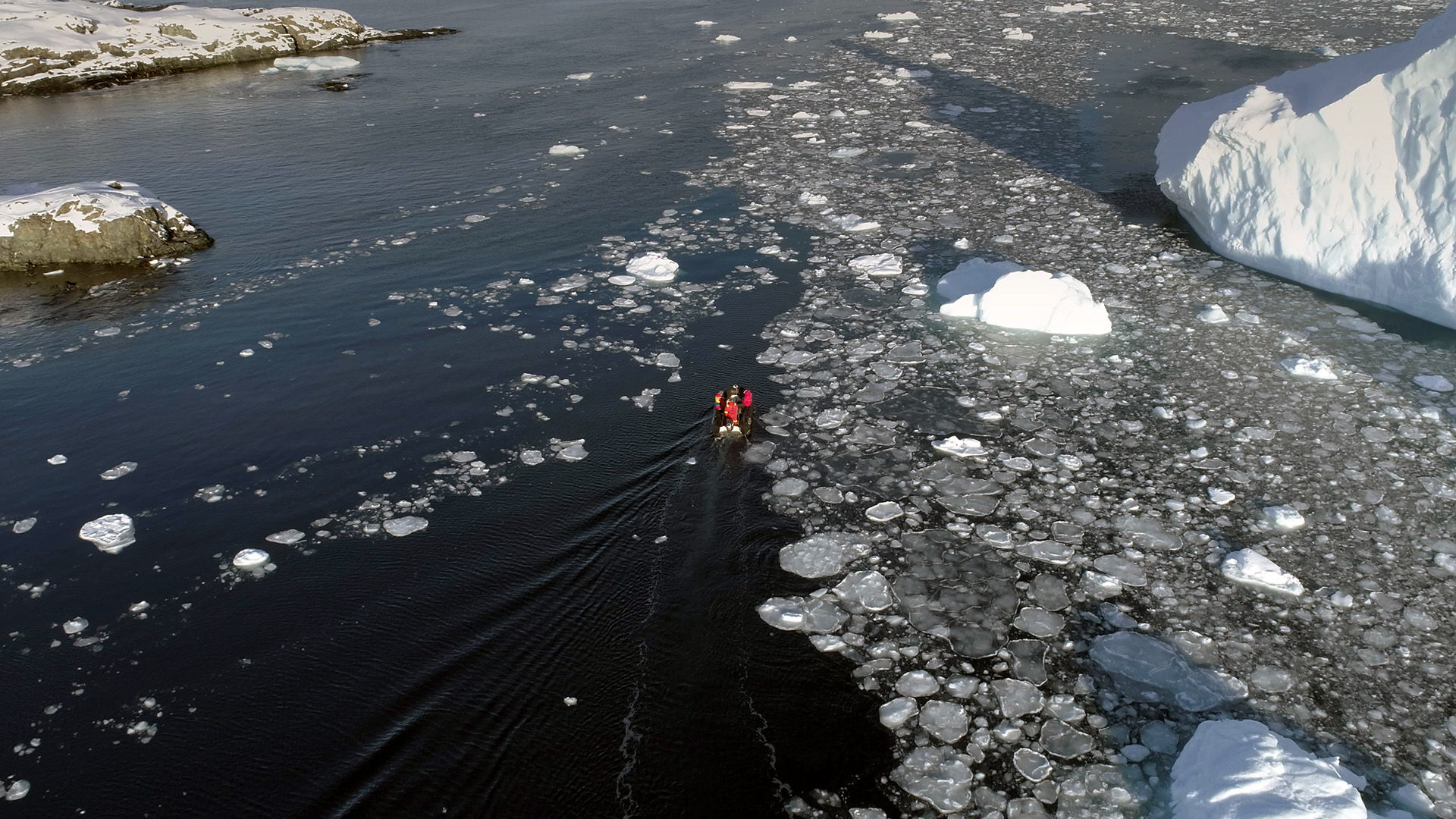
A Zodiac boat is a compact inflatable or rigid-inflatable motorboat used to carry passengers, divers, guides, and equipment between a larger vessel and the surrounding shore or water. Its buoyancy, shallow draft, and maneuverability make it particularly useful in remote areas without docks or established harbors.
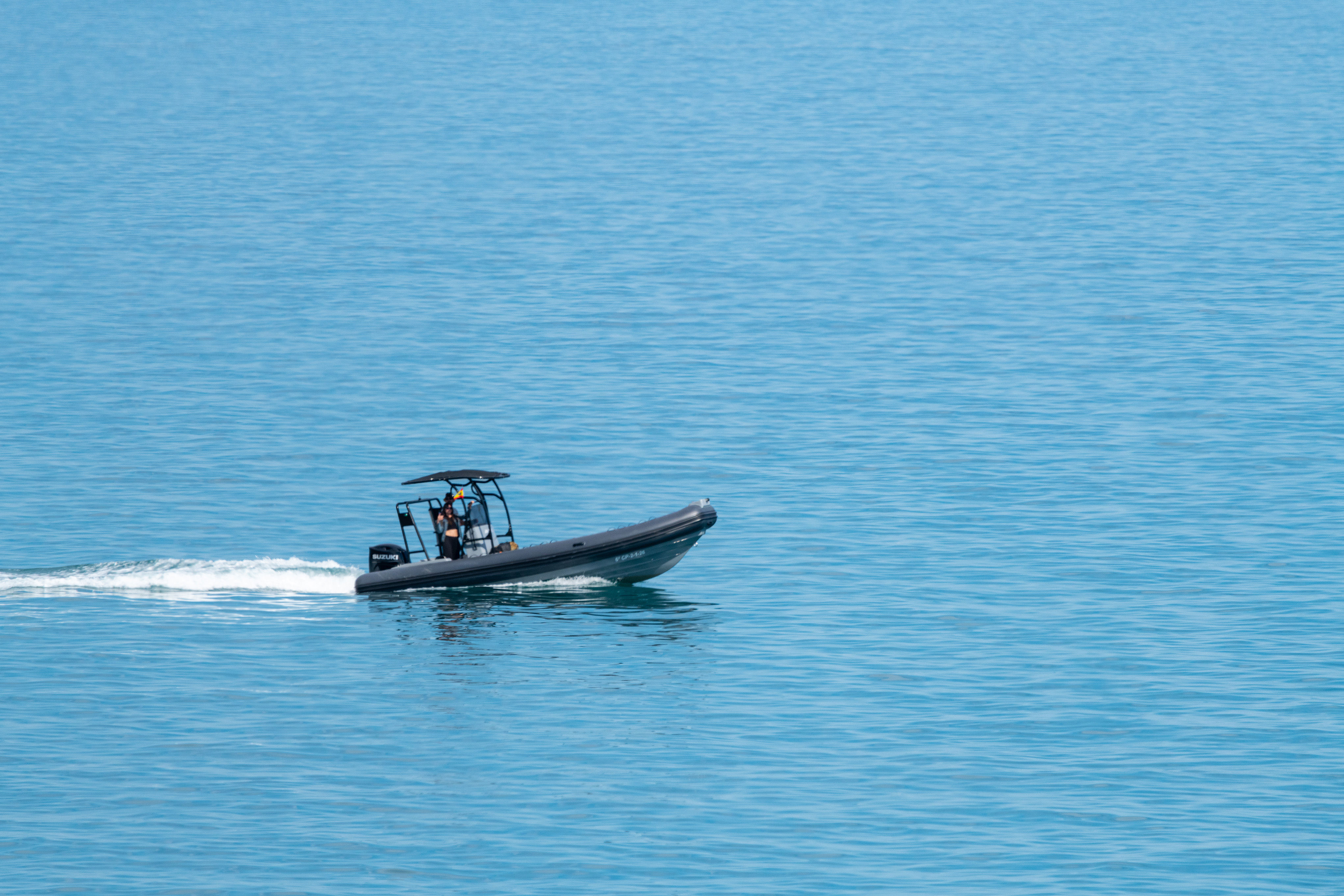
Strictly speaking, Zodiac is the name of a boat manufacturer rather than a type of vessel. However, the brand became so closely associated with inflatable boats that “Zodiac” is now commonly used as a generic term for small craft used on expedition cruises. Not every expedition tender is manufactured by Zodiac. Similar boats may be called RIBs, RHIBs, inflatable boats, dinghies, skiffs, or tenders, depending on their design and purpose.
Zodiac Boats, RIBs and Tenders
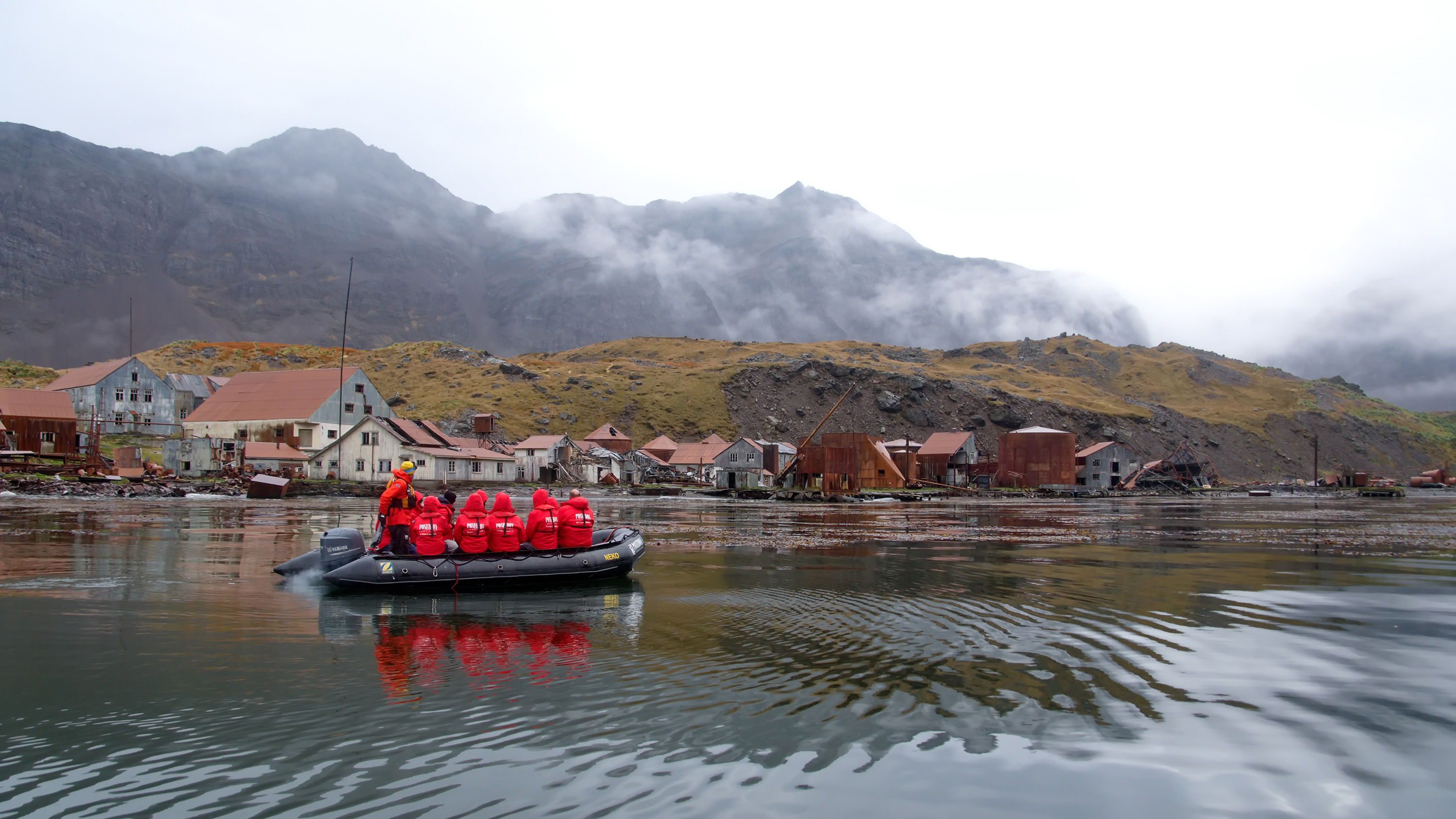
Some small-boat terms describe how a vessel is constructed, while others refer to its function. A traditional inflatable boat has air-filled tubes and a flexible or sectional floor. Its lightweight design makes it relatively easy to store, launch, and recover. It can also travel through shallow water and approach beaches more closely than many conventional craft.
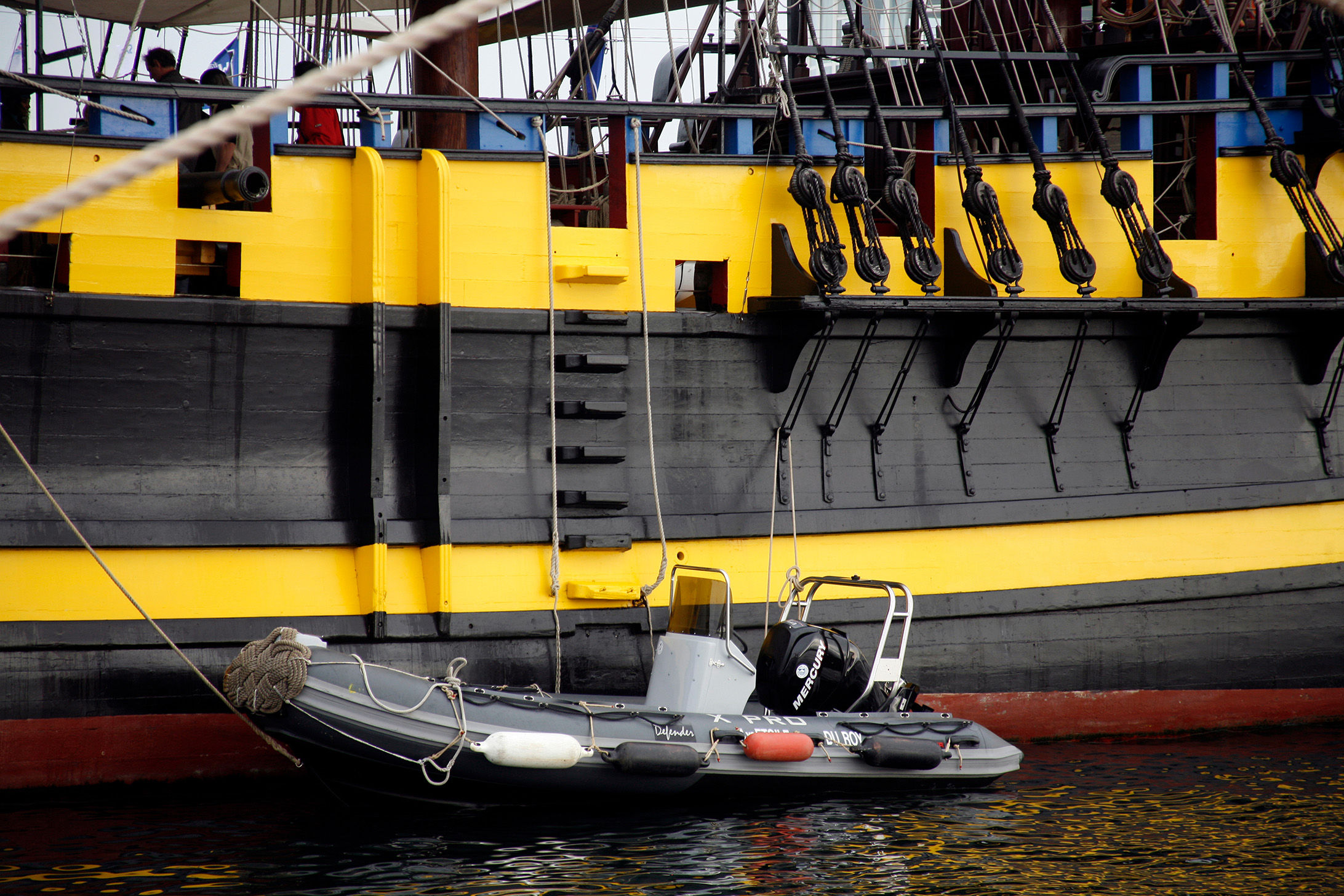
A RIB, or rigid inflatable boat, combines a solid hull with an inflatable collar. RHIB means rigid-hulled inflatable boat and generally refers to the same type of craft. The rigid hull improves handling and performance in choppy conditions, while the tubes provide additional buoyancy and stability. “Tender” describes the boat’s role rather than its construction. A yacht tender, dive tender, or expedition tender is a smaller craft used to support a larger vessel. It may be inflatable, rigid-hulled, or a combination of the two.
Larger Vessels Depend on Zodiac Boats
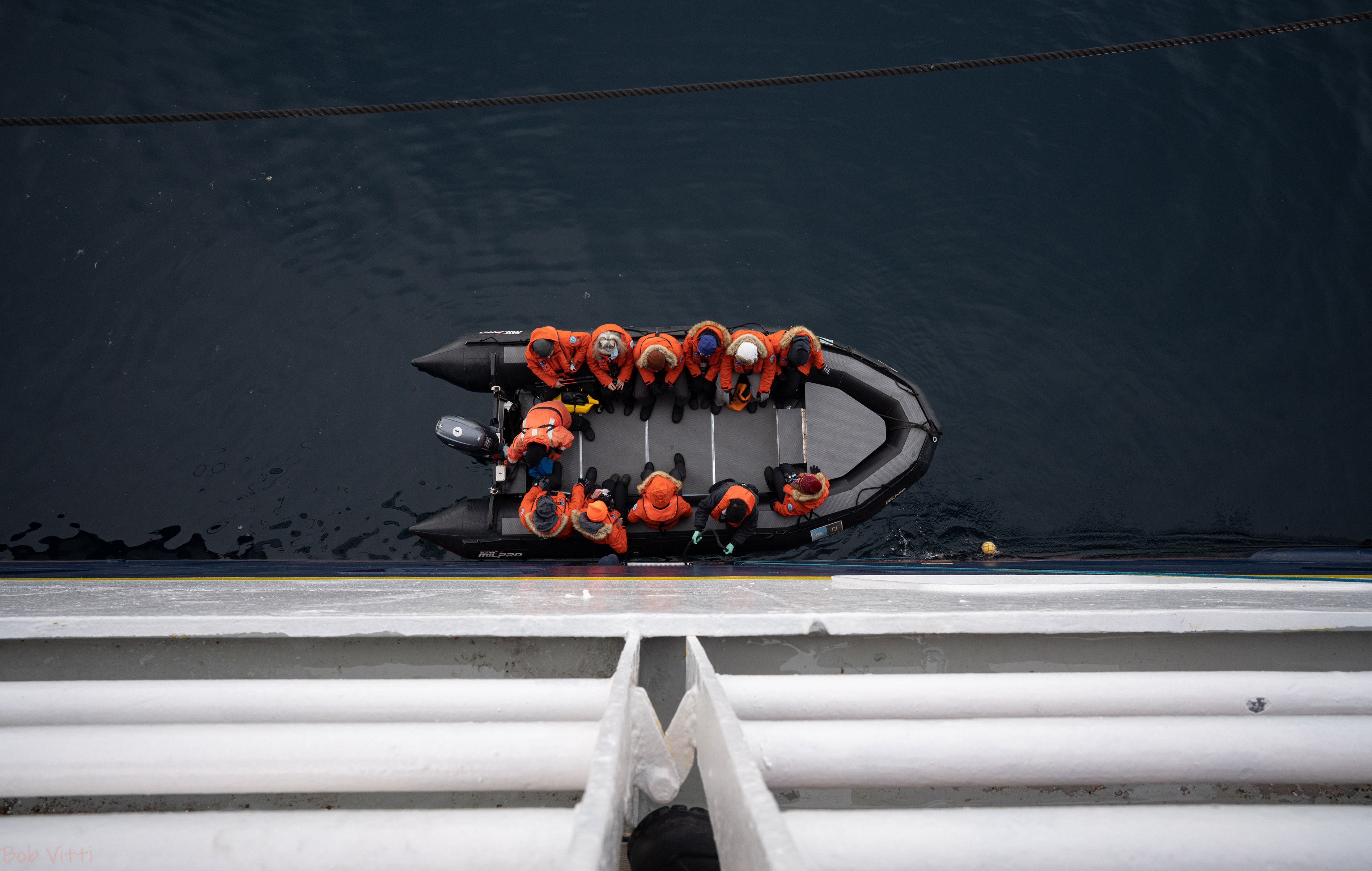
Large ships provide cabins, dining facilities, navigation equipment, storage, and the range needed to cross oceans. Their size, however, limits where they can travel. Reefs, ice, sandbanks, shallow water, and the absence of port facilities may prevent even purpose-built expedition ships from approaching the shore.
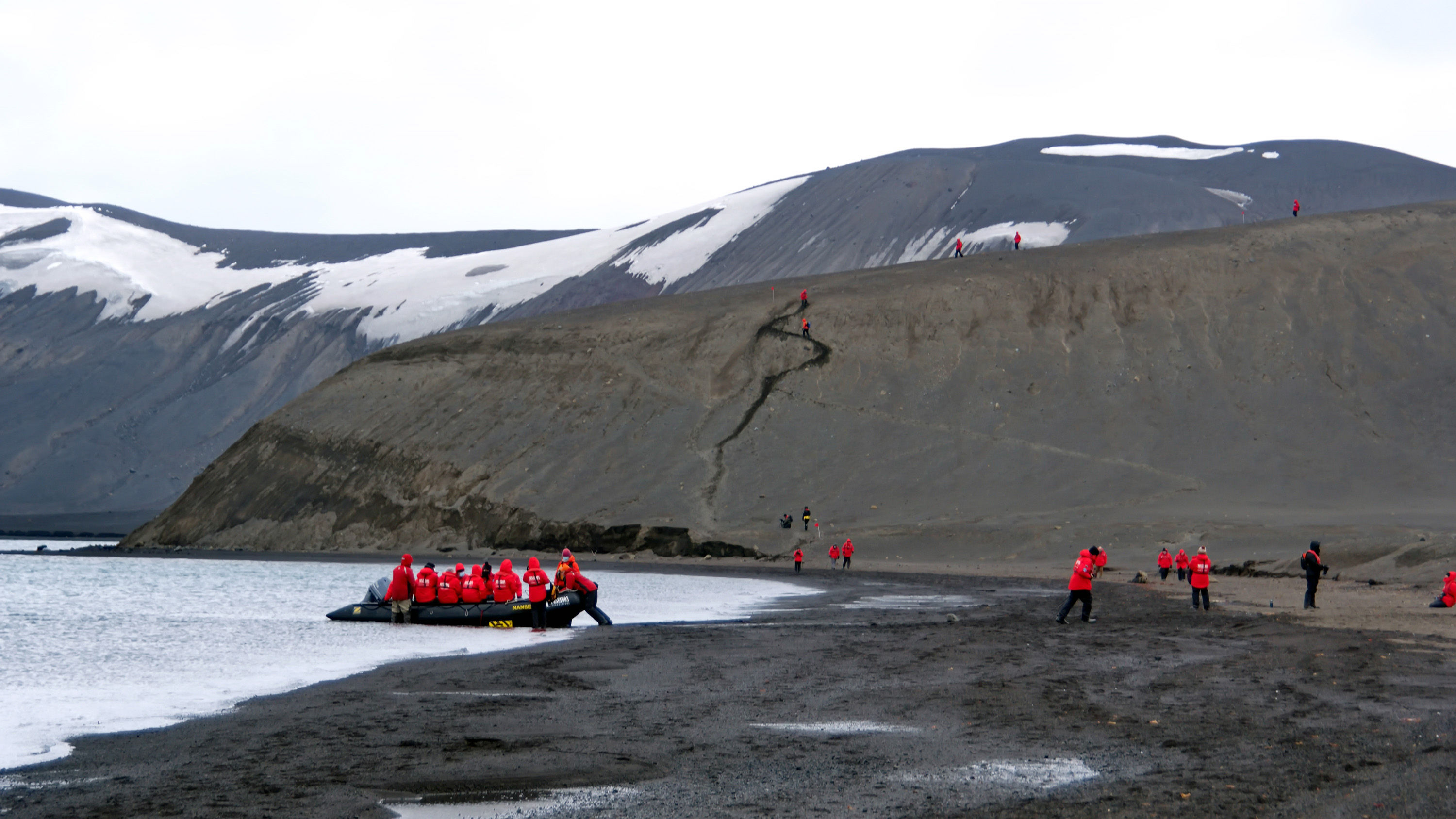
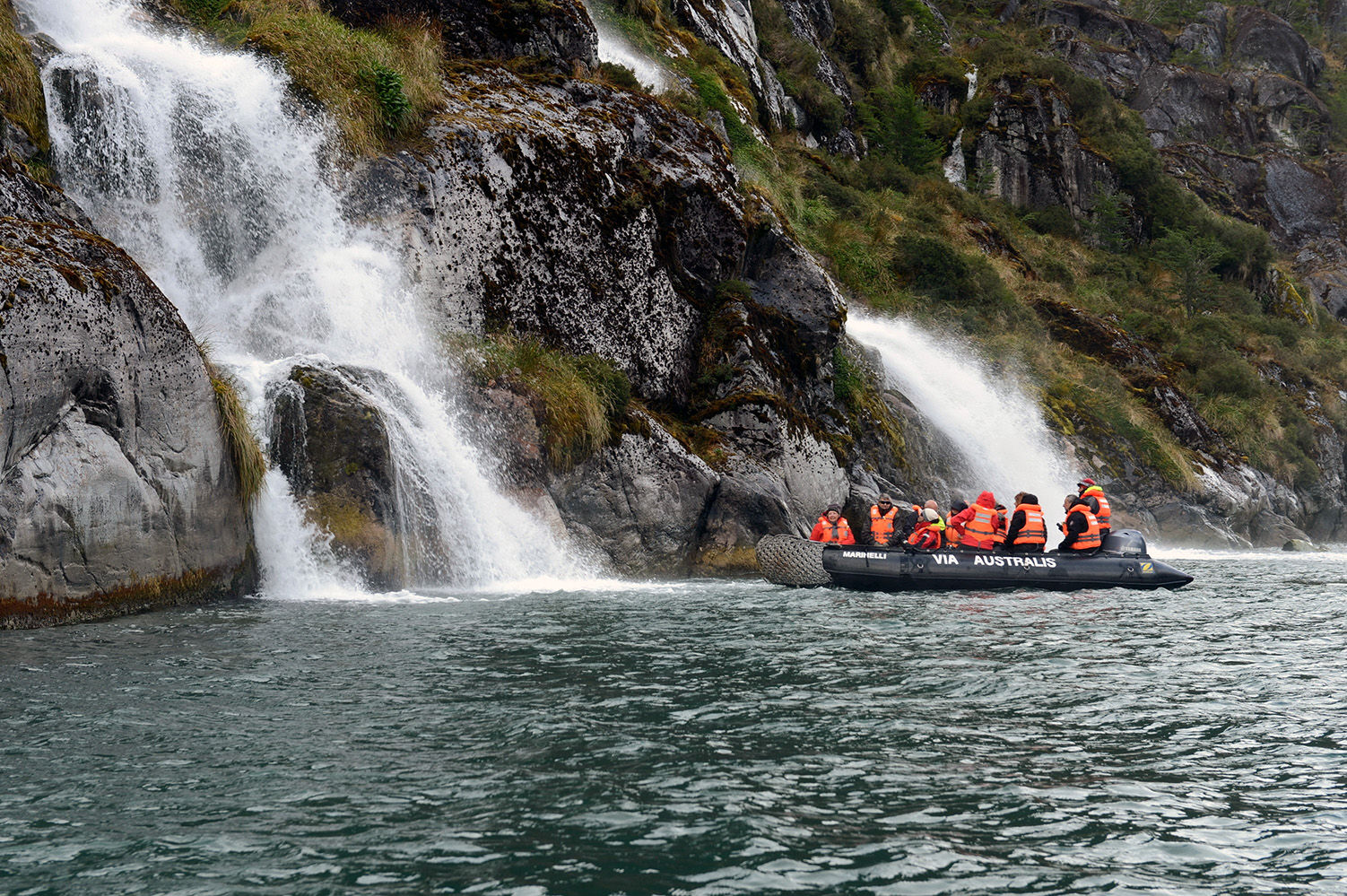
A Zodiac inflatable boat bridges that final distance. Its shallow draft allows it to enter secluded coves, narrow channels, mangroves, glacial lagoons, and coastal waters inaccessible to the mothership. It can carry passengers directly to a remote beach before returning to pick up another group.
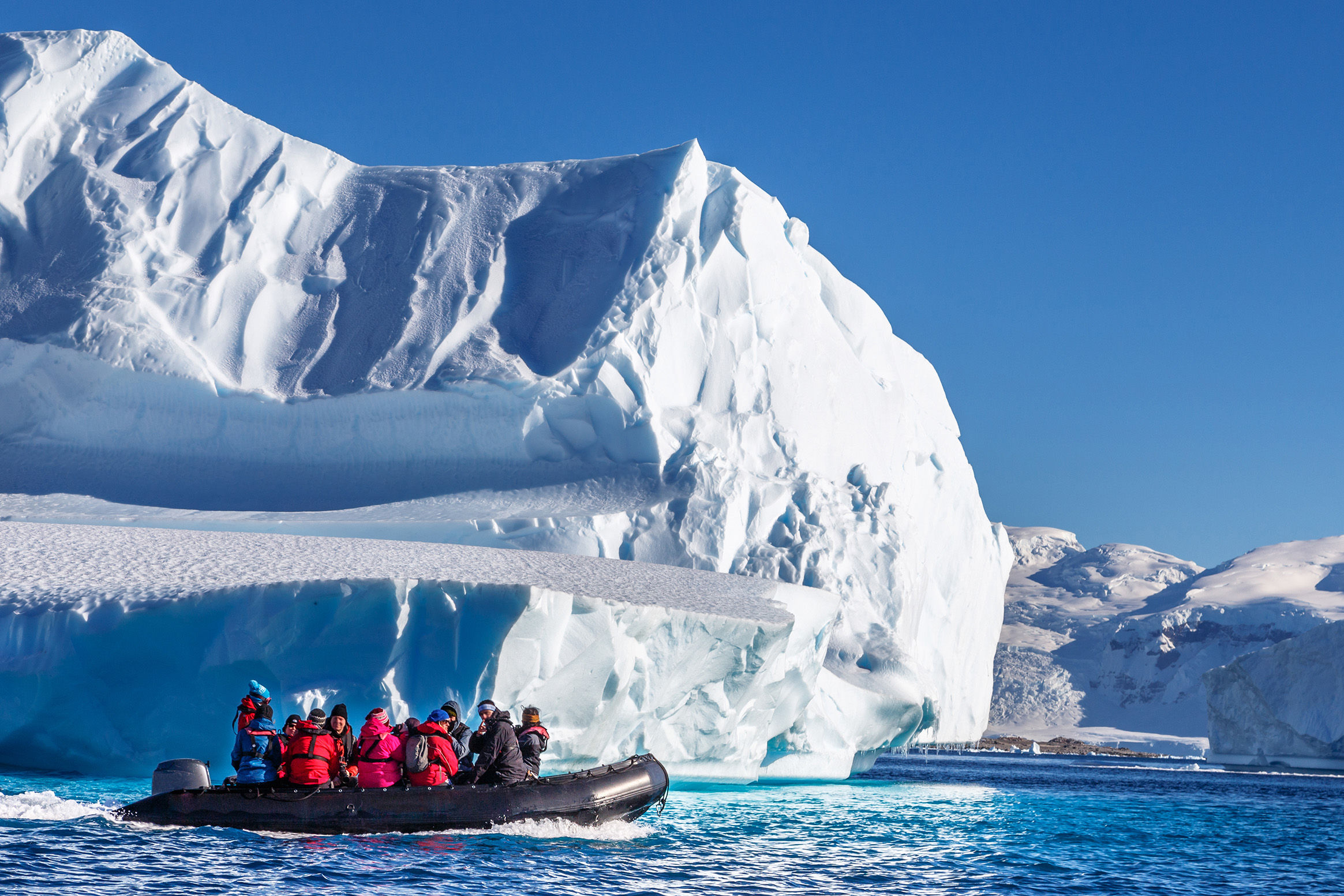
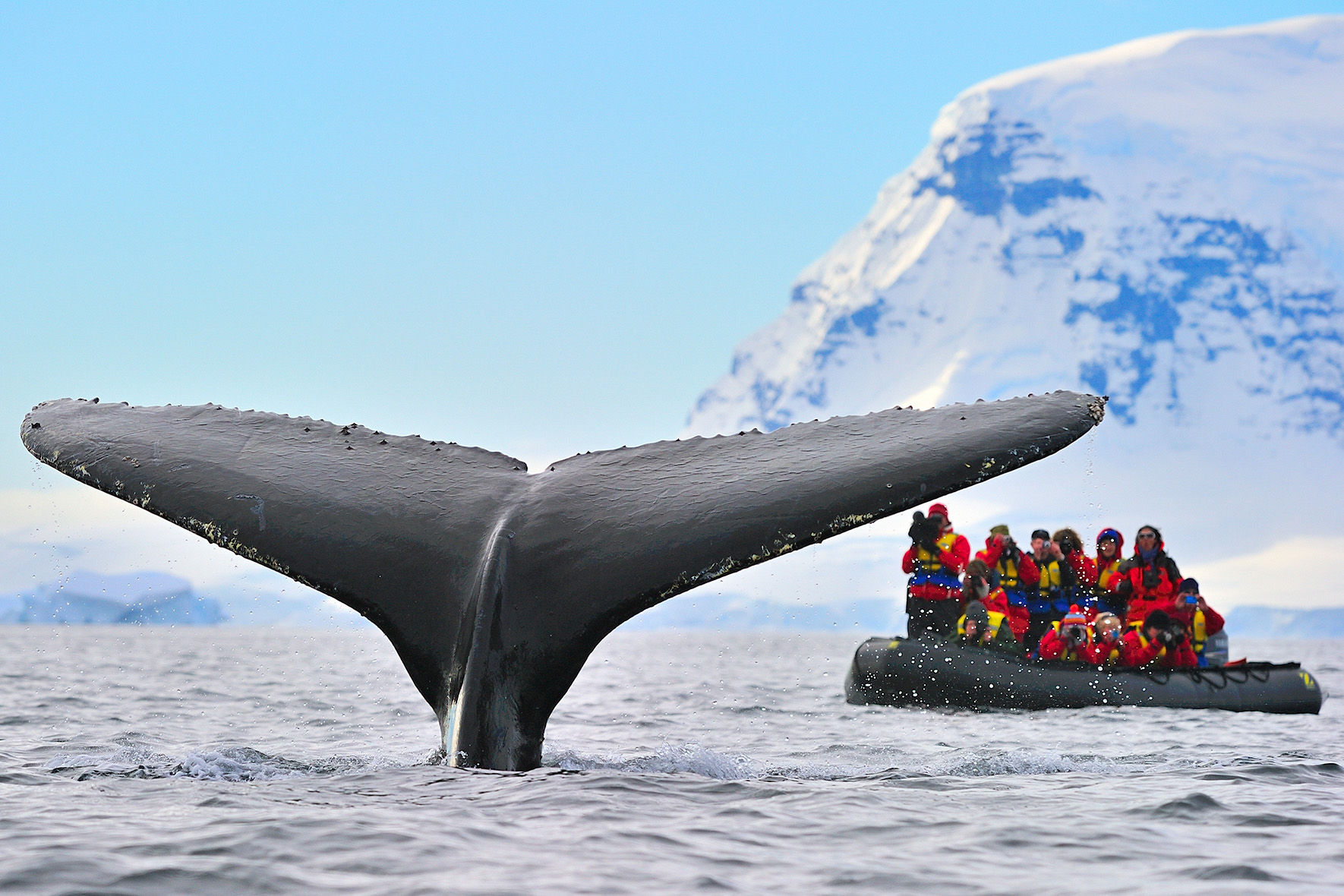
Not every Zodiac excursion involves a shore landing. Traveling close to the water creates an intimate perspective on icebergs, glaciers, sea cliffs, reefs, and wildlife. From this level, a glacier becomes a towering wall of fractured ice, while the sound of a whale breathing may carry clearly across a silent bay.
Zodiac Boats on Expedition Cruises
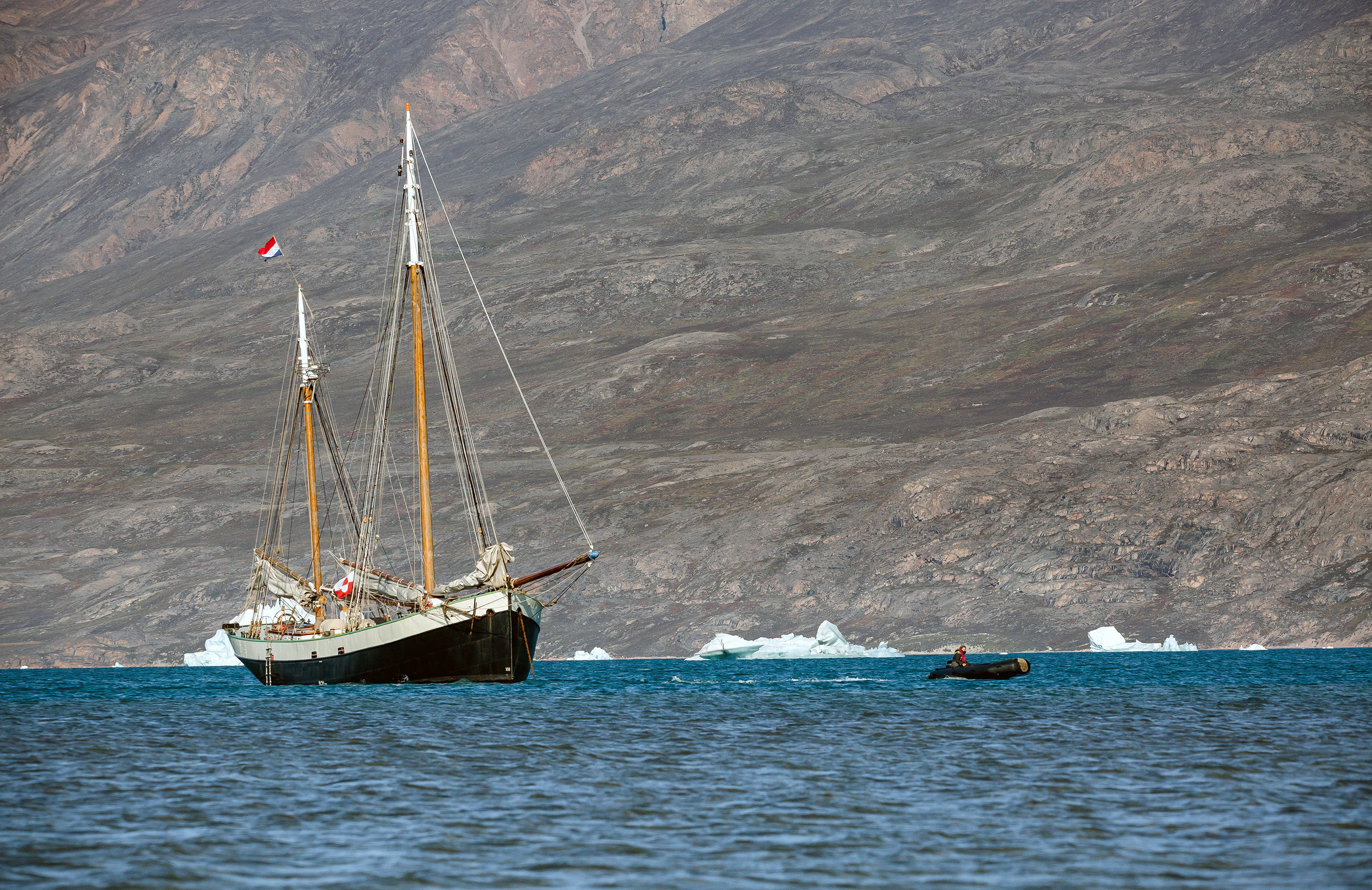
Zodiac excursions are central to many expedition cruise itineraries. The main ship transports travelers between regions, while its smaller boats reveal individual islands, bays, and coastlines in greater detail.
Zodiac Cruising
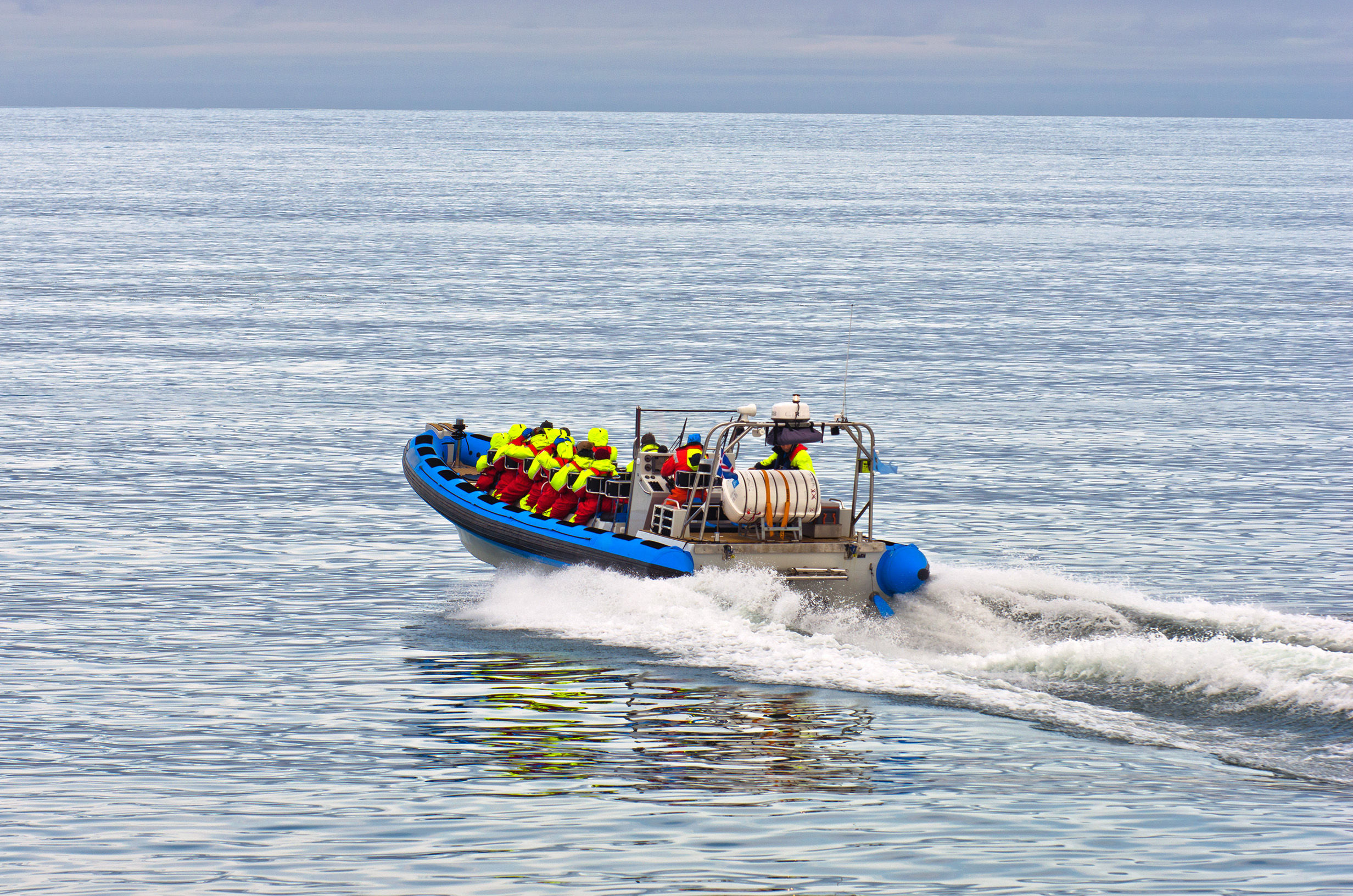
Some excursions take place entirely on the water. Expedition guides may search for seals resting on ice, seabirds nesting along cliffs, whales feeding offshore, or dolphins moving through a channel. Routes remain flexible because wind, currents, visibility, ice, and wildlife activity can all influence the experience. A planned journey along the coast may change when a whale appears in the distance, or a gathering of seabirds reveals activity beneath the surface.
Wet and Dry Landings
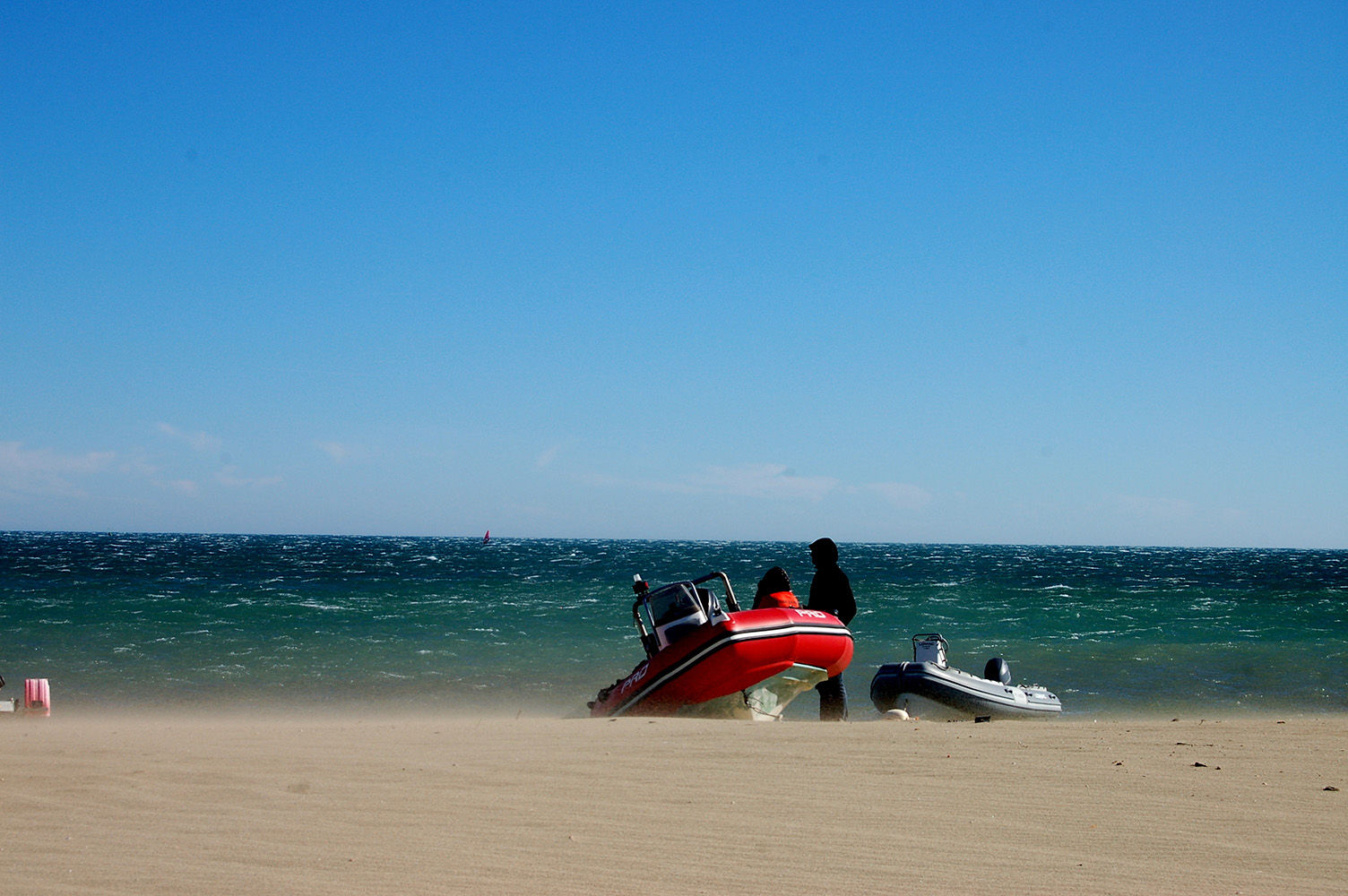
A dry landing allows passengers to step from the Zodiac onto a dock, platform, rock, or another firm surface without entering the water. During a wet landing, the boat approaches a beach and passengers climb out into shallow water before walking ashore. Waterproof boots are normally required, and crew members help travelers disembark safely. Weather, tides, and sea conditions determine whether a landing can proceed.
Polar Zodiac Adventures
Antarctica
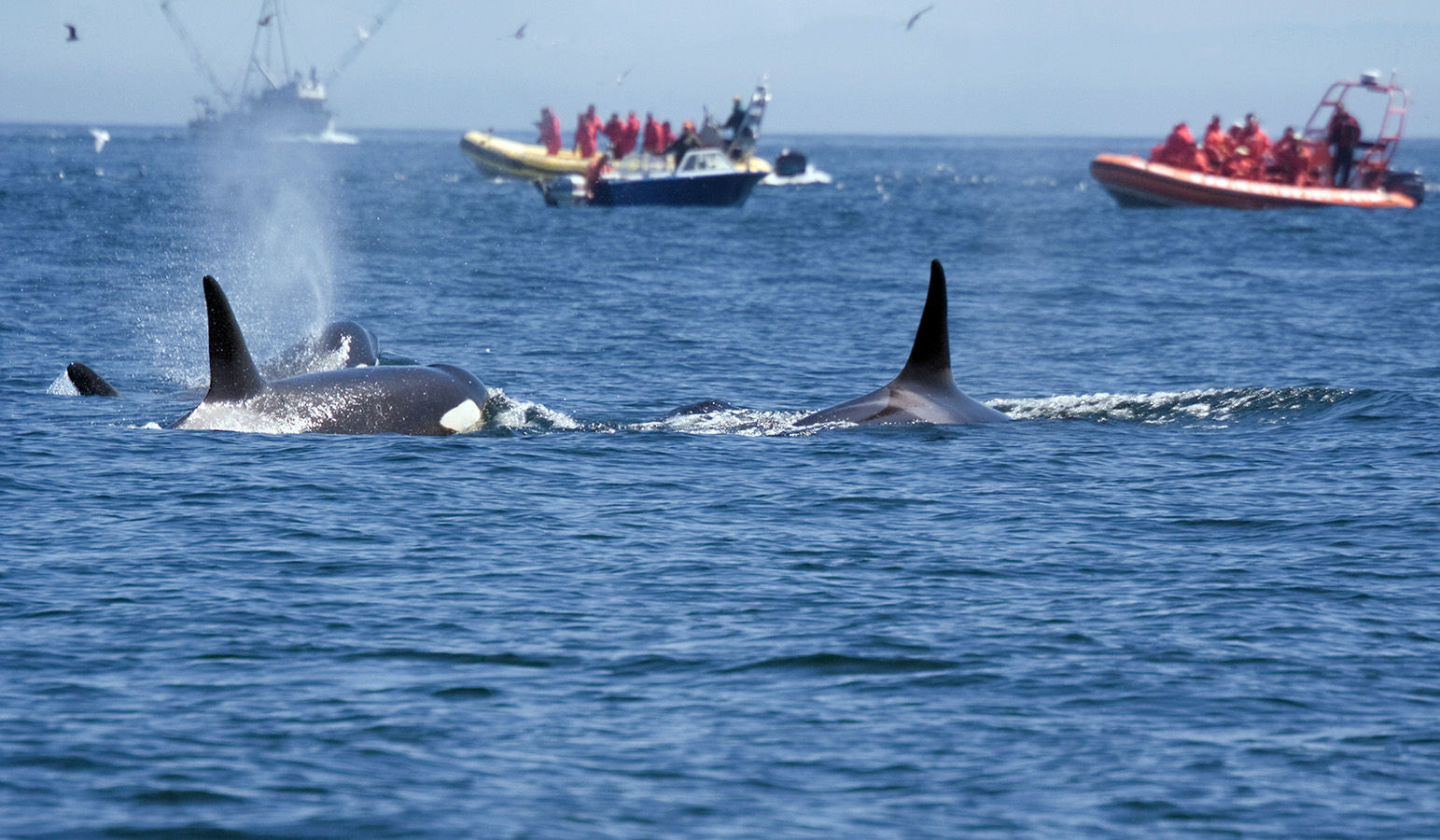
In Antarctica, a Zodiac cruise may weave among sculpted icebergs, pass glaciers streaked with ancient blue ice, or approach shores occupied by penguin colonies. The boats also provide a mobile platform for observing humpback whales, orcas, and seals while maintaining responsible wildlife-viewing distances. Landings can lead to hiking routes, historic sites, research stations, and penguin rookeries. For many travelers, stepping from a Zodiac onto the Antarctic Peninsula becomes the defining moment of an Antarctica expedition cruise.
Svalbard and Spitsbergen
Around Svalbard, including its largest island, Spitsbergen, expedition boats explore fjords surrounded by mountains and tidewater glaciers. Passengers may encounter walruses resting along the coast or watch thousands of seabirds circling nesting cliffs. In polar bear habitat, guides follow strict safety procedures. A landing may be changed or canceled if a bear is spotted nearby. Weather, sea ice, and wildlife movements ensure that no two Arctic Zodiac excursions are exactly alike.
Greenland, Iceland and Alaska
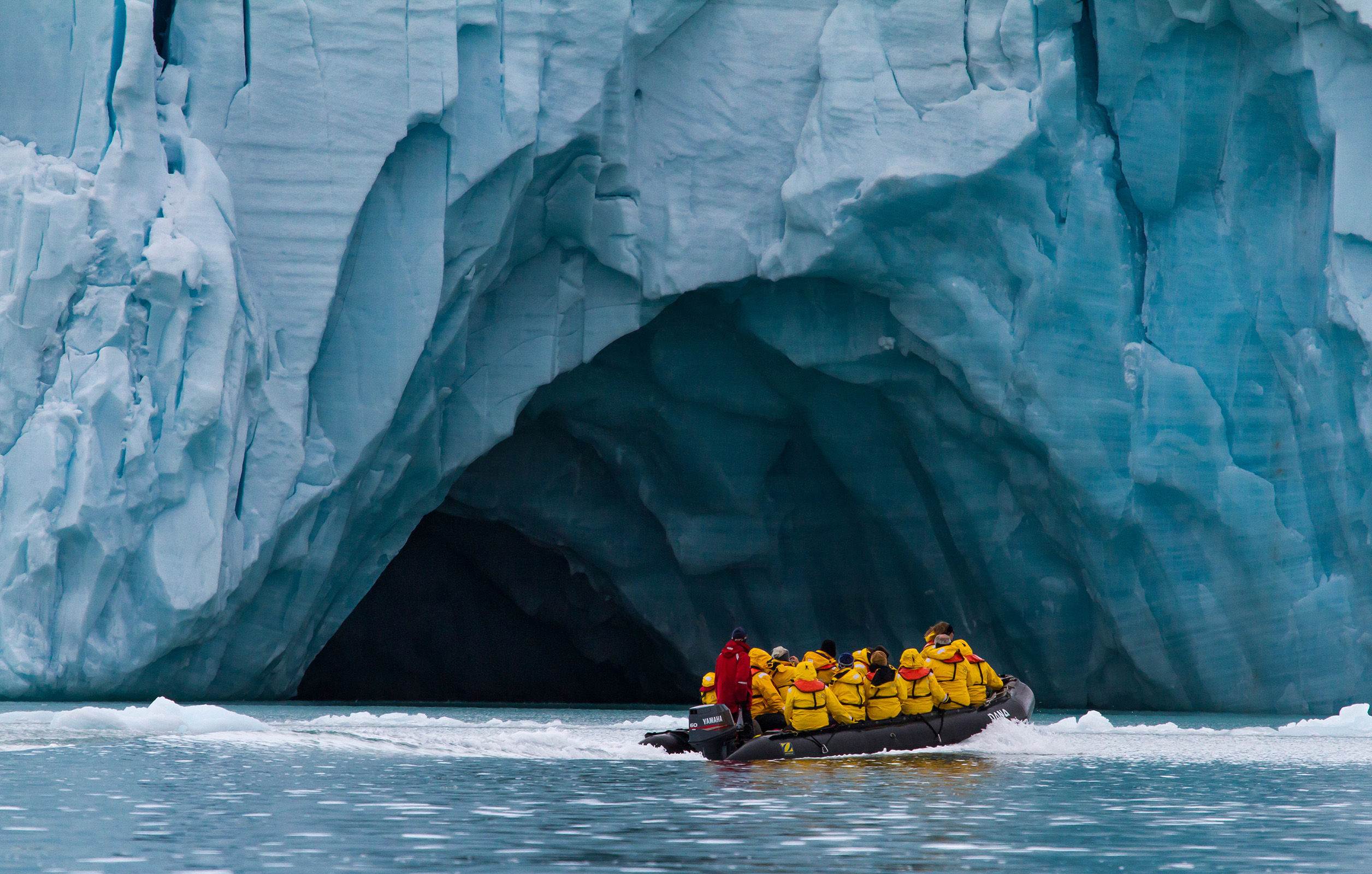
Greenland’s iceberg-filled bays, Iceland’s volcanic coastline, and Alaska’s forested channels offer equally compelling settings for small-boat exploration. Zodiac excursions may reveal sea caves, quiet inlets, remote communities, calving glaciers, and habitats frequented by whales, seals, sea otters, and eagles.
How Liveaboard Divers Use Tenders
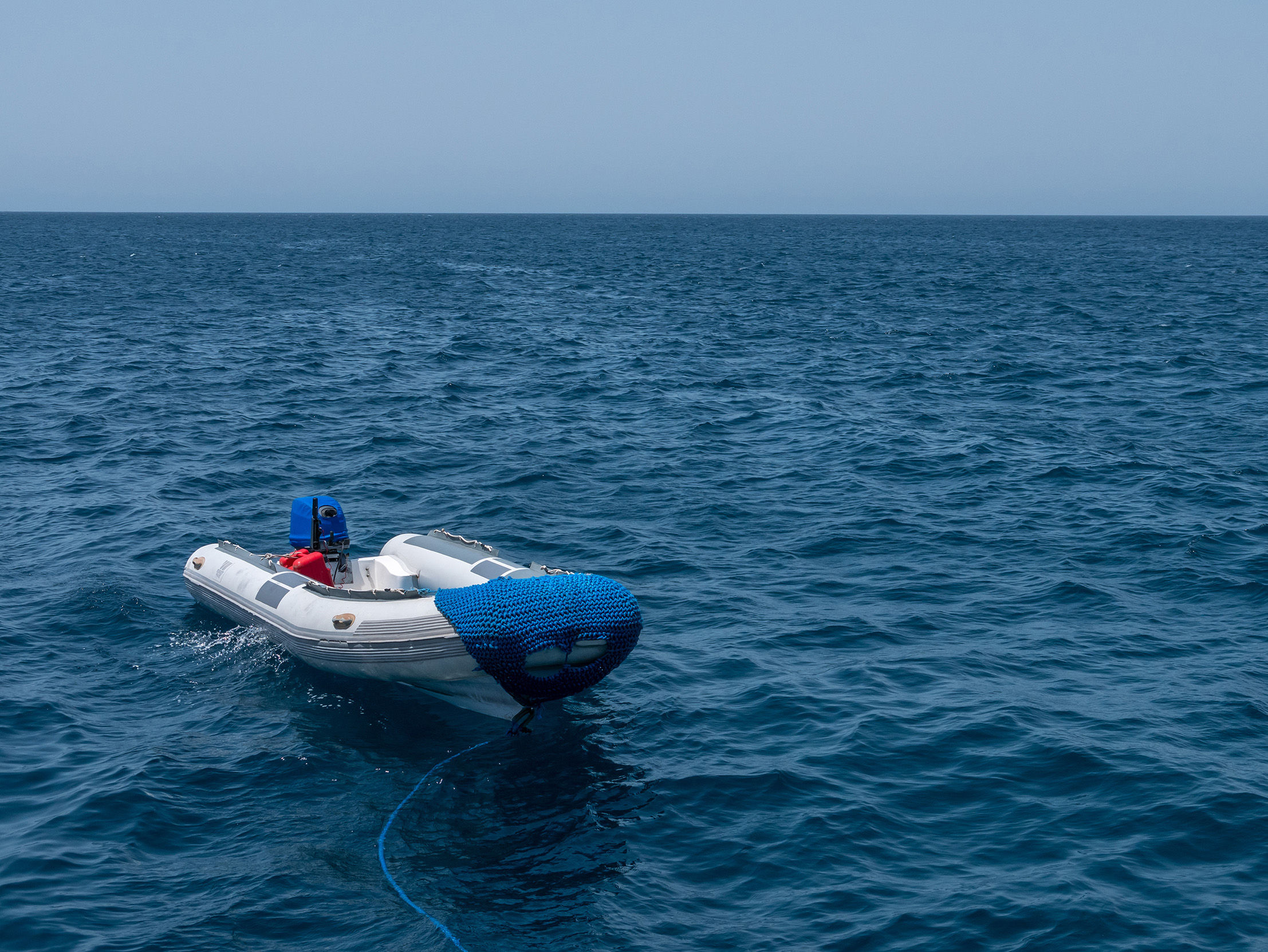
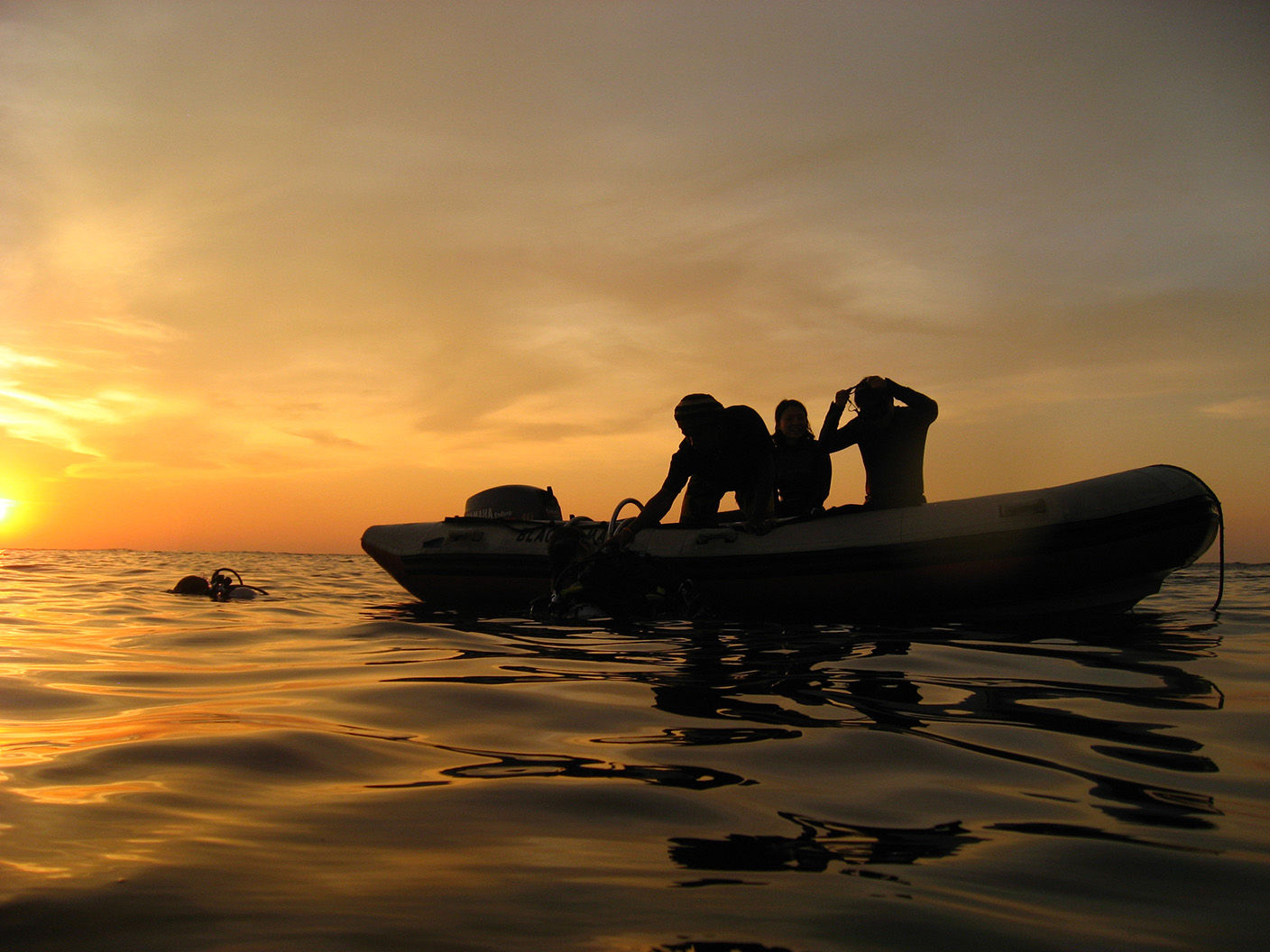
Zodiacs and other dive tenders perform a different but equally important role aboard liveaboards. The mothership provides accommodation, meals, tanks, compressors, and equipment areas, but it cannot always anchor beside a reef, wreck, pinnacle, or channel. A smaller tender carries divers to the safest and most convenient entry point.
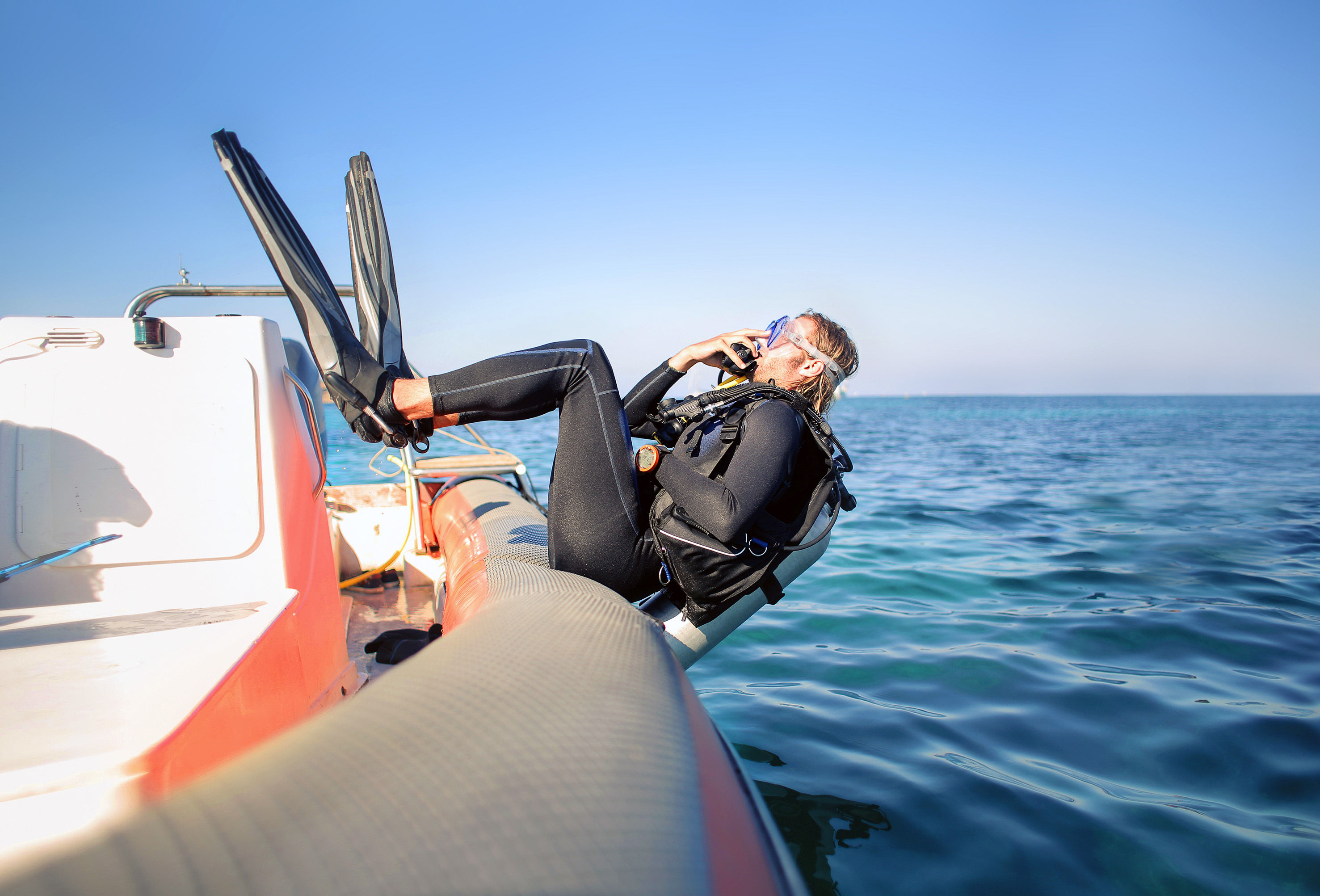
Divers commonly enter the water using a backward roll. At sites with strong currents, the group may make a coordinated negative entry and descend immediately. The tender then follows the divers’ bubbles or surface marker buoys before collecting them at the end of the dive. This system is particularly valuable for drift diving. Instead of swimming back to an anchored vessel, divers can surface farther along the reef and wait for the tender to collect them.
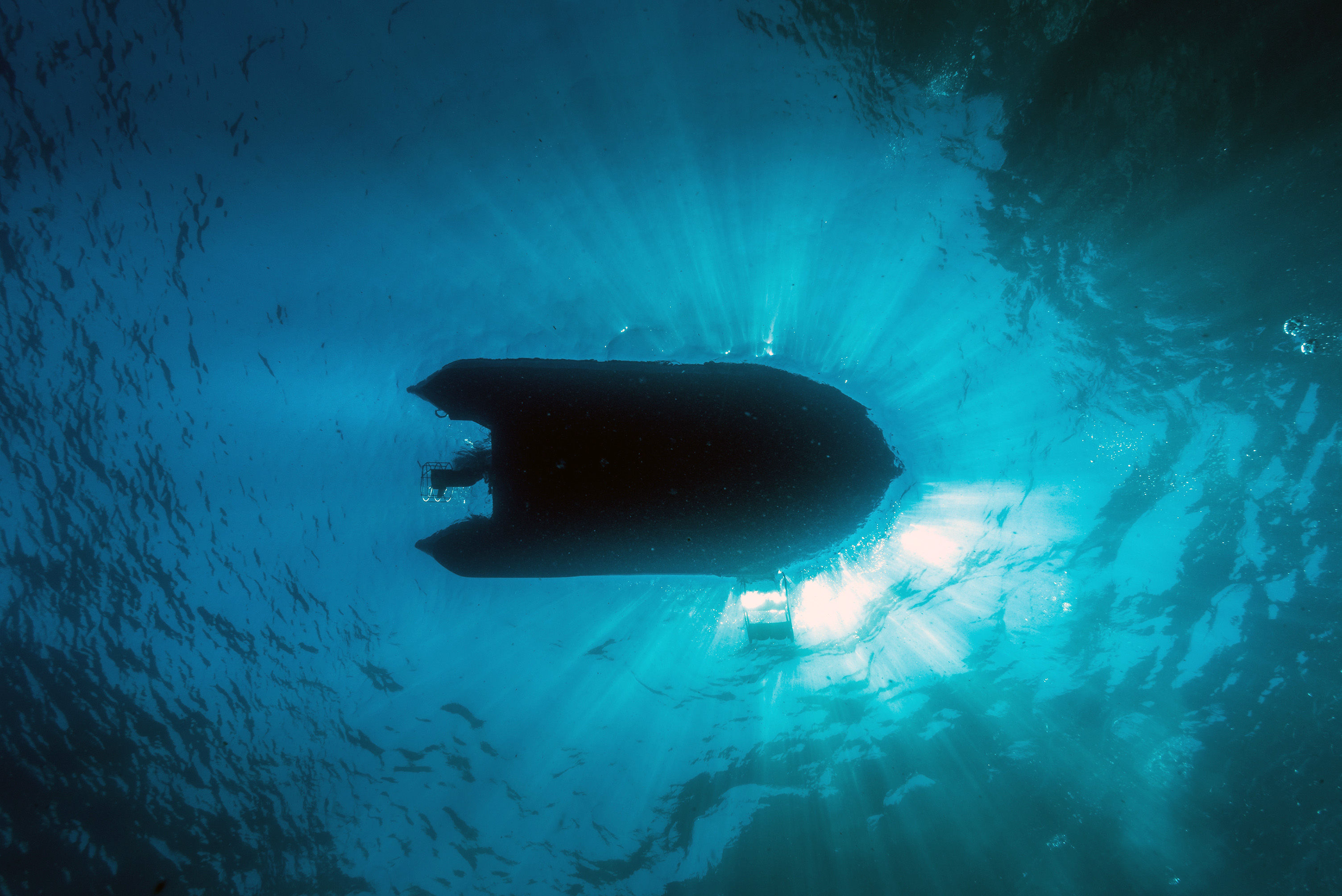
Not every liveaboard support boat is inflatable. In the Maldives, traditional-style dhonis often serve as spacious dive boats. In parts of Latin America, open boats called pangas perform a similar role. Whatever their design or regional name, these tenders considerably expand the range of dive sites available to liveaboard guests.
Zodiacs as Yacht Tenders
An inflatable yacht tender provides a practical connection between a yacht and the coast. It may carry passengers to a marina, beach, waterfront restaurant, snorkeling site, or village while the larger vessel remains anchored offshore. Some yacht tenders are simple inflatable boats, while others feature rigid hulls, comfortable seating, navigation equipment, and powerful engines. Their fundamental purpose remains the same: reaching places the yacht cannot access conveniently.
Zodiac Boat Safety
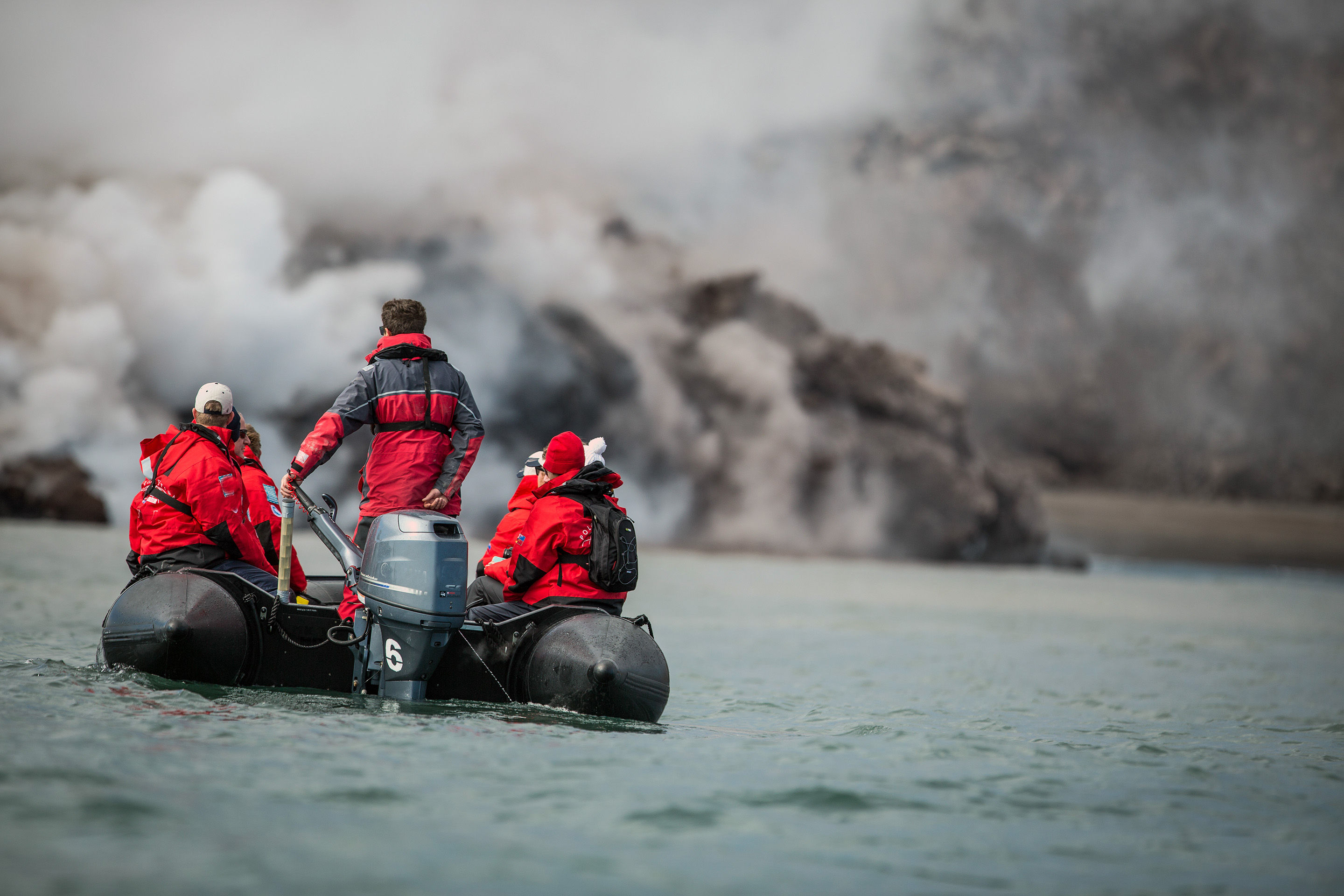
Inflatable expedition boats can initially feel exposed, but their low profile and wide collars help provide buoyancy and stability. Many models contain several independent air chambers, so damage to one section does not necessarily deflate the entire collar. Safe operation also depends on proper maintenance, appropriate loading, experienced drivers, and accurate assessments of weather and sea conditions. Expedition teams may delay, alter, or cancel an excursion when conditions become unsuitable.
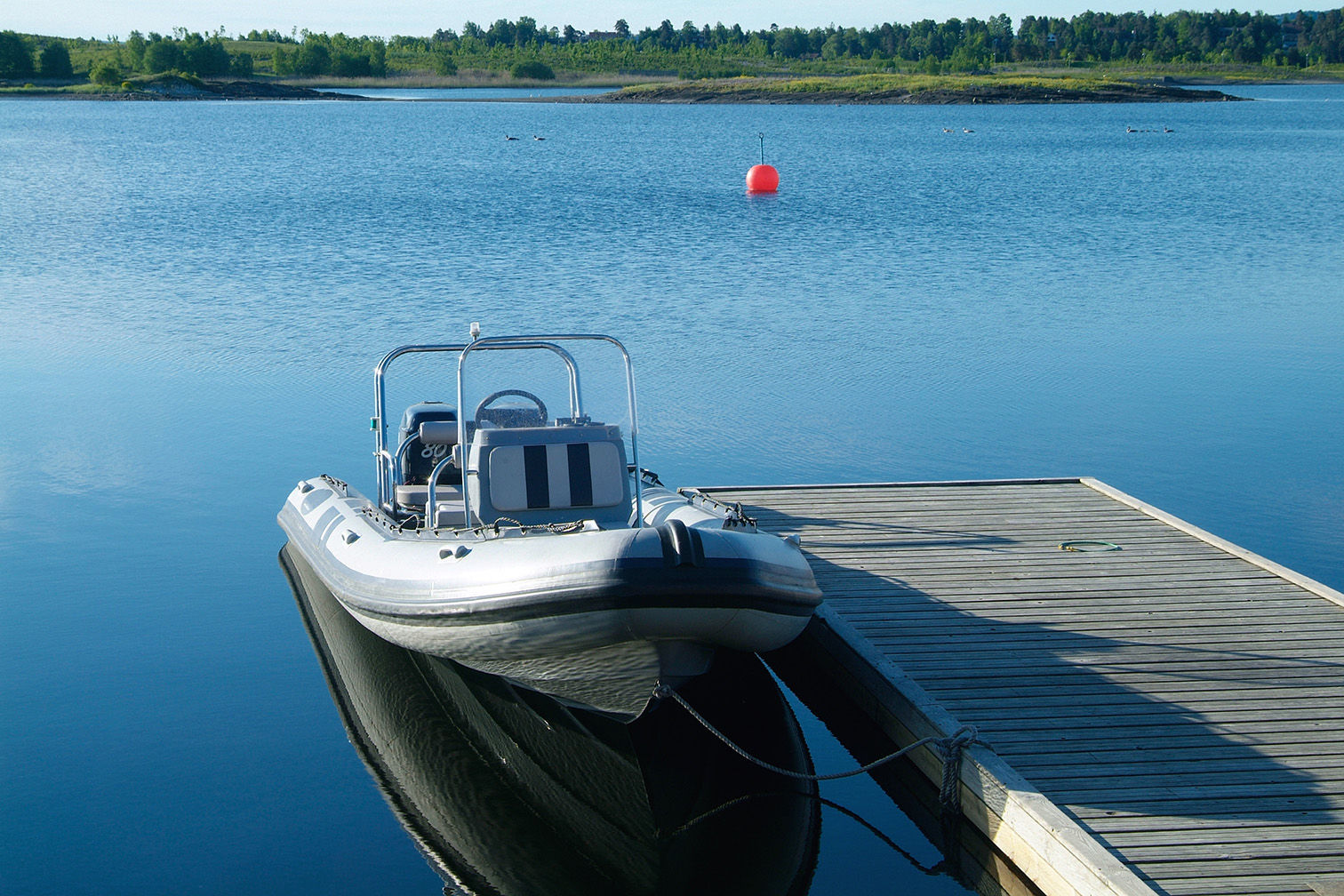
Passengers normally wear life jackets and attend a safety briefing. When boarding, crew members may use a secure forearm hold known as the sailor’s grip. Travelers should keep both hands free, sit where instructed, and avoid standing or changing places while the boat is moving.
Preparing for a Zodiac Excursion
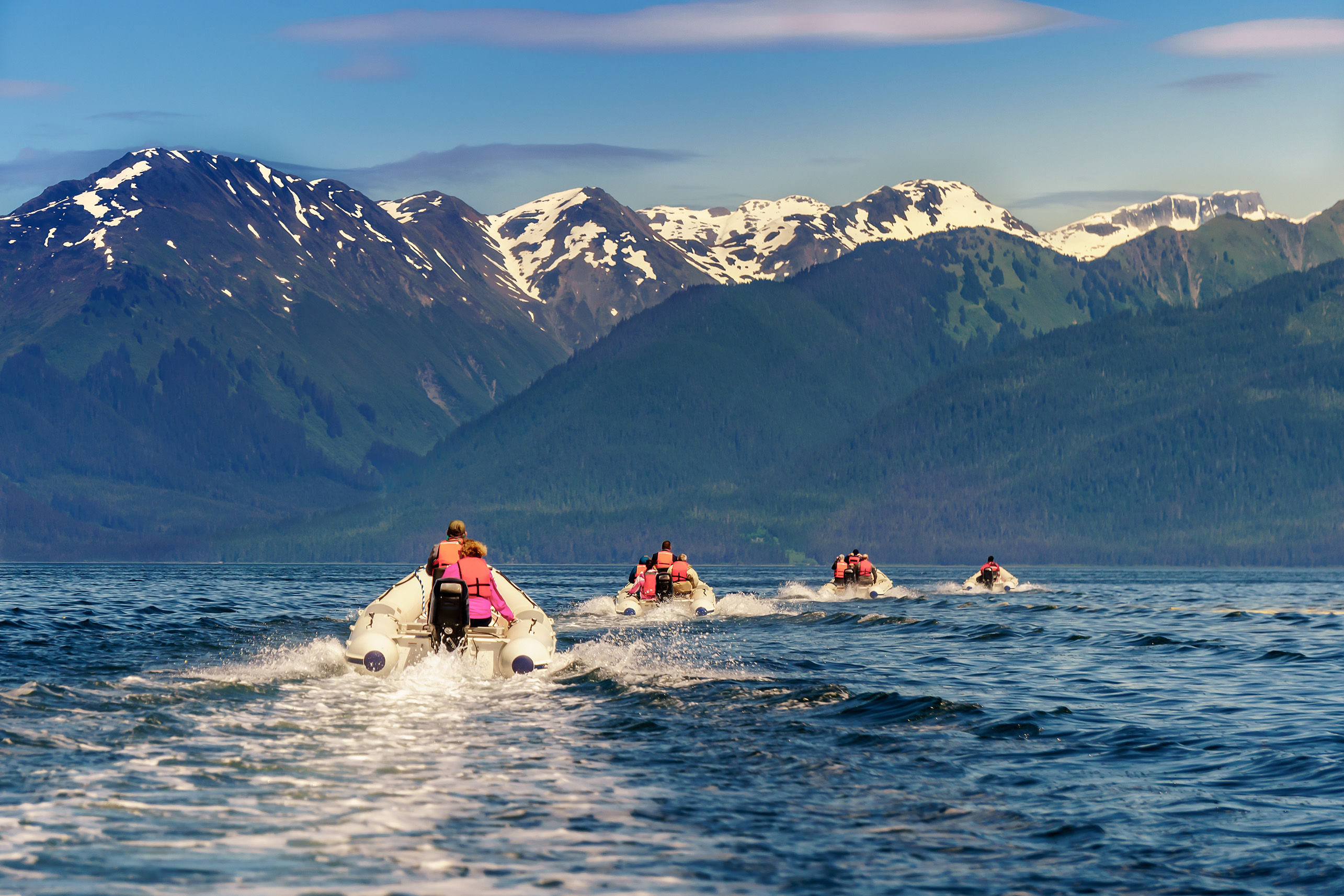
Conditions often feel colder and wetter aboard a small boat than they do on the ship. Waterproof outer layers, warm clothing, gloves, and suitable boots may be essential, particularly during polar expeditions. Protect cameras and phones with waterproof covers or dry bags. Keep both hands free while boarding and secure loose belongings once seated. In polar regions, travelers may also need to clean and disinfect their boots, clothing, and equipment to prevent seeds, soil, and microorganisms from reaching sensitive environments.
Above all, remain flexible. Wind, swell, tides, ice, wildlife, and landing conditions can change an excursion at short notice. Such adjustments are part of exploring places where nature still determines the schedule.
Small Boat, Front-Row View
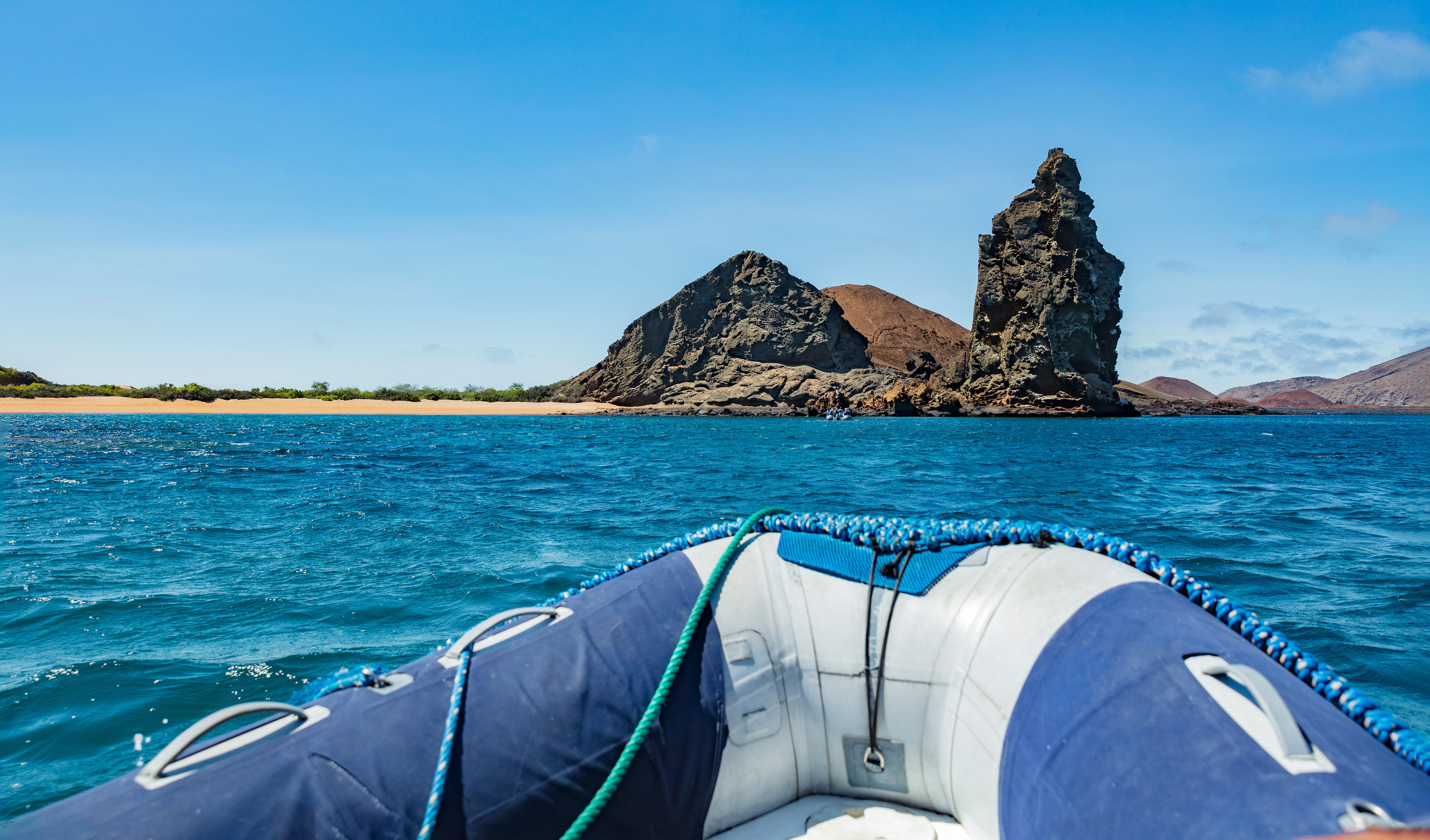
A Zodiac is easy to overlook when secured on the deck of an expedition ship or tied beside a liveaboard. Once launched, it becomes the gateway to everything beyond the mothership. It carries travelers through iceberg-filled bays, divers to distant reefs, and yacht passengers to beaches without docks. The larger vessel may take you across an ocean. The Zodiac boat takes you into the adventure.
This article was developed with AI assistance and reviewed and edited for accuracy, quality, and relevance.